
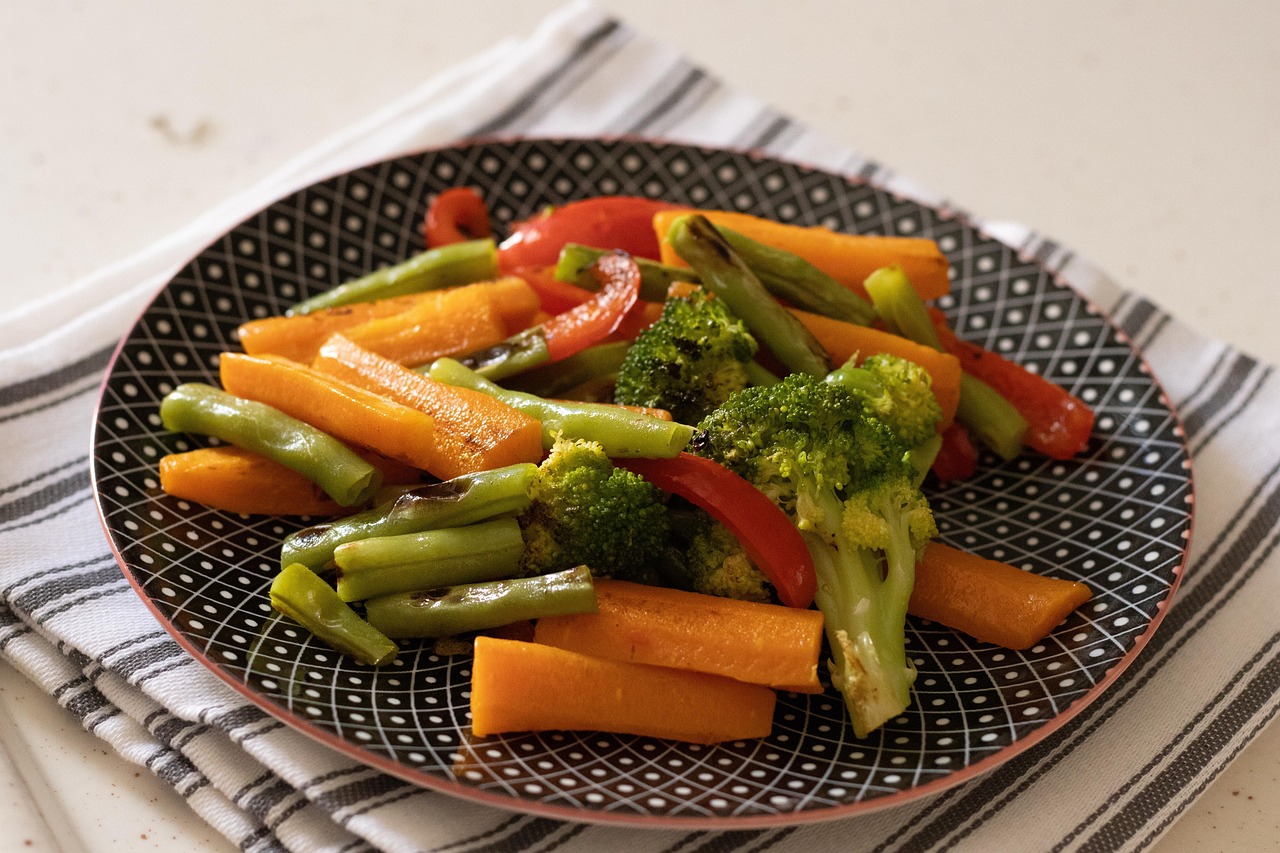
Photo by TheDesignLady87 on Pixabay
When people talk about weight loss, the conversation often turns into a maze of calorie counting, short-term rules, and food guilt. Yet the most sustainable results usually come from something far simpler: building meals around organic food that tastes good, supports nutrition, and makes clean eating feel natural rather than restrictive. If you have ever wondered why some diets leave you tired, hungry, and thinking about snacks all day, the answer may not be a lack of discipline. It may be the quality of the food on your plate and the way it fits into your healthy lifestyle.
Organic food is not a magic solution, and no single ingredient can replace a balanced routine. Still, when you choose produce, proteins, and pantry staples that are minimally processed and thoughtfully sourced, the whole rhythm of eating changes. Meals become more satisfying. Cravings feel easier to manage. Energy becomes steadier. And perhaps most importantly, the process of losing weight starts to feel like care rather than punishment.
This guide explores how organic food can support clean eating and weight loss without turning everyday life upside down. You will learn which foods deserve a place in your kitchen, how to build meals that keep you full, and how to approach a detox diet in a realistic, nourishing way. Along the way, you will also find practical advice, meal ideas, and smart grocery strategies that can help you create habits you can actually keep. Are you ready to make healthy eating feel more enjoyable and less complicated?
Why Organic Food Can Support a Smarter Weight Loss Plan
Weight loss is often framed as a numbers game, but the quality of your nutrition shapes those numbers in powerful ways. Organic food can help create a cleaner eating pattern because it naturally pushes you toward whole ingredients, fewer additives, and more mindful meals. When the pantry is filled with real food instead of ultra-processed options, it becomes easier to stay in rhythm with your goals.
For many people, the biggest challenge is not knowing what to eat. It is dealing with constant hunger, energy crashes, and emotional eating. Organic foods, especially fiber-rich vegetables, fruits, beans, whole grains, and clean proteins, tend to be more filling and easier for the body to process. That matters when the goal is sustainable weight loss instead of quick fixes that fade by the weekend.
A healthy diet also becomes more enjoyable when flavor comes from freshness rather than heavy sauces, refined sugar, and artificial ingredients. Think about the difference between a crisp organic apple and a packaged snack bar with a long ingredient list. Which one feels more satisfying over time? Which one fits a clean eating mindset more naturally?
There is another important factor: routine. When you regularly choose organic food, you often become more intentional in the kitchen. That intention leads to better grocery choices, more balanced portions, and less mindless eating. In other words, the habit itself supports weight loss.
What Makes Organic Choices Different?
Organic foods are grown or produced according to standards that emphasize cleaner farming practices, fewer synthetic pesticides, and more natural processing. That does not automatically make every organic item low in calories or perfect for fat loss, but it does help set a foundation for cleaner nutrition.
The real advantage is not just what organic food excludes. It is what it encourages you to include: fresh vegetables, fruit, legumes, whole grains, nuts, seeds, and unprocessed proteins. These foods are the backbone of a healthy lifestyle because they deliver fiber, micronutrients, and lasting satisfaction.
In a weight loss plan, those qualities matter far more than chasing the latest trend. A smart organic diet is not about eating less food. It is about eating better food, then letting the body respond with more stable energy and fewer urges to overeat.
How Clean Eating Changes the Way You Feel
Clean eating is often misunderstood as a strict rulebook. In reality, it is a flexible way of choosing foods that are close to their natural form. You focus on ingredients you can recognize, meals you can digest comfortably, and patterns that help you feel good after eating instead of sluggish.
When clean eating is built around organic food, several things often happen:
- You eat more vegetables without feeling deprived.
- You build meals with better protein and fiber balance.
- You rely less on sugary snacks that trigger energy swings.
- You become more aware of portion sizes and hunger cues.
- You feel more in control of your healthy lifestyle.
That shift in awareness can be one of the most valuable parts of a weight loss journey. Instead of fighting your habits every hour, you begin to create an environment where healthy choices happen more naturally.
[IMAGE: organic vegetables]
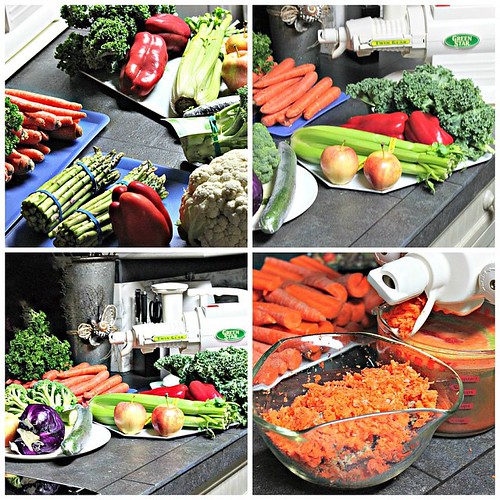
Fresh organic vegetables are the foundation of a clean eating approach because they deliver volume, color, fiber, and flavor with very few calories. Leafy greens, broccoli, carrots, zucchini, cucumbers, cauliflower, peppers, and asparagus can transform a plate from average to nourishing in minutes. If your meals have felt repetitive or bland, this is where the reset begins.
The Best Organic Foods for Weight Loss
Not every organic food is automatically ideal for fat loss. Organic cookies are still cookies, and organic sugar is still sugar. The goal is to focus on foods that offer a strong return on every bite. These are the ingredients that support satiety, stable energy, and better nutrition while keeping your meals enjoyable.
1. Leafy Greens and High-Volume Vegetables
Few foods are as powerful for weight loss as vegetables that add volume without adding a heavy calorie load. Organic spinach, kale, arugula, romaine, Swiss chard, cabbage, and mixed greens are excellent choices because they can fill half your plate without crowding out other nutrients.
Why do they work so well? They are rich in fiber, water, and micronutrients, which means they help you feel full while supporting digestion. They also make it easier to create visually satisfying meals. A plate that looks abundant often feels more satisfying than a tiny portion arranged with strict caution.
Try adding leafy greens to:
- morning omelets or tofu scrambles
- lunch bowls with quinoa and legumes
- dinners built around grilled fish or beans
- smoothies that need more nutrients without too much sweetness
2. Organic Berries and Low-Sugar Fruits
Fruit is often treated with suspicion in weight loss conversations, but the right fruit can be an excellent part of a healthy diet. Organic berries such as blueberries, strawberries, raspberries, and blackberries are especially useful because they offer antioxidants, fiber, and natural sweetness with less sugar than many other fruits.
Apples, pears, kiwi, citrus, and stone fruit can also fit beautifully into a clean eating plan when portions are reasonable. Instead of thinking of fruit as a guilty pleasure, think of it as a strategic source of flavor that can satisfy cravings before they lead you toward processed desserts.
Have you noticed how a bowl of berries with yogurt can feel far more satisfying than a packaged snack? That is the power of food quality paired with volume and texture.
3. Lean Organic Proteins That Keep You Full
Protein is one of the most valuable nutrients for weight loss because it supports fullness and helps preserve lean muscle while you reduce excess body fat. Organic eggs, plain Greek yogurt, cottage cheese, tofu, tempeh, edamame, chicken breast, turkey, wild fish, lentils, and beans can all play a role depending on your dietary style.
Protein matters because many people mistake fatigue and hunger for a lack of willpower, when in fact the body is asking for more balanced fuel. A breakfast that contains protein can help stabilize appetite for hours. A lunch that includes protein can reduce afternoon snacking. A dinner centered around protein can make evening cravings easier to manage.
Simple protein rule
For most people, the easiest approach is to include a clear protein source at every meal. You do not need to obsess over perfection. Just ask: does this meal contain enough protein to keep me comfortable until the next one?
4. Whole Grains and Slow-Digesting Carbs
Carbs are not the enemy of weight loss. The type and quality of carbohydrates matter much more than the mere presence of them. Organic oats, quinoa, brown rice, buckwheat, farro, barley, and sweet potatoes can all support a healthy lifestyle when they are used intelligently.
These foods digest more slowly than refined flour products and often pair well with vegetables and protein. That combination helps regulate appetite, which is one reason balanced meals often outperform extreme restrictions. If you are trying to avoid late-night cravings, a plate that includes a modest portion of slow-digesting carbs may actually help you stay on track.
Here is a simple reminder: the goal is not to eliminate carbs. The goal is to choose carbohydrates that work with your nutrition needs instead of against them.
5. Healthy Fats That Support Satisfaction
Healthy fats are essential in any organic diet. Avocados, olive oil, walnuts, almonds, chia seeds, flaxseed, hemp seeds, and tahini can make meals more satisfying and more enjoyable. They also help with the absorption of certain fat-soluble vitamins, which is important for overall nutrition.
Because fat is calorie-dense, portion awareness is useful here. A little goes a long way. A spoonful of seeds, a drizzle of olive oil, or a few slices of avocado can enhance a meal without overloading it. The point is to use fats as flavor and support, not as a free pass to ignore balance.
Have you ever eaten a salad that left you hungry again in thirty minutes? It probably needed more protein, more fiber, or a small amount of healthy fat to become truly complete.
6. Fermented and Gut-Friendly Foods
Gut health influences more than digestion. It can affect how full you feel, how comfortably you digest meals, and how consistent your energy remains throughout the day. Organic kefir, plain yogurt, sauerkraut, kimchi, miso, and other fermented foods can support a healthy digestive rhythm when used regularly.
These foods are especially helpful in a detox diet style plan that focuses on natural foods rather than deprivation. They are not cleansing miracles, but they can support a kitchen pattern that leaves you feeling lighter and more balanced. Pair them with vegetables and quality proteins for the best effect.
[IMAGE: healthy meal]
A truly healthy meal is not defined by a strict label. It is defined by balance. Picture a plate with grilled salmon, roasted broccoli, quinoa, avocado, and a side of fermented vegetables. It looks beautiful, tastes rich, and supports weight loss without making you feel as though you are eating from a punishment menu.
How to Build Meals That Support Weight Loss Without Hunger
The smartest organic food strategy is not based on one superfood. It is based on structure. When every meal follows a repeatable pattern, you do not have to rely on motivation alone. You simply assemble food in a way that supports appetite control and stable energy.
The Balanced Plate Method
A practical clean eating plate often includes four parts:
- Half the plate: non-starchy vegetables
- One quarter: lean protein
- One quarter: whole grains or starchy vegetables
- Small addition: healthy fats or seeds
This framework works because it gives your body what it needs without forcing you to measure every bite forever. It also keeps meals visually appealing, which makes healthy eating feel more rewarding.
Breakfast Ideas That Actually Keep You Full
Breakfast can set the tone for the day. If it is too sugary or too light, you may find yourself chasing snacks by mid-morning. If it is balanced, you are far more likely to stay focused and calm around food.
Try these organic breakfast combinations:
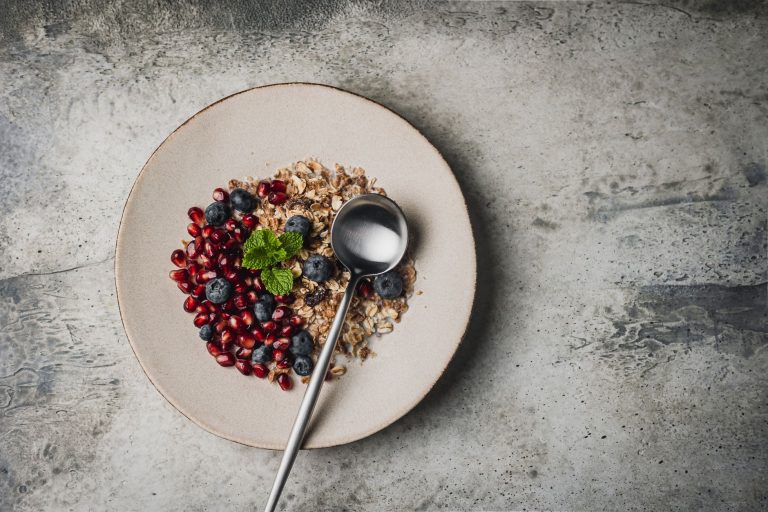
- organic Greek yogurt, berries, chia seeds, and a small handful of walnuts
- oatmeal topped with cinnamon, flaxseed, and sliced apple
- eggs with spinach, tomatoes, and avocado on the side
- tofu scramble with mushrooms, peppers, and herbs
The question to ask is simple: does your breakfast give you enough protein, fiber, and flavor to stay satisfied? If not, it may be time to upgrade it.
Lunch and Dinner That Make Clean Eating Easy
Lunch and dinner are where many people either stay steady or drift into overeating. When hunger is intense and the kitchen is unplanned, convenience usually wins. That is why having a few repeatable meal formulas can make all the difference.
Consider these organic meal ideas:
- quinoa bowl with roasted vegetables, chickpeas, and lemon tahini dressing
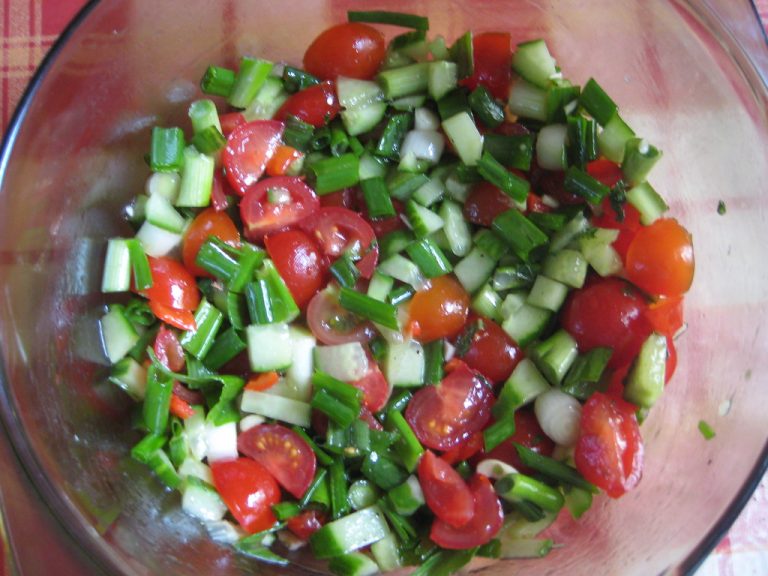
- grilled chicken or tofu with mixed greens, cucumber, and avocado
- baked salmon with sweet potato and steamed broccoli
- lentil soup with a side salad and olive oil vinaigrette
These meals are not flashy, and that is part of their strength. They are practical, satisfying, and easy to repeat. When food is easy to repeat, weight loss becomes more manageable.
Smart Snacks That Prevent Overeating Later
Snacks can be helpful when they are chosen with intention. The best organic snacks are the ones that bridge the gap between meals without leading to a sugar spiral. They should give you enough energy to stay focused while fitting naturally into your healthy lifestyle.
- apple slices with almond butter
- carrots and hummus
- plain yogurt with cinnamon
- boiled eggs with sea salt and pepper
- pumpkin seeds and a few berries
Notice that none of these snacks are dramatic. They are simple, portable, and useful. That is exactly what a good snack should be.
Organic Meal Prep Ideas That Save Time and Support Results
One of the most common reasons healthy plans fail is not lack of knowledge but lack of preparation. If your schedule is busy, your meals need to be ready before hunger gets loud. Organic meal prep helps remove friction, and that can be a major advantage for anyone trying to lose weight without feeling overwhelmed.
Meal prep does not have to mean eating the same lunch for seven days in a row. It can simply mean preparing a few key ingredients that make the week easier.
What to Prep on a Sunday or Free Evening
- washed leafy greens
- roasted vegetables like carrots, zucchini, and cauliflower
- cooked quinoa, brown rice, or sweet potatoes
- boiled eggs or baked tofu
- washed fruit and snack portions
- homemade dressing with olive oil, lemon, and herbs
With these basics in the fridge, a healthy meal can come together in minutes. That convenience helps you stay consistent even when your schedule gets messy.
Batch Cooking Without Burnout
To avoid meal prep fatigue, prepare components rather than rigid meals. Cook a tray of vegetables, a pot of grains, and one or two proteins, then mix and match them throughout the week. You can turn the same base ingredients into bowls, salads, wraps, or warm plates.
This approach is especially useful for organic food because fresh ingredients tend to be at their best when used soon after purchase. It also reduces waste, which is a nice bonus for both your budget and your healthy lifestyle.
Easy flavor boosters
Keep a few flavor builders on hand so your food stays interesting:
- fresh herbs like parsley, basil, and cilantro
- spices such as cumin, paprika, and turmeric
- citrus juice and zest
- garlic and ginger
- vinegars and mustard
Small details matter. A meal that tastes exciting is much easier to repeat than one that feels bland or boring.
[IMAGE: fitness lifestyle]
A successful weight loss journey is about more than food alone. Regular movement, sleep, hydration, and stress management all shape how your body responds to a healthy diet. A photorealistic fitness lifestyle image often captures that bigger picture: a person finishing a brisk walk, coming home to a nourishing meal, and feeling calm rather than chaotic around food.
How a Detox Diet Can Fit into a Realistic Organic Plan
The phrase detox diet can be misleading when it is used to promote extreme cleanses or starvation-based resets. Your body already has sophisticated systems for detoxification, especially through the liver, kidneys, skin, and digestive tract. What a thoughtful detox diet can do is reduce the burden of ultra-processed food and replace it with ingredients that support natural function.
That means fewer packaged snacks, fewer sugary drinks, fewer fried foods, and more water, vegetables, fruit, herbs, and clean proteins. It is not about punishment. It is about relief.
What a Gentle Detox Approach Looks Like
- drink more water and herbal tea
- center meals around vegetables and protein
- reduce alcohol and added sugar for a period of time
- choose organic food with minimal processing
- eat at regular times so you do not arrive at meals starving
Notice that this approach is supportive rather than extreme. That distinction matters. The best detox diet is one that leaves you feeling better, not deprived, shaky, or obsessed with the next meal.
Common Detox Diet Myths
It is easy to fall for promises that suggest a juice cleanse or a miracle tea will melt away body fat overnight. In reality, rapid changes often reflect water loss, not meaningful fat loss. More importantly, those methods are rarely sustainable.
Ask yourself: would this approach help me build a healthy lifestyle over the long term, or would it just create a dramatic story for a few days? Sustainable nutrition almost always wins in the end.
Organic Grocery Shopping Tips for Cleaner Eating
Many people want to eat better but struggle at the grocery store. A smart shopping strategy can reduce impulse purchases and help you bring home the ingredients that support your goals instead of undermining them.
Start with the Perimeter, Then Build the Middle
In many stores, the perimeter contains produce, dairy, meat, seafood, and refrigerated staples, while the center aisles hold more packaged items. That does not mean every center aisle item is bad, but it does mean you should begin with whole foods and fill in carefully.
Useful organic shopping categories include:
- seasonal vegetables
- fresh and frozen fruit
- eggs, yogurt, tofu, fish, poultry, beans, and lentils
- oats, quinoa, brown rice, and whole-grain pasta
- nuts, seeds, and olive oil
Frozen organic vegetables can be especially helpful because they are convenient, affordable, and often nutritionally strong.
Read Labels Without Getting Overwhelmed
Clean eating does not require perfection, but it does reward awareness. When you read labels, look for short ingredient lists, recognizable foods, and limited added sugar. Be cautious with products that market themselves as healthy while quietly packing in sweeteners, refined oils, and artificial extras.
A useful question is this: if I had these ingredients at home, would I cook with them myself? If the answer is no, the product may not belong in your regular routine.
Budget-Friendly Organic Choices
Eating organic food does not have to empty your wallet. The smartest strategy is to prioritize the items you eat most often and the foods that are most central to your healthy diet.
To save money:
- buy seasonal produce
- choose store brands where quality is strong
- use frozen organic vegetables and fruit
- buy pantry staples in bulk
- plan meals before shopping
It is better to buy fewer high-quality ingredients and use them well than to buy a cart full of random healthy items that never get cooked.
Organic Diet Mistakes That Slow Down Progress
Even the best intentions can lead to stalled results if the plan is unbalanced. Some people assume that because a food is organic, it can be eaten without limits. Others become so strict that they end up rebounding into overeating. Both extremes can interfere with weight loss.
Eating Too Little
Severely cutting calories may create fast early changes, but it often leads to fatigue, hunger, and a strong rebound effect. When your body feels underfed, cravings grow louder and discipline gets harder to maintain.
A better approach is to eat enough protein, enough vegetables, and enough healthy fat to feel steady. That is what helps a clean eating plan remain realistic.
Relying on Organic Processed Foods
Organic chips, cookies, frozen desserts, and snack bars can still be highly processed. While they may be better than some conventional options, they should not become the core of your diet. If your meals are mostly packaged, the weight loss results will usually reflect that.
Use processed organic foods strategically, not automatically.
Ignoring Liquid Calories
Drinks can quietly undermine progress. Sweet coffee drinks, fruit juices, alcohol, and flavored beverages may not feel like much at the time, but they can add up quickly. A clean eating plan often works better when hydration comes mostly from water, sparkling water, herbal tea, and unsweetened beverages.
Assuming All Healthy Foods Are Unlimited
Nuts, oils, avocado, and granola are nutritious, but portion size still matters. Healthy food can support weight loss or slow it down depending on how it is used. Balance always matters more than labels alone.
A Simple One-Day Organic Weight Loss Menu
If you prefer a practical example, here is a one-day structure built around organic food, clean eating, and balanced nutrition. It is not meant to be perfect or rigid. It is simply a realistic model you can adapt.
Breakfast
Organic Greek yogurt with berries, chia seeds, and cinnamon, plus a boiled egg for extra protein.
Mid-Morning Option
An apple with a small spoon of almond butter or a cup of herbal tea if you are not hungry.
Lunch
A quinoa bowl with roasted vegetables, chickpeas, leafy greens, olive oil, lemon, and fresh herbs.
Afternoon Snack
Carrots with hummus or plain yogurt with a few pumpkin seeds.
Dinner
Baked salmon or tofu with broccoli, sweet potato, and a side of fermented vegetables.
Evening Routine
Water, a short walk, and a plan for tomorrow so late-night grazing does not take over.
This kind of structure works because it is simple enough to repeat. And repetition is what turns good nutrition into visible results.
How Movement and Recovery Strengthen Your Results
Food is central, but it is not the whole story. Movement and recovery shape the way your body uses the energy you give it. A healthy lifestyle becomes much easier when you pair your organic diet with regular activity, quality sleep, and enough stress management to keep cravings from spiraling.
You do not need intense training every day to support weight loss. Walking, strength sessions, gentle yoga, cycling, and active errands can all help. What matters is consistency.
Why Walking Deserves More Credit
Walking is one of the easiest ways to support calorie balance, digestion, mood, and blood sugar stability. It also fits beautifully into a sustainable weight loss plan because it is low stress and easy to repeat. If you eat a clean, balanced meal and take a brisk walk afterward, you may notice better digestion and fewer cravings later in the day.
Simple movement targets
- 10-minute walk after meals
- 20 to 30 minutes of brisk walking most days
- 2 to 3 strength sessions each week
- stretching or mobility work before bed
Movement is not a punishment for eating. It is part of the same healthy lifestyle that makes organic food feel even more effective.
[IMAGE: fitness lifestyle]
In a strong fitness lifestyle image, you can almost feel the momentum: a morning walk, a fresh meal waiting at home, and a body that is being supported instead of pushed into extremes. That is the spirit of this approach.
Frequently Overlooked Details That Make Clean Eating Work
Sometimes the smallest habits create the biggest shift. The most successful healthy diet plans tend to have a few invisible strengths that keep everything on track.
Eat With More Attention
When you eat while distracted, it becomes harder to notice fullness. Try to sit down, slow down, and actually taste your food. That does not mean every meal must be ceremonial. It just means presence matters.
Use Flavor to Stay Interested
Clean eating fails when meals feel like chores. Fresh herbs, citrus, garlic, ginger, vinegar, mustard, spices, and good olive oil can make organic food feel vibrant rather than repetitive.
Plan for Real Life, Not Perfect Life
There will be travel days, busy weeks, social events, and emotional moments. A good plan anticipates those realities instead of pretending they do not exist. Keep portable snacks, know a few restaurant options, and forgive small detours without turning them into full setbacks.
Watch Your Self-Talk
People often lose momentum not because the plan is bad, but because their internal conversation becomes harsh. A healthy relationship with food is built through consistency, patience, and self-respect. You are more likely to stay with a plan that feels supportive than one that feels like a constant test.
Building a Healthy Lifestyle That Lasts
The real value of organic food is not found in a single meal or a temporary detox diet. It is found in the rhythm it creates. When you cook more often, shop more intentionally, and choose foods that help you feel energized instead of drained, your entire relationship with eating begins to change.
That shift can be subtle at first. Maybe you notice that your cravings are less intense. Maybe your digestion feels smoother. Maybe you have more patience during the afternoon slump. These are the kinds of signals that tell you your nutrition strategy is working with your body, not against it.
If you have been searching for a weight loss plan that feels elegant, practical, and grounded in real life, organic food and clean eating offer a strong path forward. The goal is not to eat perfectly. The goal is to create meals and habits that you can return to again and again without resentment or confusion. Keep your plate colorful, your pantry simple, your meals satisfying, and your expectations realistic, and the process becomes far more powerful than any quick-fix promise.
When you are ready to keep building momentum, explore more articles on DietOrganic for fresh ideas, smarter nutrition strategies, and healthy lifestyle inspiration that make clean eating feel delicious, achievable, and worth repeating.
About the Author