
Photo by monicore on Pixabay
If you have ever wondered why some healthy diets seem to improve energy, calm bloating, and make weight loss feel more manageable while others leave you frustrated, the answer often starts in the gut. Your digestive system is not simply a place where food is broken down; it is an ecosystem, a daily decision-maker, and one of the most powerful influences on your overall nutrition and healthy lifestyle. That is why an organic food approach can be such a smart part of clean eating. When your meals are built around whole, minimally processed ingredients, your gut gets a better chance to function the way it was designed to.
Organic food is not a magic cure, and it does not replace balanced nutrition or medical care, but it can reduce exposure to certain additives and support a more mindful way of eating. For people who want better digestion, less discomfort, a steadier appetite, or even a more sustainable path to weight loss, choosing organic options can be a practical and satisfying upgrade. What would it feel like to eat in a way that supports your gut, your energy, and your long-term health at the same time?
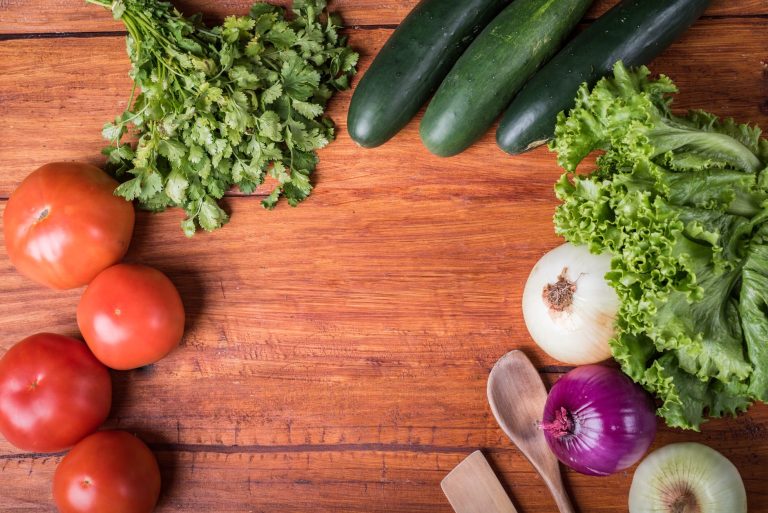
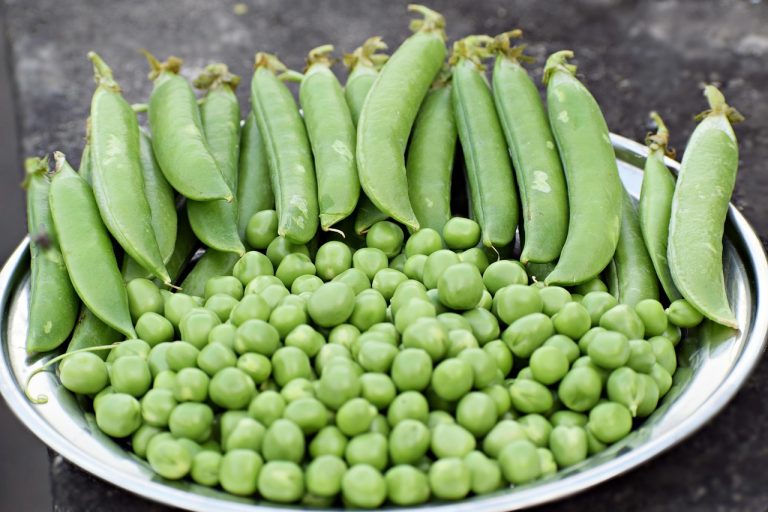
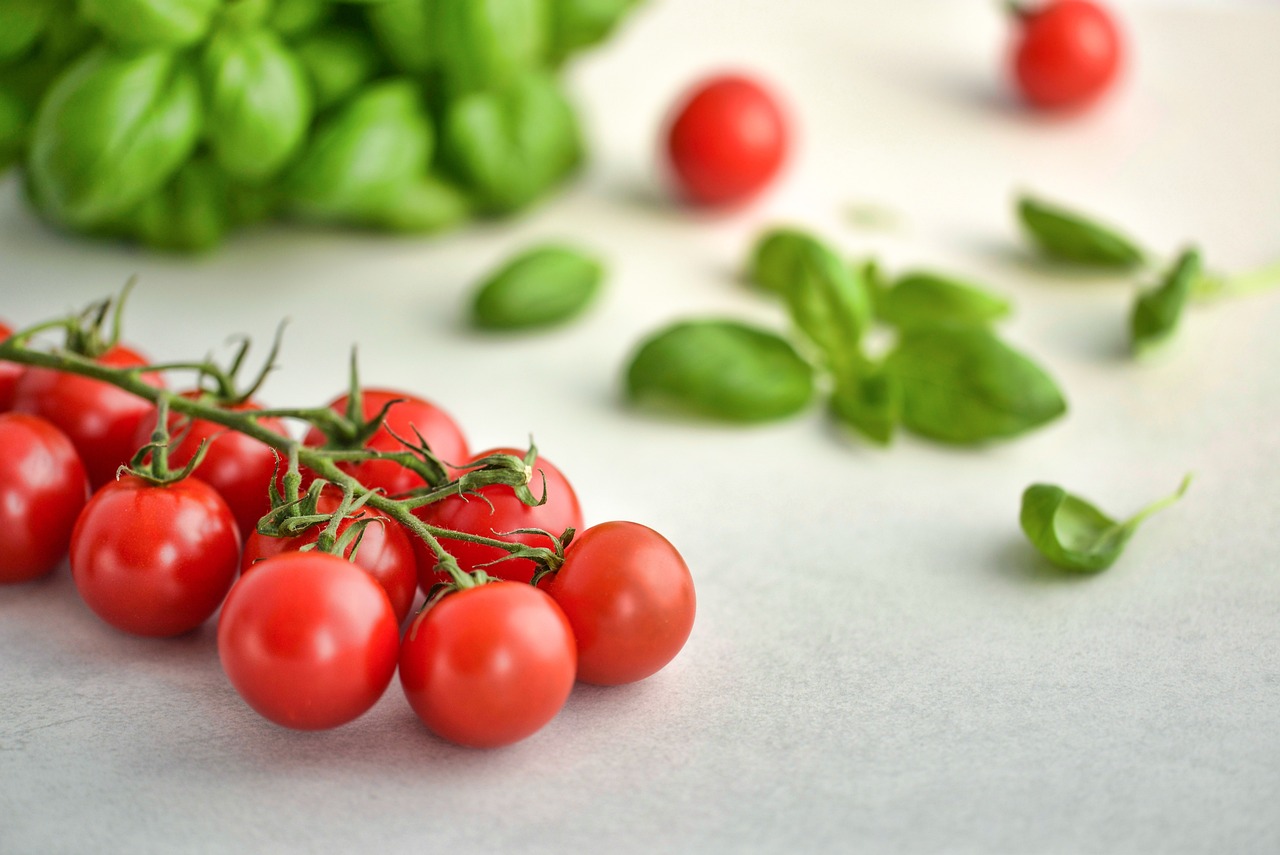
[IMAGE: organic vegetables]
Why gut health matters more than most people realize
The gut is home to trillions of microorganisms that help digest food, support immunity, influence inflammation, and even affect mood. That means your everyday meals can either feed a thriving internal environment or make digestive stress worse. If you have ever felt sluggish after eating, experienced unpredictable bloating, or noticed cravings that seem impossible to control, your gut may be asking for a better-quality eating pattern.
Gut health matters because it shapes how your body absorbs nutrients. It also influences how efficiently you use energy, how satisfied you feel after meals, and how well you handle dietary changes. When digestion is smooth, healthy eating tends to feel easier. When digestion is off, even the best intentioned diet can feel uncomfortable and unsustainable.
How the gut affects weight loss and appetite
Many people focus on calories alone when they think about weight loss, but the gut has a major role in satiety signals, inflammation balance, and metabolic function. A diet rich in fiber, plant diversity, and fermented foods can encourage a healthier microbiome, which may help regulate hunger and improve how your body responds to food. Could that be one reason clean eating often feels less like deprivation and more like relief?
When your gut bacteria are fed well, they produce compounds that support the intestinal lining and help your body use nutrients more effectively. That can make a difference in energy stability and in how satisfied you feel between meals. In contrast, a diet full of ultra-processed food often leaves the gut undernourished and the appetite confused.
Common signs your digestion needs support
Not every digestive issue signals a serious problem, but recurring discomfort often means your routine needs attention. Here are some common signs people notice when their gut could use more support:
- Bloating after meals
- Irregular bowel movements
- Frequent cravings for sugar or highly processed snacks
- Feeling tired soon after eating
- Gas, heaviness, or sluggish digestion
- Poor tolerance for certain foods
If these patterns sound familiar, the answer may not be another restrictive detox diet. It may be a simpler shift toward organic food, more fiber, better hydration, and a gentler clean eating approach.
Why organic food can support a healthier digestive environment
There are many ways to eat well, but organic food offers a few specific advantages that make it especially appealing for gut health. By reducing exposure to certain pesticides, synthetic fertilizers, and unnecessary additives, you may be giving your digestive system a cleaner environment in which to operate. For many people, that sense of simplicity is the real appeal of organic eating.
Organic food also tends to fit naturally into a whole-food pattern. When you choose organic fruits, vegetables, grains, legumes, dairy, and protein sources, you are often choosing items that are less processed and more nutrient-focused. That matters because the gut responds well to consistent, nutrient-rich nourishment.
Less exposure to unnecessary additives
One reason organic food is often associated with clean eating is that it generally contains fewer synthetic pesticide residues and, in many cases, fewer artificial ingredients. While not every digestive issue is caused by food additives, many people feel better when their meals are simpler and closer to their natural state. If your goal is to create a healthy diet that feels calming rather than chaotic, this matters.
A simplified ingredient list can make meals easier to understand and easier to tolerate. You know what you are eating. Your body may appreciate that clarity, especially if you have been dealing with digestive discomfort.
More nutrient-dense choices at the center of the plate
Organic food is not automatically more nutritious in every case, but it often encourages a pattern built around whole ingredients instead of packaged substitutes. That means more vegetables, more legumes, more real fruit, and more minimally processed protein sources. These are the foods that help form the backbone of nutrition for gut health.
When your plate starts with real food, your gut gets more fiber, more natural plant compounds, and more variety. Variety is not just a nice idea; it is one of the best ways to support a diverse microbiome. Why settle for a bland routine when a colorful plate can help both digestion and satisfaction?
Organic eating supports a cleaner daily routine
One overlooked benefit of organic food is behavioral. When people shop, cook, and eat more intentionally, they often reduce reliance on fast food, sugary snacks, and highly processed convenience meals. That shift can improve not just digestion but the whole healthy lifestyle picture.
This is where the connection between organic food and weight loss becomes more realistic. It is not about a single superfood or a perfect detox diet. It is about building a repeatable routine that keeps your choices aligned with your health goals.
The best organic foods for gut health
When people ask which organic foods are best for digestion, the answer usually comes down to four groups: fiber-rich plants, fermented foods, healthy fats, and gentle whole-food carbohydrates. Each of these supports the gut in a different way, and together they create a balanced nutrition strategy that is practical and sustainable.
Fermented foods that deliver beneficial bacteria
Fermented foods are one of the most valuable additions to a gut-friendly diet because they provide live cultures and support microbial diversity. If you are trying to improve digestion naturally, they deserve a place on your shopping list.
Great organic fermented options include:
- Plain organic yogurt with live cultures
- Organic kefir
- Unpasteurized sauerkraut
- Kimchi made with simple ingredients
- Miso
- Tempeh
Start small if you are new to these foods. A few spoonfuls or a small serving may be enough at first, especially if your digestive system is sensitive. More is not always better when it comes to fermented foods. Consistency matters more than intensity.
Fiber-rich organic fruits and vegetables
Fiber is the fuel your gut microbes love. It helps keep bowel movements regular, supports fullness, and contributes to a balanced digestive rhythm. This is where organic vegetables and fruits truly shine.
Smart fiber-rich choices include:
- Leafy greens such as spinach, kale, and arugula
- Broccoli, cauliflower, and Brussels sprouts
- Carrots, beets, and zucchini
- Apples and pears with the skin on
- Berries such as blueberries, raspberries, and blackberries
- Avocados
- Artichokes
These foods offer more than fiber alone. They also provide antioxidants and plant compounds that support your body’s natural defenses. That is one reason a clean eating pattern built on organic produce often feels energizing rather than restrictive.
Whole grains and resistant starch for a happier microbiome
Not all carbohydrates are the enemy of weight loss. In fact, the right carbs can support digestion and satiety when they come from whole, organic sources. Resistant starch is especially useful because it behaves like fiber in the body and helps feed beneficial gut bacteria.
Examples of gut-friendly organic carbohydrates:
- Oats
- Quinoa
- Brown rice
- Cooked and cooled potatoes
- Cooked and cooled rice
- Green bananas
- Lentils and beans
These foods can keep meals satisfying while helping stabilize appetite. That is one reason they are so valuable in a healthy diet focused on nutrition and long-term balance rather than quick-fix restriction.
Healthy fats that support absorption and balance
Fat often gets blamed for everything from sluggish digestion to unwanted weight gain, but the right fats are essential. They help absorb fat-soluble vitamins, support hormone function, and make meals feel complete. For gut health, they may also help calm inflammation when chosen wisely.
Better organic fat sources include:
- Avocados
- Extra-virgin olive oil
- Walnuts
- Chia seeds
- Ground flaxseed
- Natural nut butters without added sugar
A small amount of healthy fat can transform a simple bowl of vegetables or grains into a satisfying meal. That satisfaction matters because a diet you can enjoy is a diet you can actually maintain.
[IMAGE: healthy meal]
Herbs, spices, and flavorful additions that support digestion
Clean eating does not have to be bland. Many herbs and spices contain compounds that support digestion and add depth without relying on excess salt, sugar, or artificial flavoring. This is where cooking with intention becomes a real advantage.
Try adding:
- Ginger
- Turmeric
- Peppermint
- Fennel
- Parsley
- Cinnamon
Do you notice how often the most helpful foods are also the simplest? That is one of the quiet strengths of organic food: it encourages you to taste real ingredients instead of leaning on heavily processed substitutes.
Foods that can work against gut health, even if they look healthy
One of the biggest mistakes people make is assuming that anything labeled organic is automatically supportive. A package can be organic and still be overly refined, sugary, or difficult to digest. If your goal is better nutrition and a healthier lifestyle, it is worth looking beyond the label and considering the whole picture.
Ultra-processed organic snacks
Organic cookies, chips, granola bars, and dessert substitutes can still be high in sugar, low in fiber, and easy to overeat. They may fit a certain marketing image, but they do not always fit a gut-friendly strategy. The ingredient list matters more than the word organic alone.
Ask yourself: does this food nourish me, or does it simply feel like a cleaner version of junk food?
Too much added sugar
Excess sugar can feed unwanted gut imbalance and make cravings worse. That does not mean you must eliminate every sweet taste forever, but it does mean you should pay attention to frequency and portion size. Many people notice better digestion when they reduce added sugar and replace it with whole fruit, yogurt, cinnamon, or a naturally sweet homemade snack.
Refined flour and low-fiber baked goods
Some organic baked goods are made with refined flour and little else of value. They may be enjoyable occasionally, but they will not do much for gut health. If you want steady energy and better digestion, prioritize foods that contain fiber, protein, and healthy fats together.
Alcohol and excessive caffeine
Both can irritate the gut when consumed too often or in large amounts. A single cup of coffee is not necessarily a problem, but a pattern of stress, poor sleep, and high caffeine intake can make digestion more reactive. Likewise, regular alcohol use may interfere with the balance you are trying to build through a clean eating plan.
How to build a gut-friendly organic day of eating
People often think healthy eating requires elaborate recipes or expensive specialty products. In reality, a gut-friendly organic routine can be surprisingly straightforward. The best approach usually combines protein, fiber, healthy fat, and hydration in a way that feels realistic for your schedule.
If you have been searching for a detox diet, consider this a gentler alternative: instead of extreme restriction, use whole organic foods to give your digestive system a break from excess processing. That is often much more sustainable and far more enjoyable.
Breakfast: start with protein and fiber
A breakfast that is mostly sugar can set you up for a crash later. Instead, build the first meal of the day around nutrients that support satiety and digestion.
- Organic Greek yogurt with berries and chia seeds
- Oatmeal made with cinnamon, flaxseed, and sliced apple
- Vegetable omelet with spinach and avocado
These options are simple, balanced, and easy to adapt. They also help you feel in control rather than constantly hungry.
Lunch: keep it colorful and satisfying
Lunch is a great time to add fermented food, leafy greens, and a quality protein source. A good lunch can prevent the afternoon slump that leads so many people toward sugary snacks.
- Organic quinoa bowl with roasted vegetables, chickpeas, and tahini
- Big salad with mixed greens, cucumbers, avocado, sauerkraut, and grilled salmon
- Lentil soup with a side of whole grain bread and fermented vegetables
Notice the pattern: each meal combines more than one helpful element. That is how a healthy diet becomes practical instead of complicated.
Dinner: keep it light but complete
Dinner does not need to be tiny, but it often helps to keep evening meals balanced rather than heavy and highly processed. A lighter, nutrient-dense dinner can support better sleep and easier digestion.
- Wild-caught fish, roasted broccoli, and brown rice
- Organic tofu stir-fry with ginger, garlic, and vegetables
- Turkey or bean chili with a side salad
If you are trying to manage weight loss, dinner quality matters because it influences late-night snacking and next-morning hunger. A satisfying plate can be the difference between waking up refreshed and waking up bloated.
Snacks: choose support, not sabotage
Healthy snacks can keep energy steady, but they should not become an excuse to graze on packaged foods all day. The right snack can bridge the gap between meals without disrupting your appetite.
- Apple slices with almond butter
- Carrot sticks with hummus
- Organic kefir
- A handful of walnuts and pumpkin seeds
- Cucumber slices with sea salt and lemon
Ask yourself before snacking: am I actually hungry, or am I just tired, stressed, or bored? That simple question can improve both digestion and eating awareness.
A realistic organic grocery list for gut health
One of the best ways to stay consistent is to shop with a focused list. You do not need every organic item in the store. You need the right essentials that make healthy meals easy to prepare.
Produce
- Spinach
- Kale
- Broccoli
- Cauliflower
- Carrots
- Zucchini
- Apples
- Berries
- Avocados
- Sweet potatoes
Pantry staples
- Oats
- Quinoa
- Brown rice
- Lentils
- Chia seeds
- Ground flaxseed
- Olive oil
- Nut butter
Refrigerated items
- Organic yogurt
- Kefir
- Tofu
- Tempeh
- Sauerkraut
- Eggs
With these basics on hand, you can create a wide range of meals without feeling trapped by your diet. That flexibility is essential if you want your clean eating routine to last.
How organic food can fit into a weight loss strategy without feeling restrictive
Weight loss works best when it is supported by habits you can maintain. Organic food helps because it often nudges people toward better portion awareness, better ingredient quality, and more home cooking. That combination can reduce mindless eating and improve satiety.
Why fullness matters more than punishment
If your meals are too small or too low in nutrients, cravings usually follow. A gut-friendly organic diet aims to satisfy hunger while improving digestion, which is a far smarter strategy than trying to brute-force your way through a detox diet or a crash plan.
When meals include fiber, protein, and healthy fats, you are more likely to feel full for longer. That can make calorie control feel natural instead of forced. And when healthy eating feels natural, it becomes easier to repeat.
What to focus on instead of chasing quick fixes
- Eat enough protein at each meal
- Include vegetables at least twice a day
- Build snacks around fiber and fat
- Keep added sugar limited
- Cook more often at home
- Stay hydrated throughout the day
These habits may not sound flashy, but they are effective. Most lasting weight loss results come from the boring-looking choices people repeat consistently.
Organic eating mistakes that can slow digestion
Even a thoughtful plan can go off track if you make a few common mistakes. If your goal is better gut health, it is worth avoiding these pitfalls.
Changing too much too fast
If you suddenly increase fiber dramatically, your body may respond with gas or bloating. A gentler transition often works better. Start by adding one extra vegetable serving, one fermented food, or one daily chia or flax addition. Why overwhelm your digestive system when gradual change is easier to sustain?
Forgetting to drink enough water
Fiber only works well when hydration is adequate. If you increase your organic food intake but remain under-hydrated, you may still feel sluggish or constipated. Water helps food move through the digestive tract smoothly and supports energy levels throughout the day.
Overusing
About the Author

About the Author