
Photo by Clark Douglas on Unsplash
If you have ever wondered why some people seem to gain steady energy, lighter digestion, and better weight control simply by changing what they eat, the answer often starts in the gut. A thoughtful organic food routine is not a trend; it is a practical way to support a healthy lifestyle from the inside out. When your meals are built around clean eating, fiber-rich produce, and nutrient-dense whole foods, your digestion can become more efficient, your cravings can feel easier to manage, and your overall nutrition tends to improve in a way that feels natural rather than forced. Could a few smarter food choices really make that much of a difference? For many people, the answer is yes.
This article explores how organic food can support gut health, why digestion and weight loss are so closely connected, and how to build a clean eating approach that feels realistic for everyday life. Instead of extreme rules or an overly rigid detox diet, you will find a balanced plan focused on nourishment, consistency, and small habits that work together. The result is a healthier relationship with food, a calmer digestive system, and a more sustainable path toward wellness.
Why Gut Health Matters More Than Most People Realize
Your gut does far more than process meals. It helps absorb nutrients, supports immune function, influences energy levels, and plays a key role in how satisfied you feel after eating. When digestion is strong, your body can better use the vitamins, minerals, and plant compounds found in organic food. When it is not, even the healthiest meal may leave you feeling bloated, sluggish, or hungry again too soon.
That is why gut health is often the missing link in healthy diet conversations. Many people focus only on calories or weight loss, but the real foundation is how well the body handles nutrition. If your digestive system is under stress, your lifestyle choices can feel harder to maintain. If your gut is balanced, clean eating becomes much easier because your body responds with steadier energy, improved satiety, and fewer cravings.
Signs Your Gut May Need More Support
Some digestive issues are obvious, while others show up in subtle ways that people overlook. You might be eating enough, exercising regularly, and still feeling off. In many cases, the clues are already there.
- Frequent bloating after meals
- Irregular bowel movements or discomfort
- Low energy, especially after eating
- Cravings for sugar or refined snacks
- Skin flare-ups that seem connected to diet
- Feeling heavy or sluggish even with moderate portions
If several of these sound familiar, it may be worth looking at the quality of your nutrition, not just the quantity. Organic food, better hydration, and more plant-based fiber can be a useful starting point.
How Organic Food Supports a Healthier Digestive System
Organic food is often chosen for cleaner ingredients, fewer pesticide residues, and a stronger emphasis on whole-food nutrition. While no single food can fix digestion overnight, organic fruits, vegetables, grains, and fermented foods can create a supportive environment for gut health. The idea is not perfection; it is consistency.
When you build your meals around organic produce and minimally processed ingredients, you naturally reduce exposure to additives and excess sugar that can interfere with healthy eating habits. At the same time, you increase your intake of fiber, antioxidants, and plant compounds that feed beneficial gut bacteria. This matters because the gut microbiome thrives on diversity. The more varied your plant foods, the more varied your support for digestion can become.
Less Noise, More Nourishment
One of the biggest advantages of organic food is that it encourages a simpler, more intentional plate. Instead of relying on packaged meals with long ingredient lists, you begin focusing on foods closer to their natural state. That shift often leads to better nutrition and more mindful eating.
For example, a bowl of organic oats topped with berries, seeds, and plain yogurt delivers fiber, protein, and healthy fats in a combination that supports fullness and digestion. Compare that with a sugary breakfast pastry, and the difference in energy and appetite control becomes obvious. Clean eating does not need to be complicated; it needs to be consistent and nutrient-rich.
Better Fiber Intake for Better Digestion
Fiber is one of the most important nutrients for gut health and weight loss. It helps move food through the digestive tract, supports regularity, and feeds the bacteria that help maintain a balanced gut environment. Organic food naturally makes it easier to increase fiber because fresh produce, legumes, seeds, and whole grains can take center stage in your meals.
Some of the best fiber-rich options include:
- Organic leafy greens such as spinach, kale, and arugula
- Organic berries, especially raspberries and blackberries
- Chia seeds, flaxseeds, and hemp seeds
- Organic oats and quinoa
- Lentils, chickpeas, and black beans
As your fiber intake rises, remember to increase water as well. Without enough hydration, a high-fiber clean eating plan can leave you feeling uncomfortable instead of supported.
The Best Organic Foods for Gut Health and Healthy Weight Loss
Not all foods contribute equally to digestion. Some support the gut more directly, while others help reduce inflammation, improve satiety, or stabilize blood sugar. If your goal is to create a healthy diet that also supports weight loss, these are the organic food groups to prioritize.
1. Organic Leafy Greens
Leafy greens are a cornerstone of both clean eating and a balanced detox diet. They are low in calories, high in fiber, and rich in micronutrients that support the body’s natural processes. Their versatility makes them easy to add to smoothies, salads, soups, and sautés.
Try building meals around spinach, kale, Swiss chard, romaine, and watercress. These greens can help you feel full without feeling heavy, which is one reason they fit so well into a healthy lifestyle focused on weight loss.
2. Organic Berries
Berries deliver antioxidants, fiber, and a naturally sweet flavor that can reduce the urge to reach for processed desserts. Blueberries, raspberries, blackberries, and strawberries are especially useful in a clean eating plan because they support digestion while satisfying a sweet tooth in a more balanced way.
How often do cravings derail your nutrition goals? Replacing a packaged snack with organic berries and yogurt may seem small, but those choices add up quickly.
3. Fermented Organic Foods
Fermented foods are among the most valuable additions to a gut-friendly organic food routine. They can help introduce beneficial bacteria and support diversity in the microbiome. While everyone’s tolerance is different, many people notice that small amounts of fermented foods improve how meals feel.
Good options include:
- Organic plain yogurt
- Unsweetened kefir
- Sauerkraut
- Kimchi
- Miso
Start with modest portions and pay attention to how your body responds. Healthy eating should feel supportive, not overwhelming.
4. Organic Whole Grains
Whole grains offer slow-burning energy and helpful amounts of fiber. For people trying to improve nutrition without feeling deprived, grains such as oats, quinoa, brown rice, and buckwheat can provide satisfying structure to meals. They are especially useful for breakfast and lunch, when stable energy can prevent afternoon snacking.
A warm bowl of organic oats with seeds and fruit can set the tone for the day. It is simple, nourishing, and much more supportive of digestion than a sugary cereal or pastry.
5. Organic Legumes
Beans, lentils, and chickpeas are powerful foods for clean eating because they combine fiber, plant protein, and slow-digesting carbohydrates. For many people, they are a key ingredient in both weight loss and gut health because they keep meals satisfying without excess calories.
To improve tolerance, soak dried legumes well, rinse canned options thoroughly, and introduce them gradually if your digestive system is sensitive. When prepared well, they can become one of the most reliable tools in a healthy diet.
6. Seeds and Healthy Fats
Healthy fats help absorb fat-soluble vitamins and keep meals satisfying. Seeds in particular are useful in a gut-friendly organic food plan because they offer fiber, minerals, and essential fatty acids all at once. Chia seeds, flaxseeds, pumpkin seeds, and hemp hearts can be sprinkled on yogurt, blended into smoothies, or added to salads.
These ingredients may be small, but they have a big impact on nutrition. They help turn a light meal into a balanced one.
7. Fresh Herbs and Digestive Aromatics
Fresh herbs and aromatic vegetables can make healthy food more enjoyable while supporting digestion. Ginger, peppermint, parsley, fennel, cilantro, and turmeric are popular choices in many clean eating kitchens. Their role is not magical, but they can add flavor, variety, and a more satisfying eating experience.
When meals taste good, healthy lifestyle habits become easier to keep.
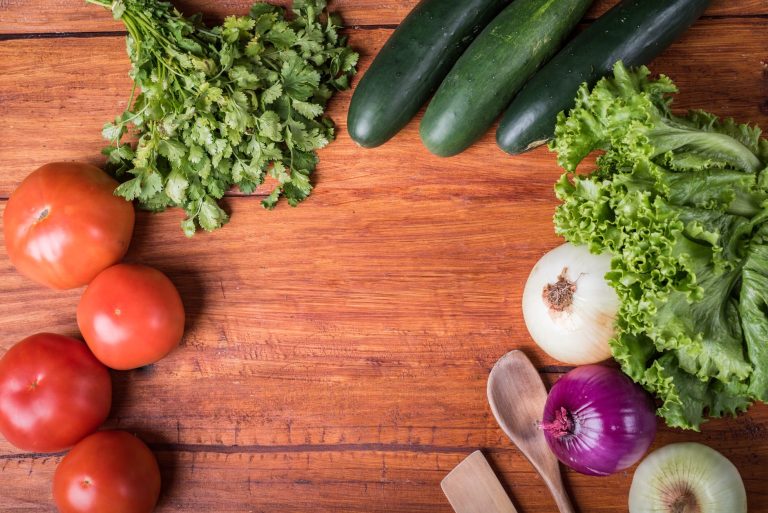
[IMAGE: organic vegetables]
What a Gut-Friendly Organic Plate Looks Like
Building a good plate is often easier than planning a perfect diet. Instead of obsessing over calorie counts, think in terms of balance, color, texture, and digestion. The best organic food meals are simple enough to repeat and flexible enough to adapt to your day.
The Basic Formula
A balanced plate for clean eating often includes:
- One-half non-starchy vegetables
- One-quarter protein, such as beans, fish, eggs, tofu, or yogurt
- One-quarter high-fiber carbohydrates, such as oats, quinoa, or sweet potato
- A source of healthy fats, such as avocado, seeds, olives, or olive oil
This structure works because it supports fullness, steady energy, and better digestion. It also makes weight loss more sustainable by reducing the likelihood of extreme hunger and snack attacks later in the day.
Breakfast Ideas That Support Digestion
Breakfast can either stabilize your day or send it in a chaotic direction. A sugary breakfast may give a quick rush, but it often leads to an energy crash and stronger cravings. By contrast, an organic food breakfast centered on protein, fiber, and healthy fats can improve focus and support appetite control.
- Organic oats with chia seeds, berries, and cinnamon
- Plain yogurt with flaxseed, kiwi, and walnuts
- Vegetable omelet with herbs and a side of fruit
- Smoothie with spinach, banana, kefir, and hemp hearts
Ask yourself: does your breakfast leave you energized until lunch, or does it leave you searching for snacks an hour later? That answer can reveal a lot about your current nutrition pattern.
Lunch and Dinner Ideas for Clean Eating
A healthy diet is easier to maintain when meals feel satisfying and enjoyable. For lunch and dinner, think about meals that combine color, texture, and enough protein to keep you full.
- Quinoa bowl with roasted vegetables, chickpeas, and tahini dressing
- Grilled salmon with greens, avocado, and brown rice
- Lentil soup with a side salad and olive oil vinaigrette
- Stir-fried tofu with broccoli, carrots, ginger, and sesame seeds
Meals like these are not just good for digestion; they also make clean eating feel practical instead of restrictive.
A Gentle Organic Detox Diet Approach That Supports the Body Naturally
The word detox gets used often, sometimes in ways that are unrealistic or overly aggressive. In a healthy lifestyle context, a detox diet should not mean starving, over-supplementing, or relying on juices alone. Your body already has built-in detoxification systems, especially the liver, kidneys, skin, and digestive tract. What a smart organic food plan can do is reduce the burden on those systems and provide the nutrients they need to function well.
Think of detox as a support strategy, not a punishment. The goal is to remove the habits that make digestion harder and replace them with cleaner, more nutrient-dense choices.
What to Emphasize During a Reset Week
If you want to feel lighter and more focused, a short clean eating reset can help you reconnect with better habits. You do not need perfection; you need structure.
- Organic vegetables at most meals
- Plenty of water and herbal tea
- Fruit in balanced portions
- Lean protein or plant protein
- Minimal packaged foods and added sugar
- Regular meal times
This approach can help reduce bloating, improve awareness of hunger, and create momentum for long-term weight loss.
What to Reduce During a Detox Diet Reset
A gentle reset is often more effective when you know what to limit rather than what to obsess over. For many people, the biggest improvements come from reducing foods that are easy to overeat and hard to digest.
- Highly processed snacks
- Sugary drinks
- Excess alcohol
- Heavy fried foods
- Artificially sweetened products
Reducing these items does not mean you can never enjoy them again. It simply means your body gets a break from the foods that may be making healthy eating feel harder than it needs to be.
A Simple 3-Day Reset Structure
If you like practical plans, this simple structure can make clean eating easier to follow:
- Day 1: Focus on hydration, vegetables, and balanced breakfasts
- Day 2: Add fermented foods and a larger variety of plants
- Day 3: Keep meals simple, well-timed, and protein-rich
The aim is not rapid change for its own sake. It is to observe how your body responds when it receives better nutrition and fewer digestive distractions.
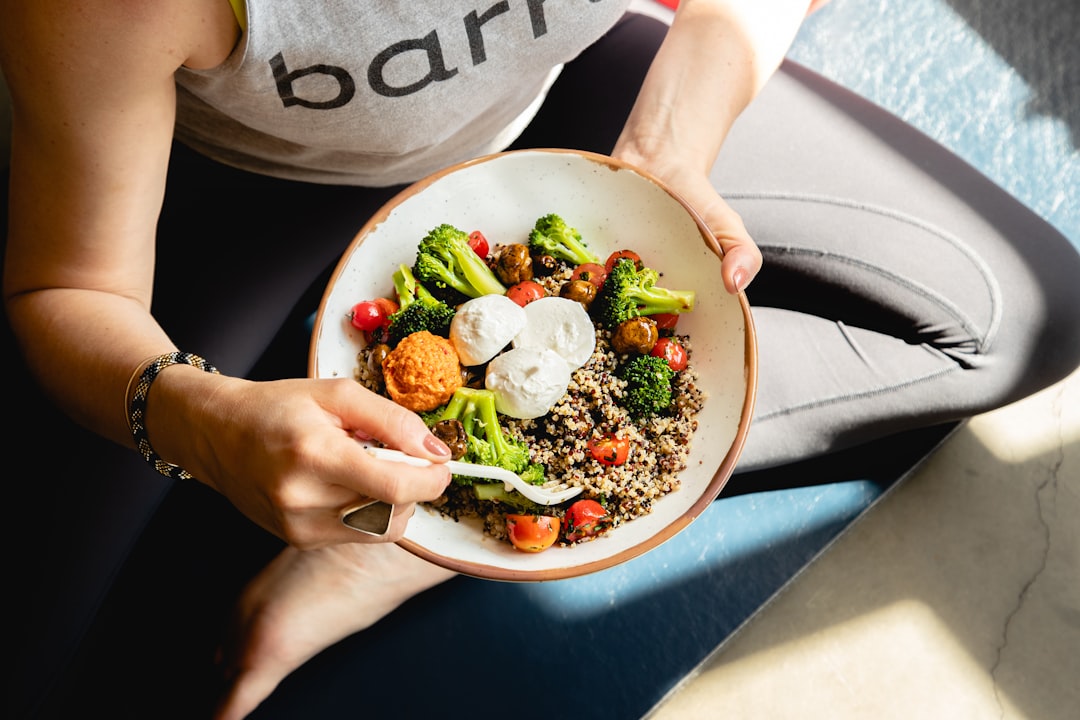
[IMAGE: healthy meal]
Why Clean Eating Makes Weight Loss Feel More Sustainable
Weight loss becomes much more manageable when you stop fighting hunger and start working with your body’s natural cues. Organic food supports this because whole foods tend to be more filling, less hyper-palatable, and more nutrient-dense than heavily processed products. That means you can often eat satisfying portions while still supporting a calorie-conscious plan.
This is one reason clean eating works so well for long-term results. It does not rely on willpower alone. It uses food quality, digestion, and appetite regulation to make the process less stressful.
Satiety Is a Powerful Advantage
Satiety means feeling satisfied after eating. It is one of the most overlooked factors in weight loss. If your meals are built on organic vegetables, protein, fiber, and healthy fats, you are less likely to feel deprived between meals. That can reduce unnecessary snacking and help you stay consistent without feeling like you are constantly resisting food.
Have you ever noticed that some meals seem to disappear in minutes while others keep you full for hours? The difference usually comes down to nutrition density and balance.
Stable Blood Sugar Helps Reduce Cravings
Fluctuating blood sugar can make healthy eating difficult. When meals are high in refined carbohydrates and low in fiber or protein, the body may respond with energy crashes and cravings. Organic food, especially when paired well, can help flatten those spikes and dips.
That is why a breakfast of oats and seeds often works better than a pastry, and why a lunch with vegetables and protein often performs better than a sandwich made mostly of refined flour. Small adjustments can lead to big differences in appetite and mood.
Nutrition Density Helps You Do More with Less
Weight loss is not just about eating less; it is about eating better. Nutrition-dense foods deliver more vitamins, minerals, and beneficial compounds per bite. When your body receives the nutrients it needs, it can feel easier to maintain energy while eating fewer empty calories.
Organic food often fits this strategy naturally because it nudges you toward produce, whole grains, and unprocessed staples. You are not chasing volume; you are choosing quality.
Clean Eating Habits That Improve Digestion Every Day
The most effective healthy lifestyle changes are usually the ones that look small from the outside. A glass of water before breakfast, a slower pace at meals, or a short walk after lunch may not seem dramatic, but together they can transform how your digestion feels. Good nutrition is not only about what you eat; it is also about how you eat.
Eat More Slowly Than You Think You Need To
Fast eating can make bloating and discomfort worse because the digestive process begins partly with chewing and saliva. When you slow down, your body has a better chance to signal fullness before overeating happens. Try setting utensils down between bites or aiming to chew each mouthful a little longer.
This simple habit often supports both digestion and weight loss without requiring any complicated tracking.
Hydrate with Purpose
Water is essential for healthy digestion, yet many people drink too little during the day. If you are increasing fiber through organic food, hydration becomes even more important. Herbal teas, water infused with citrus or cucumber, and plain water all help support the digestive tract.
Start your day with a glass of water before coffee if you can. Many people find that this small change improves regularity and reduces the sense of sluggishness in the morning.
Move After Meals
You do not need an intense workout after every meal. Even a 10- to 15-minute walk can help support digestion and blood sugar balance. Movement encourages circulation and can reduce that overly full feeling that sometimes follows a large lunch or dinner.
This is one reason a healthy lifestyle is built on routines, not just recipes.
Protect Your Sleep
Sleep affects hunger hormones, stress levels, and recovery. Poor sleep can make cravings stronger and digestion less predictable. If you want your organic food plan to work better, sleep matters just as much as your grocery list. A calm evening routine, lighter dinners, and less late-night snacking can all support better rest.
Common Mistakes People Make with Organic Food and Clean Eating
Even the best intentioned healthy diet can go off track when people expect organic food alone to solve everything. While food quality matters, results often depend on balance, consistency, and realistic habits. Avoiding common mistakes can make your nutrition plan far more effective.
Thinking Organic Automatically Means Healthy
Organic cookies are still cookies. Organic chips are still chips. Organic food is a powerful tool, but it is not a free pass to ignore portion size, sugar, or overall meal balance. The most useful approach is to prioritize minimally processed foods most of the time.
Eating Too Much Raw Fiber Too Quickly
It is easy to get excited about a detox diet and suddenly load up on raw vegetables, seeds, and fiber-heavy meals. But if your digestive system is not used to it, that can lead to bloating and discomfort. Increase fiber gradually, drink enough water, and include cooked vegetables if your body responds better to them.
Ignoring Protein
Many clean eating plans become too focused on produce and forget protein. Protein is important for satiety, muscle maintenance, and balanced energy. If your meals are mostly vegetables and fruit, you may feel hungry sooner and find weight loss harder to sustain.
Include eggs, yogurt, fish, tofu, beans, lentils, or other protein sources in regular rotation.
Depending on Packaged Organic Snacks
It is easy to assume that anything labeled organic is automatically a smart choice. But some packaged snacks are still high in sugar, salt, and refined ingredients. Read labels carefully and remember that clean eating is more about food quality than branding.
Expecting Instant Results
Healthy lifestyle changes take time. You may notice lighter digestion within days, but deeper improvements in nutrition, appetite regulation, and weight loss usually build gradually. If the process feels slow, that does not mean it is not working. It may simply mean your body is adapting in a sustainable way.
How to Shop for Organic Food Without Overcomplicating It
A good shopping strategy can make healthy eating easier all week long. The more prepared you are at the grocery store, the less likely you are to rely on last-minute convenience foods that do not fit your goals. The best organic food shopping list is practical, flexible, and based on meals you actually enjoy.
Start with the Produce Section
For most people, the produce section should be the first stop. Choose a mix of colors and textures so your meals feel varied and satisfying. Aim for leafy greens, cruciferous vegetables, root vegetables, berries, citrus fruit, apples, and avocados.
A colorful cart makes a colorful plate, and a colorful plate often means stronger nutrition.
Choose a Few Core Staples
Rather than buying a dozen specialty items, focus on core ingredients you can use in multiple ways. This keeps meal prep simple and supports consistency.
- Organic oats
- Brown rice or quinoa
- Beans and lentils
- Eggs or tofu
- Plain yogurt or kefir
- Seeds and nuts
- Olive oil
- Fresh herbs and spices
Be Strategic About Budget
Organic food can be affordable when you prioritize. If your budget is limited, consider buying organic versions of the foods you eat most often or the items most likely to be eaten with the skin on, such as berries, leafy greens, and apples. Frozen organic vegetables can also be a smart choice because they are convenient, nutritious, and often less expensive.
Plan for Real Life, Not Ideal Life
Maybe your weekdays are busy. Maybe you do not like cooking every night. Maybe your family has different preferences. A sustainable healthy diet should fit your schedule, not fight it. Keep a few easy meal combinations ready so you can stay on track even when life is full.
[IMAGE: fitness lifestyle]
A Practical Daily Routine for Better Digestion and Healthy Weight Loss
When people talk about nutrition, they often focus on ingredients and forget routine. But daily rhythm matters. The body thrives when food, movement, water, and rest work together. This is where an organic food plan becomes more than a diet; it becomes a healthy lifestyle.
Morning
Start with hydration and a balanced breakfast. If you enjoy movement early in the day, a short walk or light stretch can help wake up digestion. Choose a breakfast that includes fiber and protein so you are less likely to crash midmorning.
Midday
Lunch should be satisfying without being heavy. A bowl, salad, or simple plate with vegetables, protein, and whole grains is often the best choice. This is also a good time to check in with hunger and fullness. Are you eating from true hunger, or just habit?
Afternoon
The afternoon is when cravings often appear, especially if lunch was too light or too refined. Keep healthy snacks on hand, such as fruit, yogurt, nuts, or cut vegetables with hummus. A planned snack can prevent impulsive choices later.
Evening
Dinner should support recovery and not leave you overly stuffed. Many people do well with lighter evening meals that still include protein, vegetables, and a modest portion of carbohydrates. After dinner, a short walk and a calm routine can improve digestion and prepare the body for rest.
Healthy Snack Ideas That Fit a Clean Eating Lifestyle
Snacks are not the enemy. In fact, well-chosen snacks can support energy, reduce overeating, and help keep your nutrition balanced between meals. The key is to choose snacks that work with your digestion rather than against it.
- Apple slices with almond butter
- Plain yogurt with berries and chia seeds
- Carrot sticks with hummus
- Roasted chickpeas
- A handful of nuts and a piece of fruit
- Cucumber slices with avocado and herbs
These options are simple, portable, and compatible with clean eating. They also help reinforce a healthy lifestyle by making the better choice easier to repeat.
How to Know Whether Your Organic Food Plan Is Working
Progress is not always measured by the scale. In fact, when a healthy diet is improving gut health, some of the most important signs show up in how you feel. Weight loss may happen gradually, but better digestion, steadier energy, and fewer cravings often appear earlier.
Positive Signs to Look For
- Less bloating after meals
- More regular digestion
- Better energy through the day
- Reduced cravings for sugar and processed snacks
- Feeling satisfied with smaller, balanced meals
- Improved consistency with healthy habits
If you notice these changes, your body may be responding well to your new nutrition pattern. That is often the real win, because sustainable weight loss usually follows when the underlying habits are aligned.
When to Reassess
If you feel worse instead of better after making changes, it may be a sign to adjust your approach. Too much raw fiber, not enough protein, low calorie intake, or poor meal timing can all create unnecessary stress. Healthy eating should make life easier, not more complicated.
Sometimes the smartest move is not to do more, but to simplify and observe.
Putting It All Together
Organic food can be a powerful part of a healthy lifestyle when it is used with intention. By focusing on gut health, you are not just improving digestion; you are supporting energy, mood, appetite, and the long-term success of your weight loss goals. Clean eating becomes less about restriction and more about clarity: what helps you feel good, what keeps you satisfied, and what makes it easier to stay consistent.
The most effective plan is usually the one you can repeat without stress. A plate of organic vegetables, a balanced breakfast, a simple snack, a short walk, and a little more water may sound modest, but those details shape the bigger picture of nutrition in a meaningful way. If you are ready to eat in a way that feels lighter, steadier, and more sustainable, start with one meal, one habit, or one shopping trip and build from there. The more you treat food as nourishment instead of negotiation, the more natural healthy eating begins to feel, and the easier it becomes to explore more practical wellness ideas across the site.
About the Author