
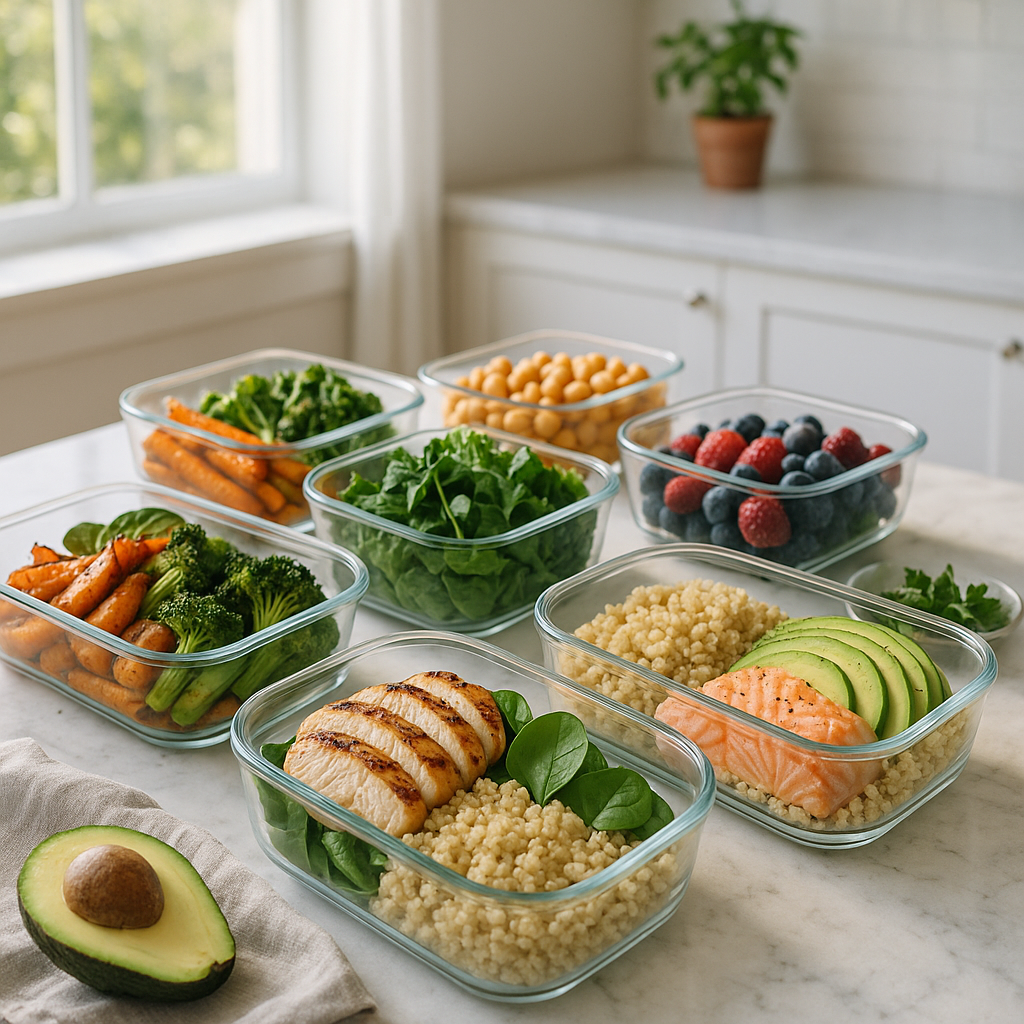
For anyone trying to eat better without spending every evening in the kitchen, organic meal prep can be a complete game changer. When your fridge is stocked with ready-to-eat meals made from organic food, healthy choices stop feeling like a struggle and start feeling automatic. That is the real appeal of clean eating: not perfection, but simplicity. Instead of deciding what to cook when you are already hungry, tired, and short on time, you open the fridge and see balanced meals waiting for you.
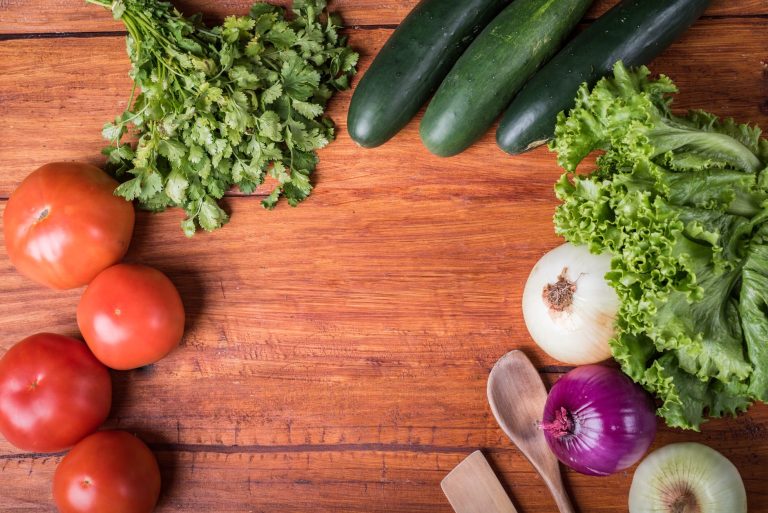
Meal prep is often framed as a productivity trick, but it is really a nutrition strategy. If your goal is weight loss, better energy, or a more consistent healthy lifestyle, the way you organize your meals matters just as much as the ingredients themselves. Organic foods can make that process feel fresher, more intentional, and more satisfying. And when you prepare them well, they can support digestion, energy, and even a gentle detox diet built around whole ingredients rather than fads. [IMAGE: organic vegetables]
The best part? Organic meal prep does not have to be expensive, complicated, or repetitive. You do not need a full day in the kitchen or ten identical containers of plain chicken and rice. You need a plan that respects your schedule, your nutrition goals, and your taste preferences. What if your weekly routine could actually help you eat well instead of tempting you to order takeout? That is the promise of a thoughtful system.
Why Organic Meal Prep Works So Well for Modern Eating
Organic meal prep succeeds because it removes friction. Most people do not fail at clean eating because they lack willpower; they fail because healthy food is not always the easiest option in the moment. If the most convenient choice is also the most nourishing one, your chances of staying consistent go up dramatically. That is where organic food becomes more than a trend. It becomes a practical tool for a healthier routine.
Organic ingredients also tend to encourage a more whole-food approach. When you build meals around organic vegetables, legumes, grains, eggs, fruit, nuts, seeds, and quality proteins, you naturally reduce your reliance on packaged foods that are often high in sodium, added sugar, and highly processed oils. That shift can support weight loss, improve energy levels, and make your nutrition feel cleaner and more stable.
It makes healthy choices easier to repeat
Consistency is the foundation of every healthy lifestyle. Most nutrition plans fail not because the food is wrong, but because the system is unsustainable. Organic meal prep solves that by turning healthy choices into a habit. Once your meals are prepped, the effort required to stay on track drops sharply. You are no longer negotiating with yourself three times a day.
Ask yourself this: would you rather make ten small food decisions while tired, or make two strong decisions once a week and enjoy the results all week long? For many people, that answer is obvious.
It helps you control portions without feeling deprived
Portion control is one of the most important parts of weight loss, but it does not have to feel like restriction. When meals are pre-portioned in containers, you know exactly what you are eating. That makes it easier to create a calorie deficit if needed, while still including enough protein, fiber, and healthy fats to stay satisfied.
With organic meal prep, you can design portions around your actual appetite and schedule. A lighter lunch can leave room for a more substantial dinner. A protein-rich breakfast can reduce afternoon snacking. The point is not to eat less for the sake of it. The point is to eat with more intention.
It supports a gentler detox diet
Detox is one of the most overused words in nutrition, but if you define it sensibly, a detox diet can simply mean reducing highly processed foods and increasing whole, nutrient-rich meals. That is where organic meal prep shines. When your meals are built from fresh vegetables, lean proteins, herbs, fiber-rich grains, and hydrating ingredients, you give your body a cleaner nutritional environment to work with.
This is not about extreme juice cleanses or starvation. It is about practical nourishment that may help you feel lighter, less bloated, and more energized. If your digestion tends to feel sluggish after chaotic eating, meal prep can be a smart reset.
The Best Organic Foods to Keep in Your Meal Prep Rotation
Not every organic ingredient works equally well for meal prep. Some foods keep beautifully for several days, while others lose texture or flavor too quickly. The smartest approach is to build around ingredients that store well, taste better after resting, and combine easily into multiple meals.
Think of your prep list as a flexible framework, not a rigid menu. When you understand which foods hold up best, you can mix and match with far less effort. That variety matters, because no one wants to eat the same bland bowl all week.
Organic proteins that keep you full
Protein is essential for satiety, muscle maintenance, and stable energy. For weight loss, it can be especially useful because it helps reduce cravings between meals. Here are reliable organic protein sources for prep:
- Organic chicken breast or thighs
- Organic turkey
- Organic eggs
- Organic tofu or tempeh
- Organic lentils and chickpeas
- Organic Greek yogurt
- Organic salmon or tuna
Try choosing two or three proteins each week so your meals stay interesting. One roasted chicken, one plant-based protein, and one seafood option can create enough variety for several days without overwhelming your schedule.
Organic vegetables for volume and nutrition
Vegetables add color, fiber, and nutrients while keeping calories manageable. They are the backbone of clean eating because they help meals feel abundant without being heavy. Some of the best organic vegetables for prep include:
- Broccoli
- Cauliflower
- Zucchini
- Bell peppers
- Carrots
- Spinach
- Kale
- Green beans
- Sweet potatoes
- Brussels sprouts
Roasting is often the easiest method because it builds flavor quickly and works well with many meal combinations. If you want your prep to feel restaurant-quality, seasoning matters just as much as the ingredient itself.
Organic carbs that support energy
Carbs are not the enemy. In fact, the right organic carbohydrates can help support training, productivity, and stable mood. If you remove them entirely, many people end up tired, irritable, and more likely to overeat later. Better options include:
- Brown rice
- Quinoa
- Oats
- Farro
- Sweet potatoes
- Beans and lentils
If weight loss is your main goal, portion size matters more than fear. A measured serving of complex carbs can improve meal satisfaction and help you stay consistent for the long term.
Healthy fats that make meals satisfying
Healthy fats help carry flavor and support satiety. A small amount can transform a simple bowl into something that feels complete. Good organic options include avocado, olive oil, walnuts, almonds, chia seeds, hemp seeds, and pumpkin seeds. Used wisely, they add richness without overwhelming your calorie goals.
Many people are surprised by how much better clean eating feels when healthy fats are included properly. The meal becomes more balanced, the hunger stays calmer, and you are less likely to reach for snacks an hour later.
A Simple Organic Meal Prep Formula You Can Repeat Every Week
The most effective meal prep systems are built on repeatable structure. You do not need a dozen recipes. You need a reliable formula that lets you assemble meals fast while still leaving room for variety. One of the easiest methods is the protein-plus-vegetable-plus-smart-carb model.
Each container can follow the same logic:
- One protein base
- One or two vegetables
- One complex carb if desired
- One healthy fat or sauce
- Herbs and seasonings for flavor
This structure works because it balances nutrition and convenience. It also helps you build meals that are satisfying enough to support weight loss without leaving you hungry. And because you can swap ingredients every week, the plan never feels stale.
Choose a prep day that fits real life
Sunday is popular, but your prep day should match your life, not somebody else’s routine. For some people, that means Saturday afternoon. For others, it means splitting prep into two shorter sessions during the week. The right day is the one you can actually maintain.
How much time do you really need? Often, 90 minutes is enough to cook proteins, roast vegetables, make one grain, and portion several lunches. If you are efficient, you might even finish faster. Start with the meals you eat most often and build from there.
Batch-cook the ingredients, not just the meals
Batch-cooking ingredients gives you more flexibility than preparing identical containers. Instead of making one giant recipe, cook individual components that can be reused. For example, roasted sweet potatoes can work in breakfast bowls, grain salads, and dinner plates. Quinoa can become a side dish or a base for a salad. Chicken can be served hot or cold.
This method keeps your organic meal prep from feeling monotonous. It also reduces waste, since you can combine the same foods in different ways throughout the week.
Use flavor profiles to create variety
One of the easiest ways to avoid boredom is to plan around flavor themes. The same ingredients can taste completely different depending on the spices and sauces you choose. Try these examples:
- Mediterranean: olive oil, lemon, oregano, cucumber, chickpeas
- Latin-inspired: cumin, paprika, cilantro, lime, black beans
- Asian-inspired: ginger, sesame, tamari, scallions, edamame
- Herb-forward: basil, parsley, thyme, garlic, roasted vegetables
When your meals taste different, your healthy lifestyle feels more enjoyable. That enjoyment is what keeps people consistent.
Organic Meal Prep Ideas for Weight Loss Without Feeling Like Diet Food
If your goal is weight loss, meal prep can be one of the most effective tools available. The challenge is making the meals filling enough to avoid cravings while keeping portions aligned with your energy needs. The answer is not tiny meals. It is smart meals.
Weight loss is easier to sustain when you focus on satiety, protein, fiber, and realistic portions. A nourishing organic food plan can help you reduce mindless eating without forcing you into a sense of deprivation.
Build breakfast around protein and fiber
Breakfast is where many people unintentionally overeat later in the day. A sugar-heavy start often leads to a mid-morning crash. Instead, prep breakfasts that include protein and fiber so your energy stays steadier.
- Overnight oats with chia seeds, berries, and Greek yogurt
- Egg muffins with spinach, peppers, and onions
- Yogurt bowls with flaxseed, walnuts, and sliced fruit
- Tofu scramble with roasted vegetables and avocado
These are easy to portion ahead of time and even easier to grab on a busy morning. A strong breakfast can set the tone for the entire day.
Make lunch the anchor meal
Lunch often carries the biggest risk of decision fatigue. If you work long hours or move through a busy schedule, lunch is where convenience foods tend to take over. A well-prepped organic lunch can keep you from arriving at dinner overly hungry.
Try grain bowls, salad jars, or warm protein plates with vegetables and a measured portion of complex carbs. If you need more satisfaction, add avocado, seeds, or a vinaigrette made with olive oil and lemon. The goal is to leave lunch feeling energized, not stuffed.
Use dinner to reset, not reward
Many people treat dinner as a reward after a hard day, which often leads to overeating. Meal prep can help shift that pattern. A planned dinner is not boring; it is supportive. It gives your body a chance to recover with a balanced meal instead of a random combination of takeout and snacks.
Think in terms of plates rather than recipes. A simple organic dinner might include salmon, roasted broccoli, and quinoa with herbs. Another night might call for turkey lettuce wraps, baked sweet potato, and cucumber salad. The meals do not need to be elaborate to be effective.
[IMAGE: healthy meal]
Meal Prep Combos That Feel Fresh All Week
Variety is what makes meal prep sustainable. These combinations are designed to be flexible, flavorful, and easy to assemble from the same core ingredients.
Mediterranean power bowl
Start with quinoa, roasted zucchini, cherry tomatoes, cucumber, chickpeas, and grilled chicken or tofu. Finish with olive oil, lemon, parsley, and a sprinkle of pumpkin seeds. This bowl feels vibrant and balanced while fitting neatly into clean eating goals.
Roasted vegetable and salmon plate
Pair salmon with roasted Brussels sprouts, carrots, and sweet potatoes. Add a side of greens dressed with olive oil and vinegar. This is a high-protein, nutrient-dense option that works well for lunch or dinner.
Breakfast prep jars
Layer organic yogurt, oats, berries, and chia seeds into jars for a quick breakfast that travels well. If you want more protein, add hemp seeds or a spoonful of nut butter. The texture improves after chilling overnight, making it ideal for busy mornings.
Turkey and veggie lettuce wraps
Cook ground turkey with garlic, onion, and spices, then portion it with romaine leaves, shredded carrots, and sliced avocado. These wraps are light but satisfying, and they can be eaten cold or warmed up quickly.
Plant-based curry bowl
Combine lentils, cauliflower, spinach, and brown rice with a simple curry sauce. This kind of meal can fit a vegan organic diet plan while still providing fiber and lasting fullness.
How to Make Organic Meal Prep Faster and Easier
If meal prep feels intimidating, the problem is usually the system, not your motivation. The most efficient routines are built on a few time-saving habits that reduce effort without sacrificing quality.
Keep a dedicated prep kit
Store your containers, labels, knives, cutting board, and basic seasonings in one place. If you have to search for supplies every week, prep becomes more annoying than it needs to be. A dedicated kit makes the process feel smoother and more professional.
Start with the foods that take the longest
Begin by cooking proteins and roasting hard vegetables first. While they are in the oven or on the stove, wash greens, prepare sauces, and portion snacks. That sequencing saves time and reduces the feeling of chaos.
Double ingredients that overlap
If you are chopping onions for dinner, chop extra for tomorrow. If you are roasting sweet potatoes, roast enough for breakfast and lunch. This is one of the easiest ways to make organic food prep practical rather than exhausting.
Invest in versatile sauces
A good sauce can make the same ingredients taste completely different. Try pesto, tahini dressing, lemon yogurt sauce, salsa verde, or a light vinaigrette. Use them sparingly, but do not underestimate their power. Flavor is what keeps healthy eating interesting.
Snacks That Support a Healthy Lifestyle
Snacking is not a failure. In many cases, it is a useful strategy for staying energized between meals. The key is choosing snacks that support nutrition instead of undermining it. Organic snacks can be especially helpful because they are easier to align with clean eating goals.
- Apple slices with almond butter
- Carrot sticks with hummus
- Hard-boiled eggs
- Organic yogurt with berries
- Trail mix with nuts and seeds
- Cucumber slices with guacamole
- Roasted chickpeas
Smart snacks can prevent overeating later in the day. They also make your nutrition more balanced, which is especially important if your schedule is unpredictable.
Build snack portions in advance
One of the best ways to avoid mindless eating is to portion snacks at the start of the week. Instead of keeping a large bag of nuts within reach, divide them into small containers. Instead of storing cut vegetables loosely in the fridge, pair them with hummus in ready-to-go servings. Small systems like this make a big difference.
[IMAGE: fitness lifestyle]
Common Organic Meal Prep Mistakes to Avoid
Even the best intentions can go off track if your meal prep is built on unrealistic expectations. A few common mistakes are enough to turn a helpful routine into another unfinished project. Fortunately, they are easy to fix.
Preparing meals you do not actually enjoy
If you dislike the food, you will not keep eating it. This seems obvious, but many people choose meals they think they should love rather than meals they genuinely want. Organic meal prep should fit your taste, not somebody else’s idea of discipline.
Overcomplicating the menu
You do not need five different recipes, three sauces, and a dessert. That approach is more likely to create burnout than consistency. Start small and build confidence. A few well-executed meals are better than a complicated plan you abandon by Wednesday.
Skipping protein
Meals that are low in protein often leave you hungry too soon. That can lead to snack attacks and poor choices later. If you are using meal prep for weight loss, protein should be a central part of nearly every meal.
Ignoring storage quality
Good containers matter. If food becomes soggy, bland, or unappetizing after one day, you are less likely to rely on your prep. Invest in containers that seal well and store ingredients that keep their texture. Crisp vegetables, sturdy grains, and proteins that reheat well are your friends.
Not planning for real hunger
Many people portion meals based on what looks healthy rather than what actually satisfies them. If your lunch is too small, you will spend the afternoon thinking about food. Build meals that are realistic for your appetite, your activity level, and your day.
A Practical Weekly Organic Meal Prep Shopping List
A good shopping list can save money, reduce waste, and make prep feel easy. Use this as a starting point and adjust based on your preferences, family size, and nutrition goals.
Produce
- Spinach
- Kale
- Broccoli
- Bell peppers
- Zucchini
- Carrots
- Sweet potatoes
- Cucumbers
- Cherry tomatoes
- Berries
- Apples
- Avocados
Proteins
- Organic chicken
- Organic eggs
- Organic Greek yogurt
- Lentils
- Chickpeas
- Salmon
- Tofu
Pantry staples
- Quinoa
- Brown rice
- Oats
- Olive oil
- Chia seeds
- Almond butter
- Walnuts
- Herbs and spices
With these basics, you can create dozens of meal combinations without buying a new set of ingredients every time. That is one of the smartest ways to keep organic meal prep affordable and sustainable.
How Organic Meal Prep Fits Into Weight Loss and Long-Term Nutrition
When people think about weight loss, they often focus only on calories. Calories matter, but quality matters too. A meal built from organic food, fiber, protein, and healthy fats is more likely to satisfy you than a low-quality meal with the same calorie count. That difference affects cravings, energy, and adherence.
Good nutrition is not just about reducing intake. It is about improving the overall pattern of your eating. If meal prep helps you eat more vegetables, more balanced meals, and fewer impulsive choices, then it is already doing important work. That is why so many people feel better when they commit to it consistently.
Organic meal prep can also support a broader healthy lifestyle. When you eat well during the week, exercise becomes easier, sleep tends to improve, and your mental clarity often follows. Food is not the only factor in wellness, but it is one of the most influential. That is why a simple lunch container can have a surprisingly big effect on how your entire day feels.
Think in systems, not perfection
Perfection is fragile. Systems are durable. If you miss a prep day, that does not mean your healthy routine is over. It just means you need a backup plan: a few frozen vegetables, some canned beans, a bagged salad, or hard-boiled eggs can keep you from abandoning your goals completely. Real success comes from flexibility.
Clean eating should make life easier, not harder. The more your routine supports your schedule, the more likely you are to keep showing up for yourself. And the more often you do that, the more natural healthy eating becomes.
There is a quiet power in opening your fridge and seeing meals you already planned with care. It is a reminder that good nutrition does not need to be dramatic to be effective. It just needs to be steady, flavorful, and realistic enough to repeat week after week. If you are ready to make organic food part of a healthier rhythm, start with one prep session, one simple menu, and one week of consistency, then keep exploring more practical wellness ideas on DietOrganic for fresh ways to support your clean eating journey.
About the Author