High-Protein Organic Meal Prep That Keeps You Full
If you’ve ever eaten a big lunch and felt hungry again an hour later, you know that some meals simply keep you satisfied longer than others. Many people find that meals with a good amount of protein, plenty of fiber from vegetables, beans and whole grains, and a little fat are the ones that carry them to the next meal. This guide shows how to build a week of high-protein meal prep from whole, organic-friendly ingredients, without powders, shakes or special products.
This is general cooking information, not medical or nutrition advice. Protein needs vary with age, activity and health. If you have kidney disease or another medical condition, or you’re aiming for a specific weight goal, talk to your doctor or a registered dietitian before making big changes.
Why protein and fiber work well together
Protein and fiber are both commonly associated with feeling full, and they pair naturally in whole foods. Beans and lentils contain both. A chicken and vegetable bowl combines them on one plate. Building meals around these two elements, rather than around refined snacks, tends to create meals that feel more substantial.
Protein sources to choose from
Pick two or three per week for variety:
- Beans and lentils: Inexpensive, shelf-stable and rich in fiber. Cook a pot from dry using our guide to cooking dried beans.
- Eggs: Boil a batch for quick protein. See how to boil eggs.
- Tofu and tempeh: Bake them in cubes so they stay firm through the week, like our crispy baked tofu.
- Poultry: Chicken thighs and breasts, or turkey for meatballs and chili.
- Fish: Salmon and other fish are best eaten within a day or two of cooking.
- Dairy: Greek yogurt, cottage cheese and cheese add protein to breakfasts and snacks.
- Nuts and seeds: Add some protein along with healthy fats. Use them as toppings.
A sample prep session
This plan makes lunches for four or five days plus a few breakfasts. It takes about two hours.
- Start the slow things. Put a pot of lentils or beans on to simmer, and start a grain such as quinoa or brown rice.
- Roast the protein. Season chicken thighs or tofu cubes and roast them on one sheet pan at 425°F (220°C). Chicken is safe at 165°F (74°C).
- Roast the vegetables. On a second pan, roast broccoli, peppers, carrots or whatever is in season.
- Boil eggs. Cook six to eight eggs, cool and keep them in the shell.
- Make a sauce. A yogurt-herb sauce adds protein; a tahini-lemon dressing adds richness.
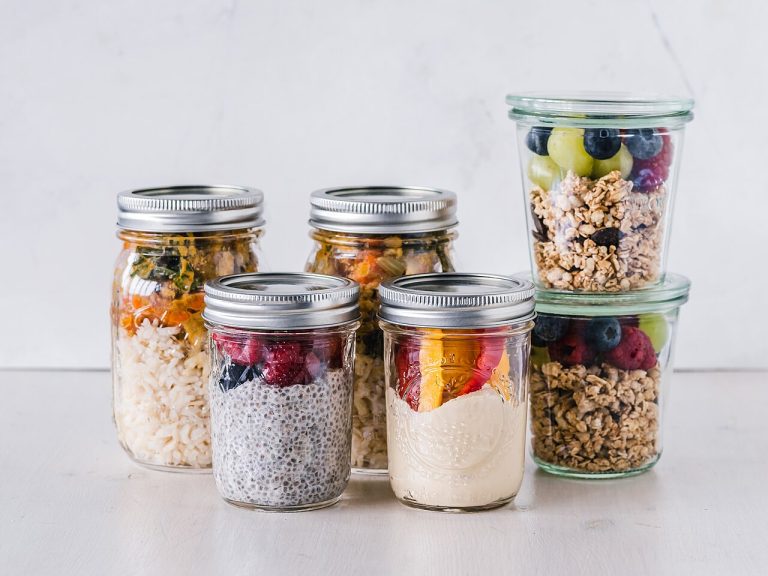
- Pack and label. Combine grain, protein and vegetables in containers. Keep sauces separate.
Five meal ideas from one prep
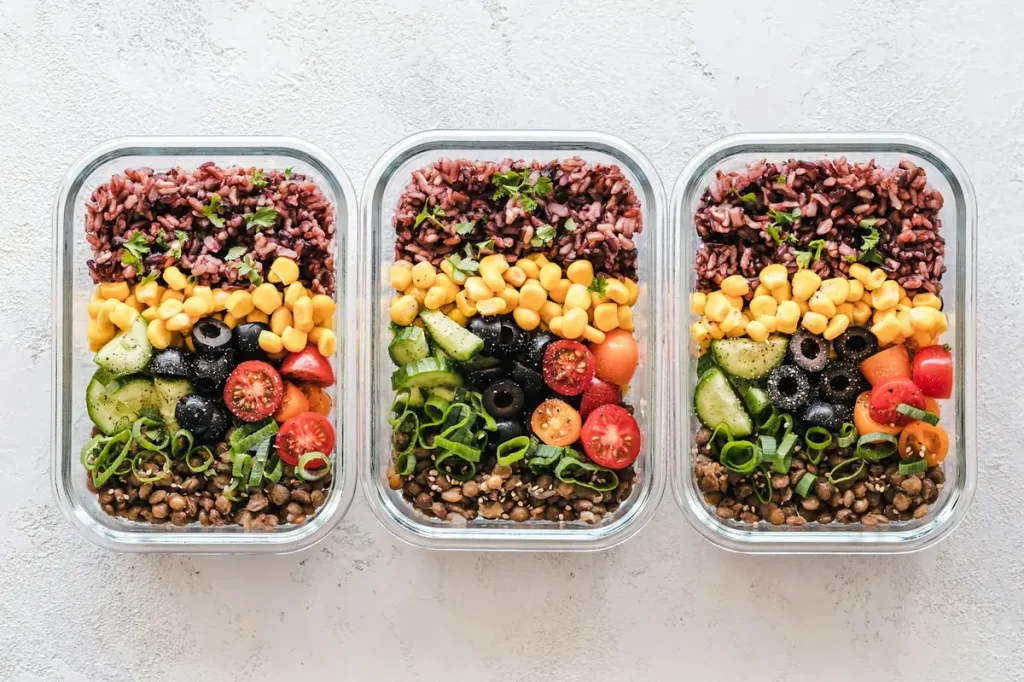
- Lentil and roasted vegetable bowl with a spoonful of yogurt sauce and fresh herbs.
- Chicken, quinoa and broccoli box with tahini dressing.
- Egg and bean salad on greens with a vinaigrette.
- Tofu and vegetable rice bowl with a splash of soy sauce and sesame seeds.
- Big-batch chili for the freezer. Our turkey and bean chili is a good one to double.
High-protein breakfasts to prep
- Overnight oats made with Greek yogurt or milk, with nuts on top.
- Egg muffins or a frittata cut into portions. Try our spinach and potato frittata.
- Yogurt parfaits with fruit, seeds and a little granola.
- Freezer-friendly breakfast burritos with eggs and beans.
Snacks that hold you over
- Hard-boiled eggs with a pinch of salt.
- Cut vegetables with homemade hummus.
- Crispy roasted chickpeas.
- Greek yogurt with berries.
- Apple slices with nut butter.
Storage and freezing
- Fridge: Cooked chicken, tofu, grains, beans and vegetables keep about three to four days. Hard-boiled eggs in the shell keep up to about a week.
- Freezer: Beans, lentils, grains, cooked chicken, chili and soups freeze well for two to three months. Freeze in single portions so you thaw only what you need.
- Not great frozen: Boiled eggs, raw greens and yogurt-based sauces.
- Reheating: Reheat until steaming hot throughout. Add a splash of water to grains to refresh them.
Tips for success
- Season boldly. Bland protein is the fastest way to get bored. Rotate spice blends: cumin and paprika, garlic and herbs, ginger and soy.
- Spread protein through the day rather than saving it all for dinner.
- Don’t forget fiber. Vegetables, beans and whole grains complete the meal.
- Keep it realistic. Two proteins and one grain are plenty for a week.
A simple weekly rotation
Variety keeps meal prep interesting without adding work. One easy approach is to rotate a different protein and flavor theme each week while keeping the method the same. For example, week one could be chicken with cumin, lime and black beans; week two lentils and roasted vegetables with lemon and herbs; week three baked tofu with ginger, garlic and brown rice; and week four turkey meatballs with a quick tomato sauce. After a month, you have four reliable templates to repeat, and shopping lists that are mostly written already.
Budget tips
- Dried beans and lentils are usually some of the least expensive proteins per serving.
- Whole chickens and bone-in thighs often cost less than boneless breasts.
- Buy frozen vegetables and fruit for the second half of the week. They are picked and frozen at peak ripeness and reduce waste.
- Eggs are an affordable and versatile protein for breakfasts and snacks.
Frequently asked questions
How much protein should I eat?
That depends on your body, age, activity and health. A registered dietitian can help you work out a personal target. This guide focuses on building balanced meals rather than hitting a number.
Can I do this as a vegetarian or vegan?
Yes. Beans, lentils, tofu, tempeh, edamame, nuts and seeds are all good options. Dairy and eggs work for vegetarians.
Is more protein always better?
Not necessarily. Balance matters, and very high intakes aren’t right for everyone. If you’re unsure, ask your doctor or a registered dietitian.
How do I keep chicken from drying out?
Use thighs, which stay juicy, or don’t overcook breasts. Slice just before eating and add a sauce.
This article is for general information only and is not medical or nutrition advice. See our Disclaimer.