
Your gut does far more than break down meals. It helps shape your energy, your cravings, your mood, your immune response, and even the way your body stores or burns fat. If you have been trying to improve your healthy lifestyle but still feel bloated, sluggish, or constantly hungry, the missing link may not be willpower. It may be your gut.
That is where organic food can make a meaningful difference. A clean eating approach built around nutrient-dense, minimally processed organic ingredients can support digestion, reduce the load of unnecessary additives, and give your microbiome the variety it needs to thrive. Could your daily meals be doing more for your gut than you realize? The answer is yes, especially when your plate includes the right balance of fiber, fermented foods, healthy fats, and plant compounds that feed beneficial bacteria.
This guide explores how to use organic food strategically for gut health, while also supporting weight loss, better nutrition, and a more sustainable detox diet mindset. You will learn which foods are most helpful, how to build meals that feel satisfying, and which habits make the biggest difference over time. The goal is not restriction. The goal is to make clean eating practical, enjoyable, and genuinely restorative.
Why gut health is the foundation of a healthy lifestyle
The digestive system is often treated like a plumbing system, but it is much more intelligent than that. Your gut is home to trillions of microbes that help digest food, produce beneficial compounds, and communicate with the rest of your body. When that ecosystem is balanced, digestion tends to feel easier, energy tends to stabilize, and food choices often become more intuitive.
When gut balance is off, the signs can show up everywhere: bloating after meals, irregular bowel movements, sugar cravings, fatigue, skin flare-ups, or a stubborn sense that you are not recovering well from stress. If those symptoms sound familiar, the issue may not be one single food. It may be the overall pattern of your diet and lifestyle.
What a healthy gut supports
A well-nourished gut can help support many important functions, including:
- Efficient digestion and nutrient absorption
- More regular bowel movements
- Balanced appetite and satiety signals
- Steadier energy throughout the day
- Better immune resilience
- A calmer response to dietary stressors
That is why gut health is not a niche topic. It is central to weight loss, clean eating, and long-term nutrition success. If your body cannot effectively use the food you eat, even the best intentions will feel frustrating.
Why symptoms are easy to overlook
Many people normalize digestive discomfort because it comes and goes. They assume bloating after lunch is simply part of life, or that needing coffee to function is normal. But what if your body is asking for a better food environment? What if the problem is not that you need less food, but that you need more nourishing food in its cleanest form?
That is where an organic food approach becomes especially useful. It encourages you to eat closer to the source: fresh vegetables, whole grains, legumes, fruit, herbs, fermented foods, nuts, seeds, and responsibly sourced proteins. The result is often not just better digestion, but a healthier relationship with eating itself.
Why organic food can be easier on digestion
Organic food is not automatically a cure-all, but it does offer several advantages for people who want to support gut health through a clean eating lifestyle. The difference is not just about labels. It is about how food is grown, handled, and composed before it reaches your plate.
Less exposure to unnecessary residues
One reason many people choose organic food is to reduce exposure to synthetic pesticides and certain agricultural inputs. While individual responses vary, some people prefer to keep their digestive routine as simple and clean as possible. When the goal is to reduce stress on the body, every small choice matters.
For anyone creating a detox diet rooted in real food rather than extreme cleansing, organic produce can be a smart way to keep the process gentle. Instead of focusing on elimination and deprivation, you focus on nutrient density and consistency.
More room for whole, unprocessed ingredients
Organic shopping often leads naturally toward the perimeter of the grocery store: produce, fresh herbs, plain yogurt, eggs, fish, beans, oats, nuts, seeds, and minimally processed staples. This pattern matters. Why? Because the gut generally responds best to foods with recognizable ingredients and meaningful fiber.
Highly refined foods can crowd out the compounds your microbiome needs. Organic meals tend to be simpler, more intentional, and less dependent on additives. That simplicity is a major advantage when you are trying to improve digestion and lose weight without feeling deprived.
Better balance for a sensitive system
If your digestive system is already irritated, the quality of your food matters even more. A meal built from fresh organic vegetables, herbs, legumes, and healthy fats is often easier to digest than one loaded with refined sugar, industrial oils, and artificial flavoring. Even when a person is not formally sensitive to specific ingredients, their gut may still appreciate a cleaner input overall.
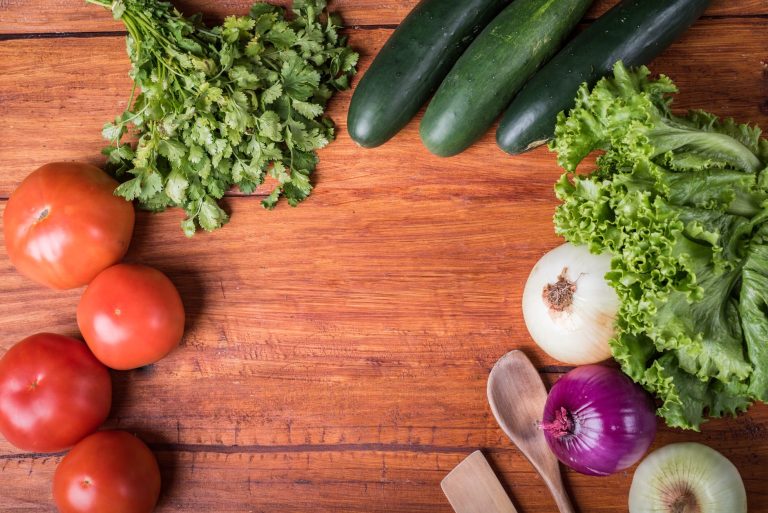
[IMAGE: organic vegetables]
The best organic foods for gut health
If you want to improve digestion through nutrition, focus on foods that feed beneficial bacteria, reduce digestive burden, and keep meals satisfying. The best organic foods for gut health usually fall into a few core categories.
1. Fermented foods
Fermented foods are one of the most powerful tools in a gut-friendly diet because they introduce live cultures or beneficial fermentation byproducts that may support microbial diversity. Organic versions are especially appealing because they often contain fewer unnecessary ingredients and a more authentic flavor profile.
Look for:
- Organic plain yogurt
- Organic kefir
- Sauerkraut
- Kimchi
- Miso
- Tempeh
Start slowly if you are new to fermented foods. A spoonful of sauerkraut with lunch or a small glass of kefir can be enough. Too much too fast may lead to temporary gas or bloating, especially if your gut is not used to these foods.
2. Fiber-rich organic vegetables
Fiber is essential for feeding gut bacteria and supporting regular elimination. Without enough fiber, digestion can slow down and cravings can become harder to manage. Organic vegetables are the backbone of many clean eating plans because they are versatile, affordable in season, and deeply nourishing.
Great options include:
- Broccoli
- Cauliflower
- Carrots
- Spinach
- Arugula
- Asparagus
- Brussels sprouts
- Zucchini
- Beets
- Sweet potatoes
These foods help create a feeling of fullness, which is helpful for weight loss without obsession. They also make a detox diet feel grounded and realistic, because they nourish instead of simply restricting.
3. Prebiotic foods that feed beneficial bacteria
Prebiotics are the fibers and plant compounds that feed the microbes already living in your gut. Think of them as fertilizer for your microbiome. Without enough prebiotic food, even the best probiotics may not have much to work with.
Strong organic prebiotic choices include:
- Onions
- Garlic
- Leeks
- Shallots
- Bananas that are slightly green
- Oats
- Apples with the skin
- Chicory root
- Jerusalem artichokes
Do you want a simple gut-health upgrade? Add garlic and onions to more meals. This small shift can make a noticeable difference over time because it supports microbial diversity without requiring a complicated plan.
4. Polyphenol-rich fruits and herbs
Polyphenols are plant compounds that help protect cells and may positively influence the gut microbiome. Many colorful organic fruits and herbs are rich in these compounds, making them ideal for a nutrition-focused diet.
Choose more of these:
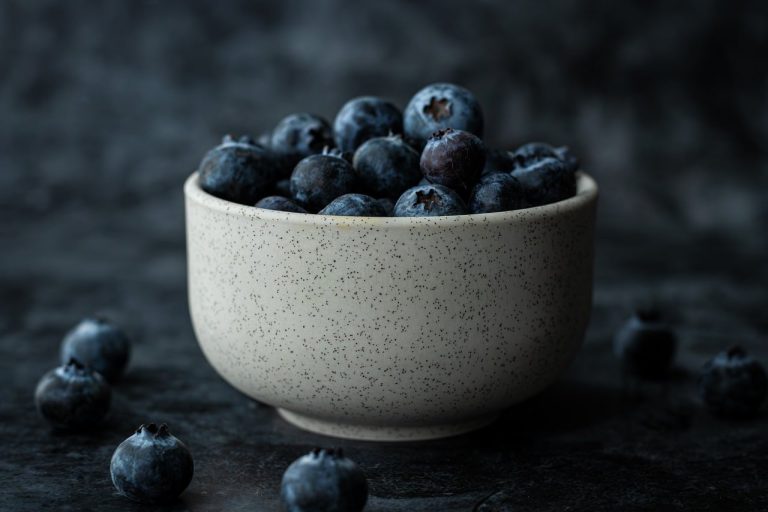
- Blueberries
- Blackberries
- Raspberries
- Pomegranates
- Red grapes
- Green tea
- Parsley
- Rosemary
- Turmeric
- Ginger
These ingredients can make a clean eating meal feel more vibrant and satisfying. They also add flavor, which matters more than many people realize. When food tastes good, you are more likely to stick with it.
5. Healthy fats that support absorption
Healthy fats help your body absorb fat-soluble vitamins and keep meals satisfying for longer. A gut-friendly organic diet should not be fat-free. It should include the right fats in the right amounts.
Choose:
- Avocados
- Extra-virgin olive oil
- Walnuts
- Chia seeds
- Flaxseeds
- Organic eggs
- Wild-caught fatty fish when appropriate
Healthy fats help meals feel complete. They can also reduce the urge to snack constantly, which is a common challenge during weight loss.
6. Gentle proteins for repair and satiety
Protein supports tissue repair, blood sugar stability, and appetite control. When people cut protein too aggressively, they often end up hungrier, more fatigued, and less satisfied with their meals.
Gut-friendly organic protein options include:
- Organic eggs
- Plain Greek yogurt
- Kefir
- Tempeh
- Tofu made from organic soy, if well tolerated
- Chicken
- Turkey
- Beans and lentils, if your digestion handles them well
The key is to pair protein with fiber. That combination helps create meals that feel balanced instead of heavy.
How organic food supports weight loss without extreme rules
Weight loss becomes easier when your meals are satisfying, stable, and consistent. Organic food can support this process because it often leads to more whole-food meals and fewer highly processed choices. You are not just cutting calories; you are changing the quality of what you eat.
Satiety improves when meals are built well
One of the biggest reasons people struggle with weight loss is constant hunger. If breakfast is mostly sugar, or lunch is too light on protein, cravings usually show up later. A clean eating approach built around organic food helps reduce that cycle.
Ask yourself: are your meals designed to keep you full for hours, or are they simply designed to get you through the moment?
When your plate includes protein, fiber, and healthy fats, your body receives a clearer signal that nourishment has arrived. That usually means fewer snack emergencies, less grazing, and a calmer relationship with food.
Blood sugar tends to be steadier
Meals made from whole organic ingredients generally digest more slowly than refined foods. That slower pace can support more stable blood sugar, which is helpful for energy, mood, and appetite regulation. While every person is different, many people notice fewer energy crashes when they move away from ultra-processed foods.
This is one reason clean eating is not just a trend. It is a practical strategy. A blood-sugar-friendly plate may help reduce that afternoon slump that sends so many people searching for sweets or caffeine.
Cravings often become more manageable
Cravings are not always a sign of weakness. They often reflect poor meal structure, low nutrient intake, stress, or inconsistent eating patterns. By focusing on organic food with real nutritional value, you may find that cravings lose their intensity.
That does not mean you will never want dessert again. It means your body is less likely to feel desperate. And that shift matters when you are pursuing sustainable weight loss rather than a short-lived reset.
Building a gut-friendly organic plate
Instead of thinking about dieting in terms of rules, think in terms of composition. What does a gut-friendly plate actually look like? It usually includes a few simple elements that work together beautifully.
The ideal structure
- Half the plate: colorful organic vegetables
- One quarter: protein
- One quarter: slow-digesting carbs such as quinoa, oats, sweet potato, or brown rice
- One to two tablespoons: healthy fats like olive oil, seeds, avocado, or nuts
- Optional garnish: herbs, fermented foods, or citrus for flavor and digestive support
This formula is flexible, simple, and easy to repeat. It also makes clean eating feel less like a burden and more like a rhythm.
Easy meal examples
Think in combinations rather than recipes. Here are a few ideas:
- Organic salmon, roasted broccoli, quinoa, and lemon-dressed greens
- Egg scramble with spinach, onions, avocado, and whole-grain toast
- Lentil soup with carrots, celery, garlic, and parsley
- Greek yogurt with berries, chia seeds, and walnuts
- Tempeh bowl with brown rice, cucumber, shredded cabbage, and sesame dressing
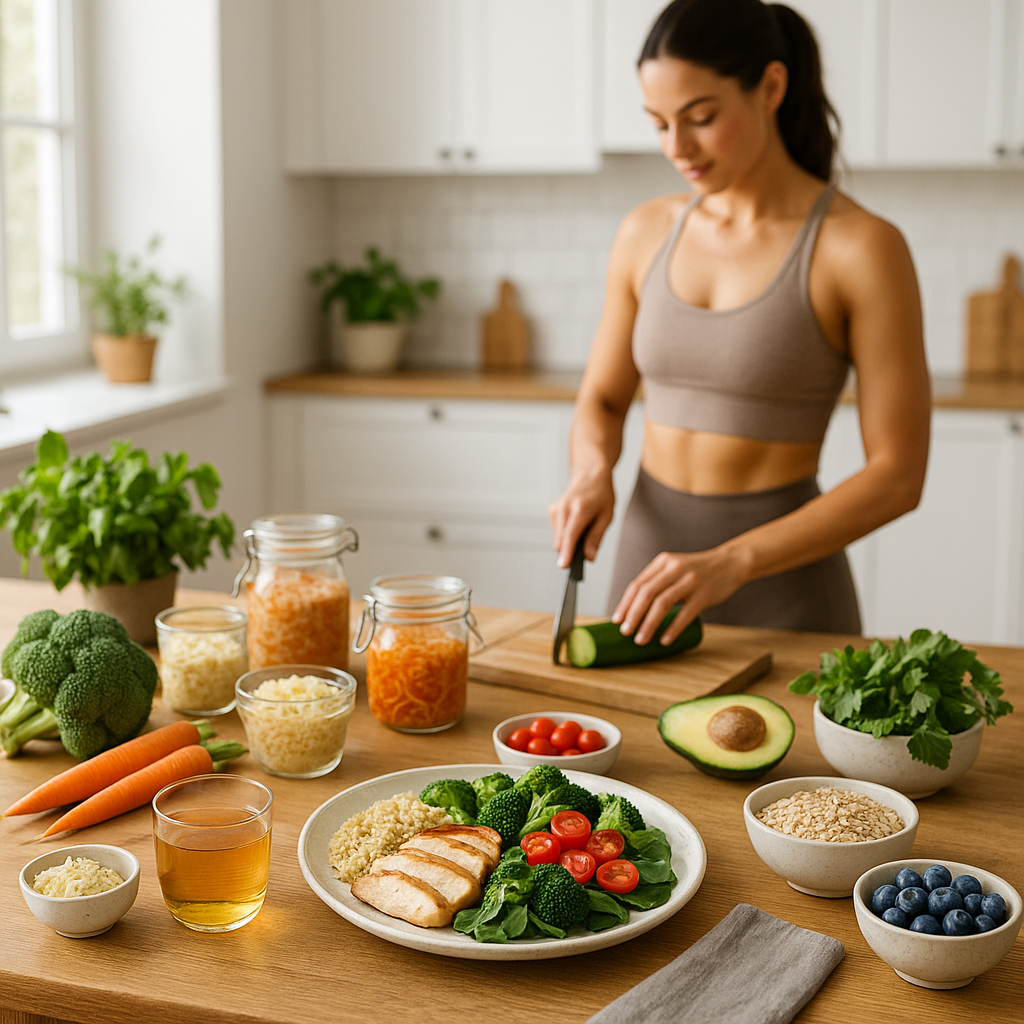
[IMAGE: healthy meal]
These meals are not fancy, but they are deeply effective. That is often the real secret of a healthy diet: not complexity, but consistency.
A simple daily rhythm for digestion
If you want your gut to feel more settled, try making your day rhythmical rather than chaotic. For example:
- Eat at roughly similar times each day
- Do not rush every meal
- Chew thoroughly
- Include fiber at most meals
- Drink water consistently throughout the day
- Stop eating when comfortably satisfied, not stuffed
These details may sound small, but digestion responds strongly to habits. Your gut is not only affected by what you eat, but by how you eat it.
A gentle detox diet approach using organic foods
The word detox diet is often misunderstood. It should not mean starvation, juice-only regimens, or extreme cleanses that leave you exhausted. Your body already has natural detoxification systems. The smarter approach is to support those systems with food, hydration, sleep, and stress management.
Organic food is well suited to this approach because it keeps the focus on whole ingredients rather than gimmicks. The best detox diet is usually the one you can actually sustain.
What to emphasize
- Leafy greens such as kale, spinach, and arugula
- Cruciferous vegetables like broccoli and cauliflower
- Citrus fruits for freshness and flavor
- Herbs such as parsley, cilantro, mint, and ginger
- Plenty of water and herbal tea
- Lightly prepared meals that do not overwhelm digestion
When these foods are part of your regular routine, your body is more likely to feel lighter, clearer, and more balanced. That can be a useful support during a period of reset or recalibration.
What to limit during a reset
- Ultra-processed snacks
- Excess sugar
- Heavy alcohol intake
- Very large late-night meals
- Artificial sweeteners, if they trigger discomfort for you
- Deep-fried foods that are hard to digest
Would your gut feel better if it had fewer surprises? For many people, the answer is yes. A reset works best when it lowers the total digestive burden instead of layering on another stressful plan.
Organic foods to choose for breakfast, lunch, and dinner
Most people do well when they simplify decision-making. Instead of rebuilding your meals every day, create a few reliable templates. This is one of the easiest ways to sustain clean eating while keeping your meals satisfying.
Organic breakfast ideas for energy
Breakfast should give you steady fuel, not a sugar crash. Some of the best options are:
- Organic oats with chia, berries, and almond butter
- Greek yogurt with flaxseed, cinnamon, and chopped apples
- Vegetable omelet with mushrooms, spinach, and onions
- Kefir smoothie with frozen berries, spinach, and ginger
These breakfasts support digestion while also helping with weight loss because they are balanced enough to keep you full.
Organic lunch ideas that do not leave you sluggish
Lunch is often where healthy intentions collapse. The meal is too rushed, too light, or too dependent on refined carbs. Better choices include:
- Chicken salad with mixed greens, pumpkin seeds, cucumbers, and olive oil dressing
- Quinoa bowl with roasted vegetables, chickpeas, and tahini
- Lentil and vegetable soup with a side of fermented vegetables
- Turkey lettuce wraps with avocado and shredded carrots
A well-built lunch can transform the rest of the day. It can also reduce the urge to snack in the afternoon, which is often where weight loss plans lose momentum.
Organic dinner ideas that support overnight recovery
Dinner should be satisfying without being heavy. You want food that helps you unwind and recover, not a meal that keeps your digestive system working overtime.
- Baked fish, asparagus, and sweet potato
- Stir-fried tofu, broccoli, and brown rice
- Roasted chicken, carrots, and cauliflower mash
- Vegetable stew with herbs and a side salad
Eating this way can help your body transition more smoothly into rest, which is another often-overlooked part of gut health.
Foods that can quietly undermine digestion
It is not just what you add that matters. Sometimes gut health improves most when you remove the foods that keep irritating the system. You do not have to fear these foods forever, but it is wise to notice patterns.
Common culprits
- Highly refined grains with little fiber
- Excessive added sugar
- Large amounts of alcohol
- Fried foods eaten frequently
- Heavily processed packaged snacks
- Meals eaten too quickly and under stress
Some people also notice sensitivity to certain ingredients such as dairy or gluten. The answer is not automatically to remove everything. The better approach is to pay attention to how your body responds and make changes thoughtfully.
How to spot your own triggers
Try keeping a simple note for one or two weeks. Record what you eat, how you feel afterward, and whether symptoms such as bloating, fatigue, or cravings appear. Patterns often become visible very quickly.
That kind of awareness can be more valuable than any trendy cleanse. It turns nutrition into a personalized process rather than a guess.
Organic grocery shopping for a healthier gut
A successful healthy diet often begins in the grocery aisle. If your kitchen is stocked with nourishing food, clean eating becomes far easier. The goal is not perfection. The goal is to make the better choice the easier choice.
Your organic grocery list
- Leafy greens
- Broccoli, cauliflower, and Brussels sprouts
- Onions, garlic, and leeks
- Berries, apples, citrus, and bananas
- Oats, quinoa, brown rice, and lentils
- Plain yogurt, kefir, or plant-based fermented alternatives
- Eggs, chicken, fish, tofu, or tempeh
- Avocados, olive oil, chia seeds, flaxseeds, walnuts, almonds
- Herbs and spices such as ginger, turmeric, parsley, and cinnamon
When shopping, aim to fill most of your cart with foods that look close to how they came from the earth. That is the simplest rule for a cleaner, more gut-friendly kitchen.
Shopping habits that make a difference
Want a more practical way to stay on track?
- Shop with a list
- Eat before you go
- Choose seasonal produce when possible
- Buy a few versatile ingredients you can use in multiple meals
- Keep emergency options on hand, such as frozen vegetables and canned beans
[IMAGE: organic vegetables]
This approach reduces decision fatigue and makes it much easier to stay consistent with your nutrition goals.
Meal prep ideas that keep digestion calm
Meal prep does not have to mean eating the same bland container of food every day. It can be thoughtful, colorful, and flexible. In fact, smart prep is often the difference between a plan that works and a plan that fades by Wednesday.
Prep once, mix and match all week
Choose a few basics and assemble them in different ways:
- One grain: quinoa, brown rice, or oats
- One protein: chicken, tofu, lentils, or eggs
- Two to three vegetables: roasted broccoli, carrots, spinach, or zucchini
- One sauce or dressing: olive oil and lemon, tahini, or yogurt-based dressing
- One fermented item: sauerkraut, kimchi, or kefir
This is a reliable clean eating method because it prevents boredom while keeping the ingredients gentle and nutritious.
Storage and freshness tips
Gut-friendly food is often fresher food, so smart storage matters. Wash greens carefully, store herbs in a damp paper towel, keep cut vegetables in sealed containers, and freeze extra berries for smoothies. Small kitchen systems save time and reduce waste.
If you have ever thrown away produce because you were too busy to use it, you already know how important this is. Convenience supports consistency.
Lifestyle habits that support the microbiome
Food matters a great deal, but gut health is not built on food alone. Sleep, stress, movement, and daily rhythm all influence digestion. That means your healthy lifestyle should be broad, not narrow.
Sleep and recovery
Poor sleep can affect appetite, cravings, and digestion. If you regularly stay up late, skip meals, or eat erratically, your gut may never feel fully settled. Prioritizing sleep is one of the simplest forms of nutrition support available.
Ask yourself: are you giving your body enough time to recover between busy days? Digestive health often improves when the nervous system has a chance to relax.
Movement helps more than people think
You do not need extreme exercise to improve digestion. A daily walk, gentle strength training, or a short mobility routine can help encourage healthy bowel function and reduce stress-related digestive tension.
[IMAGE: fitness lifestyle]
Even a 10 to 15 minute walk after meals can make a difference. It is simple, accessible, and surprisingly effective for many people.
Stress directly influences the gut
The gut and brain communicate constantly. That means emotional stress can influence how you digest, absorb, and even crave food. Long-term stress is not just mentally draining; it can show up physically as bloating, poor appetite, or a sense of heaviness after meals.
Helpful stress-supporting habits include:
- Breathing deeply before eating
- Putting your phone away during meals
- Eating in a calmer environment
- Journaling or stretching in the evening
- Keeping caffeine moderate if it makes you jittery
These habits do not sound flashy, but they create the conditions for digestion to work as designed.
How to start clean eating without feeling overwhelmed
One of the biggest mistakes people make is trying to transform their entire diet in a single day. That usually leads to frustration. Instead, start with one meal, one shopping trip, or one new habit.
Start with one upgrade at a time
Try one of these:
- Swap a refined breakfast for oats with berries and seeds
- Add one extra vegetable to lunch
- Include fermented food three times per week
- Replace one snack with fruit and nuts
- Drink more water between meals
Small changes compound. That is how real nutrition progress happens.
Keep the plan realistic
The best healthy diet is the one you can maintain when life gets busy. You do not need perfect recipes or a rigid detox diet to feel better. You need a repeatable system that gives your gut what it needs most often.
That includes variety, simplicity, adequate protein, enough fiber, and meals you genuinely enjoy. If your food feels punishing, it will be hard to sustain. If it feels nourishing, you are much more likely to continue.
Sample organic day for gut health and weight loss
If you want to picture how all of this comes together, here is a simple day built around digestion, clean eating, and steady energy.
Breakfast
Organic oatmeal topped with chia seeds, blueberries, cinnamon, and almond butter, plus a small glass of kefir or plain yogurt.
Mid-morning
Water or herbal tea, then a short walk if possible.
Lunch
Grilled chicken or tofu bowl with quinoa, spinach, cucumber, roasted carrots, olive oil, lemon, and a spoonful of sauerkraut.
Afternoon snack
Apple slices with walnuts, or carrots with hummus.
Dinner
Baked salmon or tempeh, roasted broccoli, and sweet potato with parsley and olive oil.
Evening
Chamomile tea, a few minutes of stretching, and a calm pause before bed.
This kind of day is not dramatic, yet it can be remarkably effective. It supports gut health, helps with weight loss by improving satiety, and creates a more stable food rhythm from morning to night.
When to seek more support
While food can do a lot, persistent digestive symptoms deserve attention. If you experience ongoing pain, severe bloating, frequent diarrhea or constipation, unexplained weight loss, or symptoms that interfere with daily life, it is important to speak with a qualified healthcare professional. A personalized nutrition approach may be helpful, especially if you suspect food intolerances or a more complex digestive issue.
Even then, the core principles stay valuable. Better food quality, more fiber, less ultra-processed food, and a calmer routine can support most gut-focused plans.
The beauty of organic food is that it makes healthy eating feel more intentional and less artificial. When you build meals from fresh vegetables, fermented foods, smart proteins, and nourishing fats, you are not just eating for today. You are creating better conditions for tomorrow’s energy, digestion, and appetite control. That is why a clean eating routine anchored in real food can be so powerful for gut health, weight loss, and long-term wellness. If this approach resonates with you, explore more DietOrganic articles for practical ideas that make healthy living feel both elevated and achievable.
About the Author