Lemon Pasta with Peas and Parmesan
Spaghetti tossed with butter, lemon zest and juice, grated Parmesan and sweet green peas makes a bright, creamy pasta that is ready in about twenty minutes, using ingredients you probably already have. The sauce is made in the same pot using starchy pasta water, so there is very little to wash.
This is a recipe that depends on technique more than ingredients. Reserving the cooking water and tossing everything together vigorously makes a glossy sauce that coats every strand rather than a dry tangle of noodles.
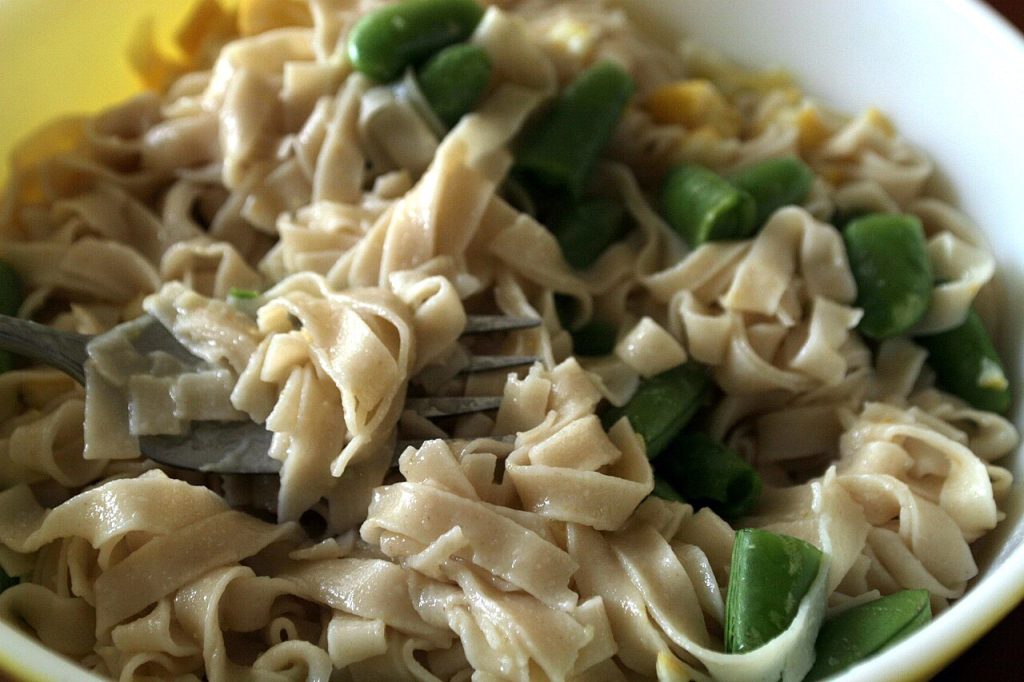
Why pasta water matters
As pasta cooks, it releases starch into the water. That cloudy water acts as a binder, helping butter, cheese and lemon juice come together into a smooth sauce instead of separating. Always save a cup before draining; you may not use all of it, but it is far easier than trying to fix a dry pasta afterward.
Tossing vigorously helps too. The movement emulsifies the fat and water into a sauce, which is why Italian cooks shake and stir pasta energetically in the pan.
Getting the most from a lemon
The zest holds most of the lemon flavor in its oils, while the juice adds acidity. Zest the lemon before cutting it, using a fine grater and taking only the yellow part, since the white pith underneath is bitter. Roll the lemon firmly on the counter before juicing to get more juice out.
Adding protein or vegetables
To make it heartier, top with sliced grilled chicken, sautéed shrimp or a soft-boiled egg. Asparagus cut into short pieces, baby spinach or chopped broccoli can be cooked alongside the peas in the pasta water. A handful of toasted breadcrumbs adds crunch.
Keeping pantry staples on hand
This is a good recipe to remember for nights when there is little in the refrigerator. Dried pasta, a bag of frozen peas, a block of Parmesan, butter and a lemon or two keep for a long time and turn into a satisfying dinner in minutes. A wedge of Parmesan keeps for weeks wrapped in wax paper in the refrigerator, and frozen peas are picked and frozen at their peak, so they are often sweeter than fresh peas out of season.
If you have a jar of capers, a few anchovies or some toasted breadcrumbs, any of them makes a good addition.
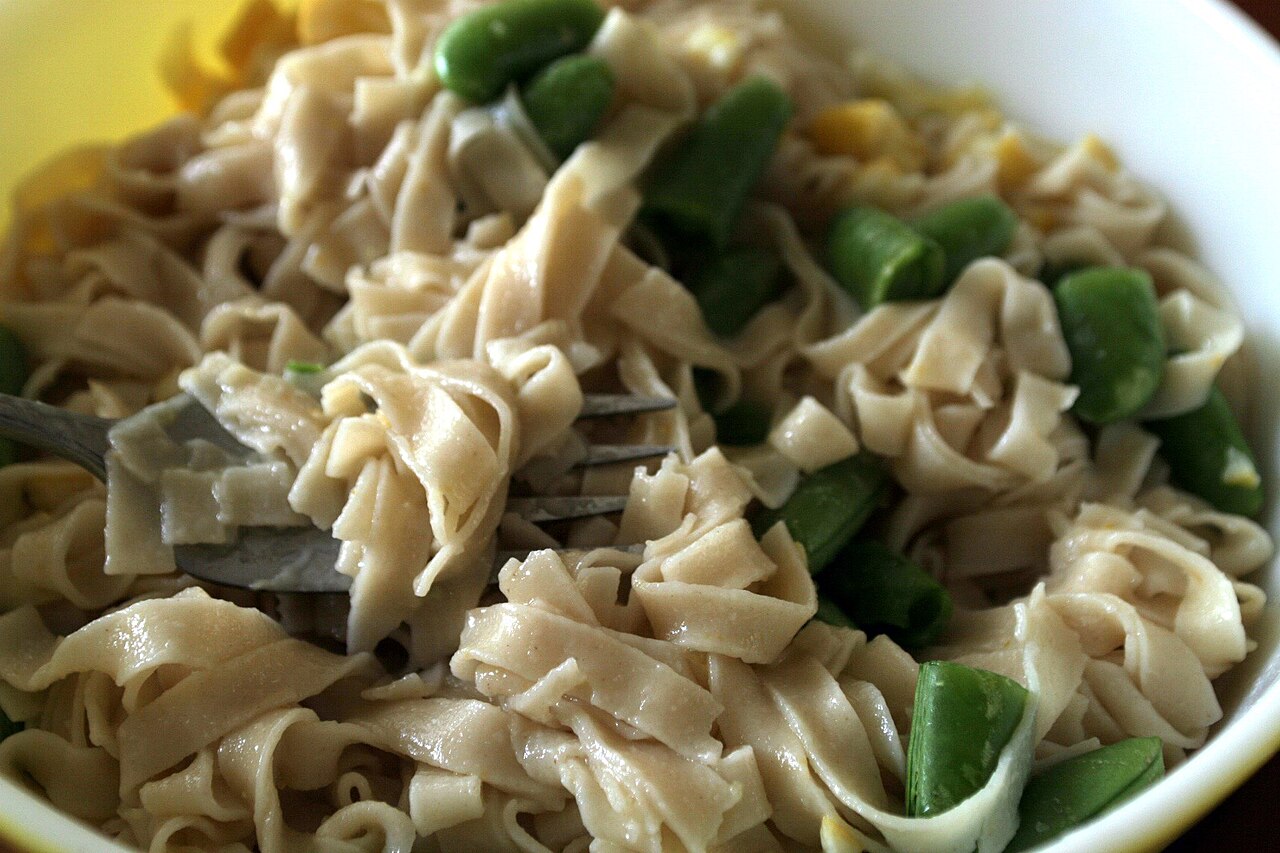
Lemon Pasta with Peas and Parmesan
Ingredients
Method
- Bring a large pot of water to a boil and salt it well. Cook the pasta until 1 minute short of al dente.
- Add the frozen peas to the pot for the last 2 minutes of cooking.
- Scoop out 1 cup of the pasta water, then drain the pasta and peas.
- In the same pot, melt the butter with the olive oil and garlic over low heat for about 30 seconds.
- Add the pasta, peas, lemon zest, 2 tablespoons lemon juice and 1/2 cup of the pasta water. Toss over low heat.
- Add the Parmesan a handful at a time, tossing constantly and adding splashes of pasta water until the sauce is glossy and creamy.
- Season with salt, plenty of black pepper and more lemon juice to taste. Top with basil or mint and extra Parmesan.
Notes
- Grate the Parmesan finely so it melts smoothly; coarse shreds can clump.
- Keep the heat low when adding cheese, or it will turn stringy.
Storage
Best eaten right away. Leftovers keep in the refrigerator for up to 3 days; reheat in a skillet with a splash of water to loosen the sauce.
Substitutions
- Use olive oil instead of butter for a lighter sauce.
- Use Pecorino Romano instead of Parmesan.
- Use fresh peas or chopped asparagus in spring.
- Add red pepper flakes for gentle heat.
Common questions
Why is my sauce clumpy?
The heat was too high or the cheese was coarsely grated. Use low heat, fine cheese and more pasta water.
Can I use other pasta shapes?
Yes. Short shapes like orecchiette or shells catch the peas nicely.
Can I make it vegan?
Use olive oil and a dairy-free Parmesan alternative; the texture will be lighter.
This recipe is for general cooking information only and is not medical or nutrition advice. See our Disclaimer and Image Credits.