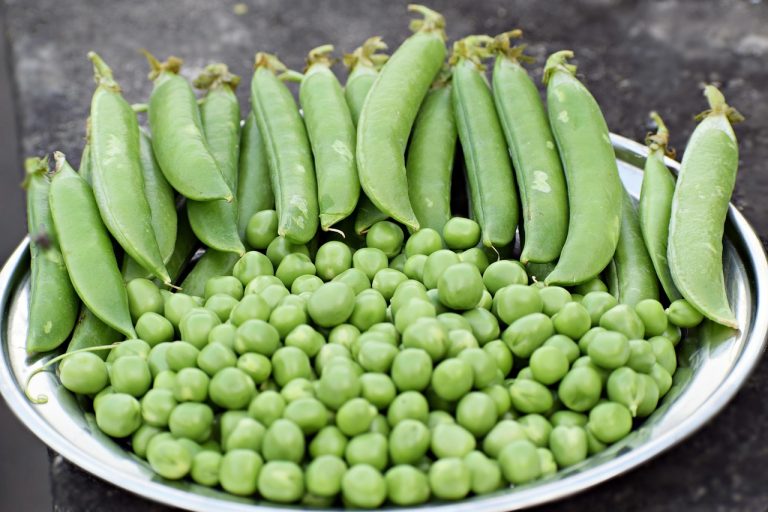

Photo by JerzyGórecki on Pixabay
If you have ever tried to improve your digestion, boost your energy, or lose weight, you already know how interconnected those goals can be. A sluggish gut can affect everything from cravings and bloating to mood and metabolism, while a cleaner, more intentional way of eating can help the body function more efficiently. That is why organic food has become such a powerful part of the modern healthy lifestyle conversation. It is not just about avoiding pesticides or choosing premium ingredients. It is about building a way of eating that supports the gut, nourishes the body, and makes clean eating feel practical rather than restrictive.
When people ask whether organic food can really make a difference, the answer is often more nuanced than a simple yes or no. Organic eating is not a magic fix, and no single detox diet can replace a balanced routine. Yet the quality of the food you choose can influence digestion, inflammation, nutrient intake, and even your relationship with food. Could that be the missing piece in your weight loss journey? For many people, the answer is yes.
[IMAGE: organic vegetables]
This article explores how organic foods can support gut health, why that matters for healthy weight management, and how to create a clean eating routine that feels nourishing instead of complicated. You will discover which organic foods are most helpful for digestion, how to combine them for better nutrition, and what everyday habits make the biggest difference. If you have been looking for a realistic way to improve your healthy diet without confusion, this guide is designed for you.
Why Gut Health Matters More Than Most People Realize
The gut is far more than a place where food is broken down. It is home to trillions of microorganisms that influence digestion, immune defense, nutrient absorption, and even appetite regulation. When your gut microbiome is balanced, you are more likely to feel satisfied after meals, maintain regular digestion, and experience steadier energy throughout the day. When it is out of balance, the effects can show up quickly: bloating, irregular bowel movements, sugar cravings, fatigue, and a frustrating sense that healthy eating is not working.
For anyone focused on weight loss, this matters. The gut plays a role in how the body processes food, stores energy, and responds to inflammation. A diet built around organic food and whole ingredients can provide more fiber, fewer unnecessary additives, and better overall nutrition. That combination may not only improve digestion but also create a more stable environment for long-term healthy weight management.
The gut-weight connection
Why does the gut influence weight so strongly? The answer lies in several overlapping systems:
- The gut helps regulate hunger and fullness signals.
- Digestive balance affects how efficiently nutrients are absorbed.
- Inflammation in the digestive tract can disrupt metabolic function.
- Healthy bacteria in the gut may influence cravings and food preferences.
- Poor digestion can lead to bloating that makes progress feel slower than it really is.
In other words, when your gut is supported, weight loss often becomes less about force and more about flow. You are less likely to fight your body and more likely to work with it.
Why Organic Food Can Be a Smart Choice for Digestion
Organic food does not automatically make a meal healthy, but it often improves the quality of your ingredients in ways that matter. Organic produce is grown without synthetic pesticides, many artificial fertilizers, and genetically modified organisms in certified products. For someone trying to build a cleaner, more supportive diet, that can be a meaningful advantage.
Many people choose organic food because they want fewer chemical residues. Others prefer the taste, the freshness, or the confidence that comes from knowing their food was produced with more natural methods. From a nutrition standpoint, the biggest benefit is often that organic eating encourages a more whole-food approach. When you shop for organic vegetables, fruit, grains, legumes, dairy, and protein sources, you naturally move closer to a clean eating pattern that supports gut health.
How organic ingredients support a cleaner digestive routine
Organic foods can contribute to better digestion in several ways:
- Less exposure to synthetic chemicals: This may reduce the burden on a body already dealing with inflammation or digestive sensitivity.
- More emphasis on whole foods: Organic diets often include fewer processed products and more fiber-rich ingredients.
- Better nutrient density: Many organic foods are chosen fresh and minimally processed, which helps preserve vitamins and minerals.
- Stronger clean eating habits: Choosing organic often leads to more thoughtful meal planning and less reliance on packaged foods.
If you are already working toward a detox diet or a healthier lifestyle, organic food can serve as a practical foundation rather than an expensive luxury. The goal is not perfection. The goal is consistency.
The Best Organic Foods for Gut Health
Not every organic food offers the same benefits for digestion. Some are especially valuable because they provide probiotics, prebiotics, fiber, or soothing compounds that support the gut lining. If you want a diet that is both effective and enjoyable, focus on foods that nourish the microbiome while also making meals satisfying.
1. Organic leafy greens
Spinach, kale, arugula, romaine, and Swiss chard are rich in fiber, antioxidants, and water content. These foods are easy to digest for most people and can help keep meals light without leaving you hungry. Leafy greens also pair well with proteins and healthy fats, making them perfect for clean eating meal bowls and green smoothies.
Try them in:
- Salads with lemon and olive oil
- Stir-fries with garlic and herbs
- Egg scrambles with herbs and avocado
- Fresh smoothies with cucumber and pear
2. Organic fermented foods
Fermented foods are among the most important organic foods for gut health because they may contain beneficial bacteria that help maintain a balanced microbiome. If you have been wondering how to support digestion naturally, start here.
Look for:
- Organic yogurt with live cultures
- Kefir
- Sauerkraut
- Kimchi
- Miso
These foods can be powerful in small amounts. A spoonful of sauerkraut on a lunch plate or a bowl of organic yogurt at breakfast can support a healthy lifestyle without feeling like a chore.
3. Organic berries
Blueberries, raspberries, blackberries, and strawberries are rich in fiber and antioxidants. They are naturally sweet, which makes them ideal for people who want to reduce processed sugar while still enjoying flavor. Berries can also support digestion by feeding beneficial gut bacteria.
They work well with:
- Greek yogurt
- Overnight oats
- Chia pudding
- Nut butter toast
4. Organic root vegetables
Carrots, beets, sweet potatoes, and turnips provide a grounding source of fiber and complex carbohydrates. These vegetables are especially useful if your goal is weight loss because they help you feel full while still fitting into a balanced nutrition plan. They also support regular elimination, which many people overlook when talking about a detox diet.
5. Organic legumes
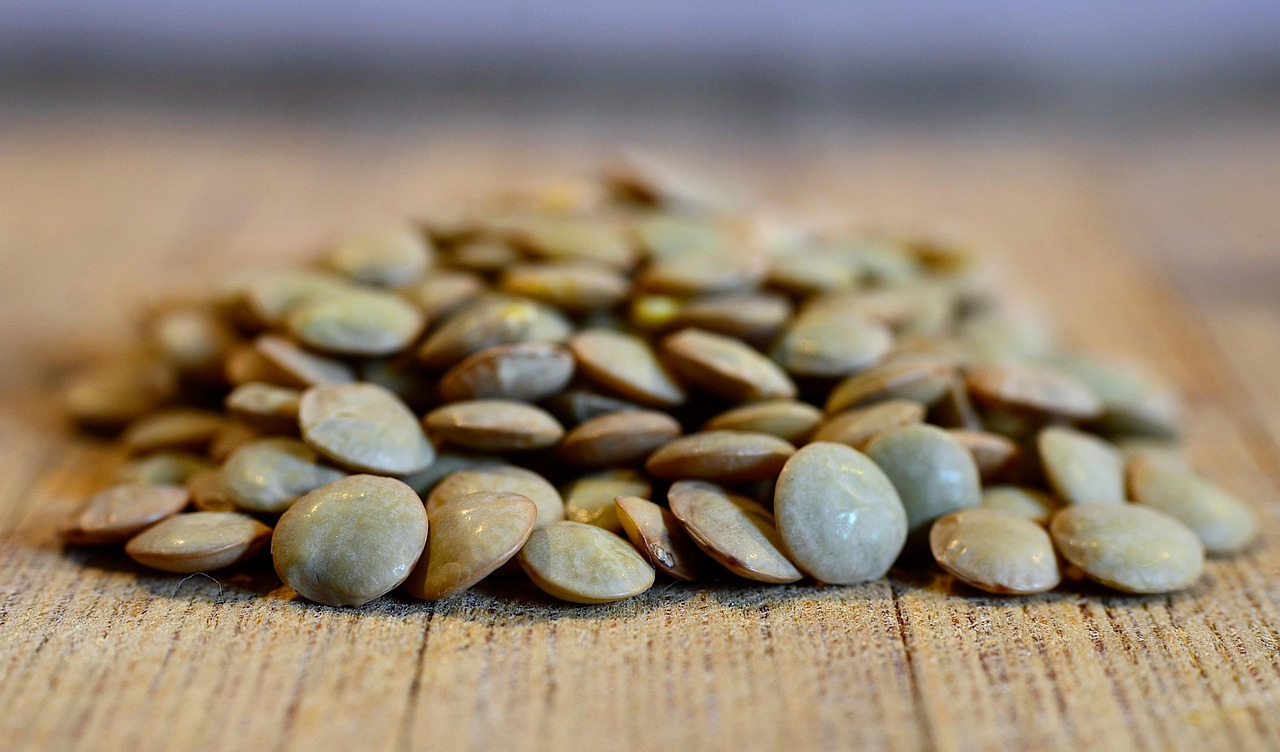
Lentils, chickpeas, black beans, and split peas offer plant protein and substantial fiber. If you tolerate them well, they can be one of the best foods for gut support and satiety. Start with small portions if you are not used to high-fiber meals, and build gradually to avoid discomfort.
6. Organic ginger and turmeric
These ingredients are popular in many clean eating and healthy diet plans because they add flavor while supporting digestion. Ginger may help calm the stomach, while turmeric is often included in anti-inflammatory routines. They can be used in teas, soups, dressings, and smoothies.
7. Organic oats and seeds
Oats, chia seeds, flaxseeds, and hemp seeds deliver soluble fiber and healthy fats. They are especially helpful for steady energy and appetite control. For many people, these foods make a breakfast feel satisfying enough to prevent later snacking, which can be a real advantage in weight loss efforts.
[IMAGE: healthy meal]
How Clean Eating Supports a Healthier Gut
Clean eating is not about rigid rules. It is about choosing foods that are closer to their natural form and easier for the body to use well. When your meals are built around organic produce, whole grains, lean protein, healthy fats, and fermented foods, your digestive system is less likely to be overwhelmed by additives, excess sugar, or heavily processed oils.
Clean eating can also reduce the guesswork in your day. Instead of debating whether a snack is healthy enough, you build a routine that already reflects your goals. That simplicity matters. The more predictable your food choices become, the easier it is to support gut health consistently.
What clean eating looks like in real life
Clean eating is often misunderstood as bland or restrictive, but it can actually be rich, varied, and deeply satisfying. It may include:
- Fresh fruits and vegetables
- Organic protein sources such as eggs, yogurt, poultry, tofu, or legumes
- Whole grains like quinoa, brown rice, and oats
- Healthy fats from avocados, nuts, seeds, and olive oil
- Hydrating foods and beverages that support digestion
What it usually excludes is a pattern dominated by highly refined snacks, artificial ingredients, and excess added sugar. Those foods can be part of life sometimes, but when they become the base of the diet, gut health often suffers.
The Role of Fiber in Weight Loss and Digestion
Fiber is one of the most important nutrients for both gut health and weight management. It helps move food through the digestive tract, supports beneficial bacteria, and contributes to a lasting feeling of fullness. If you often feel hungry soon after eating, a low-fiber diet may be part of the problem.
Organic food makes it easier to eat more fiber because fresh fruits, vegetables, legumes, nuts, seeds, and whole grains naturally become the stars of the plate. These ingredients are the foundation of a sustainable healthy diet, not just a temporary plan.
Types of fiber that matter
Soluble fiber
Soluble fiber dissolves in water and forms a gel-like texture that can slow digestion and improve satiety. It is found in oats, chia seeds, flaxseeds, apples, and legumes.
Insoluble fiber
Insoluble fiber helps add bulk to stool and supports regular bowel movements. You will find it in leafy greens, vegetable skins, whole grains, nuts, and many seeds.
For a healthy lifestyle, aim to include both types. The combination supports regularity, steadier blood sugar, and more consistent energy, all of which can make weight loss feel more manageable.
Meal Structure That Supports Gut Health and Fat Loss
The way you build your meals matters as much as the ingredients themselves. A balanced organic meal can help stabilize hunger, reduce digestive stress, and make clean eating feel natural. Instead of thinking in calories alone, think in structure. Does the meal include enough fiber? Is there a source of protein? Is there color on the plate? Is the food satisfying enough to prevent grazing later?
A simple formula for better meals
Try this structure:
- Half the plate: organic vegetables or a mix of vegetables and fruit
- One quarter: high-quality protein
- One quarter: whole grains or starchy vegetables
- Plus: healthy fats and optional fermented foods
This approach works for breakfast, lunch, and dinner. It is flexible enough for busy weekdays and effective enough to support a detox diet or weight loss goal without making you feel deprived.
Sample meal combinations
- Organic eggs, sautéed spinach, sweet potato, and sauerkraut
- Quinoa bowl with roasted beets, chickpeas, avocado, and lemon-tahini dressing
- Greek yogurt with berries, chia seeds, and walnuts
- Salmon, broccoli, brown rice, and ginger dressing
[IMAGE: fitness lifestyle]
Breakfast Ideas That Help the Gut Start Strong
Breakfast can shape your appetite and energy for the rest of the day. A breakfast loaded with sugar and refined flour may create a short-lived boost followed by a crash. A balanced organic breakfast, on the other hand, can set the tone for stable hunger and better digestion.
Organic breakfast options for gut support
- Overnight oats: Oats, chia seeds, almond milk, cinnamon, and berries
- Probiotic bowl: Organic yogurt, flaxseed, blueberries, and pumpkin seeds
- Vegetable omelet: Eggs with spinach, mushrooms, and tomatoes
- Green smoothie: Kale, cucumber, pear, ginger, and unsweetened yogurt
If mornings are hectic, prepare the ingredients the night before. Clean eating becomes much easier when the healthy choice is already waiting for you.
Lunch and Dinner Ideas That Feel Nourishing, Not Heavy
One of the most common mistakes in healthy dieting is making meals too small or too plain. That often leads to snacking, poor energy, and late-night overeating. A gut-friendly organic meal should be satisfying enough to keep your body calm and your mind focused.
Lunch ideas
- Chicken salad with mixed greens, cucumber, avocado, and seeds
- Lentil soup with carrots, celery, garlic, and herbs
- Brown rice bowl with roasted vegetables and tahini dressing
- Turkey lettuce wraps with fermented vegetables on the side
Dinner ideas
- Baked salmon with asparagus and quinoa
- Stir-fried tofu with broccoli, ginger, and mushrooms
- Stuffed sweet potatoes with black beans and salsa
- Organic chicken soup with leafy greens and root vegetables
These meals offer comfort without the heaviness that can derail digestion. They are especially useful if you want a calm evening routine and fewer late-night cravings.
Hydration, Herbal Support, and a Gentle Detox Diet
Many people search for a detox diet because they want a reset. While the body already has natural detoxification systems, you can absolutely support them with smarter daily habits. Hydration is one of the simplest and most effective places to begin. Water helps move fiber through the digestive tract, supports metabolism, and reduces the chances that you will mistake thirst for hunger.
Drinks that complement an organic eating pattern
- Water with lemon and cucumber
- Ginger tea after meals
- Peppermint tea for a soothing effect
- Unsweetened kefir or probiotic drinks
- Warm water with a small amount of apple cider vinegar if it agrees with you
These drinks are not miracle solutions, but they can help create a calmer digestive environment. If you are pursuing weight loss, remember that hydration also supports energy, exercise performance, and appetite awareness.
Common Organic Diet Mistakes That Can Slow Progress
Even a thoughtful healthy diet can go off track if it is built on assumptions rather than balance. Some people think that because a food is organic, it can be eaten without limit. Others focus so much on eating
About the Author