

Photo by Arina Krasnikova on Pexels
Clean eating sounds simple until real life gets in the way. One week you are committed to salads, steamed vegetables, and homemade lunches, and the next you are staring at a busy calendar, low energy, bloating, and a snack drawer that seems to call your name. If that sounds familiar, you are not alone. The good news is that a healthy diet does not have to feel restrictive, and weight loss does not have to rely on extremes. When you start choosing organic food with a clear plan, you can support digestion, improve energy, and build habits that actually last.
Many people think of organic food as a luxury or a niche choice, but it can become a practical part of a clean eating routine. The real value is not just in what you avoid. It is in what you intentionally add: more nutrient-dense produce, more fiber, more variety, and more respect for how your body feels after each meal. That shift matters. Could your current diet be working against your digestion without you realizing it? Are your meals helping you feel satisfied, or are they setting you up for cravings an hour later?
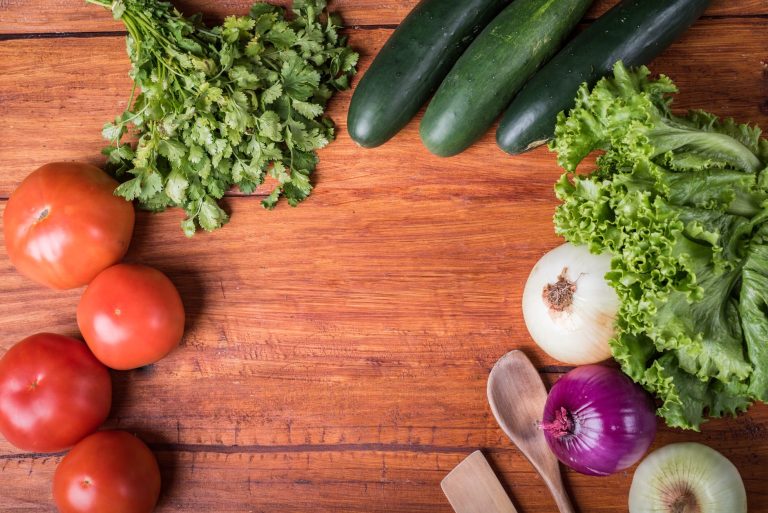
In this guide, we will look at how organic food can fit into a healthy lifestyle, why gut health plays such a major role in weight loss, and how to make clean eating feel realistic instead of overwhelming. You will find simple meal ideas, shopping advice, and a gentle detox diet approach that supports the body without relying on fads. [IMAGE: organic vegetables]
Why Gut Health Is the Missing Link in Clean Eating and Weight Loss
When people talk about weight loss, they often focus on calories, workouts, and willpower. Those things matter, but they are only part of the story. Your gut influences how well you digest food, absorb nutrients, regulate hunger, and even manage mood. If your digestion is sluggish or irritated, it is harder to stay consistent with a healthy diet, because your body may respond with bloating, fatigue, cravings, or inconsistent appetite.
The gut microbiome, which is the community of bacteria and other microorganisms living in your digestive tract, helps break down food and communicate with the rest of the body. A diverse microbiome is associated with better nutrition status, better immune function, and more stable digestion. When your meals are rich in fiber, plant variety, and fermented foods, you give those beneficial microbes more of what they need to thrive.
That is where organic food can offer an advantage in a clean eating routine. It is not magical, and it is not the only factor, but it can encourage a more intentional approach to food. People who choose organic produce often prepare more meals at home, eat more vegetables, and pay closer attention to ingredient quality. Those habits, more than any single label, can support weight loss and better digestion over time.
How your gut influences appetite and energy
Have you ever eaten what seemed like a perfectly reasonable meal and still felt unsatisfied soon after? Or noticed that certain foods seem to cause bloating, sluggishness, or irritability? The gut plays a major role in both satiety and energy regulation. If a meal lacks protein, fiber, or healthy fat, your blood sugar may rise and fall too quickly, leaving you hungry again before long. If digestion is irritated, your body may have a harder time using nutrients efficiently.
A cleaner, more balanced eating pattern helps keep those swings under control. When a plate includes organic vegetables, whole grains, quality protein, and healthy fats, it is easier to feel steady through the day. That is one reason weight loss often becomes easier when the focus shifts from restriction to nourishment. You are no longer fighting your body; you are feeding it in a way that supports normal appetite cues.
Signs your diet may be out of balance
If you are wondering whether your current routine is helping or hurting, look for patterns rather than perfection. A few occasional off days are normal. Repeated discomfort is worth noticing.
- Bloating after most meals
- Frequent sugar cravings
- Low energy in the afternoon
- Irregular digestion or discomfort
- Feeling hungry soon after eating
- Dependence on coffee or snacks to stay focused
- Difficulty staying consistent with a healthy lifestyle
If several of these sound familiar, a cleaner, more organic food centered routine may help you reset your baseline. Not through punishment, but through better nutrition and more mindful habits.
What Organic Food Changes in Practice
Organic food is often discussed as a health upgrade, but the real question is how it fits into your everyday routine. The biggest difference for most people is not a dramatic transformation in a single meal. It is the cumulative effect of choosing produce, grains, dairy, and protein sources that align with cleaner ingredient standards and a more intentional kitchen.
Organic farming practices limit many synthetic pesticides, herbicides, and genetically modified inputs, depending on the certification and country. For the average shopper, that means less exposure to some residues and often a stronger connection to seasonal, minimally processed foods. It also tends to encourage a simpler way of shopping. You are more likely to buy ingredients that need washing, chopping, and cooking, which naturally supports a healthy diet.
That said, not every organic product is automatically healthy. Organic cookies are still cookies. Organic chips are still chips. For weight loss and clean eating, the label matters, but the bigger picture matters more. Are you building meals from real ingredients, or collecting packaged foods that happen to carry an organic seal?
Organic labels worth knowing
If you want to use your grocery budget wisely, focus first on the foods you eat most often and the ones that are usually eaten with the skin or outer layer intact. These are commonly prioritized by people who want to reduce pesticide exposure while keeping their meals simple and nutritious.
- Leafy greens such as spinach, kale, and romaine
- Berries, apples, and grapes
- Stone fruits such as peaches and nectarines
- Celery, peppers, and tomatoes
- Milk, yogurt, and eggs if they are part of your routine
- Any food you eat daily and in larger amounts
At the same time, some foods have thicker natural skins or peels that already reduce exposure, so buying organic there may be less urgent if your budget is limited. The goal is not perfection. It is thoughtful prioritization.
If you buy only a few organic items
Start with a small, realistic list. That approach is easier to maintain and often makes clean eating feel more achievable.
- Leafy greens for salads and smoothies
- Berries for breakfast and snacks
- Apples for portable fiber-rich snacks
- Eggs or yogurt if you eat them often
- Frozen organic vegetables for convenience
That shortlist can make a real difference without turning grocery shopping into a stressful chore.
Best Organic Foods to Support a Healthy Microbiome
If your goal is better digestion, more stable energy, and sustainable weight loss, the smartest organic food choices are usually the ones that increase fiber, support beneficial bacteria, and reduce the need for ultra-processed meals. Think in categories, not isolated superfoods. Variety is what creates momentum.
Below are the food groups that deserve a regular place in a clean eating plan.
1. Fermented foods that add beneficial cultures
Fermented foods can be helpful because they provide live cultures and a tangy, satisfying flavor that can make healthy meals feel more interesting. They are not a cure-all, but they can complement a balanced diet beautifully.
- Organic plain yogurt
- Kefir
- Sauerkraut
- Kimchi
- Miso
- Tempeh
Start with small servings if you are not used to fermented foods. A little can go a long way, especially if your gut is sensitive. Pair them with other whole foods instead of eating them alone as a gimmick.
2. Prebiotic fiber foods that feed gut bacteria
Prebiotic foods are just as important as probiotics because they provide the fibers that beneficial bacteria use as fuel. If you want your microbiome to flourish, these foods deserve regular attention.
- Onions
- Garlic
- Leeks
- Asparagus
- Oats
- Chia seeds
- Ground flaxseed
- Apples
- Green bananas
These foods can be added to soups, salads, breakfast bowls, and roasted vegetables. They are especially useful in a healthy diet because they also help with satiety, which can support weight loss without the need to count every bite.
3. Colorful produce packed with plant compounds
The deeper the color, the more likely a plant food is to offer polyphenols and other compounds that support overall nutrition. A colorful plate is not just attractive; it is often a sign of broader nutrient diversity. The body benefits when you rotate your produce instead of eating the same three vegetables every week.
- Blueberries and blackberries
- Beets
- Carrots
- Purple cabbage
- Broccoli
- Arugula
- Sweet potatoes
- Fresh herbs such as parsley and cilantro
Think of these foods as building blocks for a cleaner, more vibrant plate. They bring texture, flavor, and natural color to meals that might otherwise feel repetitive.
4. Lean protein and healthy fats for steady energy
One of the most overlooked parts of clean eating is balance. A plate that is only vegetables may be healthy in theory but unsatisfying in practice. Protein and healthy fats help reduce cravings and keep meals satisfying longer, which matters if weight loss is one of your goals.
- Organic eggs
- Wild salmon
- Organic tofu
- Beans and lentils
- Avocados
- Extra virgin olive oil
- Nuts and seeds
When these ingredients show up regularly, you are less likely to raid the pantry later. That is a practical advantage, not just a nutritional one.
[IMAGE: healthy meal]
A Clean Eating Plate That Supports Weight Loss
Many people want a healthy diet, but they do not have a repeatable structure. That is where meal design becomes powerful. Instead of asking yourself what to eat every single time, create a plate formula that can be used at breakfast, lunch, and dinner.
A simple framework keeps things flexible while still promoting weight loss and digestion support. You can adapt it based on hunger, activity, and personal preference, but the structure remains steady.
The ideal plate formula
Use this as a starting point for most main meals:
- Half the plate: organic vegetables or leafy greens
- One quarter: protein source
- One quarter: fiber-rich carbohydrate such as quinoa, brown rice, sweet potato, or beans
- One small portion: healthy fat such as olive oil, avocado, seeds, or nuts
This formula helps stabilize blood sugar, support digestion, and create the kind of fullness that makes snacking less automatic. It is also easy to remember during busy weekdays.
What this looks like at each meal
Breakfast: Organic yogurt with berries, chia seeds, and a spoonful of ground flaxseed; or a vegetable omelet with avocado and a slice of whole grain toast.
Lunch: A big salad with mixed greens, chickpeas, cucumber, carrots, pumpkin seeds, and olive oil dressing; or a grain bowl with roasted vegetables and salmon.
Dinner: Roasted chicken or tofu with broccoli, sweet potato, and sautéed greens.
Would a meal like that feel satisfying to you, or do you usually find yourself hungry again because the plate was too light on protein or too low in fiber?
Snacks that support clean eating instead of sabotaging it
Snacking is not the problem. Mindless snacking is. If you choose snacks that contain a mix of fiber, protein, or healthy fat, they can actually support your health goals.
- Apple slices with almond butter
- Carrots with hummus
- Plain yogurt with berries
- Celery with peanut butter
- A small handful of nuts and seeds
- Hard-boiled eggs
- Roasted chickpeas
The idea is not to eliminate snacks completely. It is to make them intentional, portable, and aligned with your nutrition goals.
A Gentle Detox Diet Approach Using Organic Foods
The phrase detox diet is often misunderstood. Your body already has detox systems, especially through the liver, kidneys, skin, and digestive tract. What you can do is support those systems by reducing the load from heavily processed foods and increasing intake of water-rich produce, fiber, and nutrient-dense meals. A gentle detox diet is less about restriction and more about reset.
That is where organic food can fit naturally. When meals are built around whole ingredients, it becomes easier to eliminate the clutter that can leave you feeling sluggish. You may notice better digestion, fewer cravings, and more stable energy simply because your plate is cleaner and more balanced.
What a useful detox routine actually includes
- Plenty of water throughout the day
- Vegetables at every meal
- Fiber from fruits, legumes, and whole grains
- Reduced intake of sugary drinks and packaged snacks
- Regular movement and enough sleep
- Simple meals that are easy to digest
That is a far more sustainable approach than juice cleanses or extreme fasting for most people. The goal is to feel better, not depleted.
A 3-day reset you can repeat
If you want to begin gently, try three days of structure instead of perfection. Use organic food where possible, but keep the meals simple and repetitive enough that they are easy to follow.
- Day 1: Focus on hydration and vegetables. Add a large salad, a vegetable soup, and one fermented food.
- Day 2: Prioritize protein at every meal. Include eggs, beans, fish, tofu, or yogurt.
- Day 3: Increase fiber variety. Add oats, berries, leafy greens, and roasted cruciferous vegetables.
That kind of reset can make clean eating feel refreshing instead of punishing. It is also easy to extend into a week if you enjoy the rhythm.
How to Build an Organic Grocery List Without Overspending
A common misconception is that organic food has to be expensive. Yes, some items cost more, but strategic shopping can make a healthy diet affordable. The trick is to plan around ingredients, not products. When you buy foods that can be used in multiple meals, your budget goes further.
Smart shopping habits that save money
- Buy frozen organic vegetables for convenience and value
- Choose seasonal produce whenever possible
- Stock pantry staples such as oats, beans, brown rice, and lentils
- Use batch cooking to reduce waste
- Compare bulk prices for nuts, seeds, and grains
- Buy only the organic items you use most often
You do not need an all-organic kitchen to eat well. You need a kitchen that makes the healthy choice easier than the unhelpful one.
Pantry staples for a clean eating week
A few versatile ingredients can anchor an entire week of meals:
- Organic oats
- Quinoa or brown rice
- Beans and lentils
- Olive oil
- Nut butter
- Chia seeds
- Tomatoes and tomato paste
- Herbs and spices
When your pantry is stocked like this, healthy meals become faster to assemble, and that convenience often determines whether the plan succeeds.
Meal prep that still feels fresh
Meal prep does not have to mean eating the same container three days in a row. You can prep components instead of full meals, giving yourself enough flexibility to stay interested. Roast a tray of vegetables, cook one grain, wash leafy greens, and prepare one protein source. Then mix and match throughout the week.
This approach is especially helpful for busy professionals, parents, or anyone trying to stay committed to a healthy lifestyle without spending every Sunday in the kitchen.
[IMAGE: fitness lifestyle]
Common Mistakes That Slow Progress
Even the best intentions can stall if your routine is missing a few important details. Many people switch to organic food, expect immediate changes, and feel disappointed when the results are slower than they imagined. Weight loss and better digestion are both influenced by consistency, not novelty.
1. Eating too much packaged organic food
Organic cookies, crackers, frozen snacks, and sweetened drinks can still derail your progress if they replace real meals. Clean eating should feel nourishing, not like a loophole. A long ingredient list, even with organic certification, is still worth questioning.
2. Skipping protein
Some people focus so heavily on vegetables that they leave out enough protein to stay satisfied. That often leads to cravings later. Every main meal should include a solid protein source, especially if weight loss is one of your goals.
3. Increasing fiber too quickly
Fiber is essential for digestion, but more is not always better overnight. If your diet has been low in fiber, increase it gradually and drink plenty of water. Otherwise, you may feel more bloated before you feel better.
4. Expecting a detox diet to do everything
A reset can be useful, but it should never replace a sustainable pattern. The most successful approach is the one you can live with for months, not days. Ask yourself: can I keep eating this way even when life gets busy?
5. Ignoring sleep and stress
Food is powerful, but it does not work alone. Poor sleep and chronic stress can affect appetite, digestion, and motivation. If you want a healthy lifestyle, your routine needs enough rest, movement, and recovery to support the changes you are making in the kitchen.
Lifestyle Habits That Make Organic Food Work Better
Organic food can be an excellent foundation, but your results improve when the rest of your lifestyle supports it. Think of nutrition as part of a bigger system. The more stable that system becomes, the easier it is to maintain healthy habits without constant effort.
Hydration matters more than most people realize
Water supports digestion, nutrient transport, and regular bowel movements. If you are eating more fiber but not drinking enough, your body may struggle to process it smoothly. Start the day with water, carry a bottle with you, and pair high-fiber meals with enough fluids.
Movement improves digestion and mood
You do not need intense exercise to support digestion. A daily walk after meals can help reduce bloating and improve blood sugar control. Light strength training, yoga, and simple mobility work can also support a healthy lifestyle by keeping your body responsive and energized.
Sleep affects hunger more than willpower does
When sleep is poor, cravings rise and self-control becomes harder. That is not a character flaw; it is biology. If you are trying to lose weight, protect your sleep schedule as carefully as you protect your grocery list. A rested body is far more likely to choose balanced meals and stop eating when it is satisfied.
Mindful eating helps you recognize fullness
How quickly do you eat? Do you usually eat while scrolling, driving, or working? Slowing down even a little can improve digestion and help you notice fullness earlier. Try putting your fork down between bites, tasting your food, and checking in halfway through the meal. That small pause can change the way your body experiences a meal.
Clean eating is not only about ingredients. It is also about attention.
Simple Organic Meal Ideas You Can Start This Week
If you want practical ideas, begin with meals that are quick, satisfying, and easy to repeat. The best healthy diet plans are built on meals you can actually make on a weekday, not recipes that only work in theory.
Breakfast ideas
- Organic yogurt with blueberries, chia seeds, and walnuts
- Vegetable omelet with spinach, mushrooms, and avocado
- Overnight oats with flaxseed, cinnamon, and sliced apple
- Smoothie with kale, banana, protein, and almond butter
Lunch ideas
- Big salad with chickpeas, cucumber, carrots, seeds, and olive oil dressing
- Quinoa bowl with roasted vegetables and tofu
- Lentil soup with side greens and a slice of whole grain bread
- Turkey or tempeh wrap with avocado and crunchy vegetables
Dinner ideas
- Salmon with broccoli and sweet potato
- Chicken stir-fry with garlic, cabbage, and brown rice
- Bean chili with tomatoes, peppers, and herbs
- Tofu and vegetable curry with cauliflower rice
Snack ideas
- Apple with nut butter
- Hummus with bell peppers
- Yogurt with seeds
- Handful of almonds and a clementine
- Carrots and guacamole
These combinations work because they are balanced, convenient, and satisfying. They help you stay on track without making every meal feel like a project.
How to Keep Clean Eating Interesting Long Term
One of the biggest reasons people quit a healthy diet is boredom. Eating the same chicken, broccoli, and rice combination every day can get old fast. Variety, however, is what keeps nutrition interesting and helps your body receive a broader range of nutrients.
Rotate flavors, not just ingredients
Changing the seasoning on a meal can make it feel new without requiring a different recipe every time. Try herbs, citrus, ginger, garlic, cumin, turmeric, paprika, or fresh chili depending on what you enjoy. A simple vegetable dish can taste completely different with a new dressing or spice blend.
Use seasonal produce as your guide
Seasonal eating is often more affordable and more satisfying because produce tastes better when it is in season. In spring, lean toward greens and asparagus. In summer, make room for berries, tomatoes, and cucumbers. In fall and winter, use squash, root vegetables, and hearty greens. That rhythm can also make clean eating feel more connected to real life.
Let satisfaction be part of the plan
If a meal leaves you feeling deprived, the strategy will eventually fail. Healthy food should be enjoyable, not just virtuous. Add texture, color, healthy fat, and enough protein so meals feel complete. Ask yourself after eating: do I feel nourished, energized, and calm, or still mentally searching for something else?
That question is one of the most useful tools in nutrition because it points to your body rather than your habits alone.
Choosing organic food is not about chasing perfection or turning every meal into a wellness statement. It is about creating a cleaner, calmer, more nourishing pattern that supports digestion, energy, and steady weight loss in a way that feels sustainable. When your meals are built around real ingredients, your habits become easier to trust, and your body has a better chance to respond with balance instead of resistance. If you want more practical guidance on organic food, healthy diet strategies, detox diet ideas, and clean eating inspiration, keep exploring the latest articles on DietOrganic and build the kind of routine that feels both elevated and realistic.
About the Author