
Photo by stevepb on Pixabay
What if one of the smartest ways to support digestion, feel lighter after meals, and build a healthier routine started not with restriction, but with better food choices? That is the promise of a gut-friendly approach to organic food. When your meals are built around fresh produce, fiber-rich plants, naturally fermented ingredients, and simple clean eating habits, your body often responds with more stable energy, less bloating, and a greater sense of balance. For many people, this style of eating also becomes a gentle path toward weight loss because it naturally encourages portion awareness, better nutrition, and fewer ultra-processed foods.
The gut is far more than a digestive tube. It helps regulate immunity, mood, nutrient absorption, inflammation, and even cravings. So when readers ask whether organic food is worth the investment, the real question is often this: what happens when your daily nutrition gives your digestive system the support it has been asking for? In this guide, we will explore how organic ingredients can fit into a clean eating lifestyle, which foods are especially helpful for gut health, what to limit if you want better digestion, and how to create practical meals that feel nourishing rather than complicated.
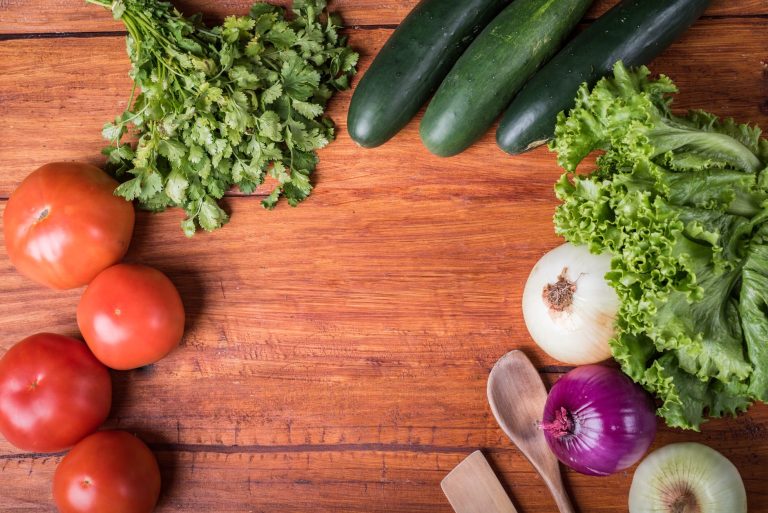
[IMAGE: organic vegetables]
Why Gut Health Deserves a Bigger Role in Your Healthy Lifestyle
Gut health influences much more than regularity. A well-fed digestive system helps you process food efficiently, absorb key nutrients, and keep inflammation in check. If your digestion is sluggish, stressed, or regularly irritated, the effects may show up as bloating, fatigue, skin flare-ups, brain fog, or stubborn cravings. That is why nutrition experts often say that healthy eating should begin with the gut. When the digestive environment is supported, almost every other wellness goal becomes easier to pursue.
Think about your own routine for a moment. Do you often feel heavy after meals, or do certain foods leave you uncomfortable for hours? Do you start the day energized but crash by midafternoon? These signs do not necessarily mean something is seriously wrong, but they can suggest that your meals are missing balance, fiber, or the kind of whole-food nutrition that a resilient gut enjoys. Organic food can be a valuable part of the answer because it often fits naturally into a cleaner, less processed way of eating.
The Gut Microbiome and Clean Eating
Your gut microbiome is the collection of beneficial bacteria and other microorganisms living in your digestive tract. These microbes help digest fiber, produce helpful compounds, and interact with the immune system. A diverse microbiome tends to thrive on a diverse plate. That means colorful vegetables, fruits, legumes, seeds, herbs, and fermented foods can all play a role in healthier digestion.
Clean eating supports this process by removing some of the major barriers to balance: excess added sugar, refined starches, artificial additives, and heavily processed oils. When you pair clean eating with organic food choices, you may reduce your exposure to synthetic pesticide residues and increase your intake of fresher, more nutrient-dense meals. The result is not perfection. It is consistency. And consistency is what helps the gut adapt over time.
Why Organic Choices Can Make a Difference
Organic food is often chosen for one key reason: people want to eat closer to the source. Organic farming standards typically limit synthetic pesticides, genetically modified ingredients, and certain chemical inputs. While every healthy diet can include some non-organic foods, many people prefer organic produce for the foods they eat most often, especially items with edible skins or delicate leaves like berries, spinach, kale, and apples.
For gut health, the appeal of organic eating is not only about avoiding unwanted residues. It is also about choosing foods that are usually fresher, simpler, and easier to build into a nutritious routine. If your goal is weight loss, a healthy lifestyle, or a detox diet that is rooted in real food rather than quick fixes, organic ingredients can support the mindset of intentional eating. Could your kitchen become the place where you feel calm, clear, and energized rather than overwhelmed?
Organic Foods That Support Digestion and Daily Wellness
Not all healthy foods have the same effect on the digestive system. Some are especially useful because they provide fiber, prebiotics, probiotics, enzymes, antioxidants, or soothing properties that help the gut do its job. The best organic food choices are usually simple, colorful, and easy to prepare. They do not need to be elaborate to be effective.
1. Leafy Greens
Organic leafy greens such as spinach, arugula, romaine, kale, and Swiss chard are among the most valuable foods for digestive support. They are rich in fiber, folate, magnesium, and plant compounds that help the body manage oxidative stress. Their fiber content supports regular bowel movements and gives beneficial gut bacteria something to feed on.
How can you use them daily? Add a handful of spinach to eggs, build a large salad for lunch, or sauté kale with garlic and olive oil as a simple side dish. If you struggle to eat enough vegetables, blend greens into smoothies with berries, chia seeds, and unsweetened yogurt or a plant-based alternative.
2. Fermented Organic Foods
Fermented foods are often discussed in gut health conversations because they can contain live cultures that support microbial diversity. Organic versions may include plain yogurt, kefir, sauerkraut, kimchi, miso, and tempeh. These foods can be especially useful when included in small daily portions rather than as occasional additions.
Start slowly if you are new to fermented foods. A few spoonfuls of sauerkraut or a small serving of kefir can be enough to begin with. Too much too soon may feel intense for sensitive digestion. The goal is not to overload your gut. The goal is to introduce supportive foods in a sustainable way.
3. Prebiotic-Rich Vegetables
Prebiotics are types of fiber that feed beneficial gut bacteria. They are found in foods such as onions, garlic, leeks, asparagus, artichokes, and slightly green bananas. Organic prebiotic vegetables are excellent additions to a clean eating diet because they help create the environment that probiotics need to thrive.
Try roasting asparagus with olive oil and sea salt, adding onions and garlic to soups, or using leeks as a base for vegetable stews. These ingredients do more than add flavor. They help build a digestive routine that feels nourishing rather than restrictive.
4. Berries, Apples, and Citrus
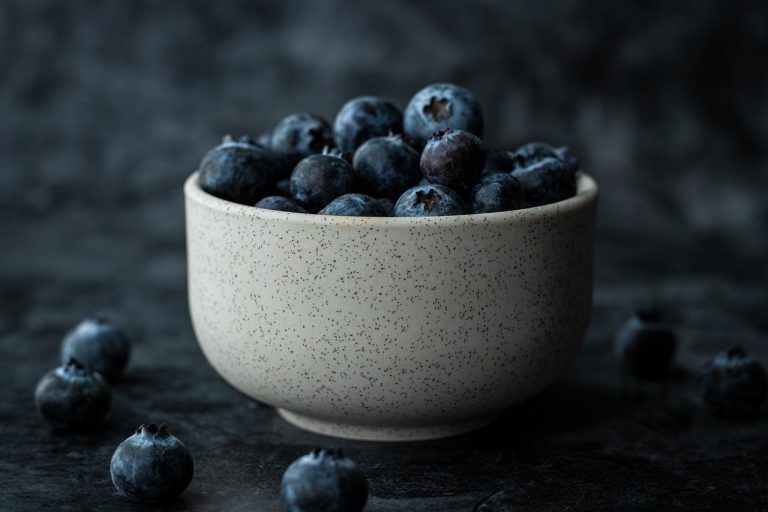
Organic berries are often recommended because they are nutrient-dense, rich in antioxidants, and easy to pair with yogurt, oats, or salads. Apples provide pectin, a soluble fiber that may help support digestion and satiety. Citrus fruits bring refreshing flavor and vitamin C, which supports overall wellness.
If weight loss is one of your goals, fruit can be an excellent replacement for desserts that are high in refined sugar. A bowl of berries with cinnamon or a sliced apple with nut butter can satisfy sweetness while still keeping your nutrition on track.
5. Oats, Seeds, and Whole Grains
Organic oats, chia seeds, flaxseeds, and quinoa offer a blend of fiber and steady energy that supports both digestion and weight management. These foods help you stay fuller for longer, which may naturally reduce impulsive snacking. They also contribute to better bowel regularity and more balanced blood sugar levels.
For breakfast, overnight oats with chia, blueberries, and almond butter can be a simple gut-friendly option. For lunch or dinner, quinoa bowls with roasted vegetables and a tahini dressing can deliver both satisfaction and nutrition without heaviness.
6. Healthy Fats That Soothe and Support
Avocados, extra virgin olive oil, walnuts, almonds, pumpkin seeds, and hemp seeds are all useful in a gut-friendly organic food plan. Healthy fats help absorb fat-soluble vitamins and support satiety, which can be helpful if you are focused on weight loss without feeling deprived. They also bring flavor and texture, making clean eating feel more enjoyable.
Use fats thoughtfully. A drizzle of olive oil, a few slices of avocado, or a spoonful of seeds is often enough. Healthy eating does not need to mean eating less joyfully. In fact, the best nutrition plans often feel satisfying enough that people can follow them long term.
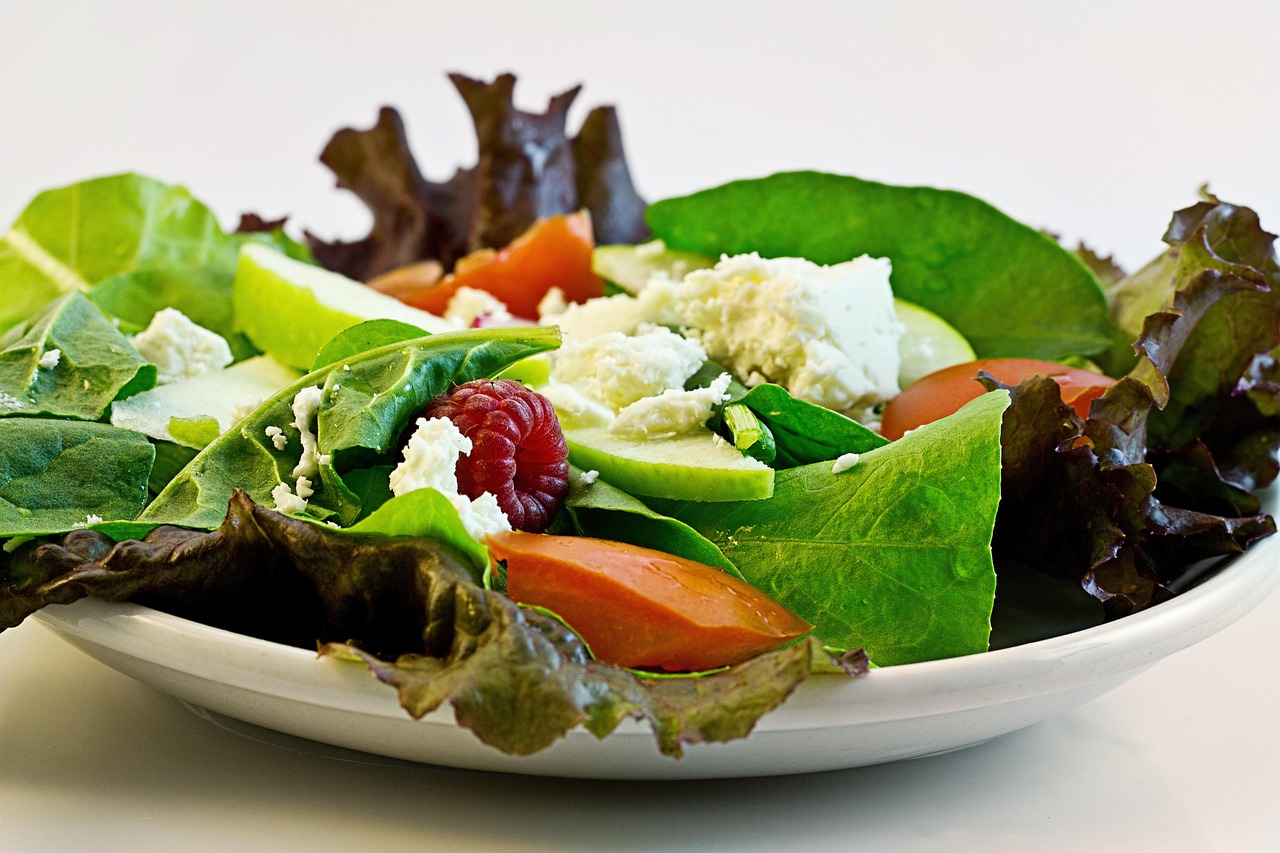
[IMAGE: healthy meal]
How Organic Food Fits Into a Weight Loss Approach
Weight loss becomes more manageable when your meals are built around satiety, digestion, and nutrient density. Organic food is not a magic solution, but it can make healthy habits easier to maintain. Why? Because whole organic ingredients tend to be less calorie-dense than packaged snack foods, and they often contain more fiber, water, and micronutrients per serving.
A clean eating plan based on organic foods may help reduce mindless eating by making meals more satisfying. Fiber-rich vegetables and whole grains help you feel full. Lean proteins and healthy fats stabilize appetite. Fermented foods and herbs can support digestive comfort, which may reduce the temptation to snack simply because you feel bloated or unsettled.
What Makes Organic Eating Helpful for Weight Loss?
- It naturally emphasizes whole foods over ultra-processed products.
- It often increases fiber intake, which supports fullness.
- It can reduce the number of hidden sugars and refined starches in the diet.
- It encourages more home cooking, which improves portion awareness.
- It fits well into a sustainable healthy lifestyle rather than a short-term diet.
Of course, organic cookies are still cookies, and organic chips are still chips. The point is not to treat organic labels as a free pass. The real advantage comes when organic choices are used to build meals around vegetables, proteins, whole grains, fruits, and healthy fats. That is where weight loss and gut support begin to align naturally.
Supporting Metabolism Without Extreme Rules
If you have ever tried a detox diet that was too restrictive, you know how quickly energy can crash. A better strategy is to support metabolism with steady meals that include protein, fiber, and hydration. Organic food can help by making those meals more appealing and less processed. When your plate is colorful and balanced, your body receives the raw materials it needs for digestion, recovery, and energy production.
Ask yourself: would you rather rely on temporary restriction or create a way of eating that feels good enough to repeat every day? For most people, the second path leads to far better results.
Foods to Limit if You Want Better Digestion
Gut-friendly eating is not only about what you add. It is also about what you reduce. Certain foods and habits can make digestion more difficult, increase inflammation, or interfere with microbiome balance. You do not need to eliminate everything at once, but noticing patterns can be eye-opening.
Common Gut Irritants
- Highly refined sugar and sugary drinks
- Ultra-processed snack foods
- Excess alcohol
- Heavy fried foods
- Artificial sweeteners in large amounts
- Large portions eaten too quickly
- Low-fiber meals repeated throughout the week
Many people also discover that certain foods, while not universally problematic, are less comfortable in their own bodies. Dairy, gluten, beans, or spicy foods may or may not be an issue depending on the person. The key is self-awareness. Keep track of what you eat and how you feel afterward. Digestive comfort is a valuable form of feedback.
Organic Does Not Mean Unlimited
One of the most important truths in clean eating is that organic food still needs balance. A large organic pastry will not serve your gut the way a bowl of vegetables, salmon, and quinoa will. Organic soda is still soda. Organic sugar is still sugar. If your goal is better digestion, a healthier lifestyle, and gradual weight loss, portion control matters just as much as ingredient quality.
This is where mindful eating becomes powerful. Slow down. Sit down. Chew thoroughly. Notice flavors. Those small habits can improve digestion more than many people realize. When you eat in a rush, even healthy food can feel harder to process.
Building a Gut-Friendly Organic Plate
One of the easiest ways to make clean eating sustainable is to use a simple plate formula. You do not need a strict meal plan every day. You need a structure that helps you make better decisions quickly. A balanced plate can support digestion, satiety, and energy without requiring complicated recipes.
A Simple Plate Method
- Half the plate: organic vegetables, especially leafy greens and colorful non-starchy vegetables
- One quarter: quality protein such as eggs, fish, chicken, tofu, tempeh, or lentils
- One quarter: whole grains or starchy vegetables such as quinoa, brown rice, sweet potato, or oats
- Added fats: olive oil, avocado, nuts, seeds, or tahini
- Optional gut support: fermented food like sauerkraut, kefir, yogurt, or kimchi
This template works for breakfast, lunch, or dinner. It also makes grocery shopping easier because you can stock ingredients by category. Instead of asking,
About the Author