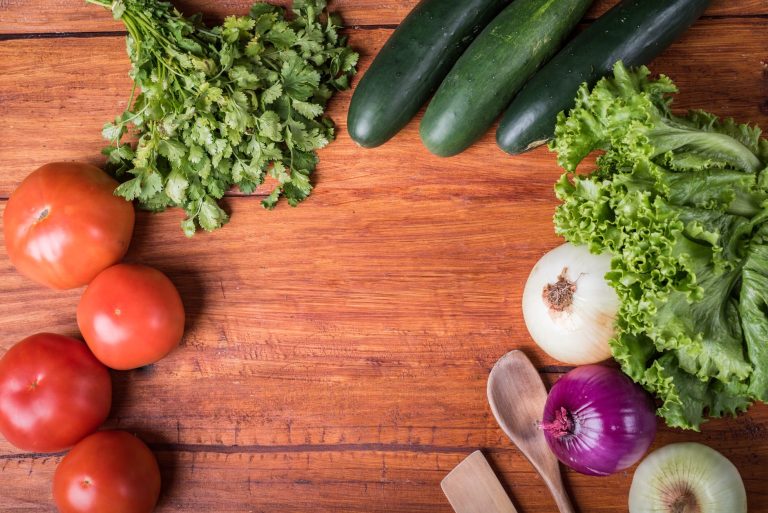

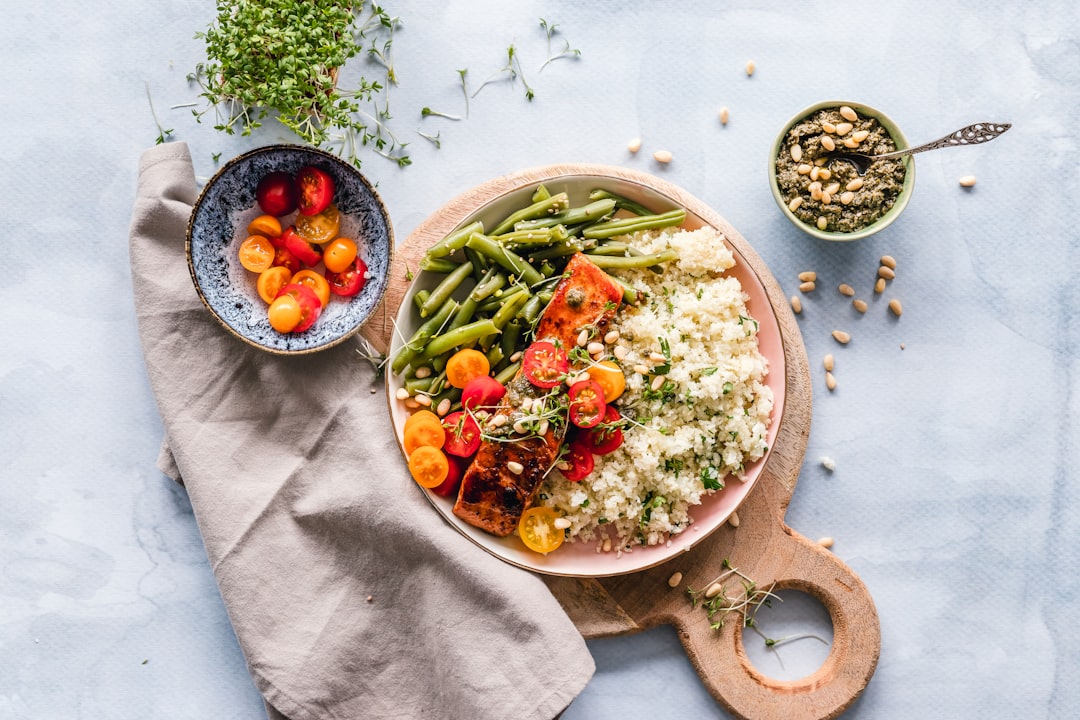
Photo by Ella Olsson on Unsplash
If weight loss has started to feel like a battle between restriction and willpower, it may be time to change the conversation. The best organic food choices are not about punishing yourself with a rigid detox diet or surviving on tiny portions that leave you thinking about snacks all day. They are about creating a healthy diet that feels satisfying, practical, and repeatable enough to become part of your everyday life.
Organic foods can make that process easier. When your kitchen is full of fresh produce, quality protein, and minimally processed staples, clean eating becomes less of a chore and more of a rhythm. You eat better because the food tastes better, fills you up more effectively, and fits naturally into a healthy lifestyle. And for many people, that shift is the real secret behind sustainable weight loss. What if the answer was not eating less, but eating better?
[IMAGE: organic vegetables]
Why organic food can support weight loss more effectively than trendy dieting
Organic food is not a magic solution, and it should never be treated like one. You will not lose weight simply because a label says organic. Still, choosing organic ingredients can support the habits that make fat loss more realistic. People who buy organic produce, grains, and proteins often cook more at home, eat more vegetables, and rely less on packaged foods that are dense in calories but low in nutrition.
That matters because weight loss is usually less about a single superfood and more about the pattern of eating you follow most days. A healthy diet works best when it keeps you full, nourishes your body, and helps you avoid the blood sugar swings that trigger cravings. Organic food can fit beautifully into that pattern because it tends to keep your meals closer to their natural form. Fewer additives, less guesswork, more nutrition. That is the kind of simplicity many people are searching for.
Less processing often means fewer accidental calories
One of the biggest obstacles to weight loss is not overeating at every meal. It is the quiet accumulation of calories from snacks, drinks, sauces, and packaged foods that seem harmless. A handful of crackers here, a sweetened yogurt there, a late-night granola bar because dinner felt too small. These choices add up quickly. Organic food, especially when it is fresh and minimally processed, naturally reduces the number of these hidden extras.
For example, organic vegetables tossed with olive oil and herbs are far more satisfying than a bagged snack that disappears in minutes. Organic apples, berries, oats, eggs, and lentils offer genuine nutrition, not just convenience. When your food provides more fiber, protein, and micronutrients, you tend to feel satisfied sooner. That is important, because fullness is one of the most powerful tools in any weight loss strategy.
Clean eating is easier when your ingredients are simple
Clean eating is often misunderstood as a strict lifestyle built on rules. In reality, it is usually about returning to simple, whole ingredients that make meals feel honest and nourishing. Organic food supports that approach because it encourages you to think in terms of ingredients, not products. A bowl of greens, roasted vegetables, grilled tofu, quinoa, seeds, and avocado tells you exactly what you are eating. A highly processed meal does not.
This simplicity creates momentum. When meals are easy to understand, they are easier to build, easier to repeat, and easier to trust. Instead of wondering whether a complicated diet plan is sustainable, you can ask a better question: does this meal help me feel energized, satisfied, and in control of my choices? If the answer is yes, you are already moving in the right direction.
The best organic foods for weight loss
Not every organic food is automatically ideal for fat loss. Organic cookies are still cookies, and organic sugar is still sugar. The goal is to focus on the foods that give you the most nutritional value for the calories you consume. Think fiber, protein, water content, vitamins, minerals, and satiety. Those are the ingredients that support a healthy lifestyle and make clean eating feel less complicated.
Leafy greens
Organic spinach, kale, arugula, romaine, and mixed greens are some of the most efficient foods you can eat when your goal is weight loss. They are low in calories, high in volume, and rich in nutrients such as folate, vitamin C, vitamin K, and magnesium. Because they add bulk to meals without adding much energy, leafy greens help you feel like you are eating more without overdoing it.
Leafy greens also make it easier to build meals that are visually satisfying. A colorful bowl looks abundant, and abundance matters when people are trying to avoid the sense of deprivation that often derails a healthy diet. Add greens to salads, soups, smoothies, omelets, grain bowls, and sautéed side dishes. They can do far more than sit in a lettuce bowl as an afterthought.
Best ways to use leafy greens
Try massaging kale with lemon and olive oil, folding spinach into scrambled eggs, or layering mixed greens under roasted vegetables and organic chicken or tofu. If you prefer smoothies, blend greens with frozen berries, chia seeds, and unsweetened yogurt for a filling breakfast that supports nutrition without turning into a sugar bomb.
Cruciferous vegetables
Broccoli, cauliflower, Brussels sprouts, cabbage, and broccoli sprouts are powerful additions to an organic food routine. They are rich in fiber and contain compounds that support overall health, which is one reason they are often included in clean eating and detox diet discussions. More importantly, they help keep your meals substantial and balanced.
Cruciferous vegetables are also incredibly versatile. Roast them for a caramelized flavor, steam them for a lighter option, or shred cabbage into slaws for a crunchy side dish. If you are trying to lose weight without constantly feeling hungry, these vegetables are some of the best tools you can keep in your kitchen.
Organic berries
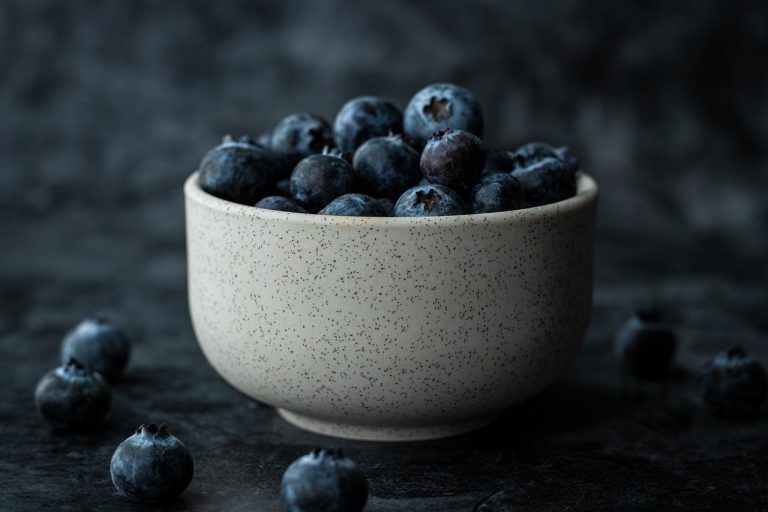
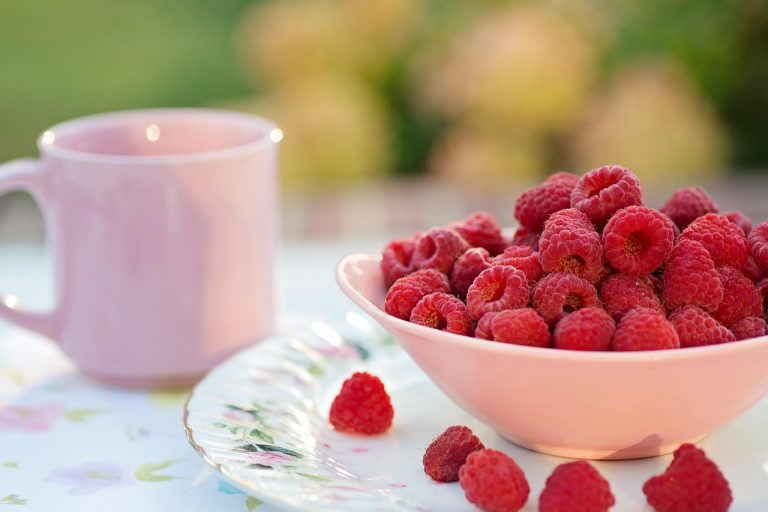
Blueberries, raspberries, blackberries, and strawberries deliver sweetness with far fewer calories than desserts or sugary snacks. They are rich in antioxidants and fiber, which makes them ideal for a healthy diet that still feels satisfying. A bowl of organic berries can calm a sweet craving while keeping your nutrition on track.
Berries work especially well at breakfast or as an afternoon snack. Pair them with plain yogurt, cottage cheese, chia pudding, or a small handful of nuts for a more balanced bite. If your goal is weight loss, it is better to treat fruit as part of a complete snack rather than eating it alone and hoping it will hold you for hours.
Apples and pears
There is a reason apples and pears are classic diet-friendly fruits. They are portable, high in fiber, and naturally sweet in a way that feels comforting rather than excessive. The fiber in these fruits slows digestion and helps create a sense of fullness, which can reduce the urge to reach for less nourishing foods later in the day.
Choose organic apples and pears when possible, especially if you like to eat the skin. Slice them and pair them with nut butter, use them in oatmeal, or chop them into salads for a crisp contrast. Weight loss does not have to mean abandoning sweetness. It simply means choosing sweetness that works with your body instead of against it.
Organic eggs
Eggs are one of the most efficient protein sources for breakfast, lunch, or even a quick dinner. Organic eggs are especially popular among people who want a cleaner approach to nutrition. Protein is essential for satiety, and a protein-rich breakfast can reduce grazing later in the day. That makes eggs valuable for anyone trying to build a more stable healthy lifestyle.
Scramble them with vegetables, hard-boil them for grab-and-go snacks, or bake them into muffins with spinach, tomatoes, and herbs. If your mornings are busy, organic eggs can be the difference between a rushed pastry and a meal that keeps your energy steady for hours.
Organic yogurt and kefir
Plain organic yogurt and kefir can be useful for weight loss when you choose versions with minimal added sugar. They provide protein, probiotics, and a creamy texture that helps meals feel more satisfying. For many people, the biggest challenge with clean eating is not eating healthy food. It is finding foods that feel enjoyable enough to replace old habits. Yogurt can do that job well.
Add berries, cinnamon, chia seeds, or chopped nuts for a balanced snack. If you prefer a richer breakfast, layer yogurt with oats and fruit in a jar for an easy make-ahead option. The key is to keep the sugar low and the protein high so that your snack actually helps you stay full.
Beans, lentils, and chickpeas
Legumes deserve a permanent place in any organic food guide for weight loss. Beans, lentils, and chickpeas are rich in fiber and plant-based protein, two nutrients that help keep hunger under control. They are also inexpensive, versatile, and ideal for batch cooking. That combination makes them one of the smartest choices for anyone trying to stick to a healthy diet on a real-world schedule.
Use lentils in soups, chickpeas in salads, black beans in bowls, and white beans in mashed spreads or stews. The more often you rely on legumes, the easier it becomes to create filling meals without needing large portions of meat or refined starches. They are especially useful for people following a vegetarian or flexible plant-based plan.
Oats, quinoa, and other smart grains
Whole grains are not the enemy. In fact, organic oats, quinoa, brown rice, and buckwheat can be helpful for weight loss when they are used in the right portions. These foods provide steady energy, fiber, and texture, which makes meals more satisfying and helps prevent the rebound hunger that often follows a low-calorie breakfast or lunch.
Choose grains that are minimally processed and pair them with protein and vegetables. A small bowl of quinoa with roasted vegetables and eggs is very different from a large serving of refined pasta. The first supports nutrition and fullness; the second often leaves you craving more food an hour later.
Seeds, nuts, and avocado
Healthy fats are essential, but they need to be portioned with care. Organic chia seeds, flaxseeds, pumpkin seeds, almonds, walnuts, and avocado can all support weight loss when you use them thoughtfully. They add flavor, texture, and staying power to meals. The challenge is that they are calorie-dense, so a little goes a long way.
Sprinkle seeds over salads, stir them into yogurt, or use a small handful of nuts as a snack. Add avocado to toast, bowls, or salads for creaminess and satiety. These foods are not diet villains. They are tools. The key is to use them to complete a meal, not to turn a healthy plate into a calorie-heavy one.
Fermented foods
Organic kimchi, sauerkraut, and other fermented foods can be a smart addition to a clean eating routine. While they are not weight loss miracles, they can add flavor, crunch, and a sense of satisfaction to otherwise simple meals. They also help diversify your diet, which is a quiet but important part of good nutrition.
Use small servings as a side dish or topping. Fermented foods are often salty, so a little can go a long way. Their value is not just in digestion, but in how they make healthy meals feel more interesting. If you enjoy your food, you are far more likely to keep eating well over time.
How to build a clean eating plate that supports fat loss
You do not need a complicated formula to build a meal that helps with weight loss. You need a plate that balances volume, protein, and smart carbohydrates. The most reliable method is simple: make vegetables the star, include a steady protein source, and add a measured portion of fiber-rich carbs or healthy fats. That way you stay full without overeating.
The 3-part plate method
Think of your plate in three parts. Half should come from non-starchy vegetables such as leafy greens, broccoli, zucchini, peppers, or cauliflower. One quarter should come from protein, such as eggs, yogurt, lentils, tofu, tempeh, organic chicken, or fish. The final quarter can come from smart carbs like quinoa, oats, sweet potato, or beans, depending on the meal.
This is not about perfection. It is about structure. When meals are structured, you spend less energy deciding what to eat and more energy enjoying the food in front of you. That is one of the most useful habits in any healthy lifestyle.
A simple portion guide
Use your hand as a quick reference if you do not want to measure everything. A palm-sized serving of protein, one to two fists of vegetables, and a cupped handful of carbs is a reliable starting point. Add a thumb-sized portion of fats such as seeds, nuts, or olive oil. Over time, these small habits teach you how to eat in a way that supports nutrition and long-term weight loss.
[IMAGE: healthy meal]
A sample day of eating with organic foods
Many people understand the theory of clean eating but struggle to make it practical. What does a real day actually look like? How do you eat organic food for weight loss without spending your whole life in the kitchen? A structured day can help turn ideas into action.
Breakfast
Start with a bowl of plain organic yogurt topped with berries, chia seeds, and a spoonful of oats, or try scrambled organic eggs with spinach and tomatoes beside a slice of whole-grain toast. If you need something portable, blend a smoothie with greens, frozen berries, protein-rich yogurt, and flaxseed. A strong breakfast can steady your appetite and reduce late-morning cravings.
Lunch
Build a grain bowl with quinoa, roasted vegetables, chickpeas, arugula, cucumber, and a simple olive oil and lemon dressing. If you want a warmer meal, make a lentil soup with carrots, celery, and cabbage, then add a side salad. Lunch should keep your energy stable, not send you into an afternoon slump that leads to snacking.
Snack
Choose one snack, not five. An apple with almond butter, a small handful of nuts, plain yogurt with cinnamon, or sliced vegetables with hummus are all excellent choices. When weight loss is the goal, snack quality matters just as much as snack size. Do you actually need another packaged bar, or would a more satisfying snack keep you fuller longer?
Dinner
Keep dinner simple and satisfying. Try roasted organic vegetables with salmon or tofu, a side of cauliflower mash, and a green salad. Or make a stir-fry with broccoli, mushrooms, carrots, and tempeh over a small serving of brown rice. Dinner does not need to be elaborate to be effective. It needs to be nourishing, balanced, and easy enough to repeat.
What to buy first when you are starting clean eating
If your pantry is full of random snacks and half-used ingredients, it becomes much harder to stay consistent. A clean eating plan begins with a smart grocery list. Focus on foods that are flexible, filling, and easy to combine in different ways. The fewer decisions you have to make in the middle of a busy week, the better your chances of staying on track.
- Organic leafy greens such as spinach, kale, and romaine
- Broccoli, cauliflower, Brussels sprouts, and cabbage
- Organic berries, apples, and pears
- Eggs, plain yogurt, kefir, tofu, tempeh, and legumes
- Quinoa, oats, brown rice, and sweet potatoes
- Chia seeds, flaxseeds, almonds, walnuts, and pumpkin seeds
- Olive oil, herbs, spices, lemon, garlic, and vinegar
- Simple snacks such as hummus, carrots, cucumbers, and celery
When you stock your kitchen with these basics, you are building a system, not just buying food. That system makes it easier to answer the daily question of what to eat without reaching for convenience foods by default. And that is where healthy habits start to feel effortless.
How to choose organic produce wisely
You do not have to buy everything organic on day one. If your budget is limited, prioritize foods that are often eaten with the skin or those you use frequently, such as berries, leafy greens, apples, and peppers. Then add organic versions of the produce you buy most often. The goal is progress, not pressure.
Remember, the value of organic food lies not only in the label but in the way it helps you structure a cleaner, more intentional kitchen. A few well-chosen items can transform your meals more than a cart full of random health products ever could.
[IMAGE: organic vegetables]
Meal prep ideas for busy people who want weight loss to be realistic
Meal prep is not about spending your Sunday making identical containers of dry chicken and broccoli. It is about reducing friction. The less effort a healthy meal requires during the week, the more likely you are to eat it. If your schedule is packed, prep should make clean eating easier, not more exhausting.
Prep once, mix and match all week
Cook one or two grains, roast a tray of vegetables, wash greens, prepare a protein source, and make one simple dressing. With those components ready, you can create bowls, wraps, salads, breakfast plates, and quick dinners in minutes. Flexibility matters. If you get bored easily, build variety into the same base ingredients.
A 60-minute prep session
In one hour, you can roast broccoli, cauliflower, and carrots; cook quinoa; boil eggs; rinse greens; portion berries; and make a tahini or lemon dressing. This is enough to cover several meals without leaving you trapped in a complicated system. The beauty of a healthy lifestyle is that it should make life smoother, not busier.
Three easy combinations to keep on repeat
Try these combinations when you need fast options that still feel polished and satisfying:
- Spinach, eggs, avocado, and tomato on whole-grain toast
- Quinoa, chickpeas, cucumber, herbs, and roasted vegetables
- Greek yogurt, berries, chia seeds, and chopped walnuts
These meals work because they are balanced. They are not flashy, but they are dependable. And dependability is what turns healthy eating into a habit rather than a temporary effort.
Common mistakes that slow down weight loss, even with organic food
One of the biggest myths in nutrition is that buying organic automatically guarantees results. In truth, it is still possible to overeat, under-eat, or build meals that look healthy but do not support your goals. Knowing the common mistakes can save you time, money, and frustration.
Eating too much of the healthiest foods
Organic almonds, avocado, granola, nut butter, and trail mix can all fit into a healthy diet, but portions matter. These foods are nutrient-dense and easy to overconsume, especially when you are distracted or stressed. If weight loss is your priority, use measuring spoons or pre-portioned containers until you develop a better sense of serving sizes.
It is easy to assume that because a food is natural, it can be eaten freely. But natural does not mean unlimited. Balance is what keeps organic food aligned with your goals.
Trying to lose weight with a detox diet alone
A detox diet can sound appealing because it promises a fast reset. But the body already has its own detoxification systems, and it does not need to be shocked with extreme restrictions to function well. A short cleanse may create a temporary drop on the scale, but that does not usually translate into lasting results.
A far better approach is to support your body with nutrient-dense organic foods every day: vegetables, fruit, protein, fiber, water, and sleep. If a detox diet becomes a disguise for starvation, it is not a strategy. It is a detour.
Forgetting the basics beyond food
Weight loss does not happen in the grocery aisle alone. Sleep, stress, movement, and hydration all affect hunger, cravings, and energy levels. You can eat the cleanest organic food in the world and still struggle if you are sleeping poorly or sitting all day. That is why a healthy lifestyle must include more than a meal plan.
Daily movement helps regulate appetite and improves how your body uses nutrition. It does not have to be intense. A brisk walk, a strength session, a yoga class, or even a few active breaks during the day can make a meaningful difference.
[IMAGE: fitness lifestyle]
How organic food fits into an active, healthy lifestyle
Food should not be separated from the way you live. The most successful weight loss plans are usually the ones that fit your real schedule, your preferences, and your energy level. Organic food can support that kind of lifestyle because it encourages you to eat with more awareness. When you choose real ingredients, meals become less chaotic and more intentional.
This is especially important if you work long hours, exercise regularly, or care for a family. You need meals that deliver nutrition without requiring perfection. Organic breakfast bowls, simple salads, batch-cooked soups, roasted vegetables, and easy protein options can help you stay consistent even when the day does not go according to plan.
Why consistency beats intensity
Many people start a healthy diet with extreme enthusiasm and burn out within two weeks. They buy everything organic, cut out all their favorite foods, and then feel overwhelmed by the effort. A better strategy is to make a few changes you can sustain. Maybe you switch to organic vegetables, replace sugary snacks with fruit and yogurt, and cook dinner at home four nights a week. Those small moves can have a bigger effect than a dramatic short-term overhaul.
Consistency also helps you listen to your body. You start noticing which meals keep you focused, which snacks prevent overeating, and which foods leave you sluggish. That feedback is valuable. It turns nutrition into something personal rather than ideological.
How to know your plan is working
Scale weight is only one signal. Better sleep, fewer cravings, steadier energy, improved digestion, and less mental obsession with food are all signs that your clean eating plan is moving in the right direction. If you are eating organic food but still feel tired, hungry, or frustrated all the time, something in the pattern needs adjusting.
Ask yourself simple questions: Am I getting enough protein? Are my portions too small? Am I relying too heavily on snacks? Do I need more vegetables or more water? The answers are often practical, not mysterious.
A more sustainable way to think about weight loss
The healthiest approach to weight loss is not built around punishment. It is built around better choices repeated often enough to become normal. Organic food can support that shift because it makes clean eating feel more satisfying and less artificial. Instead of chasing quick fixes, you are building a kitchen and a routine that support your goals in a calm, stable way.
That does not mean every meal has to look perfect. It means that most of your choices should move in the same direction. A bowl of oatmeal with berries, a salad with lentils, roasted vegetables with eggs, a simple stir-fry with quinoa, a snack of fruit and nuts, a weekend meal prep session, a better grocery list. Small actions like these create momentum. Momentum creates confidence. Confidence creates consistency. And consistency is where real change lives.
If you are ready to make organic food part of a healthier routine, start with one meal, one shopping list, and one realistic habit this week. Then keep going. The goal is not to eat perfectly for seven days. The goal is to build a version of clean eating you can actually enjoy for months and years. If you want more practical ideas for organic breakfast ideas, healthy meal prep, and clean eating strategies that fit real life, keep reading more articles on DietOrganic and let each new meal become another step toward the healthy lifestyle you want.
About the Author