
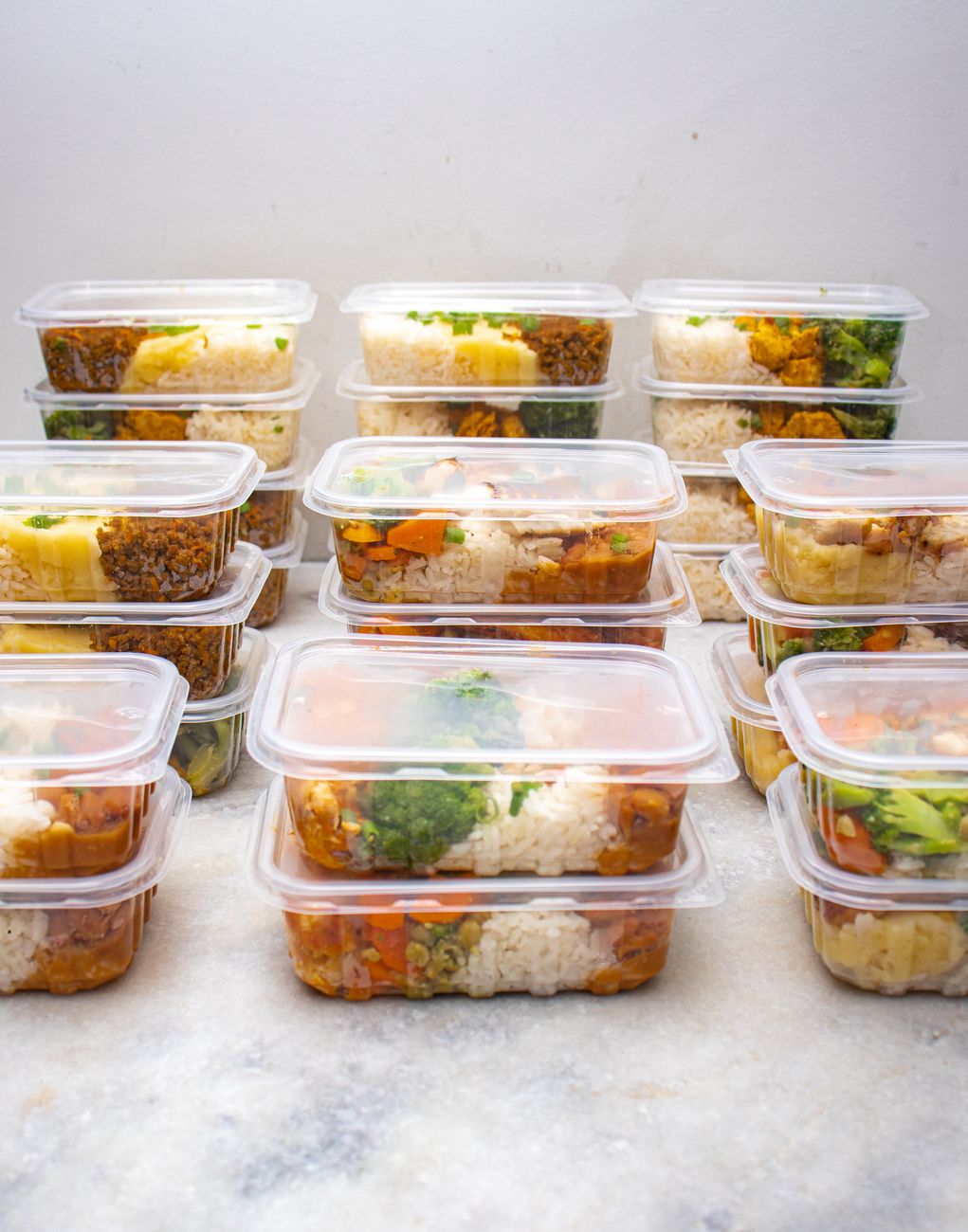
Photo by IARA MELO on Pexels
What if the food on your plate did more than satisfy hunger and actually made healthy habits easier to keep? That is the promise behind an organic approach to weight loss: not a dramatic shortcut, not a restrictive trend, but a smarter way to eat that supports energy, fullness, and consistency. When people talk about losing weight, the conversation often becomes obsessed with calories alone. Yet anyone who has tried to stick to a plan for more than a few days knows the truth is more complicated. Hunger, cravings, stress, convenience, and nutrition quality all matter. So does the way a meal makes you feel an hour after you eat it.
Organic food is not a magic solution, but it can be a powerful part of a clean eating strategy. Choosing organic vegetables, fruits, proteins, and pantry staples often makes it easier to build meals that are high in fiber, rich in nutrients, and lower in ultra-processed ingredients. That combination can be especially helpful for weight loss because it encourages satiety without relying on constant willpower. Would you rather fight cravings all day, or eat in a way that naturally keeps them quieter? That simple question is why many people find organic eating more sustainable than strict dieting.
This guide takes a practical, magazine-style look at how organic food fits into a healthy diet, a realistic detox diet mindset, and a long-term healthy lifestyle. You will find the best foods to prioritize, the meals that work well for busy schedules, the snacks that prevent overeating later, and the common mistakes that can stall progress even when the ingredients look healthy on paper. If you want weight loss that feels clean, steady, and realistic, this is the kind of nutrition plan worth learning.
Why Organic Food Can Support Weight Loss
Organic food does not burn fat by itself, and it is important to say that clearly. Weight loss still depends on an overall energy balance, food quality, movement, sleep, and stress management. But organic eating can support those goals in several practical ways. First, it often nudges people toward whole foods instead of packaged products. Second, it makes ingredient labels shorter and easier to understand. Third, it frequently encourages more home cooking, which gives you more control over portions and added sugars. In other words, the benefits are not mysterious. They are behavioral, nutritional, and very real.
When your kitchen is filled with organic vegetables, fruits, proteins, and grains, you are more likely to build meals that are naturally higher in fiber and micronutrients. Fiber slows digestion, helps you feel full, and supports better appetite control. Nutrient-dense foods also tend to reduce the urge to keep snacking because your body is actually getting what it needs. That is one reason clean eating is so effective for weight loss: it reduces the noise around food choices.
Organic Does Not Mean Automatic Fat Loss
It is easy to assume that a label like organic guarantees results, but that is not how nutrition works. Organic cookies are still cookies. Organic ice cream is still ice cream. Organic granola can be packed with sugar and calories. If your weight loss plan is built on the idea that organic automatically equals healthy, you may end up disappointed. The better approach is to treat organic as a quality filter, not a calorie exemption. Ask yourself: does this food support fullness, stable energy, and a healthy lifestyle? If the answer is yes, it deserves a place on your plate.
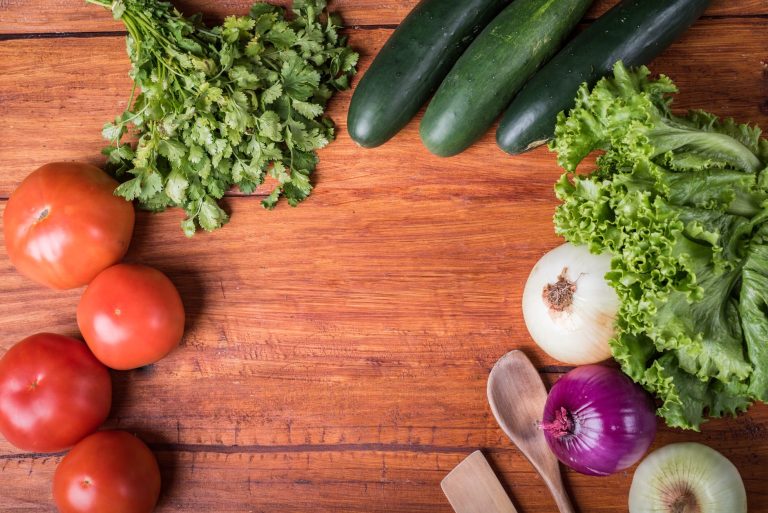
[IMAGE: organic vegetables]
The Best Organic Foods for Weight Loss
When people ask which organic foods work best for losing weight, the answer is less about exotic superfoods and more about the basics done well. The most effective foods are the ones that help you eat enough protein, fiber, and healthy fats while keeping calories reasonable and satisfaction high. Think of them as building blocks for a cleaner, easier rhythm of eating. Do you want your meals to feel like a punishment, or do you want them to feel complete and balanced? The right organic staples make the second option far more realistic.
Fiber-Rich Vegetables That Add Volume Without Excess Calories
Vegetables are the backbone of any successful clean eating plan. They are low in calories, high in water, and loaded with fiber and micronutrients. Organic vegetables are especially useful because they can be turned into generous portions without overloading your plate. The goal is not to eat tiny meals that leave you hungry. It is to eat meals that feel abundant while still supporting weight loss.
- Spinach and other leafy greens
- Broccoli and cauliflower
- Zucchini and cucumber
- Bell peppers and tomatoes
- Mushrooms and asparagus
- Cabbage, kale, and Brussels sprouts
- Green beans and celery
These foods work well in salads, soups, stir-fries, omelets, grain bowls, and sheet-pan dinners. If you are trying to lose weight, a simple rule helps: the more color and texture on your plate, the easier it usually is to stay satisfied.
Lean Organic Proteins That Support Fullness
Protein is one of the most powerful tools in a weight loss plan because it helps preserve lean mass, supports metabolism, and reduces the chance of overeating later. Organic protein sources can make clean eating feel more grounded and less processed. They are also easy to pair with vegetables and smart carbohydrates.
- Organic eggs
- Organic chicken breast or turkey
- Plain organic Greek yogurt
- Organic cottage cheese
- Organic tofu and tempeh
- Lentils, black beans, and chickpeas
- Edamame and other soy foods
Protein is especially important at breakfast. A morning meal built around eggs, yogurt, tofu, or a protein smoothie can reduce the mid-morning crash that often leads to pastries, vending machine snacks, or coffee drinks loaded with sugar. If your mornings feel chaotic, ask a simple question: are you starting the day with enough protein to feel steady?
Low-Glycemic Fruits That Satisfy a Sweet Tooth
Fruit deserves a place in a healthy diet, even during weight loss. The key is choosing fruits that provide sweetness and fiber without causing a roller coaster of cravings. Organic fruit is ideal for many people because the flavor can be excellent and the snack is convenient, portable, and naturally satisfying.
- Berries such as blueberries, raspberries, and strawberries
- Apples and pears
- Citrus fruits such as oranges and grapefruits
- Kiwi and cherries
- Peaches and plums in season
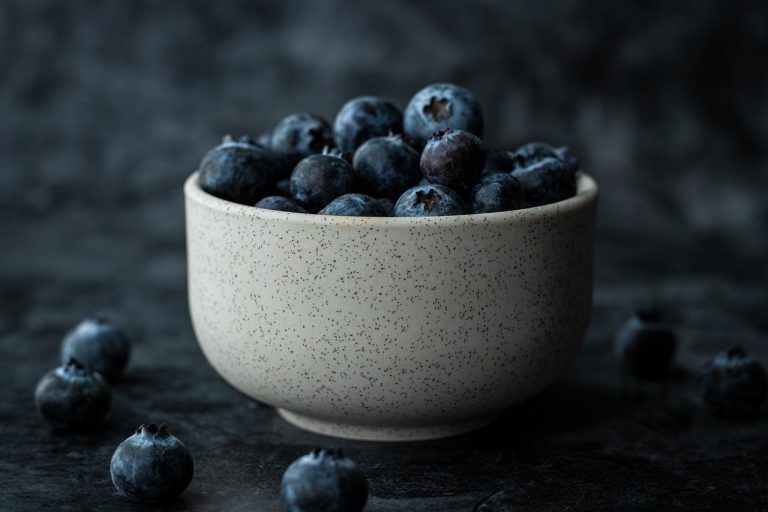
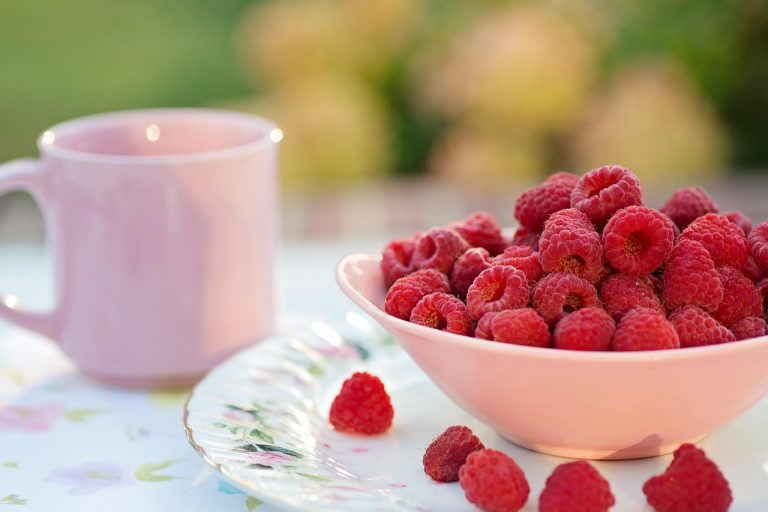
Berries are especially useful because they offer sweetness with relatively few calories and plenty of antioxidants. Pair fruit with protein or healthy fat for even better satiety. An apple with almond butter or berries with Greek yogurt can feel far more satisfying than a processed snack bar.
Healthy Fats That Help You Feel Satisfied
One of the biggest mistakes in weight loss is fearing fat so much that meals become dry, bland, and impossible to stick with. A moderate amount of healthy fat improves flavor, supports hormones, and helps your body absorb fat-soluble vitamins. In clean eating, the goal is not to remove fat; it is to use it wisely.
- Avocado
- Extra-virgin olive oil
- Chia seeds
- Ground flaxseed
- Walnuts and almonds
- Pumpkin seeds and hemp seeds
A spoonful of seeds on yogurt, a few slices of avocado in a bowl, or a drizzle of olive oil over roasted vegetables can improve both satisfaction and adherence. When meals taste good, clean eating becomes less about discipline and more about routine.
Smart Carbohydrates for Steady Energy
Carbohydrates are not the enemy of weight loss. In fact, the right carbohydrates can help you perform better, recover faster, and avoid rebound eating. The key is choosing minimally processed, fiber-rich options and pairing them with protein and vegetables.
- Organic oats
- Quinoa
- Sweet potatoes
- Brown rice
- Beans and lentils
- Whole-grain sourdough or sprouted grain bread in moderation
These foods work best when portioned with intention. A small serving can support training, busy workdays, and overall nutrition without pushing calories too high. If you are active, smart carbs are often exactly what your healthy lifestyle needs.
How to Build a Clean Eating Plate for Weight Loss
Instead of obsessing over numbers every time you eat, use a plate structure that makes decisions easier. A good organic meal for weight loss is usually built around volume, protein, and a balanced amount of energy-dense foods. That keeps the meal satisfying while helping you stay aligned with your goals. Does your plate look balanced, or does it lean too heavily toward one food group?
Use the 50-25-25 Method
A simple visual formula works well for many people:
- Half the plate: non-starchy vegetables
- One quarter: lean protein
- One quarter: smart carbohydrates
- Plus a small amount of healthy fat or sauce
This pattern is easy to repeat at lunch and dinner. For example, a dinner plate might include roasted broccoli and zucchini, grilled chicken, and a small serving of quinoa with olive oil and lemon. That is clean eating without feeling deprived.
Ask These Questions Before You Eat
- Am I eating because I am hungry or because I am tired, bored, or stressed?
- Will this meal keep me full for the next few hours?
- Does this plate include protein and fiber?
- Am I getting enough color and variety in my nutrition?
- Will I feel energized or sluggish after eating this?
These questions sharpen awareness without creating guilt. They turn eating into a thoughtful habit instead of a reactive one.
Can Organic Food Fit Into a Detox Diet?
Many people search for a detox diet when they feel bloated, heavy, or off track, but the best detox approach is usually not a crash cleanse. Your body already has built-in detox systems through the liver, kidneys, and digestive tract. What it needs is support: enough water, enough fiber, enough sleep, and enough nutrient-rich food to do its job well. Organic food can absolutely help with that because it often replaces processed products with whole ingredients.
If you want a detox diet that makes sense, focus on these habits instead of juice-only plans:
- Eat more leafy greens and cruciferous vegetables
- Drink water throughout the day
- Include fiber from vegetables, fruit, oats, beans, and seeds
- Reduce alcohol, excess sugar, and ultra-processed snacks
- Choose lighter meals when you feel inflamed or sluggish
That is the kind of reset that supports weight loss without draining your energy. A real detox diet is not about starvation; it is about removal of excess and replenishment of nutrients.
Organic Breakfast Ideas for Energy and Appetite Control
Breakfast often sets the tone for the rest of the day. A sugary breakfast can leave you chasing cravings by mid-morning, while a balanced organic breakfast can make clean eating feel easy for hours. If mornings are hectic, aim for options you can prepare in minutes or assemble the night before.
[IMAGE: healthy meal]
Five Breakfasts That Support Weight Loss
- Veggie omelet with avocado: Organic eggs, spinach, mushrooms, tomato, and a few slices of avocado.
- Greek yogurt parfait: Plain organic Greek yogurt, berries, chia seeds, and walnuts.
- Overnight oats: Organic oats, cinnamon, flaxseed, apple, and a scoop of protein or yogurt.
- Green smoothie: Spinach, frozen berries, cucumber, protein, almond milk, and ground flaxseed.
- Tofu scramble: Organic tofu with peppers, onions, turmeric, and a side of tomatoes.
These meals offer protein, fiber, and steady energy. They also feel like real food, which matters more than many people realize. If breakfast leaves you hungry an hour later, the issue is usually not willpower. It is composition.
Lunch and Dinner Formulas That Make Healthy Eating Easier
Lunch and dinner are where many people lose momentum. Too often, lunch becomes a rushed sandwich and dinner becomes a giant portion of takeout. Organic meal structure can solve that problem. When you have a repeatable formula, you spend less time deciding and more time actually eating well.
Lunch: The Power Bowl Approach
Think of lunch as a bowl with layers rather than a random assortment of foods. Start with greens or a grain base, add protein, add vegetables with texture, then finish with a flavorful dressing. This makes the meal feel fresh and complete.
- Base: spinach, kale, quinoa, or brown rice
- Protein: chicken, tofu, salmon, eggs, or beans
- Vegetables: cucumber, cucumber, shredded carrots, peppers, broccoli, or tomatoes
- Flavor: lemon tahini, olive oil vinaigrette, or yogurt herb dressing
A great power bowl is one of the easiest ways to practice clean eating because it looks abundant while staying nutritionally focused.
Dinner: The Simple Plate Approach
Dinner works best when it is comforting but not heavy. A lean protein, a large serving of vegetables, and a modest portion of a smart carbohydrate can provide enough satisfaction to prevent late-night snacking.
- Grilled organic chicken with roasted broccoli and sweet potato
- Turkey lettuce wraps with avocado and tomato
- Tofu stir-fry with cabbage, mushrooms, and brown rice
- Salmon with asparagus and quinoa
- Vegetable soup with beans and a slice of whole-grain toast
When dinner is built this way, you are less likely to search the pantry an hour later. That is one of the quiet advantages of a nutrient-rich organic diet.
Organic Snacks That Keep Cravings Under Control
Snacks are not the enemy. Poorly chosen snacks are. The right snack can keep blood sugar steadier, improve focus, and prevent overeating at the next meal. The wrong snack, especially one that is mostly sugar or refined flour, often sparks more hunger instead of less. A smart organic snack should satisfy, not tease.
- Apple slices with almond butter
- Carrots and hummus
- Plain yogurt with cinnamon and berries
- Boiled eggs with cherry tomatoes
- Cucumber slices with guacamole
- Pumpkin seeds and a piece of fruit
- Celery with peanut butter
- Kefir or unsweetened cultured yogurt
Keep snacks portioned and purposeful. If you are reaching for food because you are stressed, take a breath first. Ask whether you need nourishment, hydration, or a short break. Clean eating works best when it is attentive rather than automatic.
A One-Day Organic Meal Plan for Healthy Weight Loss
Sometimes the easiest way to turn advice into action is to see a sample day. This is not a rigid prescription. It is a practical template that shows how organic food can support weight loss without making meals feel small or unsatisfying.
Morning
Breakfast: Veggie omelet with spinach, mushrooms, and tomato, plus berries and green tea.
Midday
Lunch: Chicken quinoa bowl with greens, cucumber, shredded carrots, avocado, and lemon vinaigrette.
Afternoon
Snack: Plain Greek yogurt with chia seeds and cinnamon, or apple slices with nut butter.
Evening
Dinner: Salmon, roasted broccoli, and sweet potato with olive oil and herbs.
Optional Reset for a Detox Diet Style Day
If you are trying to recover from a weekend of heavy eating, you can keep the day lighter without turning it into a restriction challenge. Focus on hydration, extra vegetables, lean protein, and simple meals. A vegetable soup lunch, a green salad with protein, and fresh fruit can help you feel more balanced while still supporting nutrition and weight loss.
Organic Meal Prep Ideas for a Busy Week
Meal prep is where healthy intentions become real. When your refrigerator is stocked with washed greens, roasted vegetables, cooked protein, and ready-to-grab snacks, healthy eating becomes almost automatic. That is a big reason meal prep is so effective: it reduces friction. Less friction means fewer excuses, and fewer excuses mean better consistency.
Cook Once, Eat Smart
Try batch-prepping a few components instead of entire meals. Components are flexible, so you can mix and match during the week without getting bored.
Step 1: Roast Your Vegetables
Choose two or three vegetables such as broccoli, cauliflower, zucchini, peppers, or carrots. Season with olive oil, garlic, salt, pepper, and herbs. Roast until tender and slightly caramelized.
Step 2: Prepare Proteins
Cook a tray of chicken breast, hard-boil eggs, press and bake tofu, or make a pot of lentils. Having protein ready makes every meal easier to assemble.
Step 3: Mix Two Dressings
One simple lemon vinaigrette and one yogurt-based herb sauce can transform bowls, salads, and wraps all week long. Flavor matters because food that tastes good gets eaten consistently.
Step 4: Wash and Store Greens
Clean, dry greens in a container lined with paper towel stay fresh longer and make lunch assembly much faster.
[IMAGE: organic vegetables]
When you prep this way, you are not forcing yourself to be perfect. You are making the healthy choice easier, which is the real secret behind sustainable weight loss.
Common Organic Diet Mistakes That Slow Down Weight Loss
Even with the best intentions, people often make a few predictable mistakes when they switch to organic food. These errors are not dramatic, but they can quietly stall progress. The good news is that they are easy to fix once you know what to look for.
- Eating too much of the wrong organic foods: Organic desserts, chips, and bars are still calorie-dense.
- Skipping protein: Meals that are mostly produce can leave you hungry too quickly.
- Overdoing healthy fats: Nuts, seeds, and oils are nutritious but easy to over-serve.
- Drinking calories: Smoothies, specialty coffee drinks, and juices can add up quickly.
- Buying organic without planning meals: Great ingredients still need a structure.
- Assuming expensive means better: Price does not guarantee nutrition quality.
- Not eating enough overall: Severe restriction often leads to rebound eating.
If weight loss has stalled, review your habits honestly. Are your meals balanced? Are your snacks helping or hurting? Are you eating enough protein and fiber? These questions reveal more than any trendy shortcut.
What to Keep in Your Organic Grocery Cart
A healthy grocery cart makes a healthy week much more likely. If your kitchen is stocked with the right foods, you do not have to rely on motivation every time hunger strikes. This is where a clean eating plan becomes practical rather than theoretical.
- Leafy greens such as spinach, arugula, and kale
- Broccoli, cauliflower, zucchini, and Brussels sprouts
- Berries, apples, pears, kiwi, and citrus fruit
- Organic eggs, chicken, turkey, tofu, and Greek yogurt
- Oats, quinoa, sweet potatoes, and brown rice
- Chia seeds, flaxseed, almonds, walnuts, and pumpkin seeds
- Olive oil, vinegar, lemons, garlic, herbs, and spices
- Hummus, hummus-style dips, unsweetened kefir, and sparkling water
Shop the perimeter first, then fill in the pantry with a few dependable staples. That small change can make an organic diet feel less like a chore and more like a rhythm.
How to Make Organic Weight Loss Sustainable
The most important part of any healthy diet is not how strict it feels during the first week. It is whether you can live with it for months. Sustainable weight loss is built on habits that survive busy schedules, social events, stress, and imperfect days. Organic food helps because it encourages simpler, more nourishing choices, but the real engine is consistency.
[IMAGE: fitness lifestyle]
Pair Nutrition With Lifestyle Habits
- Walk daily, even if it is only for 20 minutes
- Include strength training two or three times per week
- Drink water before meals and throughout the day
- Sleep enough to support appetite regulation
- Plan meals around your schedule instead of waiting until you are starving
- Use weekends to reset, not to start over from zero
Healthy lifestyle changes work best when they feel supportive rather than punishing. The point is not to be perfect. The point is to create a system that keeps moving you in the right direction.
Build Habits, Not Rules
Rigid rules often fail because real life is unpredictable. Habits last longer because they are flexible. Maybe you eat organic oatmeal on weekdays and a protein-rich brunch on Sunday. Maybe you keep frozen vegetables for rushed evenings and use fresh produce when you have more time. Maybe you meal prep on Sunday and shop midweek for extras. The details matter less than the pattern.
When your nutrition is centered on organic food, clean eating, and balanced meals, you stop thinking in extremes. You begin to notice that your cravings are calmer, your energy is steadier, and your choices are easier to repeat. That is when weight loss starts to feel less like a battle and more like a natural outcome of a better routine.
If you want a simple way to move forward today, choose three organic foods you can eat this week, build two balanced meals around them, and keep a small list of snack options ready before hunger hits. Small decisions repeated often are what shape a healthy lifestyle, and that is exactly why the most effective organic diet is the one you can live with day after day. If this kind of practical nutrition guidance resonates with you, keep exploring more articles on DietOrganic for fresh ideas that make clean eating feel realistic, satisfying, and worth continuing.
About the Author