
Photo by Alena Darmel on Pexels
If weight loss has begun to feel like a battle of rules, restrictions, and willpower, organic food can bring the conversation back to something simpler: quality. Clean eating is not about perfection or starvation; it is about choosing foods that help you feel full, steady, and energized while supporting a healthy lifestyle. When your meals are built around organic vegetables, fruit, protein, and smart fats, your nutrition improves in ways that can make weight loss more sustainable. What happens when the foods on your plate work with your body instead of against it?
For many people, the answer is better appetite control, fewer cravings, more stable energy, and a calmer relationship with food. That does not mean every organic product is automatically a weight-loss food, and it does not mean non-organic foods are suddenly off limits forever. It means that an intentional, organic food approach can make clean eating easier to maintain and a detox diet style reset feel more practical, more nourishing, and far less extreme.
[IMAGE: organic vegetables]
Why Organic Foods Can Support Weight Loss
Organic food is often discussed as a values-based choice, but it can also be a smart nutrition strategy. The best weight loss plans do not rely on punishing rules; they rely on consistency, satiety, and nutrient density. That is where organic produce, protein, and pantry staples can make a visible difference. When your meals contain fewer synthetic additives and more whole ingredients, it becomes easier to eat in a way that feels balanced and satisfying.
Fewer ultra-processed ingredients, fewer hidden calories
One of the most useful aspects of clean eating is not just what you add, but what you avoid. Highly processed foods are often engineered to be hyper-palatable, which makes them easy to overeat. Organic foods do not magically eliminate overeating, but they often encourage a return to simple meals built around real ingredients. That means fewer calorie traps hidden in sauces, snacks, and convenience foods.
Better satiety from fiber, protein, and natural volume
Weight loss tends to feel more manageable when you are not constantly hungry. Organic vegetables, beans, fruit, eggs, yogurt, seeds, and lean proteins offer a strong combination of fiber, protein, and water content that supports fullness. Why does that matter? Because sustainable nutrition is less about strict control and more about making it easier to stop eating when you are satisfied.
- Fiber slows digestion and supports steady energy.
- Protein helps preserve lean muscle during weight loss.
- Water-rich produce adds volume without adding many calories.
- Healthy fats help meals feel complete and satisfying.
A more mindful relationship with food
There is also a psychological benefit to choosing organic food intentionally. When people start clean eating, they often become more aware of taste, texture, hunger, and fullness cues. That awareness can be powerful. Instead of eating automatically, you begin asking better questions: Am I truly hungry? Will this meal help me feel good for the next few hours? Does this support my healthy lifestyle goals?
The Best Organic Foods for Weight Loss
Not all organic foods are equally useful for weight loss, so it helps to focus on the ones that provide the strongest nutrition per serving. The goal is not to create a list of forbidden foods. The goal is to highlight the foods that make clean eating easy to repeat. These are the organic foods that tend to work especially well when you want to lose weight without feeling deprived.
1. Leafy greens and cruciferous vegetables
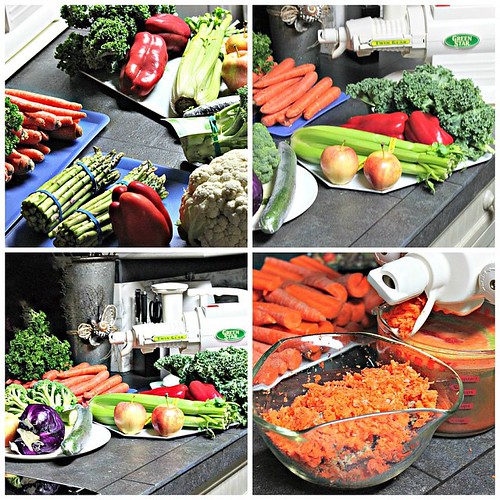
Organic spinach, kale, arugula, romaine, broccoli, cauliflower, Brussels sprouts, and cabbage are the foundation of many effective healthy diet plans. They are low in calories, high in fiber, and rich in vitamins, minerals, and plant compounds that support overall nutrition. They also add volume to meals, which is helpful when you are trying to feel full on fewer calories.
Try building meals around a generous base of greens or roasted vegetables. A large salad with lean protein and healthy fats can be deeply satisfying, especially when you use herbs, citrus, and simple dressings to boost flavor without unnecessary sugar.
2. Organic berries
Strawberries, blueberries, raspberries, and blackberries are among the best organic food choices for weight loss because they deliver sweetness with a relatively low calorie load. They are also high in fiber and antioxidants, making them a smart alternative to desserts and sugary snacks. If you are trying to reduce your sugar intake without feeling like you are giving up flavor, berries are an excellent place to start.
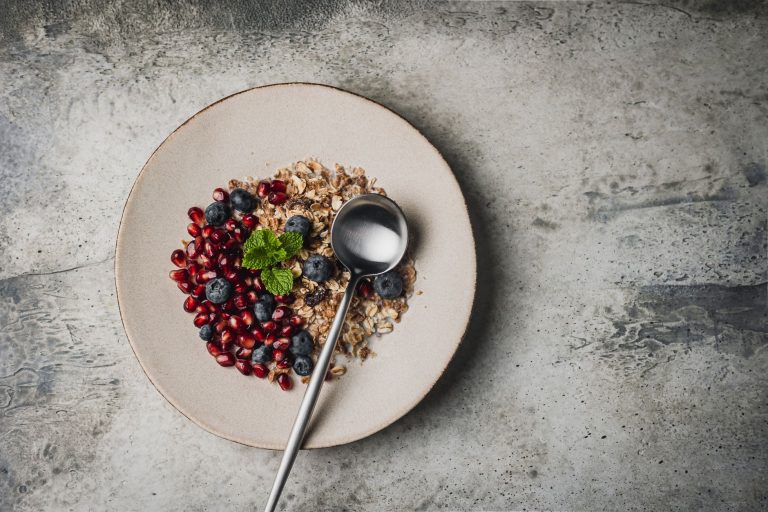
Use them in yogurt bowls, smoothies, oatmeal, chia pudding, or simply eat them as a snack. Their natural sweetness can help reduce cravings while still fitting neatly into a clean eating routine.
3. Apples and pears
Organic apples and pears are classic weight loss foods for a reason. They are portable, affordable, and rich in fiber, especially when eaten with the skin on. Their crunch and natural sweetness can also make them a satisfying substitute for processed snacks. If you are someone who tends to reach for something sweet in the afternoon, keeping whole fruit nearby can make a real difference.
Pair an apple with nut butter or a pear with a small handful of walnuts for a balanced snack that supports energy and satiety.
4. Organic legumes and lentils
Beans, chickpeas, lentils, and peas are some of the most underrated foods in a healthy diet. They provide plant-based protein, fiber, and slow-digesting carbohydrates that help maintain stable blood sugar. This combination is particularly helpful for weight loss because it reduces the roller coaster of hunger and energy dips that can drive overeating later in the day.
From lentil soup to chickpea salads and black bean bowls, legumes are versatile enough for lunch, dinner, and meal prep. They are also a practical option for anyone following a more plant-forward or organic vegan diet.
5. Organic eggs and lean poultry
High-quality protein is essential when you are trying to lose weight while keeping your meals satisfying. Organic eggs, chicken breast, turkey, and other lean proteins help preserve muscle mass, which matters because muscle supports healthy metabolism. A breakfast rich in protein can also reduce cravings later in the day, making it easier to stay on track.
Think scrambled eggs with greens, grilled chicken on a vegetable salad, or turkey lettuce wraps. These meals are simple, clean, and effective without being dull.
6. Plain organic yogurt and fermented foods
Unsweetened yogurt, kefir, sauerkraut, kimchi, and other fermented foods can be useful for digestive comfort and gut health. While they are not fat-burning miracles, they can support a balanced digestive environment, which is often an overlooked part of weight management. When digestion feels better, people usually find it easier to stick with a healthy lifestyle.
Choose plain versions without added sugar, then add your own fruit, seeds, or cinnamon for flavor. This simple switch can reduce unnecessary calories while keeping meals satisfying.
7. Avocados, nuts, and seeds
Healthy fats deserve a place in weight-loss nutrition, even though portion size matters. Avocados, almonds, walnuts, chia seeds, flaxseeds, hemp seeds, and pumpkin seeds offer fiber, minerals, and satisfying richness. A meal that contains a small amount of healthy fat tends to feel more complete and can prevent the snack attacks that often come from meals built too heavily around refined carbs.
The key is moderation. A few slices of avocado or a small handful of nuts can improve meal quality without pushing calories too high.
8. Oats, quinoa, and other smart carbohydrates
Clean eating does not mean eliminating carbohydrates. It means choosing smarter ones. Organic oats, quinoa, brown rice, and sweet potatoes provide energy, fiber, and nutrients that help support active days. For many people, completely cutting carbs creates frustration and rebound eating, while choosing the right carbs helps keep energy and mood stable.
These foods are especially useful around workouts or at breakfast, when the body can benefit from steady fuel instead of a sugar spike.
Why portion size still matters
It is easy to assume that organic food automatically means unlimited food, but that is not how nutrition works. Even healthy foods can slow weight loss if portions become too large. A thoughtful organic diet balances quality with quantity, which is why the most effective plans use simple portion guidelines instead of vague optimism.
- Fill most of your plate with non-starchy vegetables.
- Use a palm-sized portion of protein at each meal.
- Keep healthy fats intentional, not accidental.
- Choose starches based on hunger, activity, and goals.
[IMAGE: healthy meal]
How to Build a Clean-Eating Plate for Fat Loss
One of the easiest ways to make weight loss feel less complicated is to use a repeatable meal structure. A plate built with organic food does not have to be fancy. It simply needs to be balanced enough to support appetite control, nutrition, and energy. If you are tired of overthinking every meal, this method can help bring order to your day.
The simplest plate method
A practical clean eating plate usually follows a simple pattern: half the plate is vegetables, one quarter is protein, and one quarter is smart carbohydrates. A small amount of healthy fat can be added through olive oil, avocado, seeds, or nuts. This formula works because it naturally lowers calorie density while keeping meals satisfying.
- Half plate: organic vegetables or salad greens.
- One quarter plate: organic protein such as eggs, fish, chicken, tofu, or lentils.
- One quarter plate: quinoa, oats, sweet potato, beans, or fruit.
- Small finishing touch: olive oil, seeds, herbs, or avocado.
This pattern is flexible enough to fit breakfast, lunch, or dinner. It also makes grocery shopping easier because you know exactly which categories to prioritize.
How to make meals satisfying without excess calories
Many people struggle with weight loss because their meals are too small, too bland, or too low in protein. That combination leads to frustration and later overeating. Instead of focusing only on cutting calories, focus on making meals satisfying. Texture matters. Temperature matters. Flavor matters. A salad becomes more interesting when it includes crunchy seeds, juicy fruit, bright herbs, and a protein source that actually keeps you full.
Ask yourself: if I ate this meal slowly, would I feel nourished afterward, or would I be hunting for snacks an hour later? That question often reveals whether a meal is truly built for success.
Flavor is not the enemy
Clean eating should never feel like punishment. Use lemon juice, vinegar, garlic, ginger, fresh herbs, mustard, chili flakes, turmeric, cumin, cinnamon, and pepper to make organic food taste exciting. The more enjoyable your meals are, the more likely you are to stick with your healthy lifestyle over time. This is where many detox diet plans go wrong: they become so restrictive that they ignore pleasure, and pleasure is part of sustainability.
A One-Day Organic Diet Template for Weight Loss
Structure can be incredibly reassuring when you want to eat well without thinking about every detail. A day of organic food does not need to be complicated. It needs to be balanced, practical, and realistic for your schedule. The goal is to create a pattern you could imagine repeating on a busy weekday, not just on a perfect day when everything goes according to plan.
Breakfast
Start with protein and fiber. For example, a bowl of plain organic yogurt topped with berries, chia seeds, and a spoonful of oats can be light yet satisfying. If you prefer savory food, try two eggs with sautéed spinach, mushrooms, and tomatoes on the side. Either way, the aim is to create steady energy rather than a quick sugar rush.
Lunch
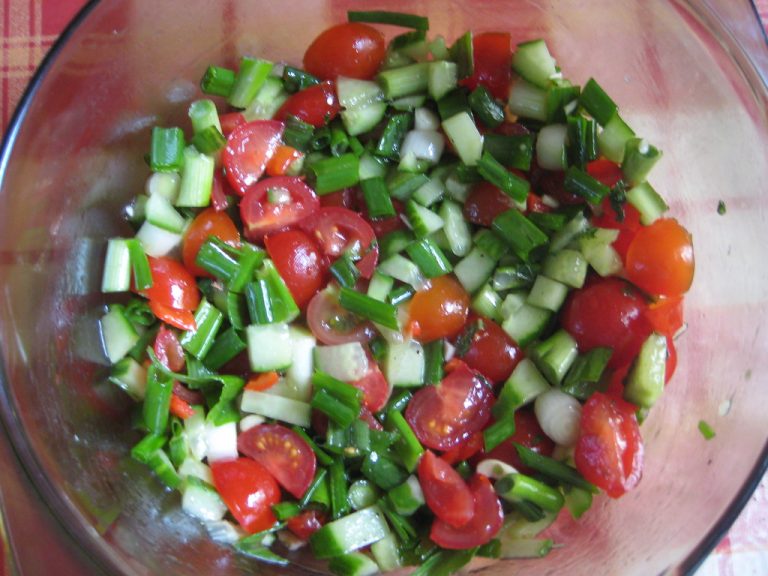
A large salad with leafy greens, cucumber, tomatoes, shredded carrots, chickpeas, grilled chicken, and olive oil dressing makes an excellent clean eating lunch. If you want something warmer, choose a vegetable soup with lentils and a side of fruit. Lunch should keep you focused and prevent the afternoon crash that often triggers mindless snacking.
Snack
Choose a snack that feels like fuel, not a reward for surviving the day. An apple with almond butter, a small bowl of berries, carrot sticks with hummus, or a handful of nuts can all work well. The best snack is the one that prevents you from arriving at dinner overly hungry.
Dinner
For dinner, build a simple plate with organic salmon, roasted broccoli, cauliflower, and a small serving of quinoa or sweet potato. If you eat plant-based, use lentils, tempeh, tofu, or chickpeas as your protein anchor. Dinner should be satisfying enough to help you relax, but not so heavy that it disrupts sleep or leaves you sluggish the next morning.
Before bed
If you are genuinely hungry, a small protein-rich snack can help prevent late-night eating. A few spoonfuls of yogurt, a warm cup of herbal tea, or a small serving of cottage cheese may be enough. The point is not to forbid evening eating. The point is to make it intentional.
[IMAGE: fitness lifestyle]
Organic Meal Prep Ideas That Make Weight Loss Easier
Meal prep is one of the most effective habits in any healthy diet because it removes decision fatigue. When good food is already prepared, you are far less likely to choose convenience food that does not match your goals. You do not need to cook every meal in advance. Even a small amount of prep can dramatically improve consistency.
What to prep first
- Wash and chop vegetables for salads and quick cooking.
- Cook a batch of grains such as quinoa or brown rice.
- Roast a tray of organic vegetables for lunches and dinners.
- Prepare one or two protein sources for the week.
- Portion snacks into small containers so they are easy to grab.
Make your fridge work for you
Keep the foods that support your goals at eye level. Put washed greens, fruit, and pre-cooked proteins where you can see them quickly. Store less helpful foods out of sight, or buy them less often. This is not about moral judgment; it is about environment design. Your kitchen can either support your healthy lifestyle or make it harder than it needs to be.
Use batch cooking without getting bored
Batch cooking does not need to mean eating the same bland lunch five days in a row. Cook neutral ingredients in advance, then change the flavor profile with herbs, dressings, spices, or sauces you make yourself. One batch of roasted vegetables can become a grain bowl, a wrap filling, or a side dish. That kind of flexibility is what makes clean eating sustainable.
Detox Diet Thinking: Helpful Reset or Restrictive Trap?
The phrase detox diet is everywhere, but it is important to use it carefully. Your body already has built-in detoxification systems through the liver, kidneys, digestive tract, and skin. No juice cleanse can replace those. Still, people often use detox diet language to describe a short reset from ultra-processed foods, excess sugar, and mindless eating. In that sense, an organic food reset can be very useful.
What a healthy reset really looks like
A sensible reset is not about starving yourself. It is about returning to whole foods, eating enough protein, drinking water, sleeping well, and reducing the foods that leave you feeling puffy, tired, or out of control. If a detox diet makes you terrified of food, it is probably too extreme. If it helps you reconnect with simple meals and better habits, it may have value as a short-term structure.
Signs your reset is too aggressive
- You are constantly thinking about food.
- You feel weak, dizzy, or irritable.
- You are skipping meals to save calories.
- You are relying on low-quality supplements instead of real nutrition.
- You are making rules that you cannot realistically maintain.
A better approach is to use organic foods to build a steady, nourishing plan that supports weight loss without pushing your body into stress.
Common Organic Diet Mistakes That Slow Progress
Even the most enthusiastic clean eating plan can stall if it is not designed carefully. Sometimes the problem is not a lack of effort; it is an approach that looks healthy on the surface but misses the basics of nutrition and satiety. Avoiding a few common mistakes can make your weight loss journey much smoother.
Thinking organic means automatically low calorie
Organic cookies, granola, chips, and desserts are still calorie-dense foods. They may contain better ingredients, but they can still work against your goal if portions are large or frequent. The organic label is not a free pass. Nutrition still matters more than marketing.
Eating too little protein
A plate full of vegetables is healthy, but without enough protein, you may become hungry very quickly. Protein should be present in most meals, especially breakfast and lunch. This is one of the easiest ways to improve appetite control and protect lean muscle during weight loss.
Underestimating liquid calories
Smoothies, juices, sweetened coffee drinks, and alcohol can add up fast. Even if they contain organic ingredients, they may not support fat loss if they are consumed too often or in large portions. Water, herbal tea, and unsweetened beverages are usually the simplest choices when the goal is cleaner nutrition.
Skipping meals and then overeating later
Some people try to save calories by going too long without eating, only to end up ravenous later. That pattern rarely feels good and often leads to overeating. A more effective strategy is to eat balanced meals on a regular rhythm that matches your day and your appetite.
Expecting perfection instead of consistency
Progress does not come from one perfect day. It comes from a pattern you can maintain even when life gets busy. If you eat organic food most of the time and stay mindful about portions, you are already building a solid foundation. Clean eating is a long game, not a challenge you have to win by Friday.
Smart Shopping Tips for Organic Food on a Budget
One reason people hesitate to start an organic diet is cost. But smart shopping can make a real difference. You do not need every item in your cart to be premium-priced. In fact, many budget-friendly strategies help you focus on the foods that matter most for nutrition and weight loss.
Buy organic strategically
Prioritize the foods you eat most often, especially produce with thinner skins that may be more exposed to residues. Leafy greens, berries, apples, and celery are common priority items for many shoppers. For foods with thick peels or low absorption concerns, you may have more flexibility depending on your budget and local options.
Choose frozen when it makes sense
Frozen organic vegetables and berries are often just as nutritious as fresh versions and can be more affordable. They also reduce waste because you can use only what you need. A freezer stocked with organic staples is a powerful tool for anyone serious about healthy eating.
Shop seasonally
Seasonal produce usually tastes better and costs less. When berries are expensive, switch to apples or citrus. When salad greens are abundant, build more meals around them. This approach keeps your nutrition varied and your grocery bill under control.
Keep a short, repeatable grocery list
- Two or three vegetables you know you will use.
- Two fruit options for snacks and breakfast.
- One or two proteins.
- One smart carbohydrate.
- One healthy fat.
- Flavor builders such as herbs, spices, citrus, and vinegar.
When your grocery list is focused, shopping becomes faster and healthier decisions become easier. That simplicity is often what makes a weight loss plan stick.
How Organic Foods Fit Into a Healthy Lifestyle Beyond Weight Loss
Although the weight-loss benefits are appealing, organic food is also part of a broader healthy lifestyle. People often notice that when they clean up their meals, other habits start improving too. They move more. They sleep better. They drink more water. They become more aware of hunger and fullness. In other words, nutrition starts to influence the rest of life in a positive way.
Energy, mood, and consistency matter
Good nutrition is not only about the number on the scale. It is about how you feel while you are working, training, parenting, or simply getting through a demanding week. A stable meal pattern built around organic food can reduce energy crashes and improve focus. That makes it easier to follow through on workouts, sleep routines, and meal planning, all of which support weight loss indirectly.
Exercise and food work better together
No food plan can replace movement, and no exercise plan can compensate for poor nutrition. If you want a healthy lifestyle that lasts, combine clean eating with daily movement you genuinely enjoy. Walking, strength training, yoga, cycling, and active hobbies all help. Food gives you the fuel, and movement helps your body use it well.
Think in habits, not emergencies
Many people only think about nutrition when they feel unhappy with their body. But the most powerful results usually come from habits that feel normal. An organic diet works best when it is woven into your routine instead of used as a panic response. That shift in mindset can change everything.
What if the key to weight loss was not trying harder, but choosing better food more often?
That is the promise of a thoughtful organic food approach: not a dramatic overhaul, but a steady return to meals that nourish, satisfy, and support your goals. When you build your plate with organic vegetables, protein, fiber, and smart fats, clean eating becomes less about control and more about confidence. Keep exploring new articles on DietOrganic for more expert guidance on nutrition, healthy lifestyle habits, and practical ways to make weight loss feel calm, realistic, and sustainable.
About the Author