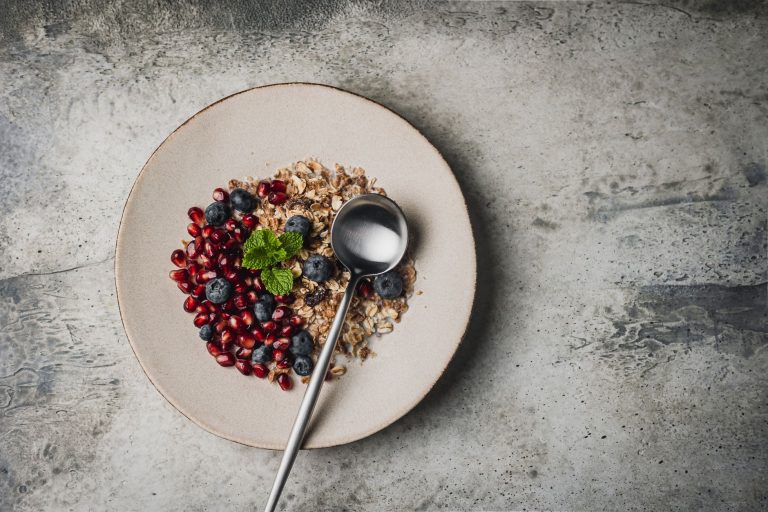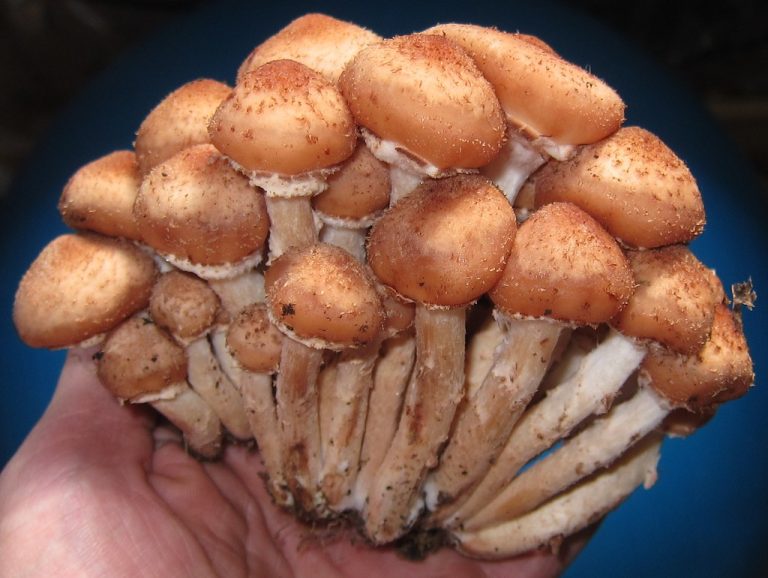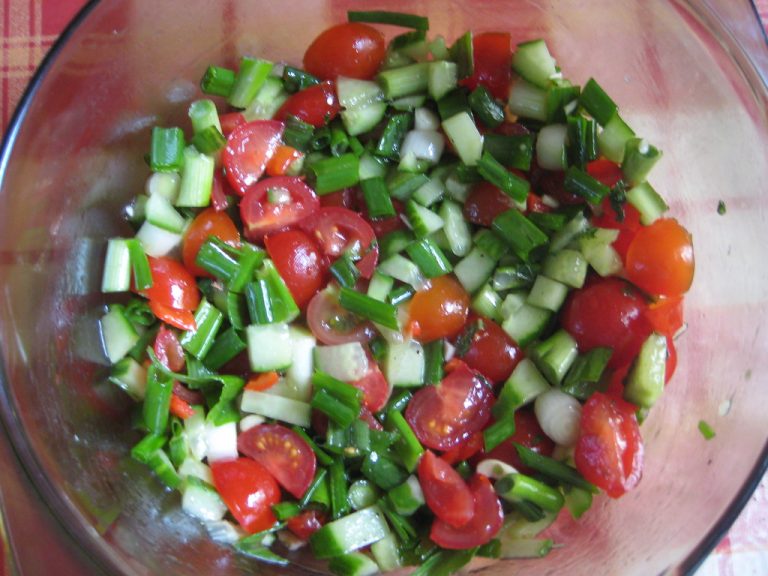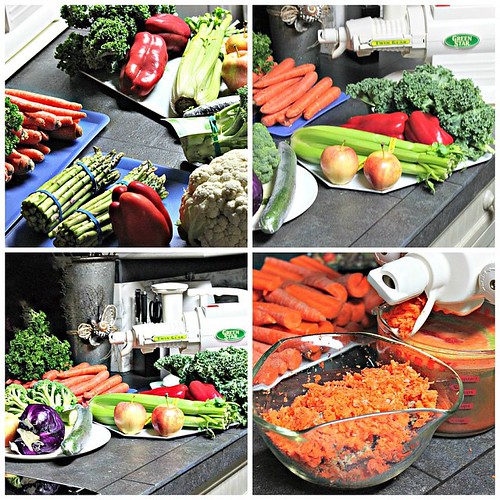

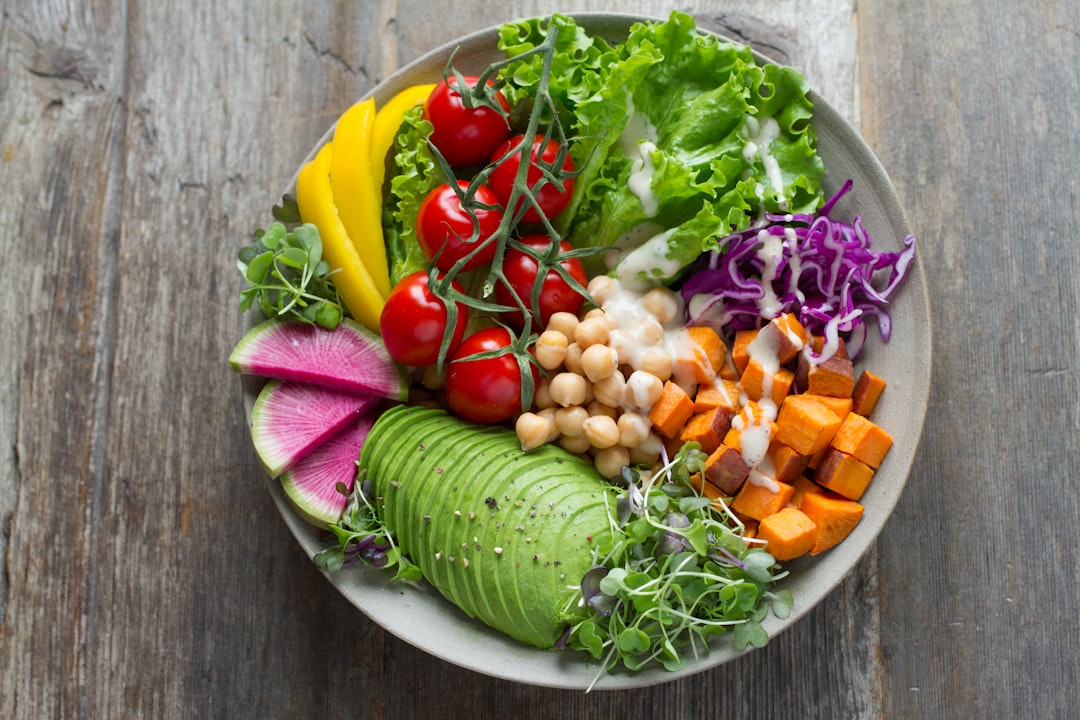
Photo by Anna Pelzer on Unsplash
When people talk about organic food, the conversation often starts with pesticides, flavor, or the promise of eating cleaner. But there is another reason so many health-conscious readers are paying closer attention to what lands on their plate: the gut. A healthier digestive system can influence energy, cravings, skin, immunity, and even how easily your body supports weight loss. So what happens when you combine organic food with a clean eating approach designed to nourish the gut rather than overwhelm it?
You get a practical, sustainable way of eating that feels less like restriction and more like steady support. Instead of chasing the latest detox diet or cutting out entire food groups, you can build meals that help your body do what it already wants to do: digest efficiently, absorb nutrients, and keep inflammation in check. That is where organic food can make a meaningful difference. It is not a magic solution, but it can be a powerful part of a healthy lifestyle that values real nutrition over quick fixes.
Think about your last meal. Did it leave you satisfied and energized, or bloated and sleepy? Did it support your weight loss goals, or did it trigger cravings an hour later? Questions like these are worth asking because gut health is not abstract. It shows up in how you feel after breakfast, how your body responds to fiber, and whether your clean eating habits are truly working for your life. A better digestive routine can begin with one simple shift: choosing more organic foods that are fresh, minimally processed, and easy on the system.
Why Gut Health Matters in a Clean Eating Lifestyle
The gut is often described as the center of wellness, and for good reason. It is where food is broken down, nutrients are absorbed, and much of the body’s communication with the immune system takes place. If your digestion is sluggish, unpredictable, or constantly inflamed, even the healthiest menu can feel ineffective. On the other hand, when the gut is supported, your body may process food more efficiently, your energy may become steadier, and your weight loss efforts can feel less forced.
Organic food fits naturally into this picture because it tends to align with a cleaner, more mindful way of eating. Many organic foods are less likely to be heavily processed, and many are fresher, simpler ingredients that work well in a nutrition-focused diet. For readers who want a healthier routine without overcomplicating every meal, this is encouraging. Clean eating does not have to be complicated. It can begin with a plate of vegetables, a source of protein, a healthy fat, and a little patience with your body’s natural rhythm.
How the gut influences weight, cravings, and energy
Have you ever noticed that one week of eating better can completely change your mood and focus? That is not just willpower. A balanced gut can affect how stable your blood sugar feels, how hungry you are between meals, and how much energy you have to move through the day. When digestion is supported, the body is often better able to use nutrients efficiently rather than constantly signaling for quick fixes like sugar or highly refined snacks.
That is why gut-friendly organic food can be valuable for weight loss. Not because it burns fat overnight, but because it may help you feel fuller on fewer empty calories. Fiber-rich produce, fermented foods, and quality proteins can keep meals satisfying. Then, when your body is less likely to swing between energy highs and crashes, sticking to a healthy diet becomes far more realistic.
- Better digestion can help reduce bloating and discomfort after meals.
- Stable blood sugar may reduce intense cravings for ultra-processed foods.
- More nutrient-dense meals can support energy and mood.
- A calmer digestive system can make weight loss feel more manageable.
Signs your digestion may need support
Most people do not need a perfect diet. They need a more responsive one. If you are constantly guessing what your body needs, watch for these common signs that your gut may benefit from more attention:
- Bloating soon after meals
- Frequent constipation or loose stools
- Cravings for sugar late at night
- Low energy after eating
- Skin flare-ups or dull-looking skin
- Feeling heavy or sluggish after standard meals
If several of these sound familiar, it may be time to move from random healthy habits to a more intentional clean eating routine. That does not mean you need a strict detox diet. It means your meals may need more fiber, more hydration, better fats, and a simpler ingredient list. Sometimes the best nutrition strategy is not adding more supplements. It is learning how to eat in a way your gut can actually handle.
The Best Organic Foods for a Happier Gut
Not every organic food affects the body the same way. Some are especially useful for digestion because they provide live cultures, fiber, or compounds that feed healthy bacteria in the intestine. The good news is that most of these foods are easy to incorporate into everyday meals. They do not require a dramatic lifestyle overhaul. They only require consistency.
Fermented foods with live cultures
Fermented foods are among the most talked-about foods that improve digestion, and for good reason. They can help introduce beneficial bacteria into the digestive tract and support a more balanced microbiome. If you are looking for a simple way to strengthen a healthy lifestyle, this is a smart place to start.
- Organic yogurt with no added sugar
- Organic kefir
- Sauerkraut made with simple ingredients
- Kimchi with minimal additives
- Miso in soups or marinades
The key is to begin slowly. Fermented foods are powerful, but they can feel intense if you suddenly eat too much. A spoonful of sauerkraut with lunch or a small serving of kefir in the morning is often enough to begin. Are you adding these foods for the first time? Start gently and notice how your body responds.
Fiber-rich fruits and vegetables
Fiber is one of the most valuable nutrients for gut health, yet it is still underappreciated in many modern diets. It supports regularity, helps feed helpful bacteria, and can make meals more satisfying. Organic produce is especially attractive here because it can fit seamlessly into a clean eating pattern focused on simplicity and flavor.
[IMAGE: organic vegetables]
Some of the best choices include apples, berries, pears, carrots, spinach, kale, broccoli, asparagus, artichokes, and leafy greens. These foods work well in salads, soups, smoothies, and roasted dishes, making them easy to use every day. For weight loss, this matters because fiber adds volume without relying on excessive calories. It helps you feel full while still staying aligned with nutrition goals.
- Berries add antioxidants and gentle sweetness to breakfast.
- Leafy greens provide minerals and support a lighter meal profile.
- Apples and pears can help satisfy cravings between meals.
- Cruciferous vegetables support a detox diet mindset by encouraging variety and fiber intake.
Prebiotic staples that feed healthy bacteria
Prebiotics are the fibers that feed the good bacteria in your gut. While probiotics add beneficial organisms, prebiotics help them thrive. This is where a balanced organic food routine becomes especially helpful. When you combine the two, you create a more complete approach to digestion and nutrition.
- Oats
- Bananas
- Garlic
- Onions
- Leeks
- Asparagus
- Flaxseed
- Chia seeds
These foods are versatile enough to fit breakfast, lunch, and dinner. Add oats to a morning bowl, onions and garlic to soups, or chia seeds to yogurt and smoothies. The point is not to load every plate with all of them. The point is to keep your gut nourished from different angles so your healthy diet has both variety and depth.
Gentle proteins and healthy fats
A gut-friendly plate is not only about plants. Protein and fat help stabilize meals, slow digestion, and support satiety. When people focus too heavily on raw produce and forget protein, they sometimes end up hungry, irritable, and more likely to overeat later. Organic food can help here as well.
- Pasture-raised eggs
- Organic chicken
- Plain organic yogurt
- Wild-caught fish when available
- Avocados
- Extra-virgin olive oil
- Walnuts and almonds
- Seeds such as pumpkin and hemp
These ingredients help create meals that feel complete, not skimpy. They can also support weight loss by keeping hunger under control. Clean eating works best when it leaves you satisfied enough to stay on track. No one thrives on a plan that feels like punishment.
A simple rule for building a gut-friendly plate
Try this formula: one-quarter protein, one-quarter smart carbohydrates, and half a plate of colorful organic vegetables. Add healthy fats in moderate amounts and include fermented foods a few times a week. That pattern is simple enough to repeat and strong enough to deliver real results over time.
How Organic Food Supports Natural Detox and Easier Weight Loss
Detox is one of those words that gets used in every direction. Some people use it to describe juice cleanses, while others think it means cutting out all pleasure from food. In reality, your body already has built-in detox systems, especially the liver, kidneys, skin, and digestive tract. What your diet can do is reduce the load on those systems and give them the nutrients they need to work well.
That is where organic food has a practical advantage. A diet centered on fresh produce, quality protein, and whole grains can reduce your reliance on additives, excess sugar, and heavily processed ingredients. It does not create a dramatic overnight shift, but it does support a more balanced internal environment. In a detox diet done sensibly, the focus is not deprivation. It is nourishment.
What detox really means in everyday eating
If your goal is to feel lighter, clearer, and more energized, you do not need a cleanse that leaves you exhausted. You need meals that support elimination, hydration, and regular digestion. Organic foods can help because many of them are naturally rich in fiber, water, minerals, and plant compounds that encourage healthy function.
- Fiber helps move waste through the digestive tract.
- Hydrating produce supports natural elimination.
- Antioxidant-rich foods help protect cells from stress.
- Healthy fats support hormone balance and satiety.
This is why a clean eating plan often feels better than a restrictive detox diet. You are not shocking your system. You are steadily feeding it. And when your meals become more consistent, weight loss can feel less like an uphill battle and more like a natural side effect of better habits.
What to limit without turning eating into a punishment
A healthy lifestyle is not built by fear. It is built by awareness. Rather than obsessing over every ingredient, simply reduce the foods that tend to make digestion sluggish or cravings louder.
- Highly refined sweets
- Deep-fried snacks
- Sugary drinks
- Ultra-processed packaged meals
- Artificially flavored foods with long ingredient lists
Do you need to remove every indulgence forever? Of course not. But if your goal is better digestion, fewer energy crashes, and more stable weight loss progress, these foods are worth minimizing most of the time. Replace them with more organic food options that are naturally satisfying, and the shift becomes easier than expected.
[IMAGE: healthy meal]
A 3-Day Clean Eating Reset Using Organic Food
Sometimes the fastest way to feel the benefits of clean eating is to simplify your routine for a few days. This is not about starving yourself or chasing dramatic changes. It is about giving your system a break from heavy, processed meals and letting organic food do the work. If you have been feeling sluggish, bloated, or off-track, a short reset can be a useful way to rebuild momentum.
Day 1: Light, balanced, and hydrating
- Breakfast: Organic yogurt topped with berries, chia seeds, and a spoonful of flaxseed
- Lunch: Mixed greens with cucumber, avocado, grilled organic chicken, and olive oil dressing
- Snack: An apple with almond butter
- Dinner: Roasted salmon, steamed broccoli, and quinoa
Day 1 focuses on calm digestion and steady energy. The foods are simple, hydrating, and easy to digest. If your body has been overloaded, this kind of structure can feel refreshing almost immediately.
Day 2: Fiber and fermentation
- Breakfast: Oatmeal with banana slices, cinnamon, and walnuts
- Lunch: Vegetable soup with garlic, carrots, celery, and a side of sauerkraut
- Snack: A pear and a handful of pumpkin seeds
- Dinner: Organic turkey or lentil bowl with roasted vegetables and a drizzle of olive oil
Day 2 introduces more fiber and a little fermentation. This is where many people notice smoother digestion and fewer cravings. The balance of carbs, protein, and fat also supports weight loss without leaving you depleted.
Day 3: Nourishing and sustainable
- Breakfast: Vegetable omelet with spinach, onions, and tomatoes
- Lunch: Brown rice bowl with chickpeas, roasted carrots, kale, and tahini
- Snack: Kefir smoothie with berries and chia seeds
- Dinner: Baked fish or tofu with asparagus and sweet potato
By Day 3, the goal is not to feel deprived. It is to build a rhythm that could actually continue beyond a reset. That is what makes a healthy diet effective in real life. It should be workable on a busy Tuesday, not just during a motivated weekend.
How to make the reset last longer
Ask yourself: which of these meals felt easiest to repeat? Which one made you feel the most energized? The most sustainable plan is usually the one that fits your preferences and schedule. A detox diet approach only works when it is rooted in nutrition rather than punishment. If you enjoyed the bowl dinners and the simple breakfasts, keep them in rotation.
Meal Prep Ideas That Make Healthy Eating Easier All Week
One of the biggest reasons people drift away from clean eating is inconvenience. When healthy food takes too long to prepare, the easiest option becomes takeout or packaged snacks. That is why meal prep is such a valuable tool. It protects your intentions when your schedule gets busy.
[IMAGE: fitness lifestyle]
Meal prep does not mean cooking every meal for five days straight. It can be as simple as washing produce, cooking one grain, roasting a tray of vegetables, and preparing one or two proteins. Suddenly, you have building blocks for breakfasts, lunches, and quick dinners that support your healthy lifestyle without requiring constant effort.
Build a prep session in 60 minutes
- Wash and dry leafy greens and herbs.
- Roast two trays of organic vegetables.
- Cook a grain such as quinoa, rice, or oats.
- Prepare a protein like eggs, tofu, chicken, or lentils.
- Mix one dressing or sauce for the week.
- Portion out snack options such as fruit, nuts, and yogurt.
With these pieces ready, you can assemble meals in minutes. That makes clean eating feel realistic, and realism is what keeps results going long after the initial motivation fades.
Smart storage tips for freshness and flavor
- Store washed greens in a container lined with a paper towel.
- Keep sauces separate until serving time.
- Use glass containers to preserve taste and organization.
- Label items with dates so nothing gets forgotten in the fridge.
- Rotate your produce so the most delicate items are eaten first.
Freshness matters because food that looks and tastes appealing is more likely to be eaten. That sounds simple, but it is one of the most overlooked parts of nutrition success. When your refrigerator is organized, your healthy diet becomes a habit rather than a decision you have to make from scratch each day.
How to Read Labels and Choose the Right Organic Products
Not every product that says organic is equally useful for gut health. A packaged snack can be organic and still contain too much sugar, too little fiber, and ingredients that do not support digestion. That is why label reading matters. You do not need to become obsessive, but a few quick checks can help you shop with confidence.
Look for short ingredient lists
The best packaged organic foods usually have ingredient lists you can understand at a glance. If the label is packed with additives, refined oils, or hidden sweeteners, it may not fit your clean eating goals no matter how natural the packaging looks.
- Choose unsweetened yogurt instead of dessert-style versions.
- Pick whole-grain organic oats over flavored instant packets.
- Buy nut butters with minimal ingredients.
- Look for bread with real grains and fiber, not just marketing language.
Start with the produce that matters most
If your grocery budget is limited, focus on the foods you eat most often and the produce that tends to carry more residue. This can help you prioritize organic shopping without overspending. Many readers find it useful to go organic with leafy greens, berries, apples, celery, and bell peppers first, then expand from there.
This strategy keeps the healthy diet realistic. It also reminds you that organic food is a tool, not a badge. The goal is to support better nutrition in the places where it counts most.
Common Organic Diet Mistakes That Can Slow Progress
Even people with the best intentions can stumble when they shift toward clean eating. The challenge is not lack of motivation. It is often an unbalanced plan. You may be eating more organic food but still not feeling your best if the structure of the diet is off.
Overloading on raw vegetables
Salads are healthy, but not every digestion system loves large amounts of raw cruciferous vegetables at every meal. If you tend to feel bloated, try mixing raw produce with cooked vegetables, soups, and steamed greens. Cooking can make food gentler and easier to digest.
Forgetting protein
Some people fill their plates with fruit and vegetables, then wonder why they are hungry an hour later. Protein is essential for satiety, muscle support, and balanced energy. It also matters for weight loss because it can help reduce mindless snacking between meals.
Eating too many organic snacks
Organic cookies, chips, and bars can still be easy to overeat. Remember that organic does not automatically mean aligned with your nutrition goals. A healthy lifestyle depends on whole foods most of the time, not just better branding.
Trying to detox too aggressively
If you are suddenly cutting calories, skipping meals, or relying on juice alone, your body may push back with fatigue or cravings. A detox diet should not leave you miserable. The better approach is to reduce processed foods, increase hydration, and build meals that support your natural digestive pathways.
Not eating enough
Can too little food make weight loss harder? Absolutely. When intake is too low, energy drops and adherence becomes harder. Clean eating should make you feel nourished, not depleted. If you are frequently cold, tired, or obsessing over food, your plan may need more volume, more protein, or more healthy fats.
How to Eat Organic on a Realistic Budget
One of the biggest myths about organic food is that it is only for people with unlimited time and money. In reality, you can make thoughtful choices that fit a normal household budget. The key is to know where organic matters most and where you can be flexible.
Save on these items
- Organic frozen vegetables
- Store-brand oats and grains
- Bulk lentils and beans
- Seasonal produce
- Simple pantry staples like olive oil and spices
Splurge on these items
- Leafy greens you eat often
- Berries and apples
- Eggs and dairy if you use them regularly
- Items you consume daily in large amounts
This approach makes a healthy diet more approachable. It also helps you focus on the foods that matter most for digestion and weight loss rather than trying to make every purchase perfect. Clean eating becomes easier when it respects your budget instead of competing with it.
A Daily Routine That Supports Digestion, Energy, and Weight Balance
Food choices matter, but so does the rhythm around them. If your meals are rushed, inconsistent, or paired with low sleep and constant stress, even the best nutrition plan can struggle. A supportive routine gives your body the stability it needs to make use of what you are eating.
- Start the day with water before caffeine.
- Eat a balanced breakfast with protein and fiber.
- Move your body after meals when possible.
- Take time to chew slowly and eat without distraction.
- Include fermented foods and vegetables most days.
- Keep dinner lighter if late-night digestion is a problem.
That simple framework can do more for your gut than an extreme reset ever could. The body loves predictability. When mealtimes, sleep, and hydration are steady, digestion often becomes smoother and weight management becomes less chaotic.
What changes should you expect?
Many people want immediate transformation, but the most reliable results usually arrive in stages. Within a few days, you may notice lighter meals and more stable energy. Within a couple of weeks, digestion may feel calmer if you are consistent. Over time, your palate can even change, making whole organic food taste more satisfying than ultra-processed alternatives.
Is it possible that a cleaner, more organic way of eating could reshape how you think about food altogether? Very often, yes. As cravings settle and digestion improves, the body starts asking for different things. That is why the best healthy lifestyle changes are the ones that train taste, routine, and self-trust at the same time.
Organic food works best when it becomes part of a broader system: a clean eating routine, a supportive meal structure, enough hydration, and realistic expectations. You do not need perfection to see progress, only a consistent pattern of meals that respect your gut, your schedule, and your long-term weight loss goals. When your plate is filled with thoughtful nutrition instead of noise, healthy living starts to feel less like a project and more like the way you naturally want to eat every day. If you are ready for more practical ideas, delicious recipes, and smart wellness guidance, keep exploring more articles on DietOrganic and continue building a lifestyle that feels both nourishing and genuinely sustainable.
About the Author