
Photo by Lori Greig on Openverse
When people talk about weight loss, the conversation often turns into a battle of extremes: cut everything, count everything, avoid everything, and somehow still feel hungry and frustrated. But what if the better question is not how little you can eat, but how intelligently you can eat? That is where organic food and clean eating create a more sustainable path forward. Instead of focusing only on restriction, this approach emphasizes nutrient density, steady energy, better digestion, and the kind of daily habits that support long-term results.
Organic food is not a magic shortcut, and no single ingredient will melt away body fat overnight. Still, when your plate is filled with minimally processed organic foods, your body often responds with better satiety, fewer energy crashes, and a more balanced relationship with nutrition. That is exactly why so many people find this style of eating easier to maintain than a rigid detox diet or a short-lived fad plan. Have you ever noticed how much easier healthy choices become when your meals are actually satisfying?
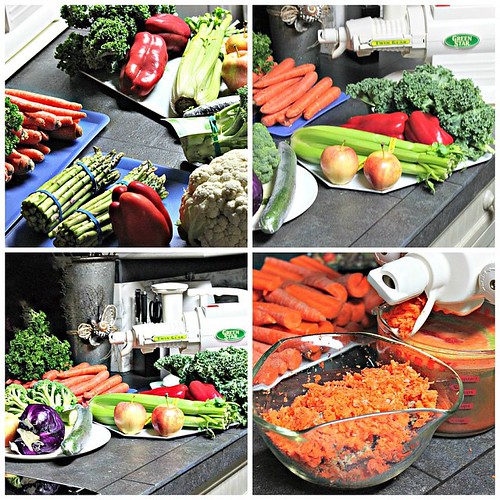
This guide explores the best organic foods for weight loss, how to structure a clean eating routine that feels realistic, and how to build meals that support a healthy lifestyle without making your day feel like a nutrition experiment. Whether you are just starting out or refining an existing routine, the goal here is practical progress, not perfection. [IMAGE: organic vegetables]
Why Organic Food Fits So Well Into a Weight Loss Plan
There is a reason organic food is often linked with better healthy eating habits. Organic produce, grains, legumes, dairy, and protein sources are typically chosen by people who want to reduce exposure to certain pesticides, avoid overly processed products, and keep their nutrition as close to nature as possible. That mindset alone can make a major difference in weight loss, because it usually leads to better food quality overall.
When you build meals from whole ingredients, you naturally consume more fiber, more micronutrients, and fewer empty calories. This helps with fullness, supports digestion, and may reduce the urge to snack constantly. In other words, clean eating is not about being restrictive for the sake of it. It is about making food work with your body instead of against it.
Many people also find that organic food encourages more mindful eating. When you shop with intention, prepare meals from scratch, and pay attention to labels, you become more aware of what you are putting into your body. That awareness is powerful. It can lead to better nutrition choices, better portion control, and fewer impulse decisions driven by stress or convenience.
The Real Advantage: Better Habits, Not Just Better Ingredients
Weight loss is not only about calories. It is also about routine, consistency, and the type of foods that help you stay on track. Organic food supports those habits by making it easier to build meals around vegetables, healthy fats, high-fiber carbs, and quality protein. When your kitchen is stocked with cleaner options, you are less likely to reach for ultra-processed snacks that offer little nutritional value.
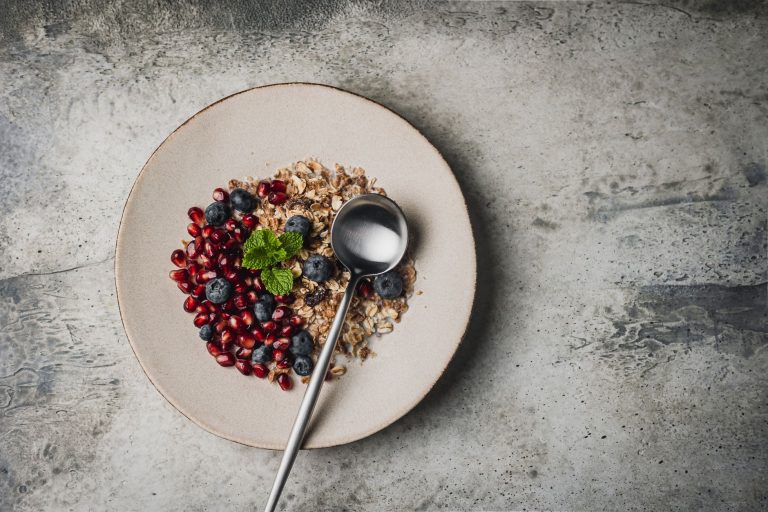
Think of it this way: if your breakfast starts with organic oats, chia seeds, berries, and Greek yogurt, you are more likely to feel satisfied until lunch. If your lunch includes leafy greens, beans, avocado, and grilled chicken or tofu, you are more likely to avoid the afternoon slump. Better ingredients often lead to better behavior, and that is one of the most underrated tools for healthy weight loss.
The Best Organic Foods for Weight Loss
Some organic foods are especially useful when your goal is to lose weight while maintaining energy and supporting a healthy lifestyle. These foods are filling, versatile, and rich in the kind of nutrition that makes clean eating feel sustainable rather than complicated.
1. Organic Leafy Greens
Spinach, kale, arugula, romaine, and Swiss chard are foundational foods for a weight loss plan. They are low in calories but high in volume, so they help you feel full without overloading your plate. They also provide fiber, folate, vitamin K, magnesium, and antioxidants that support overall wellness.
Leafy greens are incredibly flexible. You can add them to omelets, smoothies, salads, soups, grain bowls, and wraps. The more often you include them, the easier it becomes to create balanced meals that support clean eating and satiety.
2. Organic Cruciferous Vegetables
Broccoli, cauliflower, Brussels sprouts, cabbage, and broccoli sprouts are valuable in any detox diet or weight loss meal plan. They are rich in fiber and phytochemicals, and they tend to be very filling. Roasted, steamed, grilled, or blended into soups, cruciferous vegetables can anchor your plate without adding many calories.
They are also excellent for meal prep. A tray of roasted broccoli and cauliflower can be used across multiple lunches and dinners, making healthy eating easier on busy days.
3. Organic Berries
Strawberries, blueberries, raspberries, and blackberries offer natural sweetness along with fiber and antioxidants. They can help satisfy dessert cravings in a cleaner way and are often a smarter choice than refined sweets. Because berries are lower in sugar than many fruits, they work beautifully for weight loss and clean eating routines.
Try them with oatmeal, yogurt, chia pudding, or simply on their own. Their bright flavor can make a nutritious meal feel more indulgent without undermining your goals.
4. Organic Eggs
Eggs are one of the most efficient protein sources for people focused on weight loss. They are easy to prepare, highly versatile, and satisfying enough to keep hunger under control for hours. Organic eggs are especially appealing to people who want a cleaner approach to nutrition and a more conscious food system.
Breakfast is not the only option. Eggs can be used in frittatas, salads, lettuce wraps, and quick dinners when you need something fast but nourishing.
5. Organic Legumes
Lentils, chickpeas, black beans, and kidney beans are excellent choices for anyone who wants affordable, filling, plant-based nutrition. They are high in fiber and protein, which makes them ideal for weight loss because they help regulate appetite and support more stable blood sugar levels.
Legumes are especially useful if you are building a healthy diet on a budget. They can be added to soups, salads, grain bowls, and veggie burgers, giving your meals substance without excessive calories.
6. Organic Greek Yogurt and Kefir
Unsweetened organic Greek yogurt and kefir offer protein, probiotics, and creamy texture that can support digestion and satiety. They are excellent choices if you want a snack that feels substantial rather than hollow. Because gut health can influence appetite and how you feel after meals, these fermented dairy options can be a smart part of a clean eating plan.
Choose plain versions and add your own fruit, seeds, cinnamon, or a small drizzle of honey if needed. That gives you control over sugar intake while keeping the flavor appealing.
7. Organic Oats
Oats are a classic weight loss food because they are rich in soluble fiber, which helps promote fullness. Organic oats work beautifully for breakfast, but they can also be used in snack bars, baked dishes, and overnight oats. They are a dependable base for anyone who wants steady energy without relying on processed breakfast foods.
When topped with berries, chia seeds, or nut butter, oats become a balanced meal that supports your nutrition goals and keeps you satisfied longer.
8. Organic Avocados
Avocados provide healthy fats and a creamy texture that can make clean eating more enjoyable. Although they are calorie-dense, they are also incredibly satisfying, which means a moderate portion can actually support weight loss by reducing the desire to overeat later. Their fiber and fat content make them a smart addition to salads, toast, bowls, and smoothies.
The key is portion awareness. A quarter to half an avocado is often enough to add richness without turning a meal into an accidental calorie surplus.
9. Organic Salmon and Sardines
If you eat fish, organic or sustainably sourced fatty fish can be excellent for nutrition and healthy weight loss. Salmon and sardines provide protein, omega-3 fats, and a satisfying texture that helps keep meals balanced. They are especially useful if you want a nutrient-dense dinner that supports recovery, brain health, and fullness.
Paired with vegetables and a small portion of whole grains, fish can become one of the easiest ways to build a strong, clean eating dinner.
10. Organic Nuts and Seeds
Chia seeds, flaxseeds, hemp seeds, almonds, walnuts, and pumpkin seeds are helpful in moderate amounts. They offer healthy fats, protein, fiber, and crunch, which can make meals more satisfying. Because they are calorie-dense, portion control matters, but they can be very useful when you want to improve texture and curb cravings.
Sprinkle them over salads, yogurt, oats, and vegetables, or use them in homemade energy bites and dressings.
How Clean Eating Supports Sustainable Weight Loss
Clean eating is often misunderstood as a strict list of forbidden foods. In reality, it is a flexible framework focused on whole, minimally processed ingredients. That flexibility matters because weight loss works best when it fits into real life. If your plan feels too complicated, too expensive, or too limiting, you are far less likely to stick with it.
One of the main reasons clean eating works is that it naturally reduces the number of hidden calories, added sugars, and overly refined ingredients in your diet. At the same time, it increases the foods that keep you full: vegetables, fruits, protein, legumes, whole grains, and healthy fats. That combination can create a gentle calorie deficit without the misery that often comes with crash diets.
Clean eating can also make emotional eating easier to manage. When you are eating more regularly, using better ingredients, and avoiding the blood sugar spikes that come from ultra-processed snacks, your cravings may become more manageable. That does not mean you will never want comfort food. It simply means your body is less likely to swing between extreme hunger and sudden overeating.
What Clean Eating Looks Like in Real Life
Imagine a day of eating that includes organic oats in the morning, a salad with beans and avocado at lunch, an apple with almond butter in the afternoon, and salmon with roasted vegetables for dinner. That is clean eating. It is balanced, satisfying, and easy to maintain. It does not require perfection, and it certainly does not require starvation.
The beauty of this approach is that it leaves room for variety. You can still enjoy flavor, texture, and comfort while choosing foods that support your goals. Is there anything more motivating than a plan that actually tastes good and helps you feel energized?
The Role of Nutrition in Weight Loss
Nutrition is the backbone of any successful weight loss strategy. Exercise matters, sleep matters, and stress management matters, but food choices influence daily results more directly than almost anything else. If your nutrition is inconsistent, your progress will usually be inconsistent too.
Organic food can make nutrition feel more grounded because it encourages a whole-food mindset. Instead of focusing on labels like low-carb, high-protein, or fat-free, you start asking better questions: Does this food nourish me? Will it keep me satisfied? Does it fit the healthy lifestyle I am trying to create?
A balanced plate for weight loss should generally include:
- A source of protein to support satiety
- Plenty of vegetables for fiber and volume
- Healthy fats in moderate amounts
- Complex carbohydrates when needed for energy
- Hydrating foods and fluids to support digestion
When you consistently build meals this way, you are far more likely to maintain your energy while losing weight gradually and sustainably.
Organic Foods That Make Healthy Meal Prep Easier
Meal prep can make or break a weight loss plan. If you are hungry and unprepared, convenience usually wins. That is why having a few reliable organic staples in your kitchen is one of the smartest ways to support clean eating. You do not need ten different recipes or an elaborate detox diet. You need dependable ingredients that can be mixed and matched throughout the week.
Meal Prep Staples to Keep on Hand
- Organic spinach, kale, or mixed greens
- Organic berries and apples
- Organic eggs and Greek yogurt
- Organic chicken, salmon, tofu, or beans
- Organic oats, quinoa, and brown rice
- Organic cucumbers, carrots, peppers, and broccoli
- Organic nuts, seeds, and nut butters
- Olive oil, lemon, herbs, and spices
With these ingredients, you can create breakfasts, lunches, dinners, and snacks without having to think too hard. That matters because consistency often comes from simplicity, not from motivation alone.
A Simple Clean Eating Prep Formula
Try preparing food in four parts: one protein, one or two vegetables, one high-fiber carb if needed, and one healthy fat. This formula keeps meals balanced and adaptable. For example, a bowl of quinoa, roasted broccoli, grilled chicken, and avocado is satisfying without being heavy. A tofu stir-fry with cabbage, carrots, and sesame seeds works just as well.
When your prep follows a pattern, healthy eating becomes automatic rather than stressful. That is when weight loss starts to feel less like a fight and more like a rhythm.
Sample Organic Weight Loss Meal Ideas
Sometimes the biggest challenge is not knowing what to eat. To help you visualize a clean eating routine, here are practical meal ideas built around organic foods that can support weight loss and healthy energy.
Breakfast Ideas
- Organic oats with blueberries, chia seeds, and cinnamon
- Egg scramble with spinach, mushrooms, and tomato
- Greek yogurt bowl with raspberries, hemp seeds, and walnuts
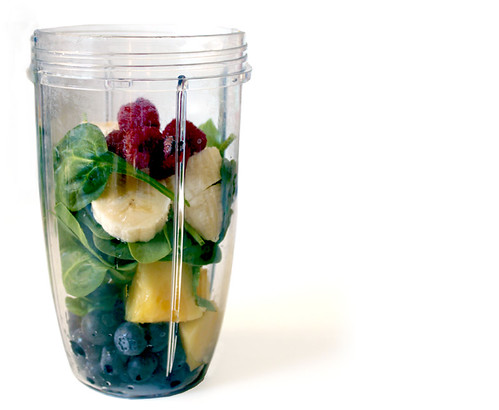
- Smoothie with kale, banana, almond butter, and unsweetened kefir
Breakfast should help you feel steady, not sluggish. If you tend to skip breakfast, ask yourself whether a balanced morning meal might reduce snacking later in the day.
Lunch Ideas
- Large salad with greens, chickpeas, cucumber, avocado, and grilled salmon
- Quinoa bowl with roasted vegetables, beans, and tahini dressing
- Turkey or tofu lettuce wraps with shredded carrots and herbs
- Vegetable soup with lentils and a side of fruit
Lunch is the perfect place to increase your vegetable intake. A well-structured lunch often prevents the post-lunch energy crash that can derail your afternoon focus.
Dinner Ideas
- Roasted salmon with Brussels sprouts and cauliflower mash
- Stir-fried tofu with broccoli, peppers, and brown rice
- Grilled chicken with zucchini, asparagus, and sweet potato
- Bean and vegetable chili topped with avocado and herbs
Dinner does not have to be complicated to be effective. The goal is to end the day feeling satisfied, not stuffed.
Snack Ideas
- Apple slices with almond butter
- Carrot sticks with hummus
- Hard-boiled eggs with sea salt
- Plain kefir with cinnamon
- Handful of walnuts and berries
Snacks should be strategic. If you are constantly grazing, it may help to ask whether your meals are truly satisfying enough or whether your snack habit is filling a gap that meals should address.
Organic Foods and the Detox Diet Mindset
The phrase detox diet is often used in misleading ways, but the underlying idea can be useful when interpreted correctly. Your body already has its own detoxification systems through the liver, kidneys, skin, lungs, and digestive tract. What organic food can do is support those systems by reducing unnecessary dietary noise and increasing nutrient quality.
A cleaner plate, more hydration, enough fiber, and fewer ultra-processed foods can help you feel lighter, less bloated, and more balanced. That does not mean you need juice cleanses or harsh restrictions. It means supporting your body with food that is easy to process and rich in nourishment.
Foods that support a detox diet mindset include leafy greens, cruciferous vegetables, berries, citrus fruit, garlic, ginger, turmeric, green tea, and plenty of water. Combined with whole organic ingredients, they can help you feel refreshed without turning your routine upside down.
What to Avoid If You Want Better Results
Even when you are eating organic, weight loss can stall if portions, snacks, and hidden sugars are out of control. Here are common mistakes that can weaken a clean eating plan:
- Overeating calorie-dense foods like nuts, oils, and avocados
- Choosing organic snacks that are still highly processed
- Drinking too many calories through sweetened beverages or smoothies
- Skipping protein and becoming overly hungry later
- Assuming that organic automatically means low-calorie
Organic food is a quality choice, but quality still needs structure. Weight loss is most effective when even healthy foods are eaten with awareness.
How to Build a Healthy Lifestyle Around Organic Eating
Lasting weight loss usually comes from a healthy lifestyle, not from a temporary plan. That means your food choices should fit your schedule, your preferences, and your responsibilities. A sustainable routine makes it easier to stay on track even when life gets busy. It also makes clean eating feel like a natural part of your identity rather than a short-term challenge.
Start With Small Changes
You do not need to overhaul your entire kitchen in one day. Start by adding one organic vegetable to dinner, switching your breakfast to a higher-protein option, or replacing processed snacks with fruit and nuts. Small changes add up, and they are much easier to repeat than dramatic overhauls.
Make Your Environment Work for You
If healthy food is easy to see and easy to reach, you are more likely to eat it. Keep washed vegetables at eye level in the fridge, place fruit on the counter, and pre-portion snacks so you do not accidentally overeat them. Your environment should support your goals instead of testing your willpower every hour.
Pair Nutrition With Movement
Weight loss is not only about what you eat, but organic food and movement often work beautifully together. A nourishing meal before a walk, workout, or busy day gives you fuel and focus. The goal is not to punish your body into changing. It is to support your body so it can function at its best. [IMAGE: fitness lifestyle]
Practical Tips for Staying Consistent
Consistency is where results happen. You may already know what healthy food looks like, but applying that knowledge daily is what changes your body and your habits.
- Keep a rotating list of 10 meals you enjoy and can make quickly
- Shop the perimeter of the grocery store first, then fill in the gaps
- Cook enough food for leftovers so lunch is already solved
- Use herbs, spices, lemon, and vinegar to add flavor without heavy sauces
- Plan for the moments when cravings hit, not just the moments when motivation is high
Ask yourself: what is the easiest healthy choice I can make today? That question is often more effective than trying to force discipline you do not yet have.
Who Benefits Most From This Approach?
Organic food and clean eating for weight loss can be helpful for many people, but it is especially useful if you want to feel better without tracking every bite. If you are tired of dieting, concerned about food quality, or looking for a cleaner nutrition routine that supports a healthy lifestyle, this approach may feel refreshingly practical.
It can also be a great fit for busy professionals, parents, beginners, or anyone who wants meals that are both nourishing and enjoyable. The structure is simple enough to follow, yet flexible enough to adapt. That balance is a big reason this way of eating lasts longer than many trendy programs.
How to Read Labels Without Getting Overwhelmed
Shopping for organic food becomes easier when you know what to look for. Start with the ingredient list. The shorter and more recognizable it is, the better. If a product has a long list of additives, sweeteners, or unfamiliar fillers, it may not belong in a clean eating routine, even if the front label sounds healthy.
Watch for added sugars in yogurt, granola, sauces, and drinks. Pay attention to serving sizes because many calorie counts look harmless until you realize the package contains multiple servings. When possible, choose whole ingredients over packaged items. A bag of organic carrots will usually support weight loss better than a pricey organic snack bar loaded with syrups and oils.
Can Organic Food Help You Feel Less Bloated?
For many people, yes. While organic food is not a cure for digestive issues, a cleaner diet often leads to less bloating simply because it reduces heavy processing, excessive sodium, and certain additives that can upset the system. Fiber-rich vegetables, fermented foods, and adequate hydration also play a role in making you feel lighter and more comfortable.
If bloating is a regular issue, slow down and pay attention to how specific foods affect you. Sometimes the biggest improvement comes not from eating less, but from eating more carefully. That is a subtle but important distinction in nutrition.
A Simple One-Day Organic Weight Loss Menu
If you want a concrete example, here is what a day of organic clean eating could look like in practice:
- Breakfast: Organic oatmeal with blueberries, chia seeds, and Greek yogurt
- Mid-morning: Green tea and a boiled egg
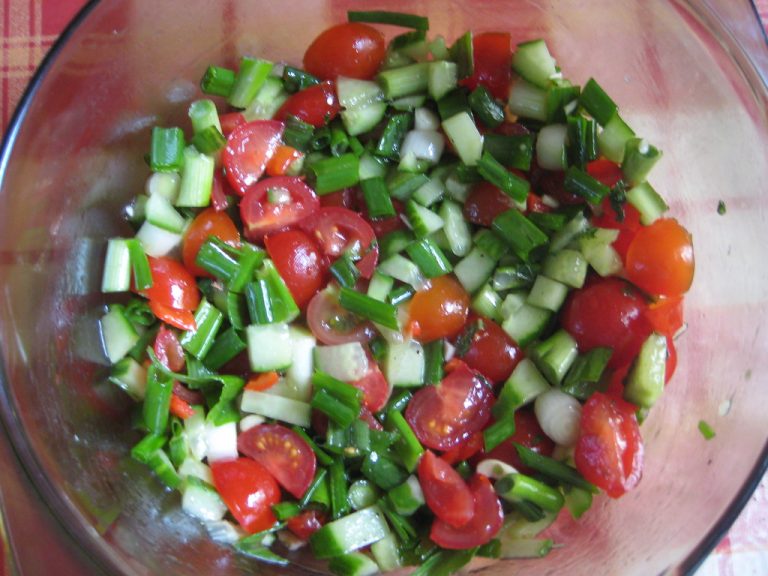
- Lunch: Large salad with chickpeas, cucumber, greens, avocado, and lemon olive oil dressing
- Afternoon snack: Apple slices with almond butter
- Dinner: Baked salmon, roasted broccoli, and quinoa
- Evening option: Kefir with cinnamon if needed
This kind of menu is simple, balanced, and satisfying. It includes fiber, protein, healthy fats, and enough variety to keep your taste buds interested while still supporting weight loss.
Making Organic Eating Affordable
One reason people hesitate to try organic food is cost. That concern is understandable, but there are practical ways to make this lifestyle more accessible. You do not need to buy everything organic all at once. Focus first on the foods you eat most often, especially produce you consume with the skin on, and then build from there.
Buying seasonal produce, choosing store brands, purchasing frozen organic vegetables, and cooking at home more often can all lower costs. Beans, oats, eggs, and certain vegetables are often budget-friendly even in organic form. A smart healthy diet is not always the most expensive one; it is often the most planned one.
What Success Really Looks Like
Success with organic food and clean eating is not only about the number on the scale. It can also mean better digestion, fewer cravings, more stable energy, improved meal satisfaction, and a healthier relationship with food. Weight loss matters, but the way you feel during the process matters too.
When your meals are built from nourishing ingredients, you may notice that you sleep better, focus better, and recover better after exercise. These benefits often build on each other. One healthier choice leads to another, and before long, your daily routine starts to feel more supportive and less chaotic.
[IMAGE: healthy meal]
If you are ready to improve your nutrition without falling into the trap of extreme dieting, organic food offers a clear and realistic path. It gives you structure without harshness, quality without confusion, and enough flexibility to fit into a busy life. The more you practice clean eating, the more natural it becomes to choose meals that support your healthy lifestyle and your weight loss goals at the same time. Keep exploring simple recipes, meal-prep strategies, and practical nutrition tips, and you will find that lasting change is often built one thoughtful plate at a time.
About the Author