
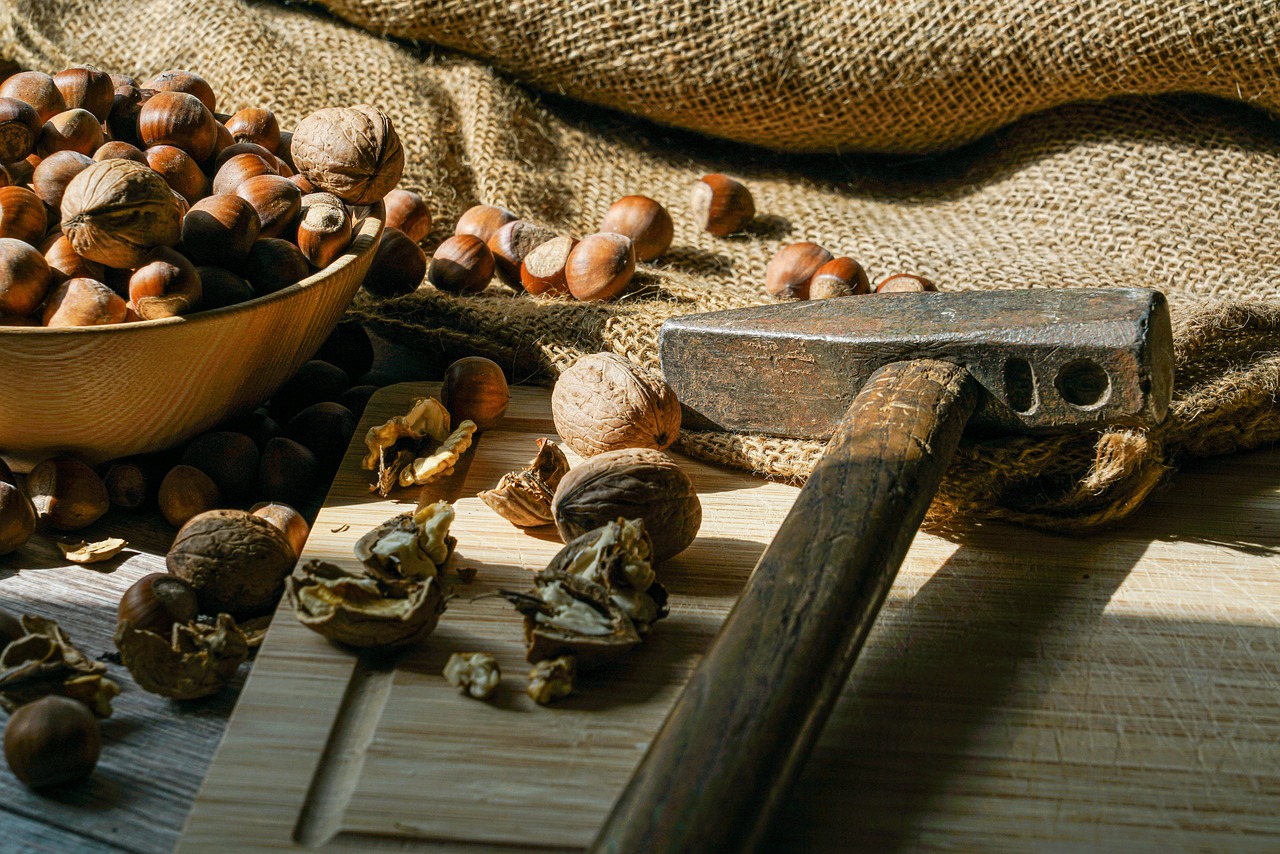
Photo by alandsmann on Pixabay
Your gut is doing far more than digesting lunch. It influences energy, appetite, skin clarity, immune strength, mood, and even how easily you manage weight. That is why more people are turning to organic food as part of a healthier lifestyle. When your meals are built around clean eating, rich nutrition, and minimally processed ingredients, your digestive system often has a better chance to function smoothly.
But what does that actually look like in real life? Is it enough to simply swap a few vegetables for organic versions, or should your entire diet change? And how can organic food support gut health without making your routine feel restrictive or complicated? The answer is encouraging: small, consistent choices can make a noticeable difference.
This guide explores the best organic foods for gut health, explains why they matter, and shows you how to turn them into meals that fit a healthy diet and support weight loss naturally. If you have ever felt bloated, sluggish, or stuck in a cycle of dieting without results, this is the kind of practical nutrition reset that can help you move forward with more clarity and less confusion.
Why gut health should be at the center of a healthy lifestyle
The gut is home to trillions of bacteria, fungi, and other microorganisms that together form your gut microbiome. These microbes help break down food, produce certain vitamins, train the immune system, and influence inflammation levels. When the microbiome is balanced, digestion tends to feel more comfortable and predictable. When it is disrupted, people often notice bloating, constipation, irregular appetite, skin flare-ups, or low energy.
That is why a healthy lifestyle is not just about calories or workout plans. A strong digestive system can make clean eating more effective and help weight loss feel less like a struggle. If your body absorbs nutrients efficiently and your blood sugar stays steadier, cravings are easier to manage. Isn’t that the kind of support most people are actually looking for?
Gut health also plays a major role in how your body responds to stress. When you are under pressure, digestion can slow down, stomach discomfort can increase, and food choices can become less intentional. A nourishing organic diet can help create a calmer internal environment by reducing the burden of highly processed food and increasing the intake of fiber, antioxidants, and beneficial plant compounds.
Why organic food is a smart choice for digestion and clean eating
Organic food is not a magical cure, but it does offer several advantages that can support gut health and overall nutrition. Organic farming standards typically restrict synthetic pesticides, many artificial additives, and genetically modified ingredients. For people focused on clean eating, that matters because fewer chemical residues and fewer heavily processed ingredients often mean a diet that feels simpler and more natural.
Some shoppers also choose organic food because it can encourage them to eat more whole foods. When your cart contains organic leafy greens, berries, oats, beans, yogurt, and herbs, you are naturally moving toward a healthier diet pattern. That shift alone can improve digestion more than any expensive supplement ever could.
Here are a few reasons organic food can be especially helpful for gut health:
- It often leads to a higher intake of fresh produce and fiber-rich foods.
- It supports clean eating by reducing reliance on ultra-processed meals.
- It may lower exposure to certain pesticide residues, which some people prefer to avoid.
- It makes it easier to build meals around nutrition-dense ingredients instead of empty calories.
- It pairs naturally with a detox diet approach that focuses on whole-food nourishment rather than extreme restriction.
For anyone trying to lose weight, this matters because the most effective plans are usually not the harshest ones. They are the plans you can sustain. When your meals are satisfying, colorful, and rich in nutrients, you are much more likely to stay consistent.
Best organic foods for gut health
To support digestion, focus on foods that feed beneficial bacteria, calm inflammation, and help your body eliminate waste more efficiently. The best organic food choices are often the simplest: plants, fermented foods, legumes, whole grains, and healthy fats. The goal is not perfection. The goal is to build a plate that works with your body instead of against it.
1. Organic leafy greens
Spinach, kale, arugula, Swiss chard, and romaine are excellent for gut health because they provide fiber, folate, magnesium, and plant compounds that support overall wellness. Leafy greens are also easy to use in salads, soups, smoothies, and sautés, which makes them one of the most practical organic foods for daily clean eating.
Try adding them to breakfast eggs, layering them under grilled fish, or blending them into a green smoothie. Small additions count. Do you need to overhaul every meal at once? Not at all. Even one extra serving of greens per day can help improve nutrition quality over time.
2. Organic berries
Blueberries, strawberries, raspberries, and blackberries are rich in antioxidants and fiber. Berries can help balance sweet cravings while offering a lower-sugar alternative to desserts and packaged snacks. Their fiber supports healthy digestion, and their natural plant compounds may help reduce oxidative stress in the gut.
Keep a bowl of organic berries in your fridge for quick breakfasts or snacks. Pair them with plain yogurt, chia pudding, or a handful of nuts to create a more stable source of energy that supports weight loss without leaving you hungry an hour later.
3. Organic fermented foods
Fermented foods are some of the most powerful additions to a gut-friendly diet. Organic yogurt, kefir, sauerkraut, kimchi, miso, and tempeh can introduce beneficial live cultures that support microbiome diversity. If your digestion feels sluggish, fermented foods may be a valuable part of your routine.
Start small if you are new to them. A few spoonfuls of sauerkraut or a small serving of kefir is enough to begin. Too much too quickly may cause discomfort, especially if your gut is sensitive. The key is gradual integration, not aggressive change.
4. Organic oats and whole grains
Organic oats, quinoa, brown rice, barley, and buckwheat can help regulate digestion because they provide soluble and insoluble fiber. Soluble fiber supports the growth of helpful bacteria, while insoluble fiber helps keep things moving through the digestive tract. This balance is one reason whole grains remain central to many clean eating and healthy diet plans.
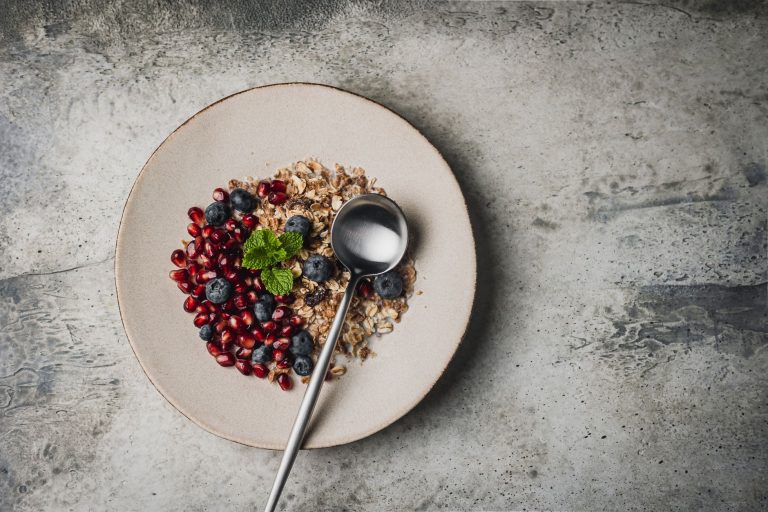
A bowl of organic oats topped with berries and seeds is a gentle, balanced breakfast that can support energy and fullness. If you want weight loss to feel less punishing, a breakfast like this may help keep overeating at bay later in the day.
5. Organic legumes
Lentils, chickpeas, black beans, and white beans are excellent sources of fiber and plant protein. They support satiety, stable blood sugar, and regular digestion. Many people fear legumes because they can cause gas at first, but that is often a sign that the gut is adapting to more fiber.
To make legumes easier to digest, rinse canned beans thoroughly, soak dried beans before cooking, and introduce them gradually. A chickpea salad or lentil soup can become a cornerstone of an affordable organic diet that feels both filling and satisfying.
6. Organic avocado and olive oil
Healthy fats are essential for absorbing certain vitamins and supporting the lining of the digestive tract. Organic avocado, extra-virgin olive oil, and even a small amount of nuts or seeds can help create more balanced meals. These fats also make vegetables taste better, which is important if you want a healthy lifestyle to feel enjoyable rather than forced.
Use olive oil as a finishing drizzle over roasted vegetables or grain bowls. Add avocado to salads or eggs. These simple choices can improve the flavor, satiety, and nutritional profile of nearly any meal.
7. Organic ginger and turmeric
Ginger and turmeric are two of the most respected natural ingredients for digestive comfort and inflammation support. Ginger may help ease nausea and promote healthy digestion, while turmeric is widely studied for its antioxidant properties. Used in cooking, teas, or smoothies, they can bring warmth and depth to a detox diet or clean eating routine.
Fresh ginger can be grated into stir-fries, soups, and tea. Turmeric pairs well with black pepper and healthy fats, making it a useful addition to curries and golden milk-style drinks made with unsweetened milk alternatives.
8. Organic apples and pears
Apples and pears contain pectin, a type of soluble fiber that can support beneficial gut bacteria. They are also naturally portable and easy to pair with nut butter, yogurt, or seeds. If you are looking for organic snack ideas that support healthy digestion and weight loss, these fruits deserve a place on your grocery list.
The fiber in whole fruit is especially helpful because it slows sugar absorption and gives you more satisfaction than juice or dried fruit alone. That makes whole organic fruit a smarter choice for clean eating and better appetite control.
9. Organic seeds
Chia seeds, flaxseeds, hemp seeds, and pumpkin seeds bring fiber, minerals, and healthy fats into your routine. Chia and flax are especially helpful for digestion because they absorb water and form a gel-like texture that can support bowel regularity.
Sprinkle seeds over salads, stir them into oatmeal, or blend them into smoothies. A tablespoon or two is enough to add a meaningful nutrition boost without overwhelming your meal. If you want a simple change with a surprisingly big payoff, this is one of the easiest places to start.
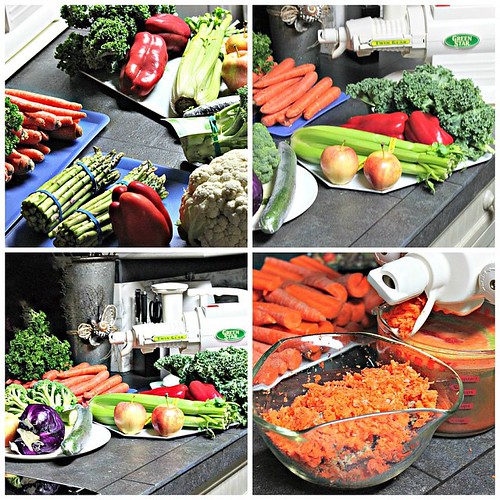
[IMAGE: organic vegetables]
Think of your plate as a daily message to your microbiome. The more often you send it colorful vegetables, fiber, and real food, the more your body learns to expect steady nourishment rather than sugar spikes and digestive stress. That is one of the quiet strengths of organic food: it encourages a cleaner relationship with eating, one meal at a time.
How to build a gut-friendly organic plate
If you want a healthy diet that supports digestion and weight loss, focus on structure. A well-balanced plate helps you avoid the common problem of eating foods that are healthy in theory but unsatisfying in practice. When meals are balanced, clean eating becomes much easier to sustain.
A simple formula works well:
- Half the plate: organic non-starchy vegetables such as leafy greens, broccoli, zucchini, cucumber, peppers, or cabbage.
- One quarter of the plate: organic protein such as eggs, yogurt, tofu, tempeh, beans, lentils, fish, or chicken.
- One quarter of the plate: organic whole grains or starchy vegetables such as oats, quinoa, sweet potato, or brown rice.
- Healthy fats: avocado, olive oil, seeds, or nuts in moderate amounts.
Why does this matter? Because balanced meals reduce the chance of late-night snacking, erratic hunger, and energy crashes. For many people, the best weight loss strategy is simply learning how to eat in a way that keeps them satisfied longer.
Consider this breakfast example: organic oats cooked with cinnamon, topped with berries, chia seeds, and a spoonful of plain yogurt. It is simple, but it provides fiber, protein, and steady energy. Compare that with a pastry or sweetened cereal. Which one is more likely to keep you focused until lunch?
Sample meal combinations that work
- Spinach salad with lentils, avocado, pumpkin seeds, and olive oil dressing.
- Organic yogurt with berries, flaxseed, and chopped walnuts.
- Quinoa bowl with roasted vegetables, chickpeas, and tahini.
- Vegetable soup with barley and a side of fermented cabbage.
- Brown rice with salmon, broccoli, and ginger dressing.
These meals are not trendy for the sake of being trendy. They are practical because they combine nutrition, flavor, and satiety. A clean eating plan should feel like something you can actually enjoy, not endure.
Organic foods that support weight loss without extreme dieting
Many people approach weight loss by cutting more and more food until they feel miserable. That often backfires. A better approach is to increase the quality of your meals so that your body gets the nutrients it needs with fewer cravings and less overeating. Organic food can help by making your meals more filling, more vibrant, and more satisfying.
The most useful weight loss foods are usually high in fiber, moderate in protein, and low in unnecessary added sugar. That includes many of the same foods that support gut health. This overlap is good news because it means you do not need separate rules for every goal. One smart organic diet can support digestion, energy, and body composition at the same time.
Helpful weight loss habits include:
- Starting meals with vegetables or broth-based soup to reduce overeating.
- Including protein at every meal to support fullness.
- Choosing whole fruit instead of juice or sweets.
- Using herbs, lemon, vinegar, and spices to add flavor without excess sugar or heavy sauces.
- Drinking enough water throughout the day to support digestion and appetite regulation.
What if your biggest challenge is evening snacking? Then focus on dinner quality. A meal that combines protein, fiber, and healthy fat is far more likely to keep you satisfied than a light but unbalanced plate. That is why clean eating can be a powerful tool for sustainable weight loss: it works with your natural hunger signals instead of fighting them.
Foods to limit if you want a calmer digestive system
Gut health is not only about what you add. It is also about what you reduce. You do not need to be strict forever, but it helps to know which foods often create problems when consumed frequently.
Common triggers include:
- Highly processed snacks with refined flour and added sugar.
- Large amounts of fried foods.
- Sugar-sweetened beverages.
- Artificially flavored desserts and candy.
- Excess alcohol, which can disrupt the microbiome and irritate the digestive tract.
- Meals that are too low in fiber to support regularity.
For people following a detox diet, the goal should not be punishment or starvation. Real detox support comes from giving your body a chance to do what it already knows how to do: process nutrients, eliminate waste, and restore balance. Organic food can support that process when it replaces heavily processed meals with whole, nourishing alternatives.
Pay attention to how your body responds after eating. Do you feel energized or heavy? Calm or bloated? Focused or foggy? These signals are useful, and they often reveal more than calorie counting ever could.
Simple organic meal prep ideas for a busy week
One reason people abandon healthy eating is lack of convenience. If the healthiest option takes too much time, the takeout menu starts to look irresistible. That is why meal prep matters so much. It reduces decision fatigue and keeps organic food within easy reach.
Try preparing a few basics each week:
- A tray of roasted organic vegetables such as carrots, broccoli, cauliflower, and zucchini.
- A pot of quinoa, brown rice, or oats.
- A protein option such as boiled eggs, lentils, grilled chicken, baked tofu, or salmon.
- A fermented side like sauerkraut or plain yogurt.
- Washed berries, chopped fruit, and greens for quick assembly.
With those components ready, you can build breakfast bowls, lunch salads, grain bowls, or quick dinners in minutes. That is the kind of routine that supports a healthy lifestyle when life gets busy. It also makes clean eating feel manageable instead of overwhelming.
One-day organic menu example
Breakfast: Organic oats with chia seeds, blueberries, and plain yogurt.
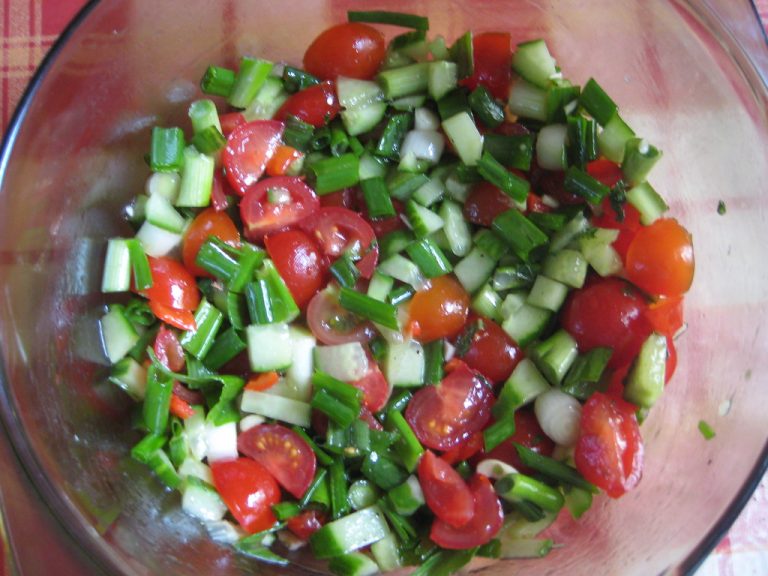
Lunch: Lentil salad with spinach, cucumber, tomato, avocado, and olive oil.
Snack: An apple with almond butter or a small bowl of kefir with berries.
Dinner: Baked salmon, roasted broccoli, and quinoa with lemon and herbs.
Optional evening tea: Ginger tea or peppermint tea to support a relaxing digestive routine.
This is not a rigid plan. It is a model. The point is to see how easily organic food can fit into ordinary life when you think in terms of structure rather than restriction.
Organic foods and the detox diet conversation
The term detox diet is often misunderstood. Some people imagine intense cleanses, juice-only plans, or short-term rules that are impossible to maintain. In reality, your liver, kidneys, digestive system, and skin are already part of your body’s natural detox network. What they need most is support, not punishment.
Organic food can be part of that support because it usually brings more whole ingredients and fewer synthetic additives into your routine. Foods rich in fiber help carry waste through the digestive tract. Water-rich vegetables and fruits help hydration. Herbs, spices, and fermented foods can support digestion and comfort. This is detox done the intelligent way.
If you are tempted by extreme detox promises, ask yourself a few questions: Will this help me feel stronger next week? Can I maintain it? Does it nourish my body or just reduce calories temporarily? Often, the most effective detox diet is simply a consistent pattern of clean eating centered on real food.
Practical shopping tips for choosing organic food
Buying organic does not have to drain your budget. You can make thoughtful choices and still keep your grocery bill reasonable. The best approach is to prioritize the foods you eat most often and the produce you are most likely to consume raw or with minimal preparation.
Smart shopping strategies include:
- Buying organic versions of leafy greens, berries, apples, and pears first.
- Choosing store-brand organic staples when quality is reliable.
- Shopping seasonal produce for better prices and freshness.
- Buying frozen organic vegetables and berries for convenience and value.
- Planning meals before shopping so food is used efficiently.
Frozen organic produce is especially underrated. It is harvested at peak ripeness, often costs less, and can make it much easier to keep a healthy diet on track. When your freezer contains vegetables, berries, and protein sources, you are less likely to rely on fast food when time is tight.
How organic nutrition supports your energy, skin, and mood
Gut health is not isolated from the rest of the body. It affects how you feel throughout the day. A balanced organic diet can contribute to more stable energy, clearer skin, and a better mood by supporting digestion and nutrient absorption. After all, when your body is getting what it needs, it usually shows.
For energy, the biggest benefit is consistency. Meals that include fiber, protein, and healthy fats help avoid the spikes and crashes that often follow sugary or refined foods. For skin, many people find that improving digestion and lowering the intake of ultra-processed foods can make their complexion look calmer. For mood, a more stable gut environment may help support a more stable mental state.
Of course, organic food is not a substitute for sleep, exercise, stress management, or medical care. But as part of a healthy lifestyle, it can become one of the most reliable tools you have. When food is nourishing, your entire day can feel different.
[IMAGE: healthy meal]
A beautiful bowl of roasted vegetables, grains, and protein is more than an attractive image. It represents a way of eating that supports satisfaction and simplicity. The best meals do not need to be complicated; they need to be balanced, flavorful, and rooted in ingredients your body can use well.
The role of movement in gut health and weight loss
Although this article focuses on organic food, no healthy lifestyle is complete without movement. Exercise supports circulation, helps manage stress, and can improve digestive regularity. Even moderate activity such as walking after meals may help reduce bloating and encourage smoother digestion.
That is why organic nutrition pairs so well with an active routine. If you are eating to support weight loss, a gentle fitness habit can reinforce the benefits of clean eating. You do not need a punishing workout schedule. You need consistency. A daily walk, strength sessions a few times per week, yoga, or cycling can all help support your goals.
Ask yourself: could a 15-minute walk after lunch become part of your day? Could stretching before dinner help you unwind and eat more mindfully? Small movement habits can be surprisingly effective when they are repeated often.
Common organic diet mistakes to avoid
Even a diet built around organic food can go off track if you make a few common mistakes. Being aware of them can save time, money, and frustration.
- Assuming organic automatically means healthy: Organic cookies are still cookies. Organic candy is still candy. Whole food quality matters most.
- Skipping protein: Meals that contain only vegetables may leave you hungry and prone to snacking.
- Overeating healthy fats: Avocado and nuts are nutritious, but portions still matter if weight loss is a goal.
- Ignoring fiber: A diet with plenty of produce but little whole grain or legume intake may still lack digestive support.
- Trying to change everything at once: Sustainable progress usually comes from a few consistent habits, not dramatic overhauls.
The most effective clean eating strategy is one you can repeat under real-life conditions. If you travel, work long hours, or cook for a family, flexibility is essential. A healthy diet should fit into life, not demand a perfect life before it can work.
How to create your own gut-friendly organic routine
You do not need to follow a strict template forever. Instead, build a routine you can adapt. Start by identifying the meals where you are most likely to drift toward processed food. Is it breakfast? Late-night snacking? Lunch between meetings? Once you know the weak spots, you can prepare smarter organic choices in advance.
Use this simple framework:
- Choose one organic breakfast you enjoy and repeat it during the week.
- Keep two or three lunch options that are easy to assemble.
- Stock a few fiber-rich snacks so you are not relying on vending machines or sweets.
- Prepare at least one fermented food or probiotic-rich item each day.
- Include vegetables in two or more meals daily.
Once these habits are in place, expand gradually. Add a new vegetable each week. Try one new whole grain. Experiment with herbs and spices that improve flavor without excess salt or sugar. Over time, your palate becomes accustomed to cleaner, fresher foods, and the shift feels less like a diet and more like a lifestyle upgrade.
Why this approach is more sustainable than short-term dieting
Many weight loss plans fail because they focus on reduction rather than nourishment. People lose weight temporarily, then regain it when the plan becomes too difficult to maintain. A gut-friendly organic diet takes a different path. It emphasizes satisfaction, digestion, and nutrient density, which makes it easier to stay on course.
That is the deeper value of clean eating. It does not ask you to live on willpower alone. It gives your body the kind of food that supports stable hunger, better digestion, and more predictable energy. When those things improve, weight loss often becomes less stressful.
And perhaps that is the real question: do you want a plan that works for two weeks, or a way of eating that supports you for years? Organic food, when chosen wisely, can be part of a long-term answer.
[IMAGE: fitness lifestyle]
A healthy lifestyle is rarely built in one dramatic moment. It is built through repeated choices: the grocery cart, the meal prep container, the evening walk, the decision to choose water over soda, the choice to make breakfast instead of skipping it. Each one seems small, but together they shape your health story.
Putting it all together
If you want better digestion, more stable energy, and a cleaner relationship with food, start with the basics. Choose organic food more often, focus on fiber-rich produce, add fermented foods gradually, and build balanced meals that keep you satisfied. Support the process with movement, hydration, and sleep, and you will give your body a real chance to thrive.
This approach is not flashy, but it is effective. It is not built on extreme rules, but on the daily rhythm of nourishment. And in a world full of quick fixes, that kind of consistency stands out. The more you learn to eat in a way that supports your gut, the more your overall healthy lifestyle can begin to feel natural, grounded, and genuinely rewarding.
For readers who want to keep improving their nutrition, explore more DietOrganic articles for practical ideas on clean eating, detox diet strategies, weight loss support, and everyday organic food inspiration that makes healthy living feel both elevated and realistic.
About the Author