
Photo by Peggychoucair on Pixabay
What if the real secret to feeling lighter, calmer, and more energized was not a complicated supplement stack or a harsh detox diet, but a smarter daily relationship with organic food? Gut health sits at the center of digestion, immunity, mood, and even weight loss, which is why a clean eating approach built around the right ingredients can be so effective. When your meals are rich in nutrition, gentle on the digestive system, and free from unnecessary additives, your body often responds with less bloating, steadier energy, and better appetite control.
That does not mean you need a restrictive plan or a perfect menu. It means choosing organic foods that support the microbiome, feeding beneficial bacteria, and reducing the burden on an already busy digestive system. If you have ever wondered why some healthy diets leave you feeling satisfied while others seem to trigger cravings, discomfort, or sluggishness, your gut may be giving you the answer.
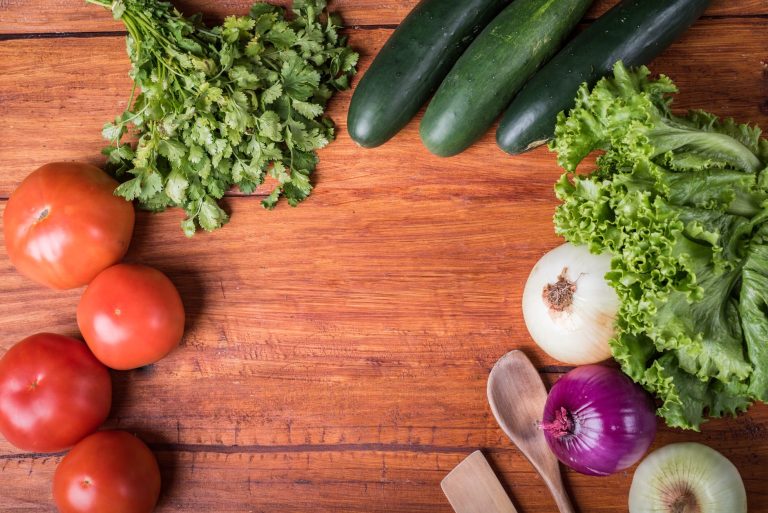
[IMAGE: organic vegetables]
In this guide, you will learn which organic foods deserve a place on your plate, how they support gut function, and how to turn them into a realistic daily routine. Whether your goal is better digestion, a healthier lifestyle, or a more sustainable path to weight loss, the best approach is often the simplest one: eat real food, eat it regularly, and let your body do what it was designed to do.
Why Gut Health Matters in a Clean Eating Lifestyle
Gut health is not a wellness trend. It is a foundational part of how your body processes food, absorbs nutrients, regulates hunger, and manages inflammation. Your digestive tract is home to trillions of microorganisms, often called the gut microbiome, and these microbes help break down certain foods, produce useful compounds, and interact with the immune system. When the microbiome is diverse and well-fed, digestion tends to be smoother and energy levels more stable.
Clean eating is especially relevant here because the gut does not thrive on guesswork. It thrives on consistency. Organic food, especially when minimally processed, often provides a stronger nutrient profile and fewer additives that can irritate sensitive digestion. That matters if you are trying to support a healthy diet that feels sustainable instead of punishing.
The gut microbiome explained
Think of your gut microbiome as an internal ecosystem. Some bacteria help break down fiber into short-chain fatty acids, which can support the lining of the gut and influence inflammation. Others help defend against unwanted microbes. When the balance shifts, you may notice symptoms such as bloating, irregular bowel movements, gas, brain fog, or food cravings.
Does that mean one bowl of salad can fix everything? Of course not. But the more often you choose organic foods that nourish the microbiome, the more you create conditions that support balance. This is one reason clean eating feels different from calorie counting alone. It is not just about how much you eat, but what your food is made of.
How digestion influences weight loss
People often think of weight loss as a simple math equation, but biology is more complicated than that. Poor digestion can influence appetite, blood sugar swings, stress hormones, and the urge to overeat. If your gut is under strain, even a healthy diet can feel harder to follow because you may be fighting cravings, fatigue, or discomfort.
Organic food supports weight loss in a subtle but meaningful way. Fiber-rich vegetables, protein sources, fermented foods, and healthy fats can improve satiety and help you feel satisfied longer. When meals are balanced, you are less likely to snack impulsively or chase quick energy from sugar. That is where nutrition starts to work with your body instead of against it.
Why organic food can make a difference
Organic food is not a miracle cure, but it can be a smart choice in a gut-focused routine. Choosing organic produce may reduce exposure to pesticide residues, and selecting organic versions of dairy, eggs, and packaged staples can help you avoid some of the additives found in highly processed foods. For many people, that means fewer digestive surprises and a cleaner foundation for healthy lifestyle habits.
In a detox diet framework, organic foods often play a useful role because they help shift the emphasis away from heavily processed items and toward ingredients the body recognizes more easily. The goal is not extreme cleansing. The goal is to remove friction from digestion so your system can focus on repair, balance, and steady energy.
The Best Organic Foods for Gut Health
Not every healthy ingredient offers the same benefit. Some foods are especially valuable because they feed good bacteria, soothe the digestive tract, or support regularity. If you want practical results, begin with these categories and build your meals around them.
1. Fermented foods that deliver beneficial bacteria
Fermented foods are among the most interesting tools in a gut-friendly kitchen because they naturally contain live cultures. Organic yogurt, kefir, sauerkraut, kimchi, miso, and certain types of unsweetened kombucha can help diversify your microbiome when used consistently. The key is choosing versions with minimal added sugar and no unnecessary preservatives.
Why are fermented foods so popular in clean eating plans? Because they offer a way to support gut health without relying on complicated interventions. A few spoonfuls of sauerkraut beside eggs or a small bowl of kefir at breakfast can make a meaningful difference over time.
- Organic yogurt can be an easy breakfast base with berries and chia seeds.
- Organic kefir works well in smoothies for a probiotic boost.
- Sauerkraut and kimchi add tang and live cultures to grain bowls or vegetable plates.
- Miso can deepen the flavor of soups while offering microbial support.
2. Prebiotic vegetables that feed good bacteria
Prebiotics are not bacteria themselves. They are the fibers that feed beneficial bacteria, helping them grow and function well. Organic onions, garlic, leeks, asparagus, artichokes, and even slightly green bananas are excellent choices. These foods can be especially valuable if your goal is to support long-term digestive resilience rather than just chase a short-term detox diet.
Start gradually if you are sensitive to fiber. A sudden jump in prebiotic foods can cause temporary bloating, especially if your digestion is used to highly refined meals. Have you noticed that the healthiest foods sometimes feel like too much too soon? That is usually a pacing issue, not a reason to avoid them entirely.
How to use prebiotic foods daily
- Sauté onions and garlic into soups, stews, and vegetable sautés.
- Add leeks to broth-based dishes for a mild, sweet flavor.
- Roast asparagus with olive oil and herbs for a simple side.
- Use artichokes in salads or warm grain bowls when you want extra fiber.
3. Fiber-rich fruits and vegetables
Fiber is one of the most important nutrients for gut health because it helps keep digestion moving and can improve fullness after meals. Organic apples, pears, berries, leafy greens, carrots, beets, sweet potatoes, and cruciferous vegetables all offer different kinds of fiber, antioxidants, and plant compounds that support a healthy diet.
Berries are especially useful in a weight loss plan because they are naturally sweet, satisfying, and relatively low in calories. Leafy greens like spinach, kale, and arugula bring volume to meals without heaviness. Sweet potatoes are comforting, nutrient-dense, and easy to digest when cooked properly.
- Apples provide pectin, a soluble fiber that may support regularity.
- Berries supply antioxidants that fit well into a clean eating routine.
- Leafy greens give minerals and phytonutrients without excess sugar.
- Sweet potatoes help create satisfying meals that do not feel restrictive.
4. Healthy fats and proteins that keep digestion steady
Gut health is not built on vegetables alone. You also need protein and healthy fats to stabilize appetite and support tissue repair. Organic eggs, plain Greek yogurt, wild-caught fish, chia seeds, flaxseeds, hemp hearts, avocado, olive oil, and nuts can all play a role in a balanced organic food plan.
Why do these foods matter so much? Because when meals contain enough protein and fat, you are less likely to experience blood sugar spikes and crashes that can lead to cravings. That makes healthy lifestyle habits easier to sustain, especially if you are trying to lose weight without feeling deprived.
5. Hydrating foods and herbal support
Hydration affects digestion more than many people realize. Water helps move food through the digestive tract, and hydrating foods can add to your daily fluid intake. Cucumbers, celery, watermelon, citrus fruit, and broth-based soups are all useful. Herbal teas such as ginger, peppermint, fennel, and chamomile can also be soothing after meals.
When your stomach feels unsettled, a warm cup of ginger tea can be a simple comfort. If bloating is common, peppermint or fennel may be worth exploring. These are not dramatic fixes, but they can support the kind of steady, manageable nutrition that makes a healthy diet realistic.
How to Build a Gut-Friendly Organic Plate
Once you know which foods help, the next step is learning how to combine them. A gut-friendly plate does not have to be fancy. In fact, the most effective meals are often the most practical ones. The aim is to create balance: enough fiber to feed the microbiome, enough protein to control hunger, and enough healthy fat to keep the meal satisfying.
The 3-part formula
- Base: vegetables, leafy greens, or a fiber-rich whole food like quinoa or oats
- Support: organic protein such as eggs, fish, yogurt, tofu, legumes, or chicken
- Boost: fermented food, prebiotic vegetables, seeds, or a drizzle of olive oil
That formula works for breakfast, lunch, or dinner. It also keeps meals flexible enough for busy days, which matters more than perfection. The best healthy diet is the one you can actually follow.
[IMAGE: healthy meal]
Easy gut-friendly meal ideas
Breakfast: organic Greek yogurt with berries, ground flaxseed, and a spoonful of oats.
Lunch: a salad bowl with leafy greens, roasted sweet potato, avocado, pumpkin seeds, and grilled salmon.
Dinner: vegetable soup with garlic, leeks, carrots, and a side of fermented sauerkraut.
Snack: an apple with almond butter or cucumber slices with hummus.
These combinations are simple, but they are powerful because they combine nutrition with satiety. That is exactly what a clean eating routine should do. It should make your body feel supported, not overloaded.
Batch prep makes it easier
If you want these habits to stick, prepare some ingredients ahead of time. Roast a tray of organic vegetables, wash leafy greens, portion berries, and keep fermented foods visible in the refrigerator. Convenience is one of the biggest predictors of success. When the healthiest choice is also the easiest one, consistency becomes much more natural.
Organic Diet Mistakes That Can Hurt Digestion
Even with the best intentions, people sometimes create gut issues by doing too much too quickly. The word organic can make any food sound automatically wholesome, but nutrition still matters. Organic cookies are still cookies, and organic sugar can still spike blood glucose if overused. Clean eating is not about labels alone; it is about the full picture.
Too much fiber too soon
A sudden jump in fiber is one of the most common mistakes in a gut-friendly diet. If your meals have been low in vegetables and whole foods, your digestive system may need time to adapt. Build fiber gradually and pair it with adequate water.
Expecting every organic packaged food to be ideal
Some organic packaged products are better than their conventional counterparts, but that does not automatically make them healthy. Check ingredient lists for excess salt, refined oils, and added sugars. The goal is real food first, packaged convenience second.
Skipping meals and then overeating
Long gaps between meals can lead to intense hunger, rushed eating, and poor digestion. If your goal is weight loss, skipping meals may backfire by making you more likely to overeat later. A steady rhythm often works better for gut health and energy.
Ignoring food sensitivities
Even organic foods can trigger issues in people who are sensitive to lactose, gluten, legumes, or high-FODMAP vegetables. If one healthy food consistently leaves you bloated or uncomfortable, do not force it. Listen to your body and adjust. A smart healthy lifestyle is personalized, not rigid.
Gentle Daily Habits That Improve Gut Health Fast
Food matters, but habits matter too. A strong digestive system is supported by how you eat, when you eat, and how you move through the day. This is where a realistic detox diet mindset can be helpful. Not an extreme cleanse, but a reset in which you reduce stress on the body and create better conditions for digestion.
[IMAGE: fitness lifestyle]
Chew more, rush less
Digestion begins in the mouth. Chewing thoroughly reduces the work your stomach must do and can help prevent bloating. Try setting your fork down between bites or eating without screens once a day. Small changes like these often create surprisingly fast improvements.
Walk after meals
A short walk after lunch or dinner can help support digestion and blood sugar control. You do not need an intense workout. Ten to fifteen minutes of light movement can be enough to make meals feel better in your body and help your healthy lifestyle feel more active and intentional.
Prioritize sleep
Sleep affects hunger hormones, stress response, and even gut function. Poor sleep can increase cravings and make digestion feel off the next day. If weight loss has stalled, take a close look at your sleep habits. The body does its best repair work at rest.
Manage stress before it manages your stomach
The gut and brain communicate constantly. Stress can show up as nausea, bloating, constipation, or urgent digestion. Simple stress-relief practices such as breathing exercises, quiet walks, journaling, or a consistent evening routine can make a real difference in nutrition outcomes.
A Practical Organic Gut Reset for Three Days
If you want a simple starting point, try a three-day reset built around organic foods that are easy to digest, fiber-rich, and minimally processed. The purpose is not to starve yourself. It is to reduce digestive noise so you can notice how your body responds when meals are cleaner and more balanced.
Day 1
- Breakfast: Organic yogurt, blueberries, and chia seeds
- Lunch: Spinach salad with avocado, cucumber, grilled chicken, and olive oil dressing
- Dinner: Vegetable soup with garlic, carrots, leeks, and a side of sauerkraut
- Snack: An apple with a handful of walnuts
Day 2
- Breakfast: Oats cooked with cinnamon, flaxseed, and sliced pear
- Lunch: Quinoa bowl with roasted sweet potatoes, kale, pumpkin seeds, and tahini
- Dinner: Baked salmon with asparagus and steamed carrots
- Snack: Cucumber slices and hummus
Day 3
- Breakfast: Kefir smoothie with berries, spinach, and hemp hearts
- Lunch: Lentil and vegetable soup with a side salad
- Dinner: Stir-fried vegetables with tofu or organic chicken, served over brown rice
- Snack: A small bowl of berries or a kiwi
If you feel better after three days, that is useful information. If you feel bloated, tired, or overly restricted, the plan may need more protein, less raw fiber, or different ingredients. Healthy nutrition is about observation as much as intention.
Who Benefits Most from an Organic Gut-Focused Approach?
Almost anyone can benefit from better digestion, but an organic food approach can be especially helpful for people who experience frequent bloating, irregular bowel movements, afternoon energy crashes, strong sugar cravings, or a feeling that healthy eating never quite works for them. It may also be useful for those seeking a cleaner, more sustainable weight loss strategy that does not depend on extreme restriction.
This approach can be a strong fit if you want a healthy diet that supports your fitness routine, improves meal satisfaction, and makes everyday nutrition feel simpler. It is not just for people who already eat perfectly. In fact, it is often most valuable for people who need a practical reset.
When to get personalized advice
If digestive symptoms are severe, persistent, or getting worse, it is important to speak with a qualified healthcare professional. Food choices can support gut health, but they are not a substitute for medical care when something deeper is happening. A professional can help rule out allergies, intolerances, or conditions that need treatment.
Still, for many people, the path forward begins with ordinary meals. Fresh vegetables, fermented foods, quality protein, and smarter snack choices can create a noticeable shift when they are used consistently. That is the quiet advantage of organic food: it makes healthy habits feel more natural and less forced.
When you build meals around organic vegetables, fiber-rich fruits, probiotic foods, and balanced portions, you are doing more than eating well for a day. You are creating the internal conditions for better digestion, steadier energy, and a calmer relationship with food. If that kind of clean eating feels like a change you can live with, start small today, stay consistent tomorrow, and read more expert articles on DietOrganic to keep building a healthier lifestyle one meal at a time.
About the Author