
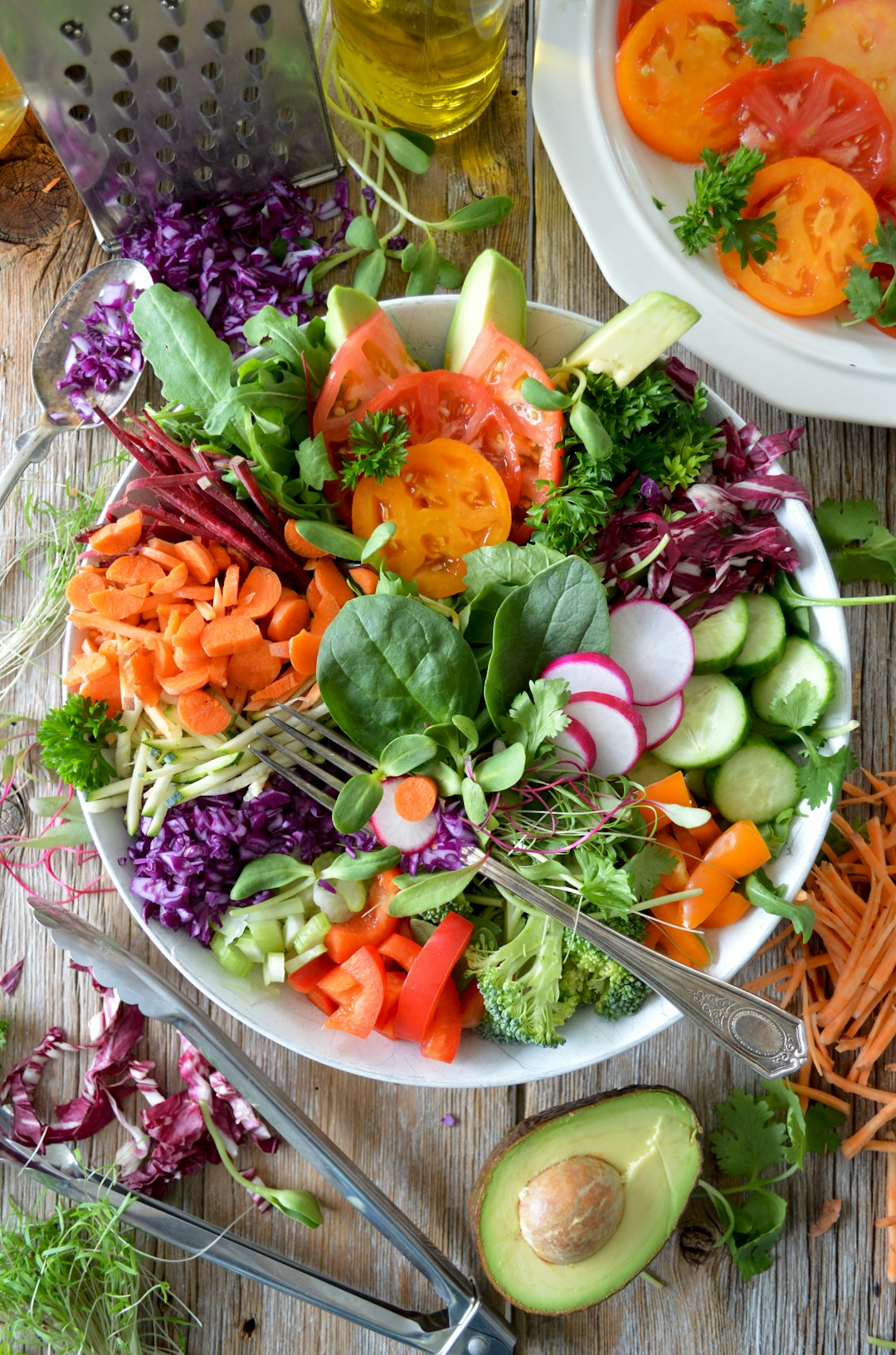
Photo by Nadine Primeau on Unsplash
Your gut is doing far more than helping you digest lunch. It influences how you absorb nutrients, how steady your energy feels, how often you crave sugar, and even how confident you feel in your own body. If your stomach has been sending you mixed signals, the answer may not be another trendy cleanse or a complicated supplement stack. It may be simpler: a smarter way of choosing organic food, with a clear focus on clean eating, digestion, and long-term wellness.
Organic foods are often discussed in terms of pesticide avoidance or environmental impact, but their real power shows up in daily life. A diet built around high-quality organic produce, fermented foods, fiber-rich grains, healthy fats, and gentle proteins can support a more balanced gut environment. And when digestion improves, everything else starts to feel easier. Meals feel lighter. Energy feels more stable. Weight loss becomes more realistic. Cravings become less intense. Have you ever noticed how one week of better nutrition can change your mood, your waistline, and your focus all at once?
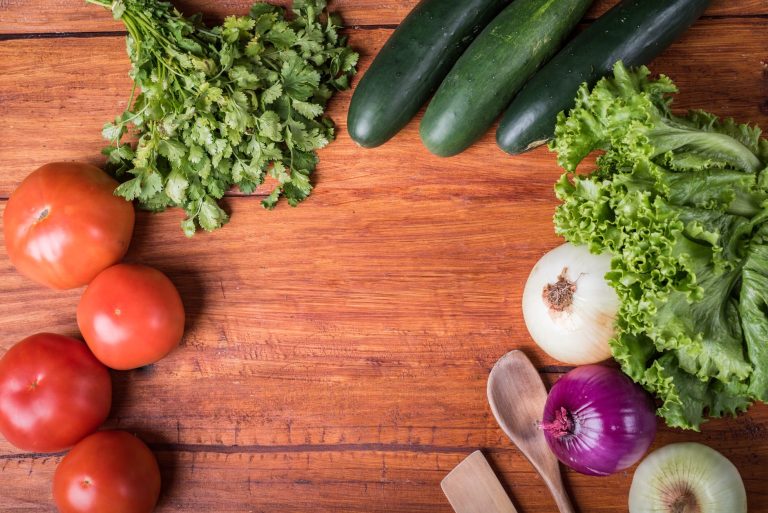
[IMAGE: organic vegetables]
This article explores organic foods for gut health from a practical, high-end lifestyle perspective. You will learn which foods matter most, how to pair them, what to avoid, and how to turn clean eating into a sustainable routine rather than a short-lived detox diet. The goal is not perfection. The goal is a healthier gut that supports a healthier lifestyle.
Why Gut Health Deserves a Place at the Center of Clean Eating
When people hear the phrase gut health, they often think only of bloating or irregular digestion. In reality, the digestive system is tied to much more. It affects immune response, inflammation, appetite control, and how well your body handles nutrition. If your gut is out of balance, even the healthiest diet can feel disappointing because nutrients may not be absorbed efficiently.
That is one reason organic food can be so valuable in a clean eating plan. Organic produce is typically grown with fewer synthetic pesticides and artificial inputs, and many people appreciate the simplicity of eating foods that feel closer to their natural state. While organic labeling is not a magic solution, choosing organic foods more often can help you build meals around ingredients that are less processed and more nutrient-dense. Isn’t that what a healthy diet should be about in the first place?
Gut-friendly eating also matters because the digestive system is home to trillions of microorganisms. Some are helpful, some are neutral, and some become problematic when the internal environment is too sugary, too processed, or too low in fiber. A diet centered on clean eating and organic nutrition helps create a more supportive environment for beneficial bacteria.
Signs Your Gut May Need More Support
Gut issues do not always show up dramatically. Often, the signs are subtle at first, then they become part of everyday life. If any of these feel familiar, your meals may need a reset:
- Bloating after meals, even when portions are moderate
- Irregular bowel habits or inconsistent digestion
- Sugar cravings that feel difficult to control
- Low energy after eating
- Skin changes that seem linked to food choices
- Difficulty losing weight despite trying to eat well
- Feeling heavy, sluggish, or inflamed after processed foods
These signs do not automatically mean something is wrong, but they often indicate that your diet needs more fiber, more whole foods, and less irritation from ultra-processed ingredients. That is where a thoughtful organic food strategy can make a meaningful difference.
What Makes Organic Foods So Useful for Digestion?
Organic foods are especially attractive in a gut health plan because they often shift the focus back to simplicity. A clean eating routine based on organic vegetables, fruits, legumes, grains, seeds, and carefully sourced proteins naturally removes a lot of the noise from modern eating. Instead of relying on packaged foods with long ingredient lists, you start building meals that are easier for the body to recognize and process.
This does not mean that every organic product is automatically healthy. Organic cookies are still cookies. Organic soda is still soda. But when you choose real foods first, the digestive system gets what it needs to do its job more effectively. More fiber. More hydration. More natural enzymes. Fewer additives that can complicate digestion.
There is also a psychological advantage. People tend to make better choices when they intentionally shop for organic food with purpose. You are more likely to prepare a healthy meal when the ingredients look vibrant, seasonal, and fresh. That shift in behavior matters just as much as the ingredients themselves.
Organic Foods and the Clean Eating Mindset
Clean eating is not about obsession or restriction. It is about choosing foods that support your body instead of burdening it. In practice, that means basing your meals on ingredients that are minimally processed, easy to identify, and rich in nutrition. Organic foods fit beautifully into this mindset because they encourage a return to whole ingredients.
Think about the difference between a packaged breakfast bar and a bowl of organic oats topped with berries, flaxseed, and plain yogurt. The second option is not only more nourishing; it also supports a more stable gut environment. It delivers fiber for digestion, protein for satiety, and natural compounds that help the body feel calmer and more balanced.
The Best Organic Foods for Gut Health
When building a gut-friendly menu, it helps to think in categories. Some foods feed beneficial bacteria. Others calm inflammation. Some support regularity. And some simply make your meals more satisfying so you are less likely to overeat later. A strong organic food plan uses all of them together.
1. Organic Leafy Greens
Spinach, kale, arugula, romaine, and Swiss chard are excellent choices for a healthy diet. They are rich in fiber, folate, magnesium, and antioxidants. Leafy greens help support digestion without weighing the body down, which makes them ideal for lunch bowls, smoothies, soups, and side dishes.
Why do they matter so much? Because fiber is one of the most important tools for gut health. It helps bulk stool, supports regularity, and provides food for beneficial microbes. Add a handful of greens to your daily meals and you may notice a real difference in how light and balanced your digestion feels.
2. Organic Fermented Foods
Fermented foods are one of the most powerful additions to a clean eating routine. Organic yogurt with live cultures, kefir, sauerkraut, kimchi, miso, and naturally fermented pickles can help introduce helpful bacteria into the digestive system. These foods may be especially helpful if your diet has been high in processed food or low in diversity.
Start slowly if fermented foods are new to you. A spoonful of sauerkraut or a small serving of kefir may be enough at first. The goal is consistency, not excess. A healthy lifestyle is built on habits that feel manageable.
3. Organic Berries
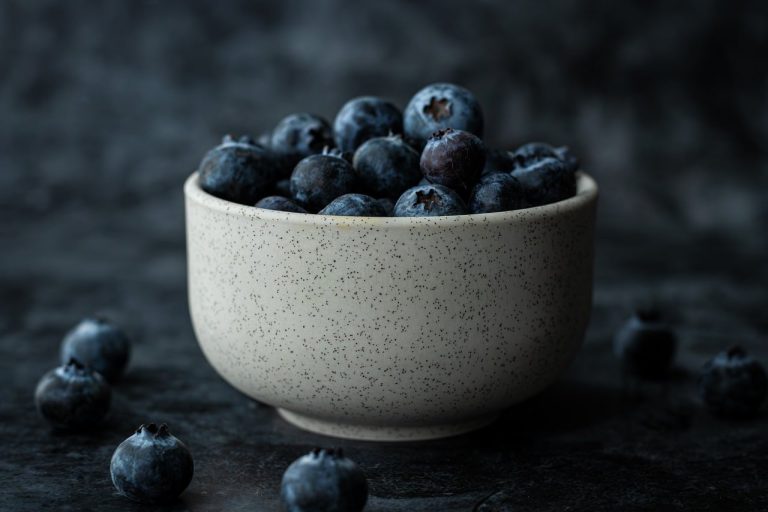
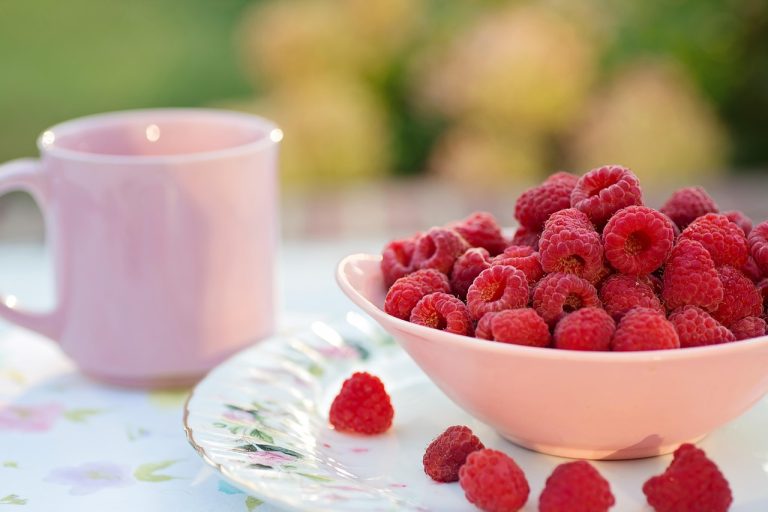
Blueberries, raspberries, strawberries, and blackberries are a beautiful part of any detox diet or clean eating plan. They are rich in antioxidants and fiber while remaining relatively low in sugar compared with many sweet snacks. Berries can help satisfy cravings while still supporting weight loss goals.
They also pair beautifully with yogurt, oats, chia pudding, and smoothies. If you want a meal that feels luxurious but supports digestion, organic berries are an easy win.
4. Organic Oats and Whole Grains
Not every gut-friendly meal needs to be low-carb. Organic oats, quinoa, brown rice, buckwheat, and barley can support digestion when used in balanced portions. These grains provide steady energy, soluble fiber, and a satisfying base for both breakfast and lunch.
Oats are especially useful because their fiber can support more comfortable digestion and satiety. If you often feel hungry shortly after eating, that may be a sign your meals need more fiber and protein. Whole grains can help close that gap.
5. Organic Apples, Pears, and Citrus Fruits
Fruits are often misunderstood in weight loss conversations, but the right fruits can be extremely helpful. Apples and pears contain fiber that supports regular digestion, while citrus fruits offer hydration and refreshing flavor. These are ideal snacks when you want something naturally sweet without reaching for ultra-processed options.
For many people, fruit also helps reduce the desire for desserts. When used wisely, it supports both clean eating and long-term adherence to a healthy diet.
6. Organic Avocados and Olive Oil
Healthy fats are essential for a balanced nutrition plan. Organic avocados and extra-virgin olive oil help support satiety, flavor, and nutrient absorption. They also make meals more satisfying, which can reduce the urge to snack constantly throughout the day.
If you have ever felt that your salads were too light to hold you over, adding avocado or olive oil may solve the problem immediately. Good digestion does not come from deprivation. It comes from nourishment.
7. Organic Ginger, Turmeric, and Fresh Herbs
Ginger can feel soothing after meals, while turmeric is widely appreciated in anti-inflammatory eating patterns. Fresh herbs like parsley, mint, cilantro, and basil add flavor without relying on heavy sauces or excess salt. These ingredients make healthy food taste vibrant instead of bland.
Would you be more likely to keep a clean eating plan if every meal tasted fresh and satisfying? Most people would. That is why herbs and spices deserve more attention in gut health planning.
How to Build a Gut-Friendly Organic Plate
A healthy lifestyle becomes much easier when you have a simple formula. Instead of asking,
About the Author