

Photo by stevepb on Pixabay
Your gut does far more than digest lunch. It shapes how energetic you feel, how often you crave sugar, how clearly you think, and even how smoothly your weight responds to healthy habits. That is why so many people who commit to organic food and clean eating notice changes that go beyond the scale. When meals are built around organic vegetables, fiber-rich plants, fermented foods, and simple whole ingredients, the body often feels less burdened and more balanced. Could the secret to better digestion and easier weight management start with the way you shop, prep, and plate your food?
This article explores how organic foods can support gut health in a practical, realistic way. You will learn which foods deserve a place in a gut-friendly kitchen, how they fit into a clean eating routine, and why a gentle detox diet based on whole foods can feel restorative rather than restrictive. The goal is not perfection. It is to help you build a healthy lifestyle that supports digestion, steady energy, and lasting nutrition from the inside out.
Why Gut Health Deserves a Place at the Center of Healthy Living
Many people think of digestion only when something goes wrong, but the gut influences daily life in powerful ways. Your intestines and the trillions of microbes living there help break down food, absorb nutrients, produce certain vitamins, and communicate with the immune system. If the gut is unsettled, everything from mood to metabolism can feel off. That is why a thoughtful organic food routine often becomes the foundation of a healthier diet, not just another trend.
A balanced gut can make meals feel more satisfying, support regularity, and help the body respond better to stress. When you eat clean, focus on nutrition, and reduce the load of ultra-processed foods, your digestive system gets a chance to work more efficiently. For many people, that leads to less bloating, fewer energy crashes, and a more consistent path toward weight loss.
- Better digestion and smoother bowel movements
- More stable energy throughout the day
- Improved appetite control and fewer cravings
- Support for immunity and inflammatory balance
- Greater comfort after meals
Have you ever noticed that when your meals are lighter, fresher, and more natural, your whole day feels easier? That is not a coincidence. The gut responds quickly to what you feed it.
What Makes Organic Foods Different for Digestion?
Organic food is often chosen for safety, purity, and ingredient quality, but it can also support a more gut-friendly style of eating. Organic produce is grown without many synthetic pesticides and herbicides, and many people appreciate the reduced exposure to residues as part of a clean eating lifestyle. While organic foods are not a magic cure, they can help create a cleaner, more intentional diet that is easier on the digestive system.
Less exposure to unwanted chemicals
Some people are sensitive to the way heavily treated crops or highly processed foods make them feel. Choosing organic vegetables, fruits, grains, and proteins may reduce the overall chemical burden of the diet. This does not mean every non-organic food is harmful, but it does mean that organic choices can be a useful part of a detox diet focused on freshness and simplicity.
More whole-food choices, less packaged clutter
Organic shopping often nudges people toward the perimeter of the grocery store and away from ultra-processed aisles. That shift matters. Whole foods provide fiber, water, minerals, and natural plant compounds that support digestion. The more often your plate is made from real ingredients, the easier it is to build a healthy diet that feels satisfying instead of confusing.
Better habit-building through intentional eating
Choosing organic foods often encourages mindfulness. If you are already selecting quality produce, you may also be more likely to cook at home, read labels, and plan meals with purpose. Those habits matter for gut health because regular mealtimes and balanced portions help the digestive system function with less stress.
The Best Organic Foods for a Happy Gut
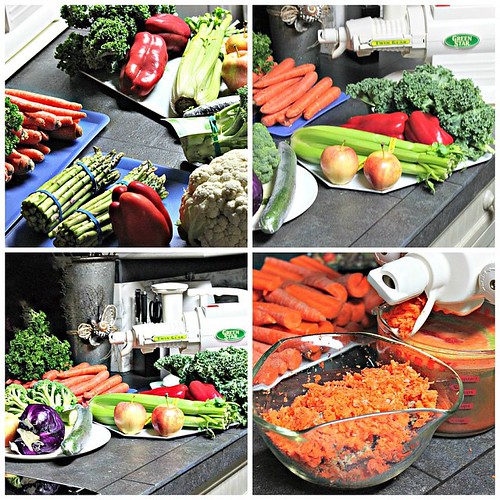
If your goal is better digestion, the most helpful organic foods are usually simple, colorful, and minimally processed. The best plates contain a mix of fiber, hydration, fermented ingredients, and healthy fats. That combination can nourish the microbiome while helping you feel full and calm after eating. [IMAGE: organic vegetables]
Organic leafy greens
Spinach, kale, arugula, romaine, and Swiss chard are rich in fiber, folate, magnesium, and plant compounds that support a healthy lifestyle. Leafy greens are gentle enough for many people and easy to use in salads, sautés, soups, and smoothies. If you want clean eating to feel manageable, greens are one of the easiest places to begin.
- Use spinach in breakfast omelets or smoothies
- Toss arugula with olive oil and lemon for a quick side
- Sauté kale with garlic for a hearty dinner base
Organic berries
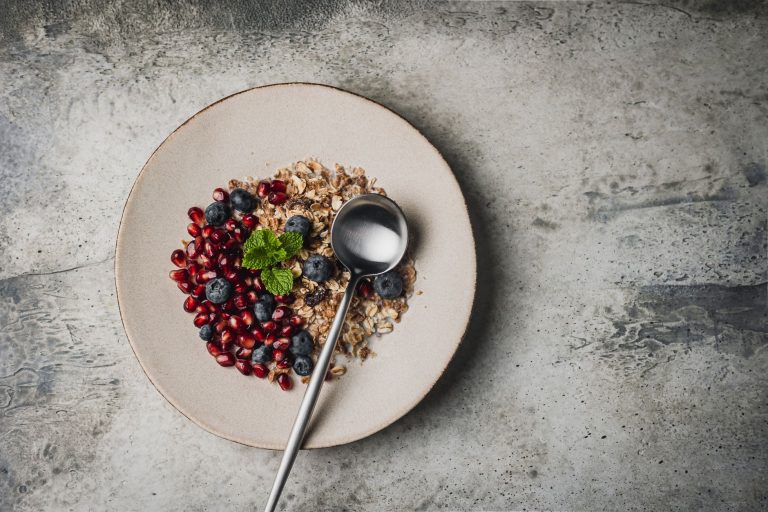
Blueberries, raspberries, strawberries, and blackberries are packed with antioxidants and fiber. They are naturally sweet enough to satisfy cravings while still fitting into a weight loss plan. Berries also pair well with yogurt, oats, chia pudding, and salads, making them one of the most versatile organic foods for digestion and nutrition.
Fermented organic foods
Fermented foods can be especially valuable because they provide beneficial bacteria and support microbial diversity. While not every fermented food contains live cultures, many do, and they can be a smart addition to a gut-focused diet.
- Organic yogurt with live cultures
- Plain kefir
- Sauerkraut
- Kimchi
- Miso
- Tempeh
These foods work best in small, consistent amounts rather than large servings all at once. For example, a spoonful of sauerkraut beside lunch may be more practical than eating a huge portion in one sitting.
Prebiotic-rich vegetables and grains
Prebiotics are the fibers that feed beneficial gut bacteria. They are crucial for a balanced digestive environment and are often overlooked by people chasing short-term weight loss results. Organic onions, garlic, leeks, asparagus, oats, green bananas, apples, and slightly underripe plantains can all contribute to a more nourishing gut routine.
Prebiotic foods do not need to be exotic. In fact, some of the most effective options are basic staples that can be used every day in soups, grain bowls, and vegetable dishes. That is the real beauty of clean eating: the simplest foods often do the most good.
Fiber-rich root vegetables
Carrots, beets, sweet potatoes, turnips, and parsnips bring comfort, color, and substance to a healthy diet. Their natural sweetness helps reduce the desire for processed snacks, while their fiber supports regular digestion. Roasted root vegetables are also an excellent base for a detox diet that feels grounding instead of extreme.
Healthy fats from organic sources
Gut health is not just about fiber. The body also needs healthy fats to absorb fat-soluble nutrients and support cell function. Organic avocado, extra virgin olive oil, walnuts, chia seeds, flaxseeds, and hemp seeds can make meals more satisfying and help stabilize appetite. When used wisely, fats can support weight loss by helping you stay full longer.
Clean organic proteins
Protein is essential for repair, strength, and satiety. Organic eggs, plain Greek yogurt, wild-caught fish, grass-fed dairy if tolerated, organic tofu, lentils, and tempeh can all be part of a gut-friendly plan. If you tend to feel hungry soon after meals, increasing protein quality may help. It is a simple adjustment, but it can transform your daily energy and reduce unnecessary snacking.
How Clean Eating Supports Gut Health and Weight Loss
Clean eating is not about rigid rules. It is about returning to foods that are easy for the body to recognize and process. When your meals come from organic food sources and contain fewer additives, your digestive system has less to sort through. The result is often better comfort, fewer cravings, and more predictable hunger.
Think about the difference between a meal built from whole ingredients and a meal built from a long ingredient label. Which one do you think your gut prefers? Which one tends to make you feel more energized an hour later?
Clean eating reduces hidden irritants
Many packaged foods include emulsifiers, artificial sweeteners, refined oils, and excess sodium. These are not automatically dangerous, but they can make it harder for some people to maintain digestive comfort. A clean eating plan built around organic vegetables, fruits, legumes, grains, and quality proteins can reduce that burden and create a more stable routine.
It helps regulate blood sugar
When blood sugar swings are less dramatic, cravings usually become easier to manage. Stable meals with fiber, protein, and healthy fats support better energy and help you avoid the spiral of sugar highs and crashes. That steadiness is a major reason clean eating often supports natural weight loss.
It encourages portion awareness without obsession
When you fill your plate with nutrient-dense foods, you often need less of them to feel satisfied. That can make calorie awareness feel natural instead of forced. You are not starving yourself. You are simply choosing foods that provide more nutrition per bite.
A Simple Way to Build a Gut-Friendly Plate
Rather than obsessing over one superfood, focus on the structure of your meals. A balanced organic plate can support digestion and make healthy eating more enjoyable. The formula is simple enough to repeat daily, yet flexible enough to suit different tastes and schedules. [IMAGE: healthy meal]
The plate formula
- Half of the plate: non-starchy organic vegetables
- One quarter: lean protein or plant protein
- One quarter: whole grains or starchy vegetables
- One small serving: healthy fats or fermented foods
This structure works because it supplies fiber, protein, and slow-burning energy in one meal. A salad alone may be too light. A protein-heavy dish without fiber may not support digestion as well. But a balanced combination can help you feel comfortably full and better nourished.
Examples of balanced meals
- Grilled salmon, quinoa, roasted broccoli, and olive oil
- Organic tofu, brown rice, sautéed greens, and kimchi
- Egg scramble with spinach, sweet potatoes, and avocado
- Lentil soup with carrots, celery, and a side salad
A Gentle Organic Detox Diet, the Right Way
The word detox often gets overused, but a smart detox diet is really about giving the body a break from excess. It is not a crash cleanse, a juice-only plan, or a punishment for eating normally. In a gut-health context, detox simply means shifting toward organic foods, hydration, fiber, and simpler meals that support the body’s natural elimination processes.
What a gentle detox should include
- Plenty of water and herbal tea
- Organic fruits and vegetables
- Fiber-rich grains and legumes
- Fermented foods in moderate portions
- Enough protein to prevent fatigue
- Less alcohol, refined sugar, and fried food
What to avoid during a reset
Extreme calorie restriction, long fasting windows for beginners, and aggressive cleanses can stress the body and backfire. If your digestive system is already sensitive, a harsh detox diet may leave you tired, irritable, and more likely to binge later. A better approach is gentle consistency.
Ask yourself: would your body thrive more from deprivation, or from a steady supply of simple nourishing food?
A 3-Day Organic Gut Reset You Can Actually Follow
This is not a punishment plan. It is a practical structure for anyone who wants to feel lighter, calmer, and more comfortable after meals. It can also be used as a short reset before returning to your normal routine.
Day 1: Light and hydrating
Focus on easy-to-digest organic food that gives your gut some breathing room.
- Breakfast: Oatmeal with berries, chia seeds, and plain yogurt
- Lunch: Vegetable soup with lentils and a side salad
- Dinner: Baked salmon, steamed greens, and roasted carrots
- Snacks: An apple, cucumber slices, or a small handful of walnuts
On this day, keep meals simple and drink water steadily through the day. Warm foods can feel especially soothing if your digestion is sluggish.
Day 2: Fiber and probiotics
Bring in more fermented foods and prebiotic vegetables.
- Breakfast: Scrambled eggs with spinach and a slice of whole-grain toast
- Lunch: Brown rice bowl with tofu, avocado, shredded cabbage, and sauerkraut
- Dinner: Chicken or tempeh with roasted sweet potatoes and asparagus
- Snacks: Kefir smoothie, berries, or carrot sticks
This is a good day to notice how your body reacts to different fibers. Some people feel energized; others need smaller portions. Paying attention is part of smart nutrition.
Day 3: Balance and rhythm
By now, your meals can become a little more varied while still staying clean and calming.
- Breakfast: Chia pudding with strawberries and pumpkin seeds
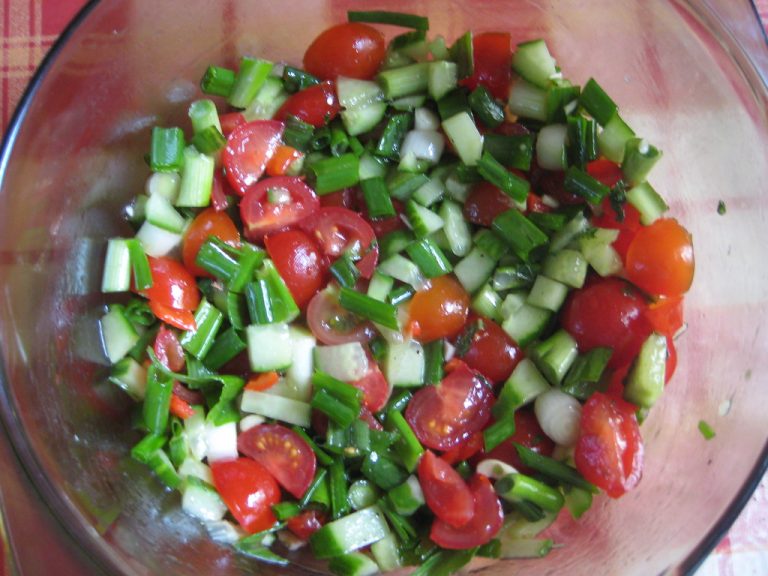
- Lunch: Quinoa salad with greens, chickpeas, cucumbers, and olive oil
- Dinner: Turkey or lentil patties, roasted beets, and sautéed kale
- Snacks: Pear slices, yogurt, or a few almonds
The purpose of this reset is not to eat less forever. It is to remind your body what supportive meals feel like so you can keep that rhythm going.
Foods That Can Make Digestion Worse
Not every digestive issue comes from the same source, but certain foods are common troublemakers when eaten often or in large amounts. Reducing them can help many people feel better quickly, especially when they are replacing them with organic foods and clean eating staples.
- Highly processed snacks with long ingredient lists
- Excess sugar and sugary drinks
- Deep-fried foods
- Alcohol in frequent or large amounts
- Artificial sweeteners that trigger bloating for some people
- Very large meals eaten too quickly
You do not need to ban every favorite food forever. The real question is frequency. Are these items occasional treats, or are they crowding out the foods your gut actually needs?
Common Organic Diet Mistakes to Avoid
Organic food is a strong foundation, but it is possible to make the wrong choices even with premium ingredients. If your goal is better digestion, healthier weight management, and a more sustainable healthy lifestyle, it helps to know where people often go off track.
Assuming organic automatically means healthy
Organic cookies are still cookies. Organic chips are still chips. Organic label claims do not override the need for balance, portion control, or nutritional quality. The smartest plan is to prioritize real foods first and packaged products only occasionally.
Not eating enough fiber
Some people switch to organic food but still eat too little fiber to support the gut microbiome. If your meals are mostly protein and fat without vegetables, beans, seeds, and fruit, digestion may remain sluggish. Fiber needs to be built in daily.
Forgetting hydration
Even the healthiest fiber will not work well without enough fluid. Water helps move food through the digestive tract and supports natural elimination. Herbal teas and water-rich fruits and vegetables can also help.
Eating too many raw foods too fast
Raw salads and vegetable-heavy bowls are healthy, but if your gut is sensitive, too much raw produce all at once can cause bloating. Sometimes lightly cooked vegetables are easier to digest, especially during a detox diet or reset period.
Being too restrictive
Severe rules often lead to rebound eating. A healthy diet should be flexible enough to last. If a plan feels like punishment, it is usually not the right one.
How Gut Health Can Support Natural Weight Loss
Weight loss is not just a matter of willpower. Hunger signals, cravings, energy levels, and food choices are all influenced by digestion and the microbiome. That is one reason gut-friendly eating can have such a positive effect. When your body feels nourished, you are less likely to chase quick fixes.
Better digestion can support weight loss by improving satiety and reducing the urge to snack out of discomfort or fatigue. Fiber-rich organic foods slow down digestion in a helpful way, which can help you feel full longer. Healthy fats and proteins also reduce the sudden dips in energy that often lead to overeating.
What helps most
- Regular meals with balanced macros
- More vegetables and less processed food
- Fermented foods in sensible amounts
- Daily movement, even a short walk
- Better sleep and stress management
Have you ever noticed that your appetite feels more controlled after a weekend of simple home-cooked food? That feeling is worth paying attention to. It is often a sign that your eating pattern is working with your body rather than against it.
Movement Matters Too: The Lifestyle Side of Gut Health
Food is the centerpiece, but it is not the whole story. A healthy lifestyle also includes regular movement, enough rest, and moments of calm. Gentle exercise can support bowel regularity and improve blood flow, while stress reduction may help the gut feel less reactive. [IMAGE: fitness lifestyle]
Simple movement habits that help
- Take a 10 to 20 minute walk after meals
- Do light stretching in the morning
- Practice strength training a few times per week
- Try yoga or breathing work on stressful days
Movement does not need to be intense to be effective. A daily walking habit can be surprisingly powerful for digestion and mood. If you want your clean eating plan to feel sustainable, pair it with an active routine you genuinely enjoy.
A Practical Organic Grocery List for Gut Support
If your kitchen is stocked well, healthy eating becomes much easier. A smart grocery list prevents last-minute choices that do not support your goals. Use this as a starting point and adapt it to your preferences, budget, and schedule.
Produce
- Spinach
- Kale
- Broccoli
- Carrots
- Beets
- Sweet potatoes
- Apples
- Berries
- Avocados
- Bananas
- Onions
- Garlic
- Asparagus
- Cucumbers
Proteins
- Organic eggs
- Plain Greek yogurt
- Kefir
- Organic tofu
- Lentils
- Chickpeas
- Salmon
- Chicken breast
- Tempeh
Pantry staples
- Oats
- Quinoa
- Brown rice
- Chia seeds
- Flaxseeds
- Walnuts
- Olive oil
- Herbal tea
- Sauerkraut
- Miso
With these ingredients in place, you can build dozens of simple meals without relying on packaged shortcuts.
Sample Day of Eating for a Gut-Friendly Organic Routine
To make everything more practical, here is a one-day example that blends organic food, clean eating, and supportive nutrition into a realistic schedule. This is the kind of day that can fit into a busy week without feeling overly complicated.
Morning
Start with water, then enjoy oatmeal topped with berries, chia seeds, and a spoonful of plain yogurt. If you prefer savory breakfasts, try eggs with spinach and avocado. Both options are balanced and satisfying.
Midday
For lunch, choose a quinoa bowl with roasted vegetables, chickpeas, cucumber, leafy greens, and olive oil. Add a small serving of sauerkraut if you enjoy fermented food. [IMAGE: healthy meal]
Afternoon
Have an apple with a handful of walnuts or a kefir smoothie with cinnamon and berries. This keeps energy steady and helps prevent the late-day crash that often triggers overeating.
Evening
For dinner, try baked salmon or tofu with roasted sweet potatoes and steamed broccoli. Keep the meal simple, flavorful, and not too heavy. If you want a soothing finish, drink chamomile or peppermint tea.
What to Expect When You Start Eating This Way
When people shift toward organic foods and clean eating, they often expect dramatic overnight changes. Real progress is usually more gradual. You may notice less bloating first, then more stable energy, then better appetite control, and eventually a more natural relationship with food. Some people also report clearer skin, fewer afternoon crashes, and less reliance on snacks.
These changes are worth celebrating because they reflect a healthier system, not just a smaller number on the scale. When digestion improves, your nutrition tends to improve with it. When nutrition improves, healthy lifestyle choices become easier to maintain. And when the routine becomes sustainable, weight loss is more likely to last.
How to Stay Consistent Without Feeling Restricted
The best plan is the one you can repeat. That means building a style of eating that fits real life, not an idealized version of it. Use organic food as the base, but keep meals simple enough that you can shop, cook, and enjoy them without stress.
Try these consistency strategies
- Prepare two or three vegetables at the start of the week
- Keep one fermented food in the fridge
- Use frozen organic produce for convenience
- Choose one breakfast you can repeat easily
- Build meals around protein and fiber first
Consistency is not about eating the same thing forever. It is about reducing friction so the healthy choice becomes the easy choice. That is how clean eating turns into a lifestyle instead of a temporary project.
When your meals are built around organic vegetables, nourishing proteins, fiber-rich grains, and a few smart fermented foods, your gut gets a steady message of support. That message can show up in your energy, your comfort after meals, your cravings, and your confidence around food. If you are ready to keep refining your healthy diet, explore more expert guides on DietOrganic and keep building a routine that feels as good as it looks.
About the Author