
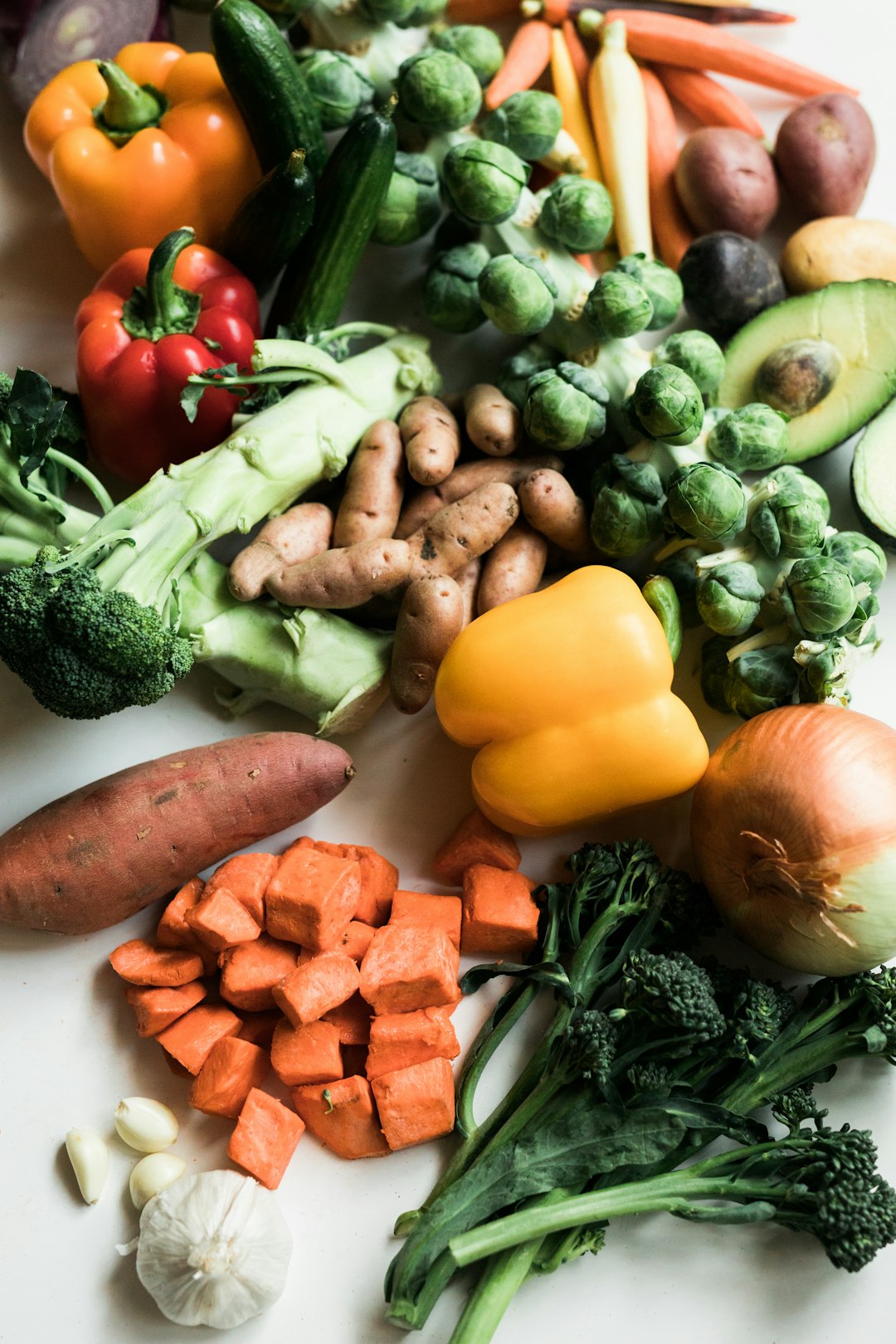
Photo by Nathan Dumlao on Unsplash
If you have ever tried to improve your digestion, lose a few stubborn pounds, or simply feel lighter and more energized, you already know that food quality matters. The truth is that a healthy lifestyle is not built on restriction alone; it is built on nourishment. That is where organic food stands out. When chosen thoughtfully, organic ingredients can support a cleaner plate, steadier energy, better nutrition, and a gut environment that feels more balanced day after day.
The gut is often called the body’s second brain, and for good reason. It influences immunity, mood, cravings, metabolism, and even how efficiently your body uses food. Have you ever noticed that when your digestion is off, everything else seems harder too? That is not a coincidence. A smart clean eating plan focused on organic foods can make a meaningful difference, especially if your goals include weight loss, better digestion, and a more consistent sense of well-being.
In this guide, we will explore how organic food can support gut health, which foods deserve a place on your plate, how to create a realistic detox diet without extremes, and how to build habits that fit into real life. The goal is not perfection. The goal is to create a way of eating that feels sustainable, energizing, and enjoyable.
Why Gut Health Shapes the Entire Body
Gut health is about far more than avoiding bloating after lunch. Your digestive system is responsible for breaking down food, absorbing nutrients, and helping regulate inflammation. It also houses trillions of bacteria that influence everything from immune defense to appetite signals. When your gut is thriving, your body is better equipped to process nutrition efficiently. When it is under stress, even the healthiest meal can leave you feeling sluggish or uncomfortable.
This is one reason organic food is such a powerful ally. Organic produce is often chosen by people who want to reduce exposure to synthetic pesticides and focus on cleaner, less processed ingredients. While no single food can transform your gut overnight, the overall pattern of eating matters. A diet built around whole, fiber-rich, nutrient-dense foods supports the microbial diversity your digestive system needs to function well.
The Gut-Weight Connection
Many people assume weight loss is only about calories, but the relationship between digestion and body weight is more complex. A healthier gut can help regulate hunger hormones, reduce cravings, and improve how your body responds to meals. If your digestion is calm and your blood sugar is steadier, you may find it easier to stick with your healthy diet and avoid impulsive snacking.
Think about it: when meals leave you satisfied rather than depleted, are you more likely to reach for processed convenience foods later? Most people would answer yes. That is one of the quiet advantages of clean eating. It supports satiety, which makes a weight loss plan feel less like effort and more like a natural rhythm.
[IMAGE: organic vegetables]
The Best Organic Foods for Gut Health
Not all organic foods play the same role in digestion. Some help feed beneficial bacteria, some provide soothing nutrients, and some reduce the burden on a sensitive digestive system. If your goal is to improve nutrition while building a clean eating routine, focus on foods that offer fiber, antioxidants, healthy fats, and natural fermentation.
Below are the organic foods that deserve special attention if you want your gut to feel calmer, stronger, and more balanced.
Fermented Organic Foods
Fermented foods are among the most valuable ingredients for gut health because they naturally contain beneficial bacteria. These foods can complement the microbiome and help diversify the digestive environment. Organic versions are ideal because they tend to be made with simpler ingredient lists and fewer unnecessary additives.
- Organic yogurt with live cultures
- Organic kefir
- Sauerkraut made with simple ingredients
- Kimchi without excess sugar
- Miso in soups or marinades
Start small if you are new to fermented foods. A spoonful of sauerkraut or a small glass of kefir may be enough to begin with. More is not always better, especially if your digestion is sensitive. Would you rather make one steady change that you can repeat, or overhaul everything and quit after three days?
Fiber-Rich Organic Produce
Fiber is essential for digestive regularity, microbial balance, and appetite control. Organic fruits and vegetables provide both soluble and insoluble fiber, which work together to support healthier elimination and better nutrient absorption. They also add volume to meals, helping you feel full without relying on heavily processed calories.
- Leafy greens such as spinach, kale, and arugula
- Cruciferous vegetables like broccoli, cauliflower, and Brussels sprouts
- Apples, pears, and berries
- Carrots, beets, and sweet potatoes
- Avocados, which support digestion with fiber and healthy fats
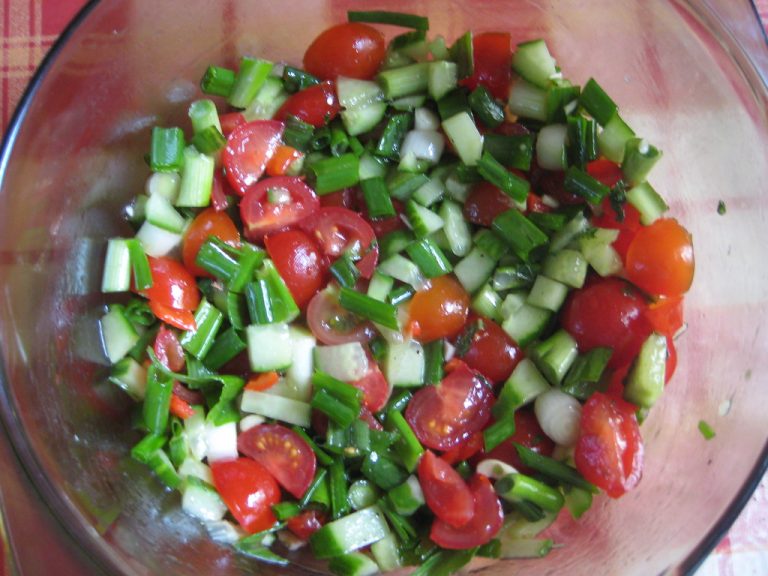
These are the foods that make a healthy diet feel abundant instead of restrictive. A bowl of roasted vegetables, a berry-forward breakfast, or a crisp salad with avocado can do more for gut health than any trendy cleanse ever will.
Prebiotic Staples That Feed Good Bacteria
Prebiotics are the fibers and plant compounds that feed the bacteria already living in your gut. If probiotics are the seeds, prebiotics are the fertilizer. Organic foods rich in prebiotics help create a better environment for digestive balance, and that can influence everything from regularity to bloating to appetite regulation.
- Organic oats
- Garlic and onions
- Leeks and asparagus
- Unripe bananas
- Chia seeds and flaxseeds
One of the best things about these ingredients is how easily they fit into everyday meals. Add oats to breakfast, garlic to sautéed vegetables, chia to yogurt, and onions to soups. Small additions can create meaningful benefits over time.
Healthy Fats and Gut-Friendly Protein
Healthy fats help with satiety and support the absorption of fat-soluble vitamins, while protein helps stabilize energy and preserve lean tissue during weight loss. In a clean eating plan, both are essential. Organic options can help you keep your meals more consistent and minimally processed.
- Organic eggs
- Wild-caught fish when available
- Organic tofu or tempeh
- Nuts and seeds
- Extra-virgin olive oil and avocado
Protein does not have to be heavy to be effective. It simply needs to be present in enough quantity to keep you satisfied. That is especially important if your weight loss goal involves avoiding late-night snacking or sugar crashes.
How to Build a Gut-Friendly Organic Plate
Healthy eating becomes easier when you stop thinking about isolated foods and start thinking about patterns. A gut-friendly plate is usually balanced, colorful, and easy to digest. It contains fiber, protein, healthy fat, and enough fluid-rich vegetables to keep everything moving smoothly.
The best part? You do not need a complicated detox diet to make this work. You need a repeatable structure you can trust.
The Simple Plate Formula
Use this as a daily guide:
- Half the plate: non-starchy organic vegetables
- One quarter of the plate: quality protein
- One quarter of the plate: smart carbs such as quinoa, oats, brown rice, or sweet potato
- One to two tablespoons: healthy fats such as olive oil, seeds, or avocado
This formula supports digestion, steadier blood sugar, and practical weight loss without making meals feel tiny or unsatisfying. It also fits beautifully into a clean eating lifestyle because the ingredients are whole, recognizable, and easy to prepare.
[IMAGE: healthy meal]
Sample Breakfast for Better Digestion
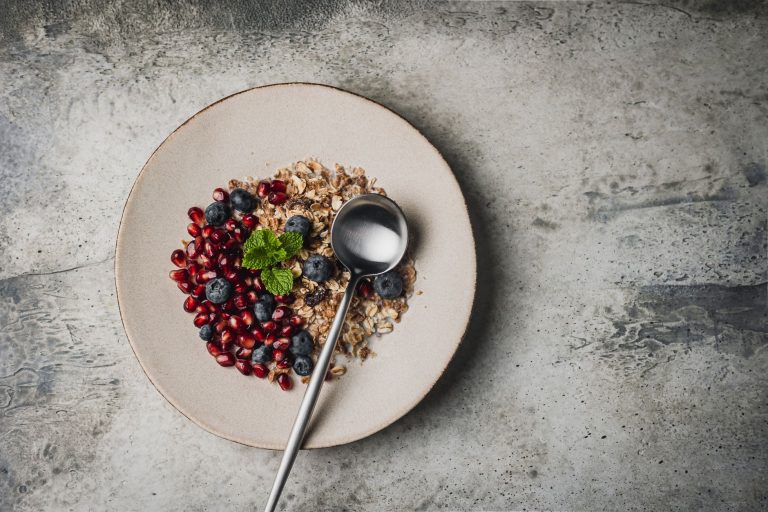
A gut-friendly breakfast does not need to be elaborate. A bowl of organic oats with chia seeds, blueberries, cinnamon, and a spoonful of yogurt can provide fiber, protein, and gentle sweetness in one meal. If you prefer savory food, try eggs with sautéed spinach, tomatoes, and avocado on the side.
The key is to start the day with something that stabilizes energy instead of spiking it. When breakfast supports your metabolism rather than overwhelming it, your afternoon cravings are often easier to manage.
Sample Lunch for Clean Eating and Weight Loss
Lunch is a great place to build momentum. A grain bowl with leafy greens, roasted vegetables, lentils or chicken, sauerkraut, and a simple olive oil dressing can be both satisfying and restorative. You are getting fiber, protein, and fermented food in one balanced meal. What could be easier?
If your schedule is demanding, prepare lunch in advance so you are not tempted by quick processed options. Meal planning is not about being rigid; it is about protecting your future energy.
Sample Dinner for Recovery and Rest
Dinner should support repair and digestion, not leave you feeling heavy. A baked salmon fillet, steamed broccoli, and roasted sweet potatoes is a classic example of a meal that feels nourishing without being excessive. If you follow a plant-based pattern, tofu with ginger, garlic, vegetables, and brown rice works just as well.
Evening meals are also a smart place to keep portions mindful. Eating until comfortably satisfied rather than overly full is one of the simplest ways to support weight loss and better sleep.
Organic Grocery List for a Gut-Friendly Healthy Diet
If your kitchen is stocked with the right ingredients, clean eating becomes much more realistic. A well-planned grocery list reduces the need for last-minute takeout and helps you stay consistent when life gets busy. The idea is to create a home environment where the healthiest choice is also the easiest one.
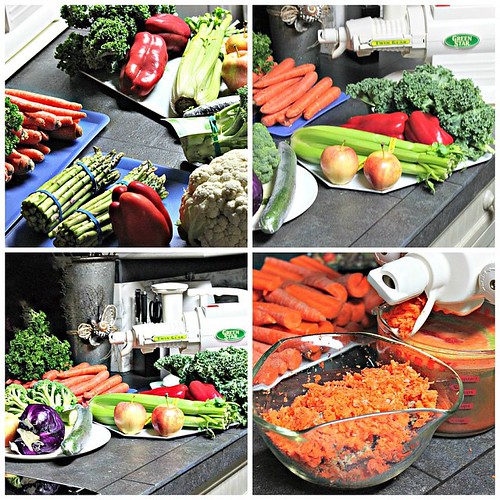
- Organic leafy greens, cucumbers, carrots, broccoli, cauliflower, and zucchini
- Organic berries, apples, pears, bananas, and citrus
- Organic oats, quinoa, brown rice, and sweet potatoes
- Organic yogurt, kefir, tofu, tempeh, eggs, and fish
- Organic nuts, seeds, olive oil, and avocados
- Garlic, onions, ginger, turmeric, and fresh herbs
- Sauerkraut, kimchi, and miso with simple ingredient labels
When shopping, look beyond the front of the package. A product can say organic and still be highly processed. For gut health, simpler is usually better. Fewer ingredients often means fewer irritants, fewer fillers, and better alignment with a clean eating strategy.
Organic Foods to Limit Even on a Clean Eating Plan
Not every organic product automatically supports digestion. Some items may be organic but still heavily sweetened, refined, or ultra-processed. If you are serious about nutrition and weight loss, the quality of the overall formulation matters just as much as the label.
Sugary Organic Snacks
Organic cookies, bars, and candies can be convenient, but convenience does not always equal health. Many of these products still contain enough sugar or low-quality starch to trigger energy crashes and cravings. If you want your gut to feel better, build snacks around whole foods first.
Ask yourself: am I choosing this because it genuinely nourishes me, or because it sounds healthier than it is?
Highly Processed Organic Frozen Meals
Frozen meals can save time, but many contain excessive sodium, low fiber, and very little protein. That combination rarely supports a healthy lifestyle for long. If you rely on convenience food, choose frozen meals with short ingredient lists, real vegetables, and balanced macronutrients.
Too Much Raw Fiber Too Quickly
Yes, fiber is valuable. But jumping suddenly from a low-fiber diet to a very high-fiber one can cause bloating, gas, or discomfort. A better approach is gradual progress. Add one or two fiber-rich foods at a time and increase your water intake alongside them.
A sustainable detox diet is not about deprivation; it is about supporting your body so it can do what it already knows how to do.
How Organic Food Fits Into a Gentle Detox Diet
The phrase detox diet is often misunderstood. Your body already detoxifies every day through the liver, kidneys, digestive tract, and skin. What you can do is reduce the burden on those systems and give them better raw materials to work with. That is where organic food shines.
A gentle detox diet focused on whole foods can include more vegetables, more hydration, fewer additives, less refined sugar, and fewer processed oils. That combination may help you feel clearer, lighter, and more balanced without extreme rules or unsustainable fasting.
Instead of searching for the most dramatic cleanse, think about the most nourishing routine. Would you rather feel temporarily restricted, or consistently well-fed and energized?
Signs Your Routine Is Supporting Detoxification
- Regular digestion and easier elimination
- Less bloating after meals
- Fewer sugar cravings
- Steadier energy throughout the day
- Improved focus and mood
These changes usually happen gradually. That is a good thing. Sustainable progress tends to last longer than dramatic swings.
A Simple 3-Day Organic Reset for Better Gut Health
If you want a practical way to begin, try a short reset that focuses on whole organic foods, simple preparation, and calming your digestion. This is not a starvation plan. It is a focused approach to clean eating that gives your gut a break from excess sugar, ultra-processed foods, and mindless snacking.
Day 1
Breakfast: Organic oats with chia, blueberries, and cinnamon.
Lunch: Mixed greens with cucumber, avocado, grilled chicken or tofu, and olive oil dressing.
Dinner: Salmon or tempeh, roasted carrots, and steamed broccoli.
Snack options: Apple slices with almond butter or plain kefir with a few berries.
Day 2
Breakfast: Eggs with spinach, tomato, and a side of sauerkraut.
Lunch: Quinoa bowl with roasted vegetables, chickpeas, and pumpkin seeds.
Dinner: Vegetable soup with garlic, onion, lentils, and herbs.
Snack options: Pear, walnuts, or cucumber with hummus.
Day 3
Breakfast: Yogurt parfait with flaxseed, strawberries, and a small handful of oats.
Lunch: Brown rice bowl with broccoli, carrots, tofu, and sesame dressing.
Dinner: Baked fish or tofu with sweet potato and asparagus.
Snack options: Kefir, berries, or a small handful of nuts.
Over these three days, notice how your body responds. Are you less bloated? Is your energy more stable? Do your cravings feel easier to manage? These observations matter, because healthy eating works best when you pay attention to how food actually makes you feel.
How Gut Health Supports Weight Loss Without Extreme Restriction
One of the biggest mistakes people make is chasing weight loss in ways that ignore digestion. When your gut is irritated, you may feel hungrier, more tired, and more likely to crave quick energy. That can make even a well-intentioned healthy diet difficult to maintain. Supporting gut health helps change the internal conditions that shape appetite and consistency.
A more balanced microbiome may support better satiety, improved digestion, and a healthier relationship with food. It does not mean organic food is magic, but it does mean that the quality of your choices can make the process feel easier. When your meals are built around clean eating principles, you tend to stay fuller for longer, which naturally helps with portion control.
[IMAGE: fitness lifestyle]
What to Track Instead of Obsessing Over the Scale
If you are trying to lose weight, the scale is only one data point. In fact, it can be misleading if you are eating more fiber or healing from bloating. A more complete picture includes daily energy, sleep quality, bathroom regularity, and how your clothes fit.
- Are you feeling less bloated after meals?
- Do you have fewer cravings between meals?
- Is your energy more consistent in the afternoon?
- Are you enjoying your meals instead of fighting them?
- Do you feel more in control of your food choices?
These are the kinds of improvements that signal real progress. Healthy weight loss is not only about looking different; it is about feeling better in your body.
Practical Habits That Make Clean Eating Easier
Even the best meal plan fails if it is too complicated to follow. The good news is that a gut-friendly organic diet can be simple when you build a few supportive habits into your week. These habits reduce decision fatigue and make healthy choices feel automatic.
- Prep washed greens and chopped vegetables right after shopping
- Keep yogurt, kefir, or fermented vegetables in the fridge
- Cook one grain and one protein in bulk for the next few days
- Carry a portable snack so you are not forced into convenience food
- Drink water consistently throughout the day
- Eat more slowly so your body has time to register fullness
These are small actions, but small actions repeated often create a healthy lifestyle. That is what makes the difference between a short-lived effort and a lasting routine.
Meal Prep Without Burnout
Meal prep does not need to mean spending an entire Sunday in the kitchen. You can keep it practical by preparing components rather than full elaborate meals. Roast a tray of vegetables, cook a grain, wash your greens, and choose one or two proteins. Then combine them differently through the week so your meals still feel fresh.
This approach also helps reduce waste. Organic produce can be an investment, and thoughtful planning makes that investment worthwhile. The more efficiently you use what you buy, the easier it is to maintain your healthy diet long term.
When to Seek More Support
If you continue to experience pain, persistent bloating, irregular digestion, or food sensitivities despite making improvements, it may be wise to speak with a qualified healthcare professional. Organic food and clean eating can support wellness, but they are not a substitute for personalized care when something deeper is going on.
That said, many people notice real improvement when they shift away from processed meals and toward nutrient-dense organic ingredients. Sometimes the body simply needs consistency, simplicity, and time.
If you want better digestion, more stable energy, and a more confident relationship with food, a gut-focused organic food routine can be an excellent place to begin. It is not about chasing the latest trend; it is about returning to foods that support your body in a clear, natural way. The most effective healthy diet is one that fits your life, nourishes your cells, and helps you feel strong enough to keep going tomorrow, next week, and all year long. Explore more expert articles on DietOrganic to keep building a cleaner, smarter, and more energized approach to nutrition.
About the Author