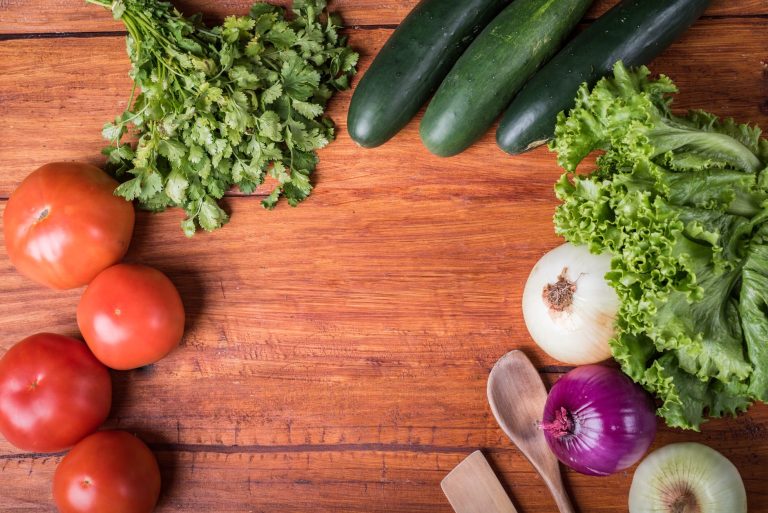

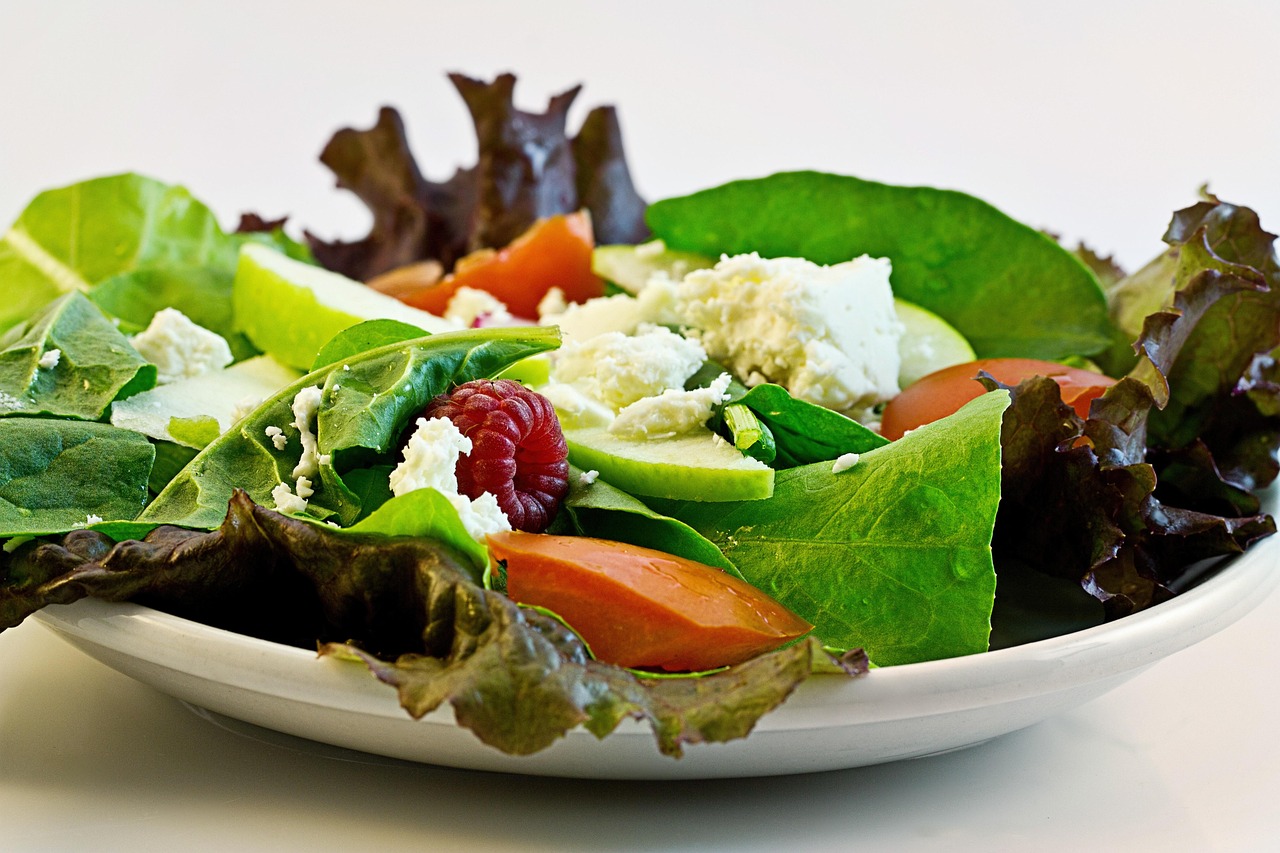
Photo by stevepb on Pixabay
When people talk about clean eating, one question comes up again and again: should you choose organic food, non-organic food, or a little of both? If your goals include weight loss, better nutrition, and a healthier lifestyle, the answer is not as simple as buying the fanciest label on the shelf. It depends on your priorities, your budget, your grocery habits, and the way you actually eat day after day.
Organic food has become a powerful part of the modern healthy diet conversation, and for good reason. Many readers associate it with fresher produce, fewer synthetic pesticides, and a more natural approach to eating. Non-organic food, on the other hand, is often more affordable and more widely available, making it easier to build consistent meals that support weight loss. So which one truly belongs in a clean eating plan? And more importantly, how do you make smart decisions without getting overwhelmed by marketing claims?
This guide takes a practical, expert-led look at organic food versus non-organic food through the lens of clean eating and healthy weight loss. You will learn where organic choices may offer an advantage, where conventional foods are perfectly reasonable, and how to create a sustainable nutrition strategy that fits real life. If your goal is a healthier lifestyle, not just a temporary detox diet or a short-lived trend, understanding this comparison can help you shop more confidently and eat more intentionally.
[IMAGE: organic vegetables]
What Organic Food Really Means
Organic food is produced according to standards that restrict synthetic pesticides, many artificial additives, genetically modified ingredients in many regions, and certain conventional farming practices. That sounds technical, but the core idea is simple: organic farming aims to work with natural cycles rather than relying heavily on synthetic inputs.
For consumers, that often translates into fresh produce, dairy, grains, legumes, and proteins that feel closer to their natural state. Many people choose organic because they want fewer residues from pesticides, a more environmentally conscious farming system, or simply a cleaner way to build meals. But does organic automatically mean healthier or better for weight loss? Not always. The benefits are real, yet they are only part of the story.
Why shoppers gravitate toward organic food
There are several reasons organic food has become central to clean eating and healthy lifestyle conversations:
- Reduced exposure to certain synthetic pesticides
- Preference for fewer artificial ingredients and additives
- Support for farming methods many people view as more sustainable
- A stronger sense of trust in how food is produced
- Perceived freshness, flavor, and quality
Still, the label alone does not make a meal nutritious. A bag of organic chips is still a processed snack. An organic cookie is still a cookie. That is why nutrition matters as much as farming method, especially if you are trying to lose weight.
What Non-Organic Food Brings to the Table
Non-organic food, often called conventional food, is the standard option in most grocery stores. It may be grown with synthetic fertilizers or pesticides and produced using conventional agricultural methods. For many families, it is the most realistic way to feed themselves well without overspending.
Conventional food is not automatically low quality. In fact, many non-organic fruits, vegetables, grains, dairy products, and proteins are highly nutritious and can absolutely support weight loss, clean eating, and long-term health. The key is selecting minimally processed options and building balanced meals rather than focusing only on whether the food has an organic label.
Where conventional foods make sense
There are plenty of situations where non-organic food can be a smart choice:
- When it helps you afford more fruits and vegetables overall
- When organic versions are unavailable or out of season
- When you are shopping for staple foods like oats, rice, beans, or potatoes
- When you need convenient options to keep healthy eating realistic
- When you want to prioritize food quality over branding
If a conventional apple helps you eat more fruit during the week, that is a win for nutrition. Clean eating is not about perfection; it is about consistency.
Organic Food vs Non-Organic Food: The Nutritional Difference
One of the most debated questions in nutrition is whether organic food contains more vitamins, minerals, or antioxidants than conventional food. The answer is nuanced. Some studies suggest small differences in certain nutrients, while others show little to no meaningful gap. In practical terms, the biggest nutritional advantage often comes from eating more whole foods overall, not from obsessing over the label.
That said, there are a few important distinctions to consider if you are building a clean eating plan for weight loss or detox support.
Potential advantages of organic food
Organic produce may reduce exposure to synthetic pesticide residues. Some consumers also report better taste and higher satisfaction, which may help them eat more vegetables and less processed food. For people focused on a detox diet, this can feel especially appealing, even though the body’s natural detox systems are already handled by the liver, kidneys, lungs, and digestive tract.
Potential advantages of non-organic food
Conventional foods often cost less, which can lead to better dietary consistency. If a lower grocery bill means you can buy more lean proteins, fiber-rich vegetables, and fruit, your overall nutrition may improve more than it would from purchasing a few expensive organic items and skimping on the rest. A healthy diet works best when it is sustainable.
What actually drives weight loss
Weight loss is mostly influenced by:
- Calorie balance
- Protein intake
- Fiber intake
- Meal quality and portion size
- Consistency over time
- Sleep, stress, and movement
Organic food can support these goals, but it does not replace them. A clean eating plan built on vegetables, lean proteins, fruit, legumes, healthy fats, and smart portions will do far more for your results than simply choosing one label over another.
How Organic and Non-Organic Choices Affect Clean Eating
Clean eating usually means focusing on foods that are minimally processed, nutrient-dense, and easy for the body to use. In that context, both organic and non-organic foods can fit beautifully. The real question is whether the food moves you closer to a healthier lifestyle or away from it.
For example, organic spinach, organic carrots, and organic lentils are excellent clean eating staples. So are conventional spinach, carrots, and lentils. The farming method matters less than the fact that you are eating vegetables and legumes instead of ultra-processed snacks. Are you building a plate that supports energy, digestion, and satiety? That is what matters most.
Signs your clean eating plan is working
- You feel satisfied after meals
- You have steady energy between meals
- You are eating more fiber-rich foods
- You are relying less on sugar and packaged snacks
- You can maintain your routine without feeling deprived
If organic food helps you get there, wonderful. If conventional food helps you stay consistent, that is equally valuable.
Pesticides, Residues, and the Real-World Perspective
One of the main reasons people choose organic food is concern about pesticide exposure. That concern is understandable, and it is part of the organic food conversation for a reason. But context matters. Food safety agencies in many countries regulate pesticide use, and residue limits are designed to remain within accepted safety thresholds.
That does not mean the issue should be ignored. It means the smartest approach is to balance risk, cost, and practicality. If you want to reduce pesticide exposure, one effective strategy is to prioritize organic versions of the foods most likely to carry residues while buying conventional versions of foods that are easier to clean or peel.
Organic priority foods worth considering
Many nutrition experts suggest paying extra attention to foods like:
- Strawberries
- Spinach
- Kale
- Apples
- Grapes
- Peaches
- Bell peppers
- Celery
These foods are often associated with higher residue levels, so buying organic can be a reasonable choice if they are part of your regular routine. But if the price is too high, do not skip them altogether. A non-organic strawberry is still far better than no fruit at all.
Foods you can often buy conventional
Many people feel comfortable buying non-organic options for foods such as:
- Avocados
- Bananas
- Onions
- Sweet corn
- Asparagus
- Pineapple
- Cabbage
- Frozen peas
This approach helps stretch your budget while still supporting a nutritious, clean eating lifestyle.
The Weight Loss Angle: Which Choice Helps You More?
If your primary goal is weight loss, your best food choices are the ones that help you stay in a calorie range that supports fat loss while keeping you full and energized. That is where organic food can be helpful, but not because of a magical metabolic effect. Instead, organic food often nudges people toward more whole, less processed choices.
When someone starts shopping organic, they often also begin reading labels more carefully, cooking more meals at home, and choosing produce over packaged snacks. Those habits, not the label itself, are often what create better results. So the real question is: does organic food improve your behavior around eating? For many people, the answer is yes.
How to use organic food for healthy weight loss
Try these practical habits:
- Build meals around vegetables, protein, and fiber
- Choose organic produce for foods you eat daily when the budget allows
- Use frozen organic vegetables to save money and reduce waste
- Keep a rotation of simple meal staples instead of buying many specialty items
- Watch portions of calorie-dense organic foods such as nut butters, oils, and granola
It is easy to assume organic automatically means lighter or healthier, but calories still count. Organic peanut butter has the same energy density as conventional peanut butter. Organic sugar is still sugar. Weight loss comes from balance, not branding.
Clean Eating on a Budget: A Smarter Strategy
A common myth is that clean eating requires a premium grocery bill. In reality, smart planning matters more than splurging. You do not need to buy every item organic to build a diet that feels wholesome and supportive. In fact, a mixed approach often works best for people who want both nutrition and financial stability.
If you have ever stood in the produce aisle wondering whether the organic version is truly worth it, you are not alone. The answer depends on how often you eat the food, how important the item is in your diet, and whether the extra cost would force you to compromise elsewhere. Would you rather buy organic berries once a week or regular berries plus more vegetables, beans, and eggs? For many households, the second option is the better nutrition decision.
Budget-friendly clean eating tactics
- Buy organic selectively, not emotionally
- Use frozen produce to save money and preserve nutrients
- Shop seasonal fruits and vegetables
- Choose store brands when quality is good
- Cook batch meals so food does not go to waste
- Plan protein sources in advance to avoid expensive impulse buys
Clean eating should feel empowering, not stressful. The best plan is the one you can repeat next week and next month.
Best Organic Foods for a Healthy Diet
Some foods are especially worth choosing organic if your budget allows. These are usually items you eat often, foods that are heavily featured in your meals, or produce where you want to reduce pesticide exposure as much as possible.
[IMAGE: healthy meal]
Top organic foods to prioritize
- Leafy greens such as spinach and kale
- Berries, especially strawberries and blueberries
- Apples and pears
- Tomatoes and peppers
- Milk, yogurt, and eggs if you prefer organic dairy and animal products
- Oats, rice, and beans if you eat them regularly and want organic staples
These foods can anchor a healthy diet because they are rich in fiber, vitamins, minerals, and phytonutrients. If you want better digestion, stable energy, and a naturally lighter eating pattern, these ingredients are excellent building blocks.
Why these foods matter for weight loss
They help you feel full without providing excessive calories. They also make it easier to create meals that are colorful, satisfying, and nutrient-dense. A bowl of organic berries with Greek yogurt or oats can be a far better breakfast than a processed pastry, even if both are technically food.
Best Non-Organic Foods for an Affordable Healthy Diet
Now let us talk about the foods you can confidently buy conventional without guilt. This is where many clean eating plans become more realistic and more sustainable. If the goal is health, not perfection, non-organic staples deserve respect.
Strong conventional choices
- Bananas
- Avocados
- Onions
- Garlic
- Frozen vegetables
- Sweet potatoes
- Broccoli
- Cauliflower
- Legumes such as lentils and beans
These foods are economical, versatile, and ideal for meal prep. If buying them conventional allows you to eat more vegetables and protein overall, that is usually the smarter nutrition choice.
How to make conventional produce feel cleaner
Good washing habits still matter. Rinse produce under running water, scrub firmer items with a clean brush, and peel foods when appropriate. While washing does not remove everything, it can reduce surface dirt and some residues. A modest routine can give you peace of mind without turning grocery shopping into a chore.
Organic Food in a Detox Diet: What Works and What Does Not
Detox diet marketing can be seductive. It promises quick resets, dramatic cleansing, and instant transformation. But your body is already designed to detox every day through natural biological systems. The smarter question is not, How do I force a detox? It is, How do I eat in a way that supports my body’s natural detoxification processes?
That is where organic food can play a helpful role. Choosing whole foods with fewer additives, more fiber, and less ultra-processing supports liver function, bowel regularity, and steady energy. A detox diet built around organic vegetables, fruit, herbs, legumes, and water-rich foods may feel refreshing because it removes common dietary stressors such as excess sugar, refined flour, and heavily processed snacks.
Foods that support natural detox pathways
- Cruciferous vegetables such as broccoli, cabbage, and Brussels sprouts
- Leafy greens like arugula, spinach, and kale
- Citrus fruits for flavor and hydration
- Fiber-rich foods such as beans, oats, and chia seeds
- Water, herbal teas, and hydrating fruits
Organic versions can be excellent choices, but the core benefit comes from the food group itself, not the certification alone. If you are interested in a detox diet, focus on nourishing meals rather than extreme restriction.
Digestive Health and the Role of Food Quality
Many people notice that when they eat cleaner, they feel lighter, less bloated, and more energized. That is not surprising. Meals based on whole foods often contain more fiber and fewer additives that can disrupt digestion. Organic food can help some people feel more confident about what they are eating, but the digestive benefit usually comes from improving the overall pattern of intake.
For instance, a breakfast of organic oats, berries, and chia seeds may support digestion better than a sugary breakfast sandwich. A lunch of a simple salad with chicken, beans, and olive oil may feel better than a fast-food combo meal. The difference is not just organic versus non-organic. It is whole versus ultra-processed, balanced versus oversized, and intentional versus impulsive.
Foods that improve digestion
- Fiber-rich fruit
- Vegetables with plenty of water content
- Fermented foods such as yogurt or kefir
- Beans and lentils in moderate portions
- Healthy fats in reasonable amounts
- Adequate fluids throughout the day
If your stomach often feels sluggish, look at the full picture. Are you getting enough fiber? Enough water? Too many processed snacks? The answer may be more important than whether your cucumber is organic.
How to Build a Clean Eating Plate Without Overthinking It
One of the most valuable skills in nutrition is learning to assemble a satisfying plate quickly. Clean eating should be practical. It should help you move through busy days without constant decision fatigue. Whether you choose organic or conventional ingredients, the structure of your plate matters more than almost anything else.
A simple plate formula
- Half the plate: vegetables or a vegetable-rich salad
- One quarter: protein such as eggs, chicken, fish, tofu, beans, or Greek yogurt
- One quarter: smart carbohydrates such as brown rice, quinoa, sweet potato, or oats
- Small addition: healthy fats such as avocado, olive oil, nuts, or seeds
Once this formula becomes familiar, clean eating feels less like a diet and more like a reliable rhythm. Organic food can fit into every part of it, but it does not need to dominate it.
[IMAGE: fitness lifestyle]
Sample Shopping Strategy for a Healthy Lifestyle
Imagine walking into the store with a clear plan. You know which foods you want organic, which foods you are fine buying conventional, and which items will help you cook at home all week. That level of clarity is often the difference between success and frustration.
A practical mixed-cart approach
Consider a shopping basket that includes:
- Organic spinach, berries, and apples
- Conventional bananas, avocados, onions, and sweet potatoes
- Organic eggs or yogurt if preferred
- Conventional lentils, oats, and brown rice
- Fresh herbs, olive oil, citrus, and garlic
This kind of cart supports weight loss because it gives you ingredients for breakfasts, lunches, dinners, and snacks without forcing you into rigid rules. It also keeps the focus where it belongs: on the quality of your meals across the whole week.
Questions to ask before you buy
Before putting something in your cart, ask yourself:
- Will I actually use this food?
- Does it support my healthy diet goals?
- Is this the best use of my budget right now?
- Will this item help me cook more meals at home?
- Does it align with my clean eating plan?
These questions are simple, but they prevent expensive mistakes and impulse purchases. Better shopping leads to better nutrition, and better nutrition supports a healthier lifestyle.
Common Myths About Organic and Non-Organic Food
There is a lot of confusion in the wellness world, and food marketing does not always help. Some people think organic food is always superior in every way. Others believe conventional food is somehow unhealthy by default. The truth sits in the middle.
Myth 1: Organic food is always more nutritious
Not necessarily. Some organic foods may have certain advantages, but nutritional quality depends on the specific food, its freshness, and the rest of your diet.
Myth 2: Non-organic food is bad for you
False. Conventional produce, whole grains, lean proteins, and legumes can absolutely be part of a healthy diet and support weight loss.
Myth 3: Clean eating means buying everything organic
Also false. Clean eating is about choosing mostly whole, minimally processed foods and paying attention to balance, not about achieving a perfect organic receipt.
Myth 4: Organic packaged food is automatically healthy
Organic cookies, chips, candies, and desserts are still processed foods. They may be made with different ingredients, but they are not the foundation of a nutritious diet.
When you cut through the hype, one principle remains clear: the best diet is the one you can sustain with confidence, enjoyment, and good results.
What a Week of Smart Eating Can Look Like
Healthy eating becomes easier when you can picture it in real meals rather than abstract advice. If you are trying to lose weight and feel better, here is an example of how organic and non-organic foods can work together in a balanced, realistic week.
Breakfast ideas
- Organic oats with berries, chia seeds, and plain yogurt
- Eggs with spinach, tomatoes, and whole-grain toast
- Smoothie with banana, frozen berries, greens, and protein
Lunch ideas
- Chicken salad with mixed greens, avocado, and olive oil dressing
- Lentil soup with carrots, onions, and herbs
- Quinoa bowl with roasted vegetables and beans
Dinner ideas
- Baked salmon, broccoli, and sweet potato
- Turkey stir-fry with cabbage, peppers, and brown rice
- Tofu bowl with greens, edamame, and sesame dressing
Snack ideas
- Apple slices with nut butter
- Carrots with hummus
- Greek yogurt with cinnamon
- A handful of nuts and seeds
Notice how organic and conventional foods can coexist in the same routine. That flexibility makes your clean eating plan more durable and less stressful.
How to Know If Organic Food Is Worth the Price for You
Not every person needs the same grocery strategy. A single adult with more disposable income may shop differently from a family managing school lunches, sports schedules, and a tight monthly budget. So how do you decide whether organic food is worth it in your case?
Organic may be worth prioritizing if
- You eat certain produce very frequently
- You value organic farming methods highly
- You can afford the difference without reducing food quantity
- You feel more motivated to eat healthy when your food is organic
- You want to reduce synthetic pesticide exposure where possible
Conventional may be the better choice if
- Organic prices make you buy less produce overall
- You are trying to stretch a limited grocery budget
- You need simple, reliable staples for meal prep
- You want to focus on whole foods rather than labels
Either way, your healthy diet should help you eat more real food, not create constant guilt. The best plan respects your actual life.
Expert Tips for Making Clean Eating Easier
Most people do not fail at healthy eating because they lack willpower. They fail because the system around them is not set up for success. If you want your organic food and clean eating habits to last, make your environment work for you.
Practical habits that make a difference
- Keep washed produce visible in the fridge
- Prepare one or two proteins in advance
- Use frozen vegetables for fast meals
- Stock simple condiments that make healthy food taste better
- Choose recipes with five to seven ingredients
- Repeat meals you genuinely enjoy
Consistency is not glamorous, but it is powerful. The more friction you remove, the more likely you are to stick to a healthy lifestyle.
And if you are wondering whether a clean eating routine can still feel enjoyable, the answer is absolutely yes. Food should nourish you, but it should also satisfy you. A colorful bowl of vegetables, grains, and protein can be as appealing as any restaurant meal when it is seasoned well and built with care.
Bringing It All Together for Long-Term Health
Organic food and non-organic food are not enemies. They are tools. Used wisely, both can support weight loss, clean eating, and better nutrition. The most effective strategy is often a balanced one: prioritize organic foods where they matter most to you, choose conventional foods where it makes sense, and focus relentlessly on the overall quality of your meals.
Think about your daily habits. Are you eating enough vegetables? Are your meals rich in protein and fiber? Are you using organic options strategically instead of emotionally? Are you choosing foods that fit your budget so you can remain consistent? These questions lead to better decisions than any marketing slogan ever will.
If your goal is a healthier lifestyle, the strongest results come from repeating simple, nourishing choices over time. Organic vegetables, conventional staples, balanced plates, and realistic shopping habits can all work together to create a diet that feels clean, sustainable, and genuinely supportive of weight loss. Keep learning, keep refining, and keep building meals that make you feel your best—then explore more expert articles on DietOrganic for fresh ideas, smart nutrition guidance, and practical healthy eating inspiration that fits real life.
About the Author