
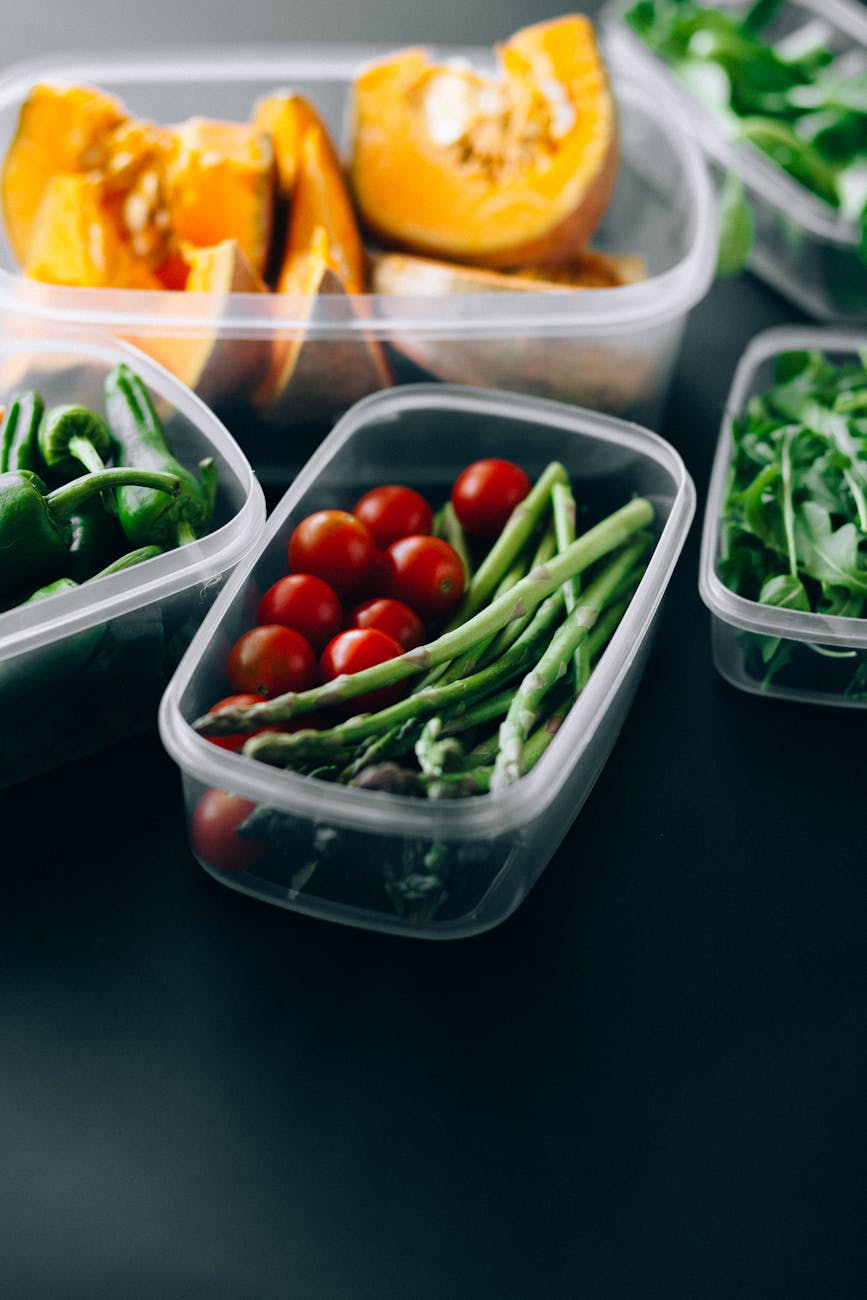
Photo by Nataliya Vaitkevich on Pexels
If you have ever opened the refrigerator at 7 p.m. and realized dinner is still a mystery, you already know why meal prep matters. The right plan does more than save time. It can shape your nutrition, reduce decision fatigue, and make healthy eating feel effortless instead of forced. When that plan is built around organic food, the benefits can feel even more rewarding: fewer processed ingredients, more vibrant flavors, and a cleaner routine that supports your healthy lifestyle day after day.
Organic meal prep is not about turning your kitchen into a clinical lab or spending your entire Sunday chopping vegetables. It is about creating a system that works in real life. Think of it as a practical bridge between clean eating and consistency. With a few smart habits, you can make breakfast faster, lunches more satisfying, dinners easier to assemble, and snacks less impulsive. And if weight loss is one of your goals, that structure can be especially valuable. When you know what is in your meals, how they are portioned, and how they fit your nutrition needs, you are far more likely to stay on track without feeling deprived. Who would not want that kind of calm around food?
In this guide, we will explore organic food meal prep ideas through the lens of everyday wellness, weight management, and flavor. You will learn which ingredients are worth buying first, how to batch-cook without boredom, and how to build meals that support energy, digestion, and steady habits. Whether your goal is a cleaner kitchen, a more balanced schedule, or a simple detox diet style reset built on whole foods, these ideas can help you create a routine that feels polished, realistic, and genuinely sustainable.
Why Organic Meal Prep Works So Well for Clean Eating and Weight Loss
Meal prep works because it removes friction. Organic meal prep works because it removes friction while also raising the quality of the food you eat. That combination is powerful. Instead of wondering what to buy, what to cook, or what to eat when you are tired, you already have a structure in place. The result is fewer last-minute takeout orders, fewer ultra-processed snacks, and more meals made from ingredients you can actually recognize.
For weight loss, the advantage is not magical, and it does not come from a single ingredient. It comes from consistency. People tend to eat better when healthy food is visible, ready, and easy to choose. Organic food often supports that pattern because it naturally leans toward whole ingredients: vegetables, fruits, lean proteins, legumes, grains, nuts, seeds, herbs, and healthy fats. These foods bring fiber, protein, and micronutrients to the table, all of which can support satiety and balanced nutrition.
If you have tried a detox diet in the past, you may have noticed that the biggest benefit was not starvation or strict rules. It was simplicity. A cleaner plate often leads to a clearer mind. Organic meal prep gives you that same sense of order, but in a more flexible, long-term format. You are not chasing a short-term cleanse. You are building a healthy lifestyle that makes nourishing choices repeatable.
Ask yourself: what usually derails your best intentions? Is it lack of time, lack of planning, or the temptation of convenience foods? Once you identify the pattern, meal prep becomes much more strategic. You can prep around your real weak spots, whether that means grab-and-go breakfasts, office lunches, or evening snacks that keep you from overeating later.
What Makes Organic Food a Smart Base for Prepped Meals?
Organic food is especially helpful in meal prep because it often tastes fresher, stores well when handled properly, and encourages you to build meals around whole ingredients rather than packaged shortcuts. That does not mean every ingredient in your kitchen must be organic to support your goals. It means your default choices can be more intentional. When you choose high-quality produce, proteins, and pantry staples, you naturally build meals with better texture, stronger flavor, and a more satisfying nutritional profile.
- It encourages meals built around whole foods instead of heavily processed convenience items.
- It supports cleaner ingredient lists, which can make eating feel simpler and more transparent.
- It often inspires better food habits because you are more likely to cook from scratch.
- It pairs naturally with clean eating, a healthy lifestyle, and balanced portion control.
There is also a psychological benefit. A fridge filled with colorful produce and prepared containers tends to signal success. You see your effort every time you open the door. That visual cue can be surprisingly motivating, especially on busy weekdays when willpower is not at its strongest.
The Best Organic Foods to Keep on Hand for Meal Prep
The smartest meal prep routines begin with ingredients that are versatile, durable, and easy to combine in different ways. If your shopping cart contains foods that can only be used in one recipe, you are more likely to waste food and lose momentum. Instead, think in categories. Choose a few reliable organic foods from each group so you can mix and match through the week without feeling trapped by repetition.
Produce That Holds Up Well Through the Week
Not all vegetables and fruits are equally meal-prep friendly. Some are best eaten right away, while others stay crisp, flavorful, and usable for several days. When you prioritize the right produce, your prep containers stay fresh longer and your meals taste better.
- Leafy greens such as kale, spinach, and romaine for salads and bowls.
- Crunchy vegetables such as carrots, cucumbers, celery, and bell peppers.
- Roasting vegetables such as broccoli, cauliflower, zucchini, and Brussels sprouts.
- Fruit like apples, berries, citrus, and grapes for snacks and breakfast.
- Aromatic additions such as onions, garlic, ginger, and fresh herbs.
These foods work across several meals, which means less waste and more flexibility. If you want to make meal prep feel less repetitive, keep a rotating color palette in mind. A mix of green, orange, red, purple, and white produce automatically makes meals more appealing.
Proteins, Grains, and Healthy Fats That Make Meals Satisfying
Protein is one of the most valuable tools in a weight loss-friendly meal prep routine because it helps meals feel complete and satisfying. Combine it with high-fiber carbohydrates and healthy fats, and you have a formula that can carry you through a busy day without constant cravings.
- Organic eggs for breakfast boxes, frittatas, and quick snacks.
- Plain Greek yogurt or unsweetened plant-based yogurt for bowls and sauces.
- Organic chicken breast, turkey, salmon, or tofu for lunch and dinner.
- Lentils, chickpeas, black beans, and edamame for budget-friendly protein.
- Quinoa, brown rice, oats, and farro for balanced meal bases.
- Avocado, olive oil, walnuts, almonds, chia seeds, and flaxseed for healthy fats.
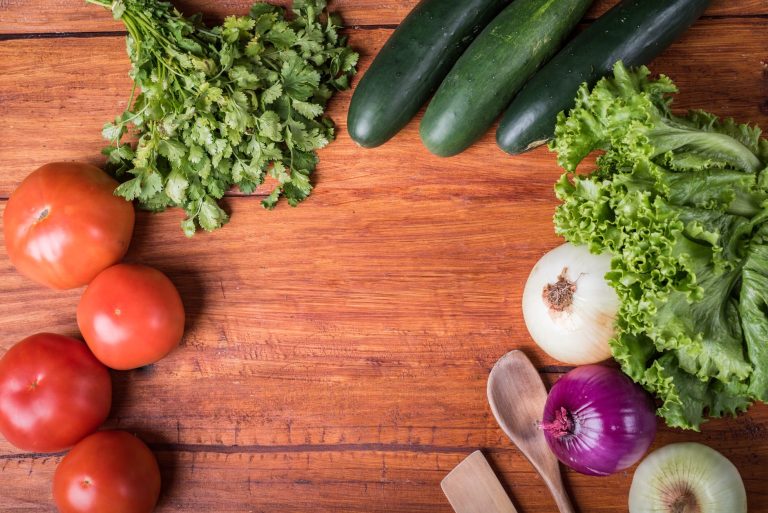
When you combine these ingredients thoughtfully, meal prep becomes much more than reheating leftovers. It becomes a way to design meals that support nutrition and flavor at the same time. [IMAGE: organic vegetables]
How to Build a Weekly Meal Prep System That Actually Works
The best meal prep plan is not the most elaborate one. It is the one you can repeat. Many people fail at clean eating because they overcomplicate the process. They try to prep six recipes in one afternoon, use ingredients they do not really like, and spend too much time on presentation. By Wednesday, the system collapses. A better approach is to create a rhythm that is efficient, flexible, and forgiving.
Choose a Prep Window You Can Protect
Pick a day and time that are realistic for your schedule. For some people, that is Sunday morning. For others, it might be Monday evening after a grocery run. The key is consistency. Protect that window the way you would protect an appointment. Even ninety minutes can be enough if you know what you are making and why.
Before you begin, ask a few practical questions: What meals need the most help this week? What ingredients do I already have? Which foods should be cooked in advance, and which should be left fresh? That small planning step keeps your session focused and reduces wasted effort.
Cook Components, Not Just Full Recipes
One of the smartest organic meal prep ideas is to prepare ingredients rather than rigid meals. Cook a batch of grains, roast a tray of vegetables, prepare one or two proteins, and wash your greens. With those pieces ready, you can assemble bowls, salads, wraps, and plates in minutes. This prevents boredom because you can combine the same components in different ways through the week.
- Roast two trays of vegetables instead of making one large casserole.
- Cook one grain base and one backup grain for variety.
- Prepare a simple protein in two flavors, such as lemon herb and smoky paprika.
- Make one all-purpose dressing or sauce to tie meals together.
Use the 3-2-1 Assembly Rule
If you want a fast structure, try a simple formula: three vegetables, two protein options, and one grain or starch. This is easy to remember and easy to scale. It also keeps your meals balanced without requiring obsessive tracking. For example, a bowl might include roasted broccoli, carrots, and greens; grilled chicken and chickpeas; and quinoa as the base. Add a drizzle of olive oil and lemon, and you have a meal that feels complete and satisfying.
Quick Flavor Builders
Great meal prep is not only about nutrients. It also needs flavor. Without flavor, even the best-organized plan becomes hard to maintain. Keep a few building blocks ready so your food tastes fresh all week.
- Fresh herbs such as parsley, cilantro, dill, and basil.
- Citrus juice for brightness and balance.
- Spice blends such as cumin, turmeric, garlic powder, and paprika.
- Simple sauces like tahini dressing, yogurt herb sauce, or salsa verde.
Flavor is what turns discipline into enjoyment. When you look forward to eating your meals, healthy habits become much easier to sustain.
Organic Meal Prep Ideas for Breakfast, Lunch, Dinner, and Snacks
Meal prep becomes easier when you stop thinking in terms of separate recipes and start thinking in meal formats. A format is a repeatable structure that you can customize based on what you have on hand. This is where meal prep starts to feel creative instead of restrictive.
Breakfast Boxes for Busy Mornings
Breakfast is often the meal people skip or rush through, yet it can shape the rest of the day. A balanced organic breakfast can support energy, focus, and appetite control well into the afternoon.
- Greek yogurt, berries, chia seeds, and walnuts.
- Hard-boiled eggs, sliced avocado, and cherry tomatoes.
- Overnight oats with cinnamon, apple, flaxseed, and almond butter.
- Veggie egg muffins with spinach, onions, and peppers.
These options are easy to portion into containers so you can simply grab and go. If your mornings are especially hectic, prep two or three breakfast choices at once so you do not get bored.
Lunch Bowls That Travel Well
Lunch bowls are ideal for meal prep because they hold up well, reheat easily, and allow for endless combinations. Build one around a base, a protein, a vegetable layer, and a finishing sauce. The result is balanced nutrition without the monotony of eating the same thing every day.
- Quinoa, roasted sweet potato, kale, and chicken with tahini dressing.
- Brown rice, broccoli, chickpeas, and avocado with lemon vinaigrette.
- Farro, cucumber, tomatoes, salmon, and dill yogurt sauce.
- Cauliflower rice, tofu, sautéed greens, and sesame ginger dressing.
Salad Jars That Stay Crisp
Salad jars are a smart solution when you want something light but still filling. The key is layering. Put the dressing at the bottom, followed by sturdy vegetables, proteins, grains if needed, and delicate greens at the top. When you are ready to eat, shake and pour into a bowl.
- Use firm ingredients first: beans, cucumbers, carrots, or peppers.
- Add protein in the middle layer to keep it fresh.
- Place lettuce or herbs at the top to avoid sogginess.
- Keep nuts, seeds, and croutons separate until serving.
Dinners That Reheat Without Losing Appeal
Evening meals should feel grounding, not complicated. Prep dinners that reheat well and still taste satisfying after a day in the fridge. Roasted vegetables, grain bowls, soups, and sheet-pan meals all perform well in this role.
- Sheet-pan salmon with asparagus and baby potatoes.
- Turkey and bean chili with a side of chopped greens.
- Vegetable curry with chickpeas and brown rice.
- Chicken, zucchini, and tomato skillet with herbs.
For a little visual inspiration, imagine a polished tray of colorful containers, neatly packed with vegetables, grains, and protein. [IMAGE: healthy meal]
How to Prep for Fat Loss Without Feeling Deprived
One of the most common mistakes people make when trying to lose weight is assuming they need to eat as little as possible. In reality, that approach often backfires. Meals become unsatisfying, cravings increase, and the pantry starts calling your name at night. Organic meal prep gives you a better path: enough food, better ingredients, and a structure that supports appetite control without extreme restriction.
So what actually helps with fat loss? Meals that provide enough protein, fiber, and volume to keep you comfortably full. Food that tastes good enough to enjoy. Portions that are thoughtful but not punitive. That is the kind of approach that can carry you beyond a short burst of motivation.
Build Each Meal Around Protein and Fiber
Protein helps preserve lean mass and can make meals feel more substantial. Fiber from vegetables, fruits, legumes, and whole grains helps with fullness and digestion. Together, they create a strong nutritional foundation.
- Include protein at every meal, not just dinner.
- Fill at least half your container with vegetables where possible.
- Choose fiber-rich carbs rather than refined options whenever you can.
- Use healthy fats in measured amounts for flavor and satiety.
Watch the Hidden Calories That Sneak In
Even the healthiest meal prep can quietly become calorie dense if you overdo oils, nut butters, cheese, or sweet sauces. This is not a reason to fear these foods. It is simply a reminder to use them thoughtfully. A tablespoon of tahini can transform a bowl, but half a cup can shift the nutritional balance more than you intended.
A useful habit is to portion dressings and toppings separately until mealtime. That makes it easier to control the final texture and calorie load while still enjoying full flavor.
Use Volume Wisely
Volume eating is not about loading up on empty calories. It is about making meals feel abundant with foods that are naturally nutrient-rich and lower in calorie density. Roasted vegetables, leafy greens, broth-based soups, berries, and crunchy salads can all increase satisfaction without overwhelming your intake. If your meals look generous, you are less likely to feel restricted.
This is where a clean eating routine becomes practical. You are not just removing junk. You are replacing it with food that actually supports your body and your goals.
Common Organic Meal Prep Mistakes to Avoid
Even well-intentioned meal prep can go sideways when the plan is too ambitious, too repetitive, or too disconnected from your real schedule. Avoiding a few common mistakes can save you time, money, and frustration.
- Buying too many ingredients for recipes you will never repeat.
- Preparing food you do not enjoy just because it is considered healthy.
- Skipping seasoning and relying on plain ingredients that quickly become boring.
- Storing everything in one large container instead of dividing it into portions.
- Forgetting snacks and then grabbing whatever is easiest later.
- Trying to prep a full week when three or four days would be more realistic.
- Ignoring food safety and leaving cooked items in the fridge too long.
There is also a mindset mistake worth mentioning: believing that perfect prep is the goal. It is not. The goal is a system that helps you eat better most of the time. If one week is less organized than the next, that does not mean you failed. It means you have data. Adjust and continue.
A Sample 3-Day Organic Meal Prep Menu
Sometimes the easiest way to get started is to see how a plan looks in practice. This sample menu is meant to spark ideas, not trap you in a rigid schedule. Use it as a template and swap ingredients according to your preferences, season, and budget.
Day 1
- Breakfast: Overnight oats with almond butter, blueberries, chia seeds, and cinnamon.
- Lunch: Quinoa bowl with roasted broccoli, chickpeas, cucumber, and lemon tahini dressing.
- Snack: Apple slices with walnuts.
- Dinner: Baked salmon, roasted carrots, and sautéed spinach.
Day 2
- Breakfast: Veggie egg muffins and sliced avocado.
- Lunch: Brown rice bowl with chicken, kale, peppers, and a yogurt herb sauce.
- Snack: Plain yogurt with raspberries and flaxseed.
- Dinner: Turkey chili with chopped greens and a side of roasted cauliflower.
Day 3
- Breakfast: Greek yogurt parfait with strawberries, oats, and pumpkin seeds.
- Lunch: Salad jar with lentils, cucumbers, tomatoes, greens, and olive oil vinaigrette.
- Snack: Carrot sticks with hummus.
- Dinner: Tofu and vegetable stir-fry with brown rice and sesame ginger sauce.
Notice the pattern? Each day includes a mix of protein, fiber, and color. That is the kind of nutrition structure that supports energy and makes healthy eating feel naturally integrated into your day.
Grocery List Ideas for a Cleaner Kitchen
A clean eating routine is easier to maintain when your shopping list is organized by purpose. Instead of browsing aimlessly, build a list around the meals you actually plan to make. This saves money, reduces waste, and keeps you focused when you are at the store or ordering groceries online.
Produce
- Spinach, kale, romaine, and mixed greens
- Broccoli, cauliflower, zucchini, carrots, and bell peppers
- Cucumbers, celery, onions, garlic, and tomatoes
- Apples, berries, lemons, and avocados
Protein
- Eggs
- Chicken, turkey, or fish
- Tofu or tempeh
- Lentils, beans, and chickpeas
- Plain yogurt or cottage cheese if you use dairy
Pantry Staples
- Oats, quinoa, brown rice, and farro
- Olive oil, tahini, nut butter, and vinegar
- Chia seeds, flaxseed, walnuts, and almonds
- Herbs, spices, broth, and low-sugar sauces
When your kitchen is stocked with ingredients that serve multiple meals, clean eating stops feeling like a challenge and starts feeling like an organized habit. That is exactly what makes it powerful over time.
How to Make Organic Meal Prep Sustainable for a Healthy Lifestyle
Meal prep should make life easier, not more demanding. If your process becomes stressful, overly expensive, or too rigid, it will not last. Sustainability is what transforms a short burst of healthy behavior into a genuine lifestyle. That means planning with your real budget, your real energy level, and your real schedule in mind.
Plan Around Seasonality and Budget
Organic food does not have to mean buying the most expensive item in every aisle. Seasonal produce is often more affordable, fresher, and easier to use in meal prep. If berries are costly, choose apples or citrus. If fresh greens are expensive, consider a mix of fresh and frozen vegetables. Frozen organic vegetables can be a lifesaver when your week is too packed for frequent shopping.
You can also stretch premium ingredients by using them strategically. Use organic chicken in one or two meals and lean on beans or lentils for the rest. Use higher-cost items as accents rather than the main event.
Use Storage Methods That Protect Freshness
Good storage can make a huge difference in taste and food safety. Wash and dry greens thoroughly, store herbs with a little moisture control, and keep sauces separate until serving. Glass containers work especially well because they seal tightly and let you see what is inside. Labeling can also help if you prep several days at once.
- Keep wet ingredients and dry ingredients separate when possible.
- Store proteins in the coldest section of the fridge.
- Use airtight containers for grains and chopped produce.
- Rotate older meals to the front so they get eaten first.
Build in Flexibility, Not Perfection
A sustainable healthy lifestyle leaves room for real life. Some days you may want a warm bowl, other days a salad, and sometimes you may need a simple snack plate instead of a formal meal. If you build your prep around components instead of strict recipes, that flexibility comes naturally. You can improvise without falling back into random choices.
That flexibility also supports a more intuitive relationship with food. Instead of seeing healthy eating as a set of restrictions, you begin to see it as a toolkit. You are not trapped by your plan. You are supported by it.
[IMAGE: fitness lifestyle]
Once organic meal prep becomes part of your rhythm, it changes more than what is on your plate. It changes how you shop, how you think about nutrition, and how confidently you move through the week. You spend less time negotiating with yourself, less time reacting to cravings, and more time enjoying food that actually fuels you. That is why this approach works so well for clean eating, weight loss, and a healthy lifestyle: it replaces chaos with clarity, and the smallest consistent choices often become the ones that shape the biggest results. If you want more practical ideas for organic food, detox diet inspiration, and everyday wellness, keep exploring the latest articles on DietOrganic and build a routine that fits your life beautifully.
About the Author