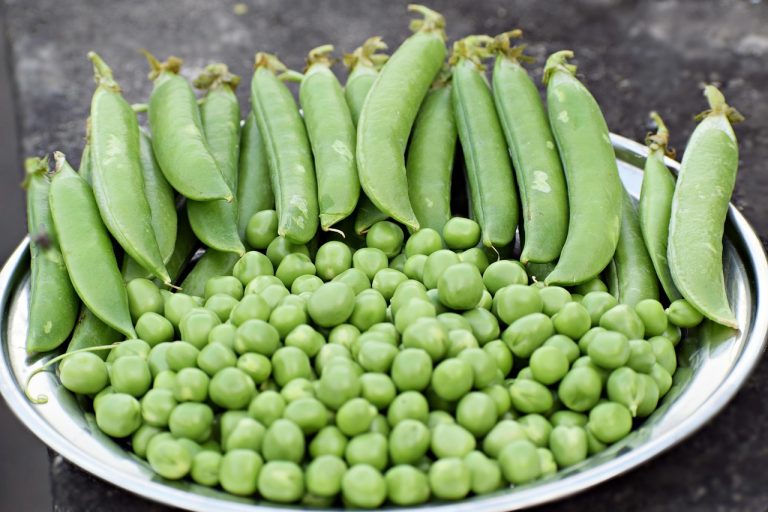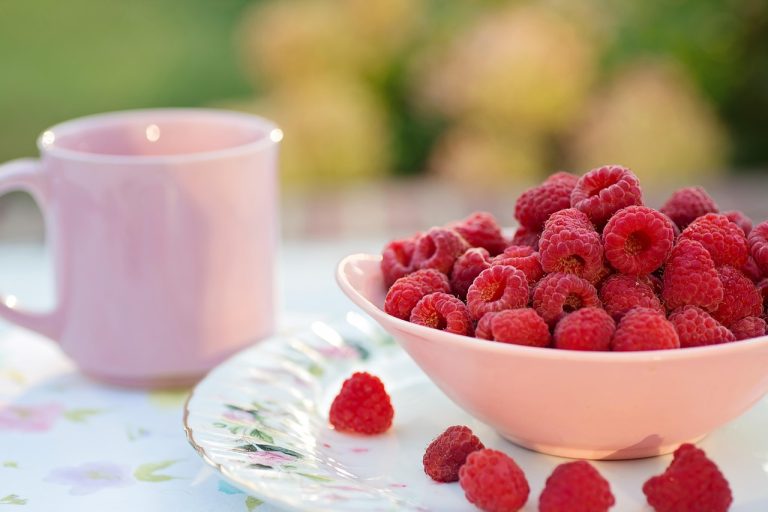

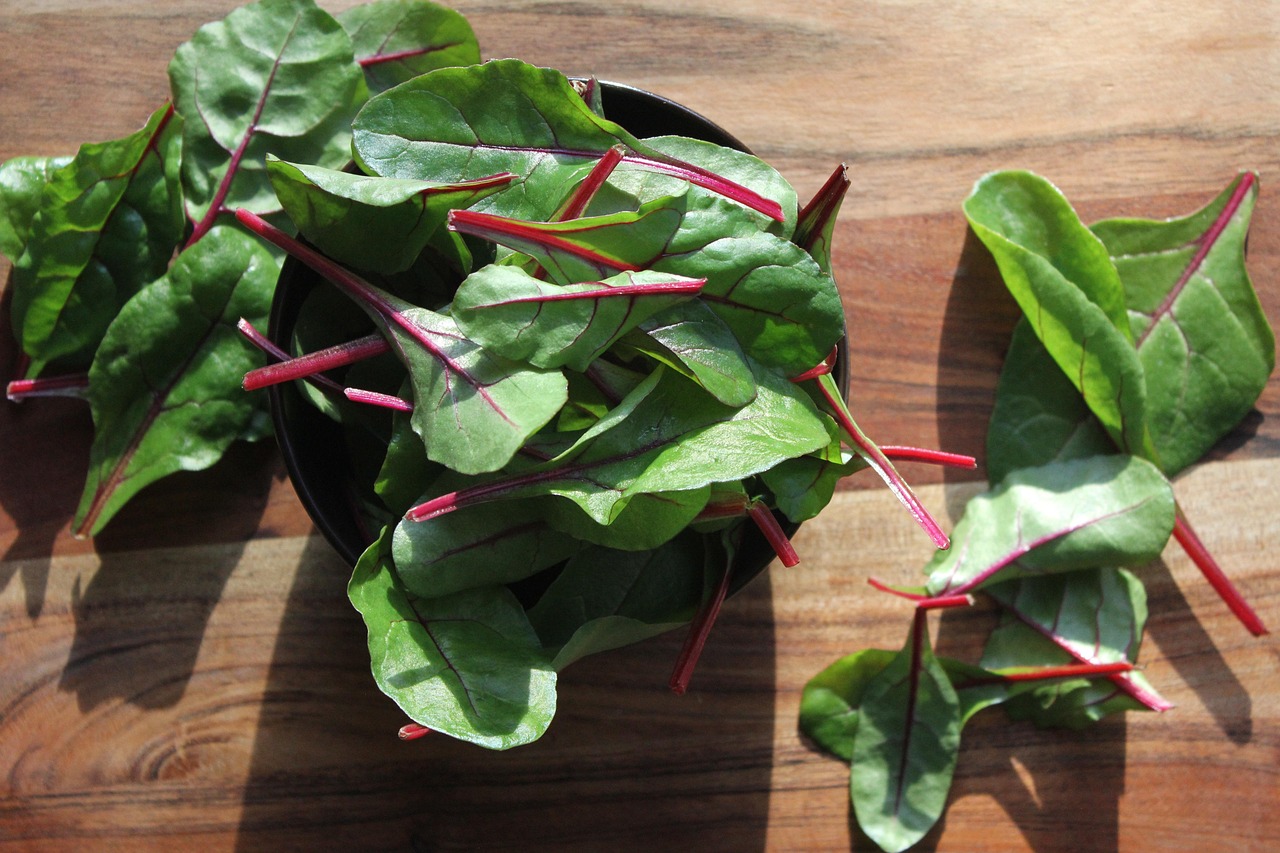
Photo by Mondgesicht on Pixabay
If you have ever tried to lose weight while feeling constantly hungry, drained, or deprived, you already know the problem is not simply willpower. The real challenge is building a way of eating that supports your body instead of fighting it. That is where organic food, clean eating, and a well-designed healthy diet can make a meaningful difference. Rather than chasing the latest shortcut, this approach focuses on food quality, steady nutrition, and habits that are realistic enough to keep for life.
Weight loss does not need to mean obsessing over calories or surviving on bland meals. In fact, the most sustainable results often come from choosing foods that help you feel satisfied, energized, and in control. Organic food can fit beautifully into that picture because it often pushes you toward simpler ingredients, fewer additives, and more mindful shopping. Could that be the missing shift in your routine? For many people, the answer is yes.
[IMAGE: organic vegetables]
Why Organic Food Can Support Weight Loss
Organic food is not a magic formula, but it can be a powerful foundation for a healthier lifestyle. When people begin to eat more organic ingredients, they often end up eating less packaged junk food, fewer artificial flavors, and more whole foods. That simple change matters. Weight loss is rarely about one superfood or one perfect meal; it is about the overall pattern of what you eat day after day.
Organic produce, grains, dairy, legumes, and proteins tend to be part of a cleaner eating style because they are often less processed and more recognizable on the plate. Instead of a long ingredient list, you see real food. That can make it easier to build a nutritious routine without feeling confused by labels or marketing claims.
It Encourages Better Food Choices
Once you start shopping for organic vegetables, organic fruit, and organic proteins, your cart naturally becomes more balanced. You are more likely to cook at home, prepare meals in advance, and avoid the convenience trap of ultra-processed foods. And what happens when processed snacks disappear from your daily pattern? Many people find they stop overeating without trying so hard.
The relationship between organic food and weight loss is not about perfection. It is about setting yourself up to make easier choices. A kitchen stocked with fresh ingredients encourages cooking, and cooking encourages awareness. That awareness is one of the most underrated tools in nutrition.
It Can Help You Feel Full for Longer
Clean eating works best when meals include fiber, protein, and healthy fats. Organic foods often make it easier to focus on these essentials. Think of organic eggs with vegetables, organic Greek yogurt with berries, or a salad topped with beans, seeds, and olive oil. These meals stabilize energy and help you feel satisfied longer, which can reduce mindless snacking.
If you are always hungry between meals, the issue may not be discipline at all. It may be that your food lacks enough substance. Organic food can help shift the balance toward meals that actually nourish you.
The Best Organic Foods for a Healthy Diet and Steady Weight Loss
There is no single list that works for everyone, but certain organic foods are especially useful when the goal is fat loss without extreme dieting. The key is to focus on foods that are nutrient-dense, filling, and easy to prepare.
Organic Vegetables
Non-starchy vegetables should be at the center of a weight loss-friendly clean eating plan. Organic spinach, kale, broccoli, cauliflower, zucchini, cucumbers, peppers, and asparagus provide fiber and volume with very few calories. That means you can eat satisfying portions without overloading your daily intake.
These vegetables also bring vitamins, minerals, and antioxidants that support a healthy lifestyle. For people trying to reduce cravings, a plate packed with colorful vegetables can be surprisingly effective. Your body gets more nutrients, and your meals feel complete rather than restricted.
Organic Fruit
Fruit often gets unfairly blamed in weight loss conversations, but whole fruit is a smart part of a balanced nutrition plan. Organic berries, apples, pears, oranges, and kiwis offer fiber and natural sweetness without the crash that comes from sugary snacks. Have you ever noticed how a bowl of berries leaves you feeling energized rather than sluggish?
Choosing organic fruit can be especially helpful if you eat skins or delicate produce that you would otherwise wash repeatedly. It is less about fear and more about confidence in the quality of what you eat.
Organic Protein Sources
Protein is essential when you want to preserve muscle while losing fat. Organic eggs, organic chicken, organic turkey, organic yogurt, tempeh, tofu, beans, and lentils can all fit into a healthy diet. Protein helps support satiety, stabilizes blood sugar, and makes meals more balanced.
Many people under-eat protein at breakfast and then struggle with afternoon cravings. A simple shift, such as adding eggs or yogurt to your morning routine, can change the way your entire day feels.
Organic Healthy Fats
Healthy fats are not the enemy of weight loss. In the right amounts, they help keep you full and make food more satisfying. Avocados, walnuts, chia seeds, flaxseeds, hemp seeds, olives, and extra-virgin olive oil are excellent options. When paired with vegetables and protein, they create meals that feel complete and nourishing.
The trick is portion awareness. Healthy fats are beneficial, but they are also calorie-dense, so a little goes a long way. Clean eating is not about eliminating fats; it is about using them intelligently.
Organic Whole Grains and Legumes
Organic oats, quinoa, brown rice, chickpeas, black beans, and lentils can support energy and fullness throughout the day. These foods are especially useful if your usual diet leaves you tired and reaching for snacks. Fiber-rich carbohydrates are often the missing piece in sustainable weight loss plans because they prevent the feeling of being constantly deprived.
If you have been avoiding carbohydrates completely, consider whether that strategy is really helping you. For many people, whole grains and legumes are the difference between a temporary diet and a maintainable healthy lifestyle.
Clean Eating Works Best When It Is Simple
Clean eating has become a popular phrase, but at its core, it is very practical. It means choosing foods that are close to their natural form, eating more meals at home, and reducing the number of ingredients you cannot pronounce. The goal is not to be rigid. It is to make food easier to understand and easier to digest, both physically and mentally.
A clean eating pattern often supports weight loss because it naturally limits excess sugar, refined flour, and industrial oils. You do not need to ban every treat forever. You simply need a foundation built on nourishing meals that keep you on track more often than not.
The Plate Formula That Keeps You Satisfied
One of the most effective methods for a healthy diet is the balanced plate approach. Fill half your plate with non-starchy vegetables, one quarter with protein, and one quarter with smart carbohydrates. Add a small amount of healthy fat and, if desired, fruit for dessert or a snack later in the day.
This method works because it is visual, flexible, and easy to remember. You do not need to calculate every detail. You just need to create enough balance that your meals support energy, digestion, and appetite control.
What to Limit Without Feeling Restricted
You do not need to demonize foods, but certain items can make weight loss much harder when they appear too often. These include sugary drinks, candy, deep-fried foods, heavily processed snacks, refined pastries, and meals built around empty calories. They tend to offer little nutrition and a lot of overeating potential.
Ask yourself a simple question: does this food make me feel stronger and more focused, or does it leave me tired and hungry again soon after? That question alone can transform your relationship with food.
[IMAGE: healthy meal]
How Organic Food Supports Better Daily Habits
People often think weight loss is about food alone, but habits matter just as much. Organic food can improve daily routines because it tends to encourage planning. When you buy fresh ingredients, you are more likely to wash, chop, cook, and assemble meals ahead of time. That means fewer last-minute decisions and fewer impulsive choices.
This matters because poor food decisions are often a result of fatigue, not hunger. If your kitchen is ready, your life gets easier. And when your life gets easier, your nutrition usually improves without much drama.
Meal Planning Becomes More Intentional
With organic ingredients in your kitchen, meal planning feels less like a diet task and more like self-care. You begin thinking about how to combine foods in a way that supports energy, digestion, and satisfaction. Instead of asking, What should I avoid? you start asking, What will help me feel my best today?
That subtle shift matters. A healthy lifestyle becomes more sustainable when it is built around positive decisions rather than constant restriction.
Grocery Shopping Gets Smarter
Organic food shopping often makes you more selective. You stop filling your cart with random snacks and start prioritizing basics. A list centered on vegetables, fruit, protein, grains, and healthy fats is much easier to turn into real meals. It also helps reduce food waste, because you are buying with purpose.
Consider building your next grocery list around a few categories:
- Leafy greens and cruciferous vegetables
- Fresh fruit for snacks and breakfast
- Lean organic proteins
- Whole grains and legumes
- Healthy fats and seeds
- Herbs, spices, and natural flavor boosters
Could a more organized cart lead to a more organized routine? In many households, the answer is absolutely yes.
The Role of Nutrition in Sustainable Weight Loss
Long-term weight loss requires more than eating less. It requires eating better. Nutrition is the foundation that determines whether your body feels supported or stressed. A diet rich in vitamins, minerals, protein, fiber, and healthy fats gives your system the raw material it needs to function well while you lose fat gradually.
When people undernourish themselves, they often become irritable, sleepy, and obsessed with food. That is not a failure of character. It is a natural response to poor nutrition. Organic food can help shift the focus from deprivation to nourishment, which is far more effective in the long run.
Fiber Is a Weight Loss Ally
Fiber slows digestion, helps regulate appetite, and supports digestive health. It is one of the main reasons whole foods outperform packaged diet snacks. Organic vegetables, fruit, oats, beans, lentils, nuts, and seeds all contribute to better fiber intake.
Here is the practical truth: if your meals do not contain enough fiber, you are probably going to feel hungry again much sooner. That hunger can trigger overeating even when your intentions are strong.
Protein Protects Lean Muscle
During weight loss, your body can lose muscle as well as fat if you do not consume enough protein. That is a problem because muscle helps support metabolism and physical strength. Organic protein sources make it easier to build meals that protect lean tissue while reducing body fat.
Try to include protein at every meal. Breakfast, lunch, dinner, and even snacks can benefit from a protein anchor. This is one of the simplest nutrition strategies with the biggest payoff.
Hydration Still Matters
Even the best organic diet will not feel complete without enough water. Hydration supports digestion, energy, and appetite regulation. Sometimes thirst is mistaken for hunger, which leads to unnecessary snacking. Drinking water consistently throughout the day can help you stay more in tune with your actual needs.
A simple habit is to drink a glass of water before each meal. It is not flashy, but it is effective.
Detox Diet Myths and What Actually Helps
The phrase detox diet is popular, but it is often misunderstood. Your body already has built-in detox systems, especially the liver, kidneys, and digestive tract. You do not need harsh cleanses or extreme restrictions to support them. What you do need is consistent nutrition, hydration, and rest.
That is where organic food can be especially valuable. By reducing the number of unnecessary additives and focusing on fresh ingredients, you give your body a cleaner environment to work with. The process is less dramatic than a fad cleanse, but much more effective.
Support Detox Naturally
If you want your body to function well, focus on habits that truly help:
- Eat plenty of fiber-rich vegetables
- Include sulfur-rich foods like broccoli, cauliflower, and cabbage
- Stay hydrated with water and herbal teas
- Reduce alcohol and sugary drinks
- Prioritize sleep and stress management
- Keep ultra-processed foods to a minimum
These habits are not extreme, but they are powerful. A real detox diet is not about punishment. It is about creating conditions where your body can do what it already knows how to do.
Why Extreme Cleanses Often Backfire
Many cleanse programs promise rapid weight loss, but what they often deliver is dehydration, fatigue, and rebound eating. The body does not thrive under constant shock. If a plan leaves you miserable, ask yourself whether it is actually sustainable.
The healthier approach is gradual change. That is why organic food and clean eating work so well together. They support progress without demanding perfection.
Organic Meal Ideas That Make Healthy Eating Easier
One of the biggest reasons people fail at weight loss is simple boredom. If every meal feels repetitive, motivation drops. The good news is that organic ingredients can be turned into flavorful meals without a lot of complexity. You do not need to become a chef to eat well.
Breakfast Ideas for Energy
A strong breakfast can set the tone for the whole day. Try combining protein, fiber, and healthy fat in one meal. For example, organic eggs with spinach and avocado, overnight oats with berries and chia seeds, or plain organic yogurt with walnuts and sliced pear.
The goal is to avoid the blood sugar roller coaster that often comes from pastries, cereal, or sweet coffee drinks. Do you notice how some breakfasts leave you hungry by 10 a.m.? That is usually a sign the meal was too light on protein and fiber.
Lunch Ideas That Prevent Afternoon Crashes
Lunch should be filling enough to carry you into the afternoon without a crisis. A salad with organic chicken, quinoa, cucumbers, tomatoes, seeds, and olive oil is a solid choice. So is a bowl made with lentils, roasted vegetables, and a tahini dressing.
[IMAGE: fitness lifestyle]
Dinner Ideas That Keep You on Track
At dinner, many people overeat because they are overly hungry by the end of the day. A well-balanced organic dinner can prevent that. Think grilled salmon with broccoli and sweet potato, turkey lettuce wraps with vegetables, or tofu stir-fry with brown rice and ginger.
Simple dinners are not boring when the ingredients are fresh. In fact, the cleaner the flavors, the more satisfying the meal often becomes.
Smart Snacks for Weight Loss
Snacking is not the enemy. Mindless snacking is. The right snacks can help stabilize energy and prevent overeating at the next meal. Better organic snack options include:
- Apple slices with almond butter
- Carrots and hummus
- Organic yogurt with berries
- Handful of walnuts or pumpkin seeds
- Cucumber slices with cottage cheese
- Hard-boiled organic eggs
These choices work because they provide substance. They are not just fillers. They help you feel fed.
A Sample Day of Organic Clean Eating for Weight Loss
Sometimes the easiest way to understand a healthy diet is to see it in action. A sample day can show how organic food fits naturally into a weight loss plan without extreme rules.
Breakfast
Organic eggs scrambled with spinach and tomatoes, served with a slice of whole-grain toast and half an avocado. Drink water or unsweetened herbal tea.
Mid-Morning Snack
Organic berries with a small handful of walnuts.
Lunch
Grilled organic chicken over a large salad with mixed greens, cucumbers, carrots, chickpeas, and olive oil dressing.
Afternoon Snack
Plain organic yogurt with chia seeds and cinnamon.
Dinner
Baked salmon, roasted broccoli, and quinoa with lemon and herbs. If you want something sweet afterward, have a small apple or kiwi.
This kind of day works because it is balanced, satisfying, and easy to repeat. It does not rely on starvation or complicated meal rules. It simply uses clean eating principles to keep nutrition high and cravings lower.
Common Organic Diet Mistakes to Avoid
Even with the best intentions, people sometimes make mistakes that slow progress. Knowing what to watch for can make your healthy lifestyle much more effective.
Assuming Organic Automatically Means Low-Calorie
Organic cookies are still cookies. Organic chips are still chips. Organic food can be healthier, but it is not a free pass to eat unlimited portions. Portion size still matters when your goal is weight loss.
Not Eating Enough Protein
Many clean eaters overload on salads and under-eat protein. That can lead to hunger, weakness, and snacking. If your meals are mostly plants, make sure they also contain enough protein to keep you full.
Skipping Meals and Rebounding Later
Skipping meals might seem like a shortcut, but it often backfires. You become too hungry, then you overeat. A steady eating pattern is usually more sustainable and better for metabolism.
Buying Organic but Still Eating Processed Foods
Organic labels can create a false sense of health. If your diet still revolves around packaged snacks and sugary drinks, progress will be limited. The real value comes from building a whole-food pattern, not from one label on one item.
How to Make Organic Food Affordable
One common objection to organic food is cost. While some organic items are more expensive, there are several smart ways to make them fit into a practical budget. You do not need to buy every item organic to create a healthy diet.
Prioritize the Foods You Eat Most Often
Focus on the items that appear in your routine every week. If you eat apples, spinach, berries, or eggs regularly, those are good candidates for organic purchase. You can mix organic and conventional foods strategically without losing the benefits of clean eating.
Buy Seasonal and Local
Seasonal produce often tastes better and costs less. Local farmers markets or community-supported agriculture programs can also offer fresh organic options at competitive prices. Better flavor often means better meal satisfaction, which can support weight loss by reducing cravings for less nourishing foods.
Cook More, Waste Less
When you cook at home, you stretch ingredients further and control portions more easily. A pot of lentil soup, a tray of roasted vegetables, or a batch of quinoa can become multiple meals. That kind of planning turns organic food from a luxury into a practical habit.
Why This Approach Feels Better Than Dieting
Traditional dieting often focuses on what you cannot have. A clean eating approach built around organic food focuses on what you can enjoy. That distinction changes everything. Instead of anxiety, you get clarity. Instead of punishment, you get structure. Instead of chasing a quick fix, you build a healthier relationship with food.
This is why so many people find that weight loss becomes less stressful when they shift toward whole ingredients and mindful routines. The body responds well to consistency, and the mind responds well to simplicity. When the two work together, progress becomes easier to maintain.
Ask yourself: would you rather survive another restrictive diet, or build a way of eating that supports your energy, confidence, and health for years to come? The answer usually reveals the path worth following.
Organic food can be a valuable tool for anyone who wants weight loss without chaos, clean eating without obsession, and a healthy lifestyle that still feels enjoyable. The most successful plans are not the harshest ones; they are the ones you can repeat on ordinary days, in ordinary kitchens, with ordinary effort. That is the quiet power of nourishing your body well, and if you want more practical guidance like this, explore more articles on DietOrganic to keep building a healthier routine one meal at a time.
About the Author