
Photo by Daniel on Unsplash
If you have been trying to lose weight without feeling deprived, the answer may be simpler than the latest diet trend. A thoughtful organic food routine can support weight loss in a way that feels realistic, nourishing, and sustainable. Instead of chasing quick fixes, clean eating built around whole foods can help you eat well, manage cravings, and create a healthier lifestyle that actually lasts. The real advantage is not only what you remove from your plate, but what you add: better nutrition, steadier energy, and meals that leave you satisfied rather than searching for snacks an hour later.
Organic food is often associated with cleaner ingredient lists, fewer synthetic inputs, and a more mindful approach to eating. While no single food can guarantee fat loss, choosing the right organic foods can make a meaningful difference in appetite control, calorie quality, and meal satisfaction. Have you ever noticed how a bowl of fresh vegetables, a protein-rich meal, or a simple fruit snack can feel more filling than a packaged product with the same number of calories? That difference matters. In a healthy diet, the texture, fiber, micronutrients, and natural satiety signals of real food all work together.
This guide focuses on the best organic foods for weight loss, why they can help, and how to turn them into practical meals that fit busy days. You will find grocery ideas, plate-building strategies, snack suggestions, and a few smart ways to think about detox diet marketing without falling for extremes. If your goal is cleaner eating, better nutrition, and steady progress, this is where those habits begin.
Why Organic Food Can Support Weight Loss
Weight loss is never just about one nutrient or one magical superfood. It is about consistency, total intake, and the quality of the food choices you repeat every day. Organic food can support that process because it often encourages a cleaner kitchen environment and more intentional eating. When you stock your home with vegetables, fruit, eggs, yogurt, legumes, nuts, and minimally processed staples, your meals naturally shift toward balance.
Many people find that clean eating becomes easier once they start buying more organic produce and fewer convenience foods. Why? Because the routine changes. You begin shopping with a plan, cooking more often, and making decisions based on nutrition rather than impulse. That shift can reduce mindless snacking and make healthy habits feel more automatic.
There is also a psychological effect worth acknowledging. People often take organic food more seriously. If you spend time selecting quality ingredients, you may be less likely to waste them and more likely to prepare meals that support your healthy lifestyle. A simple basket of fresh groceries can remind you to eat with purpose. That matters when motivation is low.
What organic food does differently
Organic food is not a weight-loss guarantee, but it can support better eating patterns in several ways. First, many organic options are less likely to be paired with added sugars, refined oils, and ultra-processed fillers. Second, organic produce encourages more vegetables and fruit in daily meals, which can increase fiber and volume without dramatically raising calories. Third, organic protein sources and dairy options may help you build meals that keep hunger under control.
When you compare a plate of roasted organic vegetables with a packaged snack, the difference is clear. One gives you fiber, water, micronutrients, and chewing satisfaction. The other may offer a quick hit of energy followed by a crash. Which would help you stay on track in the afternoon? The answer usually reveals itself quickly.
Why clean eating often works better than strict dieting
Strict dieting can create short bursts of progress, but it often fails because it is too rigid to maintain. Clean eating, on the other hand, is flexible. It focuses on whole foods, simple preparation, and habits that fit real life. That approach can support weight loss because it is easier to repeat.
Clean eating also reduces decision fatigue. Instead of obsessing over every calorie, you can build meals from a few reliable categories:
- Organic vegetables for volume and fiber
- Organic fruit for natural sweetness and vitamins
- Organic protein for satiety and muscle support
- Healthy fats for flavor and satisfaction
- Whole grains and legumes for steady energy
When these elements are in place, you are less likely to feel like you are dieting. You are simply eating in a way that supports your body.
The Best Organic Foods for Weight Loss
Not every organic food is automatically ideal for fat loss. Organic cookies are still cookies, and organic chips are still chips. The real winners are foods that combine high nutrition with high satisfaction. These are the staples that can help you stay full, support digestion, and make your meals feel complete.
Leafy greens
Spinach, kale, arugula, romaine, and Swiss chard are some of the most powerful foods for a weight-loss-focused clean eating plan. They are low in calories but rich in volume, which helps you feel full with less energy intake. They also provide folate, vitamin K, magnesium, and other nutrients that support a healthy lifestyle.
Leafy greens work especially well in salads, smoothies, sautés, soups, and breakfast scrambles. If you struggle to eat enough vegetables, start by adding one handful to each meal. Small habits compound over time.
Cruciferous vegetables
Broccoli, cauliflower, cabbage, Brussels sprouts, and bok choy deserve a place on every organic grocery list. They are satisfying, versatile, and excellent for meal prep. Their texture alone can make a dish feel more substantial, which helps with portion control. Roasted cauliflower or broccoli can replace heavier side dishes while still giving you a comforting, flavorful plate.
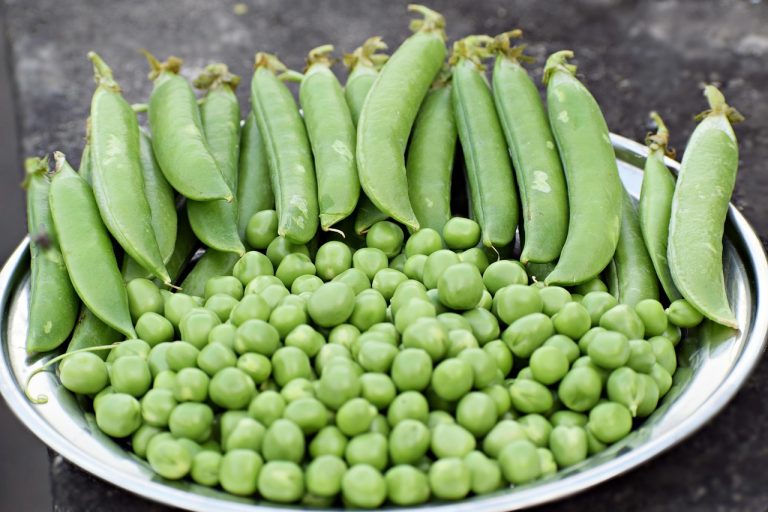
[IMAGE: organic vegetables]
These vegetables also support fiber intake, which is important for digestion and appetite regulation. If you have ever felt hungry shortly after eating, ask yourself whether your plate had enough fiber and enough volume. Often, the answer is no.
Berries
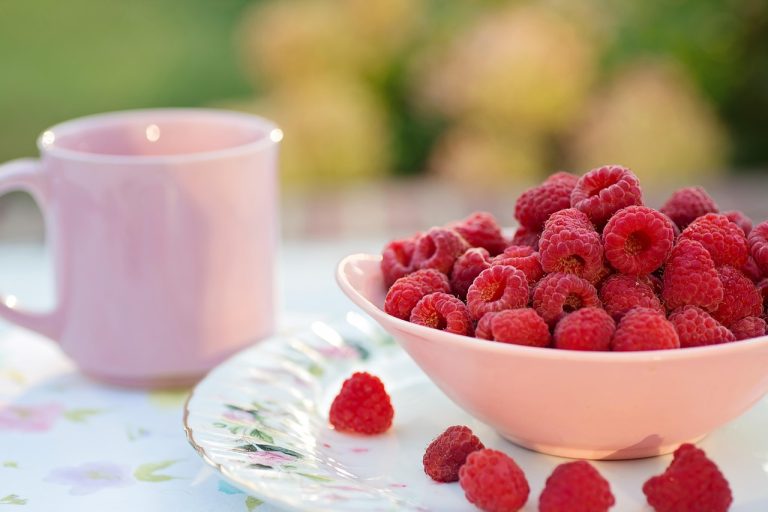
Blueberries, strawberries, raspberries, and blackberries are ideal for anyone trying to lose weight without giving up sweetness. Berries are naturally lower in sugar than many other fruits, and they are packed with antioxidants and fiber. That combination makes them one of the best organic foods for a healthy diet.
Try adding berries to yogurt, overnight oats, chia pudding, or simple snack bowls. They can also reduce cravings for desserts when you want something sweet but nourishing. A small bowl of organic berries can feel indulgent while still fitting a clean eating plan.
Apples and pears
Apples and pears are excellent portable snacks because they are filling, naturally sweet, and easy to pair with protein or healthy fat. Their fiber content supports satiety, and their crunch can satisfy the desire to snack mindfully. For people who struggle with afternoon hunger, this is one of the simplest solutions.
Pair an apple with almond butter, or enjoy a pear with a handful of walnuts. These small combinations can turn a basic snack into a balanced mini-meal that supports weight loss and steady energy.
Organic eggs
Eggs are one of the most practical organic protein sources for breakfast and beyond. They are rich in protein, versatile, and quick to prepare. A protein-centered breakfast can help reduce cravings later in the day, which is why eggs are often recommended in a healthy lifestyle plan focused on weight management.
Scrambled eggs with spinach, boiled eggs with vegetables, or an omelet with mushrooms and tomatoes are easy ways to start the day with balance. If mornings are rushed, prep a few hard-boiled eggs ahead of time.
Plain organic Greek yogurt
Plain Greek yogurt provides protein, creaminess, and a satisfying texture that can replace less nutritious snacks. It is especially useful when topped with berries, seeds, or cinnamon. For many people, yogurt is a bridge food: it feels comforting enough to enjoy daily but light enough to fit weight loss goals.
Look for unsweetened versions so you can control the flavor and avoid added sugar. This small decision can make a big difference over time.
Legumes and beans
Lentils, chickpeas, black beans, and kidney beans are among the most overlooked organic foods for weight loss. They deliver plant-based protein, fiber, and slow-digesting carbohydrates that keep you full. They are especially valuable if you are building a clean eating routine on a budget.
Beans can be added to soups, salads, grain bowls, tacos, and stews. Their texture and substance help meals feel hearty, which is useful when you are trying to avoid the post-meal snack hunt. Could a simple bowl of lentil soup be more satisfying than a packaged lunch? In many cases, absolutely.
Organic chicken, turkey, and fish
For people who eat animal protein, organic chicken, turkey, and certain responsibly sourced fish can support fat loss by increasing satiety and preserving lean mass. Protein helps you feel full longer and can make weight loss easier to sustain. A diet that is too low in protein often leads to hunger, rebound eating, and frustration.
Choose simple preparations such as grilling, baking, roasting, or poaching. Keep seasonings fresh and minimal. The goal is flavor without turning a nutritious protein into a calorie-heavy dish.
Avocados
Avocados contain healthy fats that make meals more satisfying and flavorful. While they are calorie-dense, they can still support weight loss when used thoughtfully. A few slices can improve the texture of salads, toast, grain bowls, and egg dishes, making it easier to enjoy a clean eating pattern.
Healthy fats matter because they slow digestion and help you feel satisfied. If your meals always leave you hungry, adding a moderate amount of avocado may help.
Whole grains in moderation
Organic oats, quinoa, brown rice, and buckwheat can fit into a weight loss plan when portions are sensible. They provide energy, fiber, and structure to meals. Whole grains are especially helpful for people who exercise regularly or need steady fuel during the day.
The key is balance. Use grains as a base, not the entire meal. For example, a half-cup of quinoa with vegetables and protein is far more effective than a large bowl of grain alone.
How to Build a Weight-Loss Plate with Organic Food
One of the easiest ways to make organic food support weight loss is to stop thinking in terms of restriction and start thinking in terms of structure. A balanced plate removes guesswork. It also helps you avoid overeating, which often happens when meals are built around one dominant ingredient, such as refined carbs or oils.
The simplest formula is this:
- Half the plate: organic vegetables
- One quarter: organic protein
- One quarter: whole grains or starchy vegetables
- Small amount: healthy fat or a flavorful sauce
This pattern works because it provides volume, fiber, protein, and satisfaction in a proportion that is easy to repeat. It is also adaptable. A lunch bowl can look different from a breakfast scramble, yet the same principles still apply.
Example of a clean eating lunch plate
A weight-loss-friendly lunch might include grilled organic chicken, roasted broccoli, a scoop of quinoa, cucumber slices, and a spoonful of avocado. This plate offers protein, fiber, hydration, and enough flavor to feel enjoyable without being heavy.
Notice what is missing: excess breading, sugary dressings, fried sides, and empty calories that add up quickly. That is the power of intentional plate building. You get enough food to feel nourished, but not so much that you leave the table sluggish.
Example of a plant-based plate
If you prefer vegetarian eating, try a bowl of lentils, cauliflower rice, roasted carrots, sautéed greens, and tahini dressing. Add a sprinkle of seeds for texture. This kind of meal can be deeply satisfying while still supporting weight loss and nutrition goals.
Plant-based clean eating can be especially effective when it includes enough protein and fiber. Have you ever felt hungry after a salad that was mostly leaves? That usually means the meal lacked protein, fat, or substance. The solution is not to eat less food, but to build the meal more intelligently.
Portion cues that help without tracking every bite
You do not need to count every gram of food to make progress. Visual cues can be enough for many people. Use your hand as a guide:
- Palm-sized protein portion
- Two fists of vegetables
- One cupped hand of grains or starch
- Thumb-sized portion of fat
These cues make clean eating feel practical rather than obsessive. They also support consistency, which is where long-term weight loss happens.
Healthy Snack Ideas That Prevent Overeating
Snacking is not the enemy. Unplanned snacking is. The best organic snacks for weight loss are simple, portable, and satisfying enough to bridge the gap between meals. If you wait too long and become overly hungry, it becomes much harder to make wise choices. That is when the vending machine or drive-through starts looking far too appealing.
Here are some organic snack ideas that fit a healthy diet:
- Apple slices with almond butter
- Plain Greek yogurt with berries
- Carrot sticks with hummus
- Boiled eggs with cucumber slices
- Handful of walnuts with a pear
- Celery with avocado and sea salt
- Edamame with a sprinkle of herbs
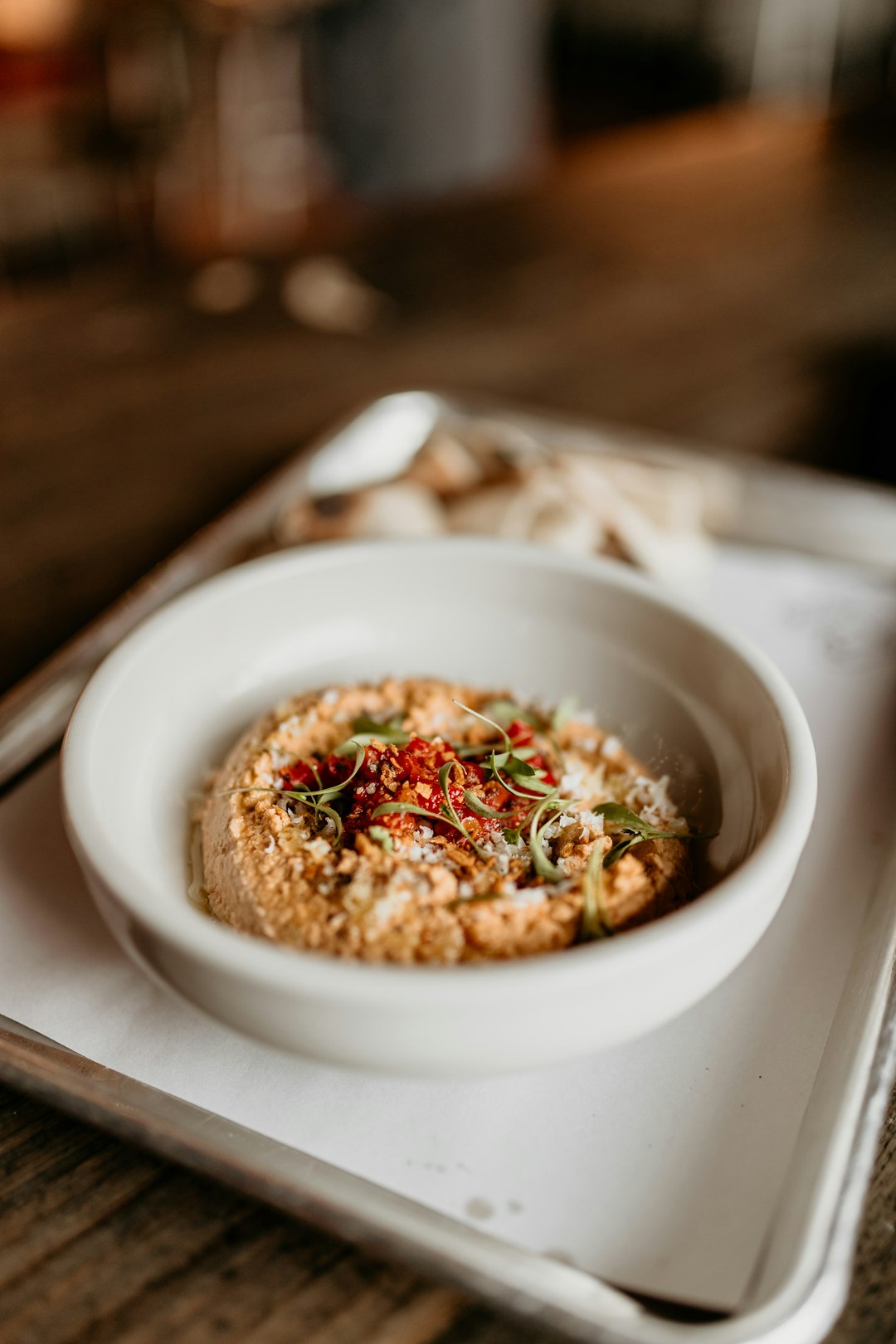
[IMAGE: healthy meal]
The best snacks are not highly stimulating. They are steady, balanced, and satisfying. If your snack leaves you craving more sugar, it probably was not a true snack at all. It was a dessert in disguise.
How to avoid snack traps
Many people think they are hungry when they are really bored, stressed, or under-fueled from an unbalanced meal. Before reaching for food, ask yourself a few questions: Did I eat enough protein at lunch? Have I had enough water? Am I actually hungry, or do I just need a break?
This pause can protect your weight loss progress. It also helps you build awareness, which is one of the most underrated tools in nutrition.
The Truth About Detox Diets and Weight Loss
The phrase detox diet gets a lot of attention, but it often creates more confusion than clarity. Your body already has natural detox systems, including the liver, kidneys, skin, and digestive tract. That means the goal is not to force a crash cleanse. It is to support those systems with adequate nutrition, hydration, fiber, and rest.
Organic foods can play a useful role here because they are often less processed and more aligned with a clean eating routine. Instead of relying on restrictive detox diet products, focus on real foods that help your body function efficiently. Broccoli, beets, leafy greens, cucumber, berries, citrus, garlic, and ginger are all excellent additions.
What does a sensible detox-supportive meal actually look like? Think of a green salad with herbs, avocado, seeds, salmon or lentils, and a citrus dressing. That is supportive. A week of juice-only drinking is not.
Support your body, do not punish it
Many detox programs fail because they create stress, under-eating, and rebound overeating. That pattern does not help weight loss. It disrupts it. A healthier strategy is to give your body what it needs so it can do its job naturally.
Supportive habits include:
- Drinking enough water throughout the day
- Eating enough fiber from vegetables, fruit, beans, and whole grains
- Including protein at each meal
- Reducing highly processed foods
- Sleeping well to regulate appetite hormones
- Moving your body daily
This is how a real detox diet should work: quietly, consistently, and without drama.
Meal Prep Ideas That Make Clean Eating Easier
Meal prep is one of the most effective ways to make organic food fit into a busy schedule. If healthy choices require too much effort every day, you will eventually revert to convenience eating. Planning ahead removes that friction.
Start with a few repeatable components:
- Two proteins: grilled chicken and boiled eggs, for example
- Two vegetables: roasted broccoli and sautéed spinach
- One grain: quinoa or brown rice
- One snack option: berries or cut vegetables
- One dressing or sauce: olive oil, lemon, herbs, or tahini
When these ingredients are ready, you can assemble meals in minutes. That is the beauty of a healthy lifestyle system. It gives you freedom because the decisions are already made.
A simple prep formula for the week
Wash and chop your produce first. Roast a large tray of vegetables. Cook a protein source. Prepare a grain or bean base. Then portion everything into containers or leave it in the fridge for mix-and-match meals. If you enjoy cooking, this can become a calming ritual. If you do not, think of it as a time-saving investment in your nutrition.
[IMAGE: fitness lifestyle]
Picture yourself opening the refrigerator and seeing organized, colorful foods ready to go. That visual alone can reduce decision fatigue and keep your weight loss goals front and center.
Foods That Can Slow Progress Even When They Look Healthy
Some foods appear healthy but do not always support weight loss in practice. This does not mean they are bad; it means portions and context matter. For example, organic granola, smoothie bowls, dried fruit, nut butters, and energy bars can be calorie-dense and easy to overeat.
Ask yourself a practical question: does this food help me feel full, or does it make me want more food soon after? That question is often more useful than counting labels. You want foods that work with your appetite, not against it.
Be especially cautious with:
- Large smoothies with many sweet ingredients
- Organic baked goods that are still high in sugar and fat
- Fruit juices that lack fiber
- Heavy sauces and dressings
- Snack products marketed as natural but made for grazing
Clean eating is not about perfection. It is about choosing foods that support your goal more often than not.
How Exercise Complements an Organic Weight-Loss Plan
Food is the foundation, but movement strengthens the results. A healthy diet built around organic food can help you feel lighter and more energized, while regular activity improves metabolism, mood, and insulin sensitivity. Together, they create a healthier lifestyle that is easier to maintain.
You do not need an extreme workout routine. Walking, strength training, cycling, yoga, and short home sessions all count. The key is consistency. If your body is underused, it may be harder to manage appetite and energy levels. If it is gently challenged each day, your nutrition choices often improve as well.
Movement also provides structure. Many people find that after a workout they naturally want cleaner meals, more hydration, and better recovery. That makes weight loss feel less like punishment and more like a positive feedback loop.
Best meal timing around exercise
Before exercise, a small snack such as fruit and yogurt or an egg with toast can provide energy. After exercise, a balanced meal with protein, vegetables, and complex carbs can support recovery. This is not about eating more for the sake of it; it is about feeding your body intelligently.
If your workouts leave you ravenous, review your meals. Often the issue is not the exercise itself but a lack of nutrition before or after it.
Building a Sustainable Organic Diet Instead of a Temporary Plan
The biggest mistake in weight loss is treating it like a short event. Real change happens when organic food, clean eating, and practical habits become ordinary. You are not looking for a perfect week. You are creating a system you can live with for months and years.
That system should be adaptable. Some days you may eat a full breakfast and a simple lunch. Other days you may need a larger dinner. The structure matters more than rigid rules. When you understand the role of protein, fiber, produce, and balanced portions, you can make better decisions anywhere: at home, at work, or while traveling.
A sustainable plan also includes flexibility. If you go out to dinner, enjoy the meal and return to your usual pattern at the next opportunity. Clean eating is not ruined by one restaurant meal. Progress is built on what happens most of the time.
Habits that support long-term success
- Keep organic vegetables visible in the fridge
- Stock easy protein options
- Plan three to five repeat meals each week
- Drink water before reaching for snacks
- Choose one upgrade at a time instead of changing everything at once
- Measure progress by energy, consistency, and how your clothes fit, not just the scale
This is where many people find their breakthrough. Once the process feels manageable, it becomes easier to stay committed.
Sample Day of Eating with Organic Foods
Sometimes the easiest way to imagine a healthy diet is to see it in action. Here is a simple day built around organic food and weight loss support:
Breakfast: Organic Greek yogurt with blueberries, chia seeds, and a side of boiled eggs.
Lunch: Grilled organic chicken over mixed greens with cucumber, tomatoes, avocado, and a light olive oil dressing.
Snack: Apple slices with almond butter.
Dinner: Baked salmon, roasted broccoli, and a small serving of quinoa.
Optional evening tea: Ginger or peppermint tea for a calming end to the day.
This kind of menu does not feel extreme. It feels balanced, flavorful, and realistic. That is exactly what makes it effective.
Common Mistakes to Avoid When Using Organic Food for Weight Loss
Even a great strategy can fail if common mistakes get in the way. If you are not seeing progress, take a look at the details. Are your portions too large? Are you relying on organic packaged foods that are still highly processed? Are you skipping meals and then overeating later?
Some of the most common mistakes include:
- Assuming organic automatically means low calorie
- Eating too little protein
- Using too many calorie-dense toppings and dressings
- Skipping meals and triggering rebound hunger
- Drinking calories without noticing it
- Expecting fast results from a plan that should be steady and gradual
Weight loss becomes much easier when you stop looking for shortcuts and start refining the basics. Clean eating works best when it is simple enough to repeat.
Ask yourself these three questions
Before you eat, try asking: Will this food keep me satisfied? Does this meal support my nutrition goals? Am I eating because I am hungry or because I am looking for comfort? These questions can bring clarity to a moment that might otherwise be automatic.
That awareness is powerful. It turns food from a reaction into a choice.
A Better Way to Think About Results
Many people judge success only by the scale, but weight loss is only one part of the story. When you move toward organic food and clean eating, you may also notice improved digestion, more stable energy, better focus, and fewer cravings. Those are meaningful wins. They often arrive before visible body changes do.
Progress can show up in subtle ways: you feel lighter after meals, you need fewer processed snacks, your mornings feel less chaotic, and shopping becomes easier because you know what to buy. Over time, these changes create momentum. That momentum is what turns a plan into a lifestyle.
Remember, the goal is not to be perfect. The goal is to become consistent enough that healthy choices begin to feel normal. That is the moment when weight loss stops feeling temporary.
Organic food can be a powerful ally when your goal is clean eating, better nutrition, and sustainable weight loss. By focusing on vegetables, fruit, protein, fiber, and sensible portions, you create meals that support your body instead of fighting against it. If you are ready to keep building a healthier lifestyle, explore more expert articles on DietOrganic and keep learning how small daily choices can create lasting results.
About the Author