
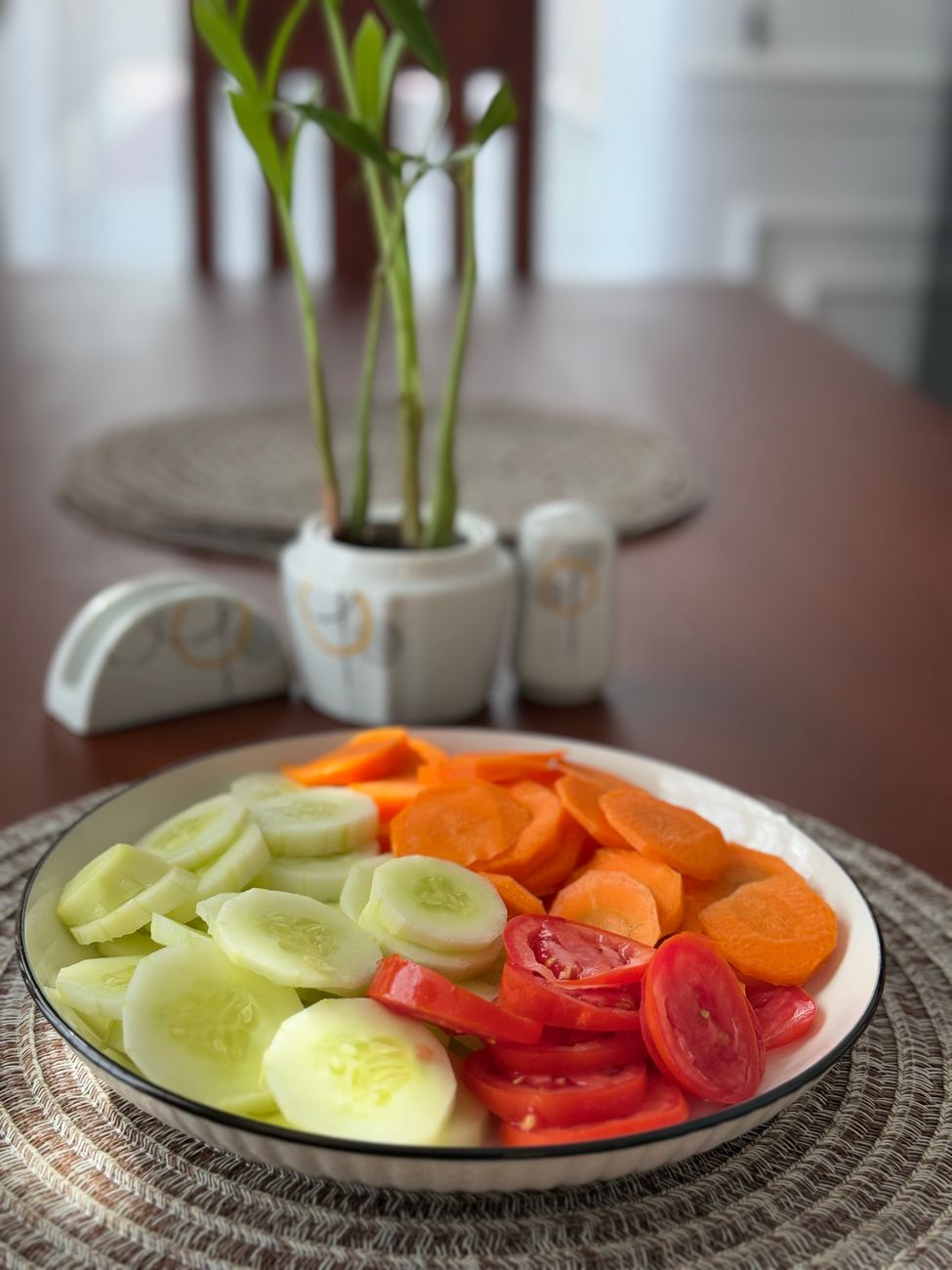
Photo by Maximiliana Eligi Mtenga on Pexels
When people talk about weight loss, the conversation often gets reduced to calories, restrictions, and short-term fixes. But real progress usually begins somewhere more practical: in the kitchen. Choosing organic food can make clean eating feel more satisfying, more nutrient-dense, and far easier to sustain. If your goal is to build a healthy lifestyle without feeling deprived, the right organic foods can support your energy, improve meal quality, and help you stay consistent with your nutrition goals.
What makes organic food so appealing for weight loss? It is not magic, and it is not a shortcut. The advantage is simpler than that. Organic ingredients often help you focus on whole foods, better meal structure, and fewer ultra-processed habits. That shift matters. When meals are built around vegetables, clean proteins, smart carbohydrates, and healthy fats, your appetite tends to stabilize, cravings become easier to manage, and your day feels more balanced. Isn’t that what most people really want from a weight loss plan?
This guide breaks down the best organic foods for weight loss, how to use them in a clean eating routine, and what to watch for if you want results that actually last. Along the way, you will see how organic food fits into a healthier nutrition strategy, where a detox diet may help reset habits, and why the best weight loss plans always respect real life.
Why Organic Food Can Support Weight Loss
Organic food does not automatically burn fat, but it can make fat loss easier to manage. The reason is behavioral as much as nutritional. People who buy more organic ingredients often cook more at home, read labels more carefully, and choose foods with fewer additives. Those habits create a natural foundation for clean eating, and clean eating is one of the strongest predictors of sustainable weight loss.
There is also a satiety factor. Whole organic foods tend to be richer in fiber, water, and micronutrients than heavily processed convenience foods. That combination helps meals feel substantial without overwhelming your calorie intake. A bowl of organic berries, a salad full of colorful greens, or a plate of roasted vegetables with lean protein can fill you up while keeping nutrition on track.
Less Processed Food, Better Appetite Control
Most weight gain does not come from a single meal; it comes from repeated patterns. Ultra-processed foods are designed to be easy to overeat, and they often come with added sugars, refined starches, and excess sodium. Organic food, especially when it is minimally processed, nudges you in a different direction. You are more likely to eat slowly, notice fullness, and stop before you are uncomfortably full.
Ask yourself this: when was the last time you overate a bowl of organic vegetables? In most cases, the answer is never. That is because whole foods work with your body, not against it. They deliver volume, texture, and nutrition in a way that supports a healthier eating rhythm.
More Nutrients, Better Daily Energy
Weight loss is not only about eating less. It is also about feeling well enough to stay active, focused, and disciplined. Organic food can help here by providing a steady supply of vitamins, minerals, antioxidants, and fiber. When your nutrition is stronger, your energy often becomes more stable, which can make workouts, meal prep, and daily movement feel easier.
That is particularly important if you are following a detox diet, intermittent fasting plan, or any calorie-controlled approach. The lower your food intake, the more important each bite becomes. Shouldn’t those calories work hard for you?
The Best Organic Foods for a Weight Loss-Friendly Kitchen
If you want organic food to support weight loss, focus on foods that do three things well: keep you full, deliver steady energy, and help you build balanced meals. The goal is not to stock your kitchen with trendy products. The goal is to create a pantry and fridge that make healthy choices automatic.
Leafy Greens
Spinach, kale, arugula, romaine, and mixed salad greens are some of the best organic foods for weight loss because they offer a lot of volume for very few calories. They are rich in fiber, water, and micronutrients, which means you can build big, satisfying meals without pushing your calorie intake too high.
Try adding leafy greens to:
- Breakfast omelets or tofu scrambles
- Lunch salads with lean protein
- Soups, stir-fries, and grain bowls
- Green smoothies with berries and chia seeds
One simple habit can change your nutrition quickly: start lunch and dinner with greens. Not only does that improve fiber intake, it also makes the rest of the plate easier to balance.
Cruciferous Vegetables
Broccoli, cauliflower, Brussels sprouts, cabbage, and bok choy deserve a permanent place in any clean eating plan. These vegetables are filling, versatile, and ideal for roasting, steaming, or tossing into one-pan dinners. They also pair beautifully with organic protein sources and healthy fats.
Cruciferous vegetables are excellent when you want to feel full on fewer calories. Roasted broccoli with olive oil and garlic, for example, can turn a simple meal into something deeply satisfying. And because they are so flexible, they work just as well in a detox diet as they do in a long-term healthy lifestyle plan.
Berries
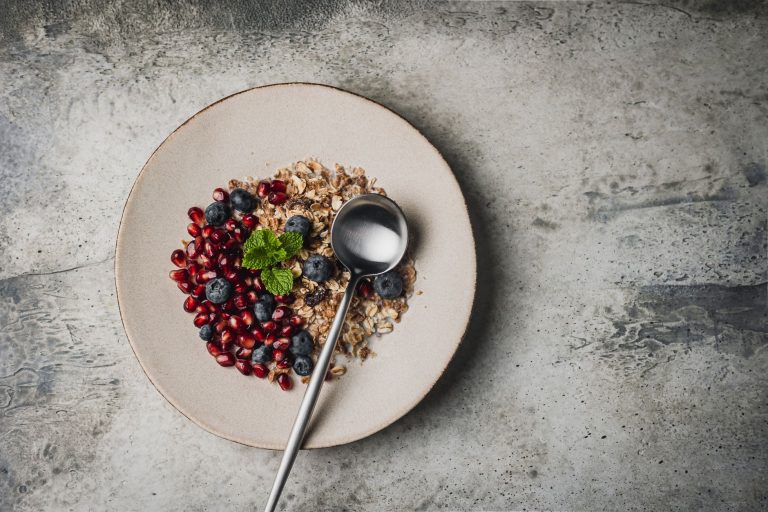
Organic berries are one of the most useful foods for people who want sweetness without a sugar crash. Blueberries, raspberries, blackberries, and strawberries bring antioxidants, fiber, and natural flavor to breakfasts, snacks, and desserts. They are especially useful if you need a transition food while reducing processed sweets.
Use berries to:
- Top oatmeal or Greek yogurt
- Blend into smoothies
- Pair with cottage cheese or chia pudding
- Create a satisfying evening snack instead of cookies or candy
Do you need something sweet at the end of the day? Organic berries are a smarter choice than most packaged desserts because they satisfy cravings while supporting nutrition.
Apples, Pears, and Citrus
Whole fruits are often underrated in weight loss conversations. Organic apples, pears, oranges, grapefruit, and kiwis provide fiber and water, which help you feel full. They are also portable, affordable, and easy to incorporate into a busy schedule.
An apple with almond butter, an orange after a workout, or a pear with a handful of walnuts can prevent the kind of hunger that leads to random snacking. This is how organic food quietly supports weight loss: by keeping hunger predictable.
Organic Eggs, Yogurt, and Cottage Cheese
Protein is essential if you want to lose weight without losing momentum. Organic eggs, plain yogurt, and cottage cheese can anchor breakfasts and snacks with lasting satiety. Protein helps maintain lean mass during weight loss, and it can reduce the urge to overeat later in the day.
Look for simple combinations such as:
- Organic eggs with spinach and tomatoes
- Greek yogurt with berries and chia
- Cottage cheese with cucumber, herbs, and pepper
If dairy does not work for you, organic tofu, tempeh, edamame, and legumes can deliver similar benefits in a plant-based clean eating plan.
Beans, Lentils, and Chickpeas
Legumes are one of the best budget-friendly organic foods for weight loss. They are high in fiber and plant protein, which makes them excellent for blood sugar stability and appetite control. Organic lentils, black beans, kidney beans, and chickpeas can help you build filling meals without relying on refined carbs.
Try them in:
- Lentil soup with vegetables
- Chickpea salads with olive oil and herbs
- Black bean bowls with avocado and salsa
- Bean-based veggie burgers made at home
When people ask how to make weight loss feel less restrictive, legumes are often part of the answer. They are hearty, nourishing, and easy to batch-cook.
Chia Seeds, Flaxseed, Oats, and Quinoa
Whole grains and seeds can absolutely fit into clean eating for weight loss, especially when they are chosen with intention. Organic oats offer slow-digesting carbohydrates that support energy and fullness. Quinoa adds fiber and protein. Chia and flax bring healthy fats that make meals more satisfying.
A few strong uses include:
- Overnight oats with berries
- Quinoa bowls with vegetables and grilled protein
- Chia pudding with cinnamon and fruit
- Ground flaxseed stirred into yogurt or smoothies
These foods are particularly useful if you are looking for foods that boost metabolism naturally, because they help stabilize blood sugar and support a more balanced eating pattern throughout the day.
Avocados, Nuts, and Seeds
Healthy fats are often misunderstood in weight loss plans. Yes, they are calorie-dense, but they also help regulate appetite and improve meal satisfaction. Organic avocados, almonds, walnuts, pumpkin seeds, and sunflower seeds can be powerful tools when used in reasonable portions.
The key is to treat them like supporting actors, not the entire meal. A few slices of avocado, a tablespoon of seeds, or a small handful of nuts can transform a salad or bowl without overloading calories. That balance is what clean eating is really about.
[IMAGE: organic vegetables]
How to Build an Organic Weight Loss Plate
It is easy to collect healthy ingredients and still feel unsure at mealtime. The solution is structure. A well-built plate helps you combine protein, fiber, and healthy fats in the right proportions, so you stay full and avoid random snacking later.
Use the Half-Plate Rule
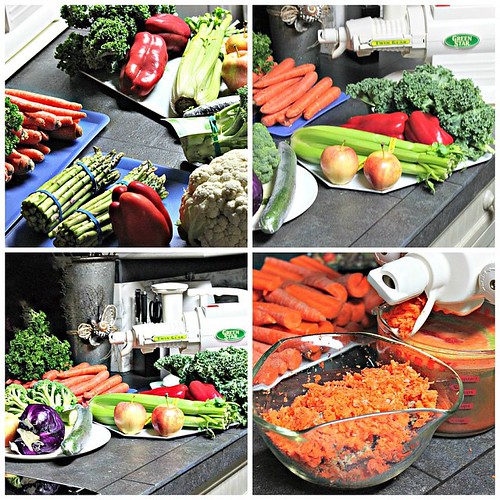
At lunch and dinner, aim to fill half your plate with organic vegetables. This could be a mix of leafy greens, roasted broccoli, zucchini, peppers, cauliflower, or asparagus. The next quarter of the plate should be protein, and the final quarter should be a smart carbohydrate such as quinoa, sweet potato, beans, or brown rice.
This formula works because it is simple. You do not need to count every bite to eat well. You need a repeatable pattern. Why make healthy eating harder than it needs to be?
A simple plate formula
- Half plate: organic vegetables and salad greens
- One quarter: organic protein such as eggs, fish, tofu, chicken, or legumes
- One quarter: clean carbohydrates such as oats, quinoa, lentils, or sweet potato
- Optional addition: a small portion of healthy fats such as avocado, seeds, or olive oil
Build Around Satiety, Not Restriction
Some weight loss diets push people to eat tiny meals that leave them exhausted and hungry. That rarely lasts. A better approach is to build satisfying meals that keep blood sugar stable and reduce the temptation to snack constantly. Organic food can help because it is often less processed and more nutrient-dense, but the real win comes from how you combine ingredients.
For example, a salad made only of greens may be low in calories but not very satisfying. Add protein, seeds, avocado, and colorful vegetables, and suddenly the same meal becomes complete. This is what expert nutrition looks like in real life: meals that feel generous, not punishing.
Hydration Matters More Than Most People Think
Water is part of weight loss, even if it is not always discussed as a food. Many people mistake thirst for hunger, and they reach for snacks when a glass of water would help more. Pair your organic food plan with plenty of water, herbal tea, and water-rich produce such as cucumber, citrus, melon, and lettuce.
If you are starting a detox diet, hydration becomes even more important. It helps your body handle fiber, supports digestion, and reduces the sluggish feeling that sometimes comes with changing your eating routine.
What Organic Foods Should You Buy First?
Not every item needs to be organic all the time, especially if you are working within a budget. The smartest strategy is to prioritize the foods you eat most often and the produce that tends to carry more pesticide residue when conventionally grown.
If your goal is clean eating for weight loss, start with the foods you will actually use every week. That way, your organic food investment goes further and your nutrition stays consistent.
Best Organic Foods to Prioritize
- Leafy greens such as spinach, kale, and romaine
- Berries, especially strawberries and blueberries
- Apples and pears
- Celery, peppers, and cucumbers
- Organic eggs and plain dairy if you use them regularly
- Oats, quinoa, and legumes in bulk
What Can Stay Conventional Sometimes?
If your budget is tight, focus on consistency rather than perfection. Foods with thicker skins such as bananas, avocados, onions, and pineapples are often lower on the priority list. The point is not to create anxiety around shopping. The point is to make smart, sustainable choices that support weight loss and a healthy lifestyle.
Would it be better to buy a smaller amount of high-quality organic food and cook it well, or to buy a cart full of items you never use? In most cases, the first choice leads to better nutrition and less waste.
[IMAGE: healthy meal]
Clean Eating Mistakes That Slow Weight Loss
Even when people choose organic food, they can still run into common mistakes. Weight loss usually slows when healthy intentions are not matched by practical habits. The good news is that most of these issues are easy to fix once you spot them.
Overeating Healthy Calorie-Dense Foods
Organic does not mean unlimited. Nut butters, oils, granola, trail mix, avocado, and dried fruit can all be part of a good diet, but they are easy to overdo. A tablespoon of olive oil is not the same as a free-pour drizzle, and a handful of nuts is not the same as eating from the bag.
If your weight loss has stalled, review portions before you blame your organic food choices. Healthy foods still contain calories, and awareness matters.
Relying Too Much on Packaged Organic Snacks
Organic snack bars, chips, cookies, and frozen desserts can be useful in moderation, but they should not become the core of your clean eating routine. Many of these products are still processed and can be surprisingly easy to overeat. A better strategy is to keep whole foods front and center and use packaged options only when convenience truly matters.
- Better everyday snacks: fruit, yogurt, vegetables, nuts, boiled eggs
- Better planned convenience snacks: simple bars with short ingredient lists
Skipping Protein at Breakfast
A sweet breakfast made only of fruit or toast may sound healthy, but it often leads to faster hunger later in the morning. Protein helps anchor appetite and improve focus. If your mornings are chaotic, choose a breakfast that includes eggs, yogurt, tofu, or protein-rich oats. That small shift can change the whole day.
Forgetting Sleep and Stress
Weight loss is not driven by food alone. Stress, poor sleep, and irregular schedules can increase cravings and lower energy. Even the best organic food plan will struggle if your nervous system is constantly overloaded. Make room for rest, walking, and simple routines that help your body recover.
A Sample Organic Day for Weight Loss
Sometimes the easiest way to understand clean eating is to see it in action. Here is a simple organic food day built for satiety, balance, and real-world flexibility. It is not extreme, and that is the point.
Breakfast
- Organic Greek yogurt or tofu yogurt alternative
- Organic berries
- Chia seeds and cinnamon
- Small portion of oats or granola
This meal offers protein, fiber, and slow-burning energy. It is a strong way to start the day without a sugar spike.
Lunch
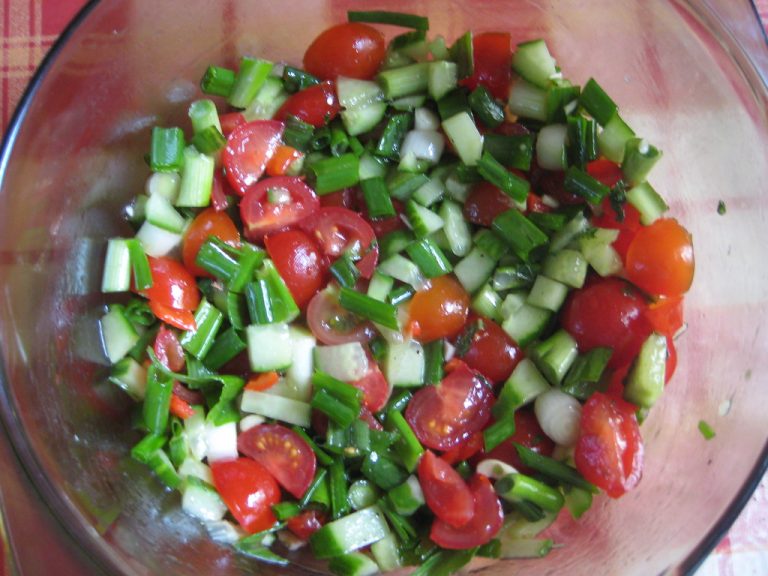
- Big organic salad with greens, cucumbers, peppers, tomatoes, and shredded carrots
- Organic chicken, tofu, salmon, or chickpeas
- Olive oil and lemon dressing
- Quinoa or sweet potato on the side
This meal is filling, colorful, and easy to prep ahead. It supports weight loss without feeling like a diet lunch.
Snack
- Apple with almond butter
- Or a small bowl of cottage cheese with cucumber and herbs
Notice how the snack is not random. It is built to stabilize hunger and help you stay in control before dinner.
Dinner
- Roasted organic vegetables
- Lean protein such as fish, tofu, tempeh, or eggs
- Small serving of brown rice, lentils, or cauliflower mash
By evening, most people need a meal that feels comforting, not restrictive. This kind of plate supports recovery and keeps late-night cravings in check.
Evening Option
- Herbal tea
- A few berries
- Plain yogurt if you are still hungry
[IMAGE: fitness lifestyle]
Organic Meal Prep Ideas That Make Healthy Eating Easier
Meal prep is one of the most underrated tools for weight loss. When your organic food is prepared in advance, you are less likely to reach for takeout or processed snacks when stress kicks in. The point is not to spend your whole Sunday cooking. The point is to make healthy choices easier during the week.
Prep the Building Blocks, Not Just Full Meals
Instead of making seven identical lunches, prep ingredients that can be mixed and matched. Roast a tray of vegetables, cook a pot of quinoa or lentils, wash greens, and make a simple dressing. Then assemble meals as needed. This keeps clean eating interesting and prevents boredom.
Smart Prep Staples
- Washed salad greens
- Roasted broccoli, carrots, and cauliflower
- Hard-boiled eggs
- Cooked quinoa or brown rice
- Chickpeas or lentils
- Berry containers for snacks
- Homemade dressing in a jar
Use Flavor to Stay Consistent
Healthy food should taste good. That may sound obvious, but it is one of the biggest reasons people abandon their plans. Use herbs, citrus, garlic, ginger, turmeric, vinegar, mustard, and spices to make your meals more enjoyable. When organic food tastes appealing, you will want to keep eating that way.
If you enjoy your food, clean eating feels less like a task and more like a lifestyle. And that is exactly what makes it work long term.
[IMAGE: organic vegetables]
Foods That Support Metabolism and Digestion Naturally
Organic food can be part of a larger strategy that supports metabolism, digestion, and energy. While no ingredient can replace consistent habits, certain foods can help you feel lighter and more energized as you move through the day. This matters because weight loss becomes easier when digestion is smooth and meals feel comfortable.
Protein-Rich Foods
Protein has a higher thermic effect than fat or carbohydrates, which means your body uses more energy to digest it. More importantly, protein keeps you fuller for longer and supports muscle maintenance. Organic eggs, yogurt, tofu, tempeh, fish, and legumes all deserve a place in a weight loss-friendly plan.
Ginger, Cinnamon, and Green Tea
These are simple additions, but they can make a big difference in how a routine feels. Ginger can be soothing for digestion. Cinnamon can improve the flavor of oats, yogurt, and smoothies without added sugar. Green tea is a classic drink for people looking for foods and beverages that support metabolism naturally.
Fiber-Rich Produce
Fiber helps regulate hunger and supports digestive health. Organic apples, pears, chia seeds, flaxseed, beans, and leafy greens are excellent options if you want a meal plan that feels both light and satisfying. If your goal is a detox diet, fiber is especially helpful because it supports regularity and helps your body process food efficiently.
Can Organic Food Alone Cause Weight Loss?
This is an important question. The honest answer is no, not by itself. Organic food is a tool, not a guarantee. You still need reasonable portions, adequate protein, enough movement, and sleep that supports recovery. But organic food can make those habits easier to maintain because it naturally guides you toward cleaner choices and better meal quality.
Weight loss is most successful when it feels repeatable. A plan based on organic food, clean eating, and balanced nutrition is often more sustainable than a restrictive approach that leaves you tired and overwhelmed. The goal is not perfection. The goal is consistency.
Think about it this way: if your kitchen is stocked with foods that help you make better decisions, you are already halfway there. That is one of the quiet advantages of choosing organic food for weight loss.
How to Make This Approach Work in Real Life
It is easy to get inspired by healthy recipes and still struggle on busy weekdays. Real life gets in the way. Work meetings run long, children need attention, traffic happens, and stress builds. So the best organic weight loss strategy is the one that survives ordinary days.
Start With One or Two Upgrades
You do not need to overhaul your entire diet at once. Start by swapping one processed breakfast for an organic protein-rich option or replacing one dinner takeout meal with a simple homemade plate. Small wins create momentum. Momentum creates change.
Keep Emergency Foods Ready
- Plain yogurt
- Boiled eggs
- Washed greens
- Frozen organic vegetables
- Fruit
- Tinned beans or lentils
These staples make it much easier to stay on track when you have no time to cook.
Choose Progress Over Perfection
One meal will not define your results, and one imperfect week will not erase your effort. What matters is the direction you keep moving in. If your average week includes more organic food, more vegetables, more protein, and fewer processed impulse purchases, you are already building a healthier pattern.
That is the real meaning of clean eating: not a flawless menu, but a reliable system that supports your health without making daily life feel impossible.
Organic food can be a powerful ally when your goal is weight loss, but the deeper value is even greater. It helps you build meals that feel balanced, energizing, and genuinely enjoyable, which makes healthy eating more sustainable in the long run. If you focus on fiber-rich produce, quality protein, smart carbohydrates, and portions that fit your goals, you create a style of nutrition that supports both results and well-being. Keep exploring DietOrganic for more expert guides on organic food, clean eating, detox diet ideas, and practical healthy lifestyle tips that make your next meal a little better than the last.
About the Author