

Photo by Kampus Production on Pexels
If you have ever tried to lose weight while feeling constantly hungry, bloated, or low on energy, the missing piece may not be another restrictive plan. It may be the quality of the food on your plate. Organic food, when used strategically, can support a healthy diet that feels nourishing rather than punishing. It can make clean eating more satisfying, improve overall nutrition, and help your body function in a way that supports weight loss from the inside out.
Gut health is now understood as one of the most important foundations of long-term wellness. When digestion is sluggish, the microbiome is out of balance, or inflammatory foods dominate the menu, even the most disciplined diet can feel like a struggle. That is why many people are turning to an organic diet not as a trend, but as a practical way to reduce exposure to synthetic additives, increase nutrient density, and make a detox diet style of eating easier to maintain. Could better digestion really be one of the keys to better weight control? For many people, the answer is yes.
[IMAGE: organic vegetables]
In this guide, you will learn how organic food supports gut health, which foods deserve a place in your kitchen, and how to build a realistic clean eating routine that encourages healthy weight loss without sacrificing flavor or satisfaction. The goal is not perfection. The goal is a healthy lifestyle that feels sustainable, energizing, and genuinely enjoyable.
Why Gut Health Matters for Weight Loss
The connection between the digestive system and body weight goes far beyond simple calorie counting. Your gut influences how you absorb nutrients, regulate appetite, process blood sugar, and manage inflammation. When the digestive tract is balanced, it is easier to experience stable energy, fewer cravings, and better satiety after meals. When it is not, you may notice bloating, irregular digestion, mood swings, and a frustrating tendency to overeat.
A well-functioning gut microbiome is especially important for anyone focused on weight loss. The trillions of microbes in your digestive tract help break down fiber, produce short-chain fatty acids, and communicate with hormones involved in hunger and fullness. This means that the quality of your nutrition matters just as much as the quantity. Why reach for ultra-processed food when a plate of organic vegetables, protein, and healthy fats can support your goals more effectively?
The gut-weight connection in everyday life
Most people notice the gut-weight connection in practical ways before they see it in a scientific chart. A diet that is low in fiber and high in refined sugar often leads to constipation, energy crashes, and stronger cravings. A clean eating approach built around organic food, by contrast, may improve regularity, support calmer digestion, and make it easier to avoid impulsive snacking.
Think about how you feel after two very different meals. One may leave you heavy, sleepy, and unsatisfied. The other may leave you comfortably full and mentally clear. Those experiences matter. They influence whether you stay consistent with a healthy diet long enough to see results.
Inflammation, digestion, and energy
Chronic inflammation can interfere with digestion and make weight loss more difficult. While many factors contribute to inflammation, diet is one of the most adjustable. Organic food can play a role by helping reduce exposure to certain pesticide residues and by encouraging more whole-food choices overall. Even more importantly, organic eating often pushes people toward a pattern rich in vegetables, legumes, fruits, nuts, seeds, and clean protein sources.
This matters because inflammation is often linked to low energy and poor recovery. If your meals are helping rather than stressing your body, you are more likely to stay active, sleep better, and make better decisions throughout the day. That is the kind of momentum that supports a healthy lifestyle.
What Makes Organic Food Different in a Clean Eating Plan
Organic food is not magic, and it is not automatically low in calories. But it does offer advantages that align well with clean eating and nutrition-focused weight loss. Organic produce is grown without most synthetic pesticides and fertilizers, and organic animal products follow stricter standards for feed and medication use. For many people, this feels like a more natural and intentional way to eat.
One of the biggest benefits of choosing organic food is that it often encourages a stronger connection to ingredient quality. When people invest in better produce, they tend to cook more at home, waste less food, and build meals around whole ingredients rather than packaged convenience foods. That shift alone can have a powerful effect on weight loss.
Organic does not mean complicated
A common myth is that an organic diet has to be expensive, time-consuming, or overly restrictive. In reality, the most effective clean eating plans are simple. They rely on repeatable meals, easy preparation methods, and ingredients that are easy to recognize. A handful of organic foods can form the backbone of a balanced weekly menu: leafy greens, berries, oats, beans, yogurt or alternatives, eggs, poultry, fish, nuts, and seeds.
The real question is not whether every item is perfect. It is whether your everyday choices are moving you closer to better nutrition and a healthier relationship with food. If they are, you are already on the right path.
Organic food and the detox diet mindset
Many people use the phrase detox diet to describe a short reset after a period of heavy eating. In practice, the most effective detox-style approach is not starvation or juice-only rules. It is returning to nutrient-dense, minimally processed food that supports the body’s natural detoxification systems. That is where organic food can be especially helpful.
Liver function, bowel regularity, hydration, and fiber intake all matter far more than dramatic cleanses. When you build meals from organic vegetables, lean proteins, herbs, citrus, and fiber-rich grains, you naturally support the body’s ability to process and eliminate waste. This is a more intelligent and sustainable approach than chasing extreme promises.
[IMAGE: healthy meal]
The Best Organic Foods for Gut Health and Weight Loss
Not all organic food has the same effect on digestion or satiety. Some choices are especially valuable because they combine fiber, micronutrients, and digestive support. If your goal is weight loss, these are the foods that do more than just fill your plate. They help create a healthier internal environment.
1. Leafy greens
Spinach, kale, arugula, romaine, and Swiss chard are staples in any clean eating plan. They are low in calories, high in fiber, and packed with vitamins and minerals. Leafy greens also add volume to meals, which can help you feel satisfied without overeating.
Try them in salads, smoothies, soups, or sautés. A bowl of organic greens with olive oil, lemon, seeds, and a protein source can be one of the most effective meals for steady energy and digestion.
2. Cruciferous vegetables
Broccoli, cauliflower, Brussels sprouts, cabbage, and bok choy contain compounds that support the body’s detox pathways and provide valuable fiber for gut bacteria. They can also be very filling, which makes them useful for weight loss.
If raw cruciferous vegetables feel hard to digest, cook them lightly. Steaming or roasting often improves tolerance while preserving nutrients. Have you noticed that some vegetables feel better cooked than raw? That is a useful signal, not a failure of willpower.
3. Fermented organic foods
Fermented foods can be a valuable part of a gut-friendly organic diet because they may contribute beneficial microbes and support digestive balance. Organic sauerkraut, kimchi, kefir, yogurt, miso, and tempeh are all worth considering if you tolerate them well.
Start slowly. A tablespoon of sauerkraut or a few spoonfuls of kefir may be enough at first. Fermented foods are powerful, but more is not always better. The best approach is gradual and consistent.
4. Berries
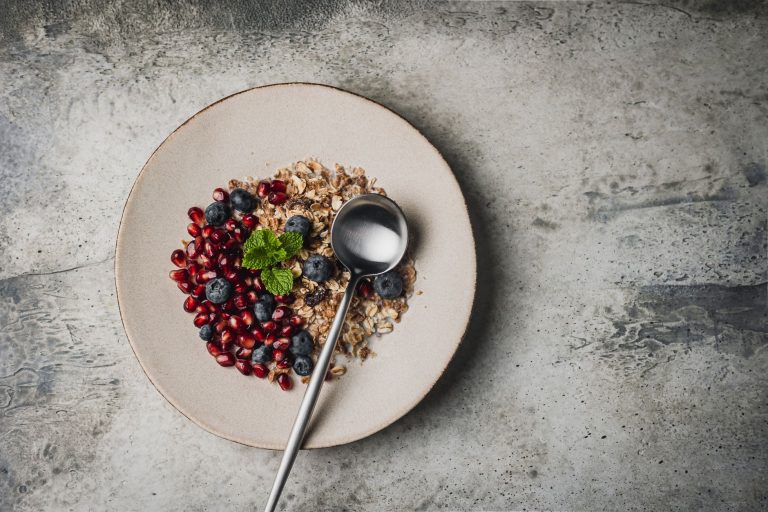
Blueberries, raspberries, blackberries, and strawberries are rich in antioxidants and fiber, making them ideal for a healthy diet focused on weight loss. They satisfy a sweet craving without relying on added sugar, and they pair well with yogurt, chia pudding, or oatmeal.
Because berries are also convenient, they make clean eating easier on busy days. A simple bowl of organic berries can prevent the kind of hunger that leads to less nutritious choices later in the day.
5. Apples and pears
Whole fruit, especially apples and pears, provides pectin and fiber that may help support digestion and fullness. Unlike juice, whole fruit slows down consumption and supports better blood sugar balance. The skin contains important nutrients, so organic versions are especially appealing when you want to eat them unpeeled.
6. Legumes
Lentils, chickpeas, black beans, and kidney beans are among the most underrated foods for both gut health and weight loss. They are rich in fiber, plant protein, and slowly digested carbohydrates, which makes them excellent for satiety.
For some people, legumes need to be introduced gradually. Soaking, rinsing, and cooking them thoroughly can improve digestion. If you want a budget-friendly organic food strategy, legumes deserve a place at the center of your meal plan.
7. Seeds and nuts
Chia seeds, flaxseeds, pumpkin seeds, almonds, walnuts, and hemp seeds provide healthy fats, protein, and minerals. They can help stabilize blood sugar and keep you full between meals. Flax and chia are especially useful for digestion because of their fiber content.
Use them wisely, though. Nuts and seeds are calorie-dense, so a small portion is usually enough. A tablespoon or two can transform a meal without tipping the balance.
8. Clean protein sources
Organic eggs, plain Greek yogurt, poultry, fish, tofu, tempeh, and certain legumes provide the protein needed for muscle maintenance and appetite control. Protein supports weight loss by improving satiety and reducing the likelihood of grazing later in the day.
If breakfast often leaves you hungry by midmorning, protein may be the missing piece. A balanced, organic breakfast can set the tone for the entire day.
How to Build a Clean Eating Routine That Supports Digestion
Knowing which foods are helpful is one thing. Creating a routine you can actually follow is another. The best healthy lifestyle plan is practical enough to repeat on ordinary weekdays, not just when motivation is high.
Begin with structure, not rules
Instead of trying to overhaul everything at once, start with structure. Aim for three balanced meals or two to three meals plus a snack, depending on your schedule and hunger levels. Each meal should ideally contain protein, fiber-rich plants, and a source of healthy fat.
This basic formula supports blood sugar stability, appetite control, and digestion. It also makes meal planning easier. When your plate follows a pattern, you spend less time deciding what to eat and more time enjoying it.
Hydration matters more than people think
A high-fiber organic diet only works well when hydration is adequate. Water helps move food through the digestive tract, supports stool quality, and assists with energy regulation. If you increase your intake of vegetables, fruits, and legumes without enough fluid, you may feel uncomfortable rather than energized.
Try drinking water throughout the day, and consider herbal teas as part of your routine. Warm liquids can be especially soothing in the morning or after meals.
Chew slowly and eat with attention
Clean eating is not only about ingredients. It is also about behavior. Eating slowly allows your body time to register fullness and gives your digestive system a better start. This can reduce overeating, improve satisfaction, and help you notice which foods truly serve you.
Ask yourself a simple question before and during meals: Am I eating because I am hungry, or because I am rushed, stressed, or distracted? That level of awareness can change outcomes more than a complicated diet ever could.
Support digestion with gentle meal timing
Some people feel better with consistent meal timing, while others prefer a lighter morning and larger midday meal. There is no single perfect pattern for everyone. The key is to avoid long stretches of under-eating followed by overeating, which can strain digestion and make healthy choices harder.
If you are experimenting with a detox diet style reset, keep it gentle. Whole foods, balanced hydration, and steady meal timing are usually more effective than severe restriction.
Organic Breakfast Ideas That Promote Energy and Fullness
Breakfast can either support your goals or sabotage them. A sugary pastry may provide a quick lift, but it often leads to a crash that triggers cravings. A better breakfast built around organic food can support energy, mood, and appetite control for hours.
Idea 1: Organic Greek yogurt bowl
Use plain organic Greek yogurt topped with berries, chia seeds, and a few chopped walnuts. This gives you protein, probiotics if the yogurt is cultured, and fiber-rich toppings that support gut health.
Idea 2: Savory eggs with greens
Scrambled organic eggs with spinach, tomatoes, and avocado provide protein, healthy fat, and micronutrients. Add a slice of whole-grain toast if you want more staying power.
Idea 3: Overnight oats
Organic rolled oats soaked with almond milk, cinnamon, flaxseed, and berries can be prepared in advance for busy mornings. Oats contain soluble fiber that may support digestion and satiety.
Idea 4: Smoothie with intention
Many smoothies turn into sugar bombs, but a thoughtful version can be excellent. Combine organic spinach, berries, protein powder or yogurt, chia seeds, and unsweetened liquid. The result is nutrient-dense rather than sugary.
Would you rather start your day feeling steady or constantly chasing caffeine and snacks? Breakfast is one of the simplest places to make that shift.
[IMAGE: fitness lifestyle]
Organic Lunch and Dinner Strategies for Steady Weight Loss
Lunch and dinner are where many healthy intentions fade, especially when work, family duties, and fatigue start competing for attention. The answer is not willpower alone. The answer is having a repeatable method for building satisfying meals.
The balanced plate approach
A clean eating plate usually works best when it includes:
- Half non-starchy vegetables
- One quarter protein
- One quarter high-fiber carbohydrates or additional vegetables
- A modest amount of healthy fat
This pattern supports nutrition, fullness, and blood sugar balance. It also makes portion control much easier without feeling restrictive.
Lunch examples
An organic chicken salad with mixed greens, cucumbers, avocado, pumpkin seeds, and olive oil dressing is simple but satisfying. A lentil bowl with roasted vegetables, quinoa, and tahini offers a plant-based option rich in fiber and minerals. A tuna and bean salad, a turkey lettuce wrap plate, or tofu with brown rice and broccoli are also practical choices.
Dinner examples
Dinner can be warming and comforting while still supporting weight loss. Try baked salmon with asparagus and cauliflower mash, organic turkey chili with beans, roasted chicken with Brussels sprouts, or tempeh stir-fry with cabbage and mushrooms. These meals are nourishing without relying on heavy sauces or refined starches.
Healthy eating does not have to feel like deprivation. In fact, the more satisfying your meals are, the easier it becomes to stay consistent.
What to Avoid if You Want Better Digestion and Leaner Results
A healthy lifestyle is not only about adding the right foods. It is also about reducing the habits that interfere with progress. Some common choices can quietly undermine even the most well-intentioned organic diet.
Highly processed organic snacks
Not everything labeled organic is automatically supportive of weight loss. Organic cookies, chips, candy, and refined snack bars can still be high in sugar, starch, and calories. They may be made with cleaner ingredients, but they are still treats rather than foundation foods.
Look at the whole nutrition picture. Is the item nourishing you, or is it simply fitting a label?
Over-reliance on juices
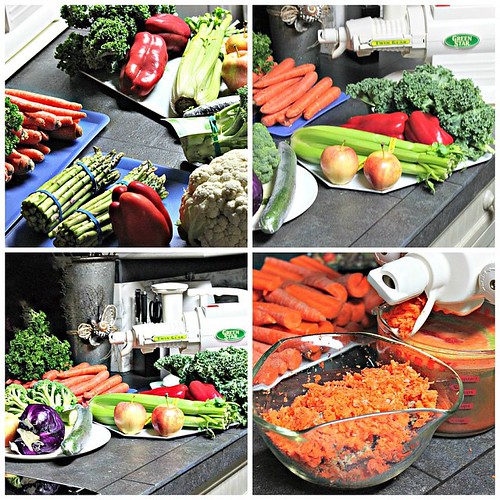
Juicing removes much of the fiber that helps regulate digestion and appetite. While vegetable juices can have a place, they should not replace whole organic food if your goal is long-term weight loss. Whole produce provides more satiety and more support for the gut microbiome.
Eating too little protein
Some people focus so intensely on vegetables that they forget protein. That can lead to hunger, muscle loss, and slower progress. Protein is essential for preserving lean mass, especially during weight loss. Every main meal should include a dependable protein source.
Ignoring food sensitivities
Organic food is not automatically easy to digest for everyone. Some people feel better limiting dairy, certain grains, or high-FODMAP vegetables. If your gut feels irritated after specific foods, pay attention. Clean eating should be personalized, not dogmatic.
Organic Meal Prep Ideas for a Busy Healthy Lifestyle
Meal prep is one of the most powerful tools for making clean eating realistic. When the right food is already in your kitchen, you are far less likely to fall back on convenience foods that do not support your goals.
Prep once, mix and match all week
Choose a few versatile components that can be combined in different ways:
- Roasted organic vegetables
- A cooked grain such as quinoa or brown rice
- Protein such as eggs, chicken, tofu, or lentils
- A simple dressing or sauce
- Washed greens and chopped fruit
With those ingredients, you can create salads, bowls, wraps, and warm plates without boredom. Variety matters, but it does not need to be complicated.
Make snacks intentional
Good snacks can prevent overeating later. Try organic apples with almond butter, carrots with hummus, plain yogurt with berries, or a small handful of nuts with a piece of fruit. Snacks should bridge energy gaps, not become a second meal by accident.
Keep the kitchen ready for success
If your refrigerator is full of washed vegetables, cooked protein, and visible healthy options, you are more likely to choose them. If your kitchen is cluttered with tempting packaged foods, the path of least resistance usually wins. Meal prep is not just about efficiency; it is about designing your environment so that healthy choices become the easy choice.
How Organic Foods Can Fit into a Gentle Detox Diet
The term detox diet is often used in misleading ways, but the underlying idea can be useful when applied correctly. Your body already has detoxification systems. What it needs is not punishment but support. Organic food can make that support more effective by emphasizing fiber, hydration, antioxidants, and minimally processed ingredients.
Support the liver and digestion naturally
Cruciferous vegetables, garlic, onions, citrus, beets, leafy greens, and herbs can all fit into a food-first detox diet approach. These foods supply compounds that assist normal metabolic processes and help move waste through the body efficiently.
The most effective reset usually looks less dramatic than people expect. It may involve:
- More vegetables
- Less added sugar
- Better hydration
- Smaller portions of processed food
- More rest and regular movement
Why extreme cleanses often backfire
Very low-calorie cleanses can leave you weak, hungry, and more likely to binge later. They may also reduce fiber intake, which is the opposite of what the gut needs. A better approach is to eat enough, but to eat wisely. Organic food helps make that possible because it naturally steers you toward whole ingredients and balanced meals.
Ask yourself: after a detox-style week, do you want a plan that is difficult to repeat, or a rhythm you can genuinely live with? The second option is what creates lasting change.
Budget-Friendly Ways to Eat Organic Without Stress
One of the most common objections to organic eating is cost. While some organic products are more expensive, smart shopping can make the approach much more accessible. The trick is to prioritize rather than trying to buy everything organic all at once.
Prioritize the foods you eat most
Start with produce and staples that appear frequently in your diet. If you eat apples, berries, leafy greens, oats, eggs, and yogurt often, those may be the best places to begin. Choosing organic food where it matters most can fit into many budgets.
Buy in season
Seasonal produce is often fresher and more affordable. It also tastes better, which makes clean eating more enjoyable. Rotating ingredients by season keeps meals interesting and reduces food fatigue.
Use frozen organic options
Frozen organic vegetables and fruits are extremely practical. They are often harvested at peak ripeness and can be used without worrying about spoilage. For busy people, they make a healthy diet far more convenient.
Cook at home more often
Restaurant food, even when labeled healthy, can contain more oil, salt, sugar, and hidden calories than home-cooked meals. Preparing your own food gives you control over ingredients and portions, making weight loss easier to manage.
Simple Daily Habits That Improve Nutrition and Digestion
Big transformations usually come from small habits repeated consistently. If you want organic food to improve your health, focus on daily behaviors that strengthen the effect of your meals.
Start meals with vegetables
Beginning a meal with salad, soup, or vegetables can reduce the urge to overeat starches later and can help fill you up with fewer calories. This is a simple but effective weight loss strategy.
Walk after eating
A short walk after meals can support digestion, blood sugar balance, and overall energy. You do not need intense exercise to benefit. Even ten to fifteen minutes can help.
Do not skip sleep
Poor sleep is strongly linked to increased hunger, cravings, and less effective weight management. If your healthy diet is not producing the results you expect, sleep may be part of the reason.
Keep stress in check
Stress affects digestion and appetite. Mindful eating, regular movement, and time away from screens can all help. A calm nervous system makes clean eating far more sustainable than a constantly activated one.
Sample One-Day Organic Clean Eating Plan
If you are not sure how to put everything together, here is a simple sample day that combines organic food, gut support, and weight loss-friendly structure.
Breakfast
Organic Greek yogurt with blueberries, chia seeds, and walnuts, plus green tea or water.
Lunch
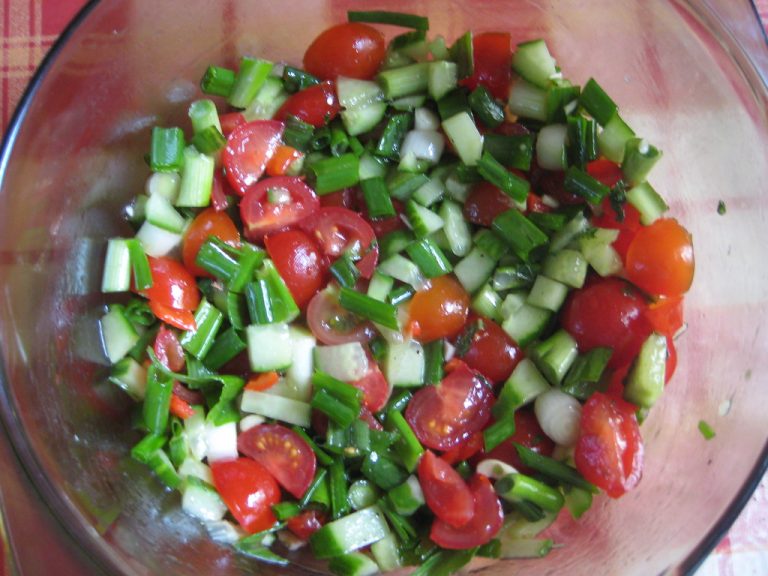
Mixed greens with organic grilled chicken, cucumbers, tomatoes, avocado, pumpkin seeds, and olive oil-lemon dressing.
Snack
An apple with almond butter or carrots with hummus.
Dinner
Roasted salmon, broccoli, and cauliflower with a small serving of quinoa or brown rice.
Optional evening reset
Herbal tea and a few minutes of stretching or a slow walk, especially if digestion feels heavy after a long day.
This kind of eating pattern is not flashy, but it is effective. It provides protein, fiber, healthy fats, and enough variety to keep your body and your taste buds happy.
How to Stay Consistent Without Becoming Obsessed
Many people start a healthy lifestyle with great enthusiasm, only to burn out when the rules become too rigid. The best results usually come from consistency, not obsession. Organic food can support that mindset because it emphasizes quality and nourishment rather than extremes.
Allow flexibility
A sustainable plan leaves room for real life. If you eat out, choose the best option available and move on. If your schedule changes, adapt rather than abandon your goals. One imperfect meal does not cancel a healthy diet.
Track how food makes you feel
Instead of only tracking calories, pay attention to digestion, energy, cravings, mood, and sleep. Those signals tell you whether your current routine is truly working. Nutrition is about outcomes, not just numbers.
Focus on identity, not just results
It helps to think of yourself as someone who values clean eating, quality organic food, and a healthy lifestyle. That identity makes it easier to choose foods that support your goals, even when motivation dips. The question shifts from What diet am I on? to What kind of person am I becoming?
What a Healthier Future Can Look Like
When organic food is used thoughtfully, it becomes more than a grocery choice. It becomes a framework for better digestion, steadier energy, more satisfying meals, and a calmer relationship with eating. For many people, that combination leads to more effective weight loss than rigid dieting ever did.
The real power of clean eating is that it simplifies the process. Instead of constantly fighting cravings and energy crashes, you begin to build meals that support you naturally. Your body feels better. Your meals taste better. Your decisions become easier. And when a healthy diet is easier, it becomes more likely to last.
If you are ready to use organic food as a practical tool for gut health, weight loss, and better nutrition, start with one meal at a time. Replace one processed snack, add one more vegetable, drink more water, and make your next grocery list a little cleaner than the last. Small choices accumulate, and before long, the results begin to show in the mirror, in your energy, and in the way you feel every day. For more expert guidance on organic diet strategies, clean eating ideas, and healthy lifestyle inspiration, keep exploring DietOrganic and build the kind of routine your body can truly thrive on.
About the Author