

Photo by Anna Pelzer on Unsplash
When people talk about feeling lighter, more energetic, and more in control of their health, the conversation often begins in the gut. That is where digestion starts, where nutrients are absorbed, and where so much of your daily comfort is shaped. Bloating, sluggishness, irregularity, and food cravings can all make healthy living feel harder than it should. The encouraging news is that a thoughtful, organic food approach can support your digestive system in a way that feels practical, nourishing, and sustainable. Could the answer to better wellness really begin with what you put on your plate each day? For many people, the answer is yes.
This guide explores how organic food can support gut health through clean eating, balanced nutrition, and a gentle, realistic approach to meal planning. Rather than chasing extremes or restrictive rules, you will learn how to build meals that help your digestive system work more comfortably while also supporting a healthy diet, natural energy, and long-term weight loss goals. If you have been looking for a detox diet that feels balanced instead of punishing, or if you simply want to improve your healthy lifestyle one meal at a time, this is a smart place to begin.
Why Gut Health Changes How You Feel Every Day
Your digestive system does far more than break down food. It influences nutrient absorption, immune function, metabolism, and even your mood. When gut health is strong, food tends to feel easier to digest, energy feels steadier, and your body is often better able to respond to the demands of a busy day. When it is out of balance, even simple meals can lead to discomfort, bloating, or fatigue. That is why gut support is not a niche wellness trend; it is a foundation for overall health.
Think about how often digestive discomfort affects your choices. Do you skip certain foods because they make you feel heavy? Do you reach for quick snacks because a full meal seems too complicated? Do you feel uncomfortably bloated after eating, even when the meal seems healthy? These experiences are common, and they often point to the need for a cleaner, more intentional eating pattern. A diet built around organic food, fiber-rich ingredients, and minimally processed meals can help create that shift.
What a healthy gut tends to support
- More comfortable digestion after meals
- Better regularity and less sluggishness
- Steadier appetite and fewer intense cravings
- Improved energy throughout the day
- Stronger support for weight loss efforts
- A cleaner foundation for long-term nutrition
The idea is not to expect perfection from every meal. It is to make your food work with your body instead of against it. That is the heart of clean eating, and it is where organic food can be especially valuable.
Why Organic Food Can Support a Healthier Gut
Organic food is not a magic solution, and no single ingredient can fix digestion overnight. Still, the quality of your ingredients matters. Choosing organic produce, organic grains, and organic protein sources can reduce your exposure to certain pesticides and additives while encouraging a more whole-food-centered diet. That matters because the gut is sensitive to what enters the body day after day, not just what appears on a single plate.
For many people, an organic diet is appealing because it feels cleaner, simpler, and more intentional. Fewer synthetic inputs, fewer ultra-processed ingredients, and more naturally grown foods often create a better overall eating rhythm. And when meals are easier to digest, it becomes easier to stay consistent with healthy habits.
Fewer additives, more food clarity
Highly processed foods can make it difficult to understand what is actually bothering your digestive system. Artificial flavors, refined oils, excess sugar, and long ingredient lists often cloud the picture. By focusing on organic food, you naturally reduce many of these variables. That simplification alone can be helpful. If you are trying to understand what helps or hurts your digestion, wouldn’t it make sense to start with cleaner meals?
More fiber from whole organic ingredients
Gut health thrives on fiber, especially from vegetables, fruits, legumes, seeds, and whole grains. Organic food plans often lean more heavily on these ingredients because they are naturally central to clean eating. Fiber supports regular bowel movements, feeds beneficial gut bacteria, and helps you feel satisfied after meals. That satisfaction can be especially useful if your goals include weight loss or reducing mindless snacking.
A better fit for a gentle detox diet
The phrase detox diet is often misunderstood. Your body already detoxifies itself through the liver, kidneys, and digestive tract. What a thoughtful detox diet can do is remove common dietary stressors and replace them with nutrient-dense foods that help your natural processes function well. Organic food, leafy greens, hydrating vegetables, herbs, and high-fiber meals can support that goal in a balanced, non-extreme way.
[IMAGE: organic vegetables]
The Best Organic Foods for Gut Health
Not all healthy foods play the same role in digestion. Some calm the system, some feed beneficial bacteria, and some help move things along more smoothly. The best organic foods for gut health combine nutrients, fiber, hydration, and digestive support in a way that feels natural to eat every day. Below are the ingredients worth placing at the center of your healthy diet.
1. Leafy greens and cruciferous vegetables
Spinach, kale, arugula, romaine, broccoli, cauliflower, Brussels sprouts, and cabbage are all powerful additions to a clean eating plan. These vegetables are rich in fiber, water, and plant compounds that support overall nutrition. They also tend to be flexible enough for salads, sautés, soups, and grain bowls, which makes them practical for busy people.
For some digestive systems, raw vegetables can feel too aggressive at first. If that is your experience, try lightly steaming or roasting them. Cooked vegetables are often easier to digest while still offering the gut-friendly benefits you want. This is a useful reminder: the best organic food choice is the one your body can actually enjoy consistently.
2. Fermented organic foods
Fermented foods add a different dimension to gut support because they can introduce beneficial bacteria and create more variety in your diet. Organic yogurt, kefir, sauerkraut, kimchi, miso, and tempeh can all fit into a healthy lifestyle when chosen mindfully. Start with small portions if you are new to fermented foods, especially if your stomach is sensitive.
Fermented foods are not necessary for everyone, but they can be a valuable part of an organic diet. They are especially useful when paired with fiber-rich foods, since beneficial bacteria need nourishing plant material to thrive. Have you noticed that your body feels better when meals are more varied and less repetitive? Fermented ingredients can help create that variety.
3. Berries and low-sugar fruits
Blueberries, raspberries, blackberries, strawberries, kiwi, and green apples are excellent choices for digestion-conscious eaters. They provide fiber, antioxidants, and natural sweetness without overwhelming your system with sugar. For people pursuing weight loss, these fruits can satisfy cravings in a way that feels fresh and supportive rather than restrictive.
Because fruit is often easiest to digest when paired with protein or healthy fats, try serving berries with organic yogurt, chia seeds, or a small handful of nuts. This keeps blood sugar steadier and can help you stay full longer between meals.
4. Oats, seeds, and gentle whole grains
Organic oats, quinoa, brown rice, chia seeds, flaxseeds, and hemp seeds are excellent sources of fiber and sustained energy. They fit beautifully into clean eating because they are simple, versatile, and easy to build into breakfast, lunch, or snacks. Oats and chia seeds, in particular, can be soothing when you want a meal that feels gentle on the digestive system.
For a healthy breakfast that supports your gut, consider organic oats topped with berries and seeds. For lunch, a quinoa bowl with roasted vegetables and greens can deliver both satisfaction and digestion-friendly nutrients. These are the kinds of meals that make healthy eating feel realistic instead of complicated.
5. Ginger, turmeric, mint, and digestive herbs
Herbs and spices are small additions with meaningful impact. Ginger is widely appreciated for its ability to calm the stomach, while turmeric supports a balanced inflammatory response. Mint can feel cooling and refreshing, especially after a heavy meal. Fennel, cumin, and coriander are also often used in traditional cooking to support digestion.
The beauty of these ingredients is that they do not require a major change in routine. Add grated ginger to a smoothie, sip peppermint tea after dinner, or season vegetables with turmeric and cumin. These small habits can enhance a detox diet approach while keeping meals enjoyable.
6. Clean protein sources
Protein helps preserve muscle, maintain satiety, and keep blood sugar more stable. For gut health, choose organic protein sources that are simple and minimally processed. That might mean eggs, Greek yogurt, tempeh, lentils, beans, chicken, turkey, or fish, depending on your eating pattern. The key is to avoid overly processed protein bars, heavily seasoned meats, and packaged foods that seem healthy but are loaded with additives.
Protein is particularly important if your goal is weight loss. When your meals contain enough protein, you are less likely to graze all afternoon or wake up feeling ravenous. Ask yourself: is your current breakfast setting the tone for your day, or leaving you searching for snacks by mid-morning?
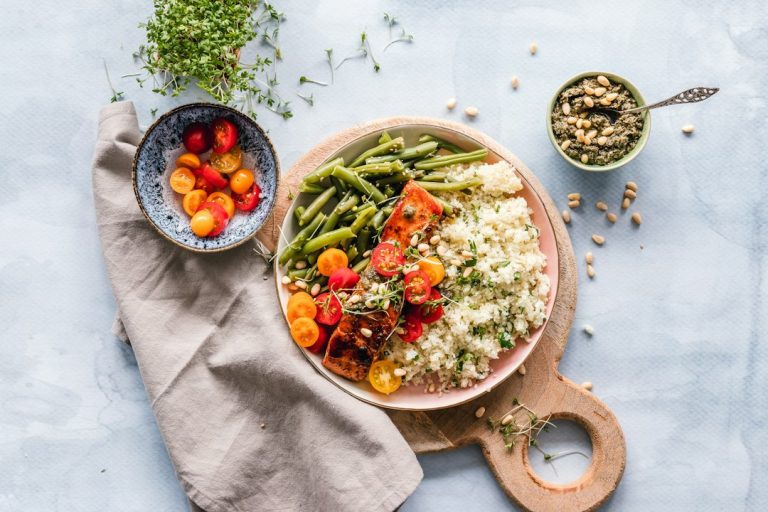
[IMAGE: healthy meal]
How to Build a Gut-Friendly Organic Plate
One of the simplest ways to improve digestion is to create a repeatable meal formula. You do not need a complicated menu or an expensive wellness routine. You need a structure that gives your body fiber, protein, healthy fats, and hydration in balanced amounts. That is what makes clean eating sustainable.
The basic formula
- Half the plate: organic vegetables, especially leafy greens or lightly cooked vegetables
- One quarter: organic protein from eggs, fish, poultry, tofu, tempeh, beans, or lentils
- One quarter: organic whole grains or starchy vegetables such as quinoa, brown rice, sweet potato, or oats
- Small amount: healthy fats from avocado, olive oil, seeds, or nuts
- Bonus: herbs, fermented foods, or a digestive tea
This framework works because it is flexible. You can use it for breakfast, lunch, or dinner. You can adapt it to a busy schedule. You can also adjust it if you are pursuing a more structured healthy diet or a lighter detox diet. The emphasis is always on whole, organic food that supports your gut instead of overwhelming it.
Breakfast examples that support digestion
A gut-friendly breakfast should feel steady, not heavy. It should give you enough nourishment to begin the day without causing sluggishness. Here are a few clean eating ideas:
- Organic oats with chia seeds, blueberries, and cinnamon
- Greek yogurt with raspberries, flaxseed, and walnuts
- Vegetable omelet with spinach, herbs, and avocado
- Smoothie with kefir, banana, berries, ginger, and spinach
If mornings are rushed, simplify. A healthy lifestyle does not require a perfectly styled breakfast bowl every day. It requires a plan you can actually follow. Would a five-minute smoothie or overnight oats be easier to maintain than a complicated recipe? Probably.
Lunch and dinner ideas for a calmer gut
Midday and evening meals are where many people unknowingly overload their digestion. Large portions, fast eating, and highly processed foods can leave you feeling heavy and lethargic. Organic food choices can help prevent that by making meals more nutrient-dense and easier to structure.
- Quinoa bowl with roasted vegetables, chickpeas, parsley, and tahini
- Grilled salmon with steamed broccoli, sweet potato, and olive oil
- Lentil soup with carrots, celery, and leafy greens
- Chicken salad with arugula, cucumber, avocado, and pumpkin seeds
- Tempeh stir-fry with brown rice, ginger, and mixed vegetables
These meals are not only good for digestion; they also support weight loss by making you feel satisfied without relying on excess calories from refined foods. The result is a plan that feels nourishing rather than restrictive.
Smart snacks that support clean eating
Snacking can either help or disrupt gut health depending on what you choose. The goal is to avoid quick fixes that spike energy and crash it later. Instead, think in terms of nutrient-dense, organic snacks that keep you stable between meals.
- Apple slices with almond butter
- Carrot sticks with hummus
- Plain organic yogurt with berries
- Handful of walnuts and pumpkin seeds
- Cucumber slices with avocado and lemon
- Chia pudding with cinnamon and coconut milk
These snack options can be especially useful if you are trying to reduce sugar cravings. They create a cleaner pattern of eating that supports both nutrition and appetite control.
An Organic Clean Eating Reset for a Happier Gut
If your digestion has felt off lately, a short reset can help you notice what makes your body feel better. This is not about punishment or extreme restriction. It is about choosing a few days of simpler meals made with organic food, plenty of hydration, and consistent meal timing. In other words, it is a gentle detox diet approach designed to support your body’s natural rhythm.
What to emphasize for three days
- Organic vegetables at every meal
- At least one fiber-rich whole grain or legume daily
- Clean protein sources at breakfast, lunch, and dinner
- Water, herbal tea, and hydrating foods like cucumber and citrus
- Fermented foods in small portions if tolerated
- Minimal added sugar and very few packaged foods
What to scale back temporarily
- Ultra-processed snacks and desserts
- Heavy fried foods
- Large amounts of alcohol
- Very rich sauces and excessive cheese
- Packaged items with long ingredient lists
Many people notice that even a short reset can improve how they feel after meals. They may experience less bloating, better regularity, and a clearer sense of hunger and fullness. That can be especially motivating if you are working toward weight loss or trying to rebuild a healthier relationship with food.
A simple three-day example
Day one
- Breakfast: Oats with berries and chia
- Lunch: Green salad with salmon, avocado, and quinoa
- Dinner: Lentil soup with roasted carrots and kale
- Snack: Yogurt with cinnamon
Day two
- Breakfast: Vegetable omelet with greens
- Lunch: Chicken bowl with brown rice and broccoli
- Dinner: Tempeh with sautéed cabbage and sweet potato
- Snack: Apple with nut butter
Day three
- Breakfast: Kefir smoothie with spinach, kiwi, and ginger
- Lunch: Chickpea salad with cucumber, herbs, and olive oil
- Dinner: Grilled fish with Brussels sprouts and quinoa
- Snack: Pumpkin seeds and berries
[IMAGE: fitness lifestyle]
Common Organic Diet Mistakes That Can Hurt Digestion
It is easy to assume that if a food is organic, it is automatically ideal for every person and every digestive system. But even organic choices can be mismatched to your needs. A healthy lifestyle depends on balance, not labels alone. If you are not seeing the results you want, one of these mistakes may be the reason.
Eating too much fiber too quickly
Fiber is essential, but a sudden increase can cause gas, cramping, or discomfort. If you are new to clean eating, build up gradually. Start with cooked vegetables, smaller servings of beans, and gentle grains before increasing fiber further. Your gut often adapts best when change is steady.
Ignoring protein at meals
Some people focus heavily on vegetables and forget that protein is critical for fullness and balance. Without enough protein, even the healthiest meal may leave you hungry too soon. This can lead to snacking, cravings, and frustration. For sustainable weight loss, protein should be a nonnegotiable part of your plan.
Overusing raw foods
Raw salads and raw vegetables can be refreshing, but they are not always easier on the digestive system. Some people feel better with more cooked meals, especially in the morning or during periods of stress. If your stomach is sensitive, try steaming, roasting, or simmering more of your produce. Gentle preparation can make a big difference.
Choosing organic junk food
An organic cookie is still a cookie. Organic chips are still chips. Organic food is best used as part of a whole-food pattern, not as a license to overconsume processed snacks. The real benefit comes from the overall structure of your eating habits, not from one branded ingredient list.
Skipping meals and then overeating
Long gaps between meals can make digestion feel unpredictable and may increase the chance of overeating later. If you want to improve your gut health, consistency matters. Regular meals made with clean ingredients are often easier to digest than erratic eating patterns. Have you ever noticed that a chaotic schedule changes what and how you eat? The body likes rhythm.
How Gut-Friendly Eating Can Support Weight Loss
Weight loss is often more successful when it feels like a byproduct of better habits rather than the only goal. A gut-friendly organic food approach can support weight management in several ways. It helps you feel full longer, reduces the appeal of heavily processed foods, and may improve how your body responds to meals. This is not about starving yourself. It is about eating in a way that is satisfying, stable, and easier to maintain.
Why digestion affects appetite
When your meals are balanced, your appetite tends to become more predictable. Fiber, protein, and healthy fats slow digestion and help support satiety. That means fewer unplanned cravings and less energy spent thinking about food all day. For people trying to lose weight, that simplicity can be incredibly helpful.
What sustainable weight loss often looks like
- Consistent meals built around organic food
- Smarter portions without extreme restriction
- Fewer digestive discomforts that disrupt routine
- More energy for walking, workouts, and daily movement
- Better control over late-night snacking
A healthier gut does not automatically produce weight loss, but it can create the conditions that make progress feel easier. When your digestion is steady, you are often better able to listen to hunger cues, enjoy meals without guilt, and stay committed to a healthy diet over time.
Practical Shopping Tips for a Cleaner Kitchen
One of the best ways to stay consistent with an organic diet is to shop with purpose. A kitchen filled with supportive ingredients makes healthy choices feel effortless. On the other hand, a pantry full of tempting processed foods can pull you away from your goals before you even start cooking.
Build your cart around these staples
- Organic leafy greens, broccoli, carrots, zucchini, and cauliflower
- Organic berries, apples, kiwis, and lemons
- Organic oats, quinoa, brown rice, and sweet potatoes
- Organic eggs, yogurt, tofu, tempeh, lentils, and beans
- Organic nuts, seeds, avocado, olive oil, and tahini
- Fresh herbs, ginger, turmeric, mint, and garlic
What to check before buying packaged foods
- Short ingredient list
- No excessive added sugar
- Minimal refined oils
- Enough protein and fiber to be satisfying
- Organic certification when possible
Shopping this way does not require a perfect budget or a gourmet kitchen. It simply means being intentional. Even a few high-quality organic staples can transform your weekly meals and make clean eating feel much more natural.
Daily Habits That Make Gut Health Easier to Maintain
Food matters, but so do the habits surrounding food. Digestion can be affected by stress, speed, sleep, hydration, and movement. That is why a truly healthy lifestyle is broader than the contents of your plate. The most effective routines are usually the ones that feel manageable day after day.
Helpful habits to pair with organic food
- Drink water steadily instead of waiting until you are thirsty
- Eat sitting down rather than rushed or distracted
- Chew thoroughly to give digestion a head start
- Walk after meals when possible
- Get enough sleep to support appetite regulation
- Use herbal tea as a calming evening ritual
These habits matter because gut health is influenced by more than ingredients alone. A well-balanced organic food plan works best when it is supported by a calm nervous system and a realistic daily rhythm. Even a ten-minute walk can support digestion and help you feel more grounded after eating.
When to Pay Closer Attention to Your Body
Everyone’s digestion is unique. Some people thrive on more raw vegetables and fermented foods, while others do better with cooked meals and gentler seasonings. Paying attention to your own responses is one of the most powerful forms of nutrition knowledge. The goal is to learn what helps you feel energized, comfortable, and satisfied.
Signs your gut-friendly plan may be helping
- Less bloating after meals
- More regular bathroom habits
- Steadier energy between meals
- Fewer strong sugar cravings
- Better appetite control
- Less need for heavy or greasy foods
Signs you may need to adjust
- Persistent discomfort after eating
- Frequent gas or cramping after high-fiber meals
- Feeling too full from raw vegetables
- No satisfaction from meals because protein is too low
- Fatigue from undereating
Adjusting your plan is not failure. It is part of building an intelligent healthy diet. The most effective nutrition strategy is one that respects your body’s feedback rather than ignoring it.
Why Organic Clean Eating Feels So Sustainable
Many diets fail because they are too complicated, too restrictive, or too disconnected from real life. Organic clean eating, when done well, is different. It creates a clear framework: choose foods that are closer to their natural form, build meals with fiber and protein, and limit the ingredients that tend to disrupt digestion. That framework supports both comfort and confidence.
It also leaves room for real life. You can eat organic food at home and still keep meals simple. You can prepare a detox diet style lunch without spending hours in the kitchen. You can lose weight without resorting to harsh rules that leave you feeling deprived. Most importantly, you can build a healthy lifestyle that does not require perfection to be effective.
In many ways, that is the real benefit. The more your food aligns with your body’s needs, the less effort it takes to feel well. Clean eating then stops being a temporary project and becomes a reliable way to care for yourself.
Start with one meal, one shopping list, or one calm morning breakfast that supports your gut instead of stressing it. Build from there. Over time, those small choices can reshape the way you feel, the way you eat, and the way you move through your day. If this approach resonates with you, keep exploring more expert guides on DietOrganic and discover how organic food can make healthy living feel richer, simpler, and far more satisfying.
About the Author