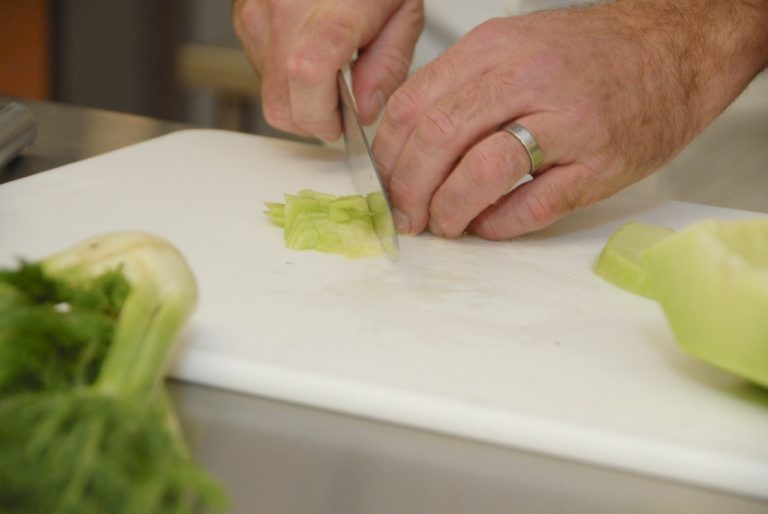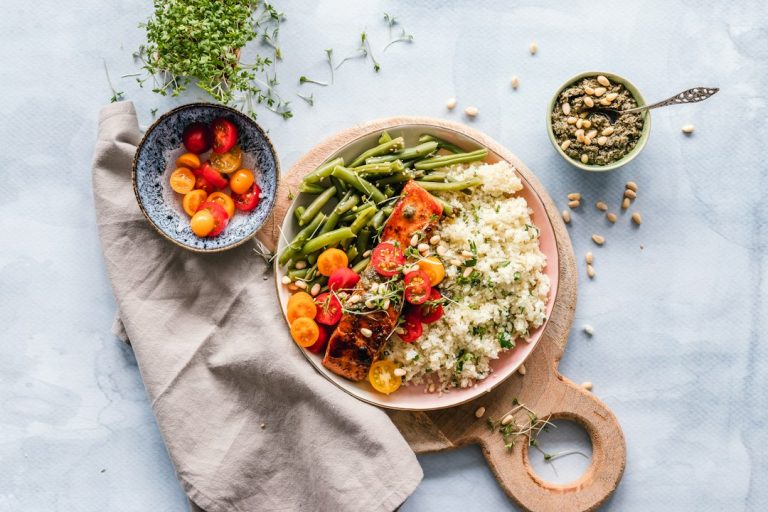

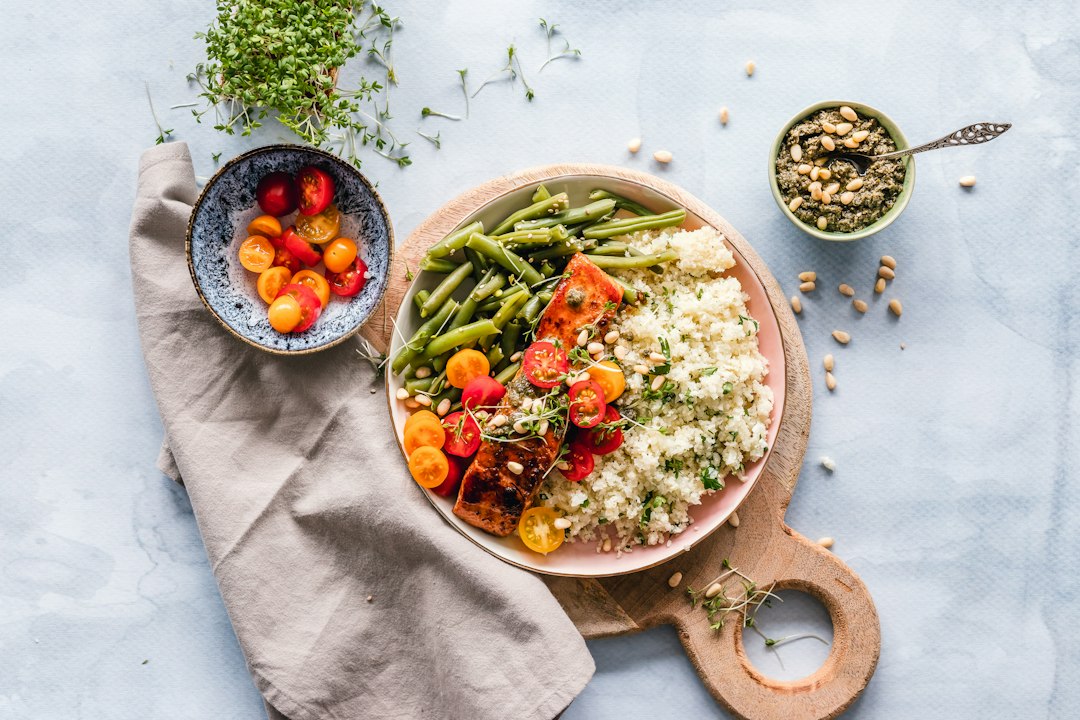
Photo by Ella Olsson on Unsplash
What if the fastest way to support digestion, steady energy, and even easier weight management was not a complicated cleanse, but a simpler plate built around organic food? Many people chase quick fixes when their stomach feels off, their cravings feel constant, or their energy dips after meals. Yet the real answer often begins with daily nutrition, cleaner ingredients, and a gut-friendly routine that is realistic enough to keep for life. This is where clean eating becomes more than a trend. It becomes a practical, science-informed way to feel lighter, clearer, and more comfortable in your body.
Organic food can play an important role in that process because it often makes healthier choices easier to maintain. When your meals are centered on whole vegetables, fiber-rich fruits, fermented foods, and simple ingredients you recognize, your gut has a better chance to function well. And when digestion improves, many people notice a ripple effect: fewer energy crashes, less bloating, better focus, and more stable hunger. Is it magic? No. It is nutrition working consistently, meal after meal, in a way the body can actually use.
This guide explores how organic food supports gut health, which ingredients deserve a place on your plate, and how to build a clean eating routine that fits real life. It also shows how a gentle detox diet can be approached sensibly, without extremes, deprivation, or unrealistic promises. If you have been looking for a healthy lifestyle strategy that feels elevated but not rigid, this is where to begin.
Why Gut Health Shapes More Than Digestion
The gut is often described as the center of digestion, but that undersells what it actually does. Your digestive system helps absorb nutrients, regulate appetite, support the immune system, and communicate with the brain through a network of signals that influence mood and energy. When your gut is working well, you may notice smoother digestion, fewer food reactions, better regularity, and a more balanced appetite. When it is not, even the healthiest intentions can feel harder to sustain.
That is why gut health matters so much for anyone interested in clean eating, sustainable weight loss, or a more stable daily routine. A person can follow a strict plan and still feel unsatisfied if the food is low in fiber, low in variety, or difficult to digest. On the other hand, a nutrient-rich pattern built around organic food can make healthy habits feel more natural. The goal is not simply to eat less. The goal is to help the body use what you eat more efficiently.
The Gut-Brain Connection
Have you ever felt your stomach tighten when you were stressed, or noticed that an anxious day changed your appetite? That is the gut-brain connection in action. The digestive system and the nervous system constantly communicate, which means stress, sleep, and meal timing can affect how well you break down food. A gut-friendly approach to nutrition should therefore include more than ingredients. It should also include rhythm, calm, and consistency.
Organic food supports this process indirectly by encouraging meals that are simpler and less processed. When you build meals from whole vegetables, legumes, fermented foods, and healthy fats, you usually avoid the excess sugar, artificial additives, and highly refined ingredients that can leave you feeling heavy or scattered. This is one reason many people find that a clean eating plan does more than improve digestion. It improves the way the entire day feels.
Why Digestion Influences Weight Loss
Healthy digestion does not equal instant weight loss, but it does influence many of the habits and biological processes that make weight management easier. Poor digestion can lead to bloating that masks progress, irregular appetite signals, and strong cravings that push people toward convenience foods. A well-functioning gut, by contrast, can support steadier blood sugar and better satiety, helping you feel satisfied with reasonable portions.
That does not mean you need to eat perfectly. It means your nutrition strategy should help your body work with you instead of against you. Organic food can contribute to that balance because it often encourages you to focus on food quality first. Once quality improves, portion control and consistency usually become much easier. Ask yourself: if your meals felt lighter, fresher, and more satisfying, how much easier would your healthy lifestyle goals become?
How Organic Food Supports a Healthier Gut
Organic food is not a miracle cure, and it is important to say that clearly. But choosing organic ingredients can support a gut-friendly, clean eating lifestyle in several practical ways. First, organic produce is grown without many of the synthetic pesticides commonly used in conventional farming. Second, people who buy organic often gravitate toward whole foods instead of packaged alternatives. Third, the habit of shopping organic can naturally increase variety, because it encourages you to explore seasonal produce, fresh herbs, and less processed staples.
These shifts matter because the gut thrives on diversity. A diet that repeatedly cycles through the same ultra-processed items tends to offer less fiber and fewer beneficial plant compounds. A diet built around organic vegetables, fruits, legumes, and whole grains is more likely to feed the beneficial bacteria that live in the digestive tract. In other words, the organic choice is often also the more microbiome-friendly choice.
Less Pesticide Exposure, More Peace of Mind
There is ongoing debate about the long-term effects of pesticide exposure, but many health-conscious consumers prefer to limit it where possible. Choosing organic produce can be one way to reduce that exposure, especially for foods you eat frequently or in larger quantities. This is not about fear. It is about making a thoughtful decision that aligns with a clean eating philosophy.
For many people, there is also a psychological benefit. When you know your ingredients are simple, traceable, and handled with care, your relationship with food often becomes calmer. That calm matters. Food choices made from stress tend to be less satisfying than those made from intention. A healthy lifestyle is easier to maintain when your meals feel like support rather than negotiation.
Nutrient Density and Plant Variety
One of the most overlooked benefits of organic food is that it can encourage greater plant diversity. If your shopping habits shift toward farmers markets, seasonal produce, and fresh whole ingredients, you are more likely to rotate through different colors, textures, and flavors. That variety matters for gut health because different plants contain different types of fiber and phytonutrients. The more diverse the input, the more diverse the nutritional support.
Think of your gut like a garden. A garden does not thrive on one kind of seed, one kind of soil, or one kind of weather. It needs range. The same is true for your plate. A healthy diet with broad plant diversity can support digestive resilience in a way that repetitive eating simply cannot.
Why Clean Eating Becomes Easier with Organic Foods
Clean eating is often misunderstood as a strict rulebook. In reality, it is mostly about choosing foods that are minimally processed and as close to their natural form as possible. Organic food fits neatly into that philosophy because many organic meals are built from whole ingredients rather than packaged convenience products. When you start with organic vegetables, fruit, protein sources, and pantry basics, clean eating becomes a structure rather than a restriction.
That structure matters. The more predictable and nutrient-rich your meals are, the less likely you are to rely on impulsive snacking, sugar-heavy comfort foods, or random grazing that leaves you unsatisfied. Instead of forcing discipline, you create an environment where healthier choices happen naturally.
The Best Organic Foods for Gut Health
Not every organic product is automatically gut-friendly, and not every gut-friendly food needs to be fancy. The key is to focus on ingredients that nourish digestion, provide fiber, and support microbial diversity. The foods below are practical, versatile, and easy to add to a healthy lifestyle plan. They also pair well with both a general clean eating routine and a gentle detox diet when you want to feel refreshed without overdoing it.
Leafy Greens and Cruciferous Vegetables
Leafy greens like spinach, kale, arugula, and Swiss chard are foundational gut-friendly foods. They are rich in fiber, water, magnesium, and plant compounds that support overall nutrition. Cruciferous vegetables such as broccoli, cauliflower, cabbage, and Brussels sprouts are equally valuable because they contribute both fiber and diverse plant nutrients.
[IMAGE: organic vegetables]
These vegetables are especially useful if your goal is weight loss without constant hunger. Why? Because they add volume and nutrients without making meals feel overly heavy. Try building salads, soups, roasted trays, or simple sautés with a combination of leafy greens and cruciferous vegetables. Even two servings a day can make a noticeable difference in how regular and satisfied you feel.
- Spinach for smoothies, omelets, and warm bowls
- Broccoli for roasting or quick steaming
- Kale for salads, soups, and grain bowls
- Cabbage for slaws, stir-fries, and fermented dishes
Fermented Foods That Feed a Healthy Microbiome
Fermented foods are some of the most valuable additions to an organic food lifestyle because they contain beneficial bacteria and traditionally support digestive balance. If your stomach tolerates them well, a small daily serving can be a smart part of a nutrition plan focused on gut health. The key is to start slowly and observe how your body responds.
Useful options include plain organic yogurt, kefir, sauerkraut, kimchi, miso, and unsweetened coconut yogurt with live cultures. Not every fermented food is the same, and some contain more salt or sugar than others, so labels still matter. Still, these foods can be a powerful upgrade for anyone seeking cleaner eating habits and better digestion.
- Plain yogurt or kefir for breakfast or snacks
- Sauerkraut as a side with protein and vegetables
- Kimchi added to rice bowls or egg dishes
- Miso stirred into soups for warm, savory flavor
Fiber-Rich Fruits, Seeds, and Whole Grains
Fiber is one of the most reliable tools for better gut health. It supports regularity, helps slow digestion, and provides fuel for beneficial bacteria. Organic berries, apples, pears, kiwis, flaxseed, chia seeds, oats, and quinoa can all contribute to a more balanced digestive routine. These foods are simple, affordable, and easy to use across multiple meals.
For people trying to lose weight in a sustainable way, these ingredients are especially helpful because they improve satiety. A breakfast built around oats, seeds, and berries may keep you full far longer than a refined pastry or sugary cereal. That is the quiet power of nutrition: better food choices often make better choices easier later in the day.
- Berries for antioxidants and easy snacking
- Apples and pears for portable fiber
- Chia and flaxseed for pudding, yogurt, or smoothies
- Oats and quinoa for steady energy and fullness
Herbs, Roots, and Healthy Fats
Do not underestimate the value of herbs and simple flavor builders. Ginger, turmeric, mint, fennel, garlic, and onions can all play a role in a gut-friendly routine. They help keep meals interesting while adding compounds that fit beautifully into a detox diet or clean eating plan. Healthy fats from olive oil, avocado, walnuts, and seeds also help you absorb fat-soluble nutrients and feel satisfied after meals.
The trick is balance. A plate that contains vegetables alone may be too light to sustain you. Add a source of protein, a little fat, and enough fiber, and your meal becomes both enjoyable and effective. That is what modern healthy living should look like: not deprivation, but smart combinations that work.
Build a Clean Eating Plate That Your Gut Loves
Many people think healthy eating means complicated recipes and hours in the kitchen. In reality, the best meal structure is often the simplest one. A gut-friendly plate usually includes vegetables, a quality protein, a fiber-rich carbohydrate, and a healthy fat. This formula supports digestion, stabilizes energy, and reduces the urge to snack within an hour of eating.
[IMAGE: healthy meal]
If you want your organic food habits to support weight loss, this structure is especially useful because it keeps meals satisfying without becoming calorie-heavy. It also reduces decision fatigue. Instead of wondering what to eat, you follow a repeatable framework that can be adapted to breakfast, lunch, or dinner.
The Ideal Plate Formula
- Half the plate: non-starchy organic vegetables such as greens, zucchini, cucumber, broccoli, or peppers
- One quarter: protein such as eggs, plain yogurt, tempeh, beans, lentils, fish, or organic poultry
- One quarter: complex carbohydrates such as quinoa, oats, brown rice, sweet potato, or whole-grain bread
- Small finishing layer: healthy fats such as olive oil, avocado, nuts, seeds, or tahini
This approach helps you avoid the common trap of eating meals that are either too sparse or too heavy. A plate that is too light can leave you hungry and irritable. A plate that is too heavy can slow you down and make digestion feel sluggish. Balance keeps your body in the middle, where energy and comfort are easier to maintain.
A Practical Example
Imagine a lunch bowl made with organic quinoa, roasted broccoli, shredded cabbage, grilled salmon or chickpeas, avocado slices, and a lemon-olive oil dressing. That meal is colorful, satisfying, and easy to digest. It contains fiber for the microbiome, protein for satiety, and fat for flavor. It also looks and feels like something from a premium wellness café, yet it can be prepared at home with very little effort.
If you ask yourself why some healthy meals feel truly energizing while others do not, the answer often comes down to balance. The right combination of ingredients makes clean eating sustainable. That is the real secret behind lasting nutrition success.
Smart Swaps at Breakfast, Lunch, and Dinner
Small changes add up quickly when they are repeated every day. You do not need to overhaul your life to improve gut health. You simply need to replace a few digestive stressors with supportive alternatives. Begin with one meal, make that routine feel natural, and then expand from there.
- Swap sugary cereal for oats topped with berries and chia
- Swap white toast and jam for avocado toast with seeds and herbs
- Swap fast-food lunches for grain bowls built from organic vegetables
- Swap creamy heavy sauces for olive oil, lemon, and fresh herbs
- Swap late-night processed snacks for yogurt, fruit, or nuts
These substitutions are simple, but they work because they improve the quality of your daily nutrition without making you feel deprived. That is what makes a healthy lifestyle stick.
A Gentle Detox Diet: What It Really Means
The phrase detox diet often creates confusion because it has been used for everything from juice cleanses to extreme restrictions. But the body already has a sophisticated detoxification system through the liver, kidneys, gut, skin, and lungs. A smarter approach is not to force detoxification, but to support it with clean eating, hydration, sleep, and nutrient-rich organic food. That is the version of detox that actually makes sense.
A gentle detox diet can be understood as a short-term reset in which you reduce foods that commonly contribute to bloating, sluggishness, and cravings while increasing hydrating, fiber-rich, anti-inflammatory meals. This is not punishment. It is support. You are giving your body the conditions it needs to function more smoothly.
Foods That Support a Healthy Reset
- Organic vegetables, especially leafy greens and cruciferous produce
- Fresh fruit in moderate portions, especially berries, citrus, apples, and kiwi
- Fermented foods in small daily servings
- Filtered water, herbal tea, and water-rich foods like cucumber and melon
- Lean proteins and plant proteins that are easy to digest
- Healthy fats in controlled portions for satiety and nutrient absorption
When people try to detox without enough food, they often end up tired, cranky, and more likely to binge later. A proper nutrition reset does the opposite. It steadies the body so you feel lighter, not deprived.
Foods to Reduce During a Gentle Reset
- Highly processed snacks with long ingredient lists
- Excess sugar, especially in drinks and desserts
- Deep-fried foods and very heavy sauces
- Alcohol, if it interferes with sleep or digestion
- Large amounts of refined flour products
- Artificially sweetened products that upset your stomach
Notice that the goal is moderation, not moral judgment. A healthy diet is not built on fear. It is built on patterns that help you feel better most of the time.
Organic Meal Ideas for a Busy Week
One of the biggest obstacles to clean eating is not knowledge, but convenience. People know what to eat; they just do not know how to fit it into a packed schedule. The answer is to keep a few repeatable meal ideas on standby. When grocery shopping and meal prep are simplified, the entire routine becomes more realistic.
[IMAGE: fitness lifestyle]
Below are examples that work for everyday life. They are designed to be practical, nourishing, and gut-friendly without requiring complex prep. You can rotate them depending on appetite, schedule, and seasonal ingredients.
Breakfast Ideas
- Organic oats with chia seeds, blueberries, cinnamon, and plain yogurt
- Egg scramble with spinach, onions, and avocado on whole-grain toast
- Kefir smoothie with berries, flaxseed, and a handful of greens
- Overnight oats made with almond milk, apples, walnuts, and pumpkin seeds
These breakfasts support digestion by combining fiber, protein, and healthy fats. That combination helps reduce the mid-morning hunger crash that often leads to grabbing sugary snacks.
Lunch and Dinner Ideas
- Quinoa bowl with roasted vegetables, chickpeas, tahini, and herbs
- Salmon with steamed broccoli, brown rice, and lemon-olive oil dressing
- Lentil soup with carrots, celery, garlic, and a side salad
- Tempeh stir-fry with cabbage, peppers, ginger, and sesame seeds
- Organic chicken or tofu with sweet potato, kale, and sauerkraut
These meals are filling enough for weight loss support without leaving you tired afterward. They also prove that healthy food can be flavorful, elegant, and deeply satisfying.
Snack Ideas
- Apple slices with almond butter
- Plain yogurt with berries and seeds
- Cucumber sticks with hummus
- A small handful of walnuts and pumpkin seeds
- Carrot sticks with tahini dip
The best snacks are the ones that prevent overeating later. If your snack is built from real ingredients and helps you stay steady, it is doing its job.
Common Mistakes People Make with Organic Gut-Friendly Eating
Even when someone is fully committed to organic food and clean eating, a few common mistakes can slow progress. The good news is that these mistakes are easy to correct once you notice them. Better nutrition is rarely about perfection. It is about refinement.
Too Much Fiber Too Soon
Fiber is beneficial, but if you suddenly increase it dramatically, your gut may need time to adjust. Some people jump into very high-fiber meals and end up bloated or uncomfortable. If that happens, scale up gradually and drink enough water. Start with smaller portions of beans, seeds, and cruciferous vegetables, then build from there.
A gentler transition can make a clean eating routine far more sustainable. Your digestive system prefers consistency over shock.
Buying Organic but Skipping Balance
Organic food is a smart choice, but organic cookies are still cookies. Organic sweetened bars are still processed snacks. It is easy to assume that the word organic automatically means healthy, yet the overall nutrition profile matters more than the label alone. A gut-friendly diet still needs protein, fiber, and enough calories to support daily life.
Ask yourself: does this meal truly support me, or does it simply sound healthier than it is?
Ignoring Hydration and Sleep
Digestion does not happen in a vacuum. If you are under-slept or dehydrated, even an excellent organic food routine can feel less effective. Water helps fiber move through the digestive tract, while sleep influences hunger hormones and stress levels. Without both, your body may hold onto discomfort longer than necessary.
For that reason, a healthy lifestyle must include more than food. It must also include rest, movement, and enough water to keep things moving properly.
How to Read Labels and Shop Smarter
If you want your organic food habits to save time and reduce stress, learn to shop with intention. Grocery stores can make almost any product look healthy, but labels tell the real story. A few minutes of reading can protect your digestion, your budget, and your goals.
Priority Buys for a Gut-Friendly Kitchen
- Organic leafy greens and seasonal vegetables
- Plain fermented dairy or non-dairy options with live cultures
- Whole grains such as oats, quinoa, and brown rice
- Beans, lentils, and other fiber-rich proteins
- Fresh herbs, garlic, ginger, and onions
- Olive oil, avocado, seeds, and nuts
These are the building blocks of a dependable clean eating routine. If your kitchen is stocked with these basics, you can make a healthy meal almost any time without relying on takeout or packaged substitutes.
Budget Tips That Make Organic Eating Sustainable
- Buy seasonal produce when it is freshest and most affordable
- Choose frozen organic vegetables for convenience and less waste
- Focus organic spending on the foods you eat most often
- Cook in batches so leftovers become lunches
- Keep a short list of favorite recipes so shopping stays simple
Organic eating does not have to be extravagant. In fact, the most effective version is often the one you can maintain without financial strain or constant complexity.
Simple Daily Routine to Improve Digestion
Nutrition works best when it is matched with rhythm. A great food plan can still underperform if the day itself is chaotic. To help your gut health, create a routine that gives your body predictable cues. This does not require a rigid schedule. It simply means giving your system enough regularity to settle into a calmer pattern.
Morning
- Start with water before coffee if your stomach is sensitive
- Eat breakfast within a reasonable window if it helps stabilize hunger
- Choose a meal with fiber and protein instead of sugar alone
- Take a short walk, stretch, or breathe deeply before rushing into the day
A calm morning can set the tone for better digestion all day long. Even ten minutes of movement can help your body feel more awake and less sluggish.
Afternoon
- Include a balanced lunch rather than relying on snacks
- Drink water consistently rather than waiting until you feel thirsty
- Pause before eating fast or distracted meals
- If needed, choose a gut-friendly snack instead of vending machine foods
The afternoon is where many people lose momentum. A balanced meal here can prevent the late-day crash that often leads to overeating at night.
Evening
- Keep dinner lighter if heavy meals disrupt your sleep
- Reduce screens and stress before bed when possible
- Avoid late-night grazing if it disturbs digestion
- Make time for rest, because your gut repairs and resets overnight
When evening routines are peaceful, your digestive system can do its work without constant interruption. That is one of the most underrated parts of a healthy lifestyle.
Over time, these small choices create a powerful result: a calmer gut, more stable energy, and a cleaner relationship with food. If you have been waiting for a sign to simplify your meals, choose more organic ingredients, and commit to a realistic nutrition routine, this is it. Keep exploring DietOrganic for more expert articles that make healthy eating feel practical, elegant, and worth repeating every day.
About the Author