

Photo by Nathan Dumlao on Unsplash
When people think about organic food, they often picture crisp vegetables, farm-fresh eggs, and colorful produce that looks as if it belongs in a magazine spread. But there is a deeper reason so many health-conscious readers are turning toward clean eating and organic ingredients: the gut. Your digestive system is not just where food is processed. It is closely tied to energy, immunity, cravings, skin health, mood, and even how easily you maintain a healthy weight. If your gut is out of balance, the rest of your healthy lifestyle can feel harder than it should. Have you ever felt bloated after a meal that seemed harmless? Or noticed that your energy crashes even when you eat “well”? Those are often signs that your nutrition needs a more intentional approach.
This is where an organic food strategy can make a meaningful difference. By choosing produce, grains, proteins, and fermented foods that support digestion and reduce unnecessary exposure to additives, you create a calmer internal environment for your body to do what it already knows how to do: absorb nutrients, regulate appetite, and maintain a steady rhythm. A gut-friendly diet is not a trend. It is one of the most practical forms of self-care, and when done well, it can support weight loss, reduce inflammation, and make clean eating feel surprisingly sustainable.
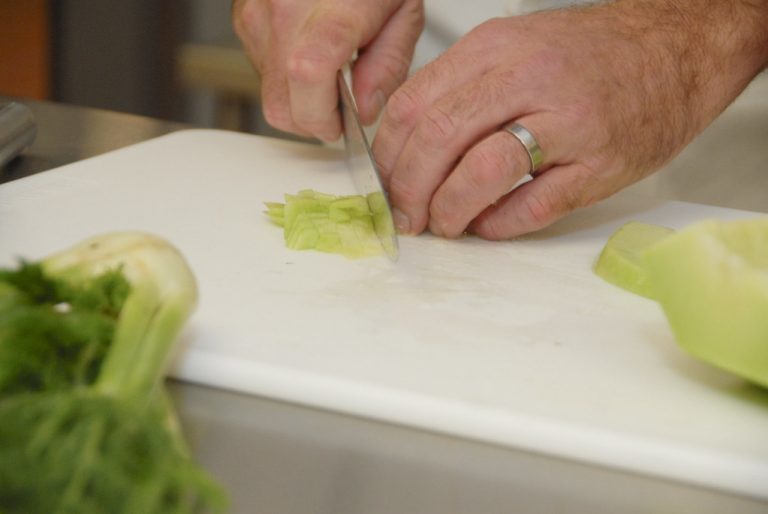
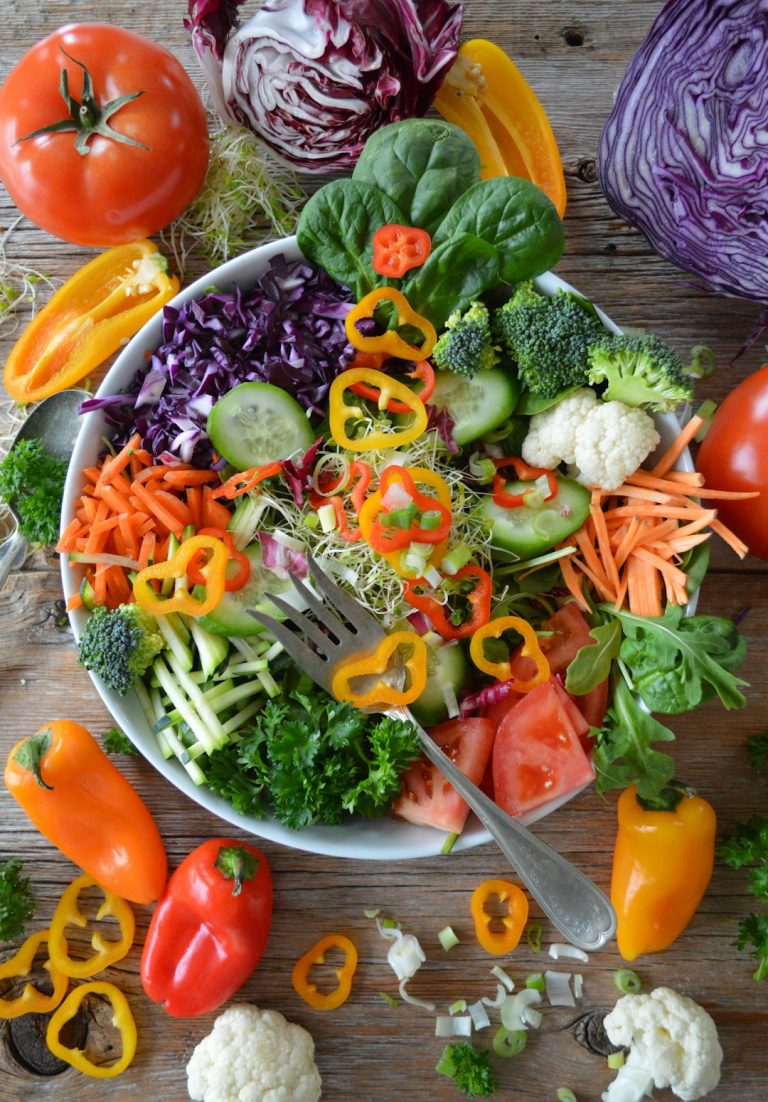
[IMAGE: organic vegetables]
Why Gut Health Shapes Everything from Energy to Weight Loss
The gut does much more than break down food. Inside your digestive tract lives a complex ecosystem of bacteria, enzymes, and immune signals that influence nearly every part of daily wellness. When the gut microbiome is balanced, you are more likely to digest food efficiently, feel satisfied after meals, and experience fewer uncomfortable symptoms like bloating, gas, or irregular bowel movements. When balance is disrupted, the body may respond with sluggishness, inflammation, food sensitivities, and intense cravings that make healthy eating difficult.
This is why nutrition experts often emphasize the connection between gut health and weight loss. If your digestion is poor, you may not be extracting nutrients effectively, which can leave you tired and less able to move, train, or stay active. A stressed digestive system may also send confusing hunger cues. You might feel full and still crave sugar, or eat enough calories and still feel unsatisfied. Improving your gut health can support a healthier appetite, more stable energy, and a better relationship with food.
Organic food fits naturally into this picture because it often encourages a more whole-food, less processed style of eating. Clean eating is not about perfection or restriction. It is about choosing foods that nourish your body without overwhelming it. When your meals are built around organic vegetables, fruits, legumes, whole grains, healthy fats, and high-quality proteins, your digestion tends to benefit from fewer artificial additives and a greater concentration of naturally occurring nutrients.
What Makes Organic Food a Smart Choice for Digestive Wellness?
Organic food is grown or produced without many of the synthetic pesticides, herbicides, and genetically modified inputs commonly used in conventional agriculture. While the science around every individual food choice is always evolving, many people choose organic options because they want a cleaner, more intentional approach to nutrition. For the gut, this can matter in subtle but important ways.
Digestive comfort often improves when the diet is built around minimally processed foods. Organic produce is frequently fresher, more flavorful, and easier to incorporate into simple meals that work with a clean eating plan. Whole ingredients tend to be naturally rich in fiber, which helps feed beneficial gut bacteria. Foods like organic leafy greens, berries, apples, carrots, oats, chia seeds, lentils, and yogurt can all play a role in supporting microbiome diversity.
There is also the issue of food quality. Many people find that when they start paying attention to organic ingredients, they automatically reduce their intake of ultra-processed snack foods, sugary drinks, and packaged meals that can be hard on digestion. That shift alone can improve bloating, regularity, and overall vitality. In that sense, organic food is not just a label. It often becomes a gateway to a more balanced healthy lifestyle.
Key digestive benefits often associated with organic eating
- More whole, fiber-rich foods that support regular digestion
- Fewer highly processed ingredients that can irritate sensitive stomachs
- Better meal quality, which may improve satiety and weight loss efforts
- Greater variety of plant foods, supporting microbiome diversity
- A more mindful relationship with nutrition and clean eating
The Best Organic Foods for Gut Health
If you want to build a gut-friendly routine, start with a few dependable foods rather than trying to overhaul everything at once. The best organic foods for digestive wellness share a few key qualities: they are nutrient-dense, easy to digest, and supportive of beneficial gut bacteria. You do not need an elaborate detox diet to feel better. You need consistency, not complexity.
1. Organic leafy greens
Spinach, kale, arugula, romaine, and Swiss chard are excellent staples. They provide fiber, magnesium, folate, and antioxidants that support digestion and help the body manage inflammation. Leafy greens can be added to omelets, soups, smoothies, grain bowls, and salads. If raw greens feel heavy, lightly steam them for easier digestion.
2. Organic berries
Blueberries, raspberries, blackberries, and strawberries are rich in polyphenols, plant compounds that feed beneficial bacteria. Their natural sweetness also makes them a smart alternative to sugary desserts. Add them to yogurt, oatmeal, or a simple snack plate. For anyone focused on weight loss, berries deliver flavor and satisfaction without a heavy calorie load.
3. Organic fermented foods
Fermented foods are among the most powerful allies for gut health. Organic yogurt with live cultures, kefir, sauerkraut, kimchi, miso, and tempeh may help diversify your microbiome and support digestion. The key is to choose products that contain live and active cultures and minimal added sugar. Start with small portions if your body is not used to fermented foods.
4. Organic oats and whole grains
Oats, quinoa, brown rice, buckwheat, and millet are excellent sources of soluble and insoluble fiber. Fiber helps move food through the digestive tract and supports a sense of fullness after meals. That satiety is especially valuable when your goal is weight loss through clean eating rather than aggressive dieting. A stable, fiber-rich breakfast can reduce snacking later in the day.
5. Organic legumes
Lentils, chickpeas, black beans, and kidney beans provide plant protein, resistant starch, and fiber. For many people, legumes improve digestive regularity when they are introduced gradually. Soaking dried beans and cooking them thoroughly can make them gentler on the stomach. A well-prepared lentil soup can be both comforting and highly functional for nutrition.
6. Organic healthy fats
Avocados, walnuts, chia seeds, flaxseeds, and extra-virgin olive oil support the gut by helping reduce inflammation and keep meals satisfying. Healthy fats are also important for the absorption of fat-soluble vitamins. When meals are too low in fat, people often feel hungry too soon. A clean eating plan that includes smart fats is more sustainable and better aligned with long-term wellness.
How Clean Eating Supports Digestion Without Feeling Restrictive
One of the biggest misconceptions about clean eating is that it means eating the same bland foods every day or eliminating every pleasure from your plate. In reality, clean eating is simply a strategy for choosing foods that are closer to their natural state and less likely to disrupt your body. It is not about fear. It is about clarity.
When your meals are made from recognizable ingredients, digestion often becomes more predictable. Instead of chasing quick fixes or relying on a detox diet that promises miracles, you can build a routine that respects your body’s natural rhythms. This matters because gut health does not improve overnight. It improves when your day-to-day habits become more consistent.
Consider this: a breakfast of organic oats, chia seeds, berries, and plain yogurt may support your energy far better than a sugary pastry and flavored coffee drink. A lunch of grilled vegetables, quinoa, and chickpeas can keep you satisfied longer than a packaged meal that is low in fiber. A dinner of salmon, roasted broccoli, and sweet potato may feel simple, but it can be more effective for your digestion than something with heavy sauces and excessive sodium.
Practical clean eating habits for gut support
- Build each meal around fiber-rich plants
- Choose organic food when possible for produce you eat often
- Limit ultra-processed snacks and artificial sweeteners
- Eat at regular intervals to support digestive rhythm
- Chew slowly and avoid rushing through meals
- Drink water consistently throughout the day
The Connection Between Gut Health and Weight Loss
People often approach weight loss as if it is only about calories, but digestion, hormone balance, and food quality also matter. If your gut is healthy, your body is better equipped to process food efficiently and signal fullness at the right time. That means you may naturally eat in a way that supports a healthy weight without feeling deprived.
Fiber is one of the most useful tools here. It slows digestion, helps control blood sugar, and feeds the bacteria that play a role in metabolism. Protein also matters because it stabilizes appetite and preserves lean mass. Healthy fats keep meals satisfying, and organic food choices often help people emphasize these fundamentals. Instead of grazing on empty snacks, you start planning balanced meals. Instead of overcomplicating nutrition, you simplify it.
There is also a behavioral advantage. When you commit to a healthy lifestyle centered on clean eating, you may become more aware of how certain foods affect your body. This can make weight loss feel less like a punishment and more like a series of informed decisions. You begin asking better questions: Does this meal energize me? Does it calm my digestion? Does it keep me full long enough to avoid mindless snacking? Those questions matter far more than chasing the latest fad.
Weight loss benefits of gut-friendly eating
- Improved satiety from fiber and protein
- Reduced cravings caused by blood sugar swings
- Better digestion and fewer bloating episodes
- More stable energy for movement and exercise
- Less reliance on packaged snacks and sugary treats
Building a Gut-Friendly Organic Meal Pattern
You do not need a complicated meal plan to support your digestion. What you need is a repeatable pattern that works with your schedule, taste preferences, and energy levels. The best nutrition strategy is the one you can actually maintain. If your meals are too elaborate, you are less likely to continue them. If they are simple, delicious, and effective, you are much more likely to stay consistent.
Think of your day in terms of structure rather than rigid rules. A balanced breakfast can anchor your blood sugar. A satisfying lunch can prevent afternoon crashes. A lighter, well-composed dinner can support digestion overnight. Snacks, when needed, should be purposeful rather than random.
Example of a gut-friendly organic day
- Breakfast: Organic oatmeal with chia seeds, blueberries, cinnamon, and plain Greek yogurt
- Lunch: Organic quinoa bowl with roasted vegetables, chickpeas, avocado, and olive oil dressing
- Snack: Apple slices with almond butter or a small bowl of kefir with berries
- Dinner: Salmon or tempeh with steamed greens, sweet potato, and a side of sauerkraut
Simple meals like these support digestion without making you feel as if you are on a strict detox diet. They are practical enough for real life and powerful enough to help your body feel better over time. If you are busy, this is especially important. Healthy eating should reduce stress, not add to it.
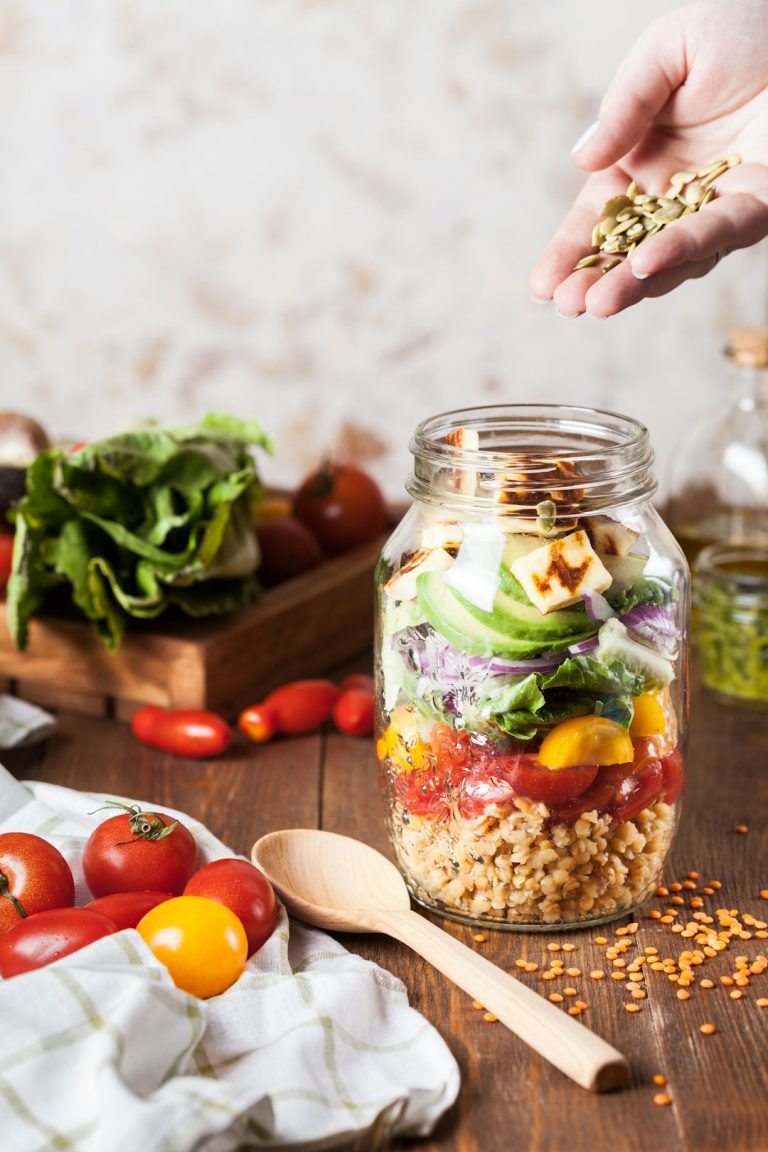
[IMAGE: healthy meal]
Foods and Habits That Can Disrupt Gut Health
Sometimes the fastest way to improve nutrition is not only to add helpful foods, but to reduce the habits that cause trouble. A great organic food plan works best when it is paired with a realistic view of what may be irritating your digestive system. Many people are surprised by how much better they feel after reducing a few specific foods and behaviors.
Common gut disruptors to watch
- Highly processed foods with long ingredient lists
- Excess added sugar and sweetened drinks
- Artificial sweeteners that can cause bloating for some people
- Large meals eaten too quickly
- Too little fiber in the daily diet
- Chronic dehydration
- Frequent alcohol intake
None of these automatically make someone unhealthy, and no one needs to eliminate every indulgence forever. But if you are trying to improve gut health, it helps to be honest about your patterns. Are you skipping meals and then overeating at night? Are you relying on snacks that keep you full for only an hour? Are you confusing a detox diet with genuine nourishment? A thoughtful clean eating plan is more effective than a short-lived reset.
The Role of Hydration, Movement, and Stress in Digestion
Gut health is not only about food. Hydration, physical activity, and stress management all influence how well the digestive system functions. Even the best organic food choices can be undermined by poor sleep, a sedentary routine, or ongoing stress. Your body is a connected system, not a collection of isolated parts.
Hydration matters more than many people realize
Water helps move fiber through the digestive tract and supports regular bowel movements. If you increase fiber without increasing fluids, you may feel worse instead of better. Aim to sip water steadily throughout the day rather than trying to catch up all at once. Herbal teas, cucumber water, and mineral-rich broths can also support hydration.
Movement keeps digestion active
Walking after meals, stretching in the morning, and staying generally active can improve motility, reduce bloating, and support weight loss. You do not need a punishing workout routine to get results. Even a 20-minute walk can make a difference. When movement becomes part of a healthy lifestyle, your digestion often improves as a side effect.
Stress affects the gut more than you might think
The gut and brain communicate constantly. When stress is high, digestion may slow down or become erratic. People often notice this as stomach tension, nausea, irregularity, or increased cravings. Breathing exercises, sleep, journaling, and time away from screens can all help create the calm environment your body needs to digest properly. What if your gut problems are partly a signal that your system needs more rest, not more restriction?
[IMAGE: fitness lifestyle]
Smart Organic Swaps That Make Clean Eating Easier
One of the easiest ways to improve nutrition is to make strategic swaps. You do not need to rebuild every recipe. You just need to choose better versions of the foods you already eat. These changes can make a surprising difference over time.
Easy swaps to consider
- Conventional breakfast cereal → organic oats with seeds and berries
- Sugary yogurt → plain organic yogurt with fruit
- White bread toast → sprouted or whole-grain organic bread
- Packaged chips → roasted chickpeas or seeds
- Sugary soda → sparkling water with citrus
- Processed frozen meals → homemade grain bowls
- Sweet dessert bars → organic apples with nut butter
These swaps do more than reduce additives. They help train your palate to appreciate real food again. Over time, you may find that your taste preferences shift naturally. Foods that once seemed bland begin to taste vibrant because your body is no longer overwhelmed by excess sugar and salt. That is one of the most underrated benefits of clean eating: it can change the way you experience flavor.
How to Read Organic Labels Without Getting Confused
The organic market has expanded rapidly, and with that growth comes confusion. Not every label means the same thing, and not every product marketed as healthy truly supports gut health. If you want to make better choices, it helps to understand the basics of label reading.
What to look for
- USDA Organic or equivalent certified organic seals
- Short ingredient lists with recognizable items
- Low added sugar
- Minimal artificial flavors, colors, and preservatives
- Fiber and protein content that support satiety
For packaged foods, look beyond the front of the box. A product may say organic but still be high in sugar or low in nutritional value. In a gut-friendly plan, the quality of the ingredients matters more than the marketing. A true healthy diet should support your digestion, not just sound appealing on paper.
Can a Detox Diet Help the Gut?
Many people search for a detox diet when they feel bloated, tired, or off-track. The idea of cleansing the body is appealing, but the most effective detox support usually comes from everyday habits rather than extreme protocols. Your liver, kidneys, and digestive system already work hard to process waste. What they need most is support, not punishment.
An organic food approach can function like a gentler detox diet because it removes some of the burden caused by processed foods and replaces it with nutrients your body can use. Think fiber-rich vegetables, hydrating fruits, fermented foods, herbal teas, and balanced meals. These choices support natural detoxification pathways without creating the rebound effects that often follow extreme cleanses.
If you have ever tried a restrictive detox and ended up more tired, hungrier, or frustrated afterward, you are not alone. A healthier approach is to ask: How can I nourish my body so it detoxifies itself more efficiently every day? That question leads to a more sustainable outcome.
Common Myths About Organic Food and Digestion
There are plenty of myths surrounding organic food, gut health, and weight loss. Clearing them up can help you make more confident decisions and avoid unnecessary stress. A good nutrition plan should feel empowering, not confusing.
Myth 1: Organic food is only for people with unlimited budgets
While organic products can cost more, you do not need to buy everything organic to benefit. Start with the foods you eat often, especially produce that tends to carry more pesticide residue. Frozen organic vegetables, seasonal fruit, oats, beans, and store-brand organic staples can make clean eating more affordable.
Myth 2: Gut health requires exotic superfoods
You do not need rare powders or expensive supplements to support digestion. Everyday organic food can be enough. Oats, apples, leafy greens, lentils, yogurt, and berries are all accessible and effective.
Myth 3: If a food is organic, you can eat unlimited amounts
Organic does not mean calorie-free. A healthy lifestyle still depends on portion awareness and balance. Even the most nutritious foods can work against weight loss if portion sizes are ignored.
Myth 4: Clean eating means eliminating all carbs
Carbohydrates are not the enemy. In fact, many gut-friendly foods are rich in carbs from natural sources like fruit, oats, beans, and sweet potatoes. The goal is to choose smart carbohydrates that support digestion and energy, not to remove them entirely.
Putting It All Together in Real Life
The most successful nutrition plans are the ones that fit your actual life. If you work long hours, have a family to feed, or simply do not enjoy spending all day in the kitchen, your strategy should reflect that. The beauty of organic food and clean eating is that they can be highly adaptable. A healthy meal does not have to be elaborate to be effective.
Try batch-cooking one or two grains, roasting a tray of vegetables, washing greens in advance, and keeping a few fermented foods in the fridge. Keep organic snacks visible so you reach for them first. Make breakfast easy so you are not starting the day in a rush. When your environment supports your goals, healthy choices become more automatic.
A simple weekly rhythm
- Sunday: Shop for organic staples and prep vegetables
- Monday to Wednesday: Focus on simple bowls, soups, and salads
- Thursday: Use leftovers creatively
- Friday: Keep dinner easy with a one-pan meal
- Weekend: Reconnect with cooking and plan the next week
This kind of structure is practical, affordable, and highly supportive of long-term weight loss and digestive wellness. It also prevents the all-or-nothing mindset that often derails healthy eating. You do not need to be perfect. You need a pattern that can carry you forward.
A Healthier Gut Starts with Better Daily Choices
Organic food is not a magic solution, but it can be a powerful ally when your goal is gut health, better nutrition, and a more balanced healthy lifestyle. The combination of fiber-rich plants, clean protein sources, fermented foods, smart hydration, and consistent movement can transform the way your body feels from day to day. When digestion improves, everything else tends to follow: energy rises, cravings settle, meals become more satisfying, and weight loss becomes less of a battle and more of a natural result of better habits.
If you are ready to take clean eating seriously without becoming obsessive, start with one change this week. Add an organic vegetable to dinner. Swap a sugary snack for berries and yogurt. Prepare one gut-friendly lunch in advance. Small shifts build real momentum, and that momentum is what creates lasting change. Your body responds to consistency, not extremes, and the smartest path forward is often the simplest one. Keep exploring more articles on DietOrganic to discover new ways to support your health with organic food, practical nutrition, and a clean eating approach that actually fits real life.
About the Author