

Photo by Ivan Radic on Openverse
Breakfast has always carried a certain promise: start well, and the rest of the day has a better chance of following suit. But in a world of rushed mornings, sugar-heavy pastries, and coffee-first routines, that promise is often broken before the day even begins. If you want more stable energy, a lighter approach to weight loss, and a cleaner relationship with food, your morning meal deserves more attention. The good news is that an organic food breakfast does not need to be complicated, expensive, or bland. With the right ingredients and a few smart habits, clean eating can become the most enjoyable part of your day.
Organic breakfast ideas are not just about avoiding pesticides or choosing prettier produce. They are about making nutrition work for you in a practical, satisfying way. A well-built breakfast can help reduce cravings later, support digestion, and keep your energy from rising and crashing by midmorning. Have you ever noticed how some breakfasts leave you hungry an hour later, while others keep you focused until lunch? That difference is not luck. It comes from balance, quality, and consistency.
In this guide, we will explore how organic food can fit naturally into a healthy diet, which breakfast combinations support weight loss without feeling restrictive, and how to build a clean eating routine that actually feels sustainable. You will also find real meal ideas, quick preparation strategies, and simple changes that can transform your mornings. Whether you are trying to lose weight, improve nutrition, or simply feel better before noon, the best place to start may be the first plate of the day.
Why an Organic Breakfast Matters for Energy, Clean Eating, and Weight Loss
Breakfast is more than a habit. It sets the tone for appetite, metabolism, concentration, and even mood. When your first meal is made from whole, organic ingredients, you are giving your body a cleaner start with fewer additives and more nutrient density. That matters because the quality of your morning meal can influence how stable your blood sugar feels, how long you stay full, and how much mental clarity you carry into the rest of the day.
For people focused on weight loss, the morning meal plays a surprisingly important role. Skipping breakfast may work for some, but for many people it leads to overeating later or making less thoughtful food choices when hunger becomes intense. A balanced organic breakfast can reduce the urge to graze, lower the appeal of ultra-processed snacks, and make clean eating feel far more natural. That is why the right meal is not just about calories. It is about creating a rhythm your body can trust.
Morning Fuel and Metabolic Rhythm
Your body wakes up needing hydration, steady energy, and nutrients that are easy to use. After hours without food, blood sugar may be lower, and cortisol naturally rises to help you begin the day. A breakfast built from organic food can help soften that transition. Instead of spiking your blood sugar and sending energy into a quick climb-and-crash cycle, a balanced meal can create a slower, more reliable release of fuel.
This is especially important if you are trying to make weight loss feel less effortful. Many people assume the path to fat loss requires eating less and less, but smart nutrition often matters more than severe restriction. When breakfast contains protein, fiber, and healthy fats, it supports satiety and makes it easier to keep your total daily intake in a comfortable range. Could something as simple as what you eat before 9 a.m. really influence the rest of your decisions? In many cases, yes.
What Makes a Breakfast Truly Organic
An organic breakfast starts with ingredients grown without synthetic pesticides, chemical fertilizers, or genetically modified inputs, depending on the certification standards in your region. But organic food is not automatically healthy if it is highly processed or loaded with sugar. A boxed organic cereal can still be a poor choice if it offers little protein and plenty of refined starch. Clean eating asks a second question: not only is it organic, but does it genuinely nourish you?
The best organic breakfasts are usually built from recognizable ingredients: eggs, berries, oats, yogurt, chia seeds, leafy greens, avocados, quinoa, nuts, seeds, and fresh herbs. These foods support a healthy lifestyle because they provide a wide range of vitamins, minerals, antioxidants, and slow-burning energy. When you combine them well, breakfast becomes both satisfying and strategic.
[IMAGE: organic vegetables]
The Building Blocks of an Energizing Plate
If you want breakfast to help with weight loss and steady energy, think in terms of structure rather than recipes alone. Great breakfasts usually contain three things: protein, fiber-rich carbohydrates, and healthy fats. Each one serves a different purpose, and together they create a meal that is more balanced than a bowl of fruit or a slice of toast by itself.
- Protein: Helps preserve lean muscle, improves satiety, and reduces the urge to snack too early.
- Fiber: Supports digestion, slows the absorption of sugar, and helps you feel full for longer.
- Healthy fats: Add flavor, support hormones, and create a satisfying mouthfeel that keeps meals enjoyable.
- Complex carbohydrates: Provide easy-to-use energy, especially when they come from oats, fruit, quinoa, or whole grains.
- Micronutrients: Vitamins and minerals from organic food help support metabolism, immunity, and recovery.
When these pieces work together, breakfast becomes more than a routine. It becomes a tool. Instead of chasing quick satisfaction, you create a meal that performs well in real life: it keeps you focused during a meeting, makes a workout feel stronger, and reduces the chance that you will raid the pantry at 10:30 a.m. What could be more useful than a breakfast that helps you feel clear, calm, and satisfied?
Protein Is the Difference Between Full and Hungry
One of the most common clean eating mistakes is building breakfast around carbohydrates alone. Even healthy carbs, when eaten without enough protein, may leave you hungry sooner than expected. Organic eggs, plain Greek yogurt, cottage cheese, tofu, tempeh, hemp seeds, and nut butters can all improve the staying power of your meal. If weight loss is a goal, this matters even more because fullness helps make your overall nutrition plan easier to maintain.
Fiber Works Behind the Scenes
Fiber is often overlooked because it is not flashy, but it is one of the quiet heroes of healthy eating. Berries, chia seeds, flaxseed, oats, apples, vegetables, and whole grains all bring fiber to the table. In an organic breakfast, fiber helps slow digestion and soften the impact of natural sugars. That means your body gets energy in a steadier way instead of taking the fast lane toward another energy dip.
Healthy Fats Give Breakfast Staying Power
A small amount of fat can make a huge difference in how a meal feels. Avocado, seeds, walnuts, almonds, olive oil, and coconut in moderation can add richness and support satiety. They also make food more enjoyable, which is important if you want a healthy lifestyle to be realistic instead of repetitive. Clean eating should never feel like punishment. It should feel like a better choice you are happy to repeat.
Organic Breakfast Ideas That Actually Keep You Full
Now let us get practical. The following organic breakfast ideas are designed for energy, weight loss support, and convenience. Some are sweet, some are savory, and all of them can be adjusted to fit your schedule and appetite. The goal is not to eat perfectly. The goal is to eat in a way that makes your mornings easier and your nutrition more consistent.
Berry Chia Overnight Oats
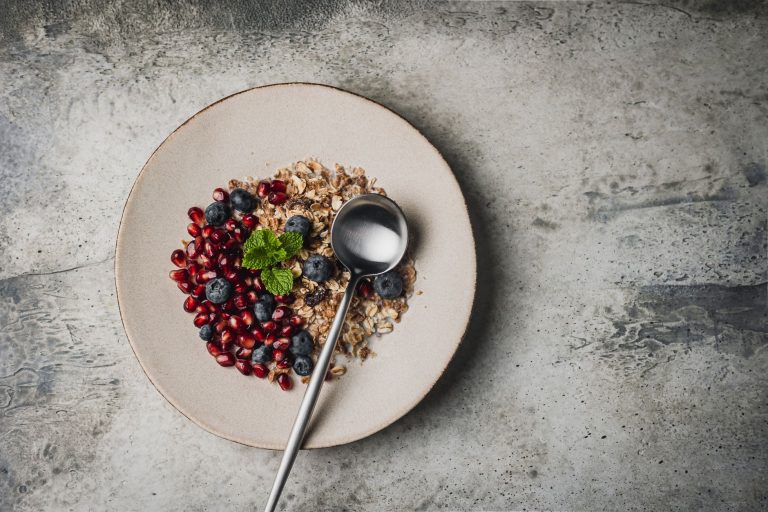
Overnight oats are one of the easiest examples of clean eating done well. Combine organic rolled oats, chia seeds, unsweetened almond milk, plain Greek yogurt, and a handful of berries. Let it sit overnight, and in the morning you have a creamy, filling breakfast that tastes indulgent without relying on refined sugar. Berries bring antioxidants and brightness, while chia seeds add fiber and a pleasant thickness. If you want extra protein, stir in hemp seeds or a spoonful of almond butter.
This meal works especially well for weight loss because it is portion-friendly and easy to prep in advance. You can make several jars at once, customize each one, and take them on the go. Add cinnamon for flavor, or top with pumpkin seeds for crunch. The result is a breakfast that feels like a treat but behaves like a smart nutrition choice.
Vegetable Omelet with Fresh Herbs
If you prefer a savory breakfast, a vegetable omelet made with organic eggs can be one of the best choices for steady energy. Eggs provide high-quality protein, while sautéed spinach, mushrooms, peppers, onions, and tomatoes deliver fiber, color, and micronutrients. Fresh herbs such as parsley, dill, or basil can elevate the flavor without adding extra calories.
For a more filling plate, pair the omelet with sliced avocado or a side of roasted sweet potatoes. This is a great example of a healthy diet meal that feels restaurant-worthy yet still supports clean eating. It also proves that weight loss meals do not need to be small or boring. They simply need to be balanced.
[IMAGE: healthy meal]
Greek Yogurt Power Bowl
A high-protein yogurt bowl is ideal when you need something fast but nourishing. Start with organic plain Greek yogurt, then add blueberries, raspberries, chia seeds, walnuts, and a small drizzle of raw honey if needed. The yogurt provides protein and creaminess, the fruit adds natural sweetness, and the nuts supply crunch and healthy fats.
To make this even more effective for weight loss, keep the toppings measured rather than endless. A power bowl is not a dessert buffet. It is a structured breakfast designed to support nutrition and satiety. Want more volume without more heaviness? Add sliced cucumber on the side or mix in shredded coconut and ground flaxseed for texture and fiber.
Avocado Toast with Seeds and Citrus
Avocado toast has become famous for a reason: when made well, it can be simple, elegant, and deeply satisfying. Use organic whole-grain bread, mashed avocado, a pinch of sea salt, and a topping of pumpkin seeds or hemp seeds. Add sliced radish, sprouts, or a soft-boiled egg if you want more protein and texture. A squeeze of lemon or lime brightens the flavor and adds freshness.
This breakfast shines when you want a clean eating option that feels modern and colorful. For weight loss, pair it with protein so that it does not become too carb-heavy. A single slice can be enough when combined with eggs or yogurt on the side. The key is not just what you eat, but how you build it.
Warm Quinoa Porridge with Apple and Cinnamon
Oats are not the only warm breakfast grain worth celebrating. Organic quinoa can be simmered with milk or plant milk to create a high-protein porridge that feels comforting and slightly nutty. Add diced apples, cinnamon, ground flaxseed, and a spoonful of almond butter for a breakfast that is balanced, warming, and naturally sweet.
Quinoa is a useful choice for clean eating because it brings more protein than many grains and offers a pleasant texture. It is also versatile enough to adapt to the season. In cooler months, you can serve it warm with pears and nutmeg. In warmer months, chill it slightly and top with berries. Either way, it supports a healthy lifestyle without becoming repetitive.
Green Smoothie with Protein and Healthy Fats
Not every breakfast has to be eaten with a fork. A smoothie can be an excellent organic breakfast idea when it is built with intention. Blend spinach or kale, frozen mango or berries, unsweetened yogurt or protein powder, avocado or nut butter, and a liquid such as almond milk or coconut water. The greens provide nutrients, the fruit gives flavor, and the protein and fat help prevent the meal from becoming too sugary.
Many smoothies fail because they are too light or too sweet. A better approach is to treat the smoothie like a liquid meal, not a juice. Ask yourself: will this keep me satisfied until lunch? If the answer is no, add more protein or fiber. A healthy lifestyle becomes much easier when breakfast actually works.
Tofu Scramble with Spinach and Tomatoes
For anyone following a plant-based or dairy-free clean eating plan, tofu scramble is an excellent option. Crumble organic tofu into a skillet with turmeric, black pepper, garlic, onions, spinach, and tomatoes. The result is savory, colorful, and surprisingly filling. Add avocado, salsa, or whole-grain toast to complete the plate.
This meal is especially useful if you want a breakfast that resembles eggs in texture but offers a vegan alternative. It is rich in protein, easy to season, and adaptable to whatever vegetables you have available. If your mornings need structure and your nutrition plan needs flexibility, tofu scramble can deliver both.
Apple Almond Butter Toast with Seeds
When time is short, simple breakfasts can still be smart. Top organic whole-grain toast with almond butter, thin apple slices, cinnamon, and a sprinkling of chia or hemp seeds. You get sweetness, crunch, creaminess, and fiber in one quick meal. It feels comfortingly familiar but more nutrient-dense than a typical spread and jam combination.
This is a good choice for mornings when you need something portable and satisfying. Pair it with a boiled egg or a small yogurt cup if you want more protein. Small adjustments like this can turn an average breakfast into one that supports weight loss and energy more effectively.
How to Build a Week of Organic Breakfasts Without Getting Bored
Healthy eating only works if you can repeat it. Variety matters, but so does having a simple framework that saves time. Instead of inventing a new breakfast every morning, create a rotation of a few reliable meals and swap ingredients as needed. This approach reduces decision fatigue and makes clean eating feel less like a project.
Think of breakfast in categories: one baked or make-ahead option, one savory skillet meal, one fast bowl, one smoothie, and one backup pantry meal. When those pieces are in place, your week becomes easier to manage. You do not need perfection; you need a system.
A Flexible Breakfast Rotation
- Monday: Berry chia overnight oats
- Tuesday: Vegetable omelet with avocado
- Wednesday: Greek yogurt power bowl
- Thursday: Green smoothie with protein and flaxseed
- Friday: Warm quinoa porridge with apple
- Saturday: Tofu scramble with toast
- Sunday: Avocado toast with eggs or seeds
This kind of rhythm can help you stay on track without feeling trapped. It also makes grocery shopping simpler because the ingredients overlap. If you are trying to lose weight, this matters more than trying every trendy recipe you find online. Consistency creates results, not chaos.
[IMAGE: fitness lifestyle]
Organic Foods to Keep on Hand for Fast Mornings
A well-stocked kitchen makes clean eating much easier. If your pantry and fridge already contain the right organic food, breakfast decisions become quick and manageable. The goal is to reduce friction. When healthy ingredients are visible and ready, you are far more likely to use them.
- Organic eggs or tofu
- Plain Greek yogurt or plant-based yogurt with minimal ingredients
- Rolled oats, quinoa, and whole-grain bread
- Chia seeds, flaxseed, hemp seeds, and pumpkin seeds
- Berries, apples, bananas, avocados, and citrus
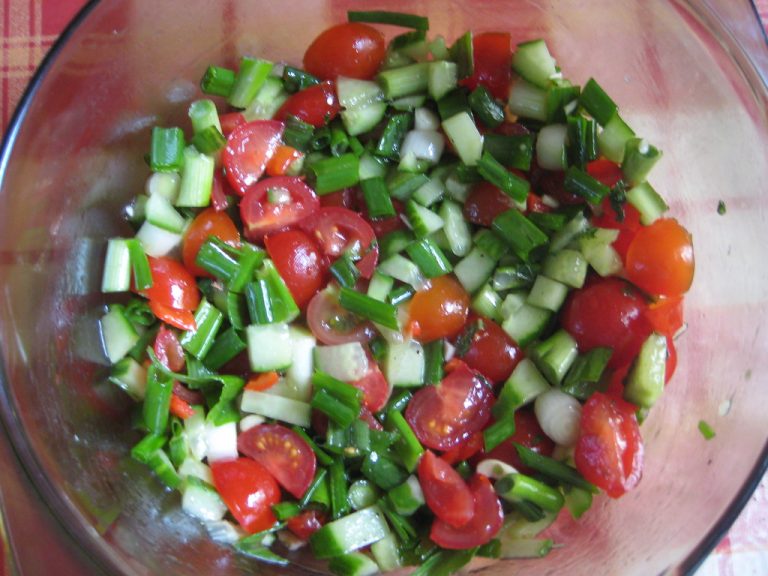
- Spinach, mushrooms, tomatoes, peppers, and herbs
- Nut butters with no added sugar or hydrogenated oils
- Unsweetened almond milk, oat milk, or dairy milk
- Cinnamon, turmeric, black pepper, and vanilla extract
When these staples are available, you can mix and match without overthinking. A healthy lifestyle becomes much more realistic when you are not starting from scratch every morning. Clean eating often succeeds because the right food is already in the kitchen when hunger arrives.
Meal Prep Strategies That Save Time and Support Nutrition
Preparation does not have to mean spending Sunday in the kitchen for hours. Even 20 to 30 minutes of planning can transform the way your mornings feel. Meal prep for breakfast is less about making everything in advance and more about making the healthy choice easier than the less helpful one. That is where organic breakfast planning can quietly support weight loss and better nutrition over time.
Batch Cook the Foundations
Cook a pot of oats or quinoa, roast a tray of vegetables, hard-boil a few eggs, and wash your fruit. These are simple actions, but they save enormous time during the week. Once the base ingredients are ready, you can assemble breakfast in minutes. Think of it as building a personal breakfast bar in your own kitchen.
Set Up a Breakfast Station
Keep your chia seeds, oats, cinnamon, nut butter, and nuts in one visible area. Store washed fruit and greens where you can see them. When the ingredients are easy to reach, you are less likely to default to packaged snacks or skip breakfast entirely. Visibility matters more than motivation sometimes.
Choose Two Proteins
Select two reliable breakfast proteins for the week, such as eggs and Greek yogurt or tofu and cottage cheese. This prevents boredom while keeping your nutrition strong. Protein is one of the easiest ways to make a breakfast more satisfying, which is why it deserves a permanent place in your routine.
Pre-Portion Add-Ins
Small containers of seeds, chopped nuts, and dried spices can make a big difference. Instead of adding a random handful of toppings, use measured portions that support your goals. This is helpful for weight loss because it creates structure without feeling restrictive. You still get flavor, but you also keep the meal intentional.
Common Breakfast Mistakes That Drain Energy
Even when your intentions are good, breakfast can go wrong in subtle ways. Many people think they are eating well while accidentally building meals that do not provide enough fuel. If your energy crashes, cravings hit quickly, or your stomach feels oddly empty too soon, one of these patterns may be the reason.
- Too much sugar: Even organic sweeteners can create a blood sugar spike if the meal lacks balance.
- Too little protein: A fruit-only breakfast often does not last long enough.
- Skipping fiber: Without fiber, digestion and fullness can suffer.
- Overdoing portion sizes: Healthy food still needs reasonable amounts, especially for weight loss.
- Relying on ultra-processed organic products: Organic does not automatically mean nourishing.
- Forgetting hydration: A glass of water or herbal tea can support digestion and wakefulness.
Ask yourself an honest question: does your current breakfast actually help you feel better, or does it merely taste good for a few minutes? The difference between those two outcomes is where real progress begins.
How Organic Breakfast Supports a Detox Diet Without Extremes
The phrase detox diet is often used too loosely, but the basic idea behind it is sensible: reduce the burden of heavily processed food and make room for ingredients that support normal body functions. Your body already has natural detoxification systems through the liver, kidneys, skin, and digestive tract. An organic breakfast cannot replace those systems, but it can support them by providing hydration, fiber, antioxidants, and fewer unnecessary additives.
Leafy greens, berries, citrus, oats, chia seeds, and herbs all fit neatly into a detox diet approach because they are nutrient-rich and easy to digest. A breakfast of green smoothie, oats with berries, or eggs with spinach can help you start the day with cleaner inputs. That is much more sustainable than extreme cleansing or skipping meals altogether. The more stable your routine, the more likely your healthy lifestyle will last.
Tips for Eating Clean Even on Busy or Stressful Days
The hardest part of clean eating is not knowing what to do. It is doing it when life gets busy. Meetings run long, kids need attention, workouts happen earlier than expected, and suddenly breakfast becomes an afterthought. This is where practical strategy matters more than inspiration.
- Keep one overnight option in the fridge at all times.
- Store frozen berries and greens for smoothies.
- Make boiled eggs or tofu scramble in advance.
- Use single-serve containers for yogurt, nuts, and seeds.
- Choose portable breakfasts when you know the morning will be hectic.
- Do not let one imperfect day become a week of poor habits.
The best health plans are the ones you can repeat when you are tired, distracted, or short on time. Clean eating is not about having endless willpower. It is about designing a routine that still works on ordinary mornings, not only on ideal ones.
What to Look for When Buying Organic Food for Breakfast
Not every organic label is equally useful. Shopping wisely helps you get the benefits of organic food without overpaying for items that do not improve your nutrition much. Focus first on whole foods and then on minimally processed staples. Organic fruit, vegetables, eggs, yogurt, oats, and grains often offer better value than heavily packaged products.
When reading labels, look for short ingredient lists and low added sugar. If a product is organic but still contains refined oils, syrups, or vague additives, it may not belong in a healthy diet designed for weight loss and energy. The organic label is a starting point, not the final decision. Clean eating always asks a deeper question: how close is this food to its original form?
Best Value Organic Breakfast Purchases
- Seasonal fruit and vegetables
- Rolled oats and quinoa
- Eggs, yogurt, tofu, and cottage cheese
- Seeds and nuts in bulk
- Frozen berries and greens
These staples are versatile, budget-friendly, and easy to adapt. If you are building a long-term nutrition habit, value matters. A healthy lifestyle should feel accessible enough to sustain, not so expensive that it becomes a temporary experiment.
How Breakfast Connects to the Rest of Your Day
It is easy to think of breakfast as a standalone meal, but it quietly shapes the next several hours. A balanced start can influence your focus at work, your cravings during the afternoon, and even how you approach dinner. This is why so many experts encourage a strong morning routine. It is not just about food. It is about momentum.
For people pursuing weight loss, momentum is valuable because it reduces impulsive eating. For people focused on clean eating, momentum helps create a sense of identity around better choices. And for anyone trying to build a healthier lifestyle, breakfast can be the daily cue that says, yes, I am taking care of myself today. That message may be small, but its effects are not.
When your first meal is rich in organic food, balanced in nutrition, and satisfying enough to keep you steady, the rest of your day has a better foundation. You may feel more focused during work, more patient during stress, and more in control when food decisions get complicated. That is not magic. It is the cumulative effect of choosing a breakfast that supports the life you want to live.
And if you want the easiest next step, start tomorrow morning with one change: choose one organic breakfast idea from this guide, prep it the night before, and notice how your energy, focus, and appetite respond. Small upgrades are often the ones that stay with you, and the more you explore DietOrganic, the easier it becomes to turn clean eating into a natural part of your healthy lifestyle.
About the Author