

Photo by Irynkaa on Pixabay
When people talk about healthy eating, the conversation often jumps straight to calories, carbs, or the latest detox diet trend. But if you want real results that last, the more important question is this: how does your food make you feel after you eat it? That is where gut health enters the picture. A calm, well-fed digestive system can influence energy, cravings, mood, skin, and even how easy it feels to maintain a healthy weight. That is why organic food has become such a powerful part of the clean eating conversation. It is not just about avoiding certain ingredients; it is about choosing food that supports the body from the inside out.
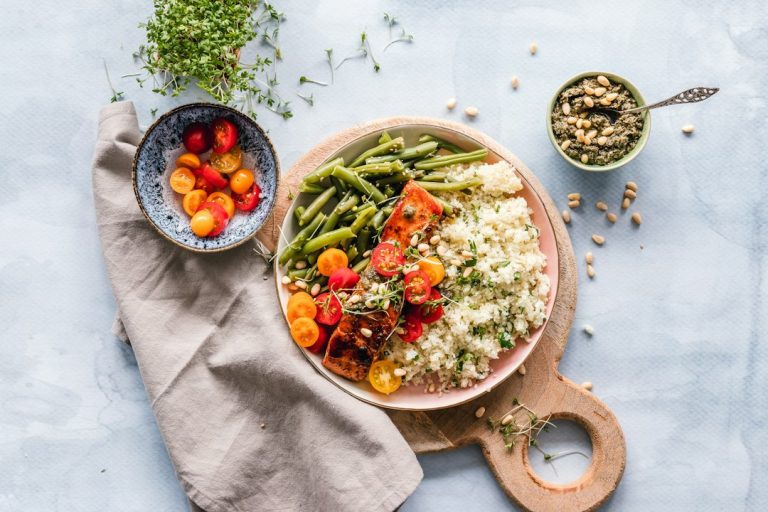
Organic eating is often associated with bright produce, cleaner labels, and a more thoughtful approach to nutrition. Yet many people still wonder whether it is truly worth the effort. Can organic food really help digestion? Does it make a difference for weight loss? And where do you begin if you want a more balanced healthy lifestyle without falling into restrictive habits? The answer is encouraging: when you build meals around organic food, fiber-rich plants, fermented ingredients, and minimally processed meals, you give your gut a better environment to thrive. [IMAGE: organic vegetables]
Why Gut Health Matters More Than Most Diets Admit
Your gut is not only a digestion center. It is an active system that helps break down food, absorb nutrients, and communicate with the rest of the body. If your digestion feels sluggish, reactive, or unpredictable, no amount of short-term dieting is likely to create lasting change. A healthy gut can make clean eating feel easier because your body is better able to use the nutrition you provide.
Many people notice that when digestion improves, so do other parts of daily life. Meals sit more comfortably, energy becomes steadier, and cravings lose some of their intensity. Have you ever eaten what seemed like a perfectly healthy lunch, only to feel bloated, tired, or oddly hungry an hour later? That is often a clue that the meal may be lacking in balance, fiber, or gut-friendly ingredients.
Signs your digestive system may be asking for help
If you are trying to improve your nutrition, it helps to pay attention to the signals your body sends. Common signs of digestive imbalance can include:
- Frequent bloating after meals
- Irregular bowel movements or discomfort
- Energy crashes in the afternoon
- Cravings for sugar or ultra-processed snacks
- Skin that seems more reactive than usual
- Brain fog or trouble focusing after eating
- A sense that even healthy meals do not fully satisfy you
These signs do not automatically mean something is wrong, but they are useful feedback. Instead of pushing harder with extreme rules, a smarter approach is to look at food quality, meal timing, hydration, and stress. That is where organic food and clean eating can become practical tools rather than buzzwords.
Why Organic Food Can Support a Healthier Gut
Organic food is not a miracle cure, and it does not turn every meal into a perfect solution. Still, it can play a meaningful role in a healthy diet by reducing exposure to certain pesticide residues and offering produce that is often fresher, more seasonal, and more flavorful. When your meals are built around ingredients that taste good and feel satisfying, healthy eating becomes much easier to maintain.
There is also a psychological benefit to organic eating. People often become more intentional when they shop for organic produce, organic dairy, and whole-food ingredients. That extra intention tends to reduce reliance on packaged food and supports a cleaner kitchen overall. The result is not only a better shopping list, but a better daily rhythm around nutrition, digestion, and weight loss goals.
Lower chemical load, fresher produce, and more mindful choices
Some people choose organic food because they want to reduce pesticide exposure. Others do it because they value farming practices, environmental sustainability, or simply better flavor. From a gut health perspective, the biggest advantage may be that organic food often encourages a diet richer in plants and less dependent on heavily processed items. When your plate is full of vegetables, fruit, seeds, legumes, and fermented foods, your digestive system usually gets more of what it needs.
The key is not perfection. A mostly organic clean eating routine can still be incredibly effective even if every single item is not certified organic. What matters most is the overall pattern: whole foods, less added sugar, more fiber, adequate protein, and fewer ingredients that confuse your body rather than nourish it.
The clean eating advantage
Clean eating is often misunderstood as a rigid set of rules. In reality, it simply means choosing foods that are close to their natural form and easy to recognize. Organic food fits naturally into that style because many organic staples are whole, simple, and minimally processed. Think roasted vegetables, plain yogurt, oats, berries, lentils, eggs, nuts, and herbs rather than packaged meals with long ingredient lists.
When you focus on clean eating, you may notice that your digestion feels less heavy. That is partly because whole foods tend to be richer in fiber and lower in artificial additives, emulsifiers, and excess sugar. If your goal is a healthy lifestyle that supports long-term weight loss, this kind of food quality matters more than chasing quick fixes.
The Best Organic Foods for Gut Health
Not all organic foods are equal when it comes to digestion. Some support beneficial gut bacteria, some soothe the digestive tract, and others help keep elimination regular. The most effective strategy is to combine them. A diverse diet feeds a diverse microbiome, and diversity is often a quiet but powerful feature of excellent nutrition.
Leafy greens
Organic leafy greens such as spinach, arugula, romaine, kale, and Swiss chard are foundational gut foods. They provide fiber, folate, magnesium, and plant compounds that support overall wellness. Their light, versatile nature also makes them easy to add to smoothies, soups, scrambled eggs, grain bowls, and salads.
- Add a handful of spinach to your morning omelet
- Build a lunch salad with mixed greens and olive oil
- Sauté kale with garlic and lemon for an easy side
These small habits matter. A digestive system that gets a steady supply of plant fiber usually functions more smoothly than one that is constantly dealing with refined foods.
Organic yogurt and kefir
Fermented dairy can be a valuable source of probiotics for people who tolerate it well. Organic plain yogurt and kefir offer live cultures that may help support a balanced gut environment. They also provide protein, which is important for satiety and weight loss.
If dairy does not agree with you, try unsweetened coconut yogurt with added live cultures or choose other fermented foods. The goal is not to force every trendy ingredient into your routine. The goal is to find foods that support your body comfortably.
Sauerkraut, kimchi, and fermented vegetables
Fermented vegetables are some of the most powerful additions to a clean eating plan. Organic sauerkraut and kimchi can add tang, texture, and beneficial bacteria to your meals. A small serving is often enough to make a difference. Because they are flavorful, they can also help reduce the need for heavy sauces and excess salt.
Start with a spoonful alongside eggs, grain bowls, or roasted vegetables. If you are new to fermented foods, introduce them gradually so your digestion has time to adapt.
Berries
Organic berries such as blueberries, raspberries, blackberries, and strawberries are rich in antioxidants and fiber. They also satisfy a sweet craving without the blood sugar spikes that often follow desserts or sugary snacks. For many people, berries are the easiest way to make a healthy breakfast feel indulgent.
Try them with yogurt, chia pudding, overnight oats, or on top of a salad with nuts and seeds. Their color, flavor, and nutrient profile make them a beautiful fit for a healthy lifestyle.
Oats and chia seeds
Organic oats provide soluble fiber, which can support regular digestion and help you feel full longer. Chia seeds add even more fiber, plus healthy fats that help stabilize energy. Together, they make an excellent base for a gut-friendly breakfast or snack.
One of the easiest clean eating meals is overnight oats layered with chia seeds, plain yogurt, and berries. It is simple, satisfying, and easy to prepare ahead of time. [IMAGE: healthy meal]
Apples, pears, and citrus
Organic fruit is one of the easiest ways to support digestion while keeping meals enjoyable. Apples and pears offer pectin, a type of soluble fiber that can be friendly to gut bacteria. Citrus fruits contribute hydration and a bright, cleansing feeling that many people enjoy as part of a detox diet style of eating.
Eat whole fruit rather than fruit juice when possible. Whole fruit keeps the fiber intact, which helps support fullness and steadier blood sugar. That matters if you are trying to lose weight without feeling deprived.
Garlic, onions, leeks, and asparagus
These vegetables are often described as prebiotic foods because they feed beneficial bacteria in the gut. They are especially useful if you are building meals from scratch and want to deepen the nutritional value of your cooking. Organic garlic and onions also add flavor, which can make healthy food feel much more satisfying.
If raw onions upset your stomach, try them cooked. If garlic feels too strong, use smaller amounts and build slowly. Gut health is personal, and the best foods are the ones you can tolerate consistently.
Ginger and turmeric
Ginger has a long-standing reputation for helping settle the stomach, while turmeric is known for its warm flavor and wellness-friendly profile. Together, they can make teas, soups, curries, and dressings more nourishing. These ingredients are not merely decorative. They help turn an ordinary meal into something supportive and memorable.
Fresh ginger tea after meals is a gentle habit many people love. It can feel calming, especially after a heavy lunch or a late dinner.
Legumes and lentils
Organic beans, lentils, and chickpeas can be excellent for gut health when they are prepared well. They provide fiber, protein, and slow-digesting carbohydrates that support energy and fullness. For people focused on weight loss, this is especially helpful because a meal built on legumes often keeps hunger under control for longer.
If legumes make you feel uncomfortable at first, start with smaller portions, rinse canned versions thoroughly, and cook dried legumes until tender. Soaking can also improve digestibility.
Nuts and seeds
Walnuts, almonds, flaxseed, pumpkin seeds, sunflower seeds, and hemp seeds are easy ways to add texture and nutrition to meals. They contain healthy fats and fiber that can support satiety and help meals feel complete. They also make good snacks when you want something nourishing instead of reaching for packaged foods.
A small handful is usually enough. Nuts and seeds are nutrient-dense, but they are also calorie-dense, so portion awareness matters if your main goal is weight loss.
What a Gut-Friendly Organic Plate Actually Looks Like
Many people know which foods are healthy, yet they still struggle to build meals that feel balanced. The solution is not a complicated diet plan. It is a repeatable formula. A gut-friendly plate should support digestion, energy, and satisfaction at the same time.
Think in terms of structure: fiber, protein, healthy fat, and color. When those elements appear together, your body usually responds better than it does to meals built from one dominating ingredient. A giant bowl of raw vegetables, for example, may be healthy in theory, but if it lacks protein or fat, it may leave you hungry and bloated. Balance is what turns a healthy meal into a sustainable one.
A simple formula for every meal
- Half the plate: organic vegetables or a mix of vegetables and greens
- One quarter of the plate: protein such as eggs, fish, yogurt, tofu, lentils, or chicken
- One quarter of the plate: high-fiber carbohydrates such as oats, quinoa, sweet potato, or beans
- Add healthy fat: avocado, olive oil, nuts, seeds, or tahini
- Include flavor: herbs, lemon, garlic, ginger, turmeric, or fermented foods
The 1-2-3 rule
If you prefer an even simpler method, use this quick framework: one protein, two plants, and three colors. It is an easy way to create variety without obsessing over numbers. For example, a bowl with organic salmon, roasted carrots, spinach, red cabbage, and avocado already gives your gut a strong foundation.
Meals like this are also easier to enjoy. That matters because consistency is built through pleasure as much as discipline. If your food feels satisfying, you are far more likely to keep eating in a way that supports your healthy lifestyle.
Here is an example of a balanced day:
- Breakfast: organic yogurt, chia seeds, berries, and walnuts
- Lunch: quinoa salad with leafy greens, chickpeas, cucumber, olive oil, and sauerkraut
- Dinner: grilled fish or tofu with roasted vegetables, sweet potato, and ginger dressing
- Snack: apple slices with almond butter or a small handful of seeds
This is what clean eating looks like in real life. It is practical, colorful, and flexible enough to fit into a busy schedule. [IMAGE: fitness lifestyle]
Can Organic Food Help With Weight Loss Too?
Organic food alone does not cause weight loss, but it can absolutely support it. When your meals are built from high-quality ingredients, you tend to eat more fiber, more protein, and fewer empty calories. That combination helps you feel fuller and may reduce the urge to snack impulsively.
Weight loss is often framed as a battle of willpower, but that is only part of the story. A person who is constantly hungry, bloated, or swinging between blood sugar highs and lows will have a much harder time staying consistent. Gut-friendly organic food helps solve the problem at the source by making meals more satisfying and digestion more stable.
Why gut health and weight loss are connected
- Stable digestion can reduce cravings for sugary snacks
- Fiber-rich meals support fullness and portion control
- Fermented and prebiotic foods may support a more balanced microbiome
- Better meal quality can reduce overeating caused by rebound hunger
- Less reliance on processed food often means fewer hidden calories
Of course, the relationship is not purely physical. When you feel better after meals, you naturally make better choices throughout the day. That momentum matters. A healthy diet works best when it feels like support, not punishment.
Foods and Habits That Can Sabotage a Clean Eating Plan
One of the biggest myths in nutrition is that anything labeled organic is automatically healthy. That is not true. Organic cookies are still cookies, and organic sugar still behaves like sugar. Clean eating requires more than shopping well. It requires honest decisions about how food is prepared, portioned, and eaten.
Even organic is not always gut-friendly
Some foods may be organic but still create digestive strain or slow progress toward weight loss. Watch out for:
- Organic sweetened granola and cereal bars
- Large amounts of juice or smoothie drinks
- Organic chips, crackers, and snack foods eaten mindlessly
- Heavy sauces loaded with sugar or oils
- Too much raw fiber all at once, especially if you are not used to it
- Skipping protein and relying on fruit alone for meals
Many people also forget that stress affects digestion. If you rush through lunch while working, your body may not digest food as efficiently. Chewing slowly, sitting down, and giving your meal proper attention can make a bigger difference than you might think.
Hydration and meal timing matter
Gut health does not begin and end with food alone. Water, sleep, movement, and regular meal rhythms all matter. Hydration supports digestion by helping fiber do its job properly. A short walk after meals can also encourage more comfortable digestion and support a healthy lifestyle overall.
If your goal is a detox diet using organic foods, think gently rather than dramatically. Your body already has detoxification systems in the liver, kidneys, and digestive tract. Your role is to support those systems with nourishing food, water, rest, and fewer irritants. That is a smarter and more sustainable approach than any extreme cleanse.
A 3-Day Organic Reset for Busy People
If you want to feel lighter, clearer, and more energized, a brief reset can help you recommit to clean eating without becoming overly restrictive. This is not about starving the body. It is about simplifying meals so your digestion can work with less strain. Ask yourself: what would happen if you gave your body three days of pure, steady, organic food and less chaos?
Day 1: Keep it simple
Focus on gentle meals that are easy to digest and easy to prepare.
- Breakfast: oats with chia seeds, cinnamon, and berries
- Lunch: vegetable soup with lentils and a side salad
- Dinner: baked salmon or tofu, steamed greens, and roasted sweet potato
- Snack: pear slices and a small handful of walnuts
Keep caffeine moderate and drink water throughout the day. If you like tea, ginger or peppermint can feel especially soothing.
Day 2: Add fermented foods
On the second day, include probiotic-rich foods to support digestion.
- Breakfast: organic yogurt or coconut yogurt with berries and flaxseed
- Lunch: quinoa bowl with chickpeas, cucumbers, greens, and sauerkraut
- Dinner: chicken, tempeh, or tofu with roasted vegetables and kimchi on the side
- Snack: apple with almond butter
This is a good day to observe how your body responds. Do you feel lighter after meals? More awake? Less bloated? Those clues matter.
Day 3: Focus on fiber and color
On the third day, make color the star of the plate.
- Breakfast: smoothie with spinach, berries, chia seeds, and plain yogurt
- Lunch: large salad with leafy greens, avocado, pumpkin seeds, eggs, and beets
- Dinner: stir-fry with broccoli, mushrooms, garlic, onions, and brown rice
- Snack: carrots with hummus
This style of eating often feels refreshing because it crowds out processed food without making meals boring. That is the sweet spot for any real detox diet approach.
Smart Grocery List for Clean Eating and Digestion
One of the easiest ways to stay consistent is to stock your kitchen well. If the right foods are already available, your future self is much less likely to order takeout or reach for ultra-processed snacks. Think of grocery shopping as a form of self-care for your digestive system.
Produce
- Spinach, kale, arugula, romaine
- Broccoli, cauliflower, Brussels sprouts
- Carrots, beets, sweet potatoes
- Apples, pears, berries, citrus
- Onions, garlic, leeks, ginger
Protein and dairy options
- Organic eggs
- Plain organic yogurt or kefir
- Chicken, turkey, fish, tofu, tempeh
- Lentils, chickpeas, black beans
Pantry staples
- Oats, quinoa, brown rice
- Chia seeds, flaxseed, hemp seeds
- Walnuts, almonds, pumpkin seeds
- Olive oil, apple cider vinegar, tahini
- Herbs, turmeric, cinnamon, pepper
Fermented and hydration-friendly choices
- Sauerkraut and kimchi
- Plain kefir
- Herbal teas
- Mineral water or filtered water
When you bring home these foods consistently, you create an environment where healthy choices become the default. That is one of the hidden strengths of clean eating: success becomes easier when your kitchen supports it.
How to Make Organic Eating Sustainable
The best nutrition plan is the one you can live with. Many people start with enthusiasm and then abandon healthy habits because the system is too expensive, too rigid, or too complicated. Sustainability matters. If your goal is a long-term healthy lifestyle, build habits you can repeat on a normal Tuesday, not only on your most motivated day.
Batch prep without burnout
Meal prep does not need to be elaborate. Roast a tray of vegetables, cook a pot of grains, wash greens, and prepare one protein in advance. Even thirty minutes of prep can save you from daily decision fatigue. A healthy diet becomes much easier when a good meal is only minutes away.
Start with a few smart swaps
Instead of changing everything at once, begin with three simple swaps:
- Replace sweet breakfast pastries with oats or yogurt
- Replace one processed snack with fruit and nuts
- Replace one takeout dinner with a simple organic bowl or salad
Small, repeated improvements create better outcomes than extreme short-term plans. The body responds best to consistency.
Read labels like a pro
Even in the organic aisle, label reading matters. Check for added sugars, refined oils, unnecessary preservatives, and ingredient lists that are much longer than they need to be. If a packaged item is supposed to be healthy but reads like a chemistry set, it may not belong in your regular rotation.
What should you look for instead? Short ingredient lists, familiar foods, and products that support your nutrition goals rather than distracting from them.
Questions Worth Asking Before You Eat
Sometimes better eating begins with better questions. Before you build a meal or reach for a snack, pause and ask yourself:
- Will this food leave me energized or sluggish?
- Does this meal contain enough protein and fiber?
- Am I eating because I am hungry, stressed, bored, or tired?
- Will this choice support my weight loss goals or make them harder?
- How can I make this meal more balanced with one or two small additions?
These questions are not about judgment. They are about awareness. The more aware you become, the easier it is to build an eating pattern that feels supportive instead of chaotic.
Why This Approach Works for the Long Term
The reason organic food, gut health, and clean eating work so well together is simple: they all point toward the same outcome. They help you eat in a way that feels cleaner, calmer, and more satisfying. Instead of forcing your body through a series of temporary rules, you are giving it what it needs to function well every day.
That is why this approach can support digestion, weight loss, and a healthier relationship with food at the same time. You eat more plants. You rely less on processed food. You begin to notice how meals affect your mood, energy, and focus. Over time, those changes can feel life-changing.
If you want to keep building a healthier routine, stay curious about what your body is telling you, experiment with new organic ingredients, and keep meals simple enough to repeat. The most effective healthy lifestyle is the one that feels nourishing, realistic, and enjoyable enough that you actually want to keep going. If this style of clean eating resonates with you, explore more articles on DietOrganic and keep discovering new ways to make organic food part of an everyday routine that supports your body beautifully.
About the Author