

Photo by nenadstojkovicart on Openverse
If you have been craving a reset that feels practical, nourishing, and genuinely sustainable, a 7-day organic diet plan may be exactly what your routine needs. Instead of chasing extremes, this approach focuses on organic food, balanced nutrition, and clean eating habits that support weight loss without leaving you drained or hungry. The goal is not to punish your body; it is to feed it with better ingredients, steadier energy, and meals you can actually enjoy.
What makes this plan different from a typical restrictive diet? It is built around real food, simple structure, and a rhythm that helps you make better choices from breakfast to dinner. By leaning on vegetables, fruits, whole grains, lean proteins, healthy fats, and smart hydration, you create a week that feels organized rather than chaotic. Have you ever noticed how much easier healthy habits become when your kitchen is stocked properly? That is the power of planning ahead.
In this guide, you will find a full 7-day organic diet plan, practical meal ideas, shopping advice, and a few expert strategies to make weight loss feel less like a struggle and more like a natural outcome of healthier living. Whether your aim is to reduce processed foods, support your digestion, or simply feel lighter and more energized, this clean eating plan is designed to meet you where you are.
Why an Organic Diet Plan Works for Weight Loss
Organic food is not a magic solution, but it can make healthy eating more consistent. When you choose organic produce, organic dairy, organic eggs, and minimally processed foods, you often end up eating fewer additives, fewer ultra-processed snacks, and more nutrient-dense ingredients. That shift alone can support weight loss because it encourages greater satiety and better meal quality.
Many people trying to improve their body composition focus on calories only. While energy balance matters, the quality of your nutrition matters too. A well-built organic diet plan tends to include more fiber, more volume from vegetables, and more stable blood sugar support. That means less random snacking, fewer energy crashes, and less temptation to reach for convenience foods.
Think of it this way: if your meals are built around real food, you are far more likely to feel satisfied after eating. That satisfaction is important. When hunger feels controlled, your healthy lifestyle choices become easier to repeat.
What Makes Organic Food Worth Including?
Organic food appeals to many people because it aligns with a cleaner approach to nutrition. While the term does not automatically mean lower in calories or more effective for weight loss, it does often reflect more mindful farming and fewer synthetic inputs. For many readers, that is enough reason to prioritize organic produce, especially for foods they eat often.
Here are a few reasons organic foods fit well into a clean eating plan:
- They encourage a stronger focus on whole ingredients rather than packaged foods.
- They make it easier to build meals around vegetables, fruit, grains, and lean protein.
- They often feel more aligned with a healthy lifestyle and long-term wellness goals.
- They can help reduce the mental noise around food choices by making your shopping list simpler.
If you are already trying to eat better, why not make the ingredients count? Organic produce can make a simple salad, soup, or grain bowl feel noticeably more satisfying and fresh.
How Clean Eating Supports Sustainable Weight Loss
Clean eating is not about perfection. It is about choosing foods that are closer to their natural state and preparing them in ways that preserve their nutritional value. When you eat this way consistently, your body often responds with more stable energy, better digestion, and easier portion control.
Clean eating supports weight loss because it naturally reduces excess sugar, excess sodium, and empty calories. Instead of a diet built on cravings and quick fixes, you create a routine that encourages balance. That balance matters more than any dramatic claim you may see online. Would you rather follow a plan for three days or build one you can actually repeat?
Before You Start: Prepare Your Kitchen for Success
The best organic diet plan is the one your kitchen can support. Before Day 1 begins, take a few minutes to reset your pantry, fridge, and shopping habits. This preparation lowers stress and removes the guesswork that often leads to takeout or snacking on processed foods.
Organize Your Shopping List
Use a simple list based on whole foods you can mix and match throughout the week. Keep it practical. You do not need a complicated menu with thirty ingredients. You need a dependable rotation of nutritious staples that work for breakfast, lunch, dinner, and snacks.
- Organic leafy greens such as spinach, kale, and romaine
- Organic vegetables such as broccoli, zucchini, carrots, peppers, and cucumbers
- Organic fruits such as berries, apples, citrus, bananas, and pears
- Organic proteins such as eggs, Greek yogurt, tofu, chicken, salmon, beans, and lentils
- Whole grains such as oats, quinoa, brown rice, and whole-grain bread
- Healthy fats such as avocado, olive oil, nuts, seeds, and natural nut butter
- Herbs, garlic, ginger, lemon, and vinegar for flavor without extra sugar
Set Up for Easy Wins
Meal prep does not need to mean cooking every dish in advance. Sometimes the smartest strategy is to pre-wash greens, roast a tray of vegetables, cook one grain, and prepare two proteins. That is enough to turn a chaotic week into a manageable one.
Keep containers visible. Place fruit where you can see it. Store washed vegetables at eye level. Make the healthy option the easiest option. This small shift changes behavior more than willpower ever will.
[IMAGE: organic vegetables]
The 7-Day Organic Diet Plan
Each day in this plan includes breakfast, lunch, dinner, and a snack or two. Portions should match your needs, activity level, and personal goals. If you are more active, you may need larger portions or an extra snack. If weight loss is your focus, aim for satisfying meals built with protein, fiber, and healthy fats so you stay full without overeating.
Day 1: Fresh Start and Simple Structure
The first day should feel easy, not intimidating. Focus on familiar foods and balanced plates. Starting with a calm, stable menu sets the tone for the rest of the week.
Breakfast
- Organic oatmeal topped with blueberries, chia seeds, and almond butter
- Unsweetened green tea or warm lemon water
Lunch
- Big salad with organic mixed greens, cucumber, cherry tomatoes, avocado, pumpkin seeds, and grilled chicken or chickpeas
- Olive oil and lemon dressing
Snack
- Organic apple with a handful of walnuts
Dinner
- Roasted salmon or baked tofu
- Quinoa
- Steamed broccoli and carrots
Day 1 is about rhythm. Can you keep the plate colorful and balanced? If yes, you are already on the right track.
Day 2: Fiber Focus for Better Digestion
On Day 2, emphasize fiber-rich meals that support fullness and digestive comfort. Organic foods naturally make this easier because fresh produce and whole grains become the center of the plate rather than an afterthought.
Breakfast
- Greek yogurt parfait with organic berries, flaxseeds, and sliced banana
- Cinnamon for flavor
Lunch
- Brown rice bowl with black beans, roasted vegetables, salsa, and avocado
Snack
- Carrot sticks with hummus
Dinner
- Chicken vegetable soup or lentil soup made with organic ingredients
- Side of whole-grain toast
Fiber helps many people feel more satisfied while supporting better digestion. If you often feel heavy after meals, this day can help you notice how clean eating changes your energy.
Day 3: Protein and Energy Balance
By Day 3, the plan should still feel steady, but now you can pay more attention to protein. Protein supports satiety and helps preserve lean tissue while you focus on weight loss. Many people under-eat protein when they try to eat lighter, and that mistake can make hunger worse.
Breakfast
- Vegetable omelet with spinach, mushrooms, and tomatoes cooked in olive oil
- One slice of whole-grain toast
Lunch
- Turkey or tempeh lettuce wraps with sliced cucumber, grated carrot, and avocado
- Fresh berries on the side
Snack
- Plain kefir or unsweetened yogurt with hemp seeds
Dinner
- Grilled fish or tofu
- Roasted zucchini and sweet potato
- Simple arugula salad
Notice how this plan keeps you satisfied without leaning on heavy sauces or refined carbs. That is the kind of nutrition that supports a healthy lifestyle over time.
Day 4: A Detox Diet Feel Without Extremes
Many people search for a detox diet because they want to feel lighter, less bloated, and more refreshed. The truth is that your body already has sophisticated detoxification systems. What you can do is support those systems with hydration, antioxidants, fiber, and cleaner choices. Day 4 is designed around that idea.
Breakfast
- Green smoothie with spinach, cucumber, green apple, ginger, lemon, and protein powder or Greek yogurt
Lunch
- Quinoa salad with parsley, cherry tomatoes, cucumber, chickpeas, and olive oil
Snack
- Sliced pear with sunflower seeds
Dinner
- Vegetable stir-fry with organic broccoli, peppers, snap peas, garlic, and tofu or shrimp
- Small portion of brown rice
Drink plenty of water throughout the day. Herbal teas, sparkling water, and simple infused water with lemon or cucumber can make hydration more enjoyable. Feeling sluggish? Before reaching for another coffee, ask whether you are actually under-hydrated.
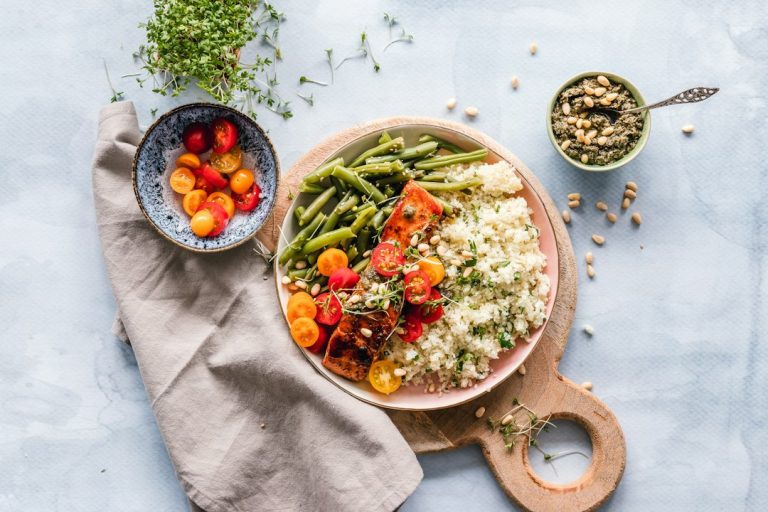
[IMAGE: healthy meal]
Day 5: Comfort Food, the Clean Way
A good organic diet plan should never feel joyless. On Day 5, include meals that feel comforting while still supporting your goals. Healthy eating becomes far more sustainable when flavor and satisfaction stay in the picture.
Breakfast
- Warm chia pudding made with unsweetened almond milk, cinnamon, and fresh strawberries
Lunch
- Sweet potato and lentil bowl with spinach and tahini dressing
Snack
- Organic popcorn lightly seasoned with sea salt and nutritional yeast
Dinner
- Turkey meatballs or bean patties
- Zucchini noodles or whole-grain pasta in a light tomato sauce
- Side salad with olive oil and herbs
This is proof that clean eating does not require boring food. When meals taste satisfying, you are less likely to raid the pantry later at night.
Day 6: Anti-Craving Stability
By Day 6, the goal is to keep blood sugar steady and cravings under control. If weight loss has been a frustrating cycle for you, this is where structure matters most. Balanced meals with protein, fiber, and fats reduce the chance of sudden hunger spikes.
Breakfast
- Two eggs, sautéed greens, and avocado
- Fresh orange slices
Lunch
- Organic chicken or chickpea wrap with hummus, lettuce, cucumber, and shredded carrots
Snack
- Handful of almonds and a kiwi
Dinner
- Baked cod, salmon, or tempeh
- Roasted Brussels sprouts
- Cauliflower mash or wild rice
If cravings usually hit in the afternoon, make sure lunch is large enough. A tiny salad may look virtuous, but if it leaves you starving by 4 p.m., it is not supporting your nutrition or your long-term healthy lifestyle.
Day 7: Reset and Reflect
The final day is not about ending the week with intensity. It is about noticing what worked, what felt easy, and what you want to keep doing. The best organic food plans help you build habits you can continue after the seven days are over.
Breakfast
- Overnight oats with organic yogurt, raspberries, chia seeds, and walnuts
Lunch
- Vegetable soup with beans
- Side salad with cucumber, carrots, and olive oil dressing
Snack
- Celery with almond butter
Dinner
- Roasted chicken, tofu, or lentil loaf
- Steamed green beans
- Roasted squash
End the week by asking a few honest questions: Which meals kept you full? Which snacks helped you avoid processed food? Which habits would make next week easier? Reflection turns a seven-day plan into a lifestyle shift.
Healthy Meal Prep Ideas That Save Time
A successful organic diet plan is usually less about motivation and more about preparation. If healthy food is ready to eat, you are more likely to choose it. That is why meal prep is one of the most effective tools for weight loss and clean eating.
Prep Components Instead of Full Meals
You do not need to cook every lunch and dinner in advance. Start with components:
- One grain: quinoa, brown rice, or oats
- Two proteins: chicken, eggs, tofu, beans, or fish
- Two trays of vegetables: broccoli, carrots, squash, peppers, or zucchini
- One sauce: lemon-olive oil dressing, tahini, hummus, or salsa
With those basics ready, you can build bowls, wraps, salads, and stir-fries in minutes.
Batch Prep for Busy Days
Busy people often believe they do not have time for healthy eating, but a little strategic prep changes everything. Wash fruit the day you bring it home. Chop vegetables once. Cook a double portion of soup or grains. Small efforts save big decisions later.
Another practical tip: keep a few emergency foods on hand, such as organic yogurt, frozen vegetables, canned beans, oats, and eggs. Those ingredients can rescue a weeknight when your energy is low and your schedule is packed.
Common Organic Diet Mistakes to Avoid
Even the best-intentioned clean eating plan can stall if it is built on misunderstandings. Avoiding a few common mistakes will make your week more effective and less frustrating.
Choosing Organic Processed Foods Too Often
Organic cookies, organic chips, and organic frozen desserts may sound better, but they are still processed foods. Organic does not automatically mean optimal for weight loss. Focus first on vegetables, protein, fruit, whole grains, and healthy fats.
Under-Eating Protein
Many people try to lose weight by simply eating less, but if protein is too low, hunger often rises. Make sure every major meal includes a meaningful source of protein to support fullness and recovery.
Forgetting Hydration
Sometimes what feels like hunger is actually thirst. Water is a basic but powerful part of nutrition. If your energy dips, drink water before assuming you need another snack.
Making the Plan Too Complicated
A beautiful plan that is impossible to follow will not help you. Simplicity is a strength. The most successful healthy lifestyle routines are the ones you can repeat on ordinary days, not just when you have extra time.
How to Make the Plan Work for Your Body
No two people have identical needs. Your age, activity level, goals, and food preferences all matter. That is why a 7-day organic diet plan should be treated as a flexible framework rather than a rigid rulebook.
If Your Goal Is Weight Loss
Keep portions moderate, prioritize protein and vegetables, and reduce mindless snacking. You do not need to eat tiny meals all day. In fact, three balanced meals and one or two planned snacks may work better than constant grazing.
If You Exercise Often
Active people may need more carbohydrates around workouts. Add extra fruit, oats, rice, or sweet potatoes to keep your energy stable. This helps you maintain performance while still keeping the focus on clean eating.
If You Need More Satisfaction
Do not be afraid of healthy fats. Avocado, nuts, seeds, olives, and olive oil can make meals more satisfying and delicious. The aim is not to remove pleasure from food but to create a pattern that supports wellness and reduces overeating.
[IMAGE: fitness lifestyle]
Simple Organic Staples to Keep on Repeat
The smartest diet plans rely on repeatable ingredients. When you learn how to use a small set of foods in different ways, healthy eating becomes far easier and much more affordable.
- Spinach: use in omelets, smoothies, salads, and soups
- Oats: use for breakfast, snack bars, and overnight oats
- Eggs: use for breakfast, lunch bowls, and quick dinners
- Beans and lentils: use in soups, salads, wraps, and grain bowls
- Chicken or tofu: use for bowls, wraps, and stir-fries
- Berries: use in yogurt, oats, smoothies, or as a snack
- Quinoa and brown rice: use as bases for lunch and dinner
- Olive oil, lemon, garlic, and herbs: use for easy dressings and flavor
When your pantry is built around dependable organic food, you spend less time deciding and more time eating well.
Why This Plan Supports More Than Just Weight Loss
Although many people begin a clean eating plan with weight loss in mind, the benefits often extend far beyond the scale. Better digestion, steadier energy, improved focus, and fewer cravings are all common reasons people stick with healthier routines after the first week.
Organic food can also help create a more mindful relationship with eating. When meals are prepared with care, people often slow down, notice flavors more fully, and feel more connected to their choices. That matters because healthy lifestyle changes are easier to sustain when they feel positive rather than punitive.
Are you only looking for a quick reset, or do you want a plan that changes how you feel every day? If it is the second option, this approach gives you a strong foundation.
How to Continue After the 7 Days
The real value of this plan is not just what happens during the week. It is what happens after you realize you can do this without overcomplicating your life. The easiest way to continue is to keep the parts that worked best and rotate them into your next week.
- Repeat two or three breakfasts you genuinely enjoyed
- Build lunch around a protein, a grain, and vegetables
- Keep one soup or salad recipe on rotation
- Use snacks that help, not distract, from your goals
- Shop from a short, repeatable list instead of chasing trends
Consistency beats novelty when you are trying to create lasting change. The more familiar your healthy meals become, the less mental effort they require.
Final Tips for a Cleaner, Lighter Week
Before you begin, remember that a successful organic diet plan is not about being perfect for seven days. It is about making better choices often enough that your body feels the difference. Prioritize meals that keep you satisfied. Choose organic food when it is practical and meaningful to you. Keep your plate colorful. Stay hydrated. Keep processed foods out of sight. And above all, let the plan work for your life instead of trying to force your life around the plan.
If you keep showing up for yourself with simple meals, thoughtful preparation, and a realistic approach to nutrition, the benefits tend to accumulate quietly but powerfully. That is how clean eating becomes more than a short-term diet: it becomes part of a healthier rhythm you can maintain with confidence, and if you want more practical ideas to keep that momentum going, explore the other articles on DietOrganic for fresh inspiration and expert guidance.
About the Author