

Photo by Nati on Pexels
When people talk about feeling lighter, more energized, and more in control of their health, the conversation often circles back to one powerful place: the gut. Your digestive system influences far more than how comfortably you digest lunch. It plays a role in immunity, mood, skin clarity, energy levels, and even how efficiently your body manages weight. That is why a thoughtful organic food routine can be such a meaningful part of a healthy lifestyle. If you have ever wondered whether clean eating can truly make a difference, the answer is often yes—especially when your meals are built around nutrient-dense, minimally processed ingredients that support digestion from the inside out.
Organic food is not a magic solution, and no single detox diet will transform everything overnight. But when you consistently choose foods that are easier on the digestive system and richer in natural nutrients, you give your body a better foundation for balance. That is where organic foods become especially interesting. They are often selected not only for what they contain, but also for what they leave out: synthetic pesticides, artificial additives, and the excess processing that can disrupt a clean eating routine. For anyone focused on weight loss, better nutrition, and steadier energy, supporting gut health can be one of the smartest moves you make.
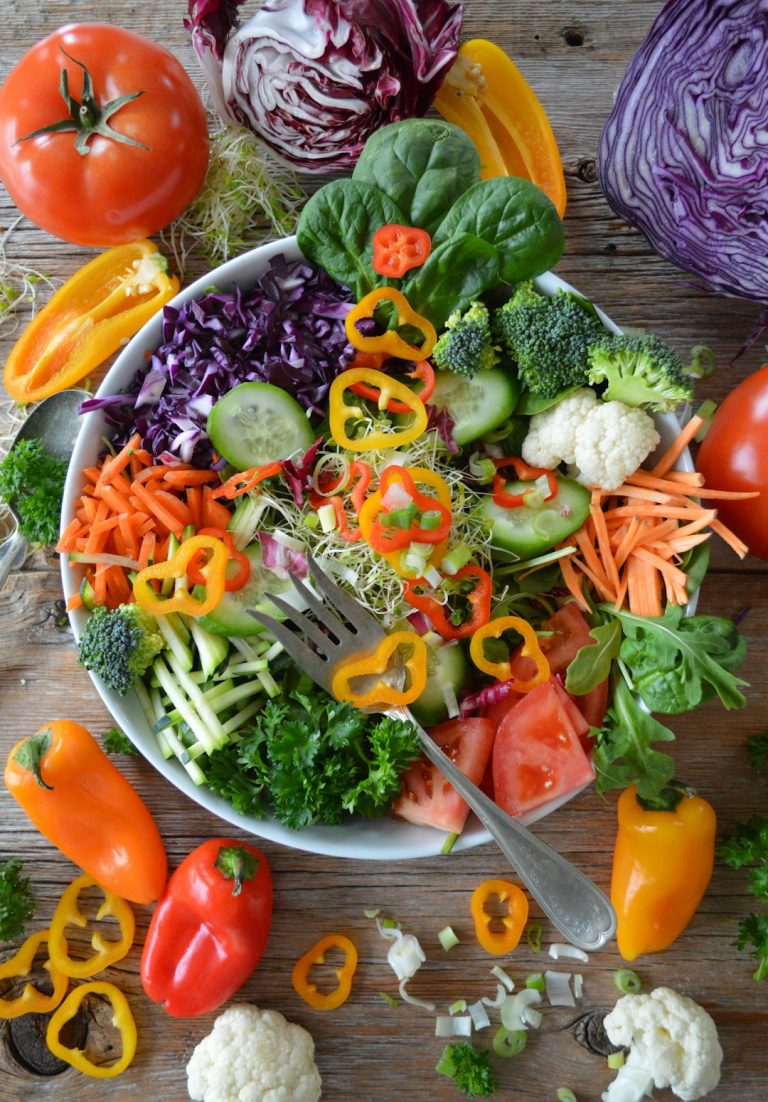
[IMAGE: organic vegetables]
Why Gut Health Deserves a Place in Your Clean Eating Plan
Your gut is home to trillions of microbes that help break down food, produce certain vitamins, and communicate with the rest of your body. Think of this environment as a living ecosystem. When it is well nourished, digestion tends to feel smoother, cravings may become easier to manage, and your overall health can feel more stable. When it is out of balance, you may notice bloating, irregular digestion, fatigue, skin issues, or a frustrating plateau in your weight loss journey.
So what does this have to do with organic food? Quite a lot. A clean eating approach built around organic produce, fiber-rich grains, healthy fats, and naturally fermented foods can help create a more supportive environment for gut microbes. Instead of depending on overly processed snacks or heavy meals that leave you sluggish, you are feeding your body ingredients that are easier to recognize and use. Have you noticed how certain foods make you feel vibrant, while others seem to slow everything down? Those everyday signals matter.
The modern diet often emphasizes convenience, but convenience can come at the cost of digestion. Large amounts of refined sugar, artificial sweeteners, low-fiber foods, and chemical additives may make it harder for your gut to stay balanced. A detox diet is sometimes marketed as a quick fix, but a more sustainable strategy is to focus on nourishing meals that naturally support the body’s own detoxification systems. Your liver, kidneys, and digestive tract are already working hard. Organic food can help lighten the load by reducing exposure to unnecessary extras and increasing your intake of whole-food nutrition.
What a Healthy Gut Can Influence
A healthy gut does not only help with digestion. It can influence many daily experiences you may not immediately connect to food.
- More comfortable digestion and reduced bloating
- More consistent energy throughout the day
- Better appetite regulation and fewer random cravings
- Improved nutrient absorption
- Support for immune function
- Potential benefits for skin clarity and mood
When your nutrition is balanced, your body often responds in a quieter, steadier way. That is one reason many people notice that clean eating feels less like deprivation and more like relief.
How Organic Food Supports Digestion and Weight Loss
Organic food is not inherently lower in calories, and it is not a guaranteed route to weight loss. However, it can make a clean eating pattern easier to sustain. When you build meals from organic vegetables, fruits, legumes, whole grains, eggs, yogurt, seeds, and herbs, you naturally move toward a diet that is more nutrient-dense and less likely to trigger overeating. Why does this happen? Because whole foods tend to provide fiber, water, and volume, all of which help you feel satisfied without relying on empty calories.
Weight loss becomes more manageable when your meals are designed to keep blood sugar stable and digestion comfortable. Organic food can support that goal in several ways:
- More fiber: Organic produce, beans, oats, chia seeds, and flaxseed all support regular digestion and fullness.
- Fewer additives: A simpler ingredient list may reduce the digestive burden on sensitive stomachs.
- Better meal quality: Choosing organic often encourages more cooking at home and fewer ultra-processed meals.
- Mindful eating: When people invest in higher-quality ingredients, they often become more intentional about portions and preparation.
This is not about perfection. It is about creating a pattern that makes healthy choices more natural. If your meals are satisfying, flavorful, and easy to digest, you are more likely to stick with them long enough to see real changes. That is the heart of sustainable nutrition.
The Difference Between Dieting and Nourishing
There is a big difference between eating to shrink and eating to support. A short-term detox diet may reduce water weight or cut back on heavy foods for a few days, but it rarely teaches you how to eat in a way that supports long-term wellness. Clean eating based on organic food, by contrast, is a practical framework for everyday life. It gives you a way to shop, cook, and eat that respects your body’s natural rhythm.
Instead of asking,
About the Author