
Photo by Ella Olsson on Pexels
Your digestion affects far more than how comfortable you feel after a meal. It can influence energy, cravings, skin clarity, immunity, mood, and even the pace of your weight loss progress. That is why so many people who want a healthier body eventually come back to one simple question: what should I actually eat to support my gut? For many readers, the answer begins with organic food, because cleaner ingredients, fewer unnecessary additives, and a more thoughtful approach to nutrition can help create the kind of daily rhythm your digestive system loves.
When people think about clean eating, they often picture salad bowls and green juices, but true gut-friendly eating is more practical than that. It is about choosing foods that digest well, feed beneficial bacteria, and help you feel satisfied instead of depleted. It is also about noticing what your body responds to. Are you bloated after meals? Do you feel sluggish by midafternoon? Do you struggle with cravings even when you eat enough? These are the kinds of signals your gut may be sending. The good news is that a healthier routine does not require perfection. It requires intention, consistency, and a few well-chosen organic foods that support digestion from the inside out.
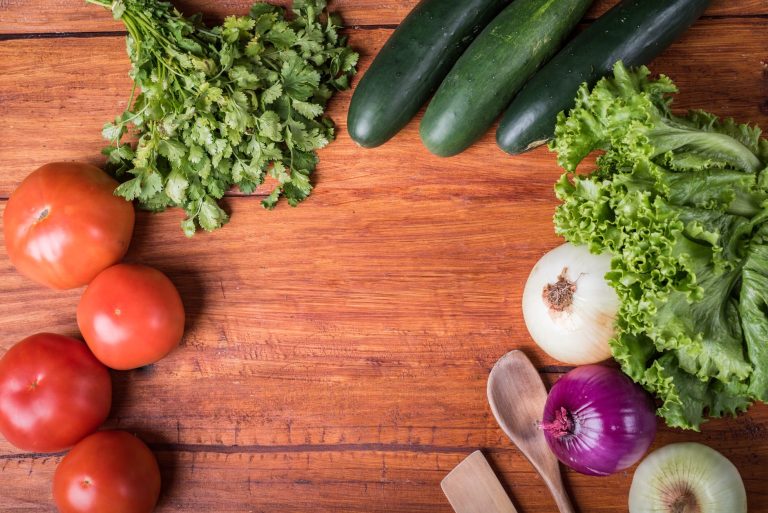
[IMAGE: organic vegetables]
Why Gut Health Matters More Than Most People Realize
The gut is often described as the body’s command center for digestion, but that description only scratches the surface. A balanced gut environment helps break down food efficiently, absorb nutrients properly, and maintain regularity. It also plays a role in immune response, inflammation levels, and the signals that influence hunger and fullness. If your digestion is working well, your entire healthy lifestyle tends to feel easier. If it is not, even the most disciplined nutrition plan can feel frustrating.
Many people chasing weight loss focus only on calories, yet overlook the quality of those calories. A diet built on processed foods can leave you undernourished, over-hungry, and constantly reaching for snacks. A clean eating approach centered on organic food can help reduce that cycle by emphasizing fiber, hydration, minerals, and natural foods that support steadier energy. Isn’t it easier to stay on track when your meals actually leave you feeling calm and satisfied?
The Gut-Weight Connection
Gut health and weight management are closely linked, although not in a simplistic way. A healthier digestive system can improve how your body processes food, while a more stable eating pattern can reduce the stress that often leads to overeating. When digestion is sluggish, people often feel heavy, tired, or bloated, which can make exercise less appealing and healthy habits harder to maintain. On the other hand, when meals are built with nutrition in mind, appetite tends to become more predictable, and that makes weight loss feel more sustainable.
Think of the gut as a foundation. If the foundation is weak, everything built on top of it becomes harder to support. But if the foundation is strong, your healthy lifestyle choices have a better chance of sticking. This is why so many smart wellness plans include fiber-rich vegetables, probiotic foods, healthy fats, and regular meal timing rather than extreme restrictions.
Signs Your Gut May Need More Attention
People often normalize uncomfortable symptoms, but your body usually tells a clear story if you know how to listen. Common signs that your digestion may need more support include:
- Frequent bloating after meals
- Constipation or irregular bowel movements
- Excessive gas or stomach discomfort
- Cravings that feel hard to control
- Energy crashes after eating
- Feeling heavy even after moderate meals
- Sensitive reactions to rich or highly processed foods
If several of these sound familiar, your body may benefit from a cleaner, more balanced approach to nutrition. That does not mean you need a dramatic detox diet or a short-lived reset. It means choosing foods and habits that make digestion more efficient every day.
Why Organic Food Can Be a Smart Choice for Gut Support
Organic food is not a magic fix, but it can be a meaningful part of a gut-friendly strategy. The appeal of organic produce and minimally processed organic pantry staples lies in their quality and simplicity. Many people prefer organic options because they are grown with fewer synthetic pesticides and fertilizers, and because they often encourage a more mindful relationship with eating. When your goal is clean eating, that matters.
Choosing organic food can also make it easier to build meals around ingredients you recognize. A plate made from organic vegetables, whole grains, legumes, and fresh proteins is naturally more aligned with healthy lifestyle goals than a diet dominated by packaged snacks and refined sugars. This kind of eating supports better nutrition without making meals feel restrictive.
Pesticides, Additives, and Digestive Stress
Not every person reacts the same way to conventional foods, but many health-conscious eaters prefer to reduce exposure to unnecessary chemicals and additives where possible. While an occasional packaged item will not ruin your progress, a diet filled with ultra-processed foods can put extra strain on digestion. Artificial flavors, excess sodium, refined sugars, and low fiber content can all contribute to a less comfortable gut environment.
Organic food often provides a cleaner baseline. That can be especially helpful if you are trying to improve digestion, reduce bloating, or create a more balanced eating pattern. Even simple substitutions, such as choosing organic leafy greens, organic berries, or organic oats, can make a difference in how your meals feel.
What to Prioritize When Shopping Organic
If you want to make organic food more practical, focus on the items you eat often. Not every single ingredient needs to be organic for your diet to be healthy. Start with the categories that matter most to your routine and budget:
- Leafy greens and salad vegetables
- Apples, berries, grapes, and other frequently eaten fruit
- Oats, quinoa, and whole grains
- Yogurt, kefir, and fermented foods with simple ingredient lists
- Eggs, poultry, and plant proteins when possible
- Pantry basics like beans, lentils, nuts, and seeds
A thoughtful organic shopping list can support both clean eating and weight loss without feeling overwhelming. The goal is not to buy the trendiest products. The goal is to create meals your body can actually use.
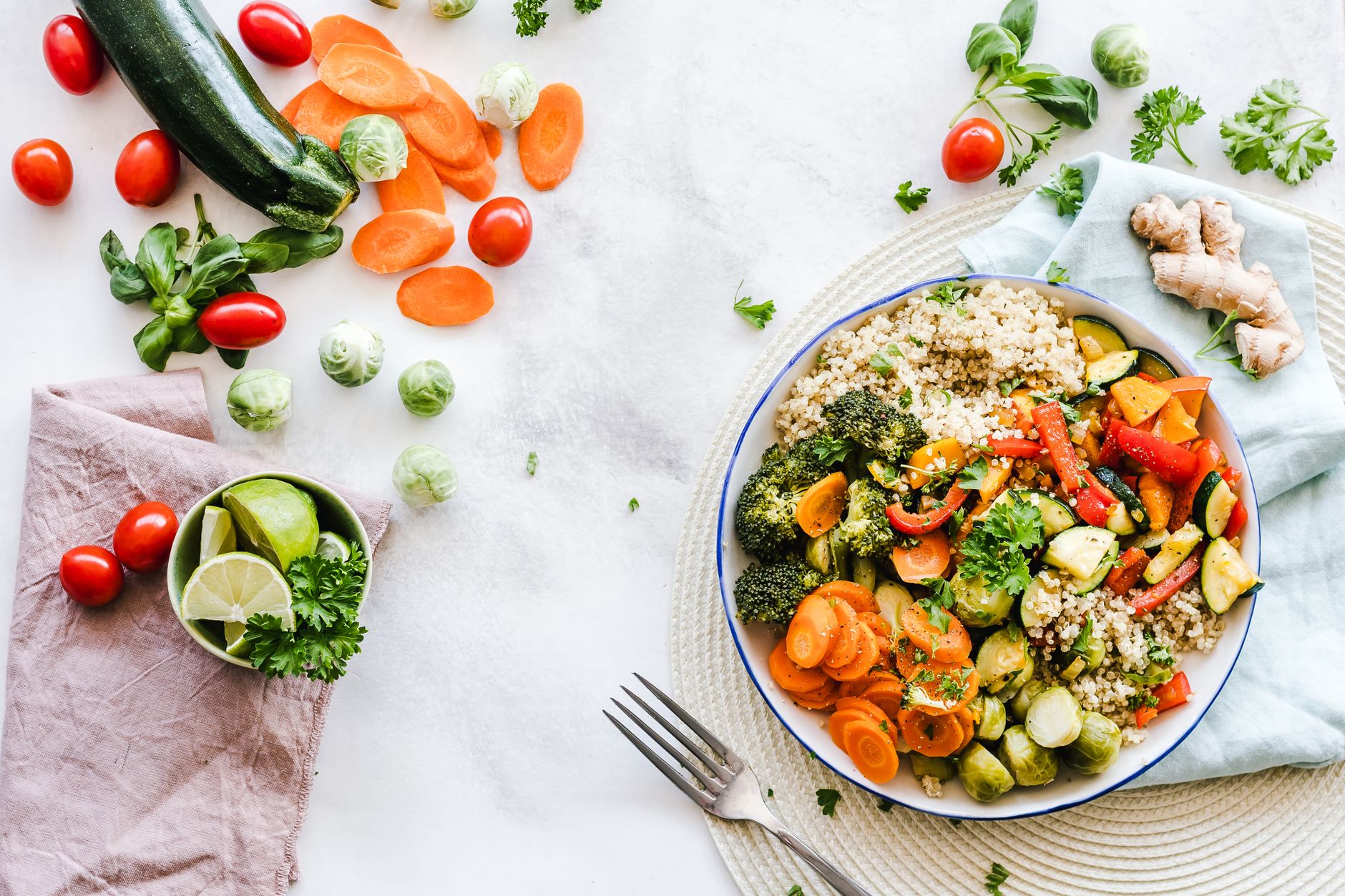
[IMAGE: healthy meal]
The Best Organic Foods for a Healthier Gut
Supporting digestion is less about chasing one superfood and more about building a well-rounded pattern. The best organic food choices for gut health tend to do one or more of three things: provide fiber, supply beneficial bacteria, or calm inflammation. When these three functions work together, your meals become more satisfying and your digestion often becomes more predictable.
1. Organic Fermented Foods
Fermented foods are one of the most talked-about tools in nutrition for good reason. They can help introduce helpful bacteria into the digestive system and add depth to meals without much effort. Examples include:
- Organic plain yogurt
- Organic kefir
- Sauerkraut
- Kimchi
- Miso
- Tempeh
Start slowly if you are new to fermented foods, especially if your digestion is sensitive. A small serving with lunch or dinner is often enough to begin with. The key is consistency, not excess.
2. Organic Prebiotic Vegetables
Prebiotics are the fibers that feed beneficial gut bacteria. They help the good microbes thrive, which can improve digestion over time. Organic vegetables such as onions, garlic, leeks, asparagus, and artichokes are especially valuable because they are both nutrient-dense and versatile in the kitchen. They also work beautifully in clean eating recipes.
Try roasting organic asparagus with olive oil and sea salt, adding garlic to soups, or mixing sautéed onions into eggs and grain bowls. Small habits like these can turn ordinary meals into gut-supportive meals.
3. Organic Leafy Greens
Leafy greens are a cornerstone of almost every healthy lifestyle plan because they are rich in fiber, antioxidants, and micronutrients. Organic spinach, kale, arugula, Swiss chard, and romaine can help support digestion while keeping meals light yet nourishing. They are easy to add to smoothies, salads, soups, and sautéed dishes.
If you want a simple upgrade, start your lunch or dinner with a generous serving of greens. Many people find that doing this helps them feel fuller with less effort, which naturally supports weight loss without aggressive restriction.
4. Organic Berries and Low-Sugar Fruits
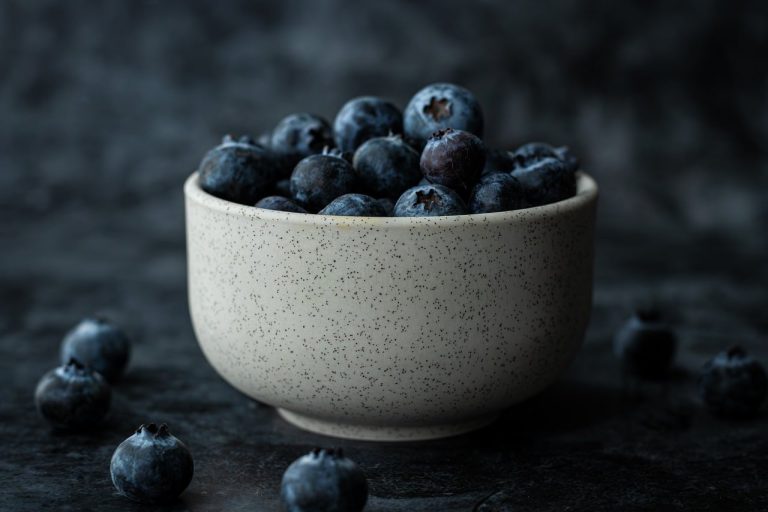
Berries are one of the most useful fruits for gut-friendly nutrition. Organic blueberries, raspberries, strawberries, and blackberries provide fiber and antioxidants while keeping sugar intake moderate. They are ideal for breakfast bowls, snacks, and desserts that still align with clean eating principles.
Other smart fruit options include kiwi, green apples, and citrus. These can be refreshing, easy to digest, and helpful when you want something sweet without falling into the cycle of highly processed treats.
5. Organic Oats, Chia Seeds, and Flaxseed
Fiber-rich breakfast ingredients can shape the tone of your entire day. Organic oats provide slow-digesting carbohydrates, while chia seeds and flaxseed add texture, healthy fats, and digestive support. Combined with yogurt or unsweetened milk, they make a breakfast that feels grounding rather than heavy.
For many people, this is the difference between a morning that starts with calm focus and one that starts with cravings. A steady breakfast can be a powerful weight loss tool because it reduces the need to graze constantly before lunch.
6. Organic Beans, Lentils, and Chickpeas
Legumes are often underestimated in modern nutrition, yet they are among the most practical foods for gut health. They provide fiber, plant protein, and long-lasting fullness. Organic lentils, black beans, and chickpeas can be added to salads, soups, stews, and wraps. If you are building a more plant-forward clean eating plan, legumes deserve a regular place on your plate.
For sensitive digestion, start with smaller portions and rinse canned organic beans thoroughly. This simple step can improve comfort while still giving you all the benefits.
7. Organic Nuts and Seeds
Almonds, walnuts, pumpkin seeds, hemp seeds, and sunflower seeds can all support a healthier diet in small portions. They offer healthy fats and minerals that help keep meals satisfying. A handful of organic nuts can be a smart afternoon snack when you need stable energy instead of a sugar spike.
Because nuts and seeds are calorie-dense, portion awareness matters if weight loss is a priority. But when used wisely, they add texture, satiety, and important nutrients to a gut-friendly routine.
Foods That Can Disrupt Digestion and Slow Progress
Healthy eating is not only about what you add. It is also about what you reduce. If your goal is better digestion, less bloating, and more consistent weight loss, certain foods may be worth limiting. This is not about fear. It is about noticing the patterns that do not support how you want to feel.
Highly Processed Snacks
Packaged chips, cookies, and sugary bars may be convenient, but they are rarely helpful for gut health. They often contain refined flour, added sugars, and oils that do not provide much nourishment. Because they are easy to overeat, they can also work against weight loss goals. If you reach for them out of habit, ask yourself what you really need. Is it energy, comfort, or a meal that actually satisfies you?
Excess Sugar
Too much sugar can feed cravings and leave you feeling unstable. It is not just desserts that matter; many sauces, drinks, and breakfast foods contain hidden sugar as well. A clean eating approach usually aims to reduce these hidden sources so the body can settle into a more balanced rhythm.
Heavy Fried Foods
Fried foods can slow digestion and leave some people feeling sluggish or uncomfortable. If you enjoy rich meals, consider smaller portions or healthier preparation methods such as baking, roasting, or air frying. Food should energize you, not weigh you down.
Alcohol in Excess
Moderate drinking may fit into some lifestyles, but too much alcohol can interfere with digestion, hydration, and appetite regulation. If you are trying to support your gut and improve nutrition, reducing alcohol can make a noticeable difference in how you feel, especially around meal times.
How to Build Gut-Friendly Meals That Actually Feel Satisfying
One of the biggest reasons people abandon healthy habits is because the meals feel too small, too plain, or too complicated. A smart organic food strategy should make your life easier, not more stressful. The most effective meals usually combine protein, fiber, healthy fats, and color. That formula supports fullness, stable energy, and a better relationship with food.
The Simple Plate Formula
Use this easy structure when planning meals:
- Half the plate: organic vegetables, especially leafy greens and colorful produce
- One quarter of the plate: protein such as eggs, fish, chicken, tofu, tempeh, beans, or lentils
- One quarter of the plate: whole grains or starchy vegetables like quinoa, brown rice, sweet potato, or oats
- Small amount: healthy fats like avocado, olive oil, seeds, or nuts
This is one of the most reliable ways to keep meals filling without going overboard. It also works beautifully for anyone trying to lose weight in a way that feels sustainable.
Meal Pairing Ideas That Support Digestion
Sometimes the easiest nutrition improvements are simple combinations. Here are a few gut-friendly ideas:
- Organic Greek yogurt with berries and chia seeds
- Oatmeal topped with flaxseed, walnuts, and sliced apple
- Salad with leafy greens, chickpeas, cucumber, avocado, and olive oil dressing
- Roasted vegetables with quinoa and grilled salmon or tempeh
- Vegetable soup with lentils and a side of fermented sauerkraut
When meals are built this way, your body receives a broad range of nutrients without feeling overloaded. That balance matters for both digestion and long-term clean eating success.
Sample Day of Organic Eating for Gut Support
What does a day of gut-friendly organic food actually look like? It can be simple and delicious:
- Breakfast: Organic oatmeal with blueberries, chia seeds, and cinnamon
- Midmorning: A small kefir smoothie or a handful of walnuts
- Lunch: Salad with spinach, cucumber, avocado, roasted chickpeas, and olive oil dressing
- Afternoon snack: Apple slices with almond butter
- Dinner: Roasted vegetables, quinoa, and grilled chicken, tofu, or salmon
- Optional evening add-on: Herbal tea and a spoonful of yogurt if desired
This kind of day is not extreme, expensive, or difficult to maintain. It simply gives the body a steady stream of wholesome fuel.
[IMAGE: fitness lifestyle]
Can a Clean Eating Approach Help With Detox Diet Goals?
The word detox diet is often used in marketing, but your body already has natural detoxification systems through the liver, kidneys, lungs, skin, and digestive tract. The real role of food is to support those systems, not replace them. That means choosing organic food, reducing highly processed products, staying hydrated, and eating enough fiber to help the body eliminate waste efficiently.
Instead of chasing quick-fix cleanses, a more useful strategy is to create a daily detox-supportive routine. That could include more vegetables, enough water, less alcohol, fewer added sugars, and regular meals that keep your digestion moving. When people use
About the Author