
Photo by thebittenword.com on Openverse
When people talk about getting healthier, they often begin with calories, exercise, or strict rules. But one of the most powerful shifts starts much earlier: choosing better ingredients. Organic food can transform the way you think about a healthy diet because it brings your focus back to freshness, quality, and simplicity. Instead of relying on packaged shortcuts, you build meals that support digestion, steady energy, and real nourishment. And if your goal is weight loss, that matters more than most people realize.
Why? Because weight loss is rarely just about eating less. It is about how your body handles hunger, blood sugar, cravings, inflammation, and metabolism. That is where clean eating and organic food meet. When your plate is built from whole, minimally processed ingredients, your body often responds with better satiety, smoother digestion, and less of the afternoon crash that leads to snacking. Does that sound like a more sustainable path than another extreme plan? It should, because it is.
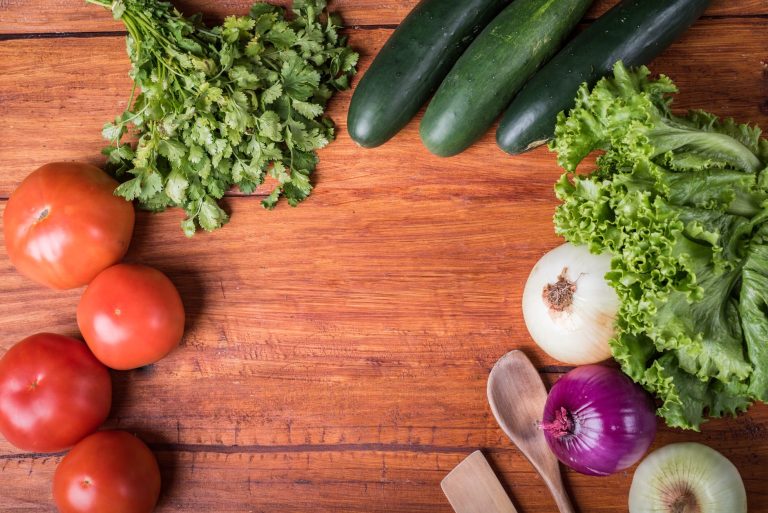
This article explores how organic food supports a healthy lifestyle, why gut health is central to clean eating, and which habits can help you feel lighter, stronger, and more energized without turning every meal into a chore. You will also find practical food choices, simple meal-building tips, and a realistic approach to a detox diet that avoids the gimmicks and focuses on what actually helps. [IMAGE: organic vegetables]
Why Gut Health Shapes Your Energy, Digestion, and Weight
Your gut is not just a place where food is broken down. It is closely connected to your immune system, nutrient absorption, mood, cravings, and even how efficiently your body uses energy. When the digestive system is functioning well, your meals work harder for you. When it is not, even a healthy diet can feel frustratingly ineffective.
That is why clean eating is so often linked to better digestion and weight loss. A balanced gut can help regulate appetite signals and reduce the bloating, sluggishness, and irregularity that make people feel uncomfortable in their own bodies. If you have ever wondered why some foods leave you satisfied while others leave you hungry an hour later, the answer often begins in the gut.
The microbiome and appetite
Your microbiome is the community of bacteria living in your digestive tract. Some of these microbes support digestion, while others can become problematic when the balance is off. A more diverse microbiome is associated with better digestion and a healthier response to food.
Organic food can support that balance by giving your body access to fiber-rich vegetables, fruits, legumes, seeds, and fermented foods that nourish beneficial bacteria. These foods do more than fill you up. They help create a gut environment that supports a healthier metabolism and a more stable appetite. Have you noticed how a bowl of vegetables and grains can satisfy you in a way that a processed snack never quite does? That is not an accident.
Signs your digestion may need support
If your body is asking for a reset, it may send subtle signals long before a major issue appears. These signs do not automatically mean something is wrong, but they often suggest your nutrition and lifestyle need a closer look.
- Bloating after meals
- Irregular bowel movements
- Cravings for sugar or refined carbs
- Low energy after eating
- Frequent stomach discomfort
- Feeling hungry soon after meals
- Brain fog or poor concentration
When these symptoms appear often, a clean eating plan based on organic food can help simplify your routine and reduce the number of ingredients your body has to process. Sometimes the most effective nutrition strategy is not adding more complexity, but reducing it.
How Organic Food Supports a Healthy Diet
Organic food is not magic, and it is not the answer to every wellness question. But it does offer a meaningful advantage for many people who want to eat more cleanly and intentionally. Organic produce, grains, legumes, dairy, and proteins are produced under standards that avoid synthetic pesticides, genetically modified ingredients in many regions, and unnecessary additives. For someone trying to build a healthy diet, that can be a valuable starting point.
What makes organic eating especially appealing is its emphasis on whole foods. Once you begin shopping this way, your meals naturally become simpler. You are more likely to cook from scratch, use fewer packaged products, and focus on ingredients that actually contribute to nutrition instead of cluttering your diet with extras. Is it any surprise that people often feel better when they eat better food?
Less processing, more real nutrition
The more refined a food becomes, the more likely it is to lose fiber, water, and natural structure that help keep you full. Organic food tends to align with a cleaner, less processed style of eating. That means more vegetables, more fruits, more whole grains, and fewer ingredients that serve no nutritional purpose.
For weight loss, this matters because volume and fiber can help you feel satisfied without overdoing calories. For digestive health, it matters because fiber feeds beneficial gut bacteria. For a healthy lifestyle, it matters because food begins to feel like fuel again, not just convenience.
Why quality ingredients encourage better habits
One of the underrated benefits of organic food is behavioral. When people start investing in better ingredients, they often become more thoughtful about how they eat overall. They pay more attention to meal timing, cooking methods, and portions. They begin to notice how certain foods affect energy, mood, and hunger.
This kind of awareness is powerful. Clean eating works best when it is rooted in observation rather than perfection. If you start asking,
About the Author