
Photo by Jonathan Borba on Pexels
If you have ever wondered why some people seem to feel lighter, calmer, and more energized after switching to a cleaner plate, the answer often starts in the gut. Digestive health is not a niche wellness trend; it is the foundation of how your body absorbs nutrients, manages energy, balances cravings, and even supports mood. When your meals are built around organic food, simple preparation, and a clean eating mindset, you are not just choosing what looks good on the plate. You are choosing food that can help reduce unnecessary additives, support a healthier microbiome, and make weight loss feel more natural rather than forced.
The gut does far more than process meals. It communicates with the immune system, helps regulate hunger, and influences how efficiently your body uses nutrition. That is why an organic diet can be so powerful when your goal is to improve digestion and create a sustainable healthy lifestyle. Instead of chasing extreme detox diet trends or temporary fixes, you can build everyday habits around whole foods that help your body work better from the inside out. What if the next improvement in your energy, appetite, and waistline came from changing the quality of your meals rather than eating less?
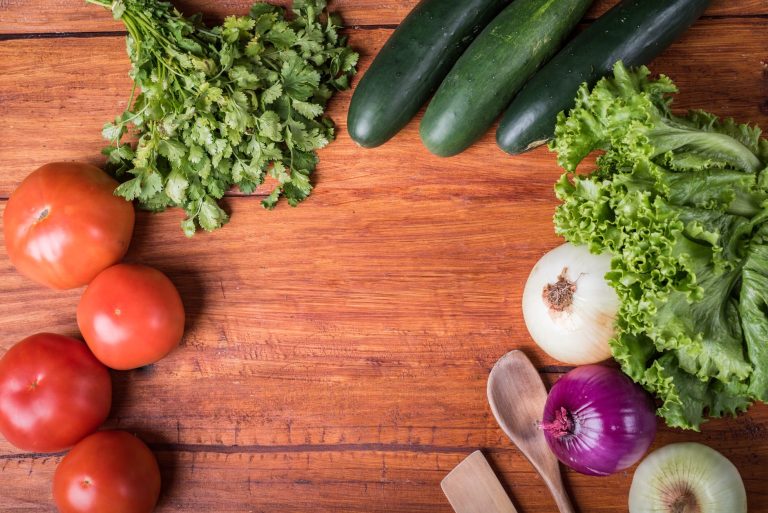
[IMAGE: organic vegetables]
Why Gut Health Matters More Than Most People Realize
The digestive system is often treated as if it only matters when something goes wrong, but that is a narrow view of how the body works. A balanced gut supports nutrient absorption, steady bowel movements, healthy immunity, and even more stable blood sugar levels. When digestion is smooth, you usually feel less bloated, less sluggish, and more in control of your appetite. When it is not, even healthy intentions can feel complicated. Have you ever eaten what seemed like a perfectly sensible meal and still felt tired, uncomfortable, or hungry soon after? That is often a sign that digestion, not willpower, needs attention.
Organic food can play an important role here because it encourages a cleaner food environment. Many people use the term clean eating loosely, but in practical terms it means choosing foods that are closer to their natural state, with fewer artificial flavors, synthetic additives, and heavily processed ingredients. That does not mean perfection. It means making the kinds of choices that help your body recognize food as nourishment instead of a burden.
Signs your gut may need more support
Gut health problems do not always look dramatic. In fact, many of the signs are subtle and easy to dismiss. You may notice one or more of the following:
- Frequent bloating after meals
- Irregular bowel movements or discomfort
- Constant sugar cravings
- Low energy in the afternoon
- Feeling heavy after eating small portions
- Skin that seems dull or reactive
- Difficulty losing weight despite reasonable effort
These signs do not automatically mean something is seriously wrong, but they do suggest your body may benefit from a more supportive eating pattern. A thoughtful organic diet can help reduce the load of ultra-processed foods and shift your meals toward ingredients that are gentler, more nourishing, and easier to digest.
The Best Organic Foods for Gut Health
Not all healthy foods affect digestion in the same way. Some are especially valuable because they provide fiber, natural enzymes, beneficial compounds, and the kind of nourishment your microbiome loves. Below are some of the best organic foods to focus on if you want better digestion and a cleaner, more sustainable path toward weight loss.
1. Organic leafy greens
Spinach, kale, arugula, romaine, Swiss chard, and other leafy greens are rich in fiber, magnesium, and antioxidants. They support healthy digestion by helping food move through the system more smoothly while also supplying nutrients that your body can use efficiently. Organic greens are especially useful in clean eating because they can be added to salads, smoothies, soups, and sautés without much effort.
Why they help: They are light, versatile, and packed with compounds that support overall nutrition without adding unnecessary calories. If weight loss is one of your goals, leafy greens are a practical way to increase meal volume while keeping energy intake reasonable.
2. Organic fermented foods
Fermented foods are one of the most effective additions to a gut-friendly organic diet. Think of plain yogurt with live cultures, kefir, sauerkraut, kimchi, miso, and naturally fermented vegetables. These foods can introduce beneficial microbes that help maintain a healthy balance in the digestive tract. They also bring flavor, which makes clean eating feel less restrictive and more enjoyable.
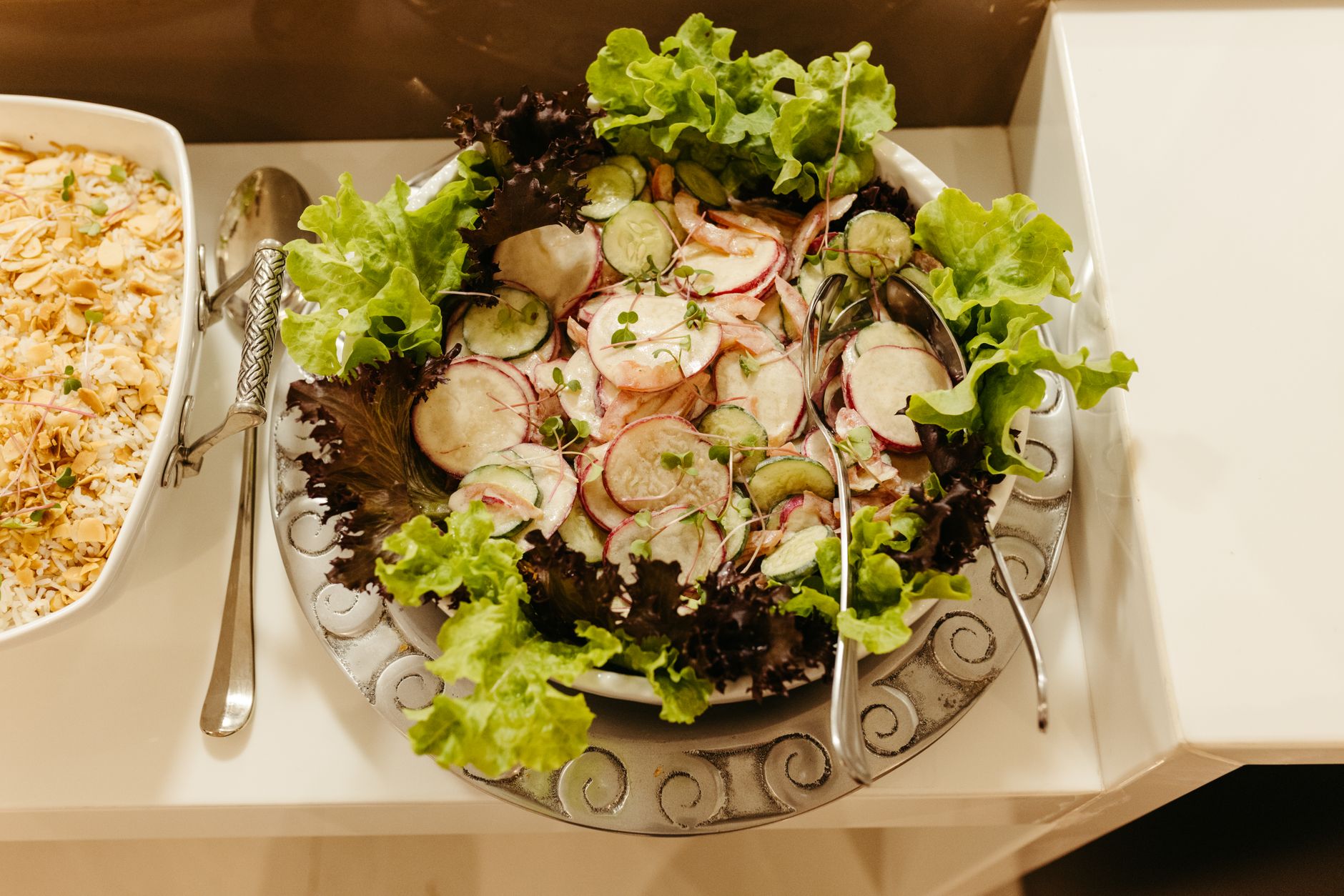
[IMAGE: healthy meal]
How to use them: A spoonful of sauerkraut beside eggs, a small serving of kimchi with rice and vegetables, or plain kefir blended into a breakfast smoothie can be enough to start. You do not need enormous portions to benefit. Consistency matters more than intensity.
3. Organic berries
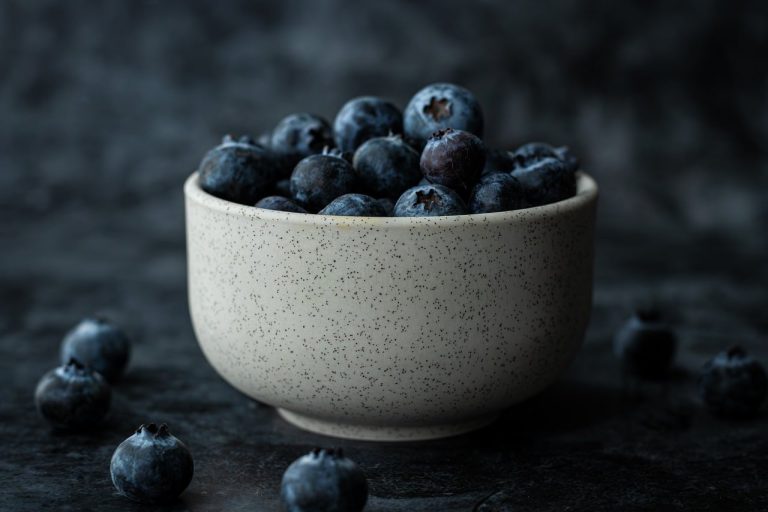
Blueberries, raspberries, strawberries, and blackberries are ideal for people trying to support digestion while keeping sugar intake in check. Berries are naturally high in fiber and antioxidants, and they offer sweetness without the heavy crash associated with desserts or processed snacks. They fit beautifully into a healthy diet because they feel satisfying without overwhelming the body.
Best use: Add them to oatmeal, yogurt, chia pudding, or a simple snack bowl. If you are building a clean eating routine, berries can satisfy cravings while still supporting your weight loss goals.
4. Organic apples and pears
These fruits are classic for a reason. They provide both soluble and insoluble fiber, which can help support regular digestion and a feeling of fullness. Eating the peel when possible increases the fiber content even more, which is one reason organic versions are popular among people committed to a more natural healthy lifestyle.
Digestive benefit: Their fiber helps feed beneficial gut bacteria while encouraging steadier blood sugar control. That combination makes them valuable for both digestion and appetite management.
5. Organic seeds and nuts
Chia seeds, flaxseeds, pumpkin seeds, almonds, and walnuts can be powerful allies in a gut-friendly organic food plan. Chia and flax are particularly helpful because they contain fiber that becomes gel-like when mixed with liquid, supporting smoother digestion. Pumpkin seeds add minerals like magnesium and zinc, which are important for overall nutrition and metabolic health.
Simple idea: Sprinkle seeds over salads, blend them into smoothies, or use nuts as a snack with fruit. Because they are calorie-dense, portion awareness is useful, especially if weight loss is a key goal.
6. Organic root vegetables
Carrots, beets, sweet potatoes, and turnips provide comforting, grounding nutrition that can make meals feel satisfying without turning heavy. They are rich in fiber and naturally sweet, which helps many people transition away from processed comfort foods. Roasted root vegetables also make excellent meal-prep ingredients for a week of clean eating.
Why they stand out: They provide sustained energy and can help reduce the urge to snack on processed foods. For anyone trying to follow a detox diet approach without starving, root vegetables are a smart addition because they keep meals nourishing and filling.
7. Organic herbs and spices
Ginger, turmeric, fennel, mint, parsley, and cinnamon do more than make food taste better. They add functional benefits that can support digestion and reduce the blandness that causes many people to abandon healthy routines. Ginger and mint are especially appreciated for their soothing qualities, while turmeric adds a warm, grounding note to savory dishes.
Practical tip: A warm ginger tea after dinner, cinnamon in breakfast oats, or turmeric in roasted vegetables can turn a simple meal into a more digestive-friendly one.
How Clean Eating Supports Digestion and Weight Loss
Clean eating is not about punishment. It is about removing confusion from your plate. When meals are built around organic food, fiber, protein, healthy fats, and simple ingredients, your body can respond with more predictable energy and fewer digestion issues. That predictability matters. When you feel better after eating, you are far more likely to continue making healthy choices.
There is another reason clean eating works so well for weight loss: it naturally reduces the number of foods that trigger overeating. Ultra-processed snacks are engineered to be easy to overconsume. They often lack fiber and protein, which means they do not keep you full for long. A clean eating pattern, by contrast, encourages meals that satisfy both physically and mentally.
What clean eating looks like in real life
Clean eating should be practical, not intimidating. It might look like this:
- Starting the day with oats, berries, and seeds instead of a sugary pastry
- Choosing a salad with chicken, chickpeas, avocado, and olive oil rather than a processed sandwich
- Snacking on an apple with almond butter instead of packaged sweets
- Eating roasted vegetables and salmon for dinner instead of a heavy takeout meal
These are not strict rules. They are examples of how organic food and thoughtful nutrition can create an easier path. The goal is not to obsess over every bite. It is to make your default choices more supportive of your health.
Why this approach helps cravings
Cravings often happen when meals are too low in protein, fiber, or satisfying fats. They can also appear when blood sugar rises and falls too quickly. A clean eating approach reduces those swings by building meals that digest more steadily. This is one reason people sometimes report fewer late-night cravings after shifting toward a more organic diet. Their body is finally getting the nutrients it needed all along.
The Gut-Friendly Organic Plate Formula
If you want to make good decisions without overthinking every meal, a simple formula helps. The most effective plates usually include four core elements: vegetables, a quality protein source, a source of healthy fat, and a moderate portion of smart carbohydrates. This structure works well for digestion, satiety, and long-term weight loss because it is balanced rather than extreme.
Build your plate like this
- Half the plate: organic vegetables, especially leafy greens, cruciferous vegetables, or lightly cooked seasonal produce
- One quarter of the plate: organic protein such as eggs, chicken, fish, tofu, tempeh, or legumes
- One quarter of the plate: fiber-rich carbohydrates like quinoa, sweet potato, brown rice, or oats
- Finish with: healthy fats such as avocado, olive oil, nuts, or seeds
This simple structure supports better digestion because it balances the pace at which food leaves the stomach. It can also make a healthy diet more satisfying, which is essential if you want lasting results instead of short-lived enthusiasm.
What about portion size?
Portion size matters, but it should be guided by your energy needs and hunger cues rather than fear. For many people, the first step toward better gut health is learning to eat enough of the right foods. Restricting too hard can backfire, especially if it leads to stress, low energy, or binge eating later. Ask yourself: does this meal leave me satisfied without making me sluggish? That question is often more useful than counting every gram.
Breakfast Ideas That Support a Healthy Gut
Breakfast can shape the whole day. A balanced, organic breakfast helps stabilize appetite, reduce mid-morning crashes, and set a cleaner tone for your nutrition choices. You do not need a complicated routine to eat well in the morning. In fact, simple meals are often the easiest to sustain.
Organic breakfast combinations to try
- Plain Greek yogurt with berries, chia seeds, and cinnamon
- Oatmeal with flaxseed, walnuts, and sliced apple
- Vegetable omelet with spinach, mushrooms, and herbs
- Smoothie with kefir, blueberries, spinach, and ginger
- Avocado toast on whole-grain bread with pumpkin seeds
Each of these options combines fiber, protein, and flavor in a way that supports the digestive system. They also prevent the common breakfast trap of starting the day with sugar and refined flour, which can make hunger feel louder by mid-morning.
Why morning routine matters
People often underestimate how much routine affects health. When breakfast is rushed or skipped entirely, many end up overeating later or reaching for whatever is convenient. A predictable, nourishing morning meal can reduce stress around food and make clean eating feel more natural. If you have struggled with consistency, try preparing part of breakfast the night before. Could a jar of overnight oats or a smoothie bag make your morning easier?
Lunch and Dinner Ideas That Keep Digestion Calm
Lunch and dinner are where many people either reinforce their healthy habits or drift into convenience eating. The good news is that you do not need to cook complicated recipes to support gut health. A few reliable combinations can carry you through the week without boredom.
Lunch ideas
- Quinoa bowl with roasted vegetables, chickpeas, tahini, and herbs
- Mixed greens with salmon, cucumber, avocado, and olive oil vinaigrette
- Lentil soup with a side of fermented vegetables and a slice of whole-grain bread
- Turkey lettuce wraps with shredded carrots, herbs, and a yogurt-based sauce
Dinner ideas
- Baked salmon with sweet potato and steamed broccoli
- Stir-fried tofu with ginger, greens, and brown rice
- Chicken and vegetable soup with parsley and lemon
- Roasted vegetables with tempeh and a drizzle of olive oil
These meals are effective because they are not overloaded with ingredients that can make digestion sluggish. They are grounded in whole, organic food and are easy to adjust based on preference, season, and schedule.
Should you eat lighter in the evening?
For many people, yes, but not because dinner should be tiny. The goal is to avoid meals so heavy that they interfere with sleep and digestion. A balanced dinner with enough protein and vegetables can support recovery overnight. If you often wake up hungry or experience restless sleep, your evening meal may be too small or too low in nutrients. The answer is rarely to eat less across the board; more often, it is to eat smarter.
The Role of Hydration in Digestive Health
People frequently focus on food and forget hydration, but water is essential for digestion. Fiber works best when it has enough fluid to do its job. Without hydration, even a high-fiber healthy diet can feel uncomfortable. Drinking enough water helps support smoother elimination, better nutrient transport, and less of that heavy, stuck feeling that many associate with poor digestion.
Hydration habits that support a clean eating routine
- Start the day with a glass of water before coffee
- Drink water regularly rather than waiting until you feel thirsty
- Include herbal teas such as ginger, mint, or fennel after meals
- Eat water-rich foods like cucumbers, citrus, melons, and leafy greens
Hydration also supports weight loss by helping you distinguish thirst from hunger. Sometimes the urge to snack is really a sign that your body needs fluids. A simple glass of water before reaching for food can change the way your appetite behaves.
Organic Foods That Support a Gentle Detox Diet
The word detox is often used in exaggerated ways, but the body already has natural systems for processing and eliminating waste. Your job is not to force a dramatic cleanse. Your job is to give your body the resources it needs to do its work well. That is where organic food can help. When your meals are nutrient-dense and minimally processed, your liver, digestive tract, kidneys, and immune system are less burdened by unnecessary extras.
A gentle detox diet is really a reset in food quality. It may include more vegetables, more water, more fiber, more herbs, and fewer products made with refined sugar, industrial oils, or artificial ingredients. That sounds simple because it is simple. The challenge is staying consistent long enough to feel the benefits.
Foods often used in a gentle detox approach
- Leafy greens like spinach and kale
- Cruciferous vegetables like broccoli and cauliflower
- Fresh herbs such as parsley and cilantro
- Lemons and citrus for flavor and hydration
- Ginger and turmeric for digestive support
- Fiber-rich fruits like berries and apples
These foods are not magic, but they can help create a lighter, cleaner eating pattern that supports digestive balance. If your recent eating habits have been heavy, processed, or inconsistent, even a few days of more intentional meals can make a noticeable difference.
Meal Prep Strategies for Busy People
One of the biggest reasons people abandon healthy habits is time. The solution is not to chase more willpower; it is to remove friction. Organic meal prep can help you stay on track with a healthy lifestyle even when your calendar is crowded. By preparing a few foundational ingredients in advance, you make clean eating the easy choice instead of the heroic one.
What to prep ahead
- A tray of roasted vegetables
- A pot of quinoa, brown rice, or lentils
- Washed greens and chopped salad ingredients
- Protein options such as boiled eggs, baked tofu, grilled chicken, or salmon
- Snack items like berries, apples, yogurt, nuts, and seeds
When you open the fridge and see real food ready to use, healthy choices become dramatically easier. That is one of the quiet secrets of successful weight loss: convenience and nutrition need to work together.
How to keep meal prep from feeling repetitive
Use one ingredient in several ways. For example, roasted sweet potatoes can appear in a breakfast bowl, a lunch salad, and a dinner plate. The same herb vinaigrette can work with chicken, salmon, or chickpeas. Small variations in flavor keep your meals interesting without making prep complicated. If you enjoy what you eat, clean eating becomes less of a task and more of a rhythm.
Common Organic Diet Mistakes to Avoid
Even the best intentions can be undermined by a few common mistakes. Knowing what to avoid can save you frustration and help your healthy diet feel more effective from the start.
1. Assuming organic automatically means healthy
Organic cookies are still cookies. Organic chips are still chips. Choosing organic is a step in a better direction, but it does not replace basic nutrition. If your goal is gut health and weight loss, focus on whole, minimally processed organic food first.
2. Eating too little
Some people reduce food too aggressively when they start clean eating. This often leads to low energy, irritability, and overeating later. The body needs enough protein, fiber, and healthy fats to function well. A good organic diet should nourish, not punish.
3. Ignoring protein
Protein is essential for satiety, recovery, and balanced blood sugar. If meals are mostly salad without sufficient protein, hunger may return too quickly. That can make weight loss harder, not easier. Include quality protein at most meals.
4. Overcomplicating the process
Some people try to transform their entire kitchen overnight and then burn out. Start with one meal, one snack, or one habit at a time. Sustainable nutrition is usually built through small wins rather than dramatic overhauls.
5. Forgetting stress and sleep
Digestion is influenced by more than food. Poor sleep, rushed meals, and constant stress can interfere with appetite regulation and gut comfort. If your healthy diet is not producing the results you expected, look at your sleep schedule and stress load too.
How Organic Food Can Support Healthy Weight Loss Without Extremes
Weight loss becomes much more manageable when your meals help you feel satisfied and energized rather than deprived. Organic food is useful here because it often leads people back to the basics: vegetables, fruit, lean proteins, whole grains, and fewer packaged products. Those are the foods that typically support a more stable appetite and better digestion.
The point is not to chase rapid results. Rapid weight loss often comes with rebound hunger, muscle loss, or a strained relationship with food. A more intelligent strategy is to create meals that you can repeat for months, not days. That is where the combination of clean eating, digestive support, and practical meal planning becomes powerful.
Why better digestion can help body composition
When your gut is working well, you are more likely to absorb nutrients efficiently, manage cravings, and stick to routines. That can indirectly support healthier body composition over time. You may also feel less bloated, which can make changes in how your clothes fit more noticeable even before the scale moves dramatically. Isn’t it encouraging when better habits create visible and internal results at the same time?
Helpful mindset shift
Instead of asking,
About the Author