
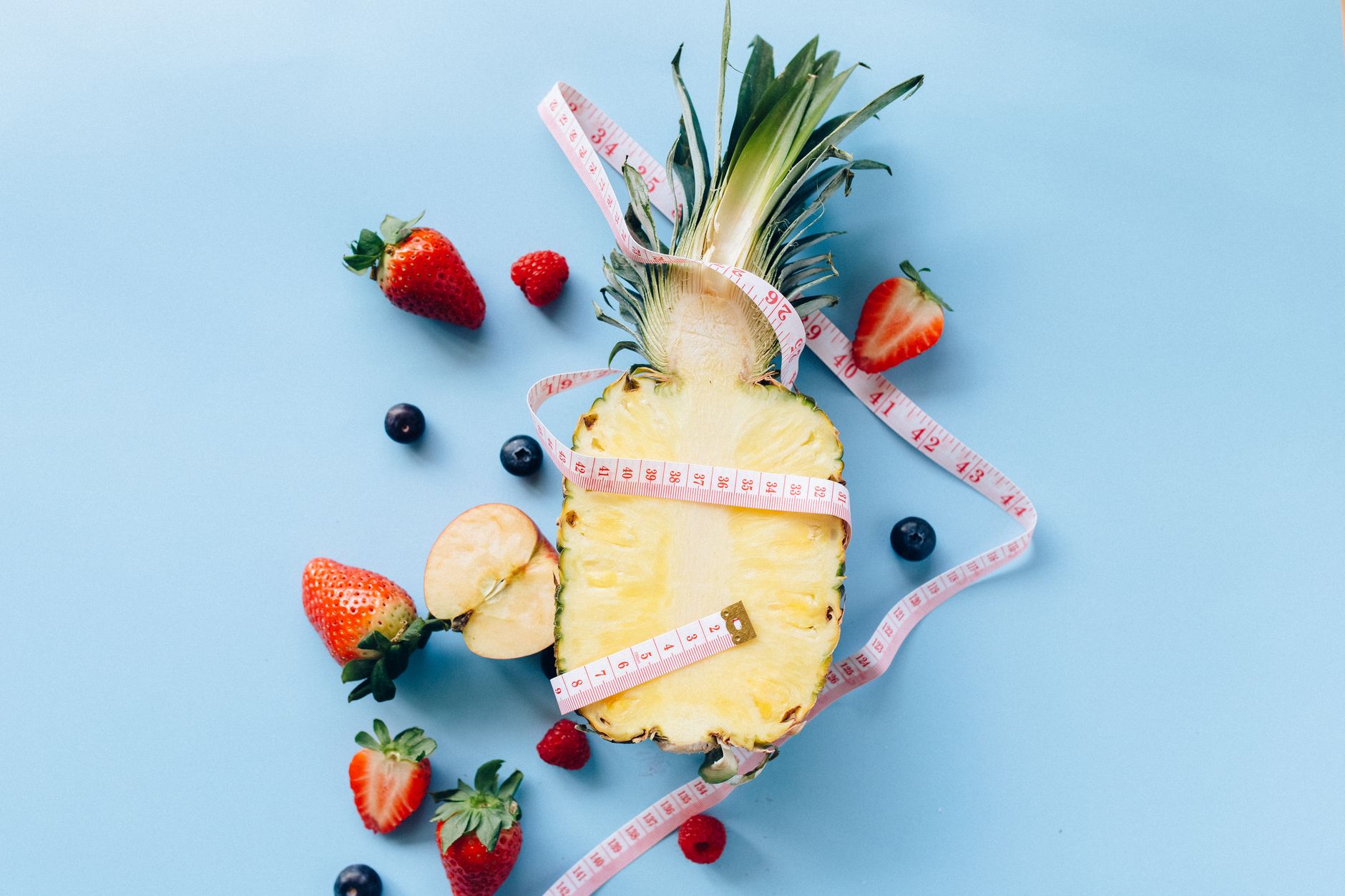
Photo by Nataliya Vaitkevich on Pexels
Weight loss does not have to feel like punishment. When your meals are built around organic food, steady nutrition, and a clean eating routine, the process becomes less about restriction and more about rhythm. The right organic ingredients can help you feel satisfied, reduce the urge to graze between meals, and support a healthier lifestyle that lasts longer than any quick-fix detox diet. But which foods actually help, and how do you use them without turning your plate into a sad list of rules?
Why Organic Food Can Support Weight Loss
Organic food is not a magic solution, and it does not override the basics of energy balance, movement, or sleep. Still, it can make healthy habits easier to maintain. Many people find that once they start shopping for organic produce, they naturally gravitate toward fresher ingredients, fewer processed snacks, and more thoughtful meal planning. That shift matters. Why? Because weight loss usually succeeds when your environment supports better choices instead of fighting against them.
Organic eating also tends to reduce the number of hidden additives, refined sweeteners, and overly engineered foods in your routine. That means more fiber, more water-rich vegetables, more nutrient-dense meals, and fewer opportunities for mindless overeating. A clean eating pattern built on organic foods is often more filling per calorie, which is exactly what many people need when trying to lose weight without feeling deprived.
What makes organic eating different?
Organic does not automatically mean low-calorie, and a carton of organic cookies is still a treat. The real advantage comes from the way organic shopping changes your choices. If you are buying more vegetables, fruits, legumes, eggs, yogurt, and whole foods, you are likely creating a better nutrition foundation. That foundation can support better appetite control, more stable energy, and fewer cravings for the ultra-processed foods that often sabotage progress.
The Best Organic Foods for Weight Loss
Not every organic food is equally helpful for fat loss. A successful healthy diet focuses on foods that offer volume, fiber, protein, and practical satisfaction. The list below highlights the foods most likely to keep you full while helping you stay aligned with clean eating goals.
Leafy greens that add volume without excess calories
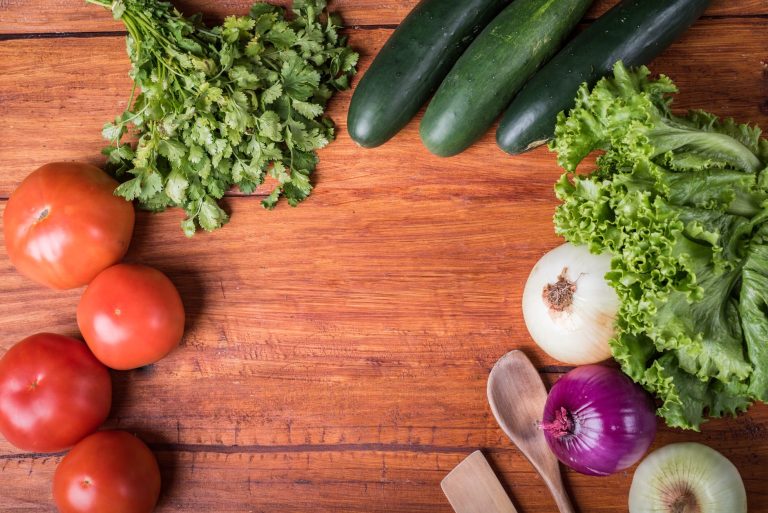
Spinach, arugula, romaine, kale, Swiss chard, and mixed salad greens are staples for anyone who wants to lose weight while eating well. They are incredibly low in calories but rich in water, fiber, vitamins, and minerals. They make it easier to build a larger plate without overdoing energy intake. Add them to omelets, soups, wraps, grain bowls, and smoothies for an easy nutrition upgrade.
[IMAGE: organic vegetables]
Have you ever noticed how a meal feels more satisfying when it looks abundant? Leafy greens help create that visual and physical fullness. A dinner plate that starts with greens often leads to better portion control overall.
Cruciferous vegetables for fiber and satiety
Broccoli, cauliflower, cabbage, Brussels sprouts, and bok choy deserve a permanent place in an organic food shopping list. These vegetables offer a satisfying bite and a generous dose of fiber, which supports digestion and helps slow the absorption of carbohydrates. They are especially useful during weight loss because they create volume and structure in a meal without adding many calories.
Roast them with olive oil, steam them and add herbs, or use cauliflower as a base for grain-free bowls. When you are trying to stay consistent with a healthy lifestyle, convenience matters almost as much as nutrition.
Berries for sweetness without a sugar spike
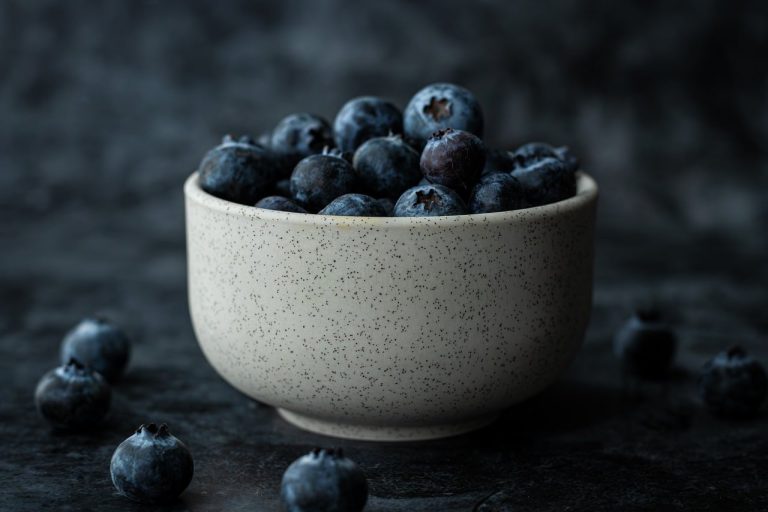
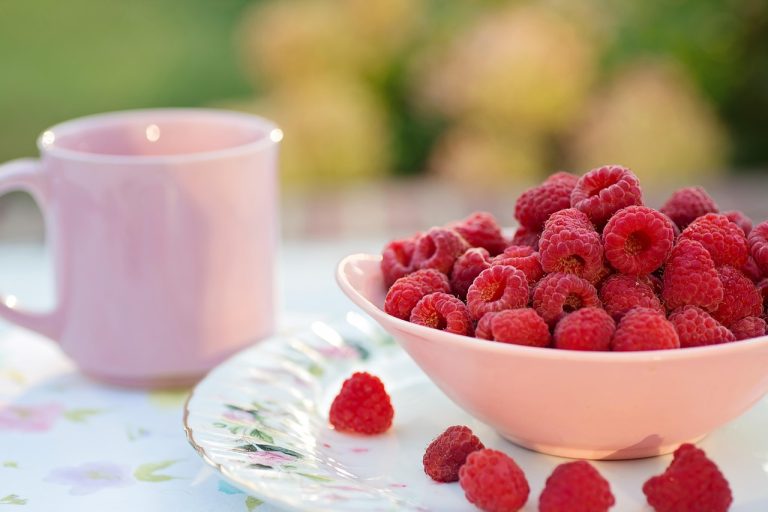
Organic berries are one of the smartest choices for people who want a sweet taste without depending on desserts or refined snacks. Blueberries, raspberries, blackberries, and strawberries are packed with antioxidants and fiber, and they fit beautifully into breakfast bowls, yogurt parfaits, and post-workout snacks. Their natural sweetness can help reduce cravings for processed sweets.
What if a healthy diet could still include a sense of pleasure? Berries prove that it can. They allow you to enjoy flavor without drifting away from your weight loss goals.
Apples, pears, and citrus for portable fiber
Fresh fruit is often underestimated in nutrition conversations. Apples and pears are high in fiber and travel well, making them practical for busy days. Citrus fruits such as oranges and grapefruit add hydration, freshness, and a bright flavor that can make a clean eating routine feel more alive. Pair fruit with nuts or yogurt for a more balanced snack that keeps hunger in check.
Legumes that offer staying power
Lentils, chickpeas, black beans, and kidney beans are budget-friendly organic foods that work hard for weight loss. They are rich in plant protein, resistant starch, and fiber, which makes them highly filling. They can anchor soups, salads, burrito bowls, and stews, helping you avoid the cycle of eating too little and then overeating later.
If your goal is sustainable nutrition rather than a short-term detox diet, legumes deserve attention. They help you stay satisfied for hours, which is one of the most underrated advantages of a smart clean eating plan.
Organic eggs, yogurt, and kefir for protein and structure
Protein is one of the strongest allies in weight loss because it supports satiety and helps preserve lean mass during calorie reduction. Organic eggs are versatile, quick to prepare, and easy to pair with vegetables. Plain organic Greek yogurt and kefir can work well for breakfast or snacks, especially when combined with berries, seeds, or cinnamon.
The key is to choose unsweetened versions. A product can be organic and still load you with sugar. Always check the label and ask yourself: is this helping my nutrition, or just wearing a healthy label?
Lean proteins that keep hunger low
Organic chicken breast, turkey, fish, tofu, tempeh, and cottage cheese can each play a role in a balanced healthy diet. Protein-rich meals are more likely to keep you full and focused, which can reduce grazing and late-night snacking. A protein source at each meal also helps stabilize the overall structure of your day, making it easier to stick to healthy habits.
Nuts, seeds, and avocados in the right portions
Organic almonds, walnuts, chia seeds, flaxseeds, pumpkin seeds, and avocados are nutrient-dense foods that support hormone health, texture, and flavor. They are excellent for clean eating, but portion size matters. Because they are calorie-dense, a little goes a long way. Use them as accents rather than the main event.
For example, a tablespoon of chia seeds in yogurt, a small handful of almonds, or a quarter of an avocado can make a meal more satisfying without tipping the balance. That is the art of organic food for weight loss: using rich ingredients wisely instead of fearfully.
Whole grains that fit a balanced plate
Quinoa, oats, brown rice, farro, barley, and buckwheat can be part of a healthy lifestyle when portions are mindful. Whole grains provide energy, fiber, and staying power, especially when paired with vegetables and protein. They are not the enemy of weight loss; oversized portions and highly processed grain products usually are.
How to Build a Satisfying Organic Meal
The most effective weight loss plans usually do not rely on complicated rules. They rely on repeatable meals that are balanced enough to keep hunger under control. A clean eating plate does not have to be boring. It just needs a structure you can trust.
The simple plate method
A practical formula is to fill half your plate with organic vegetables, a quarter with protein, and a quarter with smart carbs such as whole grains, beans, or starchy vegetables. Add a small amount of healthy fat for flavor and satiety. This model works for breakfast, lunch, and dinner because it removes the guesswork that often leads to overeating.
A sample plate formula
- Half the plate: salad greens, roasted vegetables, or steamed vegetables
- One quarter: eggs, fish, chicken, tofu, tempeh, beans, or yogurt-based protein
- One quarter: quinoa, oats, sweet potato, brown rice, or fruit
- One small portion: avocado, olive oil, seeds, or nuts
Does that sound simple? It should. Simplicity is one of the strongest tools in nutrition because it reduces decision fatigue. The fewer decisions you have to make during the day, the easier it becomes to stay consistent.
[IMAGE: healthy meal]
A one-day clean eating example
Breakfast could be plain organic Greek yogurt topped with berries, chia seeds, and a spoonful of oats. Lunch might be a salad bowl with leafy greens, grilled chicken, chickpeas, cucumber, tomatoes, and olive oil dressing. Dinner could be baked salmon, roasted broccoli, and a small portion of quinoa. For a snack, you might choose an apple with almond butter or celery with hummus.
This is not a crash plan. It is a realistic way to eat for steady weight loss while keeping blood sugar, hunger, and energy more stable through the day.
Meal prep without making your week feel rigid
Meal prep is one of the easiest ways to make organic food practical. Instead of cooking from scratch every time hunger strikes, prepare a few flexible components once or twice a week. Then mix and match them according to your appetite and schedule.
- Wash and chop vegetables in advance
- Cook a batch of legumes or quinoa
- Roast two trays of seasonal vegetables
- Prepare a protein source for several meals
- Keep washed berries and fruit ready to grab
- Mix a simple dressing or sauce for quick flavor
The goal is not perfection. The goal is reducing friction. When your refrigerator supports your best intentions, clean eating becomes far easier to maintain.
Organic Foods That Help Control Cravings
Cravings often reveal a mismatch between what your body needs and what your diet delivers. If meals are too small, too low in protein, too low in fiber, or too repetitive, cravings will usually show up. The most effective organic foods for weight loss are the ones that calm that urge before it escalates.
Fiber slows the spiral
Fiber helps slow digestion and support more even blood sugar levels, which is crucial for appetite control. Vegetables, berries, beans, chia seeds, oats, and pears are all useful here. When meals contain enough fiber, you are less likely to experience the sharp hunger that leads to snacking on whatever is convenient.
Protein gives meals staying power
Protein does not just build muscle. It also creates a sense of structure. A breakfast with eggs or yogurt is usually more satisfying than a breakfast based only on toast or fruit. A lunch with chicken or lentils is often more stabilizing than a meal made from salad greens alone. The question is simple: are your meals nourishing you, or merely occupying space?
Hydration and texture matter more than people realize
Sometimes what feels like hunger is actually dehydration or a desire for crunch, warmth, or comfort. Water-rich vegetables, brothy soups, herbal tea, and crisp produce can help. A bowl of cucumber, celery, and avocado, for example, may feel surprisingly satisfying when paired with protein and seasoning.
- Drink water before reaching for a snack
- Include crunchy vegetables in meals
- Use warm soups when you want comfort without heaviness
- Season food well so satisfaction is not only physical but sensory
What to Avoid on a Clean Eating Weight Loss Plan
One of the biggest mistakes people make is assuming that anything labeled organic automatically supports weight loss. An organic cookie, juice, or granola bar can still undermine your goals if it is loaded with sugar, refined flour, or excess calories. Clean eating is not about labels alone. It is about outcomes.
The health halo trap
The health halo effect makes processed foods seem better than they are. An organic sweet snack may feel safer than a conventional one, but the body still responds to sugar, refined starch, and low satiety in the same way. Before buying, ask yourself whether the food is truly nourishing or just looking the part.
Liquid calories that do not fill you up
Sweetened coffee drinks, bottled smoothies, juices, and fancy wellness beverages can add calories quickly without giving your body much to chew on. If you enjoy smoothies, make them at home and include protein, fiber, and healthy fat so they function like a meal rather than a dessert.
Snacking without intention
Constant grazing is one of the easiest ways to stall weight loss. Even healthy snacks can become a problem when they are eaten out of boredom or habit. Try to notice whether you are truly hungry or simply tired, stressed, or distracted.
- Choose snacks with protein and fiber
- Pre-portion nuts and seeds instead of eating from the bag
- Keep sweets out of sight if they trigger overeating
- Use a kitchen routine rather than random snacking windows
How to Make Organic Weight Loss Affordable
Many people believe that eating organic food is always expensive, but that is not entirely true. Some of the most useful organic ingredients are simple, scalable, and budget-friendly. If your strategy is smart, your grocery bill can remain manageable while your healthy lifestyle improves.
Choose the right items to buy organic
You do not need to overhaul every item at once. Start with the foods you eat most often or the produce that matters most to you. Organic spinach, berries, apples, oats, and eggs may be a more meaningful investment than splurging on specialty snacks. Prioritize quality where it counts.
Use frozen produce without guilt
Frozen organic vegetables and fruit are often harvested at peak ripeness and can be more affordable than fresh produce. They are also incredibly convenient for soups, stir-fries, smoothies, and quick side dishes. Convenience is not the enemy of nutrition; it can be the reason your plan succeeds.
Shop seasonally and build around what is abundant
Seasonal produce tends to taste better and cost less. When asparagus, berries, tomatoes, squash, or greens are in season, build your meals around them. This keeps your clean eating plan fresh and your budget under control.
Reduce waste with flexible cooking
A half-used bunch of herbs, a container of cooked grains, and roasted vegetables can become a second meal with only small adjustments. Add eggs, beans, tofu, or leftovers and you have a new plate without another trip to the store. That kind of flexibility is what makes a nutrition plan sustainable.
Exercise, Sleep, and Stress: The Other Half of the Story
Food is the foundation of weight loss, but it is not the entire structure. A healthy lifestyle also includes movement, sleep, and stress management. If those areas are ignored, even the best organic food plan will feel harder than it should.
[IMAGE: fitness lifestyle]
Movement supports appetite regulation
Regular walking, strength training, cycling, yoga, and other forms of movement can improve mood, support muscle retention, and help your body use energy more efficiently. You do not need to train like an athlete to benefit. Even a brisk walk after meals can improve digestion and help your routine feel more grounded.
Sleep influences cravings
When sleep is short or inconsistent, hunger hormones and food cravings can intensify. That often makes clean eating feel more difficult than it really is. A calm evening routine, reduced screen time, and a predictable bedtime can support better nutrition decisions the next day.
Stress can mimic hunger
Stress is one of the most common reasons people reach for food when they are not physically hungry. This is where a detox diet should be understood in a smarter way: not as a dramatic cleanse, but as a daily reset from processed food, overstimulation, and chaotic habits. The more you reduce stress, the easier it becomes to hear what your body truly needs.
- Walk daily, even if only for 20 minutes
- Protect sleep as carefully as you protect your diet
- Use breathing, journaling, or quiet time to manage stress
- Do not skip meals and then blame cravings later
- Make recovery part of your healthy lifestyle, not an afterthought
A Practical Organic Grocery List for the Week
If you are unsure where to begin, start with a grocery list built around meals you already enjoy. Weight loss becomes less intimidating when you know exactly what to buy and how to combine it. Here is a balanced list that supports clean eating, nutrition, and convenience.
- Leafy greens such as spinach, kale, romaine, and arugula
- Cruciferous vegetables such as broccoli, cauliflower, and Brussels sprouts
- Berries, apples, pears, lemons, and oranges
- Organic eggs, Greek yogurt, kefir, tofu, tempeh, or fish
- Lentils, chickpeas, black beans, and other legumes
- Quinoa, oats, brown rice, barley, or buckwheat
- Chia seeds, flaxseeds, almonds, walnuts, and pumpkin seeds
- Olive oil, avocado, herbs, garlic, and spices
- Herbal tea and sparkling water for hydration support
You may notice that this list contains mostly single-ingredient foods. That is intentional. The more recognizable the ingredients, the easier it is to stay in control of calories, portions, and overall quality.
Common Organic Diet Mistakes That Slow Progress
Even motivated people make avoidable mistakes. The good news is that most of them are simple to fix once you can see them clearly. If your weight loss progress feels slower than expected, one of these patterns may be the reason.
Eating too little during the day
Under-eating often backfires. When meals are too small or too light, hunger builds up and eventually triggers overeating. A healthy diet should satisfy you enough to function well, not leave you counting the hours until the next snack.
Overdoing healthy fats
Avocado, nuts, seeds, olive oil, and nut butters are excellent foods, but they are calorie-dense. If you pour, spread, and sprinkle without noticing portions, calories can rise quickly. Use these foods thoughtfully and they will work for you instead of against you.
Relying on the same meals every day
Repetition can make clean eating simpler, but too much repetition can lead to boredom and binge urges. Rotate your proteins, vegetables, and seasonings so your plan feels fresh. Nutrition is easier to sustain when your meals still feel enjoyable.
Ignoring digestion
Some people jump into a high-fiber organic food routine too quickly and end up bloated or uncomfortable. Increase fiber gradually, drink enough water, and use cooked vegetables as needed. A plan that supports digestion is a plan you can actually follow.
How to Turn This Into a Real Life Routine
A successful weight loss strategy is never just a list of ideal foods. It is a system you can repeat on busy days, tired days, and stressful days. If you want your results to last, your plan has to fit your life rather than asking you to live in a fantasy version of it.
Start with one upgrade at a time
You do not need to become a perfect clean eater overnight. Choose one breakfast, one lunch, and one snack to improve first. Then add more organic food choices as the habit becomes automatic. Small wins create momentum, and momentum creates confidence.
Keep meals visually satisfying
People eat with their eyes before they eat with their forks. A colorful plate with greens, berries, bright vegetables, and a satisfying protein source feels more appealing than something bland and beige. That matters because pleasure is a powerful part of nutrition adherence.
Build a personal system for busy days
Busy schedules are where many healthy lifestyles fall apart. Create a backup plan before you need one. Keep a few emergency meals and snacks at home or work, such as yogurt, fruit, boiled eggs, hummus, pre-cut vegetables, soup, or frozen produce that cooks quickly.
- Set a weekly shopping day
- Prep two proteins at once
- Keep one ready-to-eat vegetable option in the fridge
- Store healthy snacks where you can see them
- Plan dinner before the end of the workday
Once these habits are in place, organic food stops feeling like a trend and starts functioning like a true support system for weight loss.
There is a quiet confidence that comes from knowing your meals are nourishing, your routine is organized, and your body is receiving real food instead of a stream of empty calories. That is the promise of organic food, clean eating, and mindful nutrition: not perfection, but steady progress that feels livable. If you are ready to keep refining your healthy lifestyle, explore more articles on DietOrganic and discover new ways to make weight loss simpler, smarter, and far more satisfying.
About the Author