

Photo by Alexas_Fotos on Pixabay
What if the most effective way to support digestion, reduce bloating, and make clean eating feel more natural was not a complicated detox diet or a drawer full of supplements, but a smarter organic food routine? The gut is where nutrition becomes real. Every meal affects how well you absorb nutrients, how steady your energy feels, how easily you manage cravings, and how comfortable you feel after eating. When your plate is built around organic vegetables, fermented foods, fiber-rich plants, and minimally processed ingredients, your healthy lifestyle starts to feel less like a strict plan and more like a sustainable rhythm.
Gut health has become one of the most discussed topics in modern nutrition, and for good reason. A well-fed digestive system can influence everything from immune strength to mood, skin clarity, and weight loss support. Have you ever noticed that certain meals leave you energized while others make you sluggish, puffy, or hungry again within an hour? That contrast is often a sign that your body is responding to the quality of the food, not just the quantity. This is where organic food can play a meaningful role. By choosing cleaner ingredients and focusing on gut-friendly combinations, you can build a way of eating that feels elegant, practical, and deeply nourishing.
Why Gut Health Deserves a Place at the Center of Clean Eating
Your gut is far more than a food-processing system. It is home to trillions of microbes that help break down food, support digestion, produce certain vitamins, and communicate with the rest of the body. When this ecosystem is balanced, people often notice better regularity, steadier appetite, and fewer energy crashes. When it is out of balance, common signs can include bloating, constipation, loose stools, brain fog, skin issues, or a nagging sense that your meals are never quite satisfying enough.
In other words, a healthy lifestyle is rarely built on calories alone. Nutrition quality matters, meal timing matters, and the overall pattern of eating matters even more. Clean eating is not about perfection or restriction. It is about giving your body foods it can actually use well. That is one reason so many people who shift toward organic food and whole-food meals report that they feel lighter, calmer, and more in control of their choices. Could your gut be one of the missing pieces in your weight loss or energy goals? For many people, the answer is yes.
The microbiome influences more than digestion
The gut microbiome affects appetite regulation, inflammation, and the way the body responds to stress. Researchers continue to explore the connections between gut bacteria and metabolism, and while no single food can transform everything overnight, the overall pattern is clear: a diet rich in plants, fiber, and fermented foods tends to support a more favorable internal environment. That matters if your goal is not just short-term weight loss, but long-term wellness.
When the microbiome is fed well, digestion often becomes smoother and more predictable. This can also help reduce the random-snacking cycle that happens when meals are too low in protein or fiber. A well-structured organic diet can therefore support a calmer relationship with food. Instead of chasing the next snack, you are more likely to feel satisfied by real meals.
Why bloating is often a clue, not a mystery
Bloating is one of the most common complaints among people trying to improve their healthy lifestyle. It can be triggered by overeating, rushing meals, low fiber intake, food intolerances, high sodium intake, or a gut microbiome that is struggling to stay balanced. Sometimes the fix is as simple as eating more slowly and choosing easier-to-digest organic foods. Other times, it is about identifying patterns such as too much sugar, too many ultra-processed snacks, or too little water.
Instead of treating bloating as a random annoyance, it helps to see it as information. Your body may be telling you that a certain meal pattern is too heavy, too processed, or too low in nutrients. Once you start noticing those signals, you can make cleaner, more strategic choices without feeling deprived.
Why Organic Food Can Be Especially Helpful for Gut Support
Organic food is not magic, but it can be a smart choice for people who care about clean eating and digestive wellness. Organic produce is grown without many of the synthetic pesticides and fertilizers used in conventional farming, and many shoppers prefer it because they want a more straightforward ingredient story. For gut health, the appeal goes beyond a label. When people choose organic food more often, they often end up buying more whole foods, cooking more at home, and relying less on highly processed convenience items. That shift alone can make a noticeable difference.
There is also a psychological benefit to choosing ingredients with intention. A well-stocked kitchen tends to shape better habits. When the default option is a bowl of organic berries, a jar of sauerkraut, or a tray of roasted vegetables rather than packaged snacks, the entire texture of your healthy lifestyle changes. The food becomes more grounding, and your daily nutrition becomes easier to manage.
Fewer shortcuts, cleaner habits
People often ask whether organic food is necessary for everyone. The answer depends on budget, access, and personal priorities. But from a gut-health perspective, organic food can encourage a cleaner, more mindful style of eating. If you are buying more vegetables, more legumes, more fruit, and more whole grains, you are naturally increasing the dietary fiber your gut bacteria need. If you are also reducing chemical-heavy and heavily processed products, your digestive system may have less friction to deal with.
This matters especially for those exploring a detox diet. The healthiest version of any detox diet is not an extreme cleanse. It is a return to nutrient-dense, fiber-rich, hydrating foods that help the body do what it already knows how to do. In that sense, organic food can be part of a practical reset, not a fad.
Choosing organic wisely
You do not need to make every purchase organic to benefit. A balanced approach is often the most realistic. If your budget is limited, prioritize foods you eat often and produce items known to carry higher pesticide residues when conventionally grown. Many people begin with leafy greens, berries, apples, celery, peppers, and herbs. Over time, you can expand based on your household needs and shopping patterns.
A helpful question to ask is this: where can I get the most value from my organic food budget? Often, the best answer is not in buying every item labeled organic, but in consistently choosing the foods you rely on most for clean eating and digestion.
The Best Organic Foods for Gut Health
Not all healthy foods do the same job. Some feed beneficial bacteria, some support smooth digestion, and others help keep blood sugar stable so your appetite stays more predictable. The most effective organic food routine for gut health includes a mix of fermented foods, prebiotic plants, fiber-rich produce, and satisfying fats and proteins. Below are the categories that deserve a place in your kitchen.
Fermented foods that bring beneficial bacteria to the table
Fermented foods are one of the most talked-about tools for digestive wellness because they can provide live cultures that may support the microbial balance in your gut. Not everyone tolerates them equally, and portion size matters, but for many people they are a useful addition to a clean eating plan.
Popular organic options include:
- Plain organic yogurt with live cultures
- Organic kefir for a tangy, drinkable probiotic boost
- Sauerkraut made with simple ingredients and minimal processing
- Kimchi for those who enjoy a spicy, flavorful option
- Miso added to soups or dressings after cooking
If you are new to fermented foods, start small. A few spoonfuls of sauerkraut or a half-cup of yogurt is often enough to test tolerance without overwhelming the digestive system. Have you ever jumped into a new healthy habit too quickly and then wondered why it felt uncomfortable? Gut-friendly eating works best when it is gradual.
Prebiotic foods that feed your microbiome
Prebiotics are the fibers and plant compounds that serve as food for beneficial gut bacteria. Without enough prebiotic material, even the best probiotic foods may not have the support they need to thrive. This is why fiber is such a central part of nutrition for digestion and weight loss support.
Some of the best organic prebiotic foods include:
- Garlic
- Onions
- Leeks
- Asparagus
- Bananas that are slightly underripe
- Apples
- Jerusalem artichokes
These foods are easy to weave into everyday meals. You can roast onions and asparagus, stir garlic into soups, or add sliced banana to oats or yogurt. The aim is not to chase a perfect list, but to create a pattern of eating that keeps your gut bacteria well fed.
Fiber-rich plants that support regularity and satiety
Fiber is the unsung hero of clean eating. It helps add bulk to stool, supports regular bowel movements, and slows digestion enough to keep you fuller for longer. That slower digestion can be helpful if you are trying to reduce mindless snacking or support weight loss without feeling deprived.
Top organic fiber sources include:
- Leafy greens such as spinach, kale, and arugula
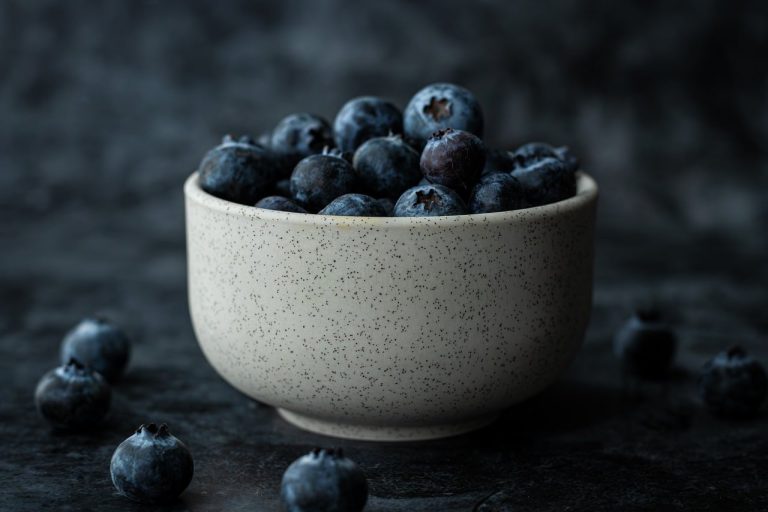
- Berries including blueberries, raspberries, and blackberries
- Chia seeds and ground flaxseed
- Oats, especially when paired with fruit and yogurt
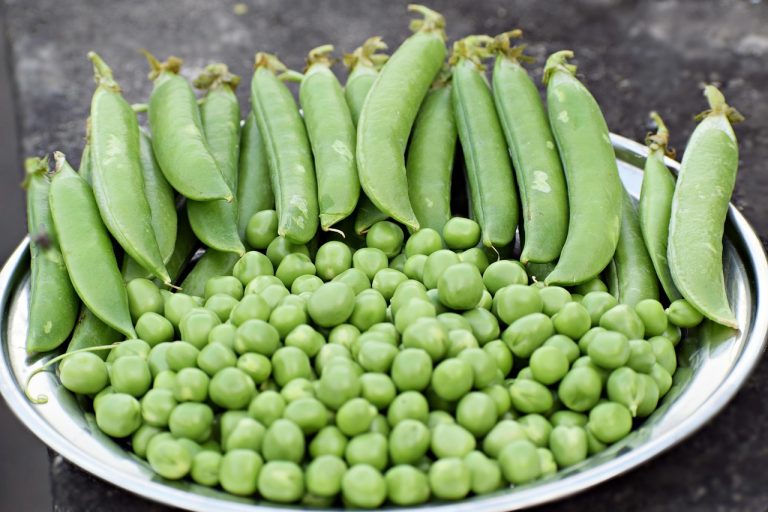
- Beans, lentils, and chickpeas
- Sweet potatoes, carrots, and beets
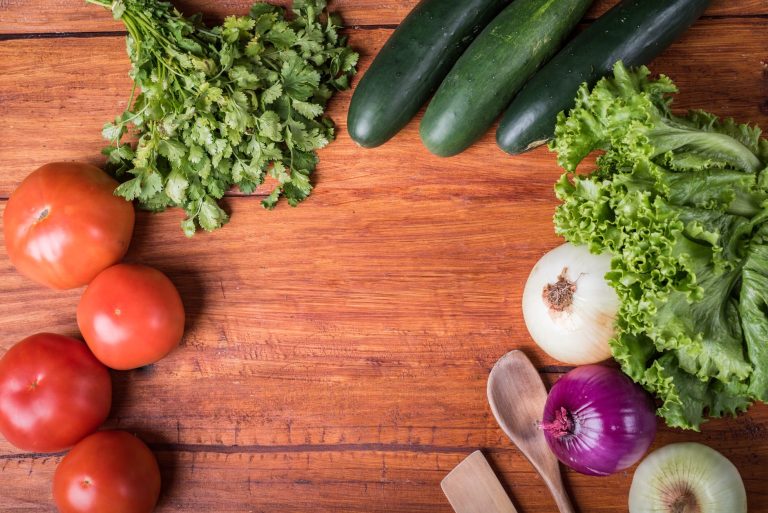
[IMAGE: organic vegetables]
These foods are the backbone of many nutrition-focused meal plans because they are versatile, affordable, and deeply satisfying. If you want a simple rule, try to make half your plate vegetables or fruit at least once or twice a day. That small habit can have a surprisingly large effect on digestion and energy.
Satisfying fats and proteins that keep meals balanced
A gut-friendly meal is not built on fiber alone. It also needs enough protein and healthy fat to stabilize blood sugar and prevent the kind of hunger that leads to rushed, reactive eating. When meals are too light, people often snack all day. When meals are balanced, appetite becomes easier to trust.
Excellent organic or minimally processed choices include:
- Organic eggs
- Greek yogurt
- Organic tofu or tempeh
- Beans and lentils
- Avocados
- Olive oil
- Nuts and seeds
Think of these foods as the anchors that help your clean eating habits feel complete. A bowl of vegetables is good. A bowl of vegetables with protein, fat, and fiber is much better for sustained energy and more stable digestion.
How to Build a Gut-Friendly Plate Without Overthinking It
Healthy eating becomes much easier when you stop asking, What diet should I follow? and start asking, What does a balanced plate look like today? A well-constructed organic meal can support digestion, curb cravings, and make a detox diet feel more like nourishment than deprivation.
A simple formula is this: build each meal around one fiber-rich plant, one quality protein, one healthy fat, and one ingredient that supports taste and enjoyment. If food feels bland, you are less likely to stick with the plan. If it feels satisfying, clean eating becomes a lifestyle rather than a temporary fix.
A breakfast that sets the tone
Breakfast is often where gut health either gets supported or neglected. A pastry and sweet coffee may feel convenient, but it can lead to a quick rise and crash in energy. A more balanced organic breakfast can help reduce that rollercoaster effect.
Try this structure:
- Organic yogurt or kefir
- Oats or chia pudding for fiber
- Berries or sliced banana
- A sprinkle of flaxseed, walnuts, or pumpkin seeds
If you prefer savory breakfasts, pair organic eggs with sautéed greens, tomatoes, and avocado on whole-grain toast. This kind of meal delivers protein, fiber, and healthy fat in a format that feels substantial without being heavy.
Lunch and dinner that keep digestion calm
For lunch and dinner, aim for cooked vegetables when your digestion feels sensitive and fresh vegetables when you tolerate them well. Cooked foods are often easier to digest, especially if you are in the middle of a detox diet reset or recovering from several days of rich meals. The goal is to remove strain, not create it.
A classic gut-friendly plate might look like this:
- Roasted organic vegetables such as zucchini, carrots, and cauliflower
- A protein source such as lentils, eggs, tofu, or chicken
- A side of fermented food such as sauerkraut
- Olive oil, herbs, and lemon for flavor
[IMAGE: healthy meal]
That combination supports clean eating because it is simple, nutrient-dense, and easy to repeat. Repetition is not boring when the result is better digestion and more consistent energy. In fact, repetition is often what makes a healthy lifestyle sustainable.
Small additions that make meals more digestible
Sometimes the most useful changes are the smallest ones. A squeeze of lemon, a few sprigs of fresh herbs, or a tablespoon of fermented vegetables can transform a plain meal into something more balanced. Warm spices such as ginger, turmeric, fennel, and cumin may also be helpful for some people, especially if they feel heavy after meals.
Ask yourself: what is one ingredient I can add instead of one food I need to remove? That question often leads to better long-term success than restriction does.
Foods and Habits That Quietly Disrupt Gut Health
Knowing what to eat is only half the story. The other half is recognizing the habits that quietly make digestion harder. Many people believe they have a gut issue when, in reality, their routine is packed with things that work against their goals. When you remove the friction, you give your body more room to heal and rebalance.
Ultra-processed foods and excess sugar
Highly processed snacks, sugary drinks, and packaged desserts can crowd out nutrient-dense foods and leave little room for the fiber your gut needs. They may also encourage blood sugar swings that increase cravings and reduce satiety. If your goal is weight loss, this pattern can feel especially frustrating because the food may not satisfy you for long.
This does not mean you need to eliminate every treat forever. It means your daily baseline should be built on organic food, not on products engineered to be hyper-palatable. The more often your meals come from whole ingredients, the easier it becomes to keep cravings in check.
Eating too fast or too distracted
Digestion begins before the first bite is swallowed. If you are eating while scrolling, driving, or answering messages, your body may not register fullness as effectively. That can lead to overeating, bloating, or a vague sense of discomfort after the meal.
Try this instead: sit down, breathe deeply, and take a few minutes to eat without multitasking. This simple habit supports your healthy lifestyle more than many people realize. It also helps you enjoy the food, which makes clean eating much more rewarding.
Stress, poor sleep, and irregular routines
Gut health is deeply connected to lifestyle. Stress can change digestive function, appetite, and even the way your body responds to certain foods. Sleep loss can increase cravings and make it harder to make balanced choices the next day. Irregular routines can confuse hunger cues and lead to inconsistent eating patterns that do not support your goals.
If you are serious about nutrition and digestion, your daily rhythm matters. A consistent sleep schedule, enough hydration, and some form of movement are not extras. They are part of the foundation.
Overdoing even the healthiest foods
It is possible to have too much of a good thing. Large servings of fiber, very spicy fermented foods, or big raw salads can be challenging for some people, especially if the gut is sensitive. The smartest approach is to increase slowly and observe what feels comfortable.
A gut-friendly organic diet is personal. One person thrives on a big salad and kefir bowl, while another feels better with cooked vegetables and small portions of fermented food. The key is learning your body’s signals rather than forcing a rigid plan.
A Practical Organic Grocery Strategy for Busy Weeks
One of the biggest barriers to clean eating is not willpower. It is convenience. When the kitchen is empty and time is short, even the most motivated person can end up reaching for whatever is easiest. A simple shopping strategy solves this problem before it starts.
The best healthy lifestyle routines are built on repeatable grocery habits. You do not need a perfect pantry. You need a reliable set of ingredients that can become breakfast, lunch, dinner, or a snack without much effort.
A 10-item gut-friendly shopping list
If you want a starting point, try these staples:
- Organic spinach or kale
- Organic berries
- Organic bananas
- Organic yogurt or kefir
- Eggs
- Oats
- Chia or flaxseed
- Beans or lentils
- Avocados
- Sauerkraut or kimchi
With these ingredients, you can build breakfast bowls, smoothies, soups, salads, and simple dinners. That kind of flexibility is what makes a nutrition plan realistic for everyday life.
How to shop organic without overspending
Organic food can be more expensive, but there are ways to shop strategically. Buy frozen organic vegetables when fresh options are pricey. Choose seasonal produce when possible. Keep an eye out for bulk bins with oats, seeds, legumes, and nuts. And remember that cooking at home usually saves money compared with relying on packaged convenience foods or restaurant meals.
Another useful approach is to focus on a few high-impact swaps rather than changing everything at once. If you currently buy conventional snack foods, replacing them with organic fruit, yogurt, or nuts may have a bigger effect on your health than buying one expensive specialty item. Progress is built through repeated choices, not dramatic gestures.
Batch prep for calm weekdays
A little preparation on the weekend can change the tone of your entire week. Roast a tray of vegetables, cook a pot of lentils, wash greens, and portion out berries or yogurt. When the building blocks are ready, clean eating becomes convenient enough to continue even when your schedule is full.
[IMAGE: fitness lifestyle]
This is where the connection between food and lifestyle becomes visible. People often think of fitness as something separate from nutrition, but the two work best together. A consistent movement routine, even if it is just walking after meals, can support digestion and make the benefits of a gut-friendly organic diet even more noticeable.
Can an Organic Gut-Friendly Diet Support Weight Loss?
Many readers come to this topic because they are hoping for weight loss, and it makes sense to ask whether gut health and body composition are connected. The short answer is yes, but not in a simplistic way. A healthier gut routine can support weight loss indirectly by improving satiety, reducing cravings, and making it easier to maintain stable blood sugar. It can also help you feel better after meals, which reduces the chance of emotional or reactive eating later.
What does that mean in practice? It means that when you eat more fiber, more protein, and more nutrient-dense organic food, you often feel fuller with less chaos around food. You are less likely to crash, less likely to snack impulsively, and more likely to make decisions from a place of calm rather than urgency. That is a major advantage if you are trying to build a long-term healthy lifestyle.
Why satiety matters more than strict restriction
Many people have tried weight loss approaches that were technically low in calories but emotionally exhausting. The problem with those plans is not just adherence; it is sustainability. When meals are too small or too unbalanced, your body keeps asking for more. That can turn clean eating into a battle.
A gut-supportive diet changes the equation. Fiber slows digestion, protein supports muscle maintenance, and healthy fats help meals feel satisfying. Together, these factors can make weight loss feel more manageable because you are not constantly fighting hunger.
What realistic progress looks like
Real progress may show up as less bloating, fewer cravings, steadier energy, improved regularity, and more consistent meal timing long before it appears on the scale. This is important because people often give up too early when they do not see instant changes. The body does not always respond in dramatic ways first. Sometimes it responds quietly, then steadily.
If your goal is weight loss, pay attention to those quieter wins. They often signal that your nutrition strategy is actually working. And if the scale does move, it is more likely to come from habits that you can keep rather than from a short-lived restriction cycle.
Where a Detox Diet Fits In, and Where It Does Not
The word detox diet is everywhere, but it is often misunderstood. Your body already has detoxification systems in place through the liver, kidneys, lungs, skin, and digestive tract. What it needs is support, not punishment. That is why the best detox diet is usually a food-first plan built on hydration, fiber, phytonutrients, and consistency.
Organic food fits well into this framework because it naturally encourages cleaner, more whole-food meals. Think leafy greens, citrus, berries, cucumber, herbs, chia seeds, and broths made from real ingredients. These foods can support your body’s normal elimination processes without extreme rules or juice-only restrictions.
What a safer reset actually looks like
A balanced reset is about reducing the load on digestion while increasing the nutrients that support it. For example:
- Drink more water throughout the day
- Build meals from vegetables, protein, and healthy fat
- Reduce sugary drinks and late-night snacking
- Add fermented foods in small amounts
- Use herbs and spices for flavor instead of heavy sauces
- Keep meals simple for a few days if your gut feels irritated
This approach is gentler than a crash detox and far more likely to produce lasting benefits. It also aligns better with clean eating, because it teaches you how to nourish yourself instead of how to starve yourself.
When to be cautious with trendy cleanses
If a detox diet relies on extreme calorie restriction, laxative teas, or eliminating entire food groups without reason, it can do more harm than good. People with digestive conditions, diabetes, eating disorder history, or significant health concerns should be especially careful. In those cases, personalized guidance from a qualified professional is a smarter path than following a viral trend.
Good nutrition should make your body feel supported, not trapped. That principle is worth keeping in mind whenever a cleanse sounds too good to be true.
Clean Eating Habits That Make Organic Food Easier to Stick With
Clean eating works best when it is practical. You do not need gourmet recipes every night, but you do need a system that fits your real life. The more your routine matches your schedule, the easier it is to stay consistent. That is what transforms a diet into a healthy lifestyle.
Start with one meal a day
If a full overhaul feels overwhelming, begin by making one meal more intentional. Breakfast is often the easiest place to start because it sets the tone for the day. But if you are not a breakfast eater, choose lunch or dinner instead. The point is to create a small success you can repeat.
Once that meal feels automatic, add another. This is much more effective than trying to change everything all at once and then burning out.
Use the plate method as a guide
For many people, the simplest visual guide is the plate method:
- Half the plate: vegetables or fruit
- One quarter: protein
- One quarter: whole grains or starchy vegetables
- Add: healthy fat and flavor
This format supports nutrition without requiring calorie counting. It also makes grocery shopping and meal prep much easier because you always know what to look for.
Make flavor a priority
Food that tastes good is food you are more likely to eat consistently. Fresh herbs, garlic, citrus, ginger, turmeric, vinegar, and olive oil can turn simple organic food into something memorable. Good flavor is not the enemy of health. It is one of the reasons a healthy diet can feel enjoyable instead of repetitive.
Ask yourself: how can I make this meal satisfying enough that I want to repeat it tomorrow? That question often leads to better long-term adherence than chasing the most restrictive version of clean eating.
Frequently Overlooked Supportive Habits for Digestion and Energy
Food is powerful, but it works best when it is paired with a few lifestyle habits that protect digestion. The difference between a plan that sounds good and one that actually improves your health is often found in the details around the meal, not just in the meal itself.
Hydration matters more than many people think
Water helps move fiber through the digestive tract and supports regular bowel movements. If you increase your intake of vegetables, seeds, and legumes without increasing fluids, you may feel more bloated instead of less. A simple habit like starting the day with a large glass of water can make a real difference.
Daily movement supports gut motility
You do not need intense workouts to support digestion. A brisk walk after meals, a stretching session, or a consistent fitness routine can all help. Movement encourages the digestive system to keep things flowing and can also improve mood and blood sugar balance. That is one reason the connection between nutrition and exercise is so important.
Healthy habits often stack. When you eat better, you may feel more motivated to move. When you move more, you may crave cleaner meals. This positive loop is what makes a healthy lifestyle feel alive rather than forced.
Sleep is part of nutrition too
It is easy to talk about organic food and forget that sleep affects hunger hormones, stress, and digestion. Poor sleep can make cravings stronger and make it harder to choose balanced meals. A regular bedtime, less late-night snacking, and a calmer evening routine all support the gut in ways that are easy to underestimate.
How to Tell Whether Your Gut-Friendly Plan Is Working
People often measure success too narrowly. If your only metric is scale weight, you may miss the deeper benefits of clean eating. A well-designed organic food routine can improve digestion before it changes body size, and those early changes are worth noticing.
Signs that your plan may be working include:
- Less bloating after meals
- More regular bowel movements
- Fewer cravings between meals
- More consistent energy
- Better focus during the day
- A calmer relationship with food
If you notice these shifts, you are likely moving in the right direction. If not, it may be time to simplify your meals, reduce ultra-processed foods further, or look at stress and sleep as part of the bigger picture.
Putting It All Together in a Real-Life Routine
The most effective organic diet is not the most complicated one. It is the one you can repeat on ordinary days. Think simple breakfasts built from yogurt, berries, and seeds. Think lunches with roasted vegetables, protein, and sauerkraut. Think dinners that are warm, balanced, and easy to digest. Think about clean eating as a way to reduce friction, not add it.
If you have been waiting for a perfect moment to begin, this is your reminder that a small shift counts. You do not need to transform your entire kitchen in one afternoon. You only need to start choosing foods that support your digestion more often than the foods that disrupt it. Over time, that one decision can influence your energy, your weight loss journey, your comfort after meals, and even your confidence around food. And if you are ready to keep building a smarter, more elegant approach to nutrition, there is plenty more to explore here on DietOrganic, where every article is designed to help you make clean eating feel both achievable and genuinely rewarding.
About the Author