

Photo by Pexels on Pixabay
There is a reason so many people feel trapped in a cycle of cravings, bloating, sluggish mornings, and inconsistent weight loss. The issue is not always lack of discipline. More often, it is the way daily food choices influence digestion, blood sugar balance, inflammation, and the gut microbiome. When your meals are centered on organic food, the shift is not just about avoiding certain ingredients; it is about building a cleaner, more supportive nutrition pattern that helps the body function in a steadier, more efficient way.
That is where clean eating becomes more than a trend. Done well, it creates a practical framework for a healthy lifestyle: fewer ultra-processed foods, more whole ingredients, better hydration, and a calmer digestive system. Add the right organic vegetables, fruits, proteins, and fats, and you begin supporting weight loss without the mental exhaustion of constant restriction. Can a healthy diet really feel satisfying, flavorful, and sustainable? Absolutely, and it starts with a smarter approach to organic food.
This guide takes a realistic and premium view of the topic. Instead of chasing extreme promises or short-lived detox diet fads, you will learn how to choose organic foods that support digestion, reduce unnecessary inflammation, and make clean eating easier in everyday life. If you have been wondering why some diets feel effective for two weeks and then collapse, the missing piece is often consistency built around foods the body actually tolerates well.
Think of this as a modern reset for nutrition, not a punishment. The goal is not perfection. The goal is a system that feels calm, nourishing, and repeatable. When organic food, smart meal planning, and balanced portions come together, healthy habits stop feeling like a sacrifice and start feeling like a rhythm you can trust.
Why Gut Health Matters So Much for Weight Loss
Gut health is one of the most underestimated parts of weight management. People often focus on calories alone, yet the digestive system plays a major role in how satisfied you feel after meals, how much energy you have, and how likely you are to crave sugar or snack late at night. When the gut is irritated, undernourished, or overwhelmed by highly processed foods, the body can send mixed signals that make weight loss harder than it needs to be.
Organic food can help here because it naturally encourages a more whole-food-centered plate. A healthy diet built on clean eating tends to be richer in fiber, phytonutrients, minerals, and water-rich produce. Those elements support regular digestion and help the body move food through the system more efficiently. Have you ever noticed that the meals that leave you feeling clear and light are usually the ones that look closest to nature? That is no accident.
The microbiome, appetite, and cravings
Your gut is home to trillions of microbes that interact with the food you eat every day. These microbes influence appetite, how you process certain nutrients, and even how stable your energy feels between meals. A diet low in fiber and high in refined ingredients can encourage a less favorable environment in the gut, while a nutrition plan built around organic vegetables, legumes, fruit, seeds, and fermented foods helps feed more beneficial bacteria.
That matters because a healthy microbiome can support satiety. In simple terms, you may feel full more naturally when your meals contain the right balance of fiber, protein, and healthy fats. On the other hand, a diet that swings from intense restriction to processed convenience foods often leaves you hungry, bloated, and mentally drained. That is one reason a clean eating pattern can feel so powerful: it makes the body less likely to demand quick fixes.
Signs your digestion may need more support
Not every digestion issue is dramatic. Sometimes the signs are subtle and easy to ignore, especially if you are busy. Still, your body often gives clues that your nutrition needs a reset. Ask yourself a few honest questions: Do you feel heavy after meals? Do cravings hit hard in the afternoon? Do you rely on coffee just to feel normal? These patterns can point to a gut that needs more fiber, hydration, and simpler ingredients.
- Bloating after meals
- Irregular bowel movements
- Frequent sugar cravings
- Low energy after eating
- Feeling hungry soon after meals
- Skin flare-ups or brain fog that seem tied to food
None of these signs means your body is broken. They simply suggest that your current eating pattern may not be supporting digestion well enough. A more intentional healthy diet can often change this slowly but noticeably.
What Organic Food Adds to a Clean Eating Plan
Organic food is not a magic solution, but it can be a meaningful tool in a clean eating lifestyle. Many people choose organic produce and pantry staples because they want fewer synthetic residues, more transparent sourcing, and a deeper sense of control over what they are eating. In a world filled with convenience foods and complicated labels, that simplicity can feel refreshing.
For many households, organic food is also a mindset. It encourages shopping with more intention. Instead of filling the cart with packaged items that make vague health claims, you begin asking a more useful question: what food will actually nourish me, support my weight loss goals, and keep my energy steady? That question leads to better choices almost every time.
Why organic can support a healthier routine
Choosing organic ingredients can make it easier to build a nutrition plan around whole foods. Produce, grains, dairy, eggs, and proteins that are organically produced often become the foundation of cleaner meals. The point is not to chase labels blindly. The point is to use organic food as a way to make healthy habits feel more deliberate and less processed.
For readers who are trying to improve their healthy lifestyle, organic shopping can also reduce decision fatigue. Instead of wondering which snack bars or frozen meals are truly good for you, you start making meals from ingredients you recognize. That shift alone can improve clean eating consistency because the food is easier to trust, prepare, and enjoy.
What organic does not automatically guarantee
Organic is helpful, but it is not a free pass. Organic cookies are still cookies. Organic chips are still chips. Organic sugar still behaves like sugar in the body. If your goal is weight loss, you still need to pay attention to balance, portions, and total nutrition. This is where a lot of people get stuck: they assume organic food automatically means healthy food, but the real result depends on how the food fits into the overall diet.
- Organic does not automatically mean low-calorie
- Organic packaged snacks can still be highly processed
- Portion size still matters for weight loss
- Quality ingredients work best when meals are balanced
So yes, choose organic where possible, especially for foods you eat often, but keep the bigger picture in mind. A healthy diet is built from patterns, not labels alone.
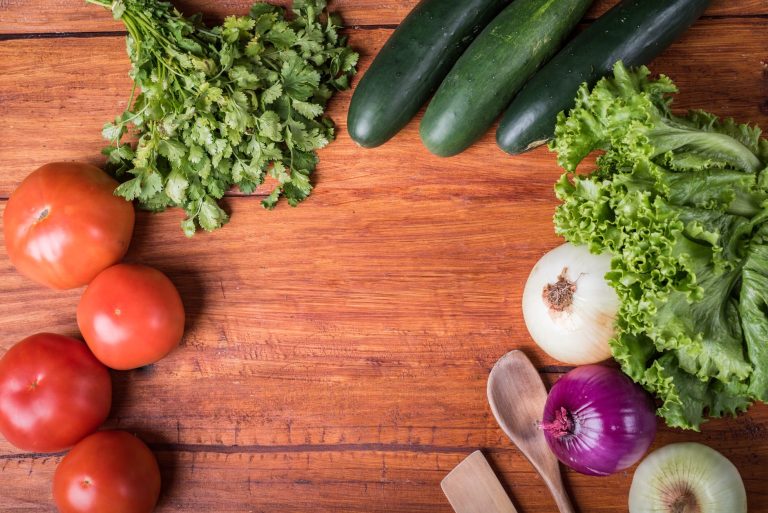
[IMAGE: organic vegetables]
The Best Organic Foods for a Happier Gut
If your goal is better digestion, less bloating, and steady energy, the best organic food choices are usually the simplest ones. You do not need complicated formulas. You need meals that give your gut fiber, fluids, and the right nutrients in a form your body can use easily. That means focusing on foods that help beneficial bacteria thrive while keeping the digestive process smooth.
The best part is that many of these foods are already easy to find. A clean eating plan can be colorful, satisfying, and deeply practical when you know what to prioritize. Which foods should stay at the center of the plate? Start with the ones that bring the most support per bite.
1. Organic leafy greens and cruciferous vegetables
Leafy greens such as spinach, kale, arugula, and romaine are loaded with fiber, water, and micronutrients. Cruciferous vegetables like broccoli, cauliflower, Brussels sprouts, and cabbage are especially useful in a detox diet style of eating because they support the body’s natural processing systems. These vegetables are light enough for many people to digest well yet substantial enough to help you feel full.
Try building meals around a big base of greens or roasted vegetables. Add olive oil, a clean protein, and a grain or root vegetable if needed. This kind of plate supports weight loss because it creates volume without relying on excess calories.
2. Organic fermented foods
Fermented foods can be powerful allies for gut health, especially when they are organic and minimally processed. Think plain kefir, unsweetened yogurt, sauerkraut, kimchi, miso, and certain fermented vegetables. These foods may help support a more balanced gut environment and can add flavor without requiring heavy sauces or excess salt.
Still, they are not for everyone in large amounts. If your digestion is sensitive, start small. A few spoonfuls of sauerkraut or a small serving of kefir can be enough to see how your body responds. Clean eating should feel supportive, not aggressive.
3. Organic fruit with fiber and antioxidants
Fruit often gets unfairly blamed in weight loss conversations, but the right fruit can be a smart part of a healthy diet. Berries, apples, pears, kiwi, and citrus fruits provide fiber and antioxidants while satisfying a sweet craving in a far more nourishing way than dessert or candy. Organic fruit can be especially useful if you snack emotionally, because it offers a naturally sweet reset without the crash.
For the best results, pair fruit with protein or fat. An apple with almond butter, berries with plain Greek yogurt, or kiwi with chia pudding can help stabilize appetite and support cleaner energy throughout the day.
4. Organic legumes, seeds, and whole grains
Beans, lentils, chickpeas, oats, chia seeds, flaxseeds, and quinoa are excellent additions to a clean eating plan because they deliver fiber, plant protein, and slow-digesting carbohydrates. These foods help feed the beneficial bacteria in your gut and can make weight loss more comfortable by keeping you full longer.
If legumes tend to make you gassy at first, introduce them gradually. Soak, rinse, and cook them thoroughly. Over time, many people find their digestion improves as their gut adjusts to the extra fiber.
5. Organic proteins and healthy fats
Protein is essential if you want weight loss to feel manageable. Without enough protein, it is much harder to stay satisfied, preserve muscle, and keep cravings under control. Good organic options include eggs, plain Greek yogurt, chicken, turkey, tofu, tempeh, salmon, and sardines. Healthy fats from avocado, extra-virgin olive oil, walnuts, almonds, pumpkin seeds, and chia seeds help round out meals and prevent the energy dips that trigger snacking.
- Choose protein at every meal
- Use fats in measured amounts for satisfaction
- Combine protein, fiber, and fat to support fullness
- Keep carbs from whole-food sources rather than refined snacks
This combination is one of the most effective strategies in clean eating because it keeps the body nourished rather than merely occupied.
How to Build Meals for Sustainable Weight Loss
Weight loss does not need to feel like a constant negotiation. When meals are built correctly, appetite becomes easier to manage naturally. The most effective organic food plan is not about eating tiny portions all day. It is about creating balanced meals that keep hunger, cravings, and energy in a steadier range.
Ask yourself a practical question before each meal: does this plate give me enough protein, enough fiber, and enough satisfaction to carry me to the next meal without stress? If the answer is no, the meal likely needs a little more structure. That structure is what makes clean eating sustainable.
The plate method works because it is simple
A helpful way to build meals is to use the plate method. Fill half the plate with non-starchy vegetables, one quarter with lean protein, and one quarter with a whole-food carbohydrate or starchy vegetable. Add a small portion of healthy fat if needed. This is not a rigid rule, but a flexible framework that works surprisingly well for many people trying to lose weight while staying nourished.
- Half plate: greens, broccoli, peppers, cucumber, zucchini, cauliflower
- One quarter plate: chicken, fish, eggs, tofu, beans, Greek yogurt
- One quarter plate: sweet potato, quinoa, brown rice, oats, lentils
- Small addition: avocado, seeds, olive oil, nuts
This method helps prevent the common mistake of building meals around only one macronutrient. A healthy diet should feel complete, not random.
Why protein matters so much for appetite control
Protein is often the missing piece in weight loss plans that fail by mid-afternoon. When meals are low in protein, hunger tends to return quickly, and cravings become louder. Protein supports muscle, helps manage appetite, and gives meals a more lasting effect. In an organic food lifestyle, this can mean choosing eggs at breakfast, grilled salmon at lunch, or lentils and tofu at dinner.
If you are trying to lose weight without constantly thinking about food, protein is one of the most useful tools you have. It creates the feeling of being fed, not just filled.
How to keep portions realistic without feeling restricted
Portion control works best when it is based on structure rather than fear. Instead of shrinking every meal, focus on the density of the food. A bowl full of greens, cucumbers, tomatoes, beans, and grilled chicken can be far more satisfying than a small plate of refined food. In other words, you can eat a generous amount of the right foods and still support weight loss.
If you tend to overeat at night, look at the pattern earlier in the day. Were you under-eating? Did you skip protein? Did you rely on coffee instead of breakfast? Often, evening overeating is a delayed response to a day that lacked balance.
[IMAGE: healthy meal]
A Practical One-Day Organic Clean Eating Template
One of the easiest ways to make healthy habits stick is to see what they actually look like in a normal day. A good organic food plan does not need to be glamorous. It needs to be realistic, repeatable, and enjoyable. If you can imagine the meals in your own kitchen, you are far more likely to follow through.
This sample day is designed for steady energy, good digestion, and weight loss support. You can adjust portions based on hunger, activity level, and personal nutrition needs.
Breakfast: steady energy, not a sugar spike
Try overnight oats made with organic oats, chia seeds, plain Greek yogurt or unsweetened plant yogurt, berries, and a spoon of almond butter. If you prefer savory meals, scrambled eggs with spinach, tomato, and avocado on the side can be equally effective. The goal is to start the day with protein, fiber, and enough fat to avoid the mid-morning crash.
- Option 1: overnight oats with berries and chia
- Option 2: eggs, greens, and avocado
- Option 3: kefir smoothie with spinach, cucumber, and flaxseed
Ask yourself: does breakfast make you feel focused, or does it send you searching for snacks an hour later? That answer tells you a lot.
Lunch: the meal that should keep you stable
Lunch is a great place to build a colorful bowl with organic vegetables, quinoa, chickpeas, cucumber, shredded carrots, leafy greens, and a simple olive oil dressing. If you eat animal protein, grilled chicken or salmon works beautifully. If you eat plant-based, tofu or tempeh can provide the structure you need. The bowl should feel abundant, not minimal.
A well-built lunch can prevent the afternoon slump and reduce the urge to reach for sweets. It is one of the best opportunities in the day to support a healthy lifestyle without much effort.
Snack: only if you truly need it
Not everyone needs a snack, but many people benefit from one if lunch is early or activity levels are high. Good organic snack choices include an apple with nut butter, plain yogurt with berries, carrots with hummus, or a handful of walnuts with cucumber slices. The best snack is one that supports your next meal rather than replacing it with empty calories.
- Fruit plus protein
- Vegetables plus hummus
- Fermented dairy plus berries
- Nuts plus fresh produce
Dinner: light enough for digestion, satisfying enough for sleep
Dinner should be calming, not chaotic. A plate of baked salmon, roasted broccoli, and sweet potato is simple and deeply nourishing. If you prefer vegetarian meals, lentil stew with cabbage and herbs or tofu with stir-fried vegetables can work beautifully. Keep the meal flavorful but not overly heavy, especially if you want better sleep and less bloating in the morning.
Eating dinner this way does more than support weight loss. It gives your digestive system a cleaner end to the day, which can help you wake up feeling more comfortable.
Detox Diet, the Smart Way
The phrase detox diet gets used in many confusing ways, but the healthiest version is actually quite modest. Your body already has detoxification systems in place, especially the liver, kidneys, skin, and gut. The job of a smart detox diet is not to replace those systems. It is to support them with real organic food, proper hydration, enough fiber, and a lower intake of processed ingredients that make the body work harder than necessary.
That means no extreme juice cleanse, no starvation protocol, and no obsession with quick fixes. It means giving your body more of what helps it function well. Is that less dramatic than popular detox marketing? Yes. Is it more effective for long-term health? Very often, absolutely.
What to include in a supportive detox-style routine
Start with foods that naturally encourage the body’s normal cleansing pathways. Cruciferous vegetables, leafy greens, citrus fruits, cucumbers, herbs, garlic, onions, ginger, and plenty of water can all play a role. Organic vegetable soups, light broths, and simple salads can also make digestion feel easier during periods when you want to reset your habits.
- Water with cucumber or lemon
- Green tea or ginger tea
- Vegetable soups with organic produce
- Salads with leafy greens and seeds
- Roasted vegetables with olive oil and herbs
The key is consistency. A detox diet should leave you feeling nourished, not depleted.
What to avoid if you want better results
Many people think detoxing means eating as little as possible. In reality, under-eating can increase stress, worsen cravings, and slow your momentum. Avoid plans that rely on a single beverage, a dramatic calorie crash, or a rigid set of rules that you cannot follow in ordinary life. Clean eating works best when it feels livable.
If your version of detoxing makes you dizzy, irritable, and obsessed with food, it is not supporting your healthy lifestyle. A smarter version restores balance rather than demanding perfection.
Shopping and Meal Prep That Make Clean Eating Easier
Most people do not fail because they lack motivation. They fail because the kitchen is not set up to support their goals. When the fridge is stocked with easy organic food choices, clean eating becomes much more automatic. That is why shopping and prep matter just as much as the meals themselves.
Think of this as designing convenience in your favor. If healthy food is ready and visible, it wins more often. If the easiest option is a processed snack, that usually wins instead. Which environment are you creating for yourself?
A simple weekly shopping structure
- 2 to 3 types of leafy greens
- 3 to 4 colorful vegetables
- 2 fruits you actually enjoy
- 1 to 2 proteins per category: animal or plant
- 1 fermented food
- 1 to 2 whole grains or starches
- Healthy fats like olive oil, avocado, nuts, or seeds
This approach makes shopping feel less overwhelming and prevents waste. It also helps you rotate ingredients naturally so your nutrition stays varied.
Meal prep that does not take over your life
Meal prep does not need to mean cooking every meal for the entire week. It can simply mean preparing the building blocks that make lunches and dinners faster. Wash greens, roast a tray of vegetables, cook a grain, make a protein, and keep a dressing or sauce ready. Those five steps can transform your week.
- Wash and dry greens on day one
- Roast a batch of vegetables for easy sides
- Cook quinoa, brown rice, or lentils in advance
- Prepare proteins for two to three days at a time
- Keep snacks portioned and visible
When your kitchen is organized this way, healthy diet choices happen faster than takeout decisions.
[IMAGE: fitness lifestyle]
Lifestyle Habits That Multiply the Benefits
Food matters, but it is not the whole story. A healthy lifestyle also includes movement, sleep, stress management, and rhythm. These elements can influence digestion and weight loss as much as the ingredients on your plate. If you eat well but stay sedentary, sleep poorly, and feel chronically stressed, your body may still struggle to settle into balance.
This is why the most successful clean eating plans feel integrated rather than isolated. They fit into real life. They make room for work, family, exercise, and rest. What habits can you strengthen this week that would make your organic food choices work even harder for you?
Movement supports digestion and energy
You do not need intense exercise every day to benefit from movement. Even a ten-minute walk after meals can help digestion and blood sugar control. Strength training, yoga, cycling, and brisk walking all support a healthy metabolism and can make a weight loss plan more sustainable. Movement also improves how you feel in your body, which matters more than many people realize.
Pair your organic meal plan with a fitness routine you can maintain. That combination is often more effective than either one alone.
Sleep and stress affect cravings more than people expect
Sleep deprivation can increase hunger hormones and reduce self-control around food. Chronic stress can push you toward convenience eating, digestive discomfort, and poor recovery. If you are trying to improve nutrition and lose weight, protecting sleep is one of the smartest things you can do.
Small calming routines matter. Dim the lights at night. Eat dinner a little earlier when possible. Step away from screens before bed. These actions support the body in ways that clean eating alone cannot.
How to eat more mindfully without making it complicated
Mindful eating is not about perfect silence at the table. It is about paying attention enough to notice hunger, fullness, and satisfaction. Eat a little slower. Chew more thoroughly. Put the fork down between bites when you can. Drink water consistently rather than only when you are already thirsty. These simple habits can improve digestion and reduce accidental overeating.
- Eat at a table when possible
- Avoid scrolling while eating every meal
- Pause halfway through to check fullness
- Notice which foods leave you energized
Small awareness creates big results over time.
Organic Diet Mistakes That Slow Progress
People often start a clean eating plan with enthusiasm, then accidentally make it harder than it needs to be. Some mistakes are obvious, but others are subtle. They can stall weight loss, worsen digestion, and make healthy habits feel frustrating. The good news is that once you spot them, they are usually easy to correct.
Are you eating organic food but still not feeling better? You may be overlooking one of these common issues.
- Choosing organic processed snacks instead of whole foods
- Skipping protein and getting hungry too fast
- Eating too little fiber to support digestion
- Relying on liquid calories like sweet coffee drinks or juices
- Thinking portion size does not matter because the food is organic
- Trying to overhaul everything at once and burning out
- Not drinking enough water to move fiber through the system
One of the biggest mistakes is expecting clean eating to work like a shortcut. It is more like a well-designed system. The system gets stronger when you keep it simple, repeatable, and realistic.
How to correct course without starting over
If you have drifted away from your nutrition goals, do not treat it as failure. Re-center one meal at a time. Add vegetables to lunch. Cook breakfast instead of buying it. Replace one snack with fruit and protein. Go for a walk after dinner. These small actions rebuild momentum faster than guilt ever will.
Weight loss and healthy eating are easier to sustain when you stop aiming for all-or-nothing perfection. Progress grows from repeated ordinary choices.
Making Organic Eating Feel Easy and Sustainable
The most effective nutrition plans are not the most restrictive ones. They are the ones you can actually repeat. Organic food can support a healthy diet, clean eating, a gentler detox diet routine, and steady weight loss when it is used with intention instead of pressure. That means choosing foods that help you feel good in your body, not just foods that look impressive on a label.
Start where you are. Build one breakfast that is more balanced. Swap one processed lunch for a bowl of vegetables and protein. Keep a few organic staples ready so the healthy choice is the easy choice. When you do that consistently, the results show up in energy, digestion, mood, and the way your clothes fit. And perhaps most importantly, the entire process begins to feel less like a struggle and more like a form of self-respect. If you want more practical ideas for a healthier lifestyle, better nutrition, and smart clean eating strategies, keep exploring the articles on DietOrganic and let each new meal become another step toward a lighter, stronger routine.
About the Author