
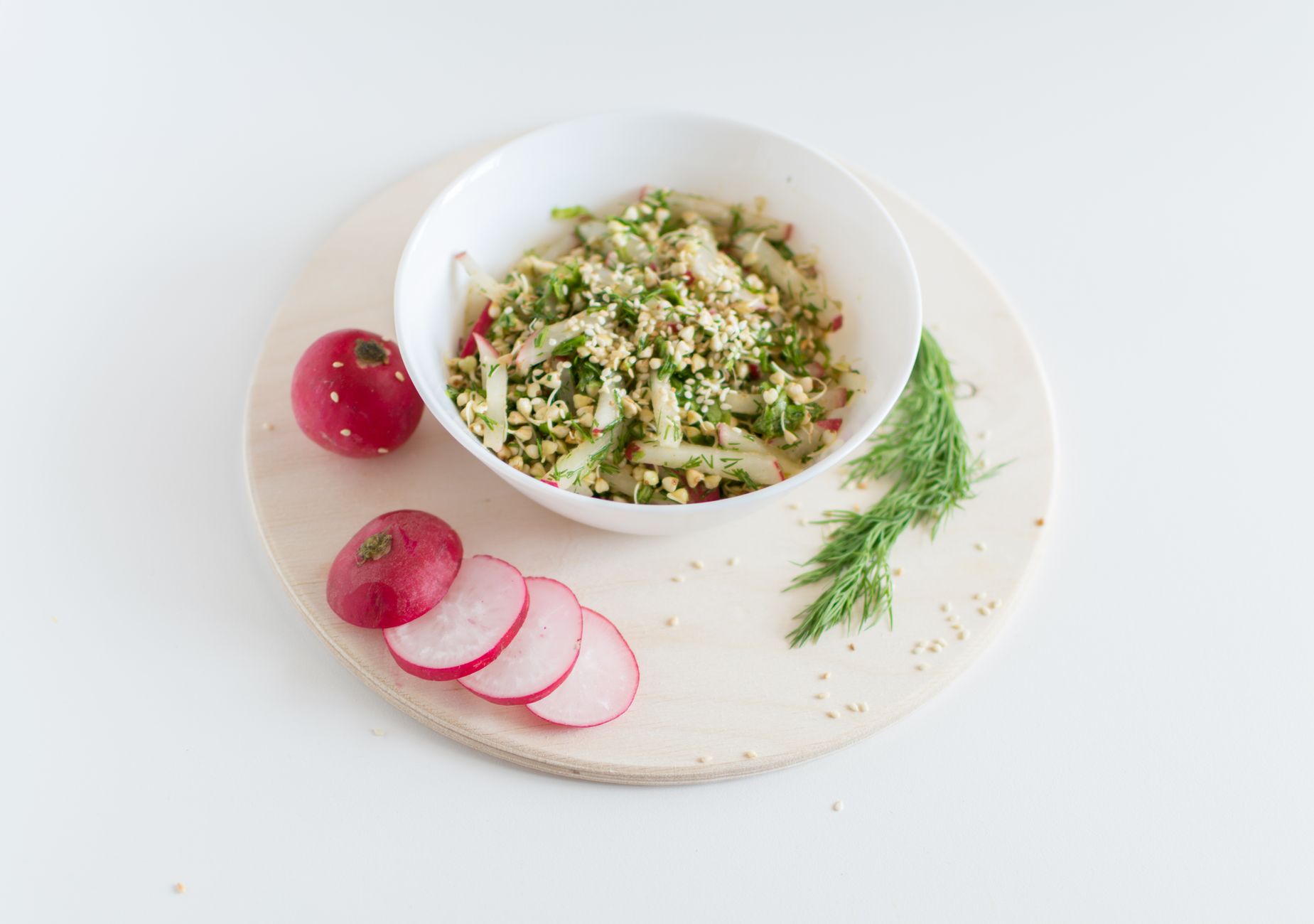
Photo by BULBFISH on Pexels
If you have ever tried to lose weight and felt overwhelmed by counting calories, cutting out entire food groups, or chasing the latest diet trend, you are not alone. Real progress usually comes from a simpler shift: choosing organic food more often, building a clean eating routine you can actually sustain, and paying closer attention to the way your meals affect hunger, energy, and nutrition. Weight loss is not only about eating less. It is about eating in a way that supports your body, your metabolism, and your healthy lifestyle every single day.
That is where organic food can make a meaningful difference. When your plate is built around fresh produce, quality proteins, whole grains, healthy fats, and minimally processed ingredients, your body has a better chance to function efficiently. You may notice steadier energy, fewer cravings, improved digestion, and a more natural sense of fullness after meals. And when those benefits stack up, weight loss often feels less like a struggle and more like a rhythm.
So what does a clean eating approach with organic food really look like in real life? Which foods should you prioritize? How can you make this approach practical if you are busy, tired, or trying to feed a family? And what are the mistakes that can quietly slow your results even when your meals look healthy on the surface?
This guide breaks down the best organic food choices for weight loss, how to structure meals that support clean eating, and how to create a sustainable routine that feels nourishing rather than restrictive. If you are looking for a healthier, more balanced way to approach nutrition, this is a smart place to begin.
Why Organic Food Fits So Well Into a Weight Loss Plan
Organic food is often associated with premium grocery aisles and health-conscious shoppers, but its role in weight loss is more practical than many people realize. Organic produce, grains, dairy, eggs, and meats are grown or raised according to standards that limit synthetic pesticides, herbicides, antibiotics, and genetically modified ingredients. While organic certification does not automatically make a food low-calorie or magically fat-burning, it can help create a cleaner, more nutrient-dense eating pattern.
When your diet includes fewer ultra-processed items and more whole organic foods, several things tend to happen. First, the meals usually become more filling because they contain more fiber, water, protein, and natural volume. Second, you are less likely to rely on added sugars, refined flour, and artificial flavors that encourage overeating. Third, you often gain a stronger awareness of food quality, which can make it easier to stay consistent with healthy habits.
That consistency matters. Weight loss is rarely the result of one perfect week. It is the result of repeated choices that support better appetite control, better energy, and better nutrition over time. Organic food can become the foundation for those choices.
What makes clean eating effective?
Clean eating is not a rigid diet. It is a practical way of choosing foods that are as close to their natural state as possible. Think colorful vegetables, fruit, beans, eggs, nuts, seeds, lean proteins, fermented foods, and simple whole grains. Instead of obsessing over every ingredient, clean eating encourages you to ask a more useful question: does this food help my body feel nourished, or does it leave me tired and hungry again in an hour?
That question can change everything. When you begin to eat with that level of awareness, your meals start to work with your body instead of against it. And if your goal is weight loss, that is a powerful advantage.
The Best Organic Foods for Weight Loss
Not all organic foods play the same role in a weight loss plan. Some help you stay full for longer. Others improve digestion, support muscle maintenance, or reduce the urge to snack mindlessly. The key is to build meals around foods that offer volume, fiber, protein, and steady energy.
1. Organic leafy greens
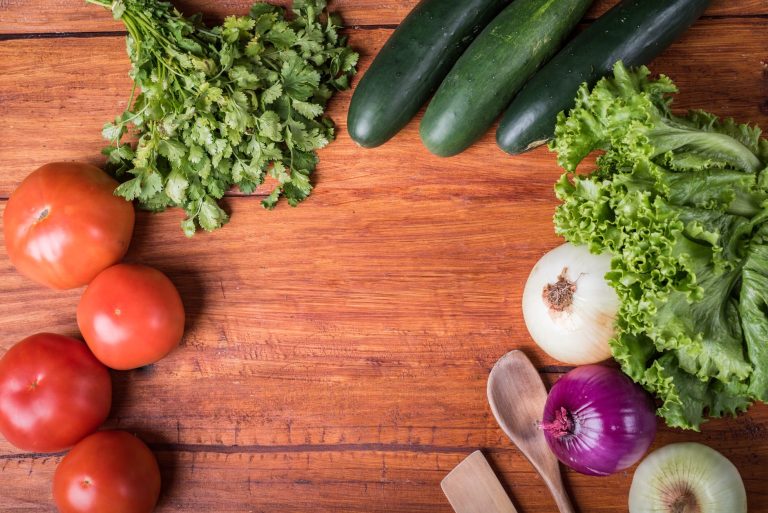
Spinach, kale, arugula, romaine, and Swiss chard are some of the most useful organic foods for fat loss. They are low in calories but high in fiber, vitamins, minerals, and water content. This means you can eat a generous serving without feeling weighed down.
Try adding leafy greens to salads, omelets, smoothies, soups, and grain bowls. Have you noticed how a large salad with protein can feel far more satisfying than a small processed snack? That is the kind of satiety advantage leafy greens bring to a clean eating plan.
2. Organic berries
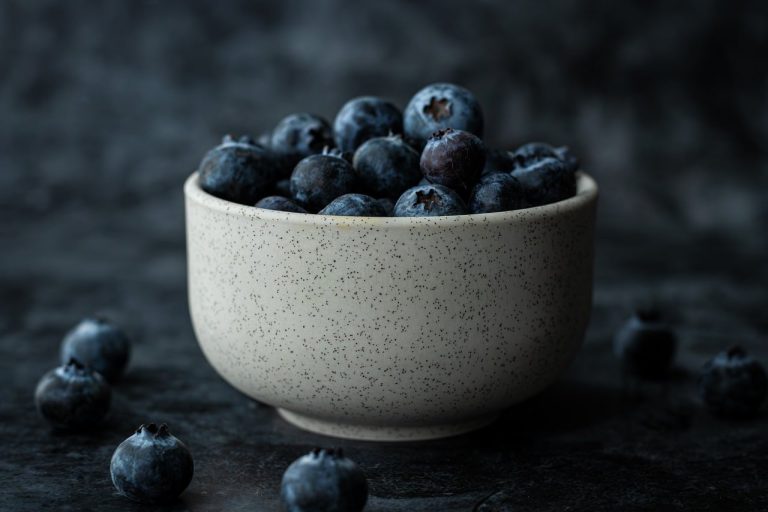
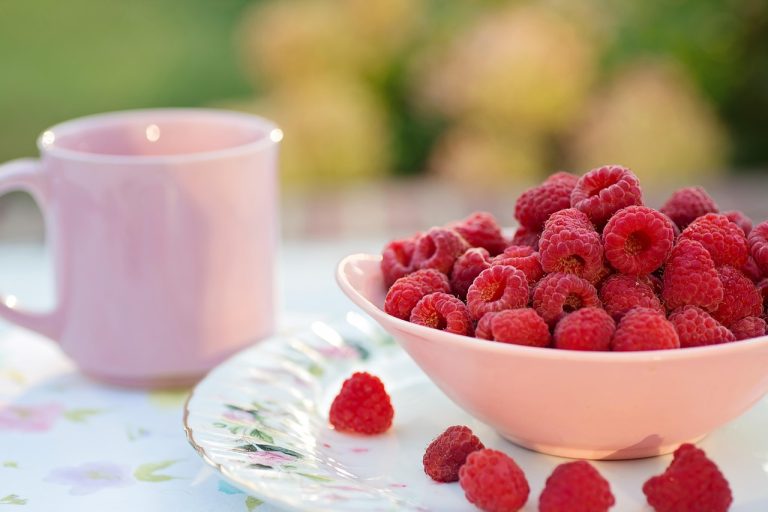
Blueberries, strawberries, raspberries, and blackberries are sweet enough to satisfy cravings while still supporting weight loss goals. They are rich in antioxidants and fiber, which can help stabilize blood sugar and improve digestion. Because of their natural sweetness, berries are especially helpful when you are trying to reduce desserts or sugary snacks.
Use them in yogurt bowls, chia pudding, overnight oats, or simply eat them on their own. They are a smart choice when you want something refreshing that still fits into a healthy diet.
3. Organic eggs
Eggs are one of the most versatile organic protein sources you can keep in your kitchen. They are budget-friendly, quick to prepare, and highly satisfying. Protein plays a major role in weight loss because it helps preserve lean muscle and keeps hunger under control. A breakfast rich in protein can also reduce the urge to snack later in the day.
Organic eggs can be scrambled with vegetables, boiled for portable snacks, or poached over avocado toast. If you often feel hungry soon after breakfast, eggs may be the upgrade your routine needs.
4. Organic Greek yogurt
Plain organic Greek yogurt is a standout food for clean eating because it combines protein, probiotics, and a creamy texture that feels indulgent without being heavy. Probiotics may support gut health, which can matter more than many people realize when it comes to digestion, bloating, and appetite regulation.
Choose unsweetened versions and add your own fruit, nuts, cinnamon, or seeds. This lets you enjoy flavor without the hidden sugars found in many flavored yogurts. It is a simple switch, but one that can improve both nutrition and weight loss consistency.
5. Organic cucumbers and celery
Hydrating vegetables like cucumbers and celery can be helpful when you want to feel full without consuming many calories. They are ideal for snacks, salads, and detox diet-style meals that emphasize hydration and freshness. They also provide crunch, which can make healthy eating feel more satisfying.
If you tend to snack when stressed or bored, keeping cut vegetables in the refrigerator can be a practical strategy. Pair them with hummus, cottage cheese, or guacamole for a more balanced snack.
6. Organic apples and pears
Whole fruit is one of the easiest ways to support clean eating. Apples and pears are especially useful for weight loss because they offer fiber and chewing satisfaction, which can help you slow down and recognize fullness. Unlike juice or dried fruit, whole fruit delivers more structure and fewer concentrated sugars per bite.
Do you often crave something sweet late in the afternoon? A crisp apple with almond butter or a pear with a handful of walnuts can be a much better choice than reaching for cookies or candy.
7. Organic oats
Oats are a classic breakfast food for a reason. They are rich in soluble fiber, especially beta-glucan, which may support fullness and healthy cholesterol levels. Organic oats work well in overnight oats, warm porridge, baked oatmeal, or homemade granola with minimal added sugar.
For weight loss, the goal is to keep portions reasonable and pair oats with protein or healthy fat. That combination helps prevent blood sugar spikes and makes breakfast more sustaining.
8. Organic salmon and other fatty fish
Fatty fish such as salmon, sardines, and mackerel provide protein and omega-3 fatty acids, both of which can support a healthy lifestyle. They are satisfying, flavorful, and excellent for meal prep. Including fish in your weekly routine may also help reduce the need for highly processed convenience foods that often derail weight loss.
A grilled salmon fillet with roasted vegetables and lemon can be an ideal clean eating dinner: simple, nutrient-dense, and deeply satisfying.
9. Organic beans and lentils
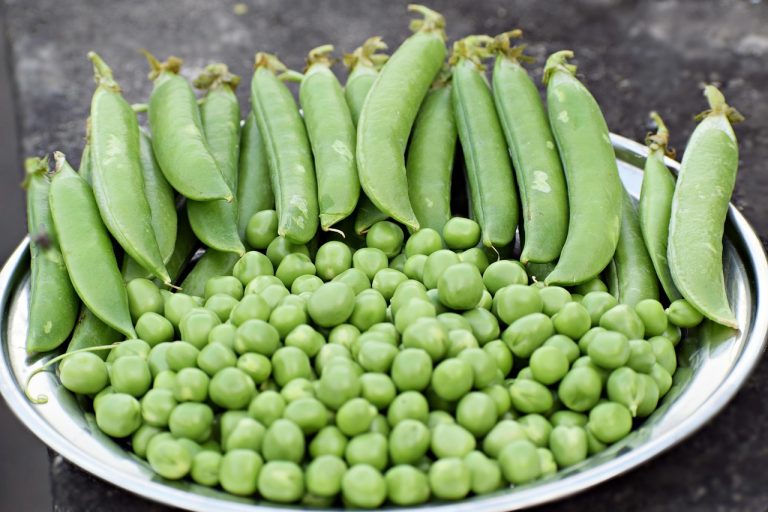
Beans and lentils are some of the best foods for weight loss because they combine protein, fiber, and complex carbohydrates. They digest more slowly than refined grains and can help keep hunger at bay. They also make your meals more affordable, which is often important when you are building a long-term healthy diet.
Use lentils in soups, beans in salads, or black beans in grain bowls and tacos. They are excellent for people who want a plant-forward organic food plan without feeling deprived.
10. Organic avocado
Avocado is calorie-dense, so portion awareness matters, but it can still be a very useful food in a weight loss plan. Its healthy fats can improve meal satisfaction and help you absorb certain fat-soluble vitamins from vegetables. A small portion of avocado can make a salad or toast feel much more complete.
Instead of fearing fat, focus on choosing the right kind and the right amount. Clean eating works better when it includes balance rather than extremes.
How Organic Food Supports Satiety and Better Nutrition
One of the biggest reasons people struggle to lose weight is not a lack of willpower. It is an inconsistent feeling of fullness. If a meal leaves you hungry shortly after eating, you are far more likely to graze, snack impulsively, or overeat later. Organic food can help solve this problem when it is built around whole, minimally processed ingredients.
Fiber from vegetables, fruit, beans, oats, and seeds adds bulk and slows digestion. Protein from eggs, yogurt, fish, poultry, tofu, and legumes helps preserve muscle and keep appetite in check. Healthy fats from olive oil, nuts, seeds, and avocado improve satisfaction and taste. Together, these nutrients create meals that feel complete.
That is one of the hidden benefits of a clean eating approach: it helps you eat in a way that feels naturally self-regulating. When meals are satisfying, you spend less time negotiating with cravings. Does that sound simpler than counting every calorie? For many people, it is.
Signs a meal will support weight loss
A meal that supports weight loss usually includes the following:
- A clear protein source
- A generous portion of vegetables
- A moderate amount of healthy fat
- Either a whole grain or a fiber-rich carbohydrate
- Minimal added sugar and refined flour
When those elements are present, you are more likely to feel steady, energized, and satisfied. That is a better long-term formula than eating very little during the day and then overeating at night.
A Clean Eating Framework for Everyday Meals
Many people think clean eating means preparing complicated recipes or giving up flavor. In reality, the most effective approach is often the simplest. If you can build balanced meals from a few reliable components, your healthy lifestyle becomes much easier to maintain.
Breakfast
Breakfast sets the tone for the day. A balanced organic breakfast can reduce cravings and help you stay focused through the morning. Think eggs with spinach, oats with berries and chia seeds, or Greek yogurt with fruit and walnuts.
If you are someone who skips breakfast and then feels ravenous by midday, this meal may deserve more attention. A good breakfast should fuel you, not just fill a gap.
Lunch
Lunch should ideally be balanced, portable, and satisfying. Grain bowls, salads with protein, vegetable soups, and leftovers from dinner can all work well. For example, a bowl with quinoa, roasted vegetables, chickpeas, avocado, and a lemon-tahini dressing can deliver excellent nutrition without feeling heavy.
[IMAGE: healthy meal]
When lunch is built correctly, you will likely notice a smaller afternoon energy crash and fewer cravings for processed snacks. That alone can improve both productivity and weight loss results.
Dinner
Dinner is often where people lose momentum. After a long day, convenience becomes tempting. But a simple clean eating dinner can be prepared in 20 to 30 minutes if your kitchen is stocked well. A baked fish fillet, roasted vegetables, and a side of brown rice or sweet potato can be both comforting and supportive of your goals.
Why not make dinner the meal that helps you reset rather than the meal that sends you into a spiral of late-night snacking?
Snacks
Smart snacks can help prevent overeating later, especially if your schedule is unpredictable. Good options include fruit and nuts, cut vegetables with hummus, boiled eggs, plain yogurt, chia pudding, and a small handful of seeds. The key is to choose snacks that offer some combination of protein, fiber, and healthy fat.
A snack should not feel like a mini dessert every time. If it does, you may be training your palate to expect constant sugar and reward. Clean eating works best when snacks are nourishing, not just entertaining.
Best Organic Foods to Keep in Your Kitchen
If you want weight loss to feel easier, your kitchen should support your decisions instead of fighting them. That means keeping a few reliable organic food staples on hand at all times. When your pantry and refrigerator are stocked well, healthy choices become the default choice.
Weekly staples to buy
- Organic leafy greens
- Organic berries and apples
- Organic eggs
- Plain organic Greek yogurt
- Organic oats and quinoa
- Organic beans and lentils
- Organic salmon, chicken, or tofu
- Organic cucumbers, celery, carrots, and peppers
- Organic nuts, seeds, and nut butter
- Olive oil, lemons, garlic, and herbs
This list may seem simple, but simplicity is what makes it sustainable. A healthy lifestyle is much easier to maintain when your kitchen supports quick, clean meals instead of impulse choices.
Foods to limit for faster progress
You do not need to forbid every indulgence, but it helps to be aware of the foods that quietly interfere with weight loss. Many of these foods are highly processed, calorie-dense, and easy to overeat because they lack fiber and protein.
- Sugary breakfast cereals
- Refined pastries and desserts
- Sweetened coffee drinks
- Packaged snacks with long ingredient lists
- Fried fast food
- Fruit juices with little or no fiber
- Alcohol in excess
Are these foods always off-limits? No. But if they appear in your routine too often, they can make even a strong clean eating plan feel inconsistent.
How to Build a Weight Loss Plate with Organic Food
One of the most useful habits you can learn is plate planning. Rather than following a strict diet calendar, use a visual method to build meals that naturally support fat loss and nutrition.
The plate method
A balanced plate often looks like this:
- Half the plate: non-starchy vegetables
- One quarter of the plate: protein
- One quarter of the plate: whole grains or starchy vegetables
- A small portion: healthy fat
For example, you might have roasted broccoli and greens, grilled chicken or tofu, quinoa, and a drizzle of olive oil. Or you might choose salmon, asparagus, and sweet potato with a side salad. This formula works because it supports fullness without excessive calories.
Why this approach works so well
It removes guesswork. Instead of wondering whether you ate too much or too little, you can build meals with a balanced structure every time. That kind of consistency is especially helpful when your goal is sustainable weight loss rather than a temporary drop on the scale.
Organic Clean Eating Habits That Improve Results
Food quality matters, but habits matter too. Even the best organic food plan can fall apart if your routines are chaotic. These simple habits can help turn clean eating into a lifestyle instead of a short-lived challenge.
1. Prep vegetables in advance
Wash greens, chop cucumbers, slice carrots, and roast a tray of vegetables at the beginning of the week. When healthy ingredients are ready to use, you are far more likely to eat them.
2. Eat protein at every meal
Protein is one of the most important nutrients for weight loss. It supports satiety, muscle retention, and a steadier appetite. If your meals are mostly carbohydrates, you may feel hungry sooner.
3. Drink enough water
Hydration supports digestion, energy, and appetite awareness. Sometimes thirst is mistaken for hunger, which can lead to unnecessary snacking. Keep water nearby and make it part of your routine.
4. Slow down while eating
Eating quickly can override natural fullness signals. Try to sit down, chew thoroughly, and notice the flavors and textures in your meal. Would you be surprised how much more satisfied you feel when you are not rushing?
5. Sleep well
Good nutrition is harder to maintain when you are exhausted. Poor sleep can increase cravings, reduce motivation, and make portion control feel harder. Clean eating works best when paired with recovery and rest.
Organic Food and Detox Diet Thinking
The word detox is often used in misleading ways, but the body does have natural systems of detoxification through the liver, kidneys, digestive tract, and skin. A well-designed organic food plan can support those systems by reducing the burden of excess sugar, alcohol, and heavily processed ingredients.
Rather than relying on extreme detox diets or juice cleanses, focus on meals that hydrate, nourish, and support digestion. Fresh vegetables, fruit, herbs, lean proteins, and plenty of water can do far more for your long-term health than any extreme reset. A gentle detox diet approach is usually more effective when it is built around real food instead of restriction.
[IMAGE: organic vegetables]
Think of detox as daily support, not punishment. That mindset is far more likely to help you stay consistent, and consistency is what leads to real change.
How to Stay Full Without Overeating
Many people assume that weight loss requires constant hunger. In reality, that is usually a sign the plan is too aggressive or poorly structured. If you want lasting results, your meals should help you feel full enough to function well, not so deprived that you rebound later.
Practical fullness strategies
- Start meals with vegetables or broth-based soup
- Include a protein source every time you eat
- Use fiber-rich carbohydrates rather than refined ones
- Do not fear small amounts of healthy fat
- Avoid liquid calories that do not satisfy
- Keep desserts occasional instead of automatic
These strategies may sound simple, but they can transform how your day feels. When you feel nourished, you are less likely to chase energy through snacking or caffeine.
Clean Eating Mistakes That Can Stall Weight Loss
Even with the best intentions, some clean eating habits can quietly slow your progress. The problem is not usually the idea of clean eating itself. It is the way people misapply it.
Eating too little
Severe restriction may produce quick initial weight loss, but it often leads to fatigue, cravings, and eventual overeating. Your body needs enough energy to function well.
Overdoing healthy snacks
Nuts, granola, nut butter, and dried fruit are nutritious, but they can also be calorie-dense. Portion awareness matters, even with healthy foods.
Ignoring protein
If your meals are mostly salads, fruit, or smoothies without enough protein, you may feel hungry again very quickly. That can make the day feel like a constant battle.
Replacing meals with trendy drinks
Smoothies and juices can be useful, but they are not always as filling as solid food. If weight loss is the goal, use them strategically rather than treating them as meal replacements every day.
Assuming organic means unlimited
Organic food is a quality choice, but calories still matter. Organic cookies are still cookies. Organic chips are still chips. The label helps, but it does not override nutrition principles.
What a Full Day of Organic Clean Eating Can Look Like
If you prefer structure, it can help to visualize a complete day of eating. This is not a strict plan, but a flexible example of how organic food can support a healthy diet and realistic weight loss.
Breakfast
Organic Greek yogurt with blueberries, chia seeds, and a sprinkle of walnuts, or a vegetable omelet with spinach and tomatoes plus a slice of whole grain toast.
Midmorning
An apple and a boiled egg, or cucumber slices with hummus if you prefer something savory.
Lunch
A salad with mixed greens, grilled salmon, avocado, chickpeas, cucumber, carrots, and olive oil with lemon dressing.
Afternoon snack
Carrot sticks, a small handful of almonds, or plain yogurt with cinnamon.
Dinner
Roasted chicken or tofu, steamed broccoli, quinoa, and a side of roasted sweet potato. Add herbs and spices for flavor without relying on heavy sauces.
Evening option
If you need something later, keep it light and purposeful, such as herbal tea or a few berries. The goal is not to eat perfectly. The goal is to finish the day feeling steady rather than overfull.
How Organic Food Supports a Healthy Lifestyle Beyond Weight Loss
While many people begin with weight loss, they often stay with organic food and clean eating because of the broader benefits. You may notice better energy, improved focus, more stable mood, and a stronger connection to how your body feels after different meals.
That awareness is valuable. When you feel the difference between a meal that nourishes you and one that drains you, your decisions start becoming more intuitive. Over time, nutrition stops being an all-or-nothing project and becomes part of how you care for yourself.
[IMAGE: fitness lifestyle]
A healthy lifestyle is not built on perfection. It is built on repeatable habits that make health feel normal. Organic food can support that normality because it encourages you to choose freshness, simplicity, and quality more often.
When Organic Is Worth Prioritizing Most
If you cannot buy everything organic, do not let that stop you from making progress. Prioritizing certain foods can still be worthwhile, especially if budget matters. Many people choose to focus on foods they eat most often or those that tend to have higher pesticide residues when conventionally grown.
- Leafy greens
- Berries
- Apples
- Peppers
- Celery
- Spinach
- Grains and legumes you eat regularly
You can also choose organic for foods where quality matters most to you personally, such as eggs, dairy, or coffee. The best plan is the one you can afford and sustain.
How to Make Clean Eating Feel Enjoyable
If clean eating feels boring, it will be difficult to keep it up. Flavor, texture, and variety matter. The good news is that organic food can be delicious when you use herbs, spices, citrus, vinegar, garlic, onion, and healthy cooking methods.
Simple flavor builders
- Lemon and olive oil
- Fresh basil, parsley, cilantro, or dill
- Garlic and ginger
- Cinnamon and vanilla
- Paprika, cumin, turmeric, and black pepper
- Vinegars such as balsamic or apple cider vinegar
These additions can transform a basic meal into something you actually look forward to eating. And when your food tastes good, healthy habits become easier to repeat.
The Mindset Shift That Makes Weight Loss Sustainable
The most successful weight loss journeys usually involve a shift in identity. Instead of asking, How fast can I lose weight? try asking, What would a person with a healthy lifestyle eat on a normal Tuesday? That question encourages consistency rather than urgency.
Organic food and clean eating are most effective when they are part of a broader mindset that values care, patience, and routine. You do not need to be perfect to make progress. You need meals that are nourishing enough to repeat, habits that are easy enough to maintain, and a plan that supports your real life.
When you stop chasing short-term fixes and start building meals around nutrition, the results often become more stable and more rewarding. You may not notice the change after one day, but after several weeks, you may feel it in your energy, your digestion, and the way your clothes fit.
If you are ready to build a healthier routine, begin with one meal, one grocery list, and one simple swap toward organic food this week. Add more vegetables, choose protein at breakfast, keep a few clean snacks ready, and make your kitchen work for your goals instead of against them. The shift does not have to be dramatic to be meaningful, and once you begin to feel how good clean eating can be, you may find yourself reading more articles on DietOrganic to keep that momentum going.
About the Author