
Photo by Pervane Mustafa27 on Pexels
When people talk about healthy living, they often focus on calorie counts, workout routines, or the latest detox diet trend. But the real foundation of lasting wellness begins in a place many overlook: the gut. A balanced digestive system influences energy, immunity, skin clarity, mood, and even how efficiently the body manages weight. That is why choosing the right organic food can be such a powerful part of a healthy diet. If you have been trying to simplify clean eating, support digestion, and make your weight loss efforts feel more sustainable, your grocery list may matter more than you think.
So what actually helps the gut thrive? Is it only probiotics, or do fiber-rich vegetables, fermented foods, and mineral-dense whole ingredients matter just as much? The answer is a bit of both. A thoughtful organic diet can reduce exposure to unnecessary additives while increasing the nutrients that nourish the microbiome. And when digestion improves, many people notice a ripple effect: less bloating, steadier energy, fewer cravings, and a more comfortable relationship with food.
This guide explores how to build a gut-friendly routine using organic food in a way that feels practical, elegant, and genuinely effective. You will find meal ideas, shopping strategies, and expert-level advice on how clean eating can support digestive comfort, weight loss, and everyday vitality without becoming restrictive or complicated.
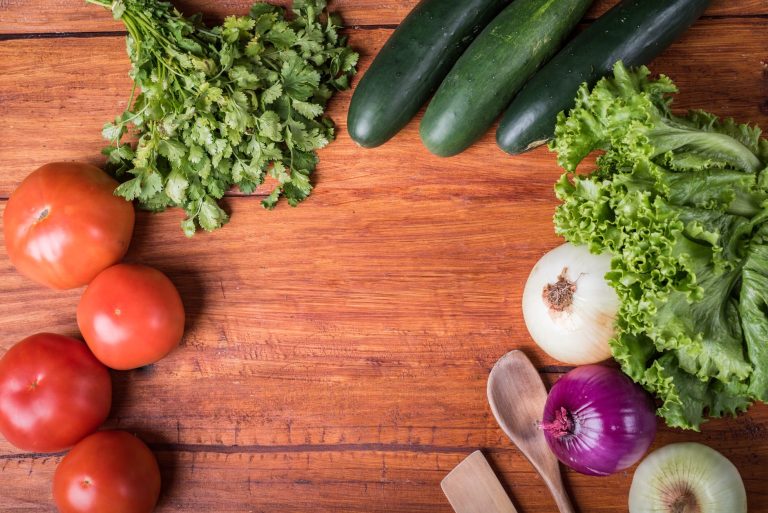
[IMAGE: organic vegetables]
Why Gut Health Matters More Than Most People Realize
Your gut is more than a food-processing system. It is home to trillions of microbes that help break down nutrients, communicate with the immune system, and influence everything from bloating to cravings. When this ecosystem is well-fed and diverse, the body tends to function more smoothly. When it is irritated by highly processed meals, excess sugar, or nutrient-poor choices, discomfort often follows.
Many people begin searching for a detox diet when they feel sluggish or heavy after weeks of inconsistent eating. Yet real support rarely comes from extremes. Instead, it comes from daily habits that lower digestive stress and feed beneficial bacteria. That is where organic food can shine. By prioritizing produce, grains, and proteins grown or handled with fewer synthetic inputs, you can create a cleaner nutritional foundation for the digestive tract.
Think about it: if your gut is already sensitive, why add more burden through foods that may be harder to digest or less nutrient-dense? A healthy lifestyle becomes much easier when the body receives simple, real food it can recognize and use efficiently.
The gut-body connection in everyday life
Digestive health influences more than bathroom habits. It can affect how well you sleep, how stable your mood feels, and how consistent your appetite is throughout the day. People often assume a slump in energy is a sign they need more caffeine, but sometimes the issue is poor digestion. A nutrient-rich organic diet may help reduce that roller coaster by keeping meals more balanced and easier to metabolize.
Consider these common signs that your gut may need support:
- Bloating after meals
- Irregular digestion
- Constant cravings for sugar or refined carbs
- Fatigue that feels worse after eating
- Skin that looks dull or inflamed
- Difficulty maintaining a steady weight
If several of these sound familiar, would it not make sense to look at your plate before reaching for another quick fix?
What Makes Organic Food Different for Digestion?
Organic food is often associated with cleaner agriculture, but the real value extends beyond the label. Organic produce is grown without most synthetic pesticides, and organic farming standards typically emphasize healthier soil. Why should this matter for digestion? Because soil quality directly affects the nutrient profile of the food that grows in it. More nutrients, more fiber, and fewer unnecessary residues can all contribute to a gentler experience for the digestive system.
While organic food is not a magic solution, many people find that it fits more naturally into a clean eating approach. When the ingredients are closer to their natural form, your meals become easier to plan, easier to digest, and often more satisfying. That sense of satiety is especially useful if weight loss is one of your goals.
Why ingredient quality matters
A digestive system under constant stress from ultra-processed foods has to work harder. Meals high in refined oils, artificial flavors, excess sugar, and chemical additives can disrupt the microbiome or leave you feeling heavy. Organic whole foods, by contrast, tend to be less complicated. They usually contain more fiber and fewer ingredients you cannot pronounce, which is exactly what a healthy lifestyle often requires.
Here is the bigger picture:
- More fiber helps support regular elimination
- Natural food structure can improve fullness after meals
- Mineral-rich produce supports metabolic function
- Simple meals reduce digestive overwhelm
That does not mean every organic snack is automatically healthy. Organic cookies are still cookies. But if you build your meals around fresh vegetables, quality proteins, and whole grains, the difference can be remarkable.
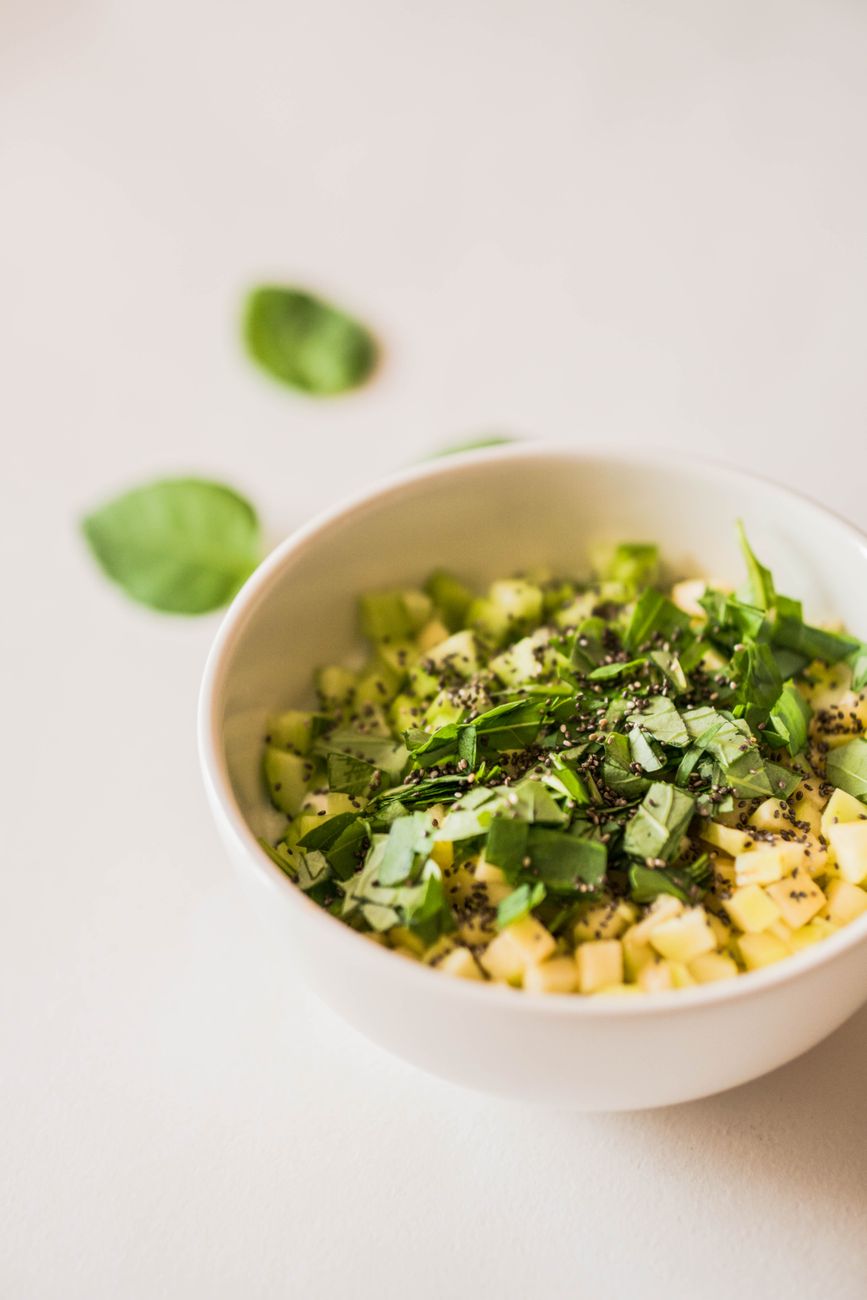
[IMAGE: healthy meal]
Best Organic Foods for Gut Health
Not all organic food works the same way in the body. Some ingredients are especially valuable because they provide prebiotic fiber, natural enzymes, or probiotics that help shape the gut microbiome. When these foods appear regularly in your weekly plan, digestion often becomes more consistent and comfortable.
1. Leafy greens and cruciferous vegetables
Spinach, kale, arugula, broccoli, cauliflower, and Brussels sprouts are among the most helpful organic foods for digestion. They contain fiber that supports bowel regularity and compounds that nourish the body during a detox diet or a general reset. They also fit beautifully into clean eating meals because they are versatile, affordable, and easy to combine with proteins and healthy fats.
Try this simple rhythm: one leafy green serving at breakfast or lunch, and one cruciferous vegetable at dinner. That alone can transform your fiber intake.
2. Fermented foods
Organic sauerkraut, kimchi, kefir, plain yogurt, miso, and tempeh can introduce beneficial bacteria and support a more balanced gut environment. For people who struggle with bloating or irregular digestion, these foods may be especially helpful when added gradually. Start with small servings rather than flooding your system all at once.
Fermented foods are not just trendy. They can be a practical part of a healthy diet because they bring living cultures into the meal while adding tangy flavor and variety. What could be better than food that tastes vibrant and supports your digestion at the same time?
3. Berries
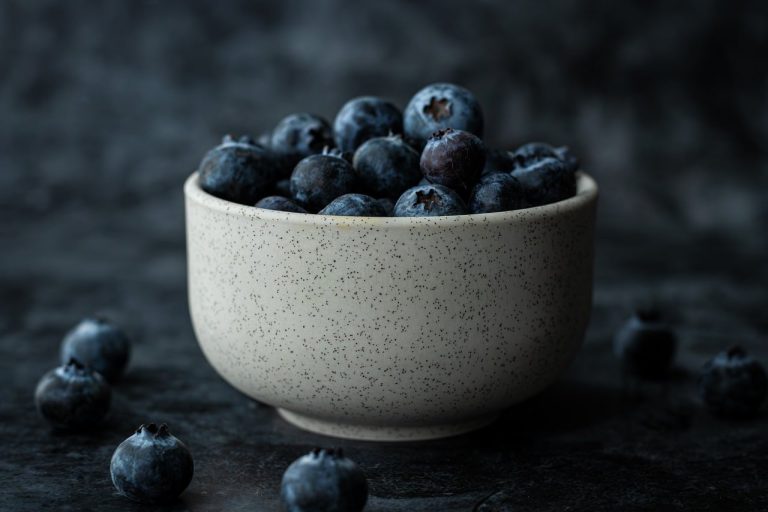
Organic berries are rich in antioxidants and fiber, making them one of the smartest choices for both gut health and weight loss. Blueberries, raspberries, blackberries, and strawberries can help satisfy sweet cravings without a major sugar spike. They also work well in breakfast bowls, snacks, and smoothies.
Because berries are naturally lower in calories than many desserts, they are an easy swap for people trying to slim down without feeling deprived.
4. Apples and pears
These fruits contain soluble fiber that supports digestion and may help nourish beneficial gut bacteria. Eating them with the skin on increases fiber intake, as long as they are properly washed or purchased organically. A crisp apple with nut butter can be a satisfying afternoon snack that keeps your appetite steady.
5. Oats and other whole grains
Organic oats, quinoa, brown rice, and buckwheat can form the backbone of a gut-friendly organic diet. They provide energy, fiber, and a gentle texture that many people find easy to digest. Whole grains also help create long-lasting fullness, which is helpful if weight loss is part of your goal.
6. Yogurt and kefir
When tolerated well, plain organic yogurt and kefir can support the microbiome thanks to their probiotic content. Choose unsweetened versions to avoid unnecessary sugar. You can top them with berries, chia seeds, or ground flaxseed for extra nutrition.
7. Ginger and turmeric
These root ingredients are often included in a detox diet because they can feel soothing and warming. Ginger may help calm nausea and support digestion, while turmeric brings antioxidant compounds that complement an anti-inflammatory approach. Add them to tea, soups, dressings, and roasted vegetables.
8. Seeds and nuts
Chia seeds, flaxseed, pumpkin seeds, almonds, and walnuts provide healthy fats and fiber. Ground flaxseed in particular is often useful for promoting regularity. Sprinkle seeds over oatmeal, blend them into smoothies, or use them to thicken puddings and sauces.
How Organic Food Supports Weight Loss Without Extreme Rules
Weight loss rarely comes from one perfect food. It comes from a pattern of choices that helps you stay satisfied, stable, and consistent. That is where organic food can become a strategic tool rather than a luxury. When meals are based on nutrient-dense ingredients, your body is more likely to feel nourished with fewer empty calories.
A gut-friendly organic diet may support weight loss in several ways:
- Higher fiber intake helps you feel full longer
- Less reliance on ultra-processed food reduces cravings
- More stable digestion can improve meal timing and appetite cues
- Better nutrient density supports energy for exercise and daily movement
Have you noticed that after a meal built around vegetables and protein, you think about food less often? That is not an accident. Balanced nutrition can calm the constant urge to snack.
Why fullness matters more than restriction
Many weight loss plans fail because they focus only on cutting calories. A better approach is to make each meal satisfying enough that overeating becomes less appealing. Organic vegetables, lean proteins, legumes, and whole grains can help create that effect naturally. When the body feels consistently fed, the need for emotional or impulsive eating often decreases.
This is why a healthy lifestyle should not be built around deprivation. It should be built around meals that taste good, digest well, and keep you steady for hours.
A simple plate formula for weight loss and gut comfort
- Half the plate: organic vegetables, especially leafy greens or cruciferous vegetables
- One quarter: quality protein such as organic chicken, eggs, tofu, tempeh, or beans
- One quarter: slow-digesting carbohydrates like quinoa, sweet potato, or brown rice
- Add a source of healthy fat: avocado, olive oil, seeds, or nuts
This structure is easy to repeat, which is exactly why it works. Simplicity often wins over complexity.
Building a Clean Eating Routine That Supports the Microbiome
Clean eating is often misunderstood as perfection. In reality, it is about choosing foods that are as close to their natural state as possible and reducing the noise from processed products. A clean eating routine can be wonderfully flexible if you focus on quality ingredients instead of rigid rules.
For gut health, clean eating means more than avoiding junk. It means actively feeding the microbiome with diverse fibers, fermented foods, plant compounds, and balanced meals. Over time, that variety can promote resilience.
What a gut-friendly clean eating day might look like
Breakfast: Organic oats with chia seeds, blueberries, cinnamon, and plain yogurt.
Lunch: A large salad with mixed greens, chickpeas, cucumber, avocado, pumpkin seeds, and olive oil dressing.
Snack: Apple slices with almond butter or kefir with flaxseed.
Dinner: Roasted salmon or tofu with broccoli, quinoa, and sautéed garlic greens.
Evening tea: Ginger or peppermint tea for a calming finish.
Notice how the day includes fiber, protein, healthy fats, and fermented foods without feeling restrictive. That is the kind of structure that supports both digestion and weight loss.
Foods to limit when prioritizing gut health
It is not necessary to ban every treat, but certain foods can make digestive comfort harder to maintain when they appear too often.
- Highly processed packaged snacks
- Excess sugary drinks and desserts
- Deep-fried foods
- Refined white breads and pastries
- Artificial sweeteners that may upset the gut
- Heavy alcohol intake
If you are aiming for a detox diet style reset, reducing these foods for a period of time can help you notice how much better your body feels when it is not constantly processing additives and excess sugar.
Meal Prep Ideas for an Organic Diet That Actually Sticks
One of the easiest ways to improve nutrition is to prepare your food before hunger becomes urgent. When your fridge is stocked with ready-to-eat organic meals, clean eating feels effortless instead of aspirational. Meal prep is also one of the best tools for weight loss because it removes the stress that often leads to impulsive choices.
Sunday prep essentials
Set aside time once or twice a week to prepare the basics:
- Wash and chop vegetables
- Cook grains like quinoa, rice, or oats
- Roast a tray of seasonal vegetables
- Prepare one or two protein sources
- Make a simple dressing or sauce
- Portion out snacks such as fruit, seeds, or yogurt
This kind of preparation does not need to be complicated. A few hours of intention can support an entire week of better decisions.
Easy combinations that support digestion
Here are a few organic food combinations that are both practical and gut-friendly:
- Quinoa + roasted carrots + chickpeas + tahini dressing
- Greek yogurt + berries + flaxseed + cinnamon
- Salmon + broccoli + sweet potato + olive oil
- Brown rice + sautéed kale + tempeh + sesame seeds
- Soup with lentils, celery, onion, garlic, and spinach
These meals are balanced, portable, and deeply nourishing. They work for busy professionals, active parents, and anyone who wants better digestion without spending every evening in the kitchen.
[IMAGE: healthy meal]
Natural Ways to Improve Digestion Alongside Organic Food
Food quality is essential, but habits matter too. Even the best organic diet works better when paired with daily routines that support the digestive process. If you want your gut to function at its best, think in terms of rhythm, not just ingredients.
1. Eat at a relaxed pace
Rushing through meals can affect how well you chew and how comfortably your stomach processes food. Slow down. Put your fork down between bites. Notice flavor. Your digestion begins in the mouth, and mindful eating can make a real difference.
2. Stay hydrated
Water helps move fiber through the digestive tract and supports overall nutrition. Herbal teas, infused water, and broth-based soups can also contribute to hydration. If bloating is a concern, aim for steady intake throughout the day rather than chugging large amounts at once.
3. Move regularly
Physical activity helps stimulate digestion and can reduce sluggishness. You do not need an intense workout every day. A brisk walk after lunch, a gentle yoga session, or a short strength training routine can all support digestive comfort and healthy weight management.
4. Sleep well
The gut and the brain are closely connected, and poor sleep can affect cravings, inflammation, and digestion. A healthy lifestyle is incomplete without quality rest. Create a calmer evening routine, reduce late-night snacking, and give the body time to recover.
5. Manage stress
Stress is one of the most underestimated factors in gut discomfort. When the nervous system is constantly activated, digestion can slow down or become irregular. Deep breathing, journaling, outdoor walks, and screen-free pauses all help the body shift back into a calmer state.
Myths About Gut Health, Clean Eating, and Organic Food
There is plenty of misinformation around nutrition, and it often leads people to overcomplicate their choices. Let us clear up a few common myths.
Myth 1: You need an extreme detox diet to reset your gut
Not really. The digestive system benefits far more from consistent nourishment than from harsh cleanses. A stable organic diet with fiber, hydration, and rest is usually more effective than a dramatic short-term approach.
Myth 2: Organic food is only for people with extra money
Organic food can be expensive, but smart choices make it accessible. Focus on the items you eat most often, such as leafy greens, berries, apples, oats, and eggs. Frozen organic produce can also be cost-effective and highly nutritious.
Myth 3: If a food is organic, it is automatically healthy
Not every organic packaged product supports gut health. Organic sugar, organic chips, and organic desserts can still be highly processed. The label matters, but the ingredient list matters too.
Myth 4: Gut health is only about probiotics
Probiotics are useful, but prebiotic fiber, hydration, sleep, stress management, and balanced meals are equally important. A resilient microbiome needs the right environment, not just one
About the Author