

Photo by RDNE Stock project on Pexels
Have you ever eaten what looked like a healthy meal and still ended the day feeling bloated, sluggish, or strangely unsatisfied? That experience is more common than most people admit, and it is often a sign that nutrition is not just about calories or willpower. It is also about the condition of your gut, the balance of your microbiome, and the quality of the organic food on your plate. A clean eating approach built around the right organic foods can do far more than support digestion. It can help improve energy, calm cravings, promote a healthy lifestyle, and make weight loss feel more natural instead of forced.
The gut is now widely recognized as one of the most influential systems in the body. It affects digestion, immunity, mood, nutrient absorption, and even how efficiently your body uses energy. When your meals are built with fiber-rich vegetables, fermented foods, clean proteins, and nutrient-dense whole ingredients, your digestive system has a better environment in which to thrive. That is where organic food becomes especially valuable. By choosing foods grown with fewer synthetic pesticides and less chemical residue, many people feel they are giving their bodies a cleaner foundation for better nutrition and long-term wellness.
This article explores how organic foods can support gut health in a practical, realistic way. You will learn which ingredients matter most, how to build balanced meals, what habits can improve digestion, and how to use clean eating as a tool for healthy weight loss rather than a restrictive diet. If you are trying to feel lighter, more energized, and more in control of your food choices, could your next breakthrough start in your digestive system?
Why Gut Health Matters More Than You Think
Your gut is not just where food is broken down. It is home to trillions of microorganisms that influence digestion, inflammation, appetite, and even the way you think and feel. When this ecosystem is in balance, your body tends to process food more efficiently, absorb nutrients more effectively, and recover more easily from the stress of everyday life. When it is out of balance, you may notice bloating, irregular bowel movements, sugar cravings, fatigue, skin issues, and a general sense that your healthy diet is not delivering the results you expected.
The gut, digestion, and daily energy
People often focus on protein, carbs, and fats while overlooking the role of digestion itself. Yet digestion is what determines whether your body actually gets the fuel it needs from the meals you eat. If your gut is inflamed or slowed down, even an otherwise nutritious menu can leave you feeling heavy and drained. That is why so many people who switch to clean eating report better energy within a few weeks, even before weight loss becomes visible. Better digestion often leads to better mornings, fewer crashes, and steadier appetite through the day.
Think about the last time you felt truly light after a meal. Chances are, the plate had a mix of fiber, hydration, and real whole food rather than refined ingredients. This is not a coincidence. Your digestive system prefers meals it can process without excessive strain, especially meals that include leafy greens, fermented foods, and minimally processed organic ingredients. Those are the foods that support a more comfortable gut environment and a more stable metabolism.
How clean eating supports weight loss
Clean eating is not about fear or perfection. It is about consistency, simplicity, and quality. When your meals are mostly built from organic food, vegetables, fruits, legumes, nuts, seeds, and clean proteins, your body tends to feel satisfied on fewer empty calories. Fiber helps you feel full. Protein helps maintain lean tissue. Healthy fats reduce the urge to snack constantly. And because ultra-processed foods are minimized, you are less likely to experience the spikes and crashes that lead to overeating.
That is one reason gut health and weight loss are so closely linked. A well-fed microbiome may support better appetite regulation, while a poorly nourished gut can seem to drive cravings and uncomfortable digestion at the same time. If you have ever wondered why you can be disciplined all week and still feel derailed by cravings on the weekend, your gut balance may be part of the story.
The Best Organic Foods for a Happier Gut
Not all healthy foods offer the same digestive benefits. Some ingredients are especially helpful because they feed beneficial bacteria, support regular elimination, or reduce the burden on the digestive system. Here is where organic food shines: when produce and pantry staples are cleaner and fresher, it becomes easier to build meals that feel gentle, nourishing, and satisfying.
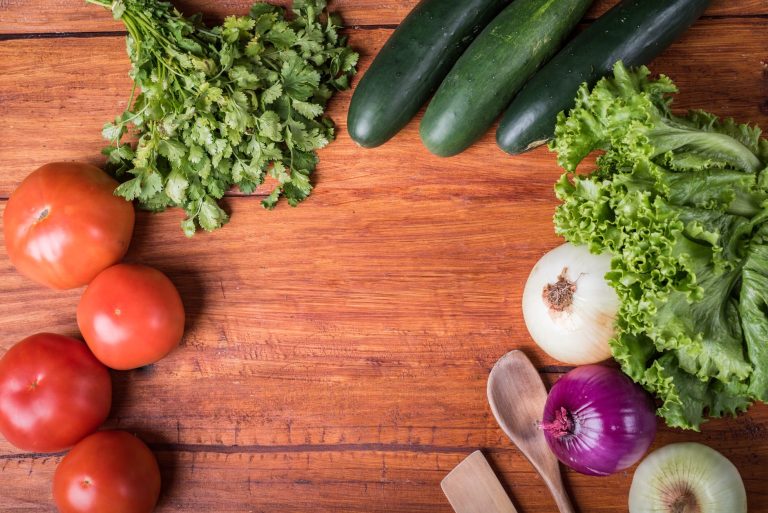
[IMAGE: organic vegetables]
Fermented foods that bring in beneficial bacteria
Fermented foods are among the most valuable additions to a gut-friendly diet. They provide natural probiotics, which can help support a more balanced microbiome. If you are new to this category, start slowly. The goal is not to overload your system, but to introduce small portions consistently.
- Plain organic yogurt: Choose unsweetened versions with live cultures and top them with berries or chia seeds.
- Kefir: A tangy, drinkable option that can be easier to digest than milk for some people.
- Sauerkraut: Use as a side dish or topping on bowls and salads.
- Kimchi: Adds flavor, probiotics, and a satisfying crunch.
- Miso: Great for soups, dressings, and savory marinades.
- Tempeh: A fermented soy food that works well in plant-forward clean eating plans.
Why do fermented foods matter so much? Because they can help diversify your gut environment while also making healthy meals feel more flavorful. This is a subtle but powerful advantage. If healthy eating tastes enjoyable, you are far more likely to maintain it long enough to see results.
Prebiotic foods that feed good bacteria
If probiotics are the helpful bacteria themselves, prebiotics are the food that helps them thrive. Prebiotic foods are rich in certain fibers and plant compounds that nourish your microbiome. Many are simple organic staples that can be added to meals without much effort.
- Garlic: A classic flavor builder with prebiotic benefits.
- Onions: Especially useful in soups, sautés, and savory bowls.
- Leeks: Mild, elegant, and excellent in broths or roasted dishes.
- Asparagus: Delicious roasted with olive oil and lemon.
- Bananas: Slightly green bananas contain resistant starch that supports gut bacteria.
- Oats: Especially helpful in breakfast meals for steady energy and digestion.
One of the simplest ways to improve nutrition is to combine prebiotic and probiotic foods in the same day. For example, breakfast might include oats and berries, lunch could feature a salad with onions and fermented vegetables, and dinner might include garlic-roasted vegetables with yogurt-based dressing. Small choices like these add up quickly.
Fiber-rich produce, seeds, and grains
Fiber is one of the most important nutrients for digestive health, and organic produce often makes it easier to eat enough of it. Fiber supports regularity, helps manage appetite, and can play a role in healthy weight loss because it slows digestion and keeps you satisfied longer. The best part? Fiber does not require complicated recipes. It can be built into everyday meals with simple ingredients.
- Leafy greens: Spinach, arugula, kale, and romaine bring volume, minerals, and digestive support.
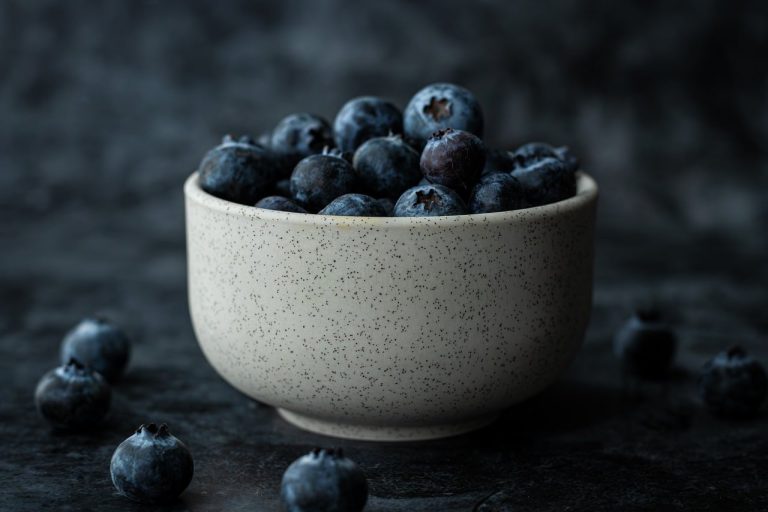
- Berries: Blueberries, raspberries, and blackberries offer antioxidants and fiber with natural sweetness.
- Apples and pears: Great for snacking or adding to salads.
- Chia seeds: Excellent in puddings, smoothies, and overnight oats.
- Flaxseed: A smart addition to smoothies, yogurt, and baked goods.
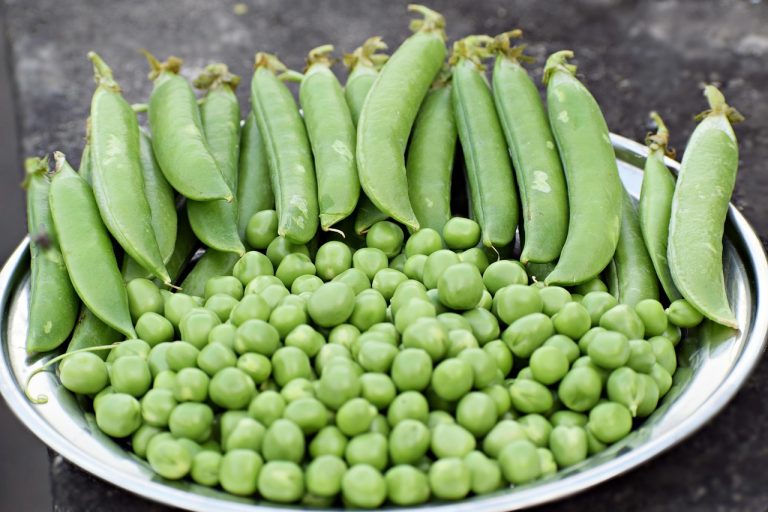
- Legumes: Lentils, chickpeas, and black beans provide fiber and plant-based protein.
- Whole grains: Brown rice, quinoa, and oats can support a balanced, clean eating pattern.
For some people, increasing fiber too quickly can cause temporary bloating. That does not mean fiber is a problem. It usually means your gut needs time to adapt. Start gradually, drink more water, and build meals in a way that feels manageable rather than extreme.
Organic protein and healthy fats
Protein and fat help round out a gut-friendly diet. They support satiety, stabilize blood sugar, and make meals more satisfying. If your meals are too low in protein or fat, you may end up hungry soon after eating, which can lead to snacking and reduced control around food choices. Clean eating is more sustainable when every meal feels complete.
- Organic eggs: Convenient, versatile, and rich in nutrients.
- Wild fish: Salmon and sardines can supply omega-3 fatty acids that support inflammation balance.
- Organic chicken or turkey: Lean protein for easy meal prep.
- Tofu and tempeh: Strong plant-based options for balanced nutrition.
- Avocados: Creamy, satisfying, and full of healthy fats.
- Olive oil: A cornerstone of many healthy lifestyle patterns.
- Nuts and seeds: Almonds, walnuts, pumpkin seeds, and hemp seeds can be added to bowls, snacks, and salads.
The goal is not to eliminate entire food groups. It is to combine the right foods in the right proportions so your gut feels supported rather than overloaded. A plate that includes fiber, protein, and healthy fats is more likely to keep digestion steady and cravings under control.
How to Build a Gut-Friendly Organic Plate
One of the most practical ways to improve nutrition is to make each meal visually simple. Instead of asking, What should I cut out? ask, What can I add that my gut will appreciate? This shift makes clean eating feel more abundant and less restrictive. The best organic meals usually follow a basic formula: a generous portion of vegetables, a source of protein, a source of healthy fat, and a moderate portion of whole carbohydrates when needed.
A simple formula for each meal
- Half the plate: Organic vegetables, especially leafy greens, cruciferous vegetables, or colorful seasonal produce.
- One quarter of the plate: Protein such as eggs, fish, tofu, tempeh, chicken, or legumes.
- One quarter of the plate: Whole carbohydrates like quinoa, brown rice, sweet potato, or oats.
- One to two teaspoons or a small handful: Healthy fats such as olive oil, avocado, seeds, or nuts.
This model helps balance blood sugar while supporting digestion and energy. It is also flexible enough to fit busy routines. You do not need complicated meal plans to make progress; you need a structure you can repeat.
What a gut-supportive day of eating can look like
Breakfast might be organic oats with chia seeds, blueberries, and a spoonful of plain yogurt. Lunch could be a quinoa bowl with greens, cucumber, carrots, avocado, chickpeas, and sauerkraut. Dinner might include salmon, roasted asparagus, and sweet potato. Snacks could be an apple with almond butter or kefir with cinnamon. Does this sound too simple to work? Simplicity is often what makes the healthiest patterns sustainable.
[IMAGE: healthy meal]
Easy swaps that make a big difference
You do not need a perfect pantry to eat in a gut-friendly way. Even a few clean swaps can meaningfully improve your nutrition.
- Swap sugary yogurt for plain organic yogurt with fresh fruit.
- Swap refined cereal for oats with seeds and berries.
- Swap creamy bottled dressings for olive oil, lemon, and herbs.
- Swap white bread sandwiches for grain bowls or lettuce wraps.
- Swap packaged snacks for nuts, fruit, or roasted chickpeas.
- Swap soda or sweet drinks for sparkling water, herbal tea, or infused water.
These changes may seem small, but small changes repeated over time can transform how your gut responds to food. The body often rewards consistency more than intensity.
Foods That Can Disrupt Digestion Even in an Organic Diet
Organic food is not automatically perfect for everyone. A cookie made with organic sugar is still a cookie, and an organic frozen pizza can still be heavy on refined flour or sodium. Clean eating works best when you pay attention not only to labels but also to how your body reacts. Have you ever noticed that certain foods are technically healthy yet still leave you feeling puffy or foggy? That is valuable information.
Common culprits to watch
- Added sugar: Even organic sweeteners can disrupt balance when consumed frequently.
- Refined flour: Low in fiber and easy to overeat.
- Excess dairy: Some people tolerate it well, while others feel bloated or congested.
- Deep-fried foods: Heavy on the digestive system and often low in nutritional value.
- Alcohol: Can irritate the gut lining and affect sleep, appetite, and hydration.
- Ultra-processed snacks: Often made with organic ingredients but still highly engineered and difficult to digest.
When trying to support gut health and weight loss at the same time, it helps to think in terms of food quality and food frequency. A treat is not a failure. The issue arises when foods that are low in fiber and high in sugar become a regular part of your routine. Ask yourself honestly: are your choices helping your body recover, or are they making digestion work harder than it needs to?
How to identify food triggers
Digestive triggers are highly individual. Some people thrive on yogurt; others need to avoid it. Some feel great with beans; others need smaller portions. If you want clearer answers, keep a simple food and symptom journal for one to two weeks. Note what you ate, how much you ate, and how you felt afterward. Over time, patterns become easier to see.
- Track bloating, gas, heaviness, and discomfort.
- Notice energy levels two to four hours after meals.
- Observe cravings, especially at night.
- Watch for changes in skin, sleep, and mood.
This kind of self-awareness turns clean eating into a personalized strategy rather than a generic plan. It is one of the most effective ways to support a healthy lifestyle that actually fits your body.
Lifestyle Habits That Improve Digestion Naturally
Food matters deeply, but digestion is influenced by more than what you eat. Stress, sleep, hydration, and even the way you sit at the table can affect how your gut functions. This is one reason a detox diet or wellness reset often feels better when it includes lifestyle changes instead of only food rules. The digestive system responds well to calm, rhythm, and routine.
Hydration and mineral balance
Water is essential for digestion because it helps move food through the gut and supports healthy bowel movements. Many people who think they need a stricter diet actually need more hydration. Begin your day with a glass of water and keep a bottle nearby throughout the afternoon. Herbal teas, cucumber water, and mineral-rich broths can also support hydration.
If you are eating more fiber, water becomes even more important. Fiber without enough fluid can sometimes worsen constipation rather than relieve it. A gut-friendly organic diet should always be paired with steady hydration.
Sleep and stress management
Your gut and nervous system are closely linked. High stress can slow digestion, increase cravings, and make your stomach feel sensitive. Sleep deprivation can do something similar by affecting appetite hormones and making it harder to choose nourishing foods. If your life is busy, stress reduction may be the missing piece in your clean eating strategy.
- Take slow breaths before meals.
- Try a short walk after lunch or dinner.
- Eat without screens when possible.
- Keep a consistent sleep schedule.
- Use herbal tea or quiet reading as part of your evening routine.
These habits may sound simple, yet they can significantly improve how you digest food and regulate appetite. When your nervous system feels safe, your body is more likely to process food efficiently.
Move gently and consistently
You do not need extreme exercise to support digestion. In fact, gentle movement is often more helpful than punishing workouts when your goal is gut health. Walking, stretching, cycling, and light strength training can all support circulation and bowel regularity. That is why a balanced fitness lifestyle pairs so well with clean eating.
[IMAGE: fitness lifestyle]
Try these habits after meals:
- Walk for 10 to 15 minutes after eating.
- Stretch your hips and lower back if you sit all day.
- Avoid lying down immediately after a large meal.
- Use movement as a reset, not as punishment.
When exercise feels supportive rather than stressful, your body tends to respond more positively. This is especially helpful during a detox diet or weight loss phase, when energy and digestion can fluctuate.
A 3-Day Organic Gut Reset You Can Actually Follow
Many detox plans promise dramatic changes, but the most useful reset is one that respects your real life. You do not need to starve yourself or drink only juices to support your gut. Instead, focus on three days of clean eating with simple, repeatable meals that reduce digestive strain and increase nutrient density.
Day 1: Gentle and grounding
Start with foods that are easy to digest and familiar to your body. This helps reduce the shock that can come from sudden changes.
- Breakfast: Oats with chia seeds, cinnamon, and blueberries.
- Lunch: Vegetable soup with lentils and olive oil.
- Snack: Plain yogurt with ground flaxseed.
- Dinner: Salmon, roasted carrots, and steamed greens.
Focus on hydration throughout the day. Warm soups and cooked vegetables can be especially supportive if you feel bloated or cold after meals.
Day 2: Add color and variety
On the second day, bring in more vegetables and plant diversity. Different plant foods feed different beneficial bacteria, which is one reason variety matters so much in nutrition.
- Breakfast: Green smoothie with spinach, banana, kefir, and flaxseed.
- Lunch: Quinoa bowl with roasted beets, cucumber, avocado, and chickpeas.
- Snack: Apple slices with almond butter.
- Dinner: Chicken or tofu stir-fry with broccoli, mushrooms, and garlic.
Do you notice how satisfying these meals are without being overly complicated? That is the beauty of a well-designed clean eating routine.
Day 3: Strengthen the rhythm
By day three, your meals can feel more stable and familiar. This is a good time to notice how your digestion, cravings, and energy are changing.
- Breakfast: Scrambled eggs with spinach and avocado.
- Lunch: Mixed greens with salmon, sauerkraut, cucumber, and pumpkin seeds.
- Snack: Kefir or a handful of walnuts.
- Dinner: Turkey or tempeh with sweet potato and asparagus.
Many people find that after three days of consistent meals, they feel less bloated, more focused, and more in control of snacking. That does not mean every issue disappears immediately, but it does show how powerfully the gut can respond to better inputs.
Grocery List and Meal Prep Tips for Busy Weeks
Healthy eating becomes much easier when your kitchen is stocked with the right foods. If you want a sustainable organic diet, your environment matters. The less friction there is between intention and action, the more likely you are to stay on track.
Build a simple organic grocery list
- Leafy greens like spinach, kale, and arugula
- Cruciferous vegetables like broccoli, cauliflower, and cabbage
- Root vegetables like carrots, sweet potatoes, and beets
- Berries, apples, bananas, and pears
- Plain organic yogurt or kefir
- Eggs, fish, chicken, tofu, or tempeh
- Chickpeas, lentils, and black beans
- Oats, quinoa, and brown rice
- Olive oil, avocados, nuts, and seeds
- Garlic, onions, ginger, turmeric, and herbs
When you have these basics available, it becomes much easier to assemble meals that support digestion and weight loss without relying on packaged foods.
Meal prep without burnout
Meal prep does not need to mean a Sunday marathon. It can be as simple as washing greens, roasting a tray of vegetables, cooking one grain, and preparing one protein source. Even small amounts of prep can make a healthy lifestyle feel more effortless during the week.
Sunday prep checklist
- Wash and dry greens for salads and bowls.
- Roast two trays of organic vegetables.
- Cook quinoa, rice, or oats for multiple meals.
- Hard-boil eggs or prep tofu and chicken.
- Mix a simple dressing with olive oil, lemon, and herbs.
- Portion out snacks like fruit, nuts, and yogurt.
These small habits save time and reduce the temptation to default to highly processed food when you are tired. A well-prepared kitchen quietly supports better nutrition every single day.
It is also smart to make your meals visually appealing. A colorful bowl of greens, roasted vegetables, berries, seeds, and protein can feel far more rewarding than a bland plate, and satisfaction matters because sustainable eating depends on enjoyment, not just discipline.
How Organic Food Fits Into Long-Term Wellness
The reason so many people gravitate toward organic food is not only the desire to avoid pesticides. It is also the broader feeling that organic eating aligns with a cleaner, more intentional way of living. When you choose foods closer to their natural state, you often become more mindful of preparation, portion sizes, and the signals your body sends after meals. That awareness can change the way you eat for years, not just for a single detox diet or short-term reset.
Organic food can also be part of a larger philosophy around clean eating and healthy lifestyle habits. It encourages you to value quality over excess, nourishment over novelty, and steady habits over extremes. This mindset is especially helpful for weight loss because it shifts the focus away from punishment and toward support. Instead of asking how little you can eat, you begin asking how well you can feed yourself.
That change sounds small, but it often makes all the difference. When your meals support your gut, your body is more likely to respond with better digestion, fewer cravings, and steadier energy. And when you feel better, you naturally make better choices more often. That is how a nutrition plan becomes a lifestyle instead of a temporary effort.
If you are ready to keep building your organic diet with intention, start with one grocery trip, one meal prep session, and one simple change per day. Your gut does not need perfection; it needs consistency, variety, and real food that helps it do its job. Keep exploring more expert-backed clean eating ideas on DietOrganic, and let each meal bring you one step closer to better digestion, healthier weight loss, and the kind of wellness that actually lasts.
About the Author