

Photo by freestocks.org on Openverse
Your gut does far more than process meals. It influences how you absorb nutrients, how steady your energy feels, how your skin looks, how well you sleep, and even how easily you maintain a healthy weight. That is why so many people are turning to organic food as the foundation of a cleaner, more supportive way of eating. When your meals are built around whole ingredients, natural fiber, and fewer artificial additives, your digestive system has a chance to work with less stress and more balance.
If you have been exploring clean eating, a detox diet, or a more sustainable path to weight loss, gut health is one of the smartest places to begin. Why? Because digestion is not just about comfort after meals. A healthy gut helps regulate appetite, support immunity, and improve how your body uses the nutrition you give it. Have you ever felt bloated after a supposedly healthy meal, or hungry again shortly after eating? Those are often signals that your food choices may need to become more gut-friendly.
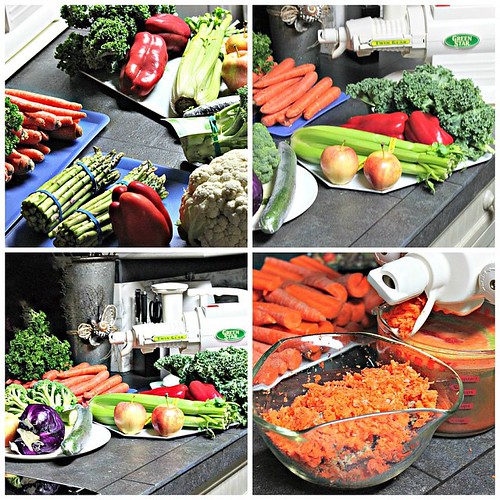
[IMAGE: organic vegetables]
Organic foods are not a magic solution, but they can be an excellent starting point for a healthier lifestyle. By reducing exposure to certain pesticides and emphasizing minimally processed ingredients, organic eating often encourages a more thoughtful relationship with food. That shift alone can support better digestion. And when digestion improves, everything else tends to feel easier: meals feel more satisfying, cravings become more manageable, and energy levels begin to stabilize.
Why gut health matters more than most people realize
The digestive system is home to trillions of microorganisms that help break down food, produce useful compounds, and keep harmful microbes in check. This ecosystem is often referred to as the gut microbiome. When it is well nourished, your body tends to respond with better digestion, stronger immunity, and more stable metabolism. When it is out of balance, the effects can show up in surprisingly broad ways, from bloating and irregular bowel movements to brain fog and stubborn weight gain.
Modern eating habits can make gut balance difficult. Highly processed snacks, excess sugar, low fiber intake, and frequent exposure to synthetic additives may all place extra strain on digestion. By contrast, an organic food approach often naturally nudges you toward fresh produce, whole grains, legumes, nuts, seeds, and fermented foods. That combination creates a more supportive environment for the microbiome.
How your gut affects daily wellness
Your gut is not only a food-processing center. It also communicates constantly with the brain, the immune system, and the hormones that influence hunger and fullness. That means a gut-friendly diet can affect much more than digestion alone.
When your digestive system is functioning well, you may notice:
- Less bloating after meals
- More regular digestion
- Better nutrient absorption
- Fewer intense sugar cravings
- Steadier energy throughout the day
- Improved mood and mental clarity
Is it really possible that food can influence all of that? In many cases, yes. The ingredients you choose every day can either support or disrupt the microbial balance that helps keep your body in sync.
Why organic food can be a smart choice
Organic food is often associated with cleaner ingredients and fewer unnecessary extras. While the exact differences between organic and conventional foods vary by category, many people appreciate organic eating because it encourages a closer look at food quality. That matters when you are focused on clean eating and digestive wellness.
Choosing organic can also make it easier to build a diet around whole produce, grass-fed or responsibly raised animal products, and simple ingredient lists. Those are all helpful habits if your goal is to reduce digestive irritation and support a healthier lifestyle.
The best organic foods for gut health
Not all healthy foods affect digestion in the same way. Some are especially useful because they feed beneficial gut bacteria, support regularity, or help calm digestive discomfort. The best organic foods for gut health are usually easy to recognize: colorful produce, fiber-rich staples, fermented options, and foods that are gentle on the stomach while still being nutrient-dense.
1. Organic leafy greens
Spinach, kale, romaine, arugula, and Swiss chard deserve a regular place on your plate. They are rich in fiber, folate, magnesium, and plant compounds that support cellular health. Leafy greens also tend to be versatile, which makes them easy to include in salads, soups, omelets, and smoothies.
For gut health, their fiber content is especially valuable. Fiber helps add bulk to stool, supports regular elimination, and provides fuel for beneficial microbes. If your current diet is low in vegetables, start gradually. A sudden increase in fiber can sometimes feel uncomfortable, so ease your body into the change.
Easy ways to eat more leafy greens
- Blend spinach into a smoothie with cucumber and green apple
- Add arugula to grain bowls and omelets
- Wilt kale into soups and stews
- Use romaine as a crunchy base for lunch salads
2. Organic fermented foods
Fermented foods are some of the most valuable foods for gut health because they contain naturally occurring beneficial bacteria. Organic yogurt, kefir, sauerkraut, kimchi, miso, and tempeh can all support a more diverse microbiome when eaten regularly.
The key is to choose versions with minimal added sugar and, whenever possible, live active cultures. Fermented foods can feel intimidating if you are not used to them, but you do not need large portions. Even a few forkfuls or a small serving each day can be a meaningful addition to a clean eating routine.
Gentle fermented foods for beginners
- Plain organic Greek yogurt with berries
- Small servings of sauerkraut alongside lunch
- Kefir blended into a smoothie
- Miso whisked into warm broth
Have you tried adding fermented foods consistently for two weeks? Many people notice they feel less heavy after meals and more comfortable overall once these foods become part of a routine.
3. Organic berries
Blueberries, raspberries, blackberries, and strawberries are not just beautiful; they are also excellent for clean eating. Berries are rich in fiber and polyphenols, plant compounds that can nourish gut bacteria and support overall inflammation balance.
They are also naturally sweet, which makes them a useful alternative to refined desserts or sugar-heavy snacks. If weight loss is part of your goal, berries can satisfy a sweet craving without overwhelming your blood sugar. That makes them a smart choice for breakfast, snacks, and even light desserts.
4. Organic apples and pears
Apples and pears contain pectin, a type of soluble fiber that can support healthy digestion and help beneficial bacteria thrive. Because they are portable and easy to prepare, they are some of the most convenient organic food choices for busy people who want to stay consistent.
Eating them with the skin on provides more fiber, which is helpful for digestion and satiety. Pair them with nut butter or a handful of walnuts to create a snack that supports stable energy, not a rapid crash.
5. Organic oats and whole grains
Organic oats, quinoa, brown rice, millet, and buckwheat can all fit beautifully into a gut-friendly diet. Whole grains provide steady energy and a useful amount of fiber, helping keep digestion regular without the spike-and-crash effect of refined grains.
Oats are especially helpful because they contain beta-glucan, a soluble fiber that has been studied for its role in supporting cholesterol balance and feeding beneficial gut bacteria. A warm bowl of oats with chia seeds and berries can be a simple, deeply nourishing breakfast.
6. Organic legumes
Beans, lentils, chickpeas, and peas are among the best plant-based foods for digestion and long-term health. They are packed with fiber, plant protein, and minerals that support a balanced diet. Yes, legumes can cause discomfort for some people at first, but that often improves as the gut adapts and as portions are introduced gradually.
If you are transitioning to clean eating or an organic vegan diet, legumes are especially valuable because they help you feel full while supporting healthy blood sugar and a more diverse microbiome.
Ways to make legumes easier to digest
- Soak dried beans before cooking
- Rinse canned organic beans thoroughly
- Start with smaller servings
- Pair legumes with cooked vegetables and herbs like ginger or cumin
7. Organic seeds and nuts
Chia seeds, flaxseeds, pumpkin seeds, almonds, walnuts, and hemp seeds contribute healthy fats, fiber, and minerals that support digestive balance. Chia and flax in particular can help with regularity because they absorb water and form a gel-like texture in the digestive tract.
Seeds and nuts are also excellent for snack planning. They make food feel more satisfying, which can help reduce mindless eating and unnecessary cravings. That is a subtle but powerful benefit when the goal is both gut health and weight loss.
8. Organic root vegetables
Carrots, beets, sweet potatoes, parsnips, and turnips are gentle, grounding foods that fit well into a healthy diet. They offer fiber, antioxidants, and complex carbohydrates that can be easier for some people to digest than very heavy or overly rich meals.
Roasted root vegetables are especially comforting in a clean eating plan because they are naturally sweet, filling, and easy to pair with protein and greens. If your digestive system feels sensitive, cooked vegetables may be more soothing than raw salads in large amounts.
How organic foods support clean eating and weight loss
Many people think weight loss is only about calories, but the reality is more nuanced. Food quality matters. Satiety matters. Blood sugar stability matters. Digestive comfort matters. Organic foods can help with all of those because they naturally guide you toward more whole, nutrient-dense meals.
When you eat in a way that supports the gut, you often also support better appetite regulation. That is one reason clean eating can feel more sustainable than rigid dieting. Instead of fighting your body, you are giving it food that works with its natural rhythms.
Why digestion influences appetite
If you eat meals that are low in fiber, low in protein, and high in refined carbohydrates, you may feel hungry again quickly. On the other hand, meals rich in organic vegetables, whole grains, healthy fats, and lean protein tend to digest more gradually. That slower process can help you feel satisfied longer.
This is especially important if your goal is to lose weight without feeling deprived. A healthy lifestyle should not leave you constantly thinking about the next snack. It should give you a sense of steady nourishment.
Organic food and reduced inflammation
Chronic inflammation can interfere with energy, digestion, and metabolic health. While no single food can erase inflammation overnight, a pattern of clean eating built around organic produce, nuts, seeds, herbs, and fermented foods may help reduce the burden on your body over time.
Anti-inflammatory eating is not about perfection. It is about giving your body more of what it can use and less of what tends to trigger stress. If you want a detox diet that feels sensible rather than extreme, an organic food approach is often a better fit than juice cleanses or severe restriction.
Why organic meals often feel more filling
Organic meals often emphasize ingredients that are naturally rich in fiber and water content. Think vegetables, beans, berries, oats, and soups made from whole ingredients. These foods fill the stomach without creating the heavy, sluggish feeling that can follow ultra-processed meals.
That sense of fullness is not just physical. It also supports emotional satisfaction. When your meals taste good, feel balanced, and keep you energized, it becomes easier to stay on track without obsessing over food.
[IMAGE: healthy meal]
A practical gut-friendly day of eating
One of the easiest ways to make organic food part of your life is to stop thinking in extremes. You do not need a perfect menu. You need a repeatable structure. A simple day of eating can be enough to support digestion, encourage healthy weight loss, and keep clean eating realistic.
Breakfast: steady energy, not a sugar spike
A gut-friendly breakfast should offer fiber, protein, and a little healthy fat. That combination helps stabilize hunger and reduce cravings later in the day.
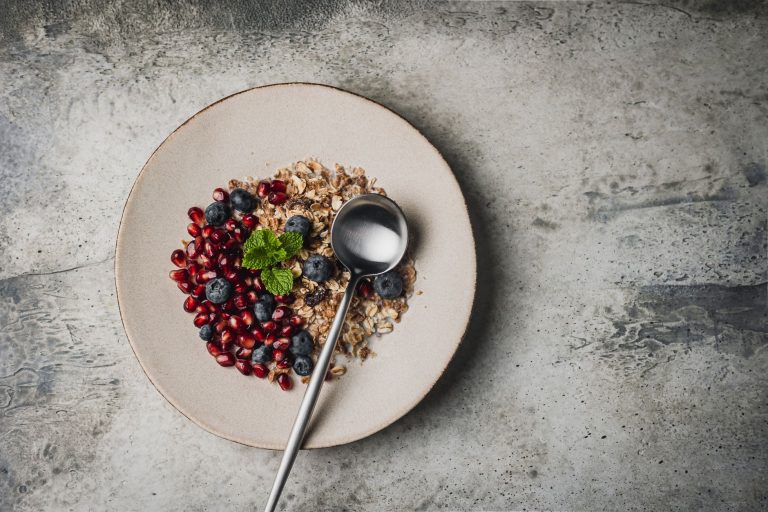
- Organic oats topped with blueberries, chia seeds, and walnuts
- Plain organic yogurt with flaxseed, strawberries, and cinnamon
- Vegetable omelet with spinach, mushrooms, and avocado
Which one would leave you feeling energized instead of sluggish? For many people, breakfast sets the tone for the whole day, so this is one meal worth getting right.
Lunch: colorful, balanced, and satisfying
Lunch is where many people either stay on track or fall into the trap of convenience foods. A well-built organic lunch should include vegetables, protein, and a fiber-rich carbohydrate.
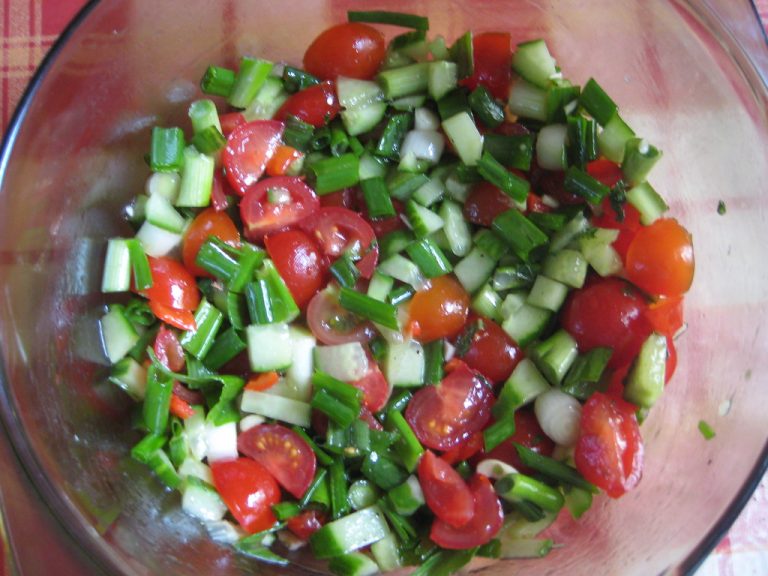
- Quinoa bowl with chickpeas, roasted carrots, cucumber, greens, and tahini
- Soup made with lentils, celery, onions, tomatoes, and herbs
- Mixed greens with grilled salmon, pumpkin seeds, avocado, and fermented vegetables
A lunch like this supports digestion without weighing you down, which is exactly what you want if you are trying to stay focused through the afternoon.
Dinner: calm the system and support repair
Dinner should be nourishing but not so heavy that it disrupts sleep. Since gut health and sleep are closely connected, evening meals deserve as much attention as breakfast.
- Roasted salmon with broccoli, sweet potato, and olive oil
- Tempeh stir-fry with bok choy, mushrooms, and brown rice
- Turkey or bean lettuce wraps with herbs, cucumber, and avocado
[IMAGE: fitness lifestyle]
Snacks: useful, not mindless
Smart snacks can prevent overeating later while keeping blood sugar stable. The goal is not constant grazing. The goal is strategic support.
- Apple slices with almond butter
- Carrot sticks with hummus
- Kefir with cinnamon
- Pumpkin seeds and a few berries
- Cucumber rounds with guacamole
Organic foods that are especially helpful during a detox diet
The word detox is often used in exaggerated ways, but the body does have natural detoxification systems, especially in the liver, kidneys, and digestive tract. A sensible detox diet does not need to be harsh or punishing. It simply needs to reduce unnecessary burden and increase supportive nutrition.
Organic food is a natural fit for that approach because it usually emphasizes freshness, hydration, and fewer heavily processed products. If you are trying to feel lighter, reduce bloating, and reset your habits, focus on foods that nourish the gut while supporting natural elimination.
Foods that make detox-style eating more balanced
- Cruciferous vegetables such as broccoli, cabbage, and Brussels sprouts
- Citrus fruits like lemon, lime, and grapefruit
- Cucumbers and celery for hydration
- Fresh herbs such as parsley, cilantro, and mint
- Green tea and unsweetened herbal teas
- Garlic and onions for flavor and prebiotic support
Do you need extreme cleansing products to feel better? Usually not. Most people benefit far more from consistent hydration, enough fiber, and meals that are easier to digest.
What to avoid during a gut reset
If your goal is to support gut health, it is helpful to reduce foods that disrupt balance or create unnecessary digestive strain.
- Ultra-processed packaged snacks
- Drinks with large amounts of added sugar
- Deep-fried foods eaten frequently
- Artificially sweetened products that upset your stomach
- Very large, late-night meals
You do not need to eliminate everything forever. You simply need to notice what helps you feel your best and what repeatedly leaves you bloated, fatigued, or craving more food.
Clean eating habits that make the biggest difference
Clean eating is not just a list of approved foods. It is a system of habits that makes healthy choices easier to maintain. The most successful people are not necessarily the most disciplined; they are often the most prepared.
1. Keep organic basics on hand
If your kitchen is stocked with a few reliable ingredients, you are far more likely to prepare nourishing meals. Build a simple core pantry and fridge around foods you actually like.
- Organic oats
- Leafy greens
- Frozen berries
- Chia and flax seeds
- Legumes
- Plain yogurt or kefir
- Olive oil
- Herbs and spices
2. Cook more foods than you buy ready-made
Ready-made food can be convenient, but even healthy packaged meals often contain more sodium, sugar, or additives than you may want. Cooking at home gives you more control over ingredients, portion sizes, and flavor. That control can make a major difference in your digestion and weight loss efforts.
3. Eat more slowly
Digestion begins before the food even reaches your stomach. Chewing thoroughly and eating at a calmer pace can improve comfort after meals. It also gives your brain time to register fullness, which can help prevent overeating.
A simple question to ask yourself at meals is this: am I eating to nourish myself, or am I rushing because I am distracted? That one habit alone can change the way your body experiences food.
4. Prioritize hydration
Water is essential for digestion. Without enough fluid, fiber cannot do its job properly. Herbal teas, infused water, broth-based soups, and water-rich vegetables all contribute to hydration and help support regular bowel movements.
Common gut-health mistakes people make with organic food
Even the healthiest ingredients can work against you if the overall pattern is off. Organic food is powerful, but it still needs to be part of a thoughtful approach. Avoiding a few common mistakes can make your efforts much more effective.
Expecting organic to mean automatic health
Organic cookies are still cookies. Organic chips are still snacks. The label matters, but the overall nutritional quality matters more. If your diet is full of organic treats but low in fiber, protein, and vegetables, your gut will not receive the support it needs.
Adding too much fiber too quickly
When people get excited about clean eating, they sometimes dramatically increase beans, raw greens, and seeds all at once. That can cause gas, bloating, or discomfort. The better strategy is gradual improvement. Let your gut adapt.
Ignoring food combinations
Some foods digest better when paired wisely. For example, a salad of raw greens may be less satisfying than greens paired with avocado, chicken, salmon, tofu, or legumes. Protein and fat help slow digestion and create a more balanced meal.
Forgetting that stress affects digestion
Even the best diet can be undermined by chronic stress. When your nervous system is always activated, your body may not digest as smoothly. That is why a healthy lifestyle should include sleep, movement, relaxation, and realistic expectations.
How movement and routine support gut health
Food is central, but it is not the only factor. Movement, sleep, and daily rhythm all influence digestion. A balanced lifestyle often leads to better outcomes than diet alone.
Why gentle movement helps
Walking after meals, stretching in the morning, or doing light strength training can support circulation and intestinal motility. You do not need intense workouts every day. In fact, too much high-intensity training without proper recovery can sometimes add stress instead of reducing it.
That is why organic eating and a thoughtful fitness lifestyle work so well together. Nourishing food gives you energy, and movement helps your body use that energy more efficiently.
Simple ways to build a gut-friendly routine
- Take a 10-minute walk after lunch or dinner
- Eat meals at roughly consistent times
- Go to bed earlier when possible
- Keep one or two easy breakfasts ready each week
- Choose one fermented food to eat daily
- Plan your groceries before you feel hungry
These habits may seem small, but they create the consistency that makes healthy eating sustainable.
Sample grocery list for organic gut health
If you want a practical starting point, build your grocery list around ingredients that support digestion without making meal planning complicated. This is where organic food can become genuinely convenient rather than aspirational.
Produce
- Spinach
- Kale
- Arugula
- Broccoli
- Cauliflower
- Cucumbers
- Carrots
- Sweet potatoes
- Blueberries
- Apples
- Lemons
Pantry staples
- Organic oats
- Quinoa
- Brown rice
- Chickpeas
- Lentils
- Chia seeds
- Flaxseeds
- Walnuts
- Olive oil
- Herbs and spices
Refrigerated items
- Plain organic yogurt
- Kefir
- Kimchi or sauerkraut
- Eggs
- Tofu or tempeh
- Lean protein of choice
With just these ingredients, you can make a wide range of breakfasts, lunches, dinners, and snacks that support both digestion and weight management.
Making organic eating feel realistic, not restrictive
The biggest mistake people make is treating clean eating like a temporary challenge. But the most powerful results usually come from a routine you can repeat week after week. That is the real advantage of an organic food approach: it can feel luxurious, grounding, and genuinely satisfying if you build it around foods you enjoy.
You do not need to be perfect. You need to be consistent enough that your gut has a chance to settle into a better pattern. You need meals that support energy rather than drain it, foods that reduce digestive friction rather than increase it, and habits that help your body feel safe enough to function well.
If you have been searching for a healthier path that supports weight loss, clean eating, and long-term wellness, start with your gut. Choose more organic vegetables, more fiber-rich whole foods, more fermented ingredients, and more meals that actually leave you feeling good. That is where sustainable change begins, and it is often the most elegant kind of change: quiet, steady, and deeply visible in the way you live every day. When you are ready to keep building your healthy lifestyle, explore more articles on DietOrganic and discover how small, intentional choices can transform the way you eat, feel, and thrive.
About the Author