
Photo by Nataliya Vaitkevich on Pexels
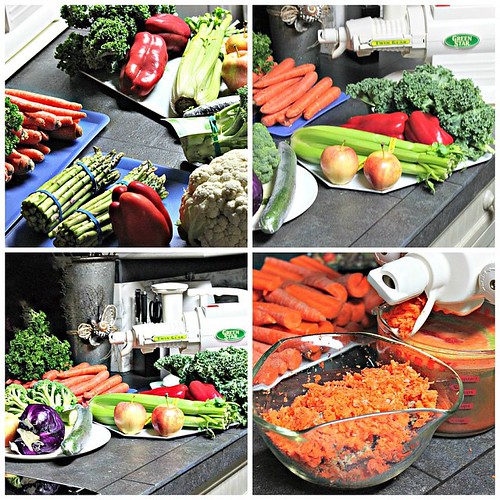
There is a special kind of calm that comes from opening the refrigerator and finding a week of healthy meals already waiting for you. No last-minute takeout, no frantic searching for something that fits your goals, and no guesswork about what to eat next. That is the quiet power of organic meal prep: it turns healthy eating from a daily decision into a ready-made habit. If you have been trying to lose weight, simplify clean eating, or build a more balanced routine, organic food can make the process feel more natural and far less complicated. [IMAGE: organic vegetables]
Meal prep is often described as a productivity trick, but it is really a nutrition strategy. When you plan around organic ingredients, you are choosing produce, grains, proteins, and fats that support a cleaner plate and a more mindful relationship with food. You also remove a surprising amount of stress from the week. What would happen if your lunches were already packed, your snacks were already portioned, and dinner was already halfway finished before the workday ended? For many people, that is the difference between drifting off plan and staying consistent long enough to see results.
This guide is designed for people who want a healthy diet that feels realistic. It is not about extreme restriction, and it is not a detox diet in the harsh, outdated sense of the word. Instead, it shows how organic meal prep can support weight loss, better nutrition, and a healthier lifestyle by making your environment work for you. The goal is simple: prepare once, eat well all week, and make clean eating something you can actually enjoy.
Why Organic Meal Prep Supports Clean Eating and Weight Loss
Most people do not struggle with healthy eating because they lack motivation. They struggle because their environment is full of temptation, their schedule is crowded, and their decisions are made when they are already tired. Organic meal prep solves that problem by reducing the number of choices you need to make when your energy is low. Instead of asking, What should I eat right now?, you ask, Which ready-made meal fits best?
That small shift matters more than it sounds. Weight loss often depends on consistency, not perfection. If your fridge contains nourishing organic food that is already washed, chopped, and portioned, you are more likely to follow through on your nutrition goals. And because organic ingredients are often chosen with a cleaner mindset in mind, the entire process encourages more awareness about what you are putting on your plate.
It helps you avoid impulsive food choices
Have you ever arrived home hungry and grabbed whatever was easiest, even if it did not align with your goals? That is where meal prep earns its reputation. A container of roasted vegetables, grilled salmon, brown rice, or chickpea salad is simply easier to choose than a random convenience snack. When healthy food is ready, it becomes the default instead of the exception.
It makes portions easier to manage
One of the quiet benefits of prepping meals in advance is portion awareness. You are no longer serving yourself from a large pan or eating directly from a package. Instead, you can create balanced servings that support a healthy diet without overthinking calories at every meal. This is especially helpful for weight loss because it creates structure without making food feel clinical.
It supports a more intentional relationship with food
Organic meal prep is not just about efficiency. It is also about mindfulness. When you take time to prepare meals from whole ingredients, you naturally start paying more attention to flavor, freshness, and satisfaction. That awareness can reduce mindless snacking and make eating feel more nourishing. Isn’t that what a healthy lifestyle should feel like?
The Organic Meal Prep Formula That Actually Works
A successful meal prep routine does not need dozens of recipes or an entire weekend in the kitchen. The most effective systems are simple, repeatable, and flexible enough to survive a busy week. The best place to start is with a formula, not a complicated menu. Think of each meal as a combination of protein, fiber, healthy fats, and color. When you build around those elements, your meals feel more satisfying and your nutrition stays balanced.
Choose an organic protein base
Protein helps keep meals filling, which can support weight loss and reduce the urge to snack between meals. Organic eggs, organic chicken, wild-caught fish, Greek yogurt, tofu, tempeh, lentils, and beans all work beautifully in meal prep. The key is choosing options that you actually enjoy eating across several days. After all, what good is a perfectly balanced container if you never want to open it?
Add fiber-rich vegetables and smart carbohydrates
Vegetables are the backbone of clean eating because they add volume, color, and micronutrients without making meals heavy. Organic spinach, broccoli, carrots, bell peppers, zucchini, kale, cucumbers, cabbage, and cauliflower are easy to prep in batches. Pair them with slow-digesting carbohydrates such as quinoa, sweet potatoes, oats, brown rice, or farro. This combination keeps energy steadier and makes meals feel complete.
Include healthy fats for satisfaction
Healthy fats help meals taste better and feel more satisfying. Avocado, olive oil, walnuts, almonds, pumpkin seeds, chia seeds, and tahini can transform a simple bowl into something memorable. Many people assume weight loss means removing fat entirely, but the opposite is often true. The right fats can help you stay full enough to avoid impulsive eating later in the day.
A simple plate template you can repeat
If you like structure, use this easy formula for each meal:
- One palm of organic protein
- One to two fists of vegetables
- One cupped hand of smart carbohydrates
- One thumb of healthy fats
- Fresh herbs, lemon, or spice for flavor
This is not a strict rule. It is a reliable starting point that can be adjusted based on your hunger, activity level, and personal goals.
Best Organic Foods to Keep on Hand
The easiest meal prep system begins with a well-stocked kitchen. If your pantry and refrigerator already contain the right ingredients, healthy cooking becomes much faster. You do not need an enormous grocery list; you need a smart one. Focus on versatile organic food that can be used in breakfast bowls, lunch containers, and easy dinners.
- Organic leafy greens such as spinach, arugula, and kale
- Organic cruciferous vegetables such as broccoli, cauliflower, and Brussels sprouts
- Organic berries, apples, lemons, and avocados
- Organic eggs, plain yogurt, cottage cheese, or plant-based alternatives
- Organic chicken breast, turkey, tofu, tempeh, lentils, and chickpeas
- Organic quinoa, oats, brown rice, wild rice, and sweet potatoes
- Organic olive oil, nuts, seeds, and nut butter
- Herbs, garlic, ginger, cinnamon, turmeric, cumin, and black pepper
- Unsweetened almond milk, coconut yogurt, and herbal teas
These ingredients support more than weight loss. They also create a foundation for better nutrition, better digestion, and a more stable healthy lifestyle. When your kitchen is full of whole foods, you are less likely to depend on processed options that derail your rhythm.
Seven Organic Meal Prep Ideas for a Full Week
Variety matters, but it does not need to be overwhelming. A good weekly plan can be made from a handful of repeating patterns with small changes in seasoning, texture, or presentation. The following organic meal prep ideas are designed to be practical, satisfying, and easy to adapt for different schedules and tastes. [IMAGE: healthy meal]
1. Overnight oats with berries and seeds
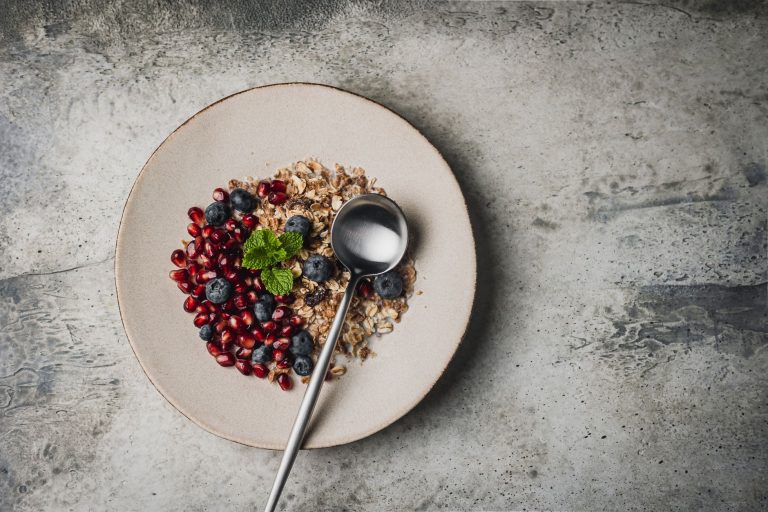
Overnight oats are one of the simplest clean eating breakfasts because they require almost no morning effort. Combine organic rolled oats with unsweetened milk, chia seeds, cinnamon, and a spoonful of yogurt. In the morning, top with blueberries, strawberries, walnuts, or sliced banana. This kind of breakfast is gentle, filling, and easy to portion for weight loss goals. If mornings feel rushed, would a ready-made breakfast change the way your day begins?
2. Quinoa power bowls with roasted vegetables
A quinoa bowl can be the hero of your lunch routine. Roast organic sweet potatoes, zucchini, carrots, and broccoli with olive oil and spices, then layer them over quinoa with chickpeas or chicken. Add a lemon-tahini dressing and fresh greens. The result is colorful, nutrient-rich, and satisfying enough to keep you from raiding the snack drawer an hour later.
3. Sheet-pan salmon with asparagus and cauliflower
For dinner, sheet-pan meals are hard to beat. Salmon is rich in protein and healthy fats, while asparagus and cauliflower add fiber and volume. A simple seasoning of garlic, lemon, paprika, and olive oil keeps the flavors bright. This kind of dinner works especially well if your evening routine needs to be calm and efficient. One pan, one cleanup, one deeply nourishing meal.
4. Turkey lettuce wraps with avocado and cucumber
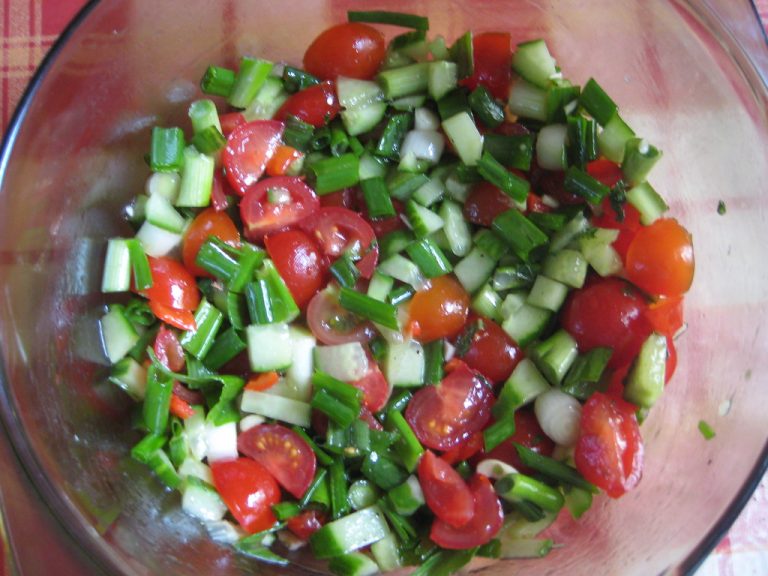
If you want a lighter lunch that still supports satiety, turkey lettuce wraps are a smart choice. Season organic turkey with ginger, garlic, and a touch of coconut aminos, then serve it in crisp lettuce leaves with cucumber, shredded carrots, and avocado. They feel fresh, portable, and very much in line with a clean eating approach.
5. Lentil soup with greens and herbs
Lentil soup is one of the best meal prep staples because it reheats beautifully and tastes even better the next day. Simmer organic lentils with onions, celery, carrots, garlic, tomatoes, and vegetable broth. Stir in kale or spinach near the end, then finish with parsley and lemon. It is comforting without being heavy and can fit neatly into a detox diet style of eating when you want something simple and restorative.
6. Greek yogurt snack boxes with fruit and nuts
Meal prep is not only about lunch and dinner. Smart snacks can make or break a healthy diet. Portion organic Greek yogurt into containers and pair it with berries, almonds, pumpkin seeds, or a drizzle of honey. These snack boxes are useful when you need something quick after work, before a workout, or during a long afternoon. Good nutrition is often built in these small moments.
7. Egg muffins with spinach and peppers
Egg muffins are ideal for breakfast or a high-protein snack. Whisk organic eggs with spinach, diced peppers, onions, and a little cheese if desired, then bake in muffin tins. You can make a dozen in one batch and keep them in the fridge for several days. Reheated in the morning, they save time and help keep your energy stable. [IMAGE: fitness lifestyle]
How to Prep an Entire Week in One Hour
Many people imagine meal prep as a long, exhausting Sunday project. In reality, a focused one-hour routine can cover most of your week if you stay organized. The secret is to prep components, not just individual meals. When you work in layers, the same ingredients can serve several different dishes.
Start with a smart shopping list
Before you cook, write down the meals you want to repeat and the ingredients they share. This prevents waste and keeps the grocery list manageable. If three meals use spinach, quinoa, and chicken, buy enough of those to support the full week. Planning in this way makes healthy eating feel strategic rather than random.
Wash, chop, and season first
Once you are home, begin with the produce. Wash greens, slice vegetables, portion fruits, and mix your spice blends. This step saves tremendous time later. It also makes the fridge look inviting, which matters more than people realize. When healthy ingredients are visible and ready, you are more likely to use them.
Cook in batches while multitasking carefully
Use the oven, stovetop, and rice cooker at the same time to keep momentum. Roast vegetables while quinoa cooks, bake protein while soup simmers, and prepare dressings while everything cools. The goal is efficiency without chaos. If you keep a steady rhythm, you can assemble several meals from the same cooking session.
Simple storage rules that preserve freshness
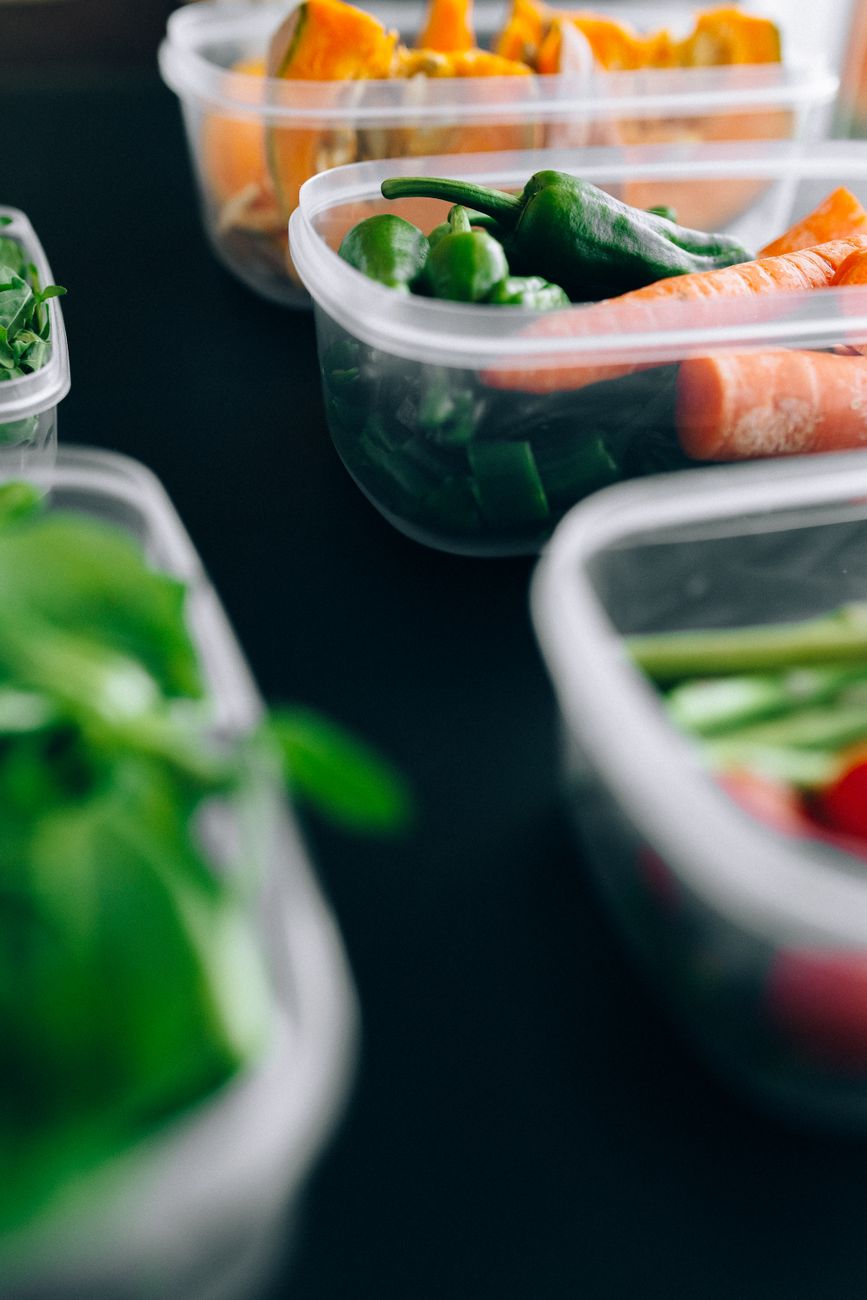
Good containers matter. Use glass or BPA-free containers with tight lids, and store dressings separately when possible. Most cooked proteins, grains, and roasted vegetables last several days in the refrigerator, while chopped leafy greens and delicate fruit are best eaten earlier in the week. Labeling containers with dates is a small habit that helps avoid waste and keeps your healthy lifestyle organized.
How Organic Meal Prep Supports a Gentle Detox Diet Approach
Detox diet trends can be confusing because they often promise dramatic results in a short time. A more realistic approach is to think of detox as a daily support system for your body rather than a punishment or cleanse. Your body already has natural detoxification pathways through the liver, kidneys, and digestive system. What it needs from you is steady nourishment, hydration, and less dependency on heavily processed foods.
Organic meal prep can help in that process by making it easier to eat more vegetables, drink more water, and reduce the number of sugary or ultra-processed foods in your week. That does not mean you need to eliminate every indulgence. It means your default pattern becomes cleaner, simpler, and more supportive of energy and digestion.
- Choose more fiber-rich vegetables and legumes
- Limit added sugars and highly processed packaged foods
- Drink enough water throughout the day
- Use herbs and spices that make food flavorful without excess sodium
- Prioritize sleep and movement, which are part of any healthy lifestyle
Think of this as a reset, not a crash program. The best nutrition habits are the ones that can continue after the initial excitement fades.
Common Organic Meal Prep Mistakes to Avoid
Even strong intentions can be undermined by a few simple mistakes. The good news is that these are easy to correct once you notice them. If your meal prep has felt repetitive, bland, or unsustainable, one of these issues may be the reason.
Trying to make everything at once
You do not need five breakfasts, five lunches, five dinners, and ten snacks in one session. That level of complexity usually leads to burnout. Start with two or three core meals that can repeat comfortably. Simplicity is not a compromise; it is a strategy.
Neglecting flavor
Clean eating should never mean dull eating. If your meals taste flat, you will eventually stop wanting them. Use citrus, vinegar, fresh herbs, garlic, ginger, cumin, paprika, curry, and chili flakes to make organic food taste bright and satisfying. Why settle for bland when nourishing food can be genuinely delicious?
Forgetting about texture
A great meal has contrast: creamy avocado with crisp greens, tender protein with roasted vegetables, or crunchy seeds on top of a soft grain bowl. Texture keeps meals interesting and helps prevent boredom. A little attention to mouthfeel can change your entire relationship with meal prep.
Ignoring hunger signals
Meal prep should support your life, not control it. If your workouts are intense or your days are long, you may need larger portions or an extra snack. If your body feels satisfied with less, adjust accordingly. Nutrition works best when it responds to real hunger, real energy demands, and real routines.
Assuming organic automatically means balanced
Organic food is a powerful choice, but organic cookies are still cookies. Organic labels do not replace basic nutrition principles. A healthy diet still needs protein, fiber, healthy fats, and adequate portions. Keep the big picture in mind, and let the label support the habit rather than define it.
How to Personalize Meal Prep for Weight Loss, Energy, and Family Life
One of the best things about meal prep is its flexibility. The same kitchen routine can be adapted for different goals without creating a separate meal for every person in the house. Whether you are focused on weight loss, more energy, better digestion, or feeding a family, the framework can stay the same while the portions shift.
For weight loss
Emphasize vegetables, lean proteins, and portion awareness. Build meals that are filling but not oversized. Add enough healthy fat to stay satisfied, but do not let calorie-dense ingredients take over the whole container. Weight loss is often easier when meals are satisfying enough to reduce grazing later.
For active days
If you exercise regularly, you may need more carbohydrates and protein around workouts. Add extra quinoa, oats, sweet potatoes, or fruit on training days. The idea is to support performance, recovery, and stable energy. A healthy lifestyle is not one-size-fits-all; it should reflect how you actually move through your week.
For busy families
Use components that can be served in different ways. Roasted vegetables can become a side dish, grain bowls, or wrap filling. Cooked chicken can be added to salads, soups, or sandwiches. A flexible system makes meal prep easier for households with different tastes and schedules.
For better digestion
If digestion is a concern, pay attention to how your body responds to fiber, legumes, dairy, and raw vegetables. Some people feel best with more cooked foods, while others prefer a mix of raw and cooked. Gentle preparation, adequate hydration, and regular mealtimes can all help support a more comfortable digestive rhythm.
A Sample Organic Meal Prep Day You Can Recreate
If you prefer a model rather than theory, here is a simple example of what a weekly prep session might look like. This is not a rigid system; it is a starting point you can adjust as you learn what works best for your schedule and your appetite.
- Breakfast: overnight oats with chia, berries, and walnuts
- Lunch: quinoa bowl with roasted vegetables, chickpeas, and lemon-tahini dressing
- Dinner: salmon or tofu with broccoli and sweet potatoes
- Snack 1: yogurt with fruit
- Snack 2: sliced cucumber, hummus, and a handful of seeds
This pattern covers protein, fiber, healthy fats, and enough flavor to stay interesting through the week. It also keeps the pantry from becoming the place where all healthy intentions disappear.
How Organic Food Fits Into a Long-Term Healthy Lifestyle
Organic meal prep is most powerful when it becomes part of a broader healthy lifestyle. That means eating well most days, moving your body regularly, sleeping enough, staying hydrated, and building meals that support your real life. Food is one part of the puzzle, but it is an important one because it influences energy, mood, focus, and consistency.
When you choose organic food with purpose, you are often also choosing fewer artificial additives, more whole ingredients, and a more mindful approach to nutrition. That does not make every meal perfect, and it does not need to. The real measure of success is whether your routine supports your goals week after week without becoming exhausting.
Ask yourself this: does your current way of eating make healthy decisions easier, or does it constantly force you to fight your environment? If the answer is the second one, then meal prep may be the most practical upgrade you can make. It is not glamorous work, but it creates glamorous results in the form of calm mornings, easier lunches, and dinners that do not depend on willpower.
Building a Routine You Can Stick With
The best routine is the one you can repeat even when life gets messy. That may mean cooking fewer recipes, using the same breakfast every weekday, or keeping a few backup meals in the freezer. Consistency usually comes from reducing friction, not from increasing ambition. The simpler your system, the more likely it is to survive real life.
It also helps to treat meal prep as a form of self-respect rather than a chore. When you chop vegetables, portion snacks, or marinate protein, you are making a decision that benefits your future self. That mindset can change the entire experience. Instead of feeling restricted, you feel prepared. Instead of worrying about what you will eat, you already know. And instead of treating healthy eating like a temporary challenge, you start seeing it as a dependable part of who you are.
Organic meal prep is not about building a perfect kitchen routine. It is about building a calm one. A fridge filled with bright vegetables, balanced meals, and thoughtful snacks can be the foundation of weight loss, better nutrition, and a cleaner relationship with food. When healthy choices are this accessible, staying on track becomes less of a struggle and more of a natural habit. If you want more practical ideas that make clean eating and weight loss feel achievable, keep exploring the latest articles on DietOrganic and keep building a routine your body will thank you for.
About the Author