
Photo by Geoff Peters 604 on Openverse
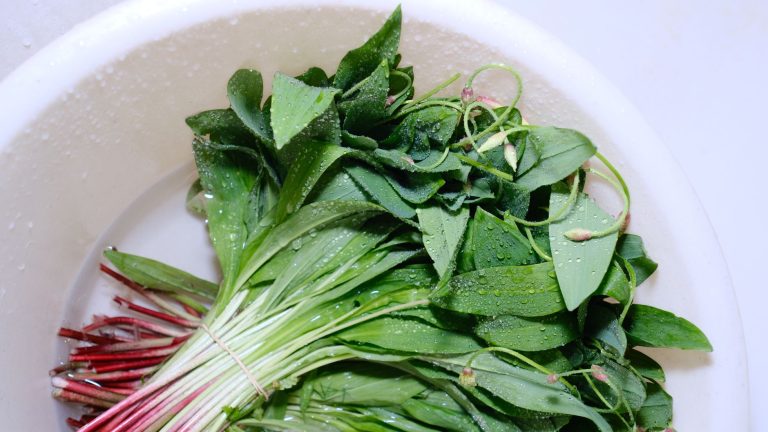
If you have been trying to improve your energy, reduce bloating, and make your meals feel lighter without sacrificing satisfaction, your gut may be the best place to start. A thoughtful organic food approach does more than fill your plate with beautiful produce. It supports digestion, helps you build a healthier relationship with food, and can make clean eating feel natural instead of restrictive. [IMAGE: organic vegetables] When your meals are built around nutrient-dense organic ingredients, your body has a better chance to absorb what it needs, your cravings often become easier to manage, and your overall healthy lifestyle starts to feel more sustainable.
Why does this matter so much? Because digestion affects nearly everything: your mood, your skin, your sleep, your immunity, and yes, even weight loss. If your gut is not working well, you may feel sluggish after meals, crave sugar in the afternoon, or struggle to feel truly satisfied. Organic food cannot solve every issue, but it can remove a number of common obstacles that often get in the way of nutrition and daily balance. In that sense, a gut-friendly clean eating plan is not a trend. It is a practical way to care for your body with more intention.
Why Gut Health Should Be at the Center of Clean Eating
When people hear the phrase clean eating, they often imagine salads, smoothies, and a long list of foods to avoid. But a real clean eating pattern is broader and more useful than that. It is about choosing foods that nourish the body, support natural digestive processes, and reduce the strain caused by highly processed ingredients. Have you ever eaten a meal that looked healthy but still left you bloated, tired, or hungry an hour later? That is often the sign that the food was not truly aligned with your body’s needs.
The gut is home to trillions of microorganisms that help break down food, produce helpful compounds, and communicate with the rest of the body. A balanced microbiome can support more stable energy, better regularity, and a healthier appetite. A poor diet, on the other hand, can feed the less helpful microbes and leave you dealing with discomfort, irregular bowel habits, and stronger sugar cravings. That is why gut health and clean eating belong together. They are not separate goals.
How the gut influences energy, cravings, and body weight
Many people focus on calories alone when they think about weight loss, but digestion plays a much more complicated role. If your gut is inflamed or undernourished, your body may not process nutrients efficiently. You may feel physically full but still unsatisfied, which often leads to snacking and overeating. You may also notice that meals heavy in refined carbs or low in fiber create a quick rise and fall in energy. Sound familiar?
Organic food rich in fiber, polyphenols, healthy fats, and natural enzymes can help smooth that process out. It does not force the body into a dramatic detox diet; instead, it supports the systems your body already uses to remove waste and regulate appetite. That steady support is often more effective than short-term extremes.
What Makes Organic Food Especially Helpful for Digestion?
Organic food is not automatically magical, but it does offer some meaningful advantages for people who want a cleaner, more supportive way to eat. Organic farming standards limit many synthetic pesticides and avoid many artificial additives that can complicate a clean eating routine. For sensitive individuals, that may matter more than expected. Even if you do not have obvious digestive issues, reducing your exposure to unnecessary chemicals can make your healthy diet feel simpler and more intentional.
Another reason organic food is useful for gut health is quality. Many organic fruits, vegetables, legumes, grains, and fermented foods are grown with a focus on soil health, which can influence nutrient density. Better soil often means better plants, and better plants can support better nutrition. This is not about perfection. It is about choosing the kind of ingredients that make your meals work harder for you.
Pesticides, additives, and digestive sensitivity
Some people can handle conventional food without issue, while others notice that certain products seem to trigger discomfort, bloating, or skin problems. There is no universal rule, but if you have been working toward a healthy lifestyle and still feel off after meals, it may be worth looking at food quality as well as quantity. Processed sauces, artificial sweeteners, emulsifiers, and flavor enhancers can be harder on the digestive system than many people realize.
Organic choices often cut down on those hidden extras. That makes them a smart foundation for anyone building a cleaner plate, whether the goal is better digestion, more energy, or steady weight loss.
Best Organic Foods for Gut Health
The most effective organic foods for gut health are usually simple, recognizable, and versatile. They are the kinds of ingredients that can become the backbone of breakfast bowls, lunches, dinners, and snacks without much effort. If you are trying to eat well consistently, simplicity matters. The easier it is to assemble a nourishing meal, the more likely you are to stick with it.
Fermented foods that support balance
Fermented foods introduce beneficial microorganisms and can make digestion easier for many people. They are especially useful when paired with fiber-rich produce and whole foods. A small serving is often enough.
- Organic yogurt with live cultures
- Kefir made from high-quality milk or plant-based ingredients
- Sauerkraut with minimal added ingredients
- Kimchi made with clean, simple seasonings
- Miso added to soups or dressings
If you are new to fermented foods, start slowly. A tablespoon of sauerkraut or a few spoonfuls of yogurt can be enough to begin. More is not always better when your digestive system is adjusting.
Prebiotic foods that feed beneficial bacteria
Prebiotics are types of fiber that feed the helpful microbes in your gut. They are essential to any organic diet built around long-term wellness. Without enough prebiotic fiber, probiotics often have less support.
- Organic oats
- Garlic and onions
- Asparagus
- Bananas, especially slightly green ones
- Apples with the skin on
- Leeks and artichokes
These foods are easy to combine into a daily routine. Could your breakfast use more prebiotic fiber? Could your lunch include an extra handful of onions, greens, or beans? Small adjustments often create the biggest results over time.
Fiber-rich fruits and vegetables
Fiber is one of the most important nutrients for digestive health, and organic produce makes it easier to eat a wider variety of fresh, colorful foods. Fiber helps keep bowel movements regular, slows digestion just enough to improve fullness, and supports the diversity of your microbiome.
- Leafy greens such as spinach, kale, and arugula
- Cruciferous vegetables such as broccoli, cauliflower, and Brussels sprouts
- Berries, especially blueberries, raspberries, and blackberries
- Carrots, beets, and sweet potatoes
- Avocados for fiber plus healthy fats
A plate full of color is not just visually appealing. It is one of the easiest ways to increase nutrition without overthinking your meals. And when meals look satisfying, clean eating becomes much easier to maintain.
Gentle proteins that are easy to digest
Protein is often discussed in the context of fitness, but it is also critical for gut health and weight loss. It helps stabilize blood sugar, keeps meals satisfying, and supports the repair of tissues throughout the body. The key is choosing proteins that feel nourishing rather than heavy.
- Organic eggs
- Pasture-raised poultry
- Wild-caught fish
- Organic tofu or tempeh
- Lentils and chickpeas, if your digestion tolerates them well
Some people feel best with lighter proteins earlier in the day and more substantial meals at dinner. Others need the opposite. Your body will usually tell you what works if you pay attention. What foods leave you energized instead of sluggish?
How to Build a Gut-Friendly Organic Plate
One of the easiest ways to create a healthy diet is to stop thinking in terms of restriction and start thinking in terms of structure. When you have a formula, grocery shopping and meal planning become much simpler. You do not need elaborate recipes or trendy detox diet protocols. You need a repeatable way to build meals that support digestion and satisfaction.
A simple plate formula
Use this structure as often as possible:
- Half the plate: organic vegetables and leafy greens
- One quarter of the plate: high-quality protein
- One quarter of the plate: whole grains or starchy vegetables
- Add healthy fats such as olive oil, avocado, seeds, or nuts
- Include a small fermented food when it fits naturally
This approach supports nutrition without making meals feel overly complicated. For example, a bowl of roasted vegetables, salmon, quinoa, and avocado is more than a meal. It is a full support system for your digestive and metabolic health.
What a gut-friendly day can look like
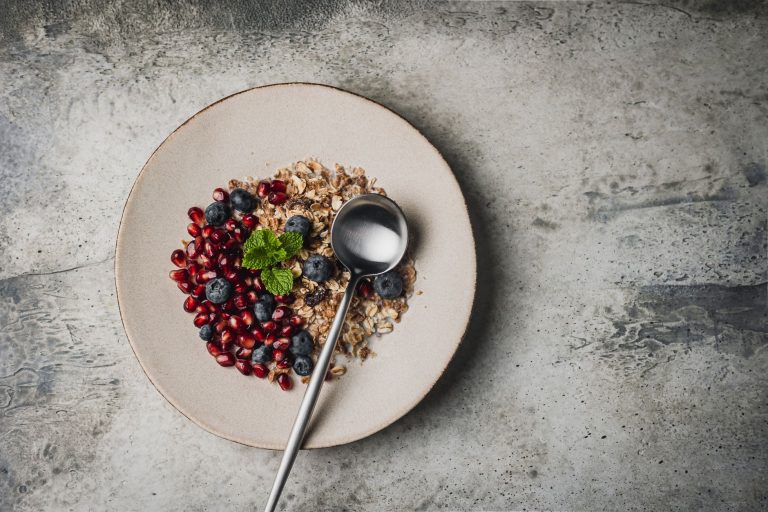
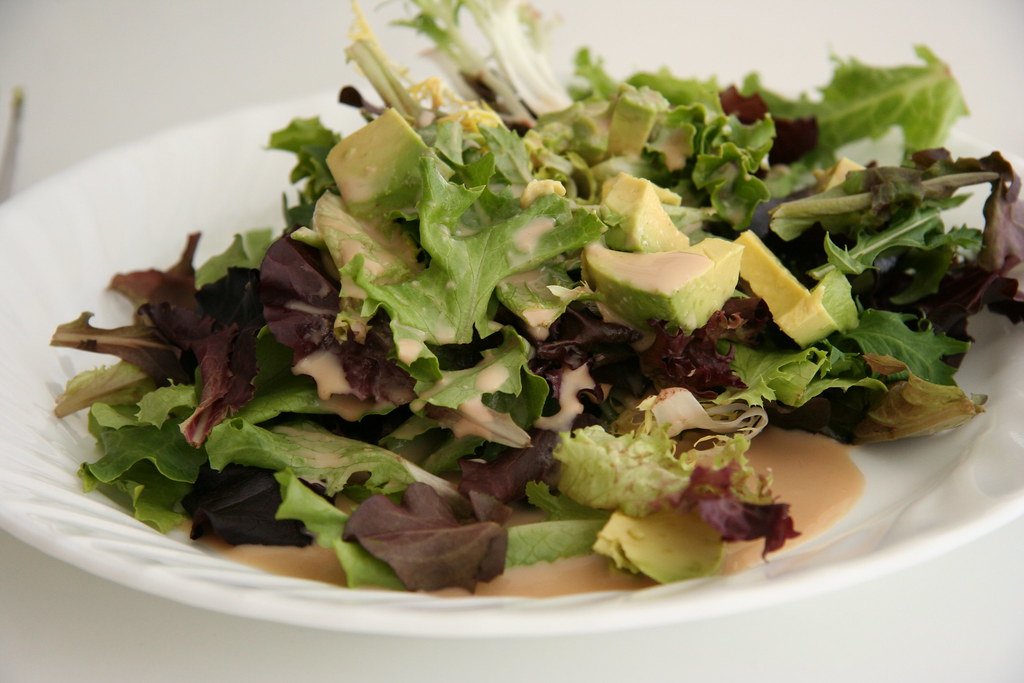
Imagine starting your morning with oats, chia seeds, berries, and kefir. At lunch, you might choose a salad with mixed greens, chicken, olives, cucumbers, and a simple olive oil dressing. Later, a snack of apple slices and almond butter can help bridge the gap until dinner. And in the evening, a warm plate of roasted broccoli, brown rice, and tofu or fish can provide comfort without heaviness. [IMAGE: healthy meal]
This is not about eating perfectly every day. It is about creating enough consistency that your body knows what to expect. Have you noticed how much easier healthy choices become when you are not starting from scratch at every meal?
Organic Foods That Support Weight Loss Without Harsh Restrictions
Weight loss works best when your meals are satisfying, nutrient-dense, and easy to repeat. That is where organic food shines. Instead of relying on low-calorie processed products that leave you hungry, you can choose foods that naturally support fullness and better blood sugar control.
Fiber-rich vegetables, lean protein, healthy fats, and minimally processed grains can all help reduce the urge to overeat. They do this by slowing digestion in a healthy way and helping your body feel nourished, not deprived. This is one reason a clean eating plan often leads to better long-term results than a strict diet that feels miserable.
Why satiety matters more than sheer restriction
When meals are too small, too processed, or too low in nutrients, the body often responds with hunger, fatigue, and stronger cravings later. That cycle is exhausting. Instead of asking, How little can I eat? ask, What foods help me feel comfortably full and stable for longer?
Organic meals built around vegetables, protein, and healthy fats are often more satisfying than packaged foods labeled as diet-friendly. The result is less emotional decision-making, fewer impulse snacks, and a steadier path toward weight loss.
Best choices for steady metabolism support
Some foods are especially useful when your goal is to feel lighter and more energized without underfeeding your body.
- Leafy greens for volume and micronutrients
- Cruciferous vegetables for fiber and natural plant compounds
- Eggs for protein and flexibility
- Greek yogurt or kefir for protein plus cultures
- Beans and lentils for fiber and slow-release energy
- Berries for sweetness without excess sugar
- Seeds such as flax, chia, and pumpkin for fiber and minerals
These ingredients do not promise dramatic overnight change, but they do help create a body environment where healthy weight loss becomes more realistic and less stressful.
What to Limit if You Want a Healthier Gut
Gut health is not only about what you add. It is also about what you reduce. You do not need to be perfect, but a few simple adjustments can make a noticeable difference. The goal is not to create fear around food. The goal is to identify the items that may be working against your healthy lifestyle.
Common gut irritators to watch
- Highly processed snacks with long ingredient lists
- Excess sugar, especially in drinks and packaged desserts
- Artificial sweeteners that may disrupt digestion for some people
- Deep-fried foods eaten frequently
- Large amounts of alcohol
- Ultra-refined grains with little fiber
Do you need to eliminate every one of these foods forever? Not necessarily. But if bloating, inconsistent energy, or cravings are slowing you down, reducing these items can give your gut more room to recover. Clean eating is often less about what you cut out and more about what you make room for instead.
How to spot hidden digestive stress
Sometimes the foods causing trouble are not obvious. A flavored yogurt with added sugar, a granola bar marketed as healthy, or a bottled dressing packed with seed oils and additives may not seem harmful at first glance. Yet these foods can quietly undercut your nutrition goals. Reading labels is a useful habit, but so is noticing how you feel after a meal. Are you energized and comfortable, or heavy and sleepy? Your body usually gives feedback if you are willing to listen.
Organic Detox Diet Support Without the Extremes
Detox diet language is everywhere, but most of it is exaggerated. Your body already has built-in detox systems through the liver, kidneys, lungs, skin, and digestive tract. What those systems need is support, not punishment. An organic food routine can assist that process by lowering the load of heavily processed ingredients and increasing the intake of fiber-rich plants, hydration, and micronutrients.
Instead of surviving on juices or restrictive cleanses, think about a supportive daily rhythm. Eat more vegetables. Drink enough water. Include enough protein. Get regular sleep. Move your body. These habits are not flashy, but they work because they respect how the body actually functions.
Smart detox support looks like this
- Hydrating with water, herbal tea, and mineral-rich broths
- Eating fiber-rich organic produce every day
- Limiting alcohol and ultra-processed foods
- Choosing whole foods with simple ingredient lists
- Supporting digestion with regular meal timing
A true detox diet should never leave you exhausted, hungry, or irritable. If it does, it is probably too aggressive to be useful. Gentle consistency is almost always better than dramatic restriction.
Easy Organic Meal Prep Ideas for the Week
Meal prep is one of the fastest ways to make clean eating realistic. When the fridge is stocked with ready-to-use ingredients, you are far less likely to grab convenience food that does not support your goals. This is especially helpful on busy weeks when every decision feels harder than it should. [IMAGE: fitness lifestyle]
Prep once, assemble many times
Try preparing these staples at the beginning of the week:
- A tray of roasted organic vegetables
- A pot of quinoa, brown rice, or oats
- Grilled chicken, baked tofu, or hard-boiled eggs
- A washed container of mixed greens
- A simple dressing made with olive oil, lemon, and herbs
- Fresh fruit washed and portioned for snacks
With these ingredients ready, you can create bowls, salads, wraps, and quick breakfast plates in minutes. That convenience matters. A healthy diet that takes too much effort usually does not last.
Three combinations that are easy on digestion
- Breakfast: oats, chia, blueberries, and almond butter
- Lunch: roasted vegetables, lentils, greens, and tahini dressing
- Dinner: salmon, sweet potato, asparagus, and avocado
These meals are simple, but that is exactly the point. Real wellness tends to come from habits you can repeat, not from recipes that look beautiful once and are never made again.
Organic Snacks That Support Energy and Digestion
Snacking itself is not the problem. The problem is mindless snacking on foods that do little for your body. If your snacks help stabilize energy, support nutrition, and reduce the urge to overeat later, they can be a helpful part of a balanced organic diet.
Better snack ideas
- Apple slices with almond or sunflower seed butter
- Organic yogurt with berries and cinnamon
- Carrot sticks with hummus
- Pumpkin seeds and a piece of fruit
- Cucumber slices with guacamole
- Homemade trail mix with nuts, seeds, and a few dried berries
A good snack should leave you satisfied, not searching for more food ten minutes later. If you often feel shaky between meals, your snacks may need more protein or fiber. If you feel weighed down, they may need to be lighter or smaller. Balance is the goal.
Digestive Habits That Matter as Much as Food
Food quality is important, but digestion is influenced by more than the ingredients on your plate. Stress, sleep, movement, and hydration all affect how your body processes meals. That is why a healthy lifestyle must include habits outside the kitchen. You can eat the best organic food available and still struggle if your routine is chaotic.
Simple habits that improve digestive comfort
- Eat slowly and avoid rushing meals
- Drink water throughout the day, not only at meals
- Take a short walk after eating when possible
- Sleep enough to support hunger and stress hormones
- Move your body regularly with walking, strength training, or yoga
- Keep meal times consistent enough to help your body anticipate food
The link between movement and digestion is often underestimated. A short walk can help the body shift into a more relaxed, parasympathetic state, which supports the digestive process. That is one reason a fitness lifestyle and gut health go so well together. Movement does not have to be intense to be useful. It just has to be regular.
Stress and the gut-brain connection
Have you ever felt your stomach tighten when you were anxious? That is not a coincidence. The gut and brain communicate constantly, which means emotional stress can influence digestion and appetite. If you are eating clean but living under chronic tension, your results may feel slower than expected. Mindful eating, sleep routines, and simple recovery practices can make a real difference.
A Practical Organic Grocery List for Better Digestion
If you want to make this approach easier right away, start with groceries that can be mixed and matched all week. A pantry and fridge built around flexible ingredients will help you avoid the all-or-nothing mindset that derails many healthy diet plans.
Produce
- Spinach
- Kale
- Broccoli
- Cauliflower
- Carrots
- Zucchini
- Sweet potatoes
- Blueberries
- Apples
- Avocados
Protein and dairy alternatives
- Organic eggs
- Plain Greek yogurt or kefir
- Chicken breast or turkey
- Wild-caught salmon or sardines
- Tofu or tempeh
- Lentils and chickpeas
Pantry staples
- Oats
- Brown rice or quinoa
- Chia seeds
- Ground flaxseed
- Olive oil
- Apple cider vinegar
- Herbs and spices such as ginger, turmeric, cinnamon, and cumin
With these items available, it becomes much easier to stay aligned with your clean eating goals. You do not need gourmet ingredients. You need reliable ones.
Common Mistakes People Make When Trying to Eat Clean
Many people approach organic food and clean eating with enthusiasm, then get frustrated when the plan feels too rigid. Most of the time, the problem is not lack of motivation. It is a strategy that is too strict to survive real life. If you want lasting results, avoid these common mistakes.
1. Going too low in calories
When meals are too small, hunger becomes the loudest voice in the room. That often leads to overeating later and makes weight loss feel harder than it needs to be.
2. Forgetting protein
A plate full of vegetables is healthy, but without enough protein it may not keep you satisfied. A balanced clean eating plan should include a protein source at most meals.
3. Treating every treat as a failure
One off-plan meal does not ruin your progress. In fact, an overly rigid mindset is one of the biggest reasons people abandon a healthy lifestyle. Progress is built over time, not in a single day.
4. Relying on packaged health foods
Not everything labeled organic, natural, or gluten-free is automatically beneficial. Ingredient quality matters more than marketing.
5. Ignoring stress and sleep
Nutrition is essential, but it cannot override chronic exhaustion. If your recovery habits are poor, digestion and appetite are often affected too.
How to Start Today Without Overhauling Everything
The best way to make any organic diet sustainable is to start where you are. You do not need a complete pantry reset or a perfect meal calendar to begin. Small steps are usually more effective because they feel manageable. What is one meal you could improve this week? What is one snack you could upgrade? These tiny changes add up faster than most people expect.
Try this simple three-part starting point:
- Choose one breakfast that includes fiber, protein, and healthy fat
- Choose one lunch that centers on organic vegetables and lean protein
- Choose one evening habit that supports digestion, such as a short walk or herbal tea
Once those habits feel easy, build from there. Add more produce. Simplify your grocery list. Replace one processed snack with a whole-food option. The point is not to be perfect. The point is to keep moving in a direction that supports your body.
When you focus on organic food, gut health, and clean eating together, the result is more than better digestion. You create a routine that supports steadier energy, fewer cravings, more satisfying meals, and a healthier relationship with weight loss. That is what makes this approach worth keeping. If you are ready for more practical ideas, ingredient guides, and healthy lifestyle inspiration, explore more articles on DietOrganic and keep building a way of eating that truly works for you.
About the Author