

Photo by freestocks.org on Openverse
When people talk about weight loss, they often focus on calories, workout plans, and willpower. Yet one of the most overlooked parts of a healthy diet is the gut. If your digestion feels sluggish, your energy dips after meals, or clean eating never seems to deliver the results you expect, your daily food choices may need a more strategic approach. The right organic food can do more than fill your plate; it can support digestion, encourage better nutrition, and help create the kind of healthy lifestyle that makes sustainable weight loss feel more natural.
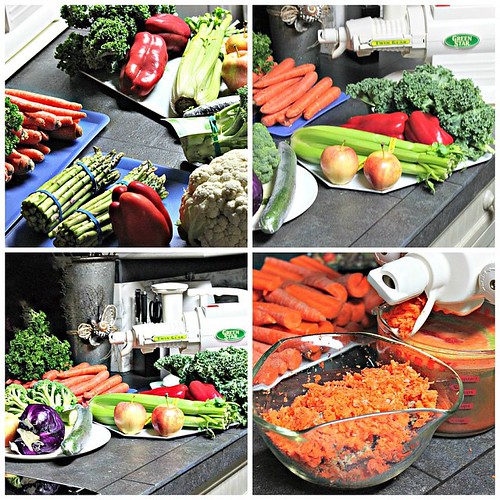
A gut-friendly organic diet is not about restriction or chasing the latest detox diet trend. It is about choosing foods that are minimally processed, rich in fiber, full of beneficial compounds, and easy for the body to use efficiently. That shift can make a remarkable difference in how you feel from morning to night. [IMAGE: organic vegetables]
Have you ever noticed that some meals leave you energized and focused, while others make you feel heavy, bloated, or oddly hungry again just an hour later? Those reactions are often connected to digestion, blood sugar balance, and the quality of the ingredients on your plate. Organic food gives you a cleaner starting point, but the real magic happens when you know which foods to choose, how to combine them, and what habits help your body absorb their benefits.
Why Gut Health Is the Hidden Engine of Healthy Weight Loss
Your gut does far more than digest food. It helps regulate appetite, supports immune function, influences mood, and plays a role in how efficiently your body extracts energy from meals. When your digestive system is thriving, it becomes easier to stay consistent with clean eating, manage cravings, and maintain the steady energy that healthy weight loss depends on.
Think about the last time your stomach felt unsettled. Did you want a workout? Did you crave balanced meals, or did you reach for convenience foods? The gut and the brain communicate constantly, and that conversation can shape everything from hunger signals to motivation. A balanced digestive system can make a healthy lifestyle feel easier because you are no longer fighting fatigue, bloating, or erratic appetite all day long.
How digestion affects appetite and energy
When meals are rich in fiber, protein, and healthy fats, they digest more gradually, which tends to create a more stable rise in blood sugar. That stability matters because dramatic spikes and crashes often lead to cravings, irritability, and the feeling that you need to snack constantly. By contrast, an organic food plan built around whole ingredients helps you stay fuller for longer and reduces the urge to overeat later.
Your gut also produces and responds to compounds that influence satiety. If your meals are too processed, too low in fiber, or too repetitive, your digestive system may not receive the variety it needs to stay resilient. The result is often a pattern of low energy, bloating, and inconsistent hunger cues. Clean eating works best when it supports both satisfaction and digestion, not just calorie control.
Signs your gut may need more support
You do not need to diagnose yourself to notice when your digestion is asking for help. Some common signs include frequent bloating, irregular bowel movements, gas after meals, a heavy feeling after eating, sudden food cravings, or a lack of energy even when you are eating enough. These are not always dramatic symptoms, but they are worth paying attention to.
If your current eating pattern relies heavily on packaged meals, low-fiber snacks, or too many sweetened drinks, your gut may be working harder than it should. That does not mean you need a harsh detox diet. It means you may benefit from a gentler, more nourishing routine based on organic food, smarter meal timing, and more whole-food nutrition.
What Organic Food Changes in a Clean Eating Routine
Organic food is not a magic solution, but it can improve the quality of your diet in practical ways. Choosing organic fruits, vegetables, grains, and proteins often reduces exposure to certain pesticides and increases your attention to ingredient quality. That simple shift can make clean eating feel more intentional and less like a guessing game.
Many people find that once they begin shopping organically, they naturally gravitate toward more whole ingredients and fewer ultra-processed items. That is important because the healthiest eating plans are not built around one perfect superfood. They are built around consistent habits, diverse produce, and meals that work with the body instead of against it.
More than a label: why quality matters
Organic labels are useful, but they should never distract from the bigger picture. A package of organic cookies is still a processed dessert. A frozen organic pizza may still be high in sodium and low in fiber. The goal is to use organic food as a foundation for a diet that is nutrient-dense, balanced, and realistic.
In other words, clean eating is about patterns, not perfection. If most of your meals are built from vegetables, fruit, legumes, whole grains, quality proteins, seeds, and healthy fats, you are already supporting the digestive process in a meaningful way. Organic shopping simply helps you do that with greater confidence.
Choosing organic ingredients strategically
If your budget does not allow every item to be organic, focus on the foods you eat most often and the produce you consume with the skins on. Leafy greens, berries, apples, and peppers are common starting points. Many people also prioritize organic eggs, dairy, and animal proteins when possible because they are building blocks in a healthy diet.
It is also smart to buy organic versions of foods you use in smoothies, salads, and raw dishes. Since those meals are often eaten with minimal cooking, you want to be especially mindful of ingredient quality. The more often you consume a food, the more worthwhile it becomes to choose a cleaner version of it.
The Best Organic Foods for a Gut-Friendly Plate
A gut-friendly organic diet does not need to feel complicated. Once you understand the core food groups that support digestion, you can build meals quickly and confidently. The goal is to combine foods that nourish your microbiome, keep digestion moving, and leave you satisfied enough to stay consistent.
Below are the most useful organic food choices for a healthy lifestyle centered on clean eating and sustainable weight loss.
Fermented foods that support digestive balance
Fermented foods are some of the most valuable additions to a gut-focused diet. Organic yogurt, kefir, sauerkraut, kimchi, miso, and tempeh can introduce live cultures and create more diversity in the foods you eat. They also add flavor, which is important because enjoyable meals are easier to maintain over time.
If you are new to fermented foods, start slowly. A few forkfuls of sauerkraut with lunch or a small serving of plain organic yogurt at breakfast is enough to begin. Do not force large portions if your digestive system is sensitive. With gut health, steady progress is often better than dramatic changes.
Prebiotic vegetables that feed good bacteria
Prebiotic foods contain fibers that help nourish beneficial bacteria in the gut. Organic onions, garlic, leeks, asparagus, artichokes, spinach, and broccoli are excellent examples. These vegetables do not just add volume to meals; they help create the environment needed for a more balanced microbiome.
Cooking methods matter too. Light steaming, roasting, and sautéing can make vegetables easier to digest than eating large amounts raw, especially if you have a sensitive stomach. A warm bowl of roasted vegetables with olive oil and herbs can be far more supportive than a huge raw salad if your body tends to bloat easily.
Fiber-rich fruits that keep digestion moving
Fruit can absolutely be part of weight loss and clean eating when chosen wisely. Organic berries, kiwi, apples, pears, and citrus fruits provide fiber, water, and natural sweetness without relying on added sugar. Berries are particularly valuable because they deliver antioxidants in a compact package and pair well with yogurt, oats, or chia pudding.
Do you need to avoid fruit for a healthy diet? Usually, no. For most people, the answer is not to eliminate fruit but to choose whole fruit instead of juice and to enjoy it alongside protein or fat when needed. That combination can reduce blood sugar swings and keep you fuller longer.
Whole grains and legumes for steady energy
Organic oats, quinoa, brown rice, lentils, chickpeas, and black beans are digestive allies when prepared properly. They supply fiber and slow-digesting carbohydrates that help you feel nourished without the crash that comes from refined grains. If your goal is healthy weight loss, these foods can be especially useful because they are filling and versatile.
Legumes are sometimes avoided by people who worry about bloating, but soaking, rinsing, and cooking them thoroughly can make a significant difference. Start with smaller portions if your gut is not used to them. Over time, many people find they tolerate these foods better and better as they increase variety and consistency.
Healthy fats and proteins that support satisfaction
Digestive health is not only about fiber. Healthy fats and quality proteins help stabilize appetite and make meals more satisfying. Organic eggs, plain Greek yogurt, tofu, tempeh, chia seeds, flax seeds, avocado, walnuts, and sustainably sourced fish can all play a role in a well-rounded organic diet.
Proteins are particularly useful for weight loss because they help preserve lean tissue and reduce the urge to snack constantly. When paired with vegetables and whole grains, they turn a simple meal into a complete nutritional foundation. That is what clean eating should look like: practical, balanced, and sustainable.
A Simple Organic Meal Rhythm for Better Digestion
Healthy eating becomes much easier when you stop treating every meal like a separate decision and start thinking in rhythms. The best plans for nutrition and weight loss usually follow a pattern that is easy to repeat. That pattern should include enough fiber, enough protein, and enough variety to keep digestion comfortable.
[IMAGE: healthy meal]
Breakfast ideas that support a calm start
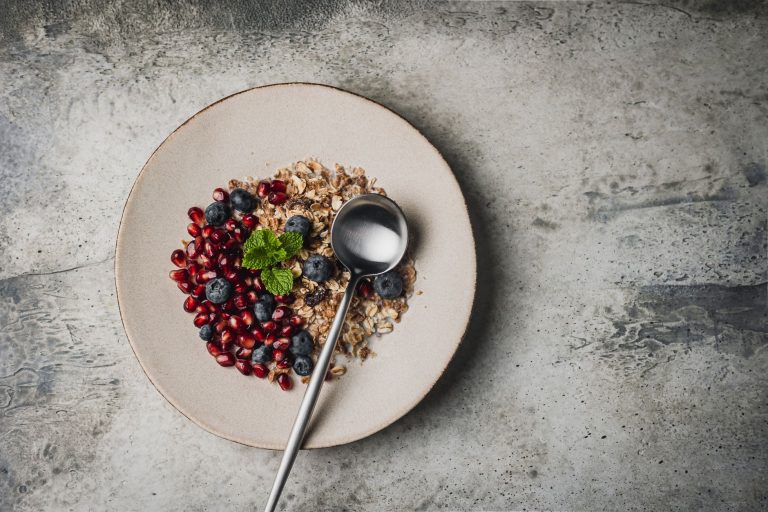
A gut-friendly breakfast should leave you energized, not overloaded. A bowl of organic oats topped with berries, chia seeds, and plain yogurt is one of the simplest options. Another good choice is scrambled eggs with spinach and avocado, or a kefir smoothie made with frozen berries, flaxseed, and a handful of greens.
Try asking yourself this in the morning: will this breakfast help me stay satisfied until lunch, or will I be hungry again too soon? That question alone can help you make better decisions. A rushed pastry may feel convenient, but a balanced organic breakfast often pays off for hours.
Lunch ideas that keep energy steady
Lunch is an ideal time to focus on vegetables, protein, and slow carbohydrates. A grain bowl with quinoa, roasted carrots, chickpeas, leafy greens, and a lemon-tahini dressing delivers both flavor and digestive support. A soup made with lentils, celery, onions, and herbs can be equally satisfying, especially in cooler weather.
For people who work long hours, lunch should be easy to assemble without sacrificing nutrition. That is where meal prep shines. If you have washed greens, cooked grains, and a protein source ready to go, you are far less likely to settle for a convenience meal that leaves you sluggish.
Dinner ideas that do not overwhelm digestion
Dinner works best when it feels nourishing rather than heavy. Think roasted salmon or tofu with steamed broccoli, sweet potato, and a drizzle of olive oil. Or try a vegetable stir-fry with brown rice and ginger. Many people sleep better when dinner is earlier, lighter, and less dependent on refined carbs or excess grease.
If you tend to eat late, keep dinner simple. A smaller plate with protein, vegetables, and a modest portion of complex carbohydrates can support both digestion and recovery. The goal is not to eat as little as possible; it is to end the day feeling calm and comfortable.
Smart snacks that protect your progress
Snacking can either help or hurt a healthy lifestyle. The right snack keeps blood sugar steady and prevents overeating later. The wrong snack becomes a cycle of cravings and energy dips. Good organic snack options include apple slices with nut butter, cucumber with hummus, plain yogurt with cinnamon, roasted chickpeas, and a handful of walnuts or pumpkin seeds.
- Choose snacks with protein, fiber, or healthy fat.
- Keep portions moderate so snacks remain supportive, not distracting.
- Avoid turning every break into a grazing session.
- Use snacks to bridge meals, not replace them.
That small shift can make a surprising difference in weight loss and digestive comfort. When snacks are intentional, they become part of your nutrition strategy rather than a source of frustration.
Clean Eating Habits That Support a Natural Detox Diet
The word detox is often used in extremes, but your body already has sophisticated systems for detoxification. Your liver, kidneys, digestive tract, and skin are constantly working to process and eliminate waste. Clean eating supports those systems by reducing the burden of heavily processed foods and increasing the intake of nutrient-dense ingredients.
That is why a thoughtful detox diet should feel gentle, not punishing. It should support hydration, fiber intake, blood sugar balance, and enough calories to function well. In practice, that means eating foods that help the body do its job efficiently.
Hydration is part of digestion
Water is essential for moving fiber through the digestive tract and keeping stools soft and regular. Herbal teas, sparkling water, and broth-based soups can also contribute to hydration. If you are increasing fiber through organic food choices, drink more water than usual to help your system adjust comfortably.
One practical rule is to drink water consistently throughout the day rather than trying to make up for it all at once. A well-hydrated body tends to process meals more smoothly and recover better from exercise, which supports both a healthy lifestyle and weight loss goals.
Chewing, slowing down, and eating with awareness
Digestion starts in the mouth. Chewing thoroughly can make food easier to break down and may reduce the bloating some people feel after meals. Eating more slowly also gives your body time to register fullness, which makes it easier to avoid overeating.
How often do you eat while distracted by a screen or while rushing between tasks? Most people do it more than they realize. A clean eating plan is stronger when meals receive your attention. Even two or three mindful minutes at the start of a meal can change the pace of the entire experience.
What to reduce rather than obsess over
A balanced approach is usually more effective than a strict one. Rather than banning entire food groups, consider reducing the items most likely to interfere with digestion and energy. These often include sugary drinks, heavily refined snacks, ultra-processed packaged foods, and meals that are very low in fiber.
- Cut back on added sugars that create energy crashes.
- Limit refined grains when they crowd out vegetables and protein.
- Reduce alcohol if it disrupts digestion or sleep.
- Choose simpler ingredients over long ingredient lists.
This is where clean eating becomes realistic. You do not need to be perfect; you need to make the daily pattern better.
Common Organic Diet Mistakes to Avoid
Even motivated eaters can make choices that undermine their progress. Organic food is beneficial, but it still has to be used intelligently. Some people assume that anything labeled organic is automatically healthy, while others jump into a detox diet with too much intensity and then burn out quickly. Neither approach tends to last.
If you want your organic diet to support healthy weight loss and long-term nutrition, watch for these common mistakes.
Too much fiber too fast
Fiber is incredibly useful, but a sudden jump in intake can lead to gas, cramping, or bloating. If you have been eating a low-fiber diet, increase vegetables, legumes, and seeds gradually. Give your body time to adapt.
Start by adding one extra vegetable serving each day or swapping one refined snack for a piece of fruit and a handful of nuts. Small changes are easier to maintain and easier on the gut.
Relying on raw foods alone
Raw vegetables can be nutritious, but they are not always the most digestible choice. If your system is sensitive, too many raw salads and smoothies may leave you feeling cold, bloated, or unsatisfied. Light cooking can often improve both comfort and absorption.
Have you ever felt better after a warm vegetable soup than after a huge raw salad? That is not a coincidence. Warm, cooked meals can be much gentler on the digestive system.
Assuming organic means low calorie
Organic snacks, desserts, and packaged meals can still be calorie-dense. A granola bar, trail mix, or flavored yogurt may look healthy but can quickly add up if portion sizes are large. This matters if your goal includes weight loss.
The solution is not fear. It is awareness. Read labels, check serving sizes, and favor foods where the ingredient list looks more like a grocery shelf than a chemistry experiment.
Not balancing meals
A plate built only from vegetables may feel virtuous but leave you hungry. A meal with only carbs may spike energy and crash quickly. A balanced organic meal usually includes three components: fiber-rich plants, protein, and healthy fat. That combination supports digestion, satisfaction, and steady energy.
As you plan meals, ask yourself: is this plate complete enough to carry me through the next few hours? If not, add what is missing.
How to Build an Organic Grocery List That Actually Works
The best organic food plan is the one you can shop for consistently. A practical grocery list makes clean eating feel simpler and removes decision fatigue. Instead of wandering the store and hoping inspiration strikes, enter with a clear structure.
Here is a simple framework you can adapt to your own preferences and budget.
Your core organic shopping categories
- Vegetables: spinach, kale, broccoli, carrots, zucchini, asparagus, onions
- Fruit: berries, apples, kiwi, lemons, pears, oranges
- Protein: eggs, plain yogurt, kefir, tofu, tempeh, lentils, chickpeas
- Healthy fats: avocado, olive oil, walnuts, chia seeds, flax seeds
- Whole grains: oats, quinoa, brown rice, buckwheat
- Flavor builders: garlic, ginger, turmeric, herbs, apple cider vinegar
Keeping a dependable set of staples on hand makes it much easier to prepare meals that support the gut. When your kitchen is stocked well, healthy decisions become the default rather than the exception.
What to prioritize when budget matters
If you are shopping on a budget, buy organic versions of the foods you use most often and those you eat raw. Frozen organic vegetables can be just as useful as fresh ones and are often more affordable. Bulk grains, beans, and seeds can stretch across many meals. Simple planning can make a high-quality diet much more accessible.
Remember, a sustainable healthy lifestyle is built through repetition. You do not need rare ingredients. You need reliable ingredients you will actually use.
Meal Prep Ideas for Busy People Who Want Better Digestion
Meal prep is one of the most effective tools for keeping a clean eating routine on track. It reduces the likelihood of grabbing whatever is available when you are tired, rushed, or hungry. A few hours of preparation can save you from several days of poor food choices.
[IMAGE: fitness lifestyle]
A simple weekly prep session
Choose one day to wash greens, roast a tray of organic vegetables, cook a grain, and prepare a protein source. You can also make one sauce or dressing that works with several meals. This creates enough variety without requiring you to cook from scratch every time.
For example, roasted vegetables can become lunch bowls, dinner sides, or omelet fillings. Quinoa can support a salad today and a warm bowl tomorrow. That flexibility is what makes meal prep sustainable.
Three ways to reuse one ingredient
- Roasted sweet potatoes: lunch bowl base, breakfast hash, dinner side
- Cooked lentils: soup ingredient, salad topper, warm grain bowl protein
- Plain yogurt: breakfast bowl, snack dip, creamy dressing base
When ingredients can move through several meals, your grocery list becomes shorter, your waste goes down, and your diet becomes easier to maintain. That is excellent for weight loss because consistency matters more than novelty.
Can Organic Food Help with Cravings and Emotional Eating?
It can, especially when the overall eating pattern is balanced and satisfying. Cravings are often connected to blood sugar swings, stress, boredom, lack of sleep, or meals that do not keep you full. Organic food helps most when it is used to create nourishing meals rather than as a label on snacks that still leave you unsatisfied.
When you eat well-composed meals, cravings tend to become less intense. You may still want something sweet or salty occasionally, but the urgency often decreases. That makes it easier to make calm choices instead of reactive ones.
Questions to ask before reaching for a snack
- Am I actually hungry, or am I tired?
- Did my last meal include enough protein and fiber?
- Would water, a walk, or a break help first?
- Am I craving a texture, a flavor, or comfort?
These questions do not replace intuition. They sharpen it. A healthy lifestyle should give you more control and more freedom, not more rules to memorize.
How This Approach Supports Weight Loss Without Extremes
When people hear the phrase weight loss, they often imagine a short-term sprint. In reality, sustainable progress usually comes from calmer patterns: regular meals, fewer processed foods, consistent hydration, and a digestive system that can do its job without constant stress. Organic food can support that process by making each meal cleaner and more nutrient-dense.
Clean eating works best when it is satisfying enough to repeat. If your meals taste good, digest well, and keep you energized, you are far more likely to stay consistent. That consistency is what brings results over time, not deprivation or a dramatic detox diet that you cannot maintain.
A healthy diet should feel supportive, not punishing. It should help you move through the day with clearer energy, better focus, and more trust in your own habits. That is the real value of building around organic food: it encourages a lifestyle where weight loss, digestion, and well-being begin to reinforce one another instead of competing.
A Final Checklist for a Gut-Friendly Organic Day
- Include at least one fermented food or probiotic-rich ingredient.
- Eat vegetables at more than one meal.
- Add protein to every main meal.
- Choose water or herbal tea over sugary drinks.
- Keep one or two reliable snacks on hand.
- Cook some foods gently instead of relying only on raw meals.
- Stay consistent rather than chasing perfection.
If you want clean eating to feel easier, start with your gut. Build meals that are simple, organic, and balanced enough to keep you full without weighing you down, and the rest of your healthy lifestyle begins to fall into place. For more evidence-based organic food ideas, practical nutrition tips, and inspiring weight loss strategies, keep exploring the latest articles on DietOrganic and make your next meal your smartest one yet.
About the Author