
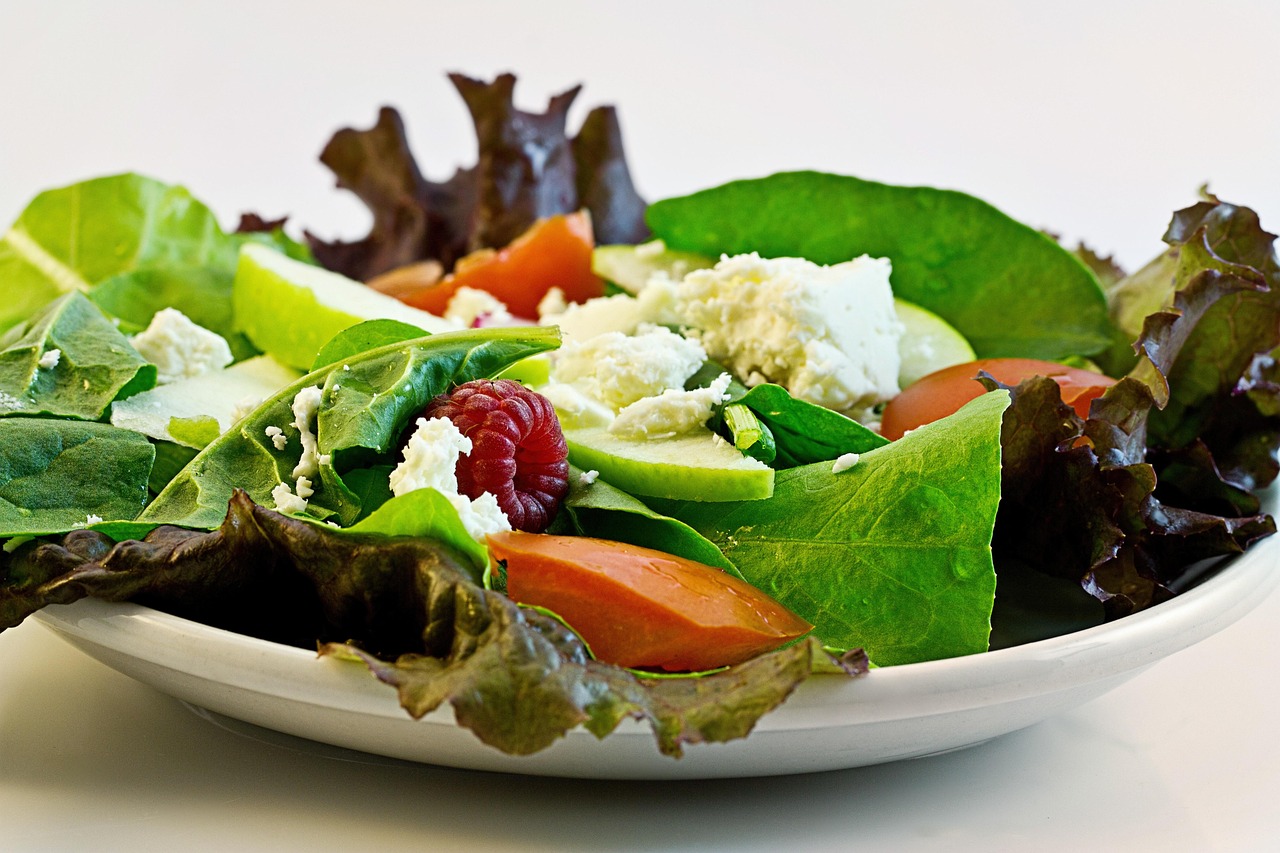
Photo by stevepb on Pixabay
If you have ever wondered why one person can eat the same meal and feel energized while another feels bloated, sluggish, or uncomfortable, the answer often begins in the gut. In recent years, gut health has moved from a niche nutrition topic to a major focus in the world of clean eating, organic food, and healthy lifestyle planning. And for good reason: when your digestive system is functioning well, everything from energy levels to mood, immunity, and even weight loss can become easier to manage.
So where should you start if you want to support better digestion without turning meals into a complicated science project? A smart place is your grocery basket. Choosing organic food can reduce your exposure to unnecessary additives and pesticides while helping you build meals that feel lighter, fresher, and more nourishing. But gut-friendly eating is not just about buying organic labels and hoping for the best. It is about understanding which foods feed your microbiome, which habits support digestion, and how to create a sustainable routine that fits real life.
This guide explores the best organic foods for gut health, how to build meals that support healthy digestion, and how a cleaner way of eating may also help with weight loss. Along the way, you will find practical tips, simple meal ideas, and a few questions worth asking yourself: Are your current meals giving your gut enough support? Could a few thoughtful swaps change how you feel every day? And what would happen if clean eating became less about restriction and more about nourishment?
Why Gut Health Should Be at the Center of Your Clean Eating Plan
Your gut is responsible for much more than breaking down food. It helps absorb nutrients, supports immune function, influences hormone signaling, and communicates with the brain through a network often called the gut-brain axis. That means digestion is not an isolated process; it is part of a larger system that affects your overall nutrition and wellness.
When gut function is strong, you are more likely to experience steady energy, regular bowel movements, improved satiety, and fewer uncomfortable digestive symptoms. When it is disrupted, the signs can show up in subtle ways at first. You may notice bloating after meals, irregular digestion, cravings, changes in appetite, or even a drop in mood and concentration. If healthy lifestyle goals have felt harder to maintain lately, your gut may be asking for more attention.
Clean eating can support the gut because it tends to emphasize whole foods, fresh produce, fiber, healthy fats, and fewer ultra-processed ingredients. Organic food can strengthen that approach by making it easier to build meals around high-quality ingredients. In a world where many people feel overwhelmed by conflicting nutrition advice, a gut-first approach offers a practical filter: Does this food help me feel balanced, comfortable, and nourished?
The Microbiome in Simple Terms
Your microbiome is the community of trillions of microorganisms living in your digestive tract. Some of these microbes help break down fiber, produce beneficial compounds, and support immune health. Others may become less helpful if your diet lacks diversity, your stress levels are high, or your meals are dominated by refined foods and added sugar.
Think of your gut microbes as a living ecosystem. They thrive when you feed them a variety of plant foods, enough fiber, and fermented foods that introduce beneficial bacteria. They struggle when the diet is repetitive, highly processed, low in nutrients, and overloaded with added sugars or artificial ingredients. That is why the conversation about organic food and gut health often includes not just what you eat, but how diverse and intentional your eating pattern is.
Signs Your Gut Might Be Out of Balance
You do not need to be a nutrition expert to recognize when your digestion is not at its best. Common signs may include:
- Bloating or heaviness after meals
- Gas or discomfort that appears frequently
- Constipation or loose stools
- Cravings for sugar or highly refined snacks
- Feeling tired even after eating
- Skin changes or frequent breakouts
- Low appetite or inconsistent hunger signals
If several of these sound familiar, it may be time to simplify your meals and rebuild from the basics. The goal is not perfection. It is to create a pattern of eating that supports digestion instead of working against it.
The Best Organic Foods for Gut Health
Not all organic foods play the same role in digestion, but some categories stand out for their ability to feed beneficial gut bacteria, ease digestion, and help your body process meals more efficiently. If you are building a clean eating routine, these foods deserve a regular place on your plate.
Fermented Organic Foods
Fermented foods are one of the most valuable additions to a gut-friendly diet because they can provide natural probiotics. These beneficial microorganisms may help support microbial balance in the digestive tract. When you choose organic versions, you also reduce the likelihood of unnecessary additives or lower-quality ingredients that sometimes appear in packaged products.
Examples include:
- Organic plain yogurt with live cultures
- Organic kefir
- Sauerkraut made with simple ingredients
- Kimchi with minimal added sugar
- Miso
- Tempeh
A small serving is often enough to begin with. If your gut is sensitive, introduce fermented foods gradually. Have you noticed that some people feel better when they add these foods slowly instead of making drastic changes overnight? That is because the digestive system often prefers consistency over intensity.
Fiber-Rich Organic Produce
Fiber is one of the most important nutrients for digestion, and plant foods are its best source. Fiber adds bulk to stools, supports regularity, and feeds beneficial microbes in the colon. A high-fiber diet can also help with weight loss because it improves fullness and makes meals more satisfying.
Excellent organic produce choices include:
- Leafy greens such as spinach, kale, and arugula
- Cruciferous vegetables like broccoli, cauliflower, and Brussels sprouts
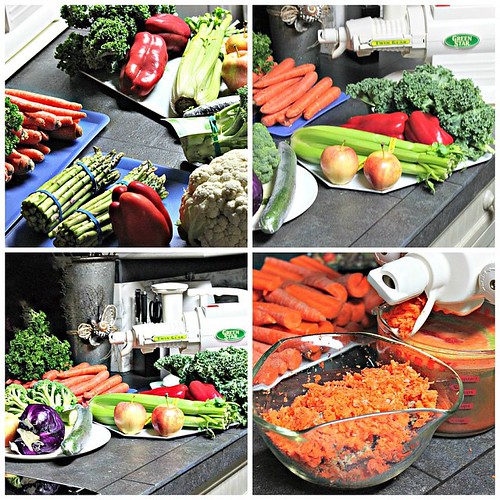
- Carrots, beets, celery, and cucumbers
- Berries, apples, pears, and citrus fruit
- Sweet potatoes and winter squash
[IMAGE: organic vegetables]
A helpful rule is to aim for color and variety. The more plant pigments you include, the more likely you are to cover a range of nutrients and plant compounds that support overall nutrition. A bowl that includes greens, orange vegetables, and berries does more than look beautiful; it gives your gut different kinds of fuel.
Prebiotic-Rich Staples
Prebiotics are types of fiber that feed the good bacteria already living in your gut. While probiotics add beneficial organisms, prebiotics help those organisms thrive. Together, they create a stronger foundation for digestive balance.
Organic foods naturally rich in prebiotics include:
- Onions
- Garlic
- Leeks
- Asparagus
- Green bananas
- Oats
- Chia seeds
- Flaxseeds
These foods are easy to use in everyday meals. Garlic and onions can build flavor in soups and vegetables. Oats can become a fiber-rich breakfast. Chia seeds can thicken smoothies or overnight puddings. The beauty of clean eating is that it does not need to be complicated; it needs to be consistent.
Healthy Fats and Soothing Foods
Digestive comfort is not only about fiber and probiotics. Healthy fats and gentle, nutrient-dense foods also matter. They help support satiety, stabilize meals, and make eating feel more balanced. If you are trying to reduce overeating or mindless snacking, meals with adequate healthy fat often feel more satisfying.
Consider adding:
- Avocados
- Extra virgin olive oil
- Walnuts
- Almonds
- Pumpkin seeds
- Natural nut and seed butters
These foods can also support a healthy lifestyle by making meals more enjoyable. And when eating feels enjoyable, you are more likely to keep it going long enough to see meaningful results.
How to Build a Gut-Friendly Organic Plate
One of the simplest ways to support digestion is to stop thinking about isolated ingredients and start thinking in terms of plate structure. A gut-friendly plate should offer fiber, protein, healthy fats, hydration, and a mix of textures that are easy for your body to handle.
A Balanced Plate Formula
Use this easy approach when planning meals:
- Half the plate: organic vegetables and greens
- One quarter: protein from organic eggs, lentils, tofu, tempeh, fish, or poultry
- One quarter: whole grains or starchy vegetables
- Add: healthy fats from olive oil, avocado, seeds, or nuts
- Include: fermented food or a prebiotic ingredient when possible
This formula works because it avoids the blood sugar spikes and digestive overload that often come from meals built around refined carbohydrates alone. Instead of feeling heavy or sluggish, you are more likely to feel nourished and steady.
A Sample Day of Eating for Better Digestion
[IMAGE: healthy meal]
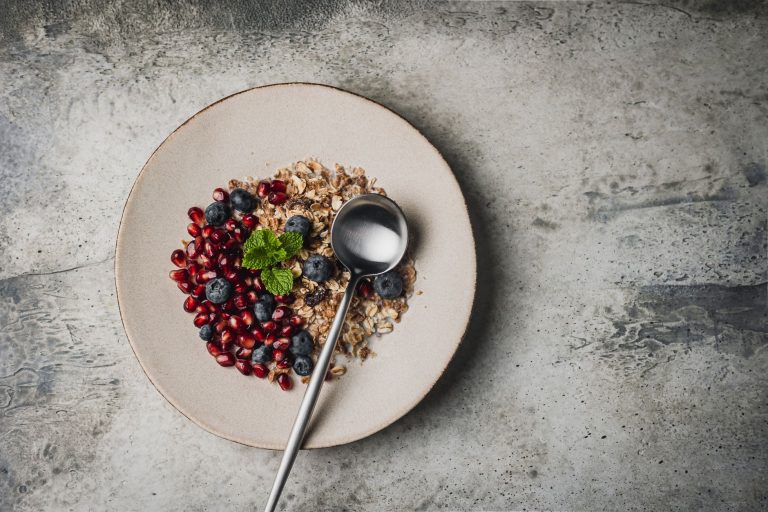
Imagine a day of clean eating designed with the gut in mind. Breakfast might be oatmeal made with organic oats, topped with chia seeds, blueberries, and a spoonful of almond butter. Lunch could be a grain bowl with quinoa, roasted broccoli, carrots, leafy greens, avocado, and pumpkin seeds. Dinner might include baked salmon or tempeh with sweet potato and sautéed zucchini. Snacks could be an apple with walnuts or plain yogurt with cinnamon.
The point is not to follow a rigid menu forever. The point is to notice how balanced meals affect your energy, cravings, and digestion. Do you feel more satisfied when your plate includes fiber, protein, and healthy fat? Most people do.
Easy Food Combinations That Work Well
- Organic yogurt, berries, and flaxseed
- Oatmeal, banana, and chia seeds
- Brown rice, roasted vegetables, and tahini
- Leafy greens, avocado, beans, and olive oil
- Soup with lentils, carrots, celery, and herbs
These combinations are practical because they are easy to prepare and gentle on digestion for many people. They also support clean eating without making meals feel restrictive.
What to Limit If You Want Better Digestion
Gut health is not only about what you add to your diet. It is also about what you reduce. If your meals are full of ingredients that irritate your digestion or crowd out nutrient-dense foods, even the best organic food choices may not have the effect you want.
Common Gut Disruptors
- Highly processed snacks and packaged desserts
- Frequent added sugar
- Large amounts of alcohol
- Refined grains with little fiber
- Deep-fried foods eaten often
- Artificial sweeteners that upset digestion for some people
- Heavy meals eaten too quickly
None of these foods are automatically off-limits for everyone, but if your goal is a detox diet style reset focused on cleaner digestion, it helps to reduce them for a while and observe how your body responds. Sometimes the difference is immediate; sometimes it takes a couple of weeks. The key is to pay attention.
The Hidden Role of Stress and Sleep
It is easy to focus only on food, but stress and sleep often determine whether your gut can actually use what you eat. When your nervous system is in overdrive, digestion may slow down or become less efficient. Poor sleep can also alter hunger hormones, increase cravings, and make weight loss harder.
[IMAGE: fitness lifestyle]
That is why a true healthy lifestyle approach includes more than shopping lists. Gentle movement, enough rest, mindful eating, and a calmer pace all help the gut do its job. A short walk after meals, a regular bedtime, or a few minutes of deep breathing before lunch may sound small, but these habits can be powerful when repeated consistently.
Organic Meal Prep Ideas for Easier Digestion
Meal prep is one of the most practical ways to stay consistent with clean eating. If you already have nourishing ingredients ready in the fridge, you are far less likely to reach for low-quality convenience foods when you are tired or busy. Better still, meal prep can reduce decision fatigue, which often leads to healthier choices without much effort.
Breakfast Ideas
- Overnight oats with organic oats, chia seeds, blueberries, and yogurt
- Scrambled organic eggs with spinach and avocado
- Smoothie with kefir, banana, frozen berries, and flaxseed
- Chia pudding with almond milk and kiwi
These breakfasts are easy on the stomach, rich in nutrition, and satisfying enough to prevent mid-morning crashes. They also set the tone for a day of balanced eating.
Lunch Ideas
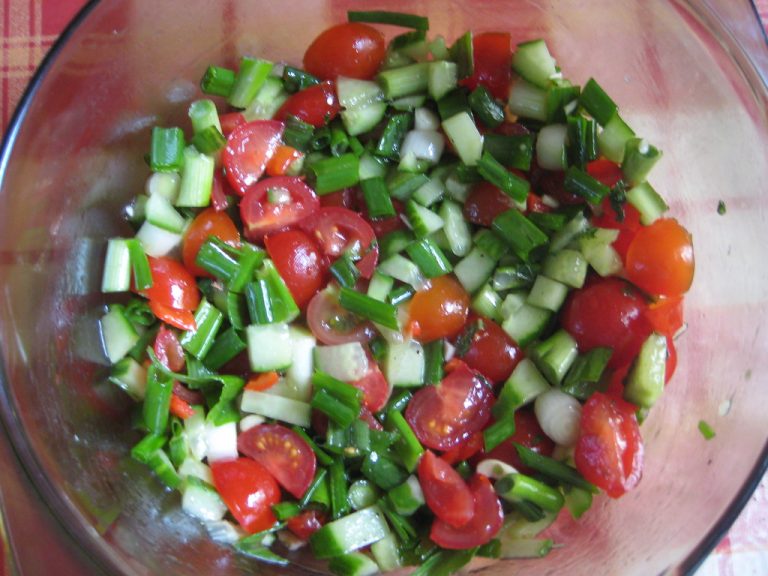
- Quinoa salad with cucumber, parsley, chickpeas, olive oil, and lemon
- Lentil soup with carrots, celery, garlic, and turmeric
- Brown rice bowl with roasted vegetables and tempeh
- Leafy green wrap with hummus and shredded vegetables
Lunch should support energy without making you want to lie down afterward. A good gut-friendly lunch is colorful, filling, and built from ingredients your body can digest comfortably.
Dinner Ideas
- Baked salmon with sweet potato and asparagus
- Organic tofu stir-fry with broccoli and ginger
- Roasted chicken with cauliflower and herbs
- Vegetable stew with beans and extra virgin olive oil
Simple dinners are often the best dinners. When your meals are built from real food rather than heavy sauces and refined starches, digestion tends to feel calmer by the end of the day.
Snack Ideas
- Apple slices with almond butter
- Plain yogurt with cinnamon
- Cucumber and hummus
- Pumpkin seeds and a small pear
- Carrot sticks with guacamole
Snacking can be helpful when it is intentional. The question is not whether you snack, but whether your snacks support your goals. Do they help keep blood sugar stable and digestion comfortable, or do they lead to cravings and energy crashes?
Can a Gut-Friendly Organic Diet Support Weight Loss?
Many readers come to gut health with weight loss in mind, and that is understandable. When digestion improves, it can become easier to feel satisfied with less food, avoid unnecessary snacking, and choose meals that are naturally lower in excess calories and higher in nutrition.
Still, it is important to be realistic. Organic food is not a magic shortcut to weight loss. A cookie made with organic ingredients is still a cookie. What makes a difference is the overall pattern of eating. Gut-friendly meals tend to be more filling because they contain fiber, protein, and healthy fats. That means you may naturally eat less of the foods that do not serve your goals.
Here is how a gut-supportive plan may contribute to a healthier body composition:
- More fiber can improve fullness and reduce overeating
- Better digestion may reduce bloating and discomfort
- Stable blood sugar can reduce sugar cravings
- Fewer ultra-processed foods can lower excess calorie intake
- Balanced meals can help maintain energy for movement and exercise
That last point matters. If you are fueled well, you are more likely to move well. And movement supports both digestion and weight management, creating a positive cycle that makes healthy habits easier to sustain.
How to Transition Without Overwhelm
One of the biggest mistakes people make is trying to overhaul their entire diet in a single weekend. A better approach is to make one or two smart changes each week. This is how clean eating becomes realistic rather than stressful.
Start with Simple Swaps
- Swap sugary breakfast cereal for oats with seeds and fruit
- Replace one packaged snack with fresh fruit and nuts
- Choose an organic vegetable side dish at dinner
- Add a fermented food a few times per week
- Use olive oil and lemon instead of heavy processed dressings
Small changes may seem modest, but they often lead to noticeable improvements. When you feel better, you are more likely to continue. That is how habits become part of a healthy lifestyle instead of a temporary challenge.
Shop with a Gut-Health Mindset
Before you shop, make a short list based on how you want your week to feel. Do you want lighter lunches? Easier breakfasts? More stable energy? Let those goals shape your purchases. A grocery cart filled with organic vegetables, berries, oats, legumes, yogurt, seeds, and herbs gives you many more meal possibilities than a cart full of processed convenience foods.
When possible, prioritize foods that are simple and recognizable. If the ingredient list reads like a chemistry experiment, ask yourself whether it supports your nutrition goals or just fills a short-term craving.
Read Labels with Confidence
Organic food packaging can still be misleading if you do not read carefully. Even healthy-looking products may contain added sugar, excess sodium, or long ingredient lists. Check for:
- Added sugars or sweeteners
- Too many artificial additives
- Refined oils used as primary ingredients
- Short shelf-life claims paired with highly processed formulas
As your awareness grows, shopping becomes easier. You start spotting the difference between genuinely nourishing food and marketing that merely sounds healthy.
Why Organic Food Can Be a Smart Choice for a Detox Diet Approach
The word detox diet can mean different things to different people, and it is important to be thoughtful about it. Your body already has built-in detoxification systems, especially the liver, kidneys, skin, and digestive tract. The role of food is not to replace those systems, but to support them.
Organic food can fit into this approach because it tends to emphasize fresher, less processed ingredients. A cleaner diet with plenty of vegetables, fruit, fiber, water, and minimally processed proteins can help reduce the burden of poor-quality eating habits. That does not mean you need extreme juice fasts or dramatic restrictions. It means you can support your body by giving it what it recognizes and uses well.
For many people, a gentle detox diet mindset simply means:
- Eating more whole plant foods
- Reducing added sugar and processed snacks
- Choosing organic produce when possible
- Drinking enough water
- Keeping meals simple enough to digest comfortably
Sometimes the most powerful reset is not a dramatic cleanse. It is a week of balanced meals, enough sleep, and foods that leave you feeling clear-headed instead of weighed down.
Expert Tips for Making Gut-Friendly Eating Last
Long-term success comes from repetition, not intensity. The most effective healthy routines are the ones you can maintain during busy weeks, social events, and moments when life feels far from ideal.
Keep a Few Core Staples on Hand
- Organic oats
- Leafy greens
- Frozen berries
- Chia or flaxseed
- Yogurt or kefir
- Beans, lentils, or tofu
- Olive oil, nuts, and avocados
With these foods available, you can build meals quickly without sacrificing quality. Convenience does not need to mean compromise.
Pay Attention to How You Feel After Eating
One of the best nutrition tools you have is observation. After meals, do you feel energized, calm, and comfortably full? Or do you feel bloated, sleepy, or restless for more food? Digestive feedback tells you whether your current pattern is helping or hindering you. The more you listen, the easier it becomes to fine-tune your eating style.
Make Movement Part of the Routine
Gentle exercise supports healthy digestion by encouraging regularity and improving circulation. A short walk, yoga session, or strength workout can all complement a gut-friendly diet. Movement also supports weight loss by helping regulate appetite, manage stress, and build momentum around your healthy lifestyle goals.
When nutrition and movement work together, the results often feel more natural. You are not forcing progress; you are creating conditions that allow your body to respond well.
Keep the Focus on Nourishment
It is easy to turn any health plan into a list of rules. But the most successful clean eating routines are not punishment-based. They are built around nourishment, satisfaction, and practical habits that fit your schedule. If your meals are colorful, balanced, and consistent, you are already doing more for your gut than a restrictive diet ever could.
Learning to eat for gut health is really about learning to trust simple, high-quality food again. Organic vegetables, fiber-rich grains, fermented foods, healthy fats, and balanced meals can support digestion in ways that are both gentle and powerful, and they can also make weight loss feel less like a battle and more like a byproduct of better choices. If this approach resonates with you, keep exploring more articles on DietOrganic for fresh ideas, smart nutrition guidance, and practical clean eating inspiration that makes healthy living feel both elegant and achievable.
About the Author