
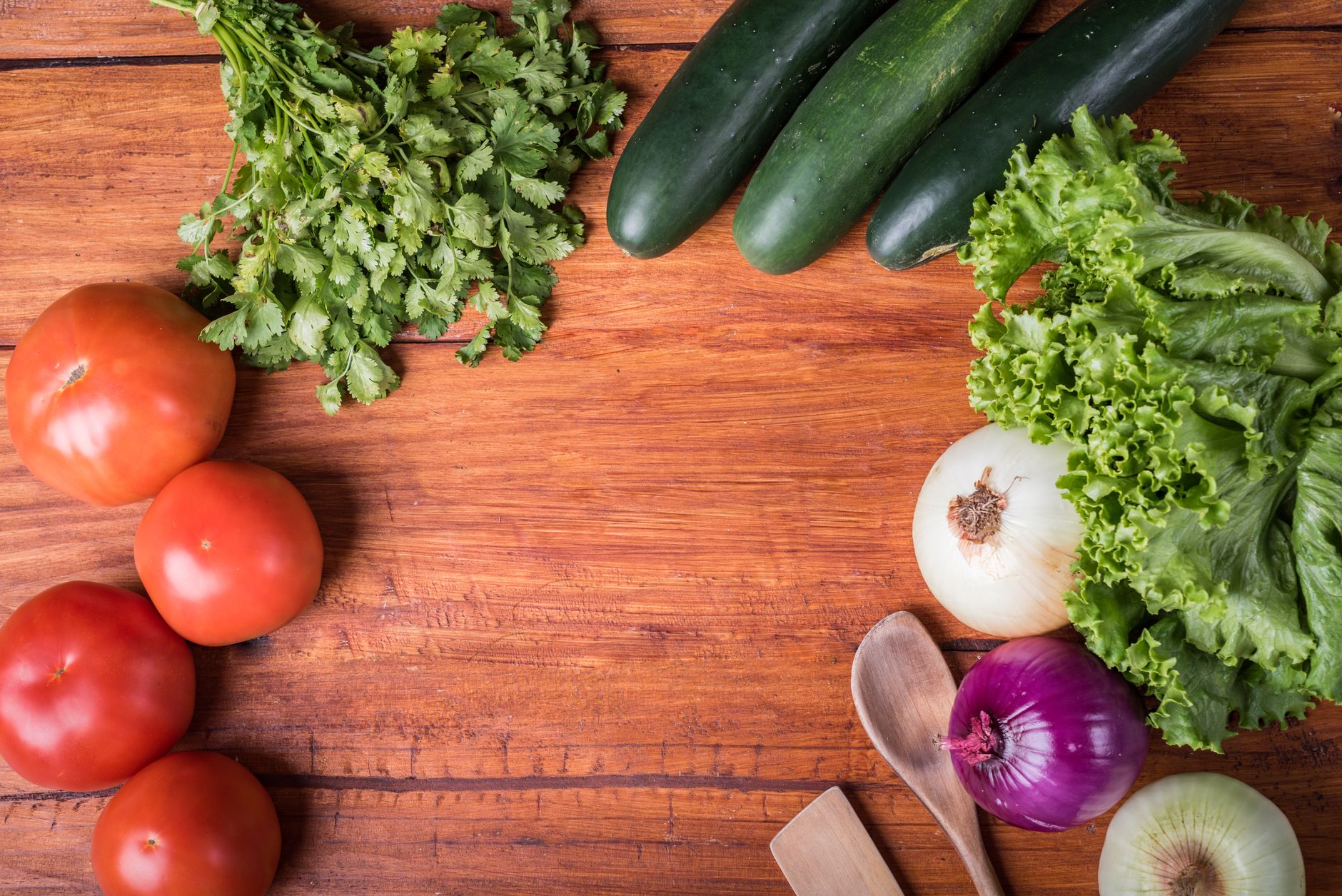
Photo by Luis Kuthe on Pexels
If you have ever stood in a grocery aisle wondering whether organic food really makes a difference for weight loss, you are not alone. The modern nutrition conversation is crowded with promises, shortcuts, and trend-driven advice, yet the heart of sustainable results is still refreshingly simple: eat foods that support your body, your energy, and your appetite control. That is where clean eating with organic ingredients can become more than a wellness trend. It can become a practical, enjoyable, and realistic way to build a healthier lifestyle without feeling deprived.
Weight loss is often treated like a math problem, but anyone who has tried to keep weight off knows that nutrition is only part of the story. Hunger, cravings, sleep, stress, and food quality all matter. A plate filled with organic vegetables, high-fiber fruit, quality protein, and satisfying fats does not just reduce calories; it changes the way you feel after you eat. Are you energized, focused, and comfortably full? Or are you already searching for a snack an hour later?
This article explores the best organic foods for weight loss, how to build a clean eating routine that actually lasts, and how to use smart nutrition choices to support fat loss without falling into restrictive habits. You will also find practical meal ideas, grocery tips, and a few mindset shifts that can make all the difference. If you have been looking for a healthy diet that feels elevated rather than extreme, this is a strong place to begin.
Why Organic Food Can Support Weight Loss Goals
Organic food is not a magic solution, and it does not override calories, movement, or overall nutrition. Still, many people find that choosing organic helps them make better decisions by default. Why? Because organic eating often brings you closer to whole foods, and whole foods are naturally more filling, nutrient-dense, and easier to portion than highly processed alternatives.
When your meals are centered on real ingredients, you are less likely to rely on packaged snacks, refined sugars, and ultra-processed convenience foods that encourage overeating. That is one of the hidden advantages of a clean eating approach. It is not just about what you remove; it is about what you add. More fiber, more micronutrients, more volume, and more satisfaction.
For readers interested in a detox diet, it is worth clarifying one important point: your body already has detoxification systems in the liver, kidneys, lungs, skin, and digestive tract. The most effective way to support those systems is not through starvation or trendy cleanses, but by eating nourishing organic food, drinking enough water, and limiting unnecessary additives. In other words, a real detox diet is a return to simplicity, not a punishment plan.
Organic foods may also reduce exposure to certain pesticides and synthetic ingredients. While this does not directly cause weight loss, it can support a healthier lifestyle overall, especially when combined with better sleep, movement, and stress management. When the goal is long-term nutrition, every small decision matters.
The Real Benefit: Better Food Choices, Better Habits
One reason people succeed with organic eating is behavioral. Once you begin shopping for fresh produce, quality proteins, and minimally processed items, your kitchen changes. Your meals become more intentional. Your breakfast looks different. Your snacks become more balanced. And suddenly the idea of cleaning up your diet does not feel like punishment; it feels like upgrading your everyday life.
Ask yourself this: if your pantry were filled with whole organic foods, how much easier would healthy eating become? That question matters because weight loss is often won or lost at home, not in the gym. The foods you keep within reach shape the choices you make when you are tired, busy, or emotional.
Best Organic Foods for Weight Loss
The best organic foods for weight loss share one thing in common: they help you stay full, satisfied, and nutritionally supported while keeping energy intake reasonable. Below are the staples worth prioritizing if you want results that feel sustainable.
1. Leafy Greens
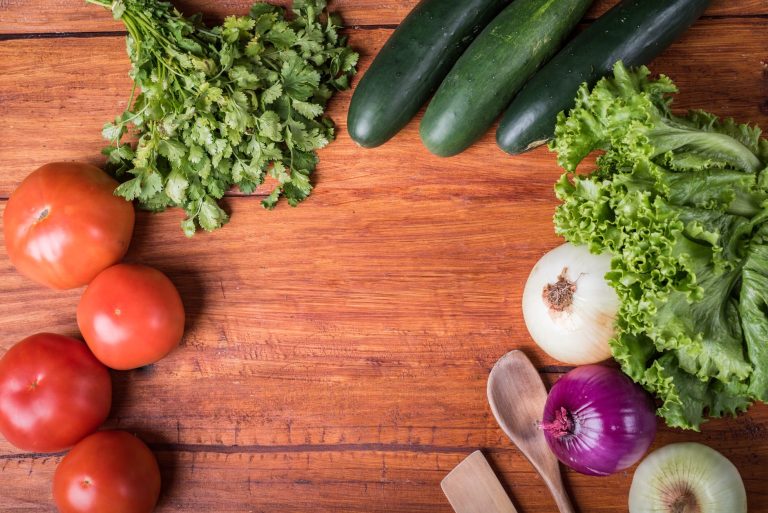
Organic spinach, kale, arugula, romaine, and Swiss chard are among the most efficient foods you can eat for weight loss. They are high in volume and low in calories, which means they help you build meals that look generous without becoming heavy.
Leafy greens are especially helpful if you struggle with late-night snacking or feel hungry soon after meals. Why? Because a plate that includes greens often delivers fiber and water alongside essential nutrients. That combination slows digestion and improves fullness.
- Add spinach to omelets or smoothies.
- Use arugula as a peppery base for lunch bowls.
- Toss kale with lemon and olive oil for a quick salad.
- Mix romaine with cucumbers and herbs for a crisp side dish.
2. Cruciferous Vegetables
Broccoli, cauliflower, Brussels sprouts, cabbage, and bok choy are excellent organic choices for anyone focused on clean eating and weight loss. They are rich in fiber and take time to chew, which can help you slow down and register fullness more accurately. That slower pace matters more than most people realize.
These vegetables also work beautifully in meal prep. Roast a tray of broccoli and cauliflower on Sunday, then use them throughout the week in bowls, soups, and salads. The convenience factor can be just as valuable as the nutrition itself.
3. Berries
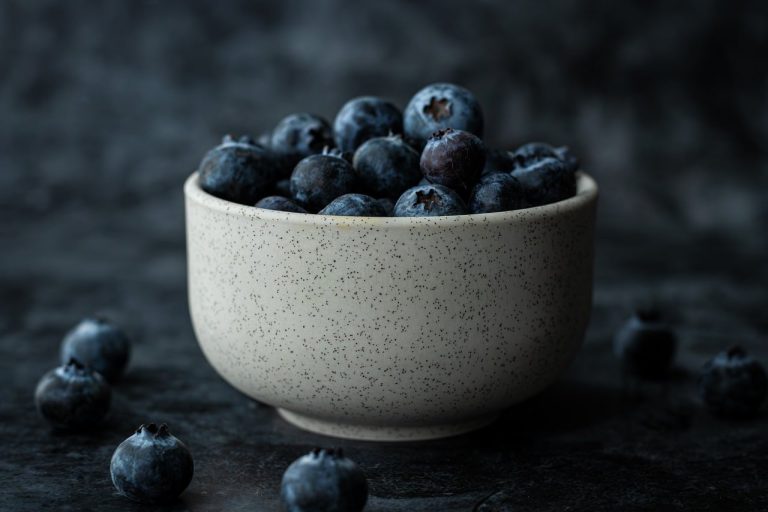
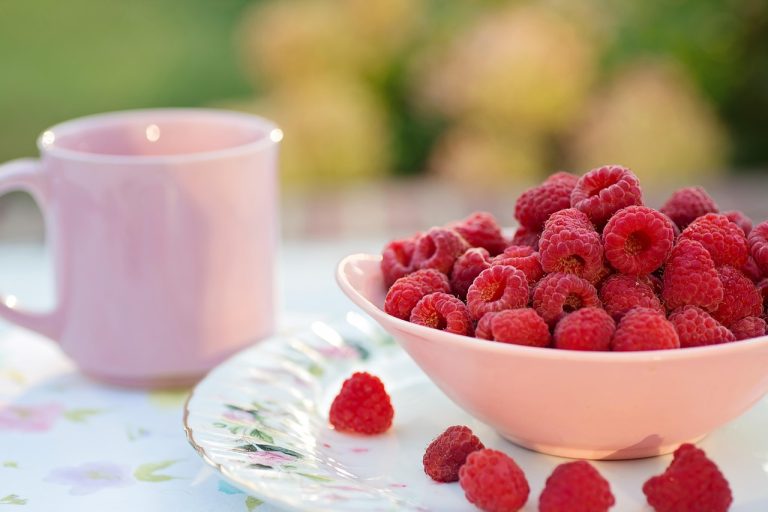
Organic strawberries, blueberries, raspberries, and blackberries offer sweetness with far less sugar than many desserts. If you crave something fresh and satisfying after dinner, berries can be a smart replacement for candy, pastries, or ice cream. They provide fiber, antioxidants, and a naturally vibrant flavor that feels indulgent without being excessive.
Try pairing berries with plain Greek yogurt, chia pudding, or a handful of nuts. The protein and fat help stabilize blood sugar and keep cravings from escalating.
4. Apples and Pears
Apples and pears are underrated weight-loss fruits because they are portable, crunchy, and surprisingly filling. The fiber content encourages satiety, especially when eaten whole rather than juiced. Organic varieties are often especially appealing because the skin is part of the eating experience, and that is where much of the fiber lives.
Need an afternoon snack that feels fresh instead of processed? Slice an apple, sprinkle it with cinnamon, and add almond butter. It is simple, elegant, and far more satisfying than a packaged bar for many people.
5. Eggs
Organic eggs are a powerhouse for clean eating and weight loss. They provide high-quality protein, essential nutrients, and lasting fullness at breakfast or any time of day. A protein-rich morning meal can reduce grazing later in the day, which is one reason eggs are so useful in a healthy diet.
Cook them simply: soft-boiled with toast, scrambled with greens, or baked into mini egg cups for meal prep. If you usually skip breakfast or rely on something sweet, swapping in eggs may change your appetite rhythm in a noticeable way.
6. Plain Greek Yogurt or Kefir
Organic plain Greek yogurt and kefir can be excellent additions to a weight loss plan because they provide protein and, in many cases, beneficial probiotics. That makes them especially helpful for people who want a clean eating routine that also supports digestion.
Choose unsweetened versions whenever possible. You can add berries, chia seeds, nuts, or a drizzle of honey if desired. The key is building a bowl that feels balanced rather than dessert-like.
7. Legumes
Organic lentils, chickpeas, black beans, and kidney beans are budget-friendly, filling, and rich in fiber and plant protein. They are some of the most underrated foods for weight loss because they support steady energy and help you stay full for hours.
For many people, legumes are the bridge between feeling restricted and feeling satisfied. A lentil soup or chickpea salad can be both hearty and light, which is exactly what a sustainable nutrition plan should offer.
8. Chia Seeds and Flaxseeds
These tiny seeds pack a serious nutritional punch. Organic chia seeds and flaxseeds provide fiber, omega-3 fats, and a texture that can make breakfasts and snacks more satisfying. They are especially useful if you want to reduce mindless eating between meals.
Chia pudding, smoothie boosters, and overnight oats all become more filling with just a tablespoon or two. The result is often fewer cravings and better appetite control throughout the day.
9. Avocados
Avocados are calorie-dense, so portion awareness matters, but they are also one of the best organic foods for building a satisfying clean eating meal. Their healthy fats help slow digestion and improve taste, which can make it easier to stick with a nutrition plan long-term.
Use avocado to round out salads, eggs, and grain bowls. A few slices can transform a meal from
About the Author