
Photo by Gareth Hubbard on Unsplash
If you have ever wondered why one person can seem to lose weight with relative ease while another follows the same plan and struggles, the answer may begin in the gut. The digestive system is far more than a place where food is broken down. It is a living ecosystem that affects cravings, energy, inflammation, immune response, and the way your body handles nutrition. That is exactly why an organic food approach to clean eating can be so powerful. It is not about chasing a miracle or following a punishing detox diet. It is about creating the kind of internal environment where your body can function well, feel lighter, and respond more intelligently to healthy choices.
When people hear the phrase healthy diet, they often think of restriction. But a truly effective healthy lifestyle is built on nourishment, not deprivation. It asks better questions: Are your meals giving your gut the fiber it needs? Are you supporting digestion with real, minimally processed ingredients? Are hidden additives, excess sugar, and low-quality oils working against your goals? If you have been looking for a practical way to improve digestion and support weight loss at the same time, organic food may be the smartest place to start.
[IMAGE: organic vegetables]
Why Gut Health Matters So Much for Weight Loss
The gut microbiome, which is the community of bacteria and microbes living in your digestive tract, plays a surprisingly large role in how you feel every day. A balanced microbiome helps break down food, produce beneficial compounds, regulate inflammation, and support the gut lining. When that balance is off, many people notice bloating, sluggishness, cravings, irregular digestion, and a frustrating sense that their healthy efforts are not producing the results they should.
Have you ever eaten a meal that should have felt satisfying, only to feel hungry again an hour later? Or noticed that stress, poor sleep, and convenience food seem to trigger bloating almost immediately? Those reactions are not random. They often reflect the relationship between your meals, your gut, and your metabolism. Clean eating works best when it is designed to support that relationship instead of fighting it.
The Microbiome Is Part of Your Metabolism
Your metabolism is influenced by more than exercise and calorie intake. Gut bacteria help determine how efficiently you extract energy from food, how stable your blood sugar remains, and how much inflammation your body carries from one day to the next. The goal is not to control your body with extreme rules. The goal is to feed it in a way that helps it regulate itself more effectively.
That is where organic food earns its place in a thoughtful nutrition plan. Organic produce and whole foods are often chosen for their freshness, purity, and nutrient density. While organic labels do not make food magical, they can reduce exposure to certain pesticides and often encourage a more intentional way of shopping. People who commit to organic ingredients usually end up eating more plants, more meals cooked at home, and fewer ultraprocessed products. In the real world, that shift can matter more than any single supplement.
Why Organic Ingredients Can Support a Healthier Gut
Organic food may help you build cleaner eating habits in several practical ways:
- It makes it easier to focus on whole, minimally processed ingredients.
- It often encourages a higher intake of vegetables, fruit, legumes, and other fiber-rich foods.
- It may reduce exposure to some pesticide residues, which many people prefer to limit as part of a healthy lifestyle.
- It tends to pair naturally with home cooking, meal prep, and mindful nutrition choices.
None of that works alone, of course. But together, these habits create momentum. And when your meals become more nutrient-dense, your gut often responds with better comfort, more stable energy, and less of the heavy, overfed feeling that can make weight loss difficult to sustain.
The Best Organic Foods for a Happier Gut
What should you actually put on your plate if your goal is better digestion and sustainable weight loss? The answer is not a single superfood. It is a pattern. A gut-friendly organic food plan combines fiber, hydration, living cultures, minerals, and steady protein so your digestive system never feels overwhelmed or underfed.
1. Fermented Foods That Bring Beneficial Cultures
Fermented foods are one of the most interesting additions to a clean eating plan because they can contribute live cultures and distinctive flavor at the same time. They are also a simple way to make healthy food feel more satisfying, which is important if you are trying to stay consistent.
- Organic yogurt with no added sugar
- Kefir made from quality milk or a dairy-free base
- Sauerkraut with live cultures
- Kimchi
- Miso
- Tempeh
Start small if your digestive system is sensitive. A tablespoon of sauerkraut or a few spoonfuls of yogurt may be enough at first. More is not always better, especially if you are transitioning from a low-fiber, highly processed diet.
2. Fiber-Rich Organic Produce
Fiber is one of the most reliable tools for gut health, appetite control, and long-term weight loss. It helps feed beneficial bacteria, supports regular bowel movements, and slows digestion so meals feel more satisfying. Organic vegetables and fruit are particularly valuable here because they make it easier to eat a larger variety of colorful plants without relying on packaged convenience foods.
- Leafy greens such as spinach, kale, and arugula
- Cruciferous vegetables like broccoli, cauliflower, and Brussels sprouts
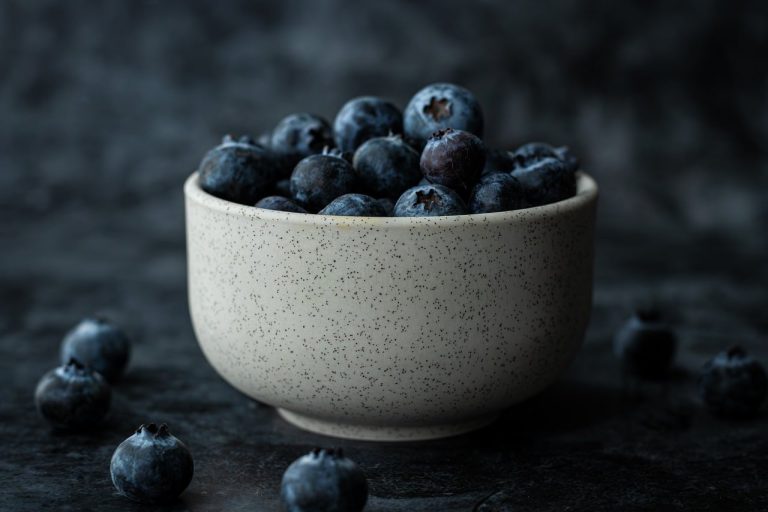
- Berries, especially blueberries, raspberries, and blackberries
- Apples and pears with the skin on
- Avocados
- Chia seeds and flaxseeds
- Lentils, chickpeas, and black beans
- Organic oats
If you tend to feel bloated, it may help to introduce fiber gradually rather than all at once. Your gut is adaptive, but it prefers consistency over shock.
3. Prebiotic Foods That Feed Healthy Bacteria
Prebiotics are the fibers and compounds that nourish the good bacteria already living in your gut. Think of them as the preferred fuel for a more balanced microbiome. They are especially useful when paired with fermented foods, because they help create an environment where beneficial organisms can thrive.
- Garlic
- Onions
- Leeks
- Asparagus
- Artichokes
- Green bananas
- Cooked and cooled potatoes or rice
What to Keep in Your Kitchen
If you want a cleaner, more predictable week, stock your kitchen with a handful of dependable staples. That way, healthy choices do not depend on motivation alone.
- Organic greens for quick salads and sautés
- Fresh herbs for flavor without excess sodium
- Frozen berries for smoothies and breakfast bowls
- Plain yogurt or kefir
- Eggs or plant-based protein options
- Olive oil, avocado, nuts, and seeds
- Whole grains such as quinoa and oats
- Fermented vegetables in small jars
[IMAGE: healthy meal]
How to Build a Clean Eating Plate That Supports Digestion
Clean eating is easiest when it is visual and practical. Instead of thinking in complicated numbers, build each meal around a simple structure: protein, fiber, healthy fat, and a sensible portion of slow-digesting carbohydrates. This approach supports blood sugar stability, digestion, and satiety, which is why it often works better than a rigid calorie-only plan.
The Ideal Gut-Friendly Plate
A balanced plate does not have to be perfect. It simply needs to be consistent enough to keep you energized and satisfied.
- Half the plate: organic vegetables or salad greens
- One quarter: lean protein such as eggs, fish, chicken, tofu, tempeh, or legumes
- One quarter: complex carbohydrates such as quinoa, brown rice, oats, sweet potato, or beans
- A small amount: healthy fats from olive oil, avocado, seeds, or nuts
This kind of structure helps reduce the blood sugar spikes that can trigger cravings later in the day. It also supports digestive comfort because the meal is balanced rather than overloaded with one macronutrient.
Cooking Methods Matter More Than People Realize
Some foods are easier on the gut when they are cooked instead of eaten raw. Steaming, roasting, sautéing, and slow simmering can soften fiber and make nutrients more accessible. If you struggle with bloating, this detail can be a game changer. A giant raw salad may seem virtuous, but if it leaves you uncomfortable, it is not the best clean eating choice for your body.
Ask yourself: do you feel better after a warm bowl of vegetables, or after a cold plate piled high with raw produce? The answer can tell you a lot about the kind of nutrition your body actually prefers.
Hydration and Meal Timing Support Digestion Too
Water is often overlooked in discussions about organic food and weight loss, yet it plays a vital role in digestion. Fiber needs fluid. So do the biochemical processes that keep your body energized. Herbal teas, water with lemon, cucumber slices, or a simple glass of room-temperature water before meals can help you feel more settled.
- Drink water steadily throughout the day instead of waiting until you feel thirsty
- Avoid flooding meals with large amounts of liquid if that makes you feel sluggish
- Leave enough time between dinner and bedtime for digestion to do its work
- Chew slowly and give your body a chance to register fullness
These may sound like minor habits, but together they influence comfort, appetite, and even how calmly you approach food.
A Gentle Detox Diet Approach Without Starvation
The phrase detox diet gets used in many different ways, and not all of them are helpful. Your body already has a sophisticated detoxification system: the liver, kidneys, lungs, skin, and digestive tract all play important roles. What a smart, supportive detox diet should do is reduce unnecessary burdens and increase nourishment. It should help your system work better, not make you feel punished.
That is why an organic food detox approach is best seen as a reset rather than a cleanse. It is a period of intentional eating that removes obvious irritants and replaces them with foods that are easier to digest and more nutrient-dense. No starvation. No juice-only rules. No complicated gimmicks. Just cleaner food, more hydration, and fewer things that interfere with your energy.
What to Reduce for a Few Days
If you want to give your gut a break, consider reducing the following:
- Highly processed snack foods
- Excess sugar and sweetened drinks
- Alcohol
- Heavy fried foods
- Artificial additives and flavor-heavy convenience meals
- Large amounts of refined flour
Do you need to eliminate every one of these forever? Not necessarily. But reducing them for a short window can help you notice how much better your body feels when clean eating becomes the default.
What to Increase Instead
Focus on food that is simple, colorful, and easy to digest:
- Steamed greens and roasted vegetables
- Fresh fruit in reasonable portions
- Soups and broths made with organic ingredients
- Plain yogurt, kefir, or fermented vegetables
- Lean protein
- Herbal tea and water
- Warm grains like oats or quinoa
A One-Day Reset Template
A gentle reset does not need to be dramatic. It just needs to be structured enough to take decision fatigue out of the picture.
- Morning: warm water, then a breakfast of oats with berries, chia, and yogurt or a protein-rich alternative
- Midday: a bowl built around greens, protein, quinoa, and olive oil
- Afternoon: a piece of fruit with seeds or a small handful of nuts
- Evening: roasted vegetables, salmon or tofu, and a simple side of sweet potato
That kind of day can leave you feeling lighter without the mental stress that often comes with extreme restriction. And when the gut is calmer, many people find their appetite becomes more manageable too.
A Sample Organic Meal Day for Better Digestion and Steadier Weight Loss
What does this look like in real life? Imagine a weekday when you are busy, slightly tired, and trying to make progress without overthinking every bite. You do not need a complicated formula. You need meals that are satisfying, portable, and easy to repeat.
Breakfast: Fiber, Protein, and Stability
Start with something that keeps you full for more than an hour. A bowl of organic oats topped with berries, ground flax, and plain yogurt is a simple option. If you prefer savory food, try eggs with sautéed greens and avocado, or a tofu scramble with onions, herbs, and tomatoes. The right breakfast can reduce midmorning cravings and give your digestive system a calm start.
Lunch: A Balanced Plate That Does Not Weigh You Down
Lunch should feel steady, not sleepy. Build a salad or grain bowl with leafy greens, roasted vegetables, lentils or chicken, pumpkin seeds, and olive oil. Add a side of fermented vegetables if your stomach tolerates them well. This creates a meal with enough fiber and protein to carry you through the afternoon without reaching for sugary snacks.
Snack: Keep It Simple
Snack only if you are truly hungry. A crisp apple with nut butter, a small yogurt, a few walnuts, or cucumber with hummus can be enough. The point is not to fill every gap with food. The point is to support energy without turning snacking into a habit that blunts appetite and confuses digestion.
Dinner: Warm, Satisfying, and Easy to Digest
Evening meals work best when they are comforting and not too heavy. Think roasted vegetables, baked salmon or tempeh, and a moderate portion of quinoa or sweet potato. If you enjoy soups, this is an ideal time to use them. A well-made organic soup can feel luxurious and light at the same time, especially when it includes herbs, greens, and a clean source of protein.
[IMAGE: fitness lifestyle]
Common Organic Diet Mistakes That Can Sabotage Gut Health
Even with the best intentions, people sometimes create a healthy diet that is not actually helping them. The label organic does not automatically mean balanced, and clean eating can still go wrong if it becomes too narrow or too extreme. Are you making one of these common mistakes without realizing it?
1. Eating Too Much Fiber Too Quickly
Fiber is beneficial, but a sudden jump from low-fiber convenience foods to very large raw salads, bean-heavy bowls, and seed-loaded meals can lead to gas and bloating. If your gut is sensitive, increase fiber gradually and drink enough water to help it move through the digestive tract comfortably.
2. Forgetting Protein
Many people build meals around vegetables and still feel hungry because protein is missing. Protein matters for satiety, muscle maintenance, and stable energy. When weight loss is the goal, a protein gap can lead to more cravings later in the day and a greater chance of overeating at night.
3. Confusing Healthy-Sounding Snacks with Real Nutrition
Not every organic snack supports a healthy lifestyle. Organic chips, bars, crackers, and sweetened treats can still be processed and easy to overeat. If the ingredient list is long and the food disappears in two bites, it may not be doing your body many favors.
4. Underestimating Sleep and Stress
Your gut responds to stress more quickly than many people realize. Poor sleep can increase cravings, reduce fullness signals, and make digestive discomfort worse. If your goal is better nutrition outcomes, sleep is not optional. It is part of the plan.
5. Treating a Detox Diet Like a Punishment
A detox diet should never mean starvation, guilt, or fear of eating. The purpose is to simplify and support. If your plan leaves you irritable, fatigued, and obsessed with food, it is too aggressive to be sustainable.
- Increase fiber slowly
- Anchor meals with protein
- Choose real food over trend-driven products
- Protect sleep and stress management
- Use clean eating as a long-term habit, not a punishment
How to Turn Organic Eating Into a Lasting Healthy Lifestyle
The most effective nutrition plan is the one you can repeat on ordinary days. That means your system should be simple enough to fit into work, family life, travel, and imperfect weeks. The point of organic food is not to create another identity to perform. The point is to make nourishing choices more accessible and more automatic.
Shop with a Short, Repeatable List
Instead of wandering through the store without a plan, build a small list of recurring staples. This lowers decision fatigue and makes it easier to stick with clean eating even when you are busy.
- Two or three organic vegetables you know you will actually eat
- One or two fruits for snacks and breakfast
- A protein source for several meals
- One whole grain or starchy vegetable
- A fermented food
- A healthy fat such as olive oil, avocado, nuts, or seeds
Meal Prep Without Making Life Feel Rigid
Meal prep does not have to mean a full day of containers and repetition. It can be as simple as roasting a tray of vegetables, washing greens, cooking a grain, and preparing one protein source in advance. With those pieces ready, you can mix and match meals in minutes.
- Roast a large tray of broccoli, carrots, and sweet potatoes
- Cook quinoa or brown rice for the week
- Keep washed greens ready for bowls and salads
- Prepare a simple dressing with olive oil, lemon, and herbs
- Store snacks in visible containers so healthier choices are easy to grab
Do Not Ignore Movement and Recovery
Nutrition works better when your body is active and rested. Gentle movement such as walking, cycling, yoga, or strength training supports digestion and improves how the body uses energy. You do not need punishing workouts to see results. You need consistency, mobility, and enough recovery to avoid stress overload.
Exercise also helps with appetite regulation, which can support weight loss without making you feel deprived. A short walk after meals, for example, can aid digestion and clear the mind. Is there an easier habit with a better return on effort?
Use Clean Eating as a Decision Filter
One of the most helpful mindset shifts is to use clean eating as a filter instead of a rulebook. When you are choosing between two meals, ask which one contains more real nutrition, more fiber, and fewer ingredients your body has to work harder to process. This question keeps the focus on quality rather than perfection.
And if you have an off day, return to the pattern at the next meal. Sustainable healthy living is built on recovery, not rigidity.
[IMAGE: healthy meal]
What a Smart Organic Food Plan Really Gives You
When people stay with this approach long enough, the benefits often show up in ways that go beyond the scale. Digestion becomes more predictable. Meals feel more satisfying. Energy becomes steadier. Cravings often become easier to manage. The body starts to feel less reactive and more resilient.
That is the real promise of combining organic food with a clean eating strategy. It is not a promise of instant transformation. It is a promise of better conditions for transformation. Your body cannot do its best work when it is overfed with processed ingredients and underfed with nutrients. But when you provide quality food, enough water, fiber, protein, and rest, the system often becomes more cooperative.
If your goal is weight loss, this matters even more. Fat loss tends to be more sustainable when digestion is calm, blood sugar is steadier, and meals are built on actual nutrition rather than constant restriction. In other words, the path to looking lighter often begins with feeling better.
The simplest next step is also the most effective one: choose one meal tomorrow and make it more organic, more colorful, and more balanced than what you usually eat. Maybe that is breakfast. Maybe it is lunch. Maybe it is a dinner built around vegetables, protein, and a clean source of carbohydrates. Small changes create momentum, and momentum is what turns a good intention into a healthy lifestyle. If you want more practical ideas, explore the other DietOrganic articles for organic food inspiration, nutrition tips, clean eating strategies, and everyday habits that support lasting wellness.
About the Author