

Photo by woodleywonderworks on Openverse
If you have ever wondered why some meals leave you energized while others lead to bloating, sluggishness, or unexpected cravings, the answer may begin in your gut. A balanced digestive system does far more than process food: it influences immunity, energy, mood, skin, and even how easily you maintain a healthy weight. That is why so many people are turning to organic food and clean eating as a practical, nourishing way to support better digestion and a stronger sense of everyday wellness.
Organic food is not a magic solution, but it can be an important part of a gut-friendly lifestyle. When your meals are built around high-quality produce, fermented foods, fiber-rich plants, and minimally processed ingredients, your digestive system gets the support it needs to function well. Could a few thoughtful changes in your daily nutrition help reduce bloating, improve regularity, and make weight loss feel more natural? For many readers, the answer is yes.
Why Gut Health Deserves More Attention
Gut health has moved from a niche wellness topic to a central conversation in nutrition, and for good reason. The gut is home to trillions of microorganisms that influence digestion, nutrient absorption, immune function, and more. When this ecosystem is thriving, food is broken down more efficiently, inflammation may be lower, and your body tends to feel more balanced overall.
But when gut health is compromised, the effects can show up in many ways. You might notice gas after meals, irregular bowel movements, cravings for sugar, low energy, or a general sense that your body is not responding well to the way you eat. Sometimes the connection is obvious; other times, it is subtle enough to be ignored for months or even years.
The Gut Microbiome Explained Simply
The gut microbiome is the community of bacteria, fungi, and other microorganisms living in your digestive tract. Some of these microbes are beneficial and help your body digest food, produce certain vitamins, and keep harmful organisms in check. Others can become problematic when balance is disrupted.
Think of the microbiome as a living garden. It thrives when it receives the right mix of fiber, plant diversity, hydration, and nourishment. It struggles when it is fed too many ultra-processed foods, excessive sugar, artificial additives, and low-fiber meals. That is why organic food and clean eating often go hand in hand with a healthier gut environment.
Signs Your Gut May Need More Support
Not every symptom points to a gut issue, but these signs can suggest your digestive system would benefit from extra care:
- Frequent bloating or discomfort after meals
- Irregular bowel movements
- Cravings for sweets or refined carbohydrates
- Low energy after eating
- Sensitivity to rich, fried, or heavily processed foods
- Skin flare-ups that seem connected to diet
- A feeling of heaviness or sluggishness that lingers
If any of these sound familiar, ask yourself: what does a typical day of eating look like? Is it rich in whole foods and nutrition, or is it built around convenience and processed snacks? The answer can reveal a lot.
Why Organic Food Can Be a Smart Choice for Digestion
Organic food is often associated with freshness, purity, and a cleaner approach to nutrition. While organic status alone does not guarantee better gut health, it can reduce exposure to certain pesticides and additives that many people prefer to limit. For readers committed to a healthy lifestyle, this matters more than it may first appear.
When your meals are based on organic vegetables, organic fruit, organic grains, and responsibly sourced proteins, you are often choosing ingredients that are less processed and closer to their natural form. That matters because your digestive system generally responds better to foods it can recognize and break down efficiently.
Less Exposure to Unwanted Chemical Residue
Many people choose organic food because they want to reduce exposure to pesticide residue. Although conventional produce can absolutely be part of a healthy diet, organic options may appeal to those looking for a more natural eating pattern, especially when building a detox diet or a clean eating plan.
For sensitive individuals, a simpler, cleaner food environment may feel more comfortable. If you are already investing in nutrition, why not choose ingredients that support both the body and the peace of mind that comes from eating well?
More Whole-Food Meals, Fewer Ultra-Processed Choices
One of the hidden benefits of eating organic is that it often pushes people toward a more intentional plate. Instead of reaching for packaged foods, many shoppers begin selecting produce, legumes, seeds, eggs, yogurt, and whole grains. This shift can naturally improve fiber intake, support digestion, and help with weight loss by increasing satiety.
A healthy meal does not have to be complicated. In fact, some of the best gut-friendly meals are beautifully simple: roasted vegetables, leafy greens, a clean protein source, and a source of healthy fat. When food is prepared this way, the digestive system often feels less stressed and more supported.
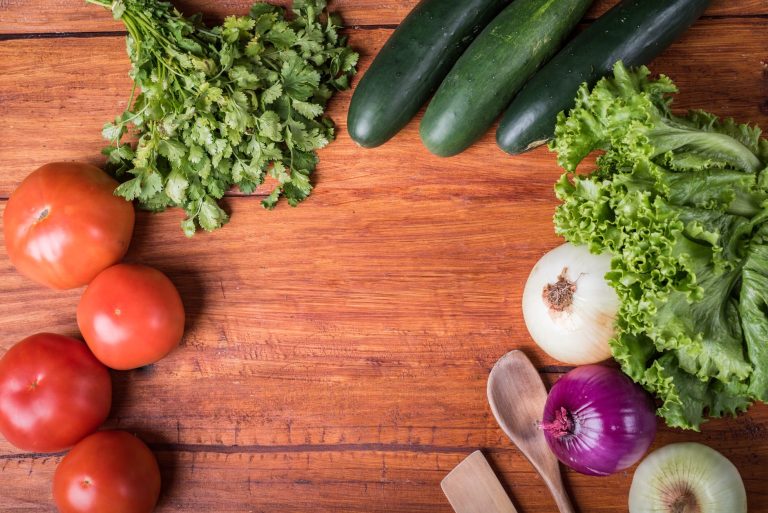
[IMAGE: organic vegetables]
Best Organic Foods for Gut Health
Not all foods affect the gut in the same way. Some nourish beneficial bacteria, some support regular digestion, and some help create the kind of internal environment that makes healthy digestion easier to maintain. If your goal is better gut health, stronger nutrition, and perhaps a more sustainable path to weight loss, these organic foods deserve a place on your plate.
1. Fermented Organic Foods
Fermented foods are some of the most powerful additions to a gut-friendly diet. They contain naturally occurring probiotics, which are beneficial bacteria that can help support microbial diversity in the digestive tract. The key is to choose versions that are organic, minimally processed, and low in added sugar.
Examples include:
- Organic plain yogurt
- Organic kefir
- Sauerkraut
- Kimchi
- Miso
- Tempeh
Not everyone tolerates fermented foods the same way, so start small. A spoonful of sauerkraut with lunch or a small serving of kefir in the morning can be enough to introduce these foods gently.
2. Prebiotic Vegetables
Prebiotics are the fibers that feed your beneficial gut bacteria. Without them, probiotics have less to work with. Organic vegetables such as garlic, onions, leeks, asparagus, and artichokes are excellent prebiotic options that can improve digestive support while enhancing the flavor and complexity of meals.
These vegetables are especially helpful if you are following a clean eating approach because they add depth, texture, and nutrition without relying on heavy sauces or refined ingredients. They also fit easily into soups, salads, stir-fries, and roasted dishes.
Simple ways to use prebiotic vegetables
- Roast garlic and onions with olive oil for a savory side dish
- Add leeks to soups and stews
- Steam asparagus and serve with lemon
- Toss artichoke hearts into salads or grain bowls
3. Fiber-Rich Fruits and Greens
Fiber is essential for regular digestion, stable blood sugar, and healthy elimination. Organic fruits and leafy greens can make a significant difference, especially when your diet has been low in plant foods. Fiber helps move waste through the digestive tract, which is one reason many people notice a lighter, more comfortable feeling when they increase their intake.
Best organic choices include:
- Berries
- Apples with the skin on
- Pears
- Spinach
- Kale
- Arugula
- Broccoli
These foods also support weight loss naturally because fiber helps you feel satisfied after meals. That means fewer cravings and less likelihood of reaching for snacks soon after eating.
4. Healthy Fats That Support Balance
Healthy fats do not just help you stay full; they also help the body absorb fat-soluble vitamins and support overall nutrition. Organic avocados, extra virgin olive oil, chia seeds, flaxseeds, and walnuts can all be valuable for digestive comfort when used in reasonable portions.
Too little fat may leave meals unsatisfying, while too much fried or heavily processed fat can weigh the body down. The goal is balance. A salad with avocado and olive oil, for instance, can be both delicious and deeply nourishing.
5. Clean Protein Sources
Protein is essential for repair, energy, and satiety, but it should be chosen with care when the goal is gut health. Organic eggs, organic poultry, wild fish, tofu, tempeh, lentils, and beans can all fit into a gut-friendly menu depending on tolerance and preference.
If you find that large servings of red meat or heavily seasoned protein leave you feeling heavy, scale back and experiment with lighter options. Organic food does not need to be elaborate to be effective; often, the simplest meals are the most digestible.
Foods and Habits That Can Disrupt Digestion
Supporting the gut is not only about what you add. It is also about what you reduce. Many people work hard to eat more vegetables and take probiotic supplements, yet continue to feel uncomfortable because their daily habits still include foods that strain digestion.
Common culprits to limit
- Ultra-processed snacks
- High-sugar drinks and desserts
- Refined grains with very little fiber
- Deep-fried foods
- Excess alcohol
- Artificial sweeteners for sensitive individuals
- Large portions eaten too quickly
Sometimes a gut-friendly reset feels less like a strict detox diet and more like a return to basics. What happens if you reduce the foods that make you feel sluggish and increase the foods that help you feel light, clear, and satisfied?
That shift alone can change the way your body responds to meals.
How a Gut-Friendly Diet Can Support Weight Loss
Weight loss is not just about calories. It is also about appetite control, inflammation, blood sugar balance, digestion, and how well your body uses the nutrients you eat. A healthier gut can make all of those processes work more efficiently.
When digestion improves, many people notice that cravings become easier to manage. Meals feel more satisfying. Energy becomes steadier. And the cycle of overeating, bloating, and fatigue begins to lose its grip. That is one reason organic food and clean eating are often linked to long-term weight loss success.
Why fiber helps with satiety
Fiber slows digestion in a healthy way, which helps you feel full for longer. This can reduce the urge to snack between meals and make portion control feel more natural. Instead of relying on willpower, you are building meals that support your body biologically.
Why blood sugar stability matters
Blood sugar swings can influence hunger, energy, and cravings. When meals are balanced with protein, fiber, and healthy fat, they tend to support steadier blood sugar levels. That steadiness can be particularly helpful if you are trying to lose weight without feeling deprived.
Why less bloating can change everything
Sometimes the number on the scale does not reflect how you actually feel. A bloated, uncomfortable body can make healthy habits feel discouraging. But when you reduce digestive stress through better nutrition, the body often feels lighter and more responsive. That is not only good for weight loss; it also improves confidence and motivation.
[IMAGE: healthy meal]
Building a Clean Eating Routine That Feels Sustainable
Many people begin a healthy lifestyle with enthusiasm and then give up because the plan feels too restrictive. Sustainability is the real key. A gut-friendly, organic approach should fit into your life instead of taking it over. The best routine is the one you can repeat calmly, consistently, and with enjoyment.
Start with a simple plate formula
Instead of overcomplicating meals, use a basic structure:
- Half the plate: organic vegetables or salad greens
- One quarter: clean protein
- One quarter: whole grains or starchy vegetables
- One small serving: healthy fat
This formula works well for lunch and dinner, and it keeps meals balanced without requiring precise tracking. It also naturally supports nutrition and weight loss by keeping portions reasonable while still leaving you satisfied.
Choose one new habit each week
Do you really need to change everything at once? Usually not. In fact, gradual changes tend to last longer. Try one of these each week:
- Add one fermented food daily
- Include one extra serving of vegetables
- Swap one packaged snack for fruit and nuts
- Drink a full glass of water before meals
- Cook one extra meal at home each week
These small actions build momentum. Before long, your pantry, your shopping list, and your habits begin to reflect a more intentional healthy lifestyle.
Listen to your body after meals
One of the most useful tools in nutrition is awareness. After you eat, notice how you feel 30 minutes later and again after a few hours. Are you energized, satisfied, and clear-headed? Or heavy, bloated, and sleepy? This feedback can help you identify which organic foods support you best and which ones may need to be reduced.
Sample Organic Gut-Friendly Day
If you are looking for a practical way to begin, a simple day of clean eating can show you how satisfying organic food really can be. The goal is not perfection. The goal is to create meals that feel nourishing, digestible, and realistic.
Breakfast
- Organic kefir or plain yogurt
- Berries and chia seeds
- A sprinkle of walnuts or flaxseed
This combination provides protein, probiotics, fiber, and healthy fat in one balanced meal.
Lunch
- Mixed greens with cucumber, avocado, shredded carrots, and olives
- Grilled organic chicken, chickpeas, or tofu
- Olive oil and lemon dressing
This is the kind of healthy meal that feels bright and satisfying without being heavy.
Snack
- Apple slices with almond butter
- Or a small serving of sauerkraut with vegetable sticks
Dinner
- Roasted broccoli, zucchini, and onions
- Baked salmon or lentils
- Quinoa or sweet potato
By the end of the day, you have supported digestion from multiple angles: fiber, protein, probiotics, and anti-inflammatory fats. That is the essence of a well-designed gut-friendly plan.
Can a Gut-Friendly Diet Support a Detox Diet?
The word detox is often overused, but the idea behind it is easy to understand: give the body fewer burdens and more nourishment. Your liver, kidneys, digestive system, and skin are already involved in natural detoxification every day. What you eat can either support that work or make it harder.
An organic food plan built around clean eating can support the body’s natural detox processes by reducing the intake of heavily processed foods and increasing the nutrients needed for normal function. That does not mean you need extreme cleanses or restrictive programs. In fact, those approaches often leave people feeling worse, not better.
What supportive detox looks like in real life
- Plenty of water and herbal teas
- High-fiber vegetables and fruit
- Cruciferous vegetables such as broccoli and cabbage
- Minimized alcohol and added sugar
- Regular, balanced meals instead of long periods of overeating
That is a healthier, more sustainable version of detox diet thinking: not punishment, but support.
Shopping Tips for a Better Organic Pantry
One of the easiest ways to stay consistent with nutrition is to make the right foods easier to access. If your pantry is full of quick, healthy options, you are much more likely to make choices that align with your goals.
What to keep on hand
- Organic oats
- Brown rice or quinoa
- Canned beans and lentils with simple ingredients
- Olive oil and avocado oil
- Frozen organic vegetables
- Fresh fruit
- Nuts and seeds
- Plain yogurt or kefir
- Herbs, garlic, and onions for flavor
These basics make it easier to prepare a healthy meal in minutes. They also reduce the temptation to rely on takeout or packaged convenience foods when you are tired.
How to shop smarter
Look for products with short ingredient lists. If a food has a long label with words you would not use in your own kitchen, pause and ask whether it truly belongs in your routine. Clean eating is not about fear; it is about making informed choices that support your health.
And if you want to save money, remember this: not every item needs to be organic all the time. Prioritize the foods you eat often, especially the ones that fit into your daily meals. That balanced approach can make organic living more practical and realistic.
Daily Habits That Make Organic Food Work Better for You
The quality of your food matters, but so does the way you eat it. Even the best organic ingredients will not fully support your gut if your habits are rushed, inconsistent, or overly stressful.
Eat more slowly
Digestion starts in the mouth. Chewing thoroughly helps your body break down food and may reduce the amount of air you swallow, which can lessen bloating. Slowing down also gives your brain time to register fullness.
Stay hydrated
Water is essential for digestion and elimination. If you increase fiber, hydration becomes even more important. A well-hydrated body tends to process food more smoothly and comfortably.
Manage stress
The gut and nervous system are closely connected. Stress can affect digestion, appetite, and how your body responds to meals. Even a few minutes of deep breathing, a short walk, or a quiet break can support better digestive function.
Move your body regularly
Physical activity helps circulation, supports bowel regularity, and can improve how you feel after eating. You do not need extreme workouts. Consistent movement is enough.
[IMAGE: fitness lifestyle]
A Realistic 5-Step Reset for Better Digestion
If you want to get started without feeling overwhelmed, begin with a simple five-step reset. It is not a rigid detox diet. It is a practical way to align your meals and habits with a healthier gut.
Step 1: Add one extra vegetable serving daily
Choose organic vegetables whenever possible and build from there.
Step 2: Include one fermented food
Start with a small amount and observe how your body responds.
Step 3: Replace one packaged item
Swap one processed snack for a whole-food option such as fruit, yogurt, nuts, or hummus with vegetables.
Step 4: Make breakfast more balanced
Protein and fiber in the morning can reduce cravings later in the day.
Step 5: Build one truly satisfying dinner
Use a formula of vegetables, protein, and healthy fat so you end the day feeling nourished, not deprived.
What Experts Often Recommend, and Why It Matters
Nutrition professionals often emphasize consistency, balance, and food quality because those three factors make the biggest difference over time. A healthy lifestyle is rarely built on dramatic rules. It is built on repeated choices that support your body without making life miserable.
That is why organic food can be so appealing. It fits naturally into a pattern of mindful eating. It encourages you to focus on ingredients, not just calories. It helps you think in terms of nourishment, not restriction. And for many people, that mindset shift is what finally makes weight loss and digestion improvements feel manageable.
Still, it is important to remember that no single food group determines your health. A well-rounded approach matters more than perfection. The best organic diet is one that reflects your preferences, your schedule, and your body’s unique needs.
Questions to Ask Yourself Before Your Next Grocery Trip
If you are trying to make better choices, asking the right questions can be surprisingly powerful. Before you shop, pause and reflect:
- Which meals leave me feeling my best?
- What foods seem to cause bloating or fatigue?
- Am I getting enough fiber each day?
- Do I have enough quick, healthy meal options at home?
- Which organic foods would make my routine easier to maintain?
These questions turn nutrition into a personal process instead of a generic set of rules. They help you build a plan that works for your real life.
Bringing It All Together Without Overcomplicating It
The most effective gut-friendly strategy is not dramatic. It is steady. It is built on organic food, thoughtful meal choices, and the kind of clean eating habits that you can actually maintain. Add more plants. Choose more whole ingredients. Support your digestion with fiber, hydration, and balance. Reduce the foods that make you feel heavy and unwell. The changes may seem small at first, but they can create a noticeable shift in how your body feels, how you manage weight loss, and how naturally your healthy lifestyle begins to take shape. If you want more practical guidance, more organic diet ideas, and more nourishing inspiration for everyday wellness, keep exploring the articles at DietOrganic and continue building a way of eating that truly supports you.
About the Author